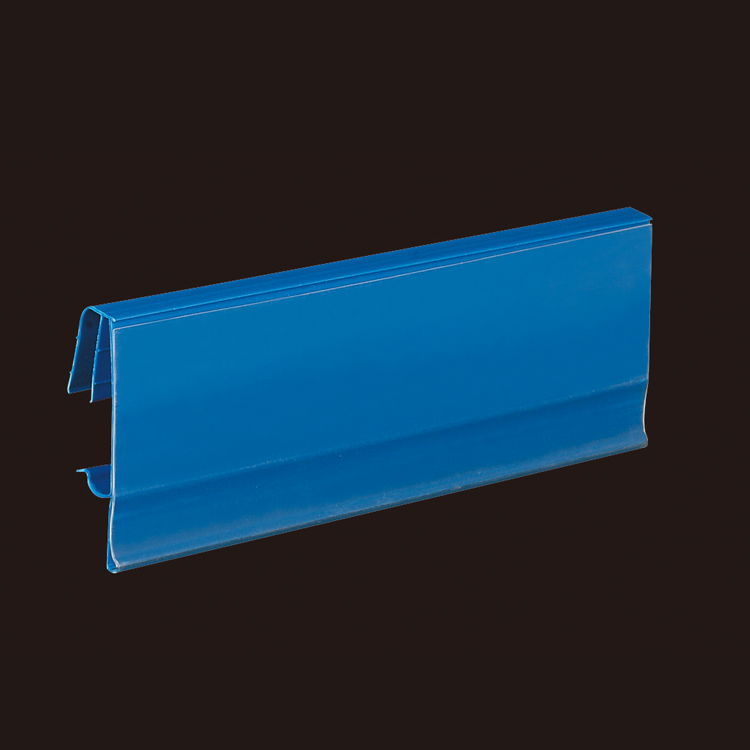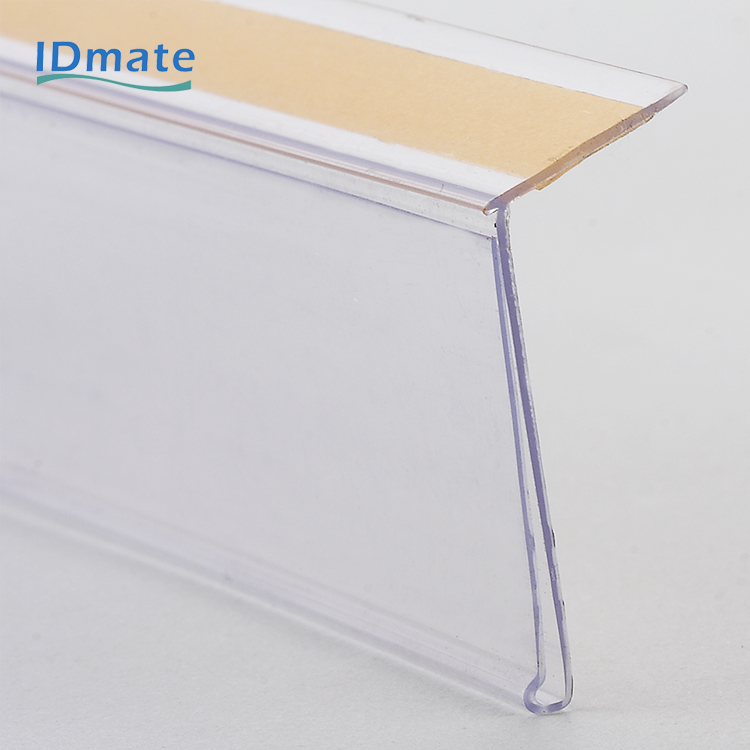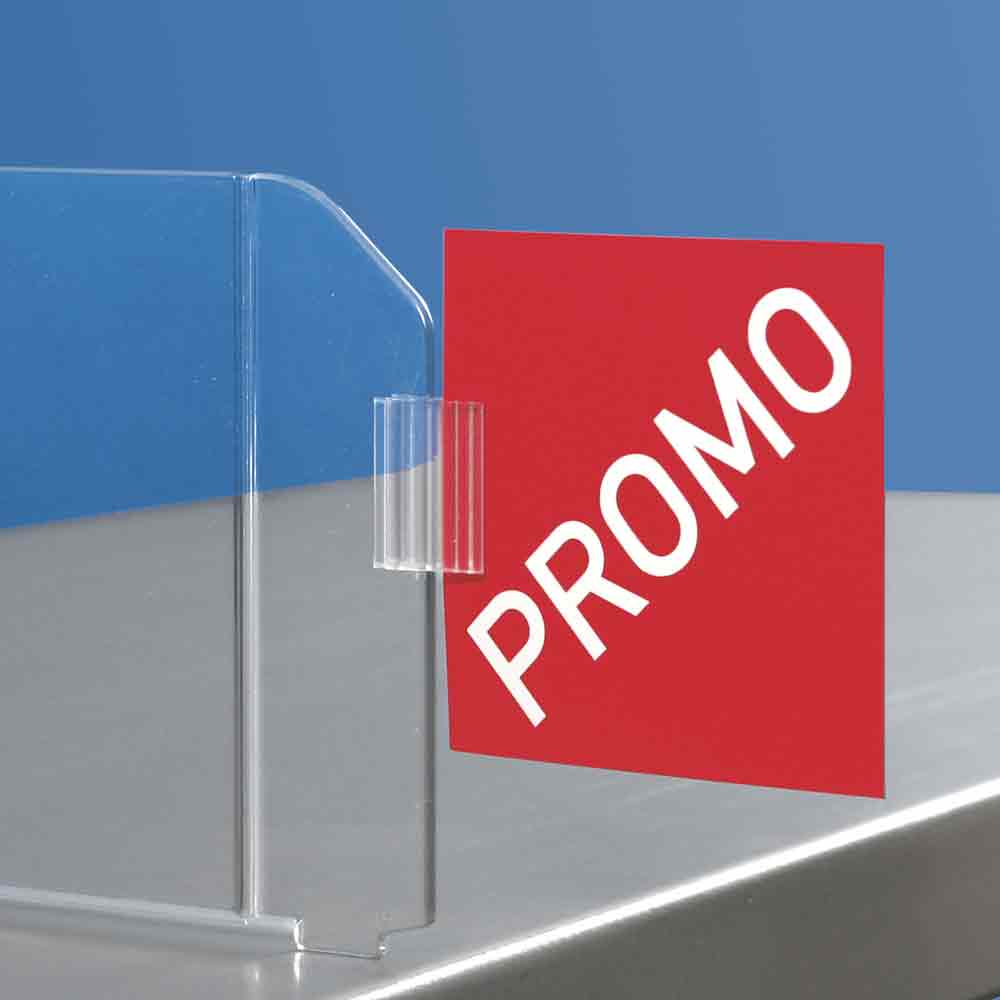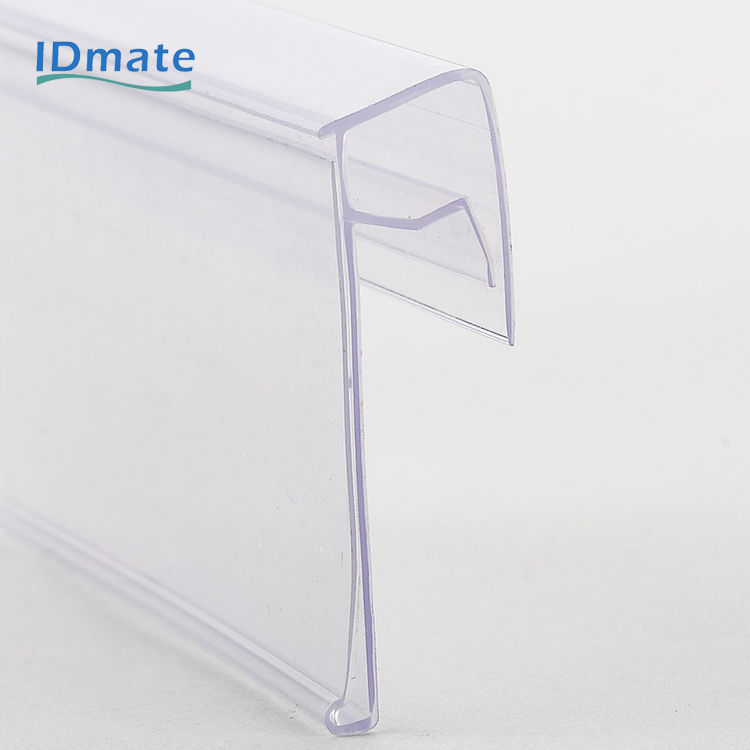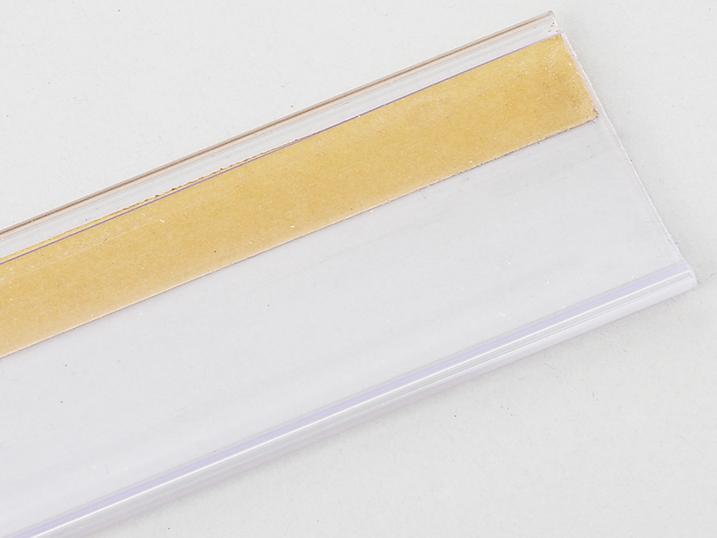
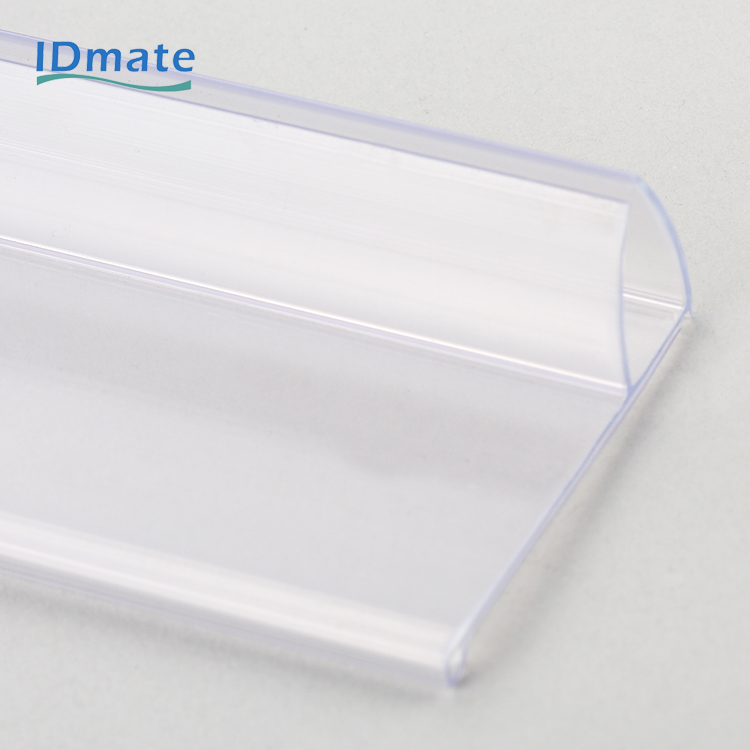
Price tags need to clearly and accurately display product information, which helps customers make quick purchasing decisions. Stores using simple, clearly branded tags enhance customer trust and increase customer loyalty. Many customers say they trust stores more, especially when shelf prices match checkout prices. IDmate’s data bars make this easy and professional.
Key Takeaways
- Clear price tags help shoppers trust you. Always show the right price so you do not lose customers.
- Put product names and descriptions on tags. This helps shoppers know what they are buying. It also makes them want to buy again.
- Use strong materials and bright colors for price tags. This makes them easy to read. It also helps get customer attention.
Essential Elements for a Price Tag
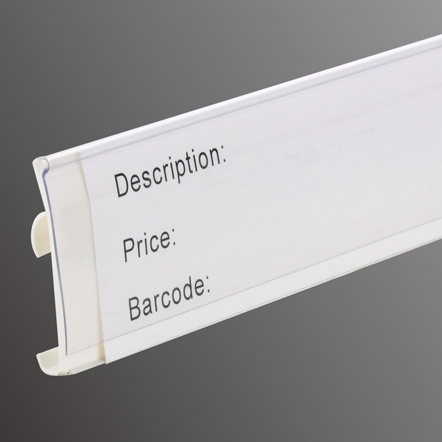
Price tags are more than just stickers. They help customers understand what they’re buying. They help stores increase sales and improve operational efficiency. Suppliers and manufacturers understand that clear price tags help customers complete their shopping faster. They also help build customer trust. IDmate’s data bars make price tags look clean and professional.
Price
Price is the most important part of a price tag. Customers always look at the price first. The law mandates that stores display correct prices. If prices are incorrect, customers may lose trust in the store, thus impacting sales. Data bars help stores clearly display the price of any product. Stores can quickly change tags to ensure price accuracy. Regularly checking prices ensures consistency at checkout.
- The law mandates that price tags must be correct.
- Price tags display costs and help customers purchase goods.
- Incorrect prices can lead to a loss of customer trust.
Product Name or Description
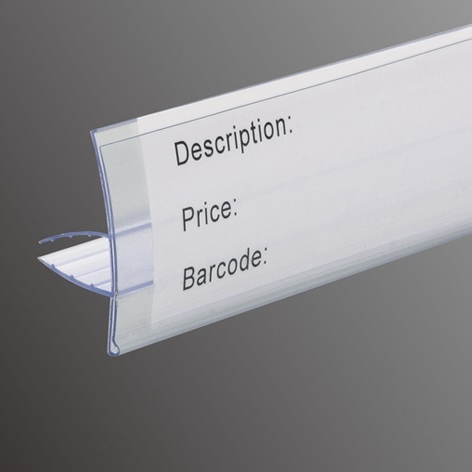
Price tags should include the product name or a brief description so customers understand what they are buying. Clear information satisfies customers and encourages repeat purchases. Data bars allow stores to add cards with more detailed information, helping customers easily compare products.
| Evidence Type | Description |
|---|---|
| Impact of Product Information | Product names and descriptions on price tags help customers and sales. |
| Customer Feedback | Clear info meets what shoppers expect and builds loyalty. |
| Repurchase Intentions | Happy customers are more likely to buy again. |
Barcode or SKU
Barcodes and SKUs help stores track merchandise. They make inventory counting and sales easy and convenient. Clear barcodes and SKUs on price tags help improve store efficiency. Data bars allow stores to use custom labels with barcodes. This helps stores label merchandise in a consistent way, thus improving efficiency.
Barcodes and SKUs help stores quickly find products. They also help reduce losses and errors. Using data bars saves time and helps stores increase sales.
Promotions
Promotions and discounts attract customers’ attention. Stores use price tags to showcase discounted items. This can encourage people to buy things they weren’t originally planning to. Data bars allow stores to quickly add new promotional cards, keeping merchandise displays fresh and appealing.
- Promotions and discounts are easier to see.
- They help customers make quick purchasing decisions.
- They encourage people to buy more and make them feel satisfied.
Legal Details
Legal details help stores follow the rules and protect shoppers. Stores must show things like unit prices or safety info if needed. Data Strips make it easy to add or change legal info. This helps stores avoid breaking the law.
The Unit Pricing Guide by the National Institute of Standards and Technology sets the rules for price tags.
If info is missing or wrong, stores can get in trouble. Good price tags help stores stay safe from these problems.
Branding
Branding makes price tags stand out and helps stores look special. Using the same logo and colors on tags builds trust. Suppliers and manufacturers use custom tags to help shoppers remember their brand. Data Strips let stores match their tags to their brand style.
| Evidence | Explanation |
|---|---|
| Brands that look the same everywhere connect better with people. | Using the same branding on tags makes shoppers feel closer to the brand. |
| 81% of shoppers need to trust a brand before buying. | Trust comes from seeing the same branding every time. |
| Brands that stay the same over time make more money. | Keeping branding the same helps stores get loyal customers and more sales. |
- Branding helps shoppers know and trust the store.
- Colors help people spot brands quickly.
- Using the same branding brings shoppers back.
Quality Materials and Clear Layouts
Stores need strong price tags that are easy to read. Good print and ink keep tags clear, even after cleaning. Data Strips use tough PVC that lasts a long time. Simple layouts help shoppers find what they need fast.
| Feature | Description |
|---|---|
| High Quality Print | Color or black-and-white printing makes tags easy to see. |
| Compliance | Tags meet all rules and safety needs. |
| Accurate Identification | Clear tags help find items in the supply chain. |
| Quality Materials | Tags are strong and do not smudge. |
| Retail Compliance | Tags follow food and safety rules. |
- Finds price and promotion tags quickly.
- Gives stores real-time info to fix problems.
- Helps stores control what shoppers see at the shelf.
Stores, suppliers, and manufacturers using data bars can quickly update their labels. They also gain powerful brand promotion effects and comply with relevant regulations. These data bars help stores create optimal price tags for each item. Clear price tags and high-quality materials help stores increase sales and improve customer satisfaction.
Custom Price Tag Design Tips
Color and Font
Color and font choices are very important for price tags. Bright colors with strong contrast help shoppers see prices quickly. Suppliers often pick brand colors to get noticed. The table below lists some top color and font choices for price tags and how they look:
| Color Combination | Description |
|---|---|
| Yellow text on dark blue background | Bright and effective |
| Black text on yellow background | Highly visible and attention-grabbing |
| White text on black background | Strong contrast and easy to read |
| Red text on white background | Bold and eye-catching |
| Blue text on white background | Professional and clear |
| Helvetica Bold | Clean, professional, and highly legible |
| Arial Black | Strong sans-serif font with visibility |
| Futura Bold | Sleek, modern, and easy to read |
| Impact | Thick, heavy, and eye-catching |
| Franklin Gothic | Classic, simple, and clear messaging |
Stores should not use colors that blend together. Using bold fonts like Helvetica or Arial Black makes price tags easier to read and helps shoppers pay attention.
Material Choices
The material of a price tag matters for how long it lasts and how people feel about it. Manufacturers and wholesalers pick strong materials that look nice. The chart below shows how different materials affect what people think, if they want to buy, and how good they think the tag is:
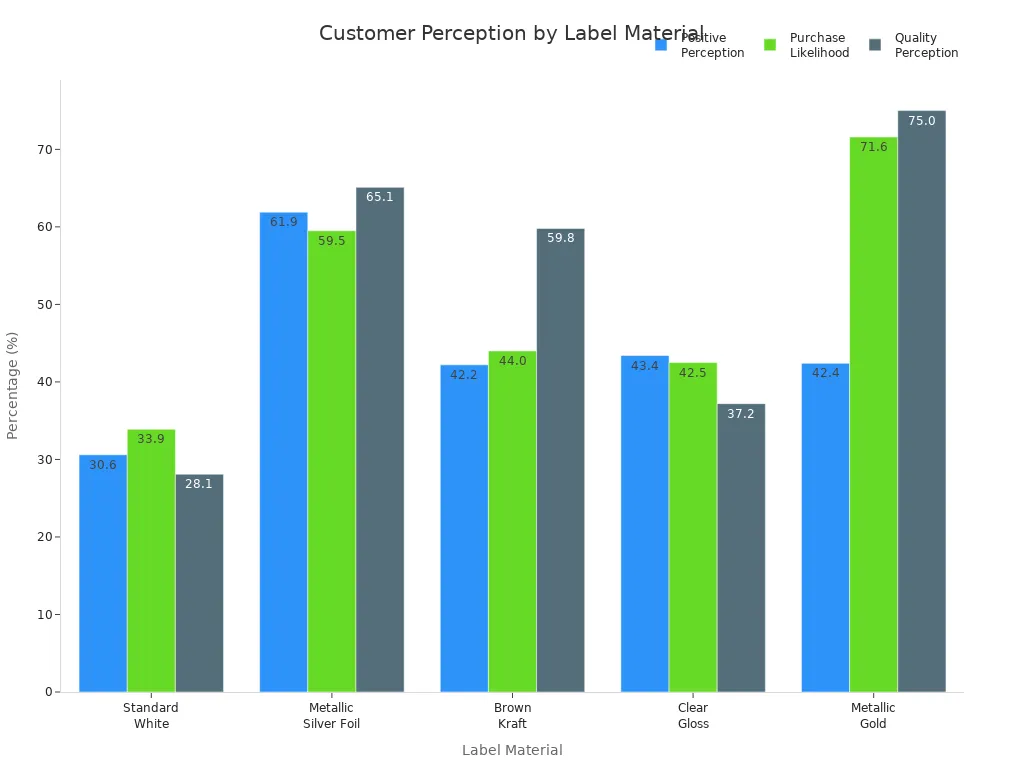
Gold and silver foil metal tags can enhance the perceived value of a product and boost sales. While ordinary white tags can serve as basic price tags, they fail to showcase a brand’s uniqueness. Custom materials such as transparent glossy paper or kraft paper, on the other hand, better match the brand’s style, thereby influencing consumers’ purchasing decisions.
Size and Shape
Picking the right size and shape helps price tags work better and sell more. Clothing stores use bigger tags so people can read them easily. Food and drink stores like regular rectangles or squares. Special shapes like stars or circles can show discounts or special prices.
| Retail Sector | Recommended Size | Recommended Shape |
|---|---|---|
| Clothing | Larger tags for readability | Unique shapes for design, but practical |
| Food/Beverage | Standard rectangular or square | Distinctive features for eye-catching appeal |
Layout for Readability
A well-designed custom price tag layout is clean and concise. Suppliers and manufacturers typically place the price at the top and product details below. Custom tags often use brand logos and colors to enhance visual impact. Here are some tips to improve your price tag’s effectiveness:
- Use vibrant colors that match your brand.
- Try using interesting shapes to display promotional or discount information.
- Choose sturdy, durable materials for a high-quality look.
Custom price tags help stores increase sales and earn more consumer trust than regular tags. The table below lists the differences:
| Aspect | Customized Tags | Generic Tags |
|---|---|---|
| Brand Aesthetic | Shows brand style and looks professional | Usually does not show the brand |
| Perceived Value | Looks more valuable and builds trust | Looks less valuable |
| Customer Engagement | Gets more attention with nice design | Gets less attention |
| Sales Conversion Rates | Helps stores sell more items | Usually sells fewer items |
Custom price tags help stores get noticed, sell more, and make shoppers feel good about the store.
FAQ
What information should a manufacturer include on a price tag?
Manufacturers need to put the price on the tag. They should also add the product name and barcode or SKU. Legal details must be included too. Custom branding helps suppliers and wholesalers get noticed.
How do Data Strips help suppliers update price tags?
Data Strips let suppliers change tags fast. This saves time and keeps shelves neat. Staff can update prices or promotions in just a few seconds.
Can wholesalers customize price tags for different products?
Yes, wholesalers can get custom tags in many sizes, colors, or materials. IDmate gives flexible choices to fit any brand or store need.