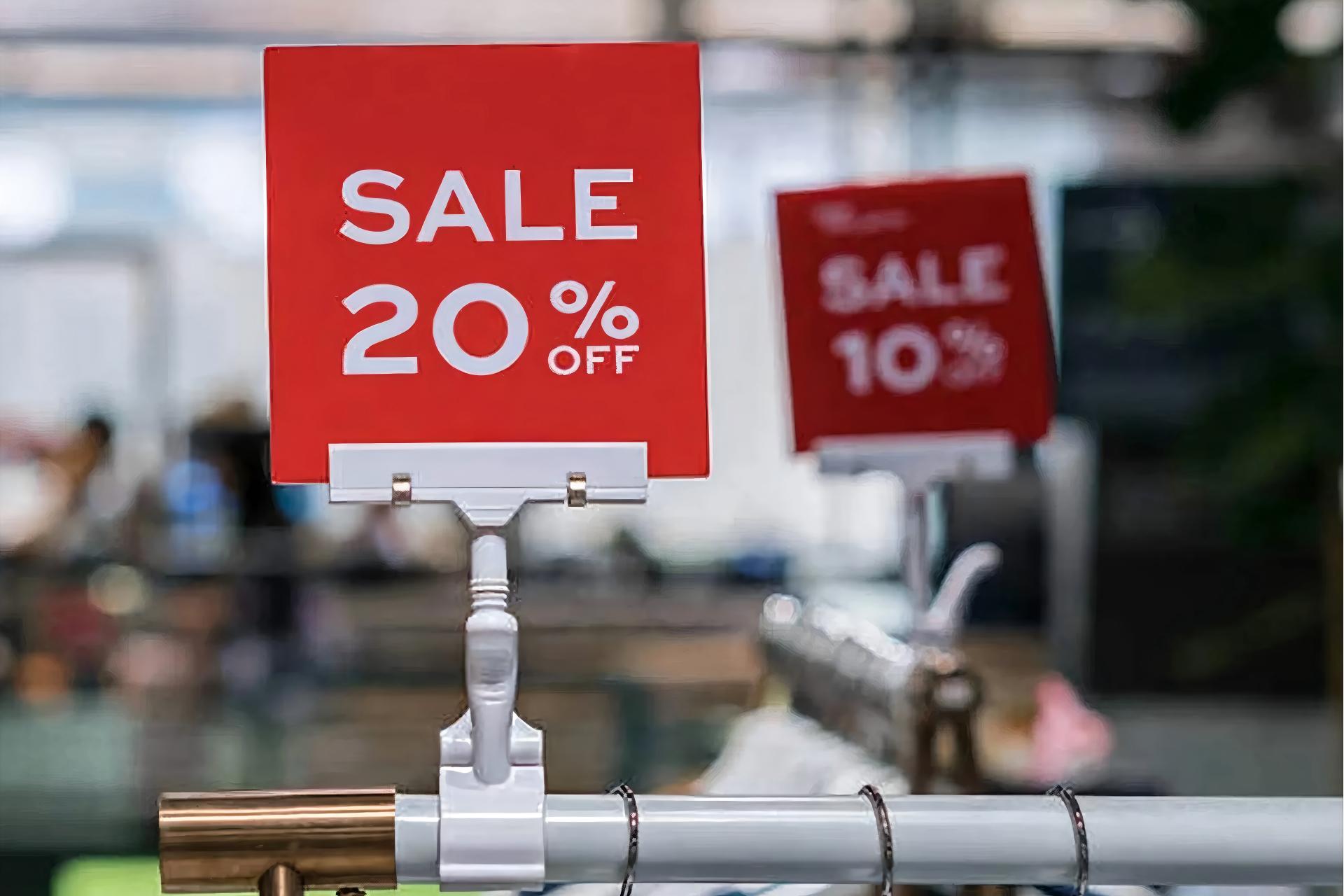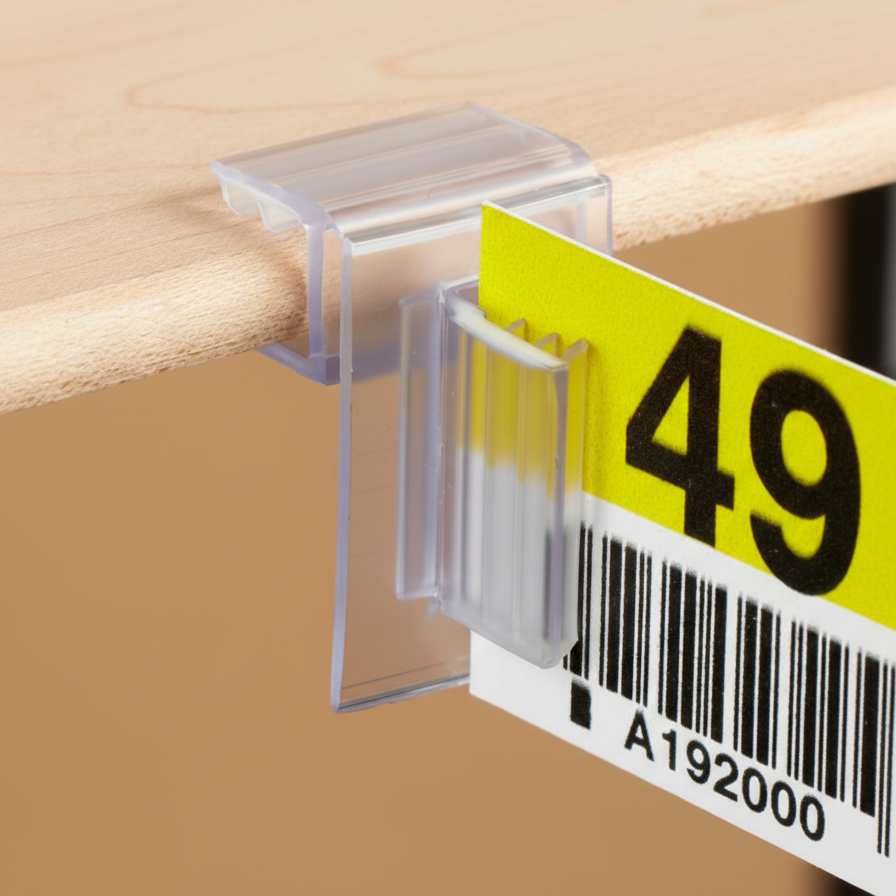
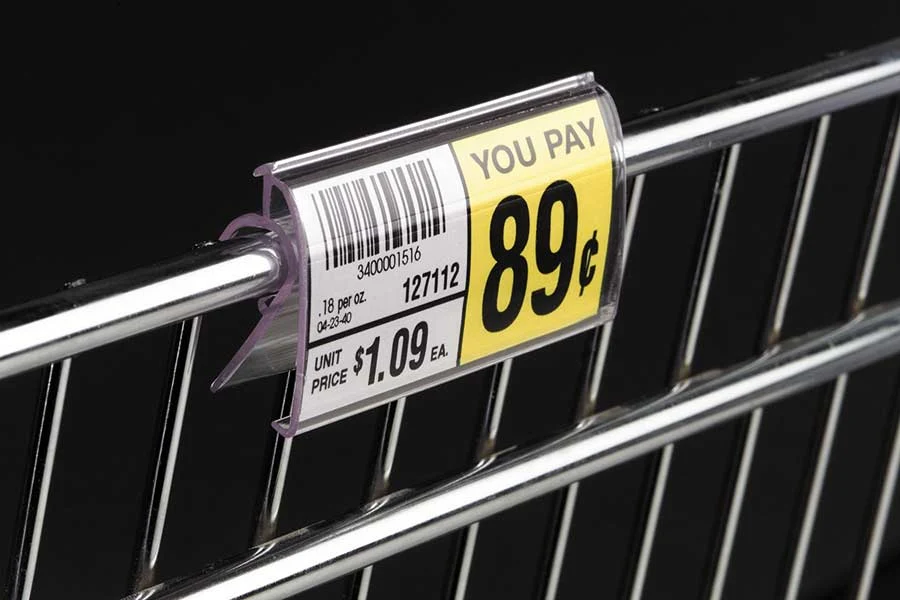
Five core factors determine your final choice of sign holder: placement, dimension, mounting method, material and operating environment. Start your decision‑making process by confirming installation location, and you can quickly narrow down suitable options. IDmate, a custom‑built sign‑holder manufacturer, recommends this practical workflow. Proper selection helps retailers cut unnecessary costs and save working time.
Key Takeaways
- Figure out where your sign will be mounted: wall, countertop, floor or store window. This decision lays the foundation for all other choices.
- Match holder dimensions to your printed insert, and keep viewing distance in mind to guarantee readability for customers.
- Strike a balance between material property and mounting style: acrylic delivers a modern appearance, metal provides superior impact resistance, and plastic is cost‑effective for short‑term campaigns. Select installation hardware according to how often you update signage.
Placement: First Step to Choose Right Sign Holder
Installation location acts as the primary guideline. IDmate, wholesale fixture supplier, divides retail display scenarios into four categories: wall, countertop, freestanding floor and glass window, each requiring a dedicated holder design.
Wall-Mounted and Countertop Options
Wall‑mounted fixtures are fixed on vertical surfaces, ideal for way‑finding labels, product descriptions and promotional posters placed at eye level. They can be fitted with screw fasteners or heavy‑duty adhesive tape for long‑term visible displays.
Countertop sign holders sit on checkout desks, service counters or display tables to show prices and notices. Weighted bases and tilted viewing angles create comfortable reading experience while customers queue or communicate with staff. IDmate supplies both wall‑mounted and countertop versions with custom colours and sizes for brand consistency.
Floor-Standing and Window Applications
Floor‑standing sign holders are placed in open zones. They guide foot traffic, advertise promotions or display menus near shop entrances, covering A‑frame boards and tall poster stands. A heavy‑weight base is critical to prevent tipping in crowded aisles.
Window‑mounted holders attach to glass panes with suction cups or adhesive strips. They turn storefront glass into advertising space without blocking natural daylight. Since glass surfaces are exposed to sunlight and frequent temperature swings, UV‑resistant material is highly recommended.
Size: How to Choose the Right Sign Holder Dimensions
After confirming placement, specify the size of your sign holder. Poor‑fitted frames create messy‑looking displays that attract little attention from shoppers.
Standard vs. Custom Sizes
Two common paper specifications are widely used in retail signage, US Letter (216×279 mm) and A4 (210×297 mm). These two formats are not interchangeable.
| Paper Size | Dimensions (mm) | Usual Orientation | Planning Thickness |
|---|---|---|---|
| Letter (8.5 x 11 in) | 216 x 279 | Both | 3 mm |
| A4 | 210 x 297 | Both | 3 mm |
Your mounting style directly determines signage replacement speed and fixture stability. Stores updating prices weekly require different hardware from locations displaying annual safety notices.
Measuring Your Sign Correctly
Accurate measurement prevents wasted orders. A buyer should measure the paper width and height first, then add a small margin for easy insertion. The holder should grip the sign without bending it. A snug fit keeps the message flat and readable.
Viewing distance also determines the size for the message. The text must be large enough for customers to read from where they stand.
For favorable viewing conditions, a ratio of 25 feet of viewing distance per inch of text is needed.
A 1-inch letter works at a maximum of 10 feet, with a comfortable range of 5 to 7 feet. A 3-inch letter reaches 30 feet, comfortable at 15 to 20 feet. At 50 feet, the minimum text height is 3 inches, with 5 to 6 inches providing the best impact. At 100 feet, the minimum rises to 5 to 6 inches, and 8 to 10 inches works best. An acrylic sign holder with the correct dimensions keeps the display professional and effective. IDmate, as a wholesale sign holder supplier, helps buyers match the holder to both the paper and the viewing distance.
Mounting Method: Permanent or Removable Sign Holder?
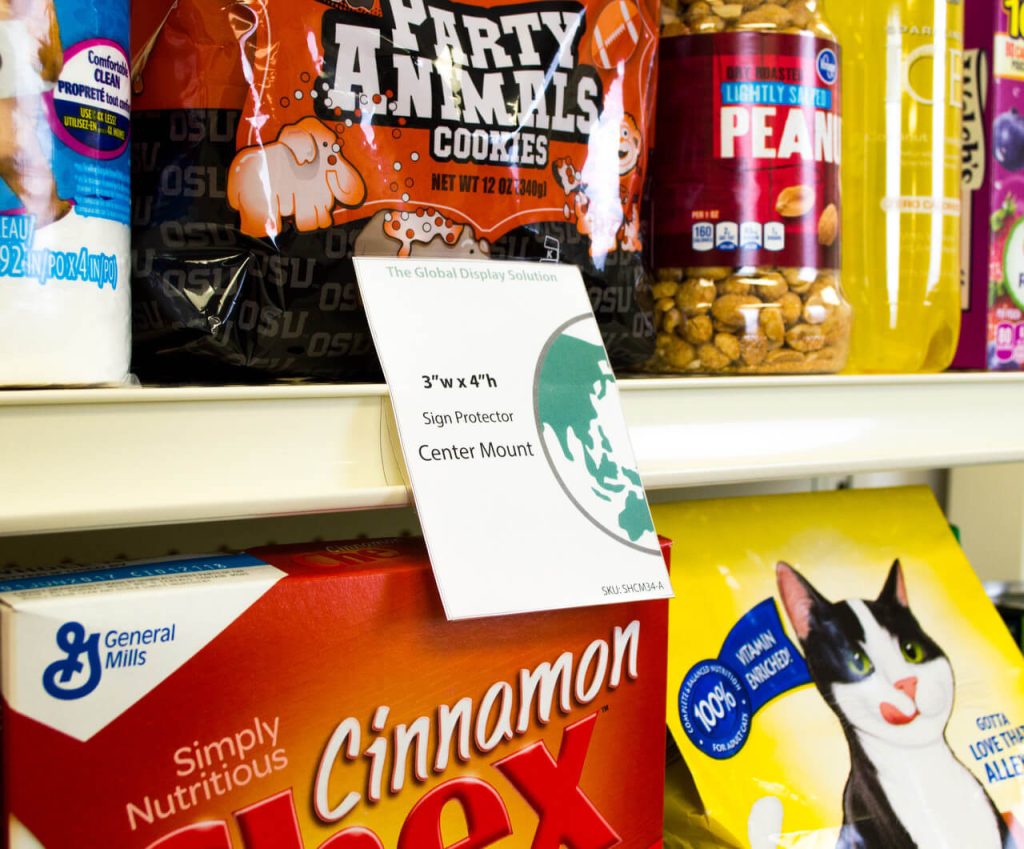
Your mounting style directly determines signage replacement speed and fixture stability. Stores updating prices weekly require different hardware from locations displaying annual safety notices.
Adhesive, Wall-Mounted, and Freestanding Types
- Adhesive‑backed holders: Fast tool‑free installation on smooth surfaces and shelf edges for long‑term signage. Residue may remain after removal.
- Screw‑fixed wall holders: Higher load capacity and anti‑collision performance, suitable for high‑traffic areas.
- Freestanding holders: Self‑supporting weighted base, fully movable, perfect for temporary promotions and flexible layouts.
Magnetic and Quick-Change Options
- Magnetic sign holders: Attach firmly to metal shelves. Paper inserts can be swapped in seconds without tools. Magnetic strength will decline gradually over long‑time usage.
- Quick‑change holders: Top‑loading, front‑opening or side‑slide channel design. Retailers replace price tags and menus without detaching the whole frame. IDmate’s quick‑change series has a production lead time of 25 days for fast restocking.
Material Selection: Acrylic Sign Holder vs. Metal vs. Plastic
Material choice influences service life and in‑store visual effect.
- Acrylic: Crystal‑clear modern look, lightweight for wall mounting, scratch‑resistant. Indoor service life reaches 4‑6 years. IDmate provides cold‑resistant grades and anti‑slip coating options. It is the most popular option for permanent retail displays.
- Metal: Outstanding impact‑resistance. Recommended for shop entrances, checkout lanes and high‑traffic zones. Its industrial aesthetic suits hardware shops, warehouses and auto‑service stores, with longer service life than acrylic fixtures.
- Plastic: Low‑cost material for seasonal, short‑run promotions. Prone to scratches and yellowing under prolonged sun exposure.
Environment: Indoor vs. Outdoor Sign Holder Durability

Outdoor sign holders must resist sunlight, rain and temperature fluctuation, while indoor fixtures work under stable climate conditions.
Weatherproofing and UV Resistance
UV radiation fades printed ink and accelerates plastic yellowing. High‑quality cast acrylic features natural UV resistance and can last 7‑10 years outdoors. Backlit panels may become hazy after 8‑10 years.
| Condition | Lifespan / Fading Timeline |
|---|---|
| With UV-resistant coating + protective laminate | 5+ years |
| Without protection (high-sun environment) | Visible fading within 18 months |
IDmate offers outdoor‑grade protective coatings. Goods can be shipped worldwide from Shanghai or Ningbo ports.
Temperature and Moisture Factors
Standard outdoor acrylic can withstand temperatures ranging from ‑30°F to 190°F. Low‑temperature conditions may make ordinary acrylic brittle, and trapped moisture causes fogging inside frames. Cold‑resistant acrylic variants avoid cracking in cold warehouses, while anti‑slip coatings prevent insert slippage caused by condensation. Indoor‑only sign holders require no extra weather‑resistant coatings.
Special Considerations: Use Cases and Checklist
Office, Retail, and Event Applications
Different spaces need different sign holder solutions. An office workspace uses an acrylic cubicle sign holder for name tags and meeting times. These holders keep business notices neat and professional. Staff can update info quickly with no tools. The clear acrylic face protects papers from dust and fingerprints while looking clean.
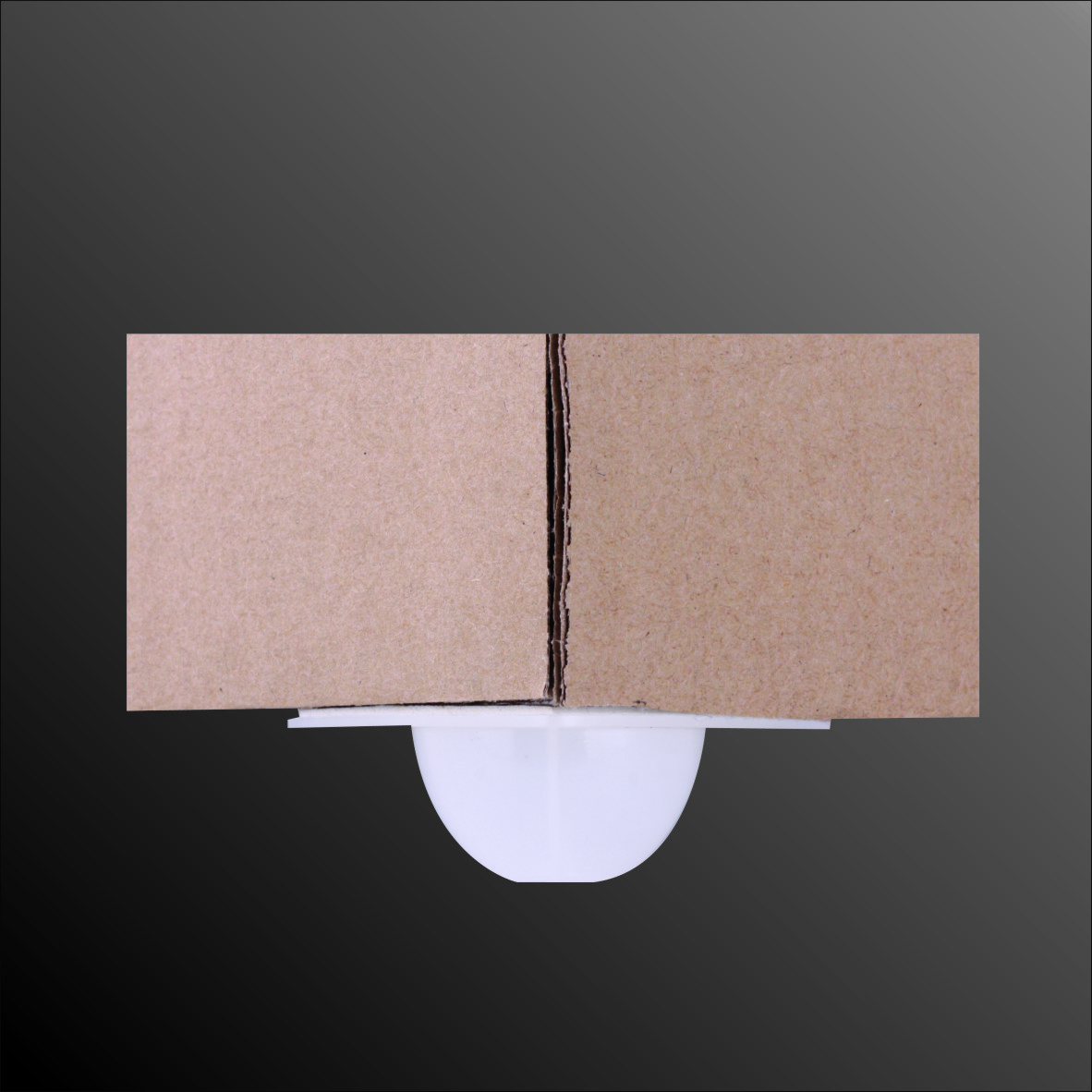
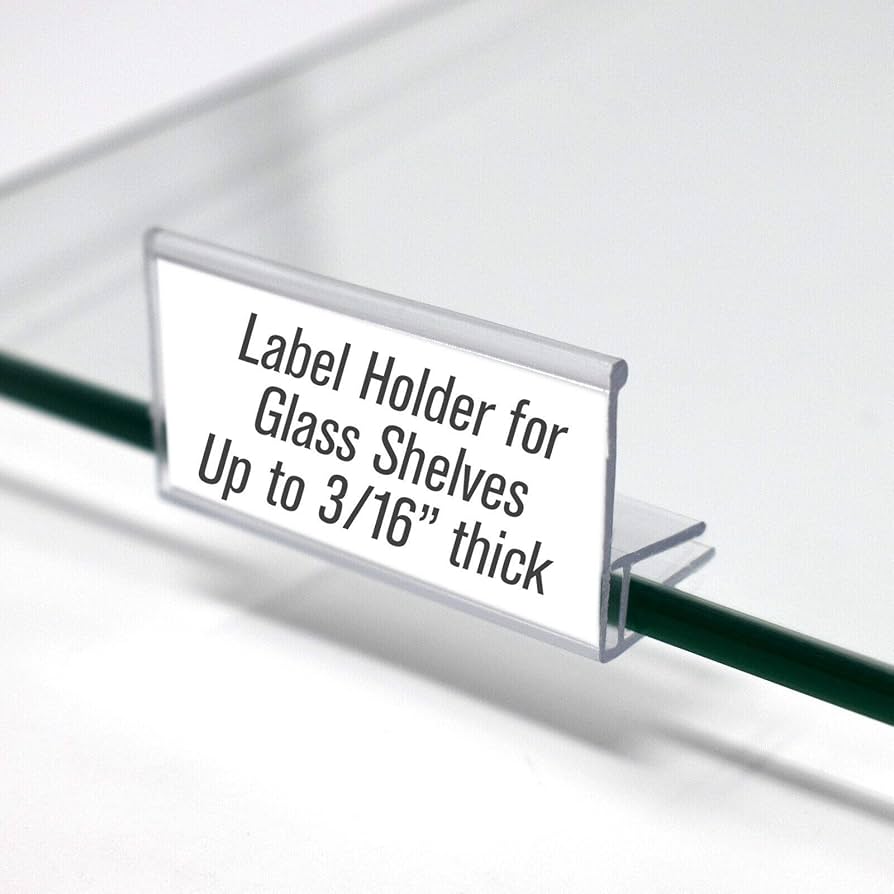
Retail stores use sign holders for many jobs at once. A single shop might use data strips on shelf edges, shelf talkers for sale prices, and poster stands near doors. IDmate’s retail display solutions cover all these needs. Retailers often run seasonal sales that need 20-30 sign changes each week. Quick-change holders make this work fast. Cardboard display parts work well for short-term in-store campaigns that last only a few weeks.
Event planners face special challenges. A temporary event table number needs light weight and easy setup. Freestanding holders work best for conferences, trade shows, and weddings. Staff can move them as layouts change. Event signs often need custom colors to match theme and branding. IDmate, as a retail display maker, offers custom colors and sizes for these uses. The flexible MOQ starting at 1,000 pieces works for event companies ordering for many venues.
Quick Decision Checklist
- Placement: wall / countertop / floor / window
- Size: measure your sign insert, reserve small clearance for insertion
- Mounting: adhesive, magnetic, freestanding or screw‑on; match update frequency
- Material: acrylic (long‑term & elegant), metal (impact‑resistant), plastic (low‑cost short‑term)
- Environment: indoor or outdoor; add UV‑protection or cold‑resistant treatment as required
Following this workflow helps buyers avoid costly mistakes and select the most suitable fixture at first attempt. IDmate provides wholesale custom sign‑holder solutions for all retail‑display requirements. You can evaluate your demands and pick your ideal sign holder with this checklist.
FAQ
What acrylic sign holder works best for retail stores?
Opt for transparent, sturdy acrylic frames with customizable dimensions, colours and anti‑slip features. Match the fixture size and installation location with your signage insert.
How does mounting method affect my choice?
Adhesive fixtures suit rarely‑updated signage, while magnetic and quick‑change systems save labour for frequent price‑tag updates. IDmate manufactures all mounting variants, with a standard lead‑time of 25 days.
Can acrylic cubicle sign holders be used in office environments?
Yes, they work perfectly for staff nameplates and meeting schedules. The clear face shields paper from dust. Information can be replaced quickly without extra tools, and custom colours are available to fit corporate branding.