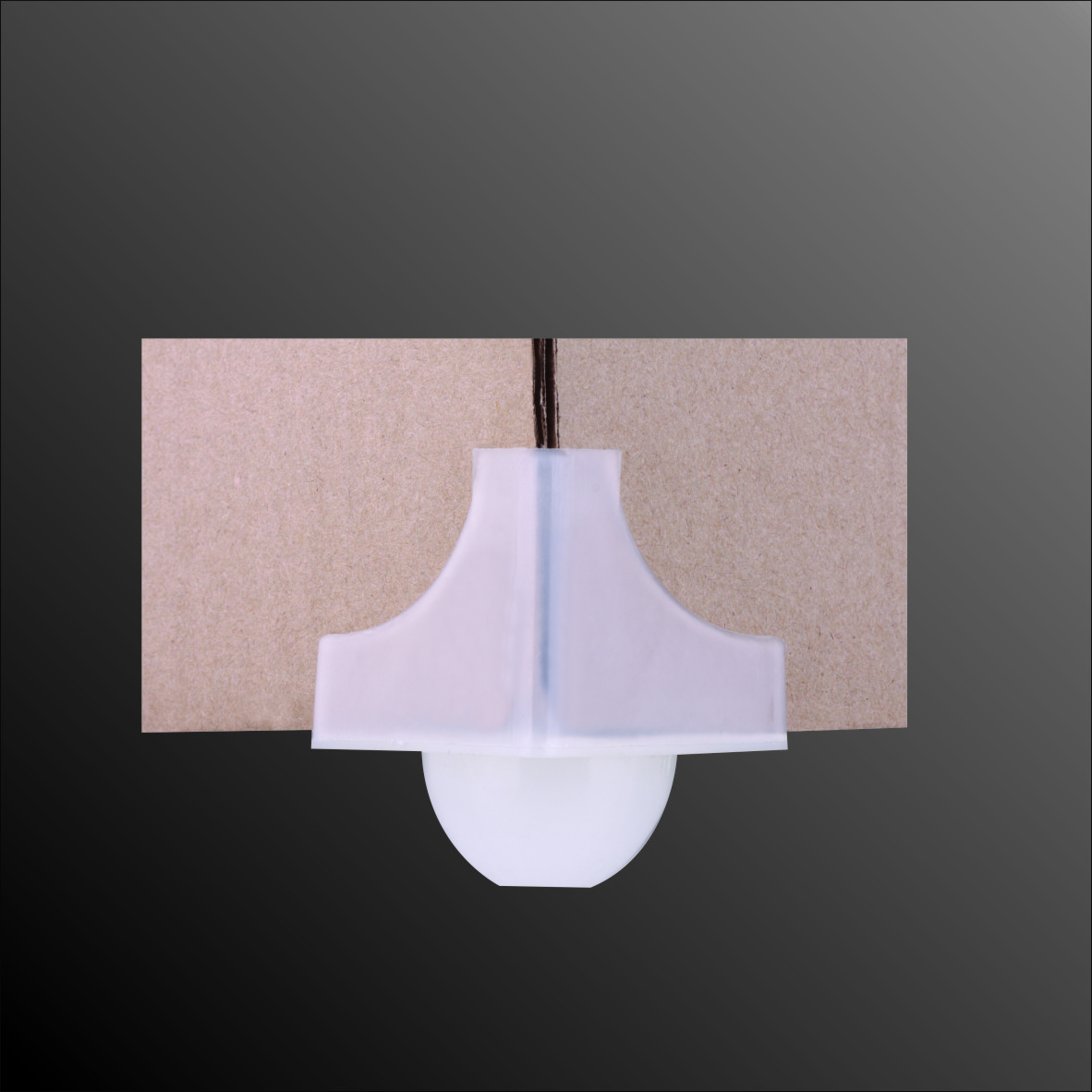
Yes – magnetic label holders are made to be used over and over. Some people worry that the magnets will get weaker or that labels will tear, but good materials stop these problems. Companies like IDmate, a trusted maker, use strong rubber magnets that keep their grip for years. This guide shows why these holders last and how to change labels easily, with simple steps for using them in stores for a long time.
Key Takeaways
- Magnetic label holders can be reused because they have strong rubber magnets that stay stuck for years, even after many label changes.
- You can quickly change labels by sliding out the old ones, wiping the holder clean, and putting in new ones—no tools or glue needed.
- Buying good holders from reliable sellers cuts waste and saves money over time, unlike throwaway labels.
Why Magnetic Label Holders Are Reusable

Magnet Material and Durability
The secret to reusability lies in the magnet itself. Soft rubber magnets differ from rigid ceramic or metal magnets. They combine a flexible rubber base with magnetic particles. This blend creates a material that bends, twists, and adapts to surface contours. The rubber coating also has a high friction coefficient. This property helps the holder stay in place without sliding, even after many swaps.
The mix of a bendable rubber base and position-sensitive magnetic particles lets rubber magnets change shape while keeping strong magnetic fields. They are also tough, with high tensile strength and stretch, so they keep their grip after many uses.
This durability matters for retail environments. A label holder on a shelf end may face daily contact from shoppers or restocking carts. A rigid magnet might crack or lose its charge. A rubber magnet flexes and returns to its original shape. It resists demagnetization, corrosion, and breakage. This physical resilience means the holder maintains its grip cycle after cycle.
Manufacturers like IDmate, a supplier with over 20 years of experience, use advanced plastic injection and extrusion processes. These methods ensure the holder body stays flexible and tough. The company also offers custom options for colors, sizes, and cold-resistant features. For wholesale buyers, this means a product engineered for repeated use, not a disposable accessory.
Design Features for Reusability
The design philosophy behind magnetic label holders assumes frequent label changes. Unlike adhesive stickers, these holders attach without glue or drilling. They mount directly to steel surfaces and remove cleanly. This reversible installation protects the underlying surface from damage and residue.
Several design elements support easy swapping:
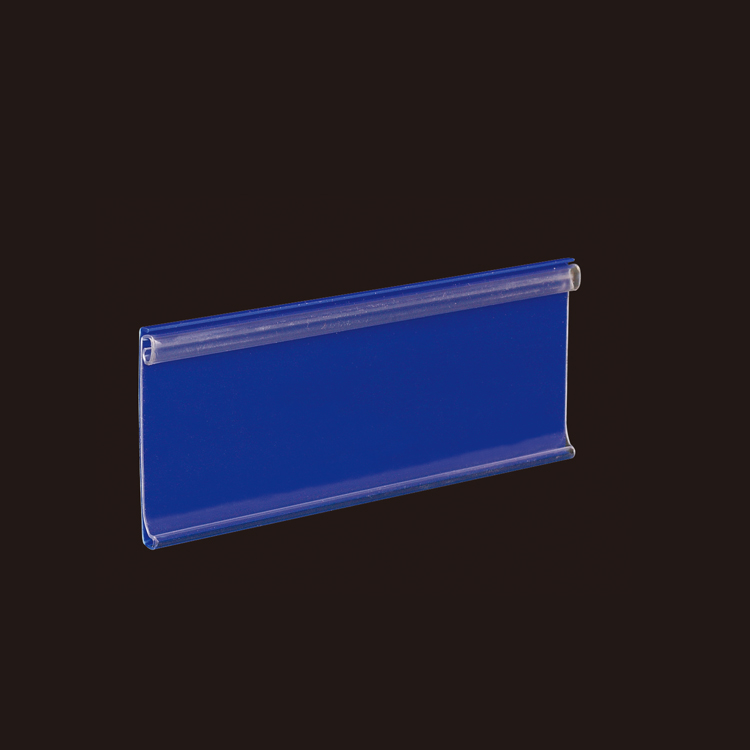
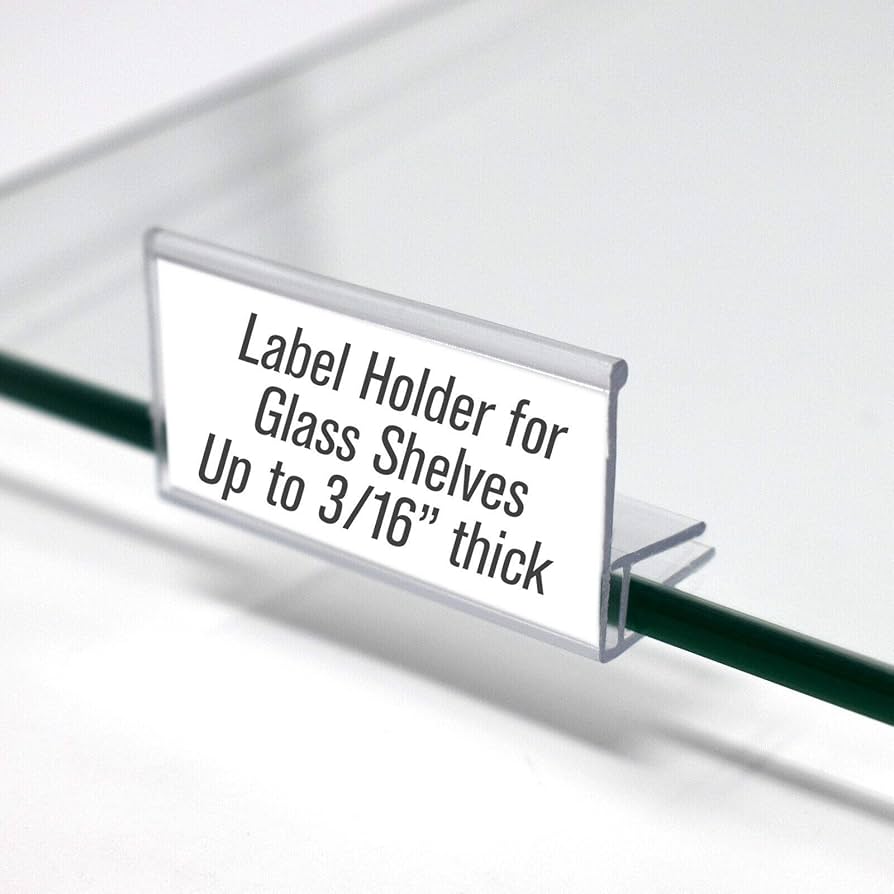
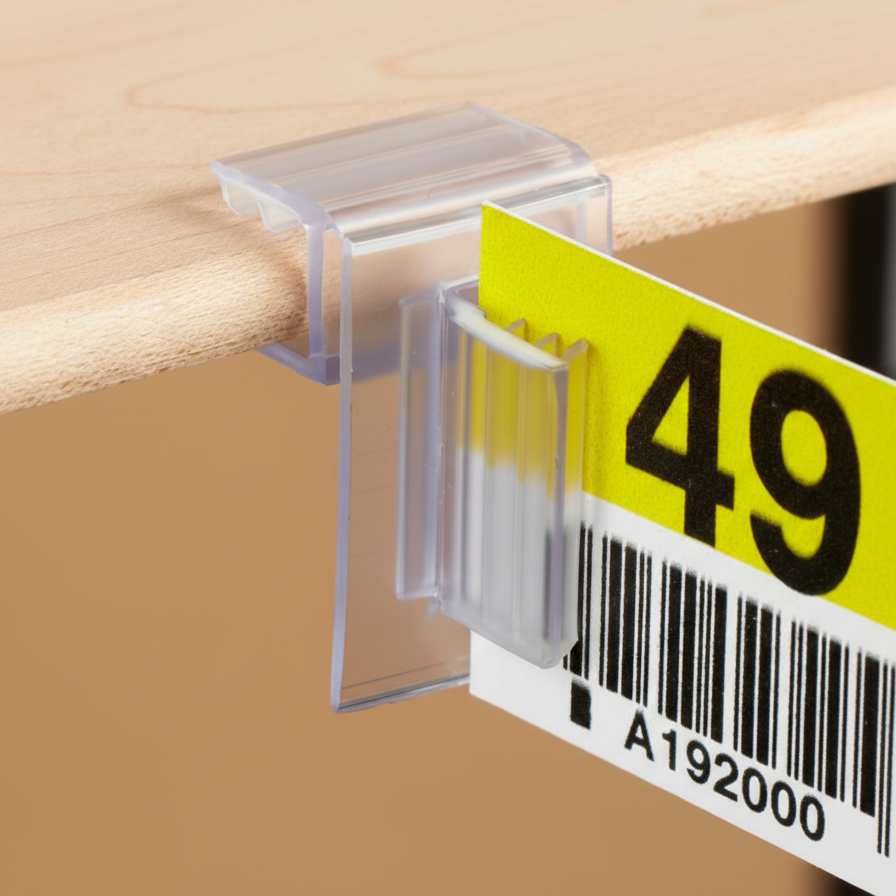
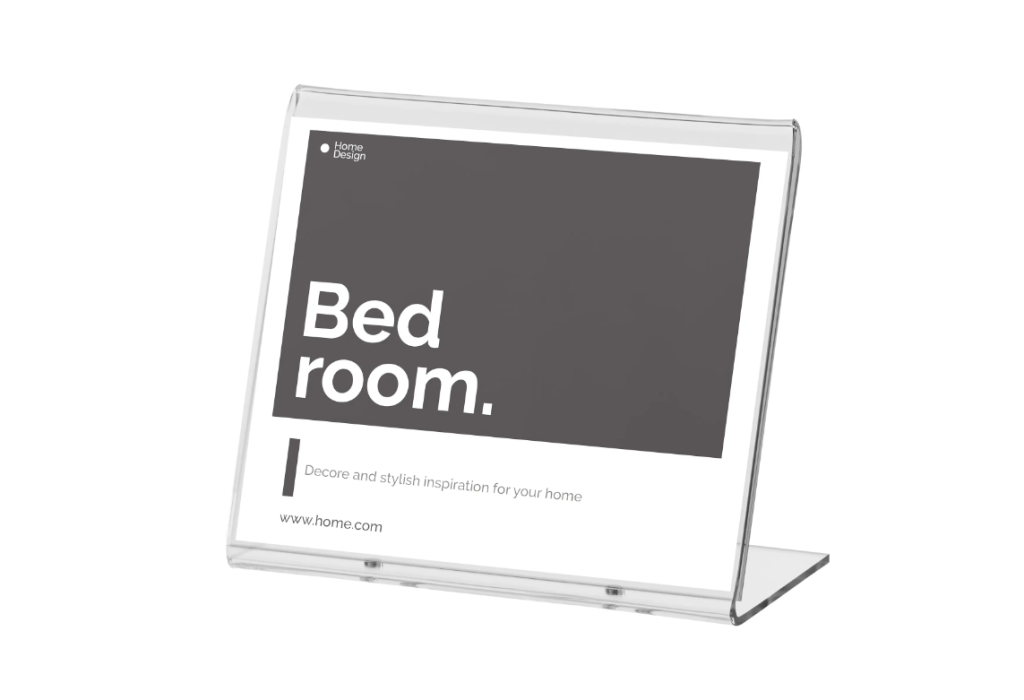
- C-channel profile: The open C-shape lets labels, barcodes, or name tags slide in and out smoothly.
- Adhesive-free attachment: Magnets hold the unit in place, so no sticky residue or permanent commitment.
- Repositionable mounting: Workers can move the holder to a new spot without harming the surface.
- Clear PVC front: This transparent cover shields paper from dust and handling, so labels last longer.
These features work together. A worker slides out an old paper label, wipes the holder clean, and inserts a new one. The process takes seconds. No tools, no peeling, no scraping.
However, certain conditions can weaken magnetic grip. The table below outlines common risks and solutions.
| Factor | Effect on Magnetic Labels | Mitigation Strategy |
|---|---|---|
| Frost buildup between magnet and beam | Reduces holding strength; labels may shift or become dislodged when impacted | Use adhesive-backed labels for permanent or high-traffic installations |
| Condensation and freeze-thaw cycles | Weakens magnetic grip over time | Ensure surfaces are clean, dry, and free of moisture/frost before application |
| High-traffic areas with physical impact | Increases risk of label falling or cracking | Choose adhesive solutions with freezer-grade adhesives and protective laminates for long-term stability |
These factors mainly affect outdoor or freezer environments. In standard retail settings, magnetic label holders perform reliably for years. IDmate tests its products for repeated use, ensuring they meet the demands of busy stores. For businesses seeking a long-term labeling solution, these holders offer a smart investment.
How to Reuse Magnetic Label Holders Effectively
Step-by-Step Reuse Guide
Reusing magnetic label holders is simple and takes less than a minute. Store workers can swap labels without damaging the holder or losing magnetic strength.
- Remove the old label by sliding it out from the C-channel. If the label is stuck, use low heat from a hairdryer for 30–60 seconds. This softens the glue. Then gently scrape with a plastic scraper to avoid tearing.
- Clean the holder with a dry cloth to remove dust. For sticky spots, use a mild glass cleaner or soapy water. For tougher spots, use rubbing alcohol and let it sit for 1–2 minutes before wiping.
- Prepare the metal surface by wiping away dust, grease, or debris. A clean, flat surface gives the best magnetic grip.
- Insert the new label by sliding it into the C-channel until it sits flat against the clear PVC front.
- Reposition as needed by lifting the holder and moving it to a new spot. You don’t need tools or extra hardware.
Store unused holders in a dry place away from sunlight. This keeps them from wearing out and makes them last longer.
Key Factors Affecting Reusability
Two main factors decide how many times a holder can be reused.
Metal surface condition: Magnetic label holders need a clean, flat, rust-free surface for the best grip. Dust, grease, or rust between the magnet and metal lowers holding strength. Workers should wipe the surface again right before putting on the holder. A smooth, level surface spreads the magnetic force evenly. This stops slipping during daily store work.
Label paper quality: The paper type matters more than most people think. Thin paper tears easily when you remove it. It leaves fibers that build up in the C-channel. Strong cardstock or laminated paper slides out cleanly and keeps its shape. For freezers or outdoors, use adhesive-backed labels with protective laminates. They handle moisture and temperature changes.
Cleaning agents: Strong chemicals can hurt the rubber magnet surface over time. Safe options include warm water with dish soap, vinegar, or label removal spray. Always test any cleaner on a small area first. Rough tools scratch the holder surface. They make rough spots where dirt collects.
Manufacturers like IDmate, a custom maker and wholesale supplier with over 20 years of experience, test their holders for many uses. Their advanced plastic injection and extrusion methods make flexible, strong frames. These frames can handle hundreds of label changes. For businesses that need a long-term labeling solution, these holders work well across thousands of swaps. Buying quality holders from a trusted supplier gives years of reliable service. You won’t need to replace hardware.
Magnetic label holders deliver lasting value for retail displays, warehouse shelves, and home organization. Their durable rubber magnets and simple swap process make them a cost-effective choice. These holders also reduce waste compared to single-use adhesive labels.
Reusable magnetic labels minimize waste and support sustainable practices through easy repositioning without surface damage.
Invest in quality holders from trusted brands like IDmate, and you will get years of flexible labeling without replacing hardware.
FAQ
How many times can someone reuse a magnetic label holder?
Quality holders from makers like IDmate can handle hundreds of label changes. The rubber magnet keeps its grip through many swaps. Cleaning the holder well between changes helps it last even longer.
Do magnets weaken after repeated use?
Rubber magnets resist losing their magnetic power. They keep their strength through normal use and moving around. Only harsh conditions, like frost buildup or hard hits, lower their performance.
Can workers remove labels without damaging the holder?
Yes. The C-channel design lets labels slide out easily. Workers can use gentle heat or plastic scrapers for sticky labels. The holder stays in good shape and is ready for the next label.