High-quality shelf labels can quickly attract customers’ attention and help them easily understand product information. Many stores consider shelf labels a powerful sales tool because they showcase merchandise and help customers make purchasing decisions directly in front of the shelf.
- Nearly half of all shopping occurs in physical stores, making shelf labels more effective at driving sales than other forms of advertising.
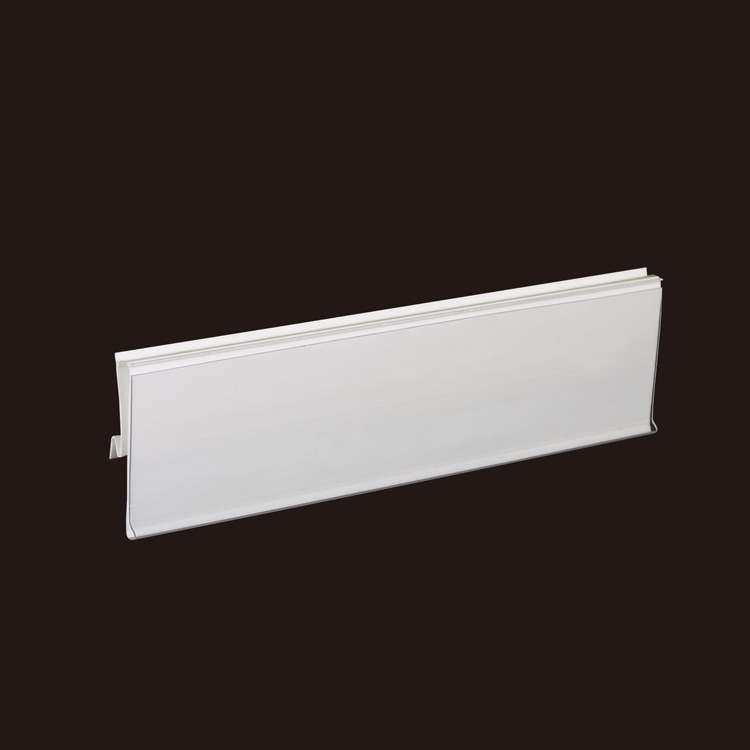
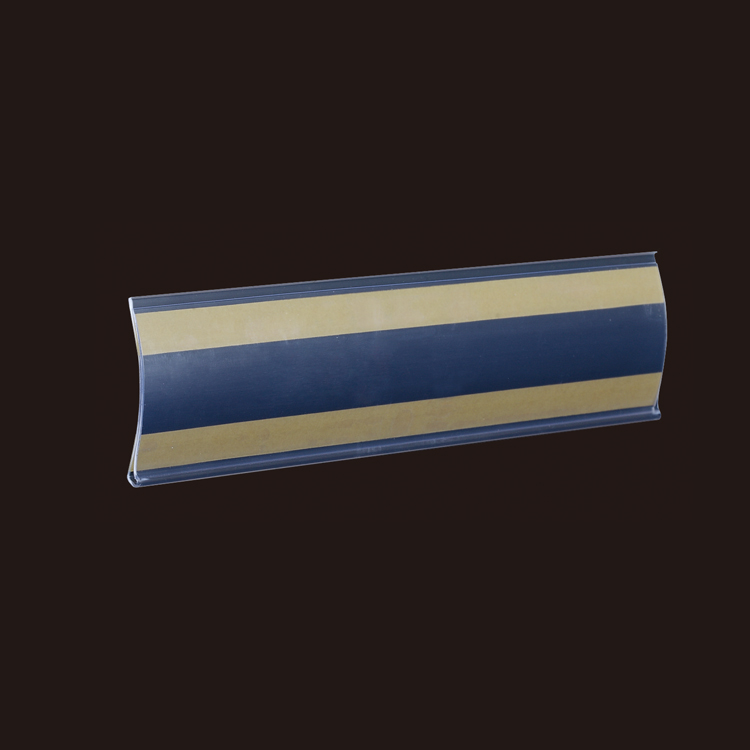
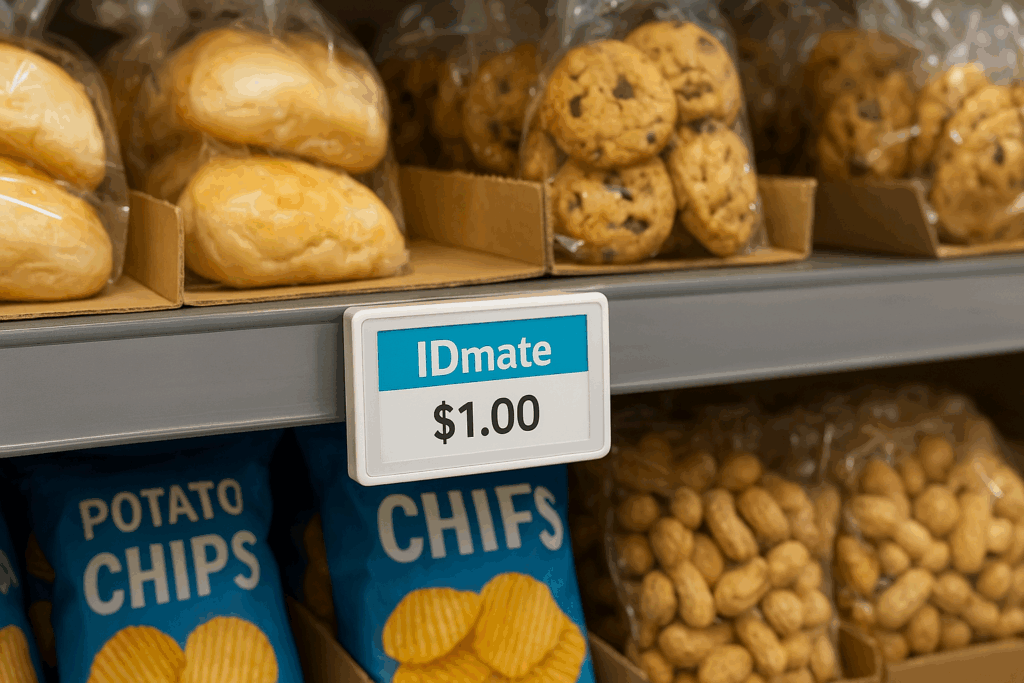
IDmate data bars allow you to easily install and display shelf labels in any store.
Key Takeaways
- Choose clear, eye-catching fonts and colors so shelf labels are easily readable even from a distance. Keep the information concise and highlight the product’s key advantages to quickly capture customers’ attention. Use language that stimulates purchase desire to boost sales.
Readability in Shelf Talkers
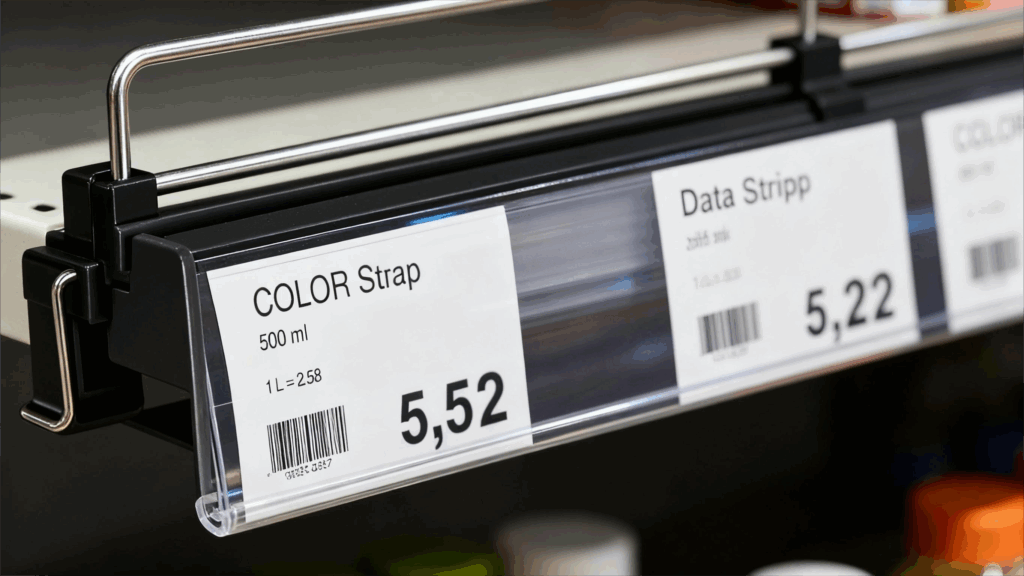
Good shelf labels should be easy to read quickly. People browse shelves rapidly, so clear text is crucial. Stores want every customer to easily see prices, offers, and details. That’s why shelf labels must be easy to read.
Clear Fonts
Large, eye-catching fonts help people see information from a distance. Many stores choose simple, easy-to-read fonts like Arial or Verdana. These fonts also help visually impaired people read. Good shelf labels avoid using fancy fonts that might slow down reading speed.
Tip: Use three to seven words for each message. Short phrases like “Save Now” or “Try Today” are best.
| Font Type | Clarity |
|---|---|
| Arial, Verdana (Sans-serif) | Easy to read, even for low vision |
| Decorative fonts | Hard to read, not recommended |
IDmate makes Data Strips that keep shelf talkers neat and tidy. Workers can slide in new cards with clear fonts in just seconds. This makes it easy to update shelf talkers in any store.
High Contrast
High-contrast colors make words stand out. Black letters on white or yellow backgrounds are easy to see. This helps all shoppers, even those who have trouble seeing, find deals and prices fast.
| Contrast Scheme | Visibility |
|---|---|
| Black on white/yellow | Very high |
| Low contrast (gray on white) | Poor |
A good shelf talker uses high contrast so everyone can see important info. With IDmate’s Data Strips, stores can show clear tags that help shoppers and boost sales.
Brevity for Good Shelf Talker Impact
Short Messaging
Good shelf labels use concise language to quickly grab customers’ attention. Customers move quickly between shelves, so they need to see key information immediately. Stores choose words that highlight promotions or new arrivals. Simple language helps everyone quickly understand offers without slowing down their browsing.
- Brief information avoids customer confusion and helps them stay focused.
- Clear language helps customers quickly discover the value of a product.
- Powerful words highlight product advantages and help customers solve problems.
IDmate’s data strips allow staff to change shelf labels in seconds. Simply slide in the new card, keeping shelves neat and organized. This saves time and helps stores update promotional signage promptly.
Tip: Use words like “Best Seller,” “New Arrival,” or “Limited Time” to get attention.
Key Benefits Only
Shelf talkers work best when they show the top benefits. Shoppers want to know what makes a product special. Stores should talk about things that matter, like price, quality, or special features. Too much information can confuse customers and make them leave.
| Benefit Type | Customer Impact |
|---|---|
| Price savings | Makes quick choices |
| Product quality | Builds trust |
| Special features | Gets people interested |
IDmate’s Data Strips help stores show the best benefits. Workers can change cards easily, so the right message is always in front. This keeps displays neat and helps customers find what they want.
Using Power Words and Action Language in Shelf Talkers
Persuasive Language
Good shelf labels use powerful words to grab attention. Words like “Exclusive,” “Savings,” or “Hurry” can spark customer excitement or curiosity. These words help people notice a product and crave more information. Using powerful words allows a store’s message to stand out among numerous other signs.
- Powerful words can increase shelf label engagement.
- Action verbs in calls to action can increase conversion rates by up to 12.7%.
- Words that create a sense of urgency, like “Hurry,” encourage customers to act quickly because they don’t want to miss out.
- Powerful words also prevent the message from sounding dull.
Shelf labels using persuasive language help customers make choices quickly. This is especially important in high-traffic stores where customers’ time is valuable.
Action Phrases
Action phrases tell shoppers what to do next. Concise phrases like “Explore More,” “Get Started Now,” or “Grab It Now” are more effective than passive voice. These phrases encourage people to immediately pick up items or check out offers.
Tip: Using action phrases on promotional cards can boost impulse buys.
Retail research shows that 80% of impulse buys occur in regular stores. Approximately 68% of shoppers say they will make an impulse purchase in-store. This means that shelf labels with action language can help stores increase sales, especially when displaying this information using IDmate’s data bars.
| Statistic | Description |
|---|---|
| 80% of impulse buys | Happen in regular stores, showing the power of action-oriented shelf talkers |
| 68% of shoppers | Make impulse buys in-store, often due to promotional shelf talkers |
A good shelf talker uses both power words and action phrases to catch eyes and drive sales.
Visual Simplicity in Shelf Talkers
A shelf talker works best when it looks clean and simple. Shoppers notice signs that do not have too much going on. They want to find the main message fast. Stores that use visual simplicity help customers make quick choices.
Minimal Graphics
Too many pictures or icons can make a shelf talker look messy. A simple design with one bold message stands out more. Most shoppers scan shelves quickly. They do not stop to read crowded signs. A clear headline or a single image works better than a busy layout.
Tip: Use one strong image or logo if needed, but keep the rest of the space open.
Here are some design principles that help shelf talkers stay simple and easy to read:
| Principle | Description |
|---|---|
| High contrast | Text stands out against the background. |
| One bold message | Focuses attention on a single key point. |
| Easy-to-scan layout | Helps shoppers understand the message quickly. |
| Example | A pharmacy bag with a clear headline and QR code. |
IDmate’s Data Strips keep shelf talkers neat and professional. Staff can slide in new cards without sticky mess or clutter.
Color Highlights
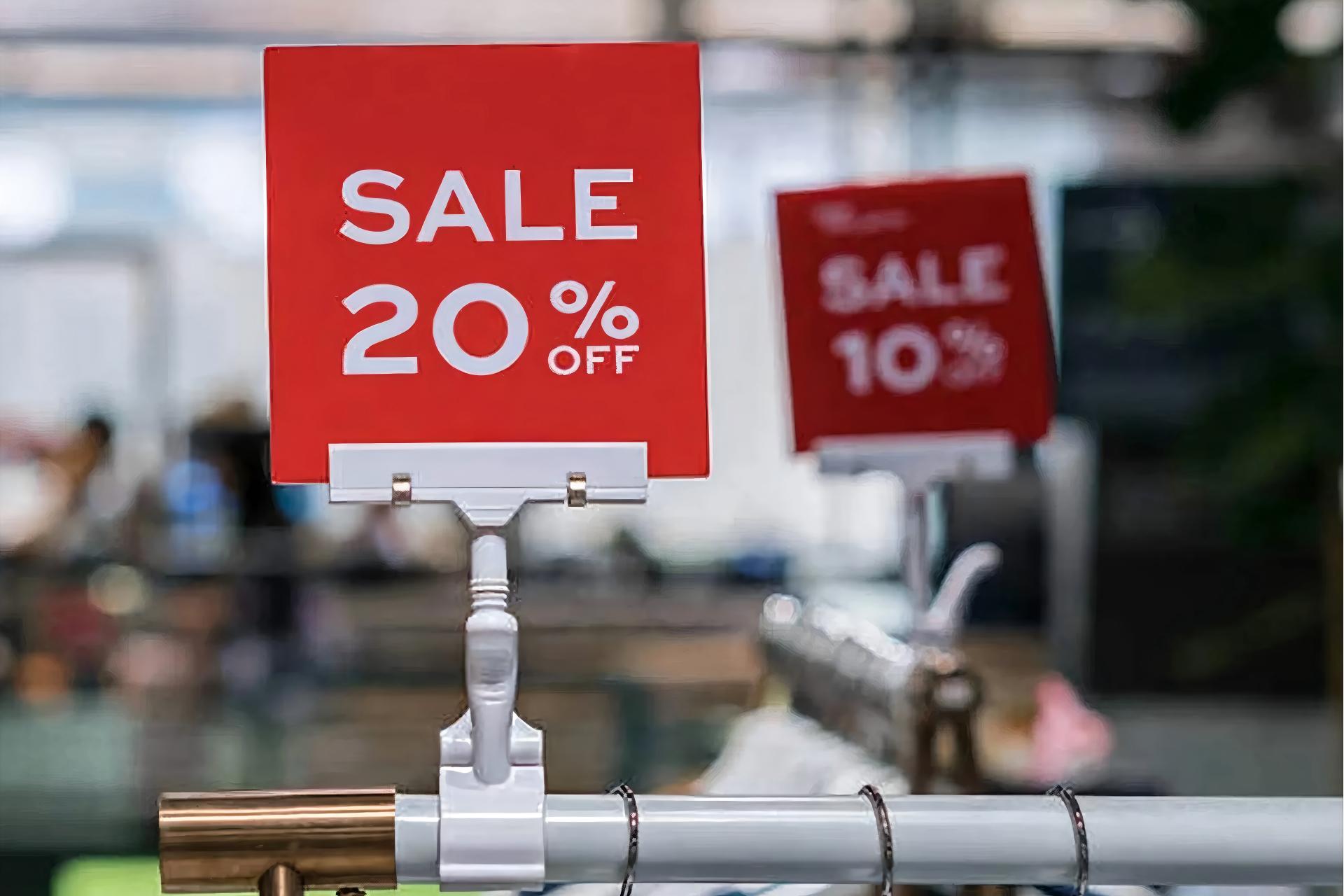
Color can attract customers’ attention, drawing their focus to the most important information on shelf labels. Bright colors, such as red or yellow, can highlight promotions or new arrivals. Too many colors can confuse customers, so stores typically choose one or two primary colors for each label.
Simple color highlighting makes information more eye-catching. With IDmate’s data bars, each shelf remains organized, and appropriate colors help customers quickly find promotional items.
Maximize shelf label effect
Unique Shapes
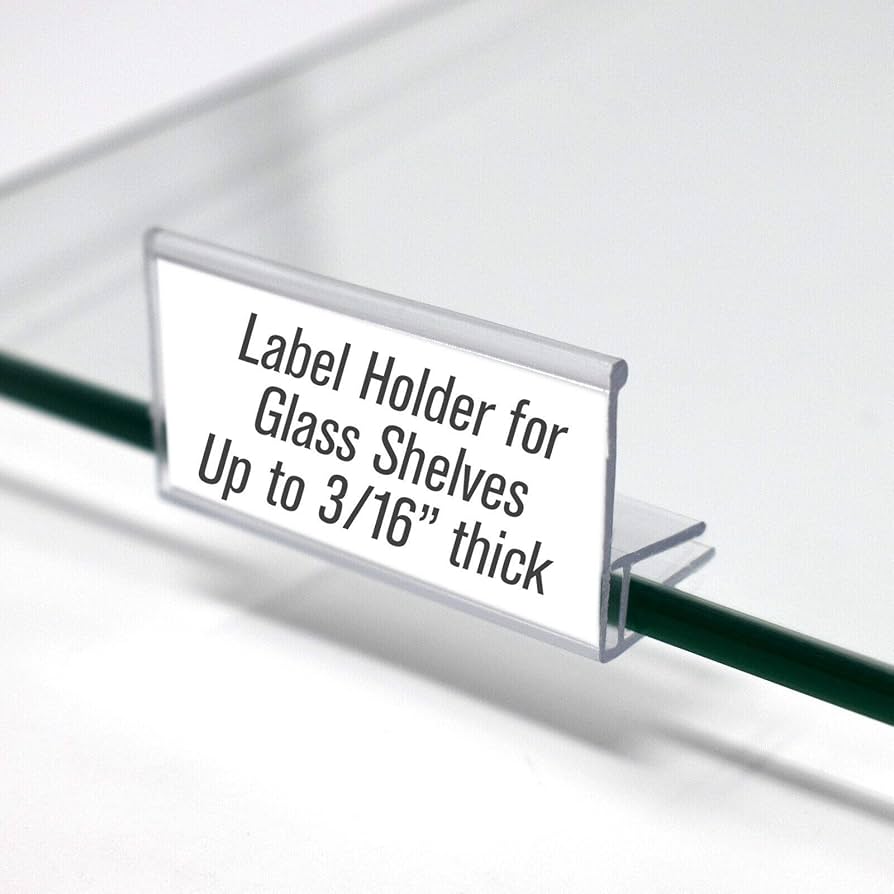
Shelf labels come in a variety of shapes, each helping to attract customers’ attention. Swing tags, banner tags, and clip-on tags all stand out from the shelf. These tags move or are highlighted, making them visible even when customers aren’t directly looking at the shelf. Stores use shapes like circles, arrows, or flags to showcase new arrivals or special offers.
| Shelf Talker Type | Best Use Case |
|---|---|
| Clip-On Talkers | Flash sales, quick changes |
| Flag Shelf Talkers | Crowded aisles, holiday promotions |
| Wobblers | Drawing attention from a distance |
| Hanging Tags | Limited shelf space |
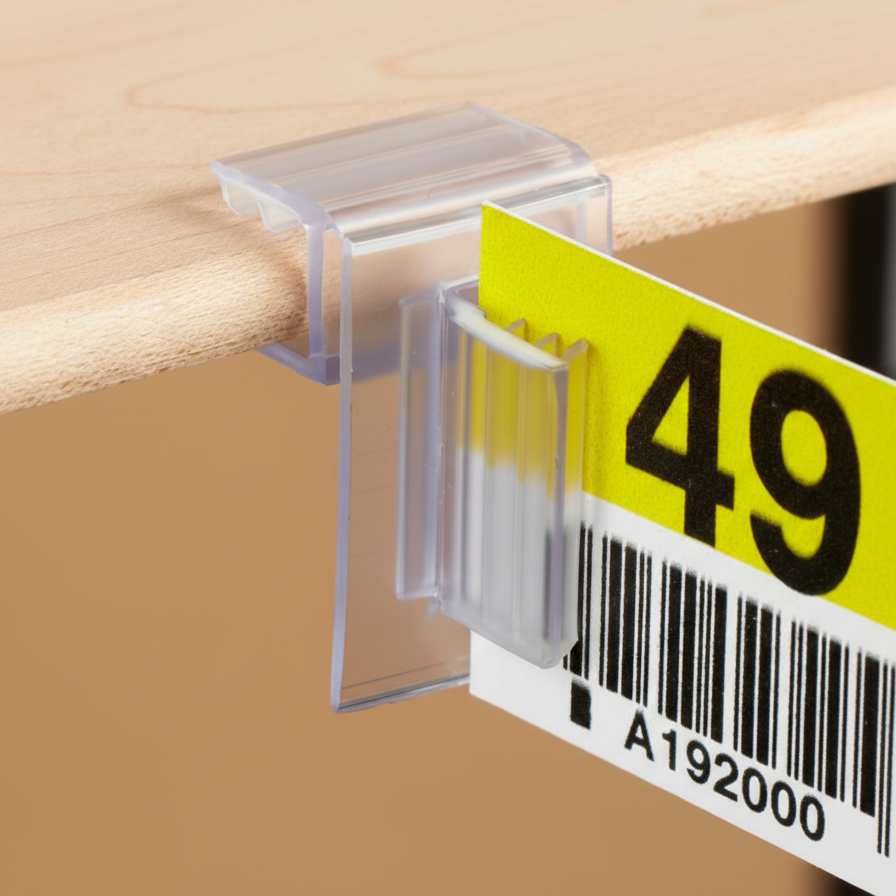
IDmate’s Data Strips work with many shapes and styles. They fit on metal, wood, or wire shelves. Stores can try different designs for each product or sale.
Strategic Positioning
The placement of shelf labels is crucial. The adage “eye level is buying level” applies equally in stores. Labels and merchandise at eye level are more easily seen by customers and generate higher sales. Placing shelf labels at this height helps customers quickly find discounted items. In high-traffic aisles, for popular items, placing labels at or slightly below eye level is most effective. Some stores even place labels on upper-middle shelves for even better sales results.
Tip: Regularly change shelf labels to keep displays fresh and attractive.
Appropriate shelf labels can encourage impulse purchases and guide customers to discover new products. IDmate’s data bars make label movement easy and convenient, allowing stores to test which strategies are effective and quickly update labels.
Shelf Talkers for Different Products, Including Books
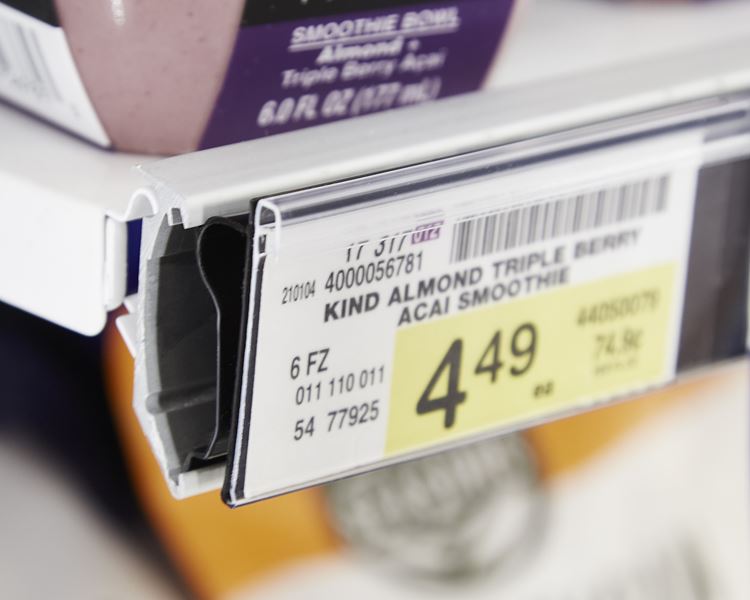
Shelf labels help stores sell a variety of goods. Grocery stores use them to display promotions and new arrivals. Bookstores use them to highlight employee recommendations or bestsellers. People often decide what to buy right in front of the shelf. These labels are especially important for food and book sales.
- 62% of grocery purchases are unplanned. Shelf labels can encourage impulse buys.
- Items with shelf labels can sell up to 22% faster. Sales can increase by 5-6%.
- 76% of purchase decisions are made in front of the shelf. Shelf labels help customers quickly select items.
Customization Options
Stores want shelf talkers that match their brand. Customization lets stores use their own colors, logos, and fonts. This makes displays look neat and the same everywhere. Special messages and pictures help products stand out. IDmate has Data Strips with custom colors and sizes. Stores can pick what fits their brand best.
Customization also helps stores show special features or deals. When shelf talkers match the brand, shoppers remember the store and feel more sure about their choices.
Matching Product Needs
Different products need different shelf talkers. Grocery items may need bright colors and simple words. Books might use softer colors and more details. IDmate’s Data Strips fit many shelf types and product groups. Stores can pick the right size, shape, and material for each item.
| Customization Feature | Description |
|---|---|
| Adaptable Sizes | Sizes change to fit different shelves and products. |
| Unique Shapes | Custom shapes help people remember the brand. |
| Electronic Compatibility | Works with digital displays in modern stores. |
| Custom Design Opportunities | Special designs and shapes make brands stand out. |
| Material Choices | Strong materials work for long campaigns and different styles. |
Tip: Try different shelf talker styles for each product type. This helps stores see what works best and keeps displays new.
A good shelf talker is easy to notice. It uses clear words, short messages, and a simple look. Stores sell more and customers are happier when they follow these ideas.
- Use IDmate’s Data Strips to change signs fast and keep shelves tidy.
- Try new designs, check what works, and always update shelf talkers.
| Key Outcomes | Benefit |
|---|---|
| Sales Uplift | More products sold |
| Customer Engagement | Shoppers notice and return |
| Easy Maintenance | Quick updates with Data Strips |
FAQ
What is a shelf talker?
A shelf talker is a small sign or card that attaches to a shelf. It highlights product details, prices, or promotions for shoppers.
Can IDmate’s Data Strips fit any shelf type?
Yes, IDmate’s Data Strips come in clip-on, magnetic, and adhesive styles. They fit metal, wood, and wire shelves in retail, wholesale, or warehouse settings.
How do stores update shelf talkers with Data Strips?
Staff slide new cards into the Data Strips. This quick process keeps displays neat and lets stores change messages for sales or new products easily.