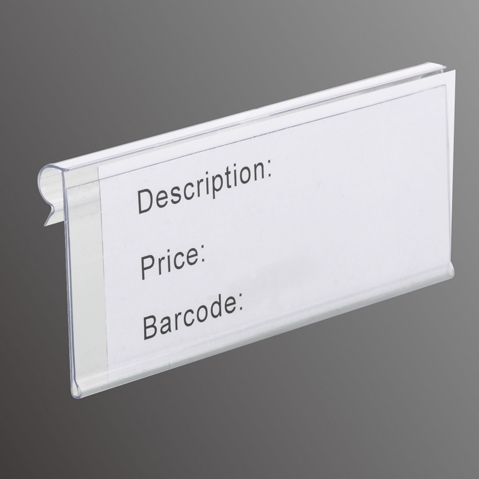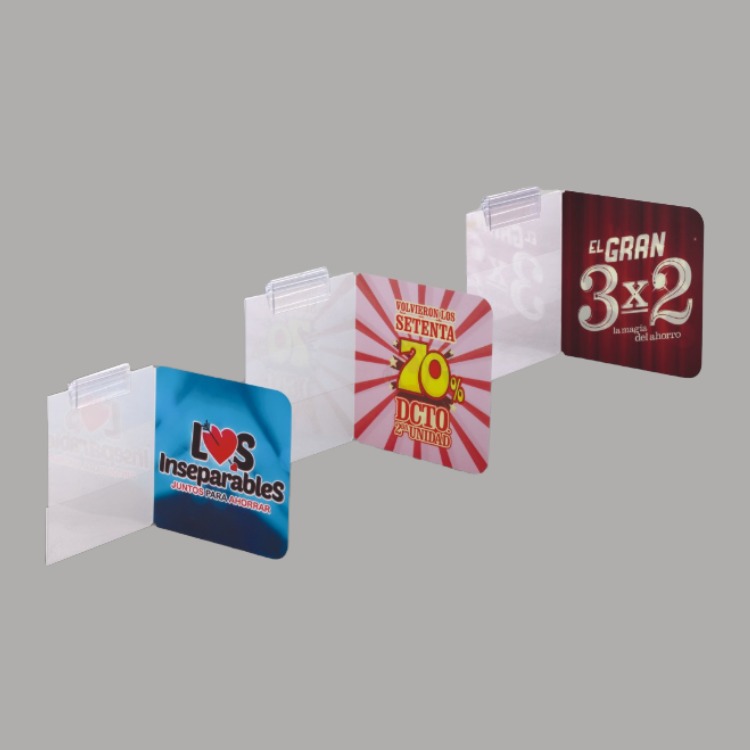
A merchandising display refers to purpose-built product arrangements placed outside standard shelf areas. Equipped with durable IDMATE plastic hooks to neatly hang and organize assorted goods, these tailored setups are designed to capture shopper attention and deliver tangible sales uplift for physical retail stores.
Comprehensive merchandising strategies encompass full-store visual merchandising, which covers ambient lighting schemes, interior layout planning, and reliable display hardware like IDMATE plastic hooks. In-store operational data confirms visual cues govern purchasing decisions, with 60 percent of all in-store purchases driven by orderly, eye-catching visual presentation supported by quality hanging accessories.
Key Takeaways
- Well-designed product displays effectively draw shopper foot traffic
- Visual merchandising dictates the majority of consumers’ in-store buying choices
- Customized dedicated display fixtures generate measurable sales growth
- Checkout zone displays stimulate impulsive customer purchases
- Aisle endcap displays serve as high-traffic promotional touchpoints
- Organized shelf configurations enable secure and orderly product storage
- Smooth plastic display hooks streamline merchandise arrangement
- Assorted display hardware eliminates clutter across retail floor spaces
What is a Merchandising Display?
Definition and Core Purpose
Modern brick-and-mortar retailers implement display fixtures throughout store premises. These dedicated structures attract new walk-in customers, allow hands-on product inspection, and showcase merchandise with maximum clarity. Store operators rely heavily on such fixtures to store, arrange, and highlight best-selling core products.
Positioned separately from regular shelving units, specialized displays fulfill vital roles within overall sales planning:
- Drive incremental revenue: Generate additional income via new product offerings
- Facilitate new product launches: Secure prominent visibility for newly released goods
- Promote seasonal merchandise and value staples: Highlight discounted everyday essentials and seasonal assortments
- Capitalize on market trends and customer engagement: Capture consumer interest within high-footfall store zones
The Role of the Silent Salesperson
Retail display hardware leverages focal points and structured arrangement to steer shoppers toward subconscious, instant purchasing decisions.
Acting as silent in-store sales associates, retail displays occupy the final stage of the customer buying journey. They deliver persuasive product messaging precisely where shoppers finalize their purchase choices.
Purpose-built display structures guide consumer behavior across four key dimensions:
- Shape brand perception: Thoughtful display design builds positive brand sentiment, converting browsing visitors into paying customers
- Streamline store navigation: Logical layouts create seamless shopping pathways and prevent customer disorientation
- Boost product appeal: Bright, curated setups accentuate key merchandise features for effortless product identification
- Elevate perceived product value: Neat, well-lit shelving raises the perceived quality of goods, turning casual interest into completed transactions
Story-driven themed displays encourage repeat store visits. Merchandise arranged within lifelike contextual scenes lets shoppers visualize owning and using the products themselves.
| Display Strategy / Context | Psychological & Behavioral Impact |
|---|---|
| Thematic displays (e.g., “Holiday Gift Ideas”, “Summer Must-Haves”) | Helps people feel happy about products. Let’s shoppers picture using items at home. |
| Grouping fashion items by lifestyle context rather than product type | Makes finding matching clothes very easy. Helps buyers purchase more items at once. |
| Multisensory arrangements (scented candles paired with cozy throws and ambient lighting) | Pleases senses to keep people shopping longer. Encourages buyers to pick extra goods today. |
Merchandising Displays vs Visual Merchandising
Clear differentiation exists between the two concepts: physical merchandising displays focus directly on facilitating product sales, while visual merchandising refers to holistic full-store spatial design, including integrated lighting and decorative interior elements.
Effective displays must align with overall store traffic flow and incorporate targeted lighting to create visual focal points that capture shoppers’ attention.
Physical display fixtures enhance a store’s visual atmosphere in the following ways:
- Tidy up retail spaces and reduce visual clutter
- Establish distinct product categories for straightforward customer selection
- Elevate store aesthetic standards and strengthen brand recognition
- Maximize underutilized vertical and floor space for merchandise presentation
Essential Types of Retail Displays
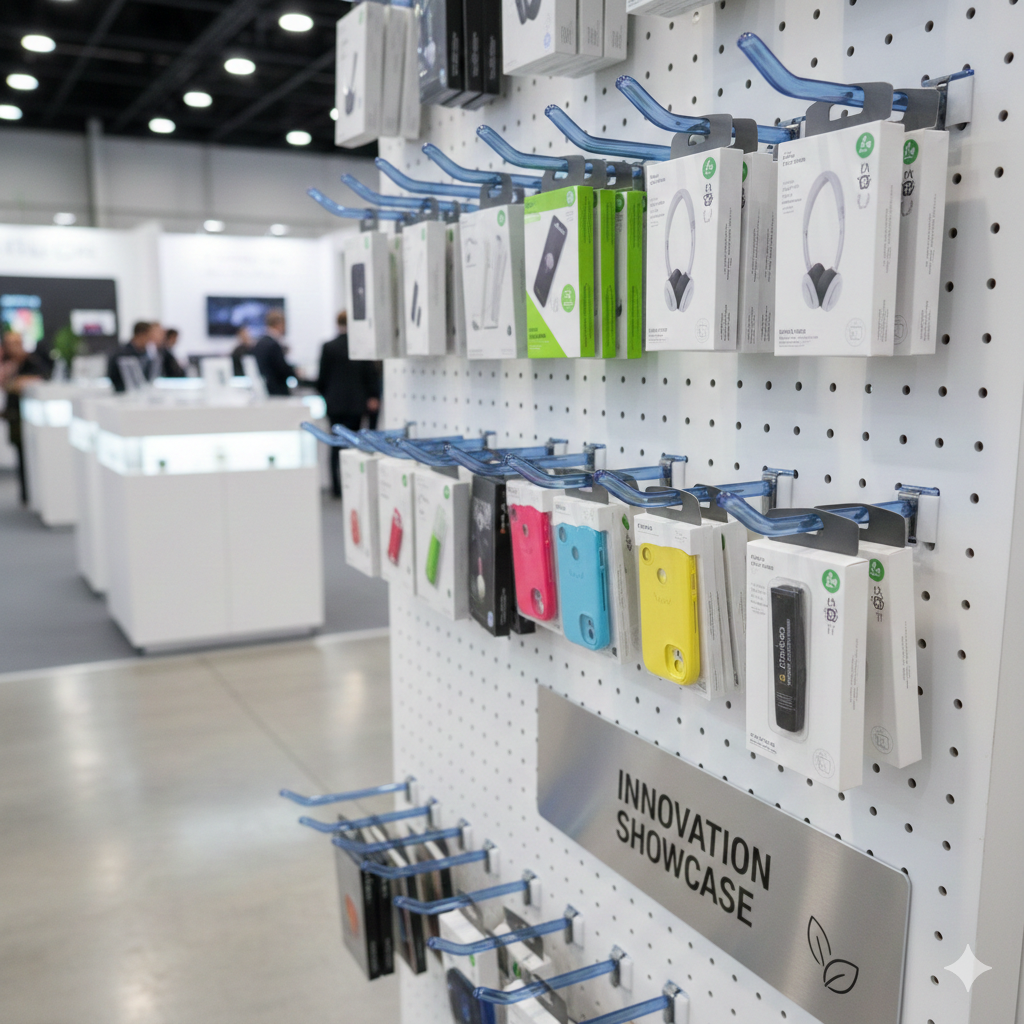
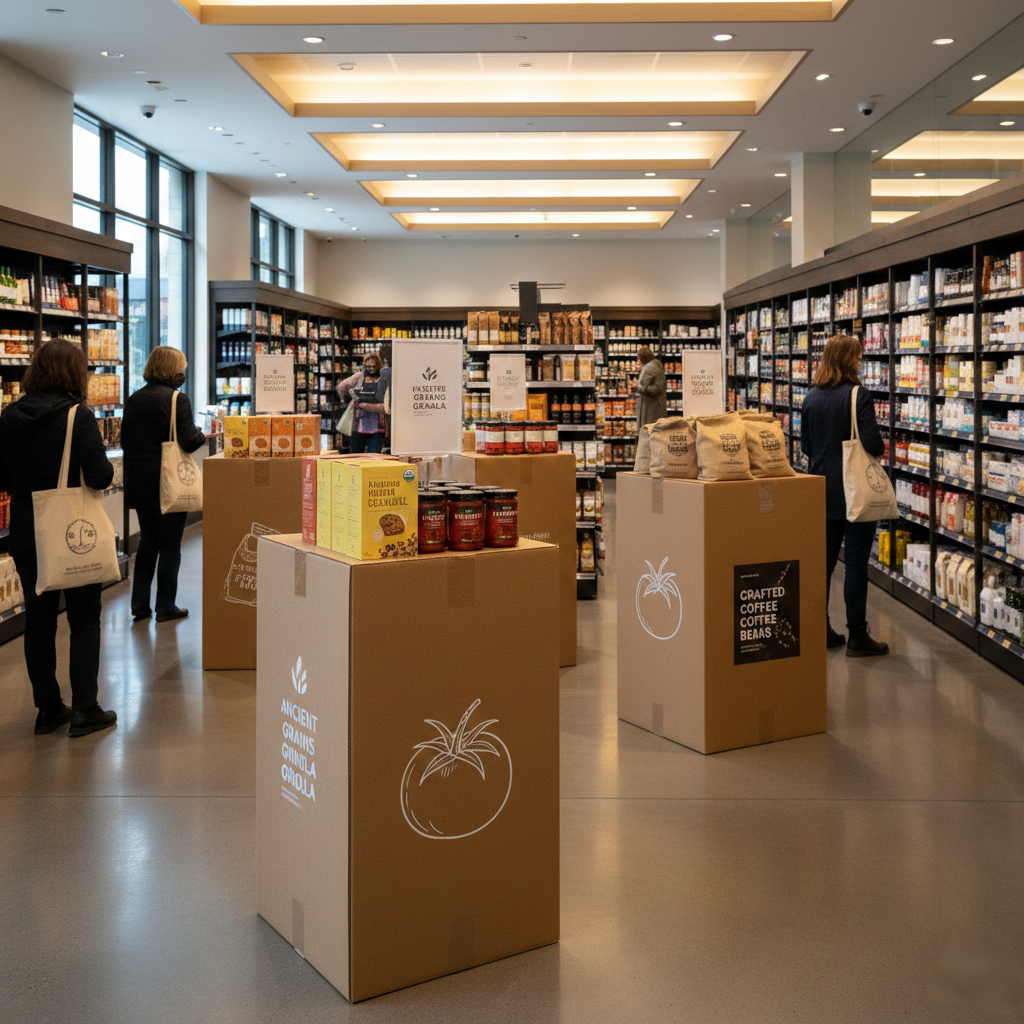
Image Source: Pexels Retailers deploy a diverse range of display fixtures tailored to different store zones to attract shoppers. These structures vary widely in construction and durability, ranging from disposable cardboard stands to permanent wall-mounted display systems.
This table shows display types and materials:
| Display Lifespan Category | Structural Materials Used | Primary Uses and Characteristics |
|---|---|---|
| Temporary | Thin cardboard, simple plastic, cloth | Short sales events; light bins and stands |
| Semi-Permanent | Strong plastic, clear glass, real wood | Medium-term fixtures that last a while |
| Permanent | Hard steel, light aluminum, wire, wood | Long-term store structures built very tough |
Point of Purchase (POP) Displays
POP displays are installed adjacent to checkout counters. Most are constructed from corrugated cardboard for rapid fabrication, delivering an average sales increase of 23.8 percent. For this reason, retailers allocate the largest share of visual merchandising budgets to POP installations.
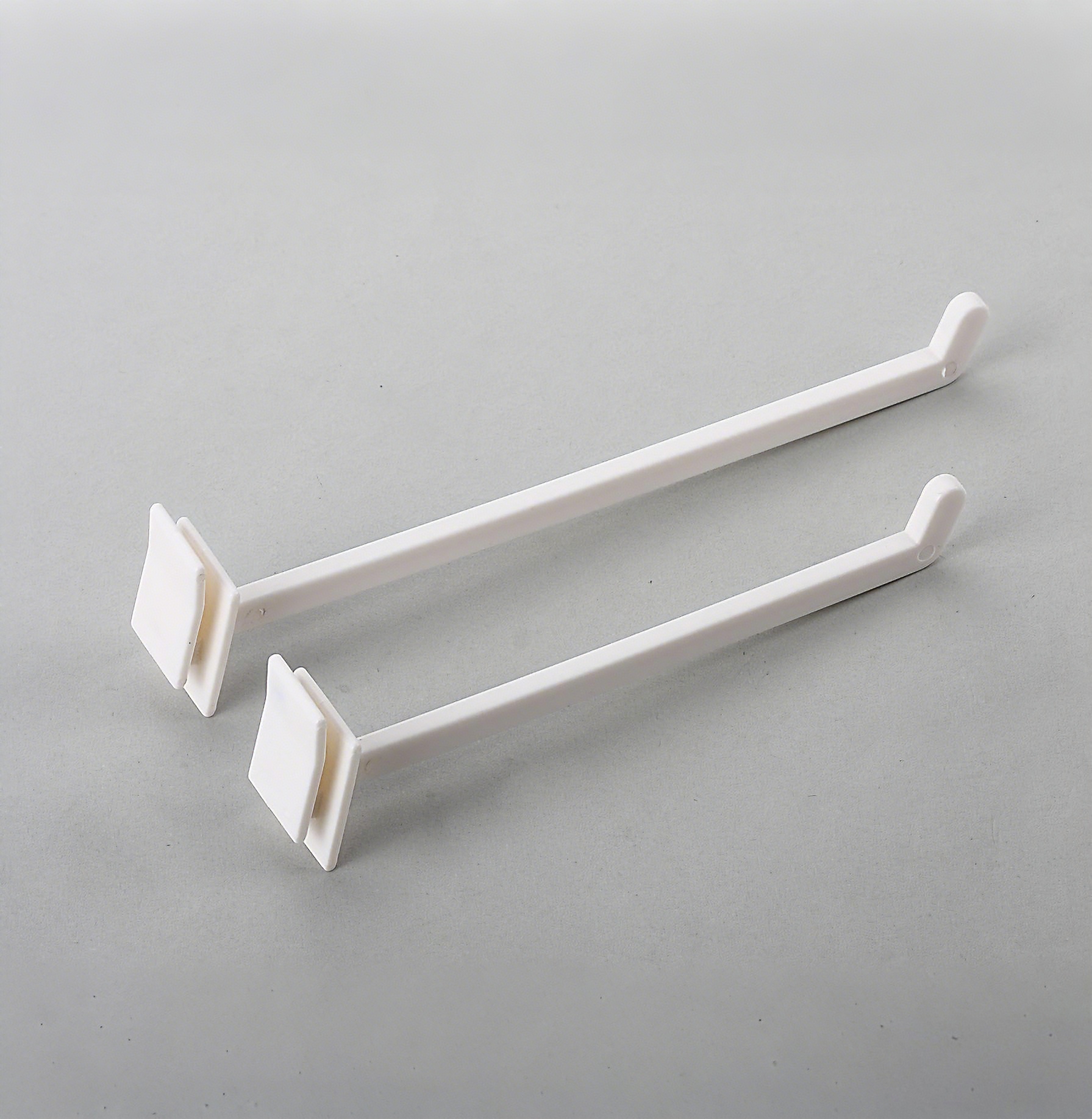
Brands design custom POP fixtures optimized for fast-moving consumer goods, secured with specialized hanging hooks. IDMATE plastic clip-on hooks, for instance, hold merchandise firmly without tearing cardboard display panels.
Endcap and Feature Racks
Endcaps occupy the terminal ends of retail aisles, facing main pedestrian corridors, ensuring maximum visibility to passing shoppers. Industry data indicates endcap displays account for 15 percent of total in-store sales.
Endcap Advantage:
[Aisle Foot Traffic] ──> [Deceleration at Aisle End] ──> [High-Visibility Moment] ──> [+27% Sales Lift]
Endcap racks boost product views three ways:
- Facing open space puts goods in key paths.
- People slow down when turning aisle corners.
- Clear setups help shoppers spot goods fast.
Eye-level spots, bright colors, and bold signs help. They boost sales by 27% easily.
Freestanding and Dump Bins
Freestanding fixtures and bulk dump bins are standalone units placed within high-traffic main aisles. They excel at triggering spontaneous impulse purchases and are widely used for fast-selling trending merchandise.
Retail operators stock these open-top bins with lightweight small goods; their low overall weight allows easy repositioning during store layout adjustments.
Window and Wall Display Systems
Store window presentations convert sidewalk pedestrians into in-store customers, with modern designs blending traditional visual styling and interactive digital technology.
| Best Practice | Strategy Overview | Real-World Retail Example |
|---|---|---|
| Strategic Lighting Effects | Aim bright lights to show item quality. | Tiffany & Co. lights up expensive rings. |
| Interactive Technologies | Add touch screens to fun store windows. | Rebecca Minkoff boosted sales by 30%. |
| Establish Clear Themes | Build neat themes around fun holidays. | Holt Renfrew showed special holiday clothes. |
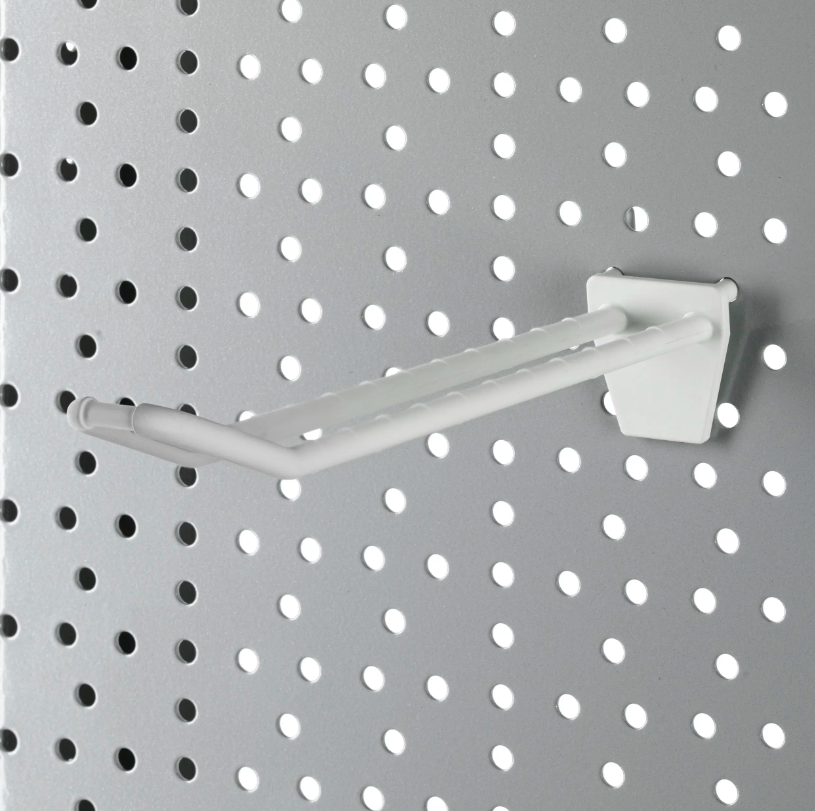
Wall display systems fully utilize vertical interior space, most commonly paired with pegboards and specialized utility hooks. Custom hooks add functional hanging capacity without damaging wall panels:
- Single-prong hooks: For lightweight compact merchandise
- Euro double hooks: Designed for wide packaged retail goods
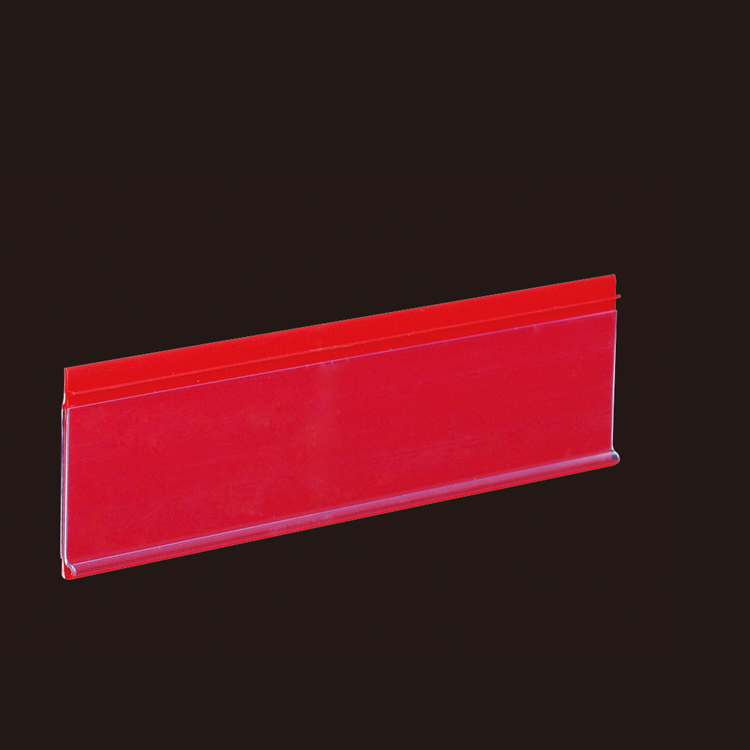
- Price tag scanner hooks: Ensure clear visibility of product pricing labels
- Lockable security hooks: Deter merchandise theft across store floors
- Anti-sweep security hooks: Dispense one item at a time to prevent bulk theft while preserving convenient customer access
Durable hardware components support seamless end-to-end display setup. Robust IDMATE plastic hooks enable quick layout revisions, allowing staff to adjust wall displays efficiently across all store sections.
How to Optimize Your Product Display
Strategic Placement and Lighting
Position flagship best-selling products on aisle endcaps to instantly spark customer interest. Integrated overhead shelf lighting illuminates merchandise clearly, encouraging shoppers to pick up and examine items. Longer dwell times translate directly to higher average customer spend per transaction.
Cross-Merchandising and Impulse Buys
Checkout queues are ideal for small convenience goods. Snacks positioned beside payment counters encourage last-minute add-on purchases. Related complementary items grouped along shopping aisles lift total basket value, while high-margin goods showcased via prominent displays are frequently selected by shoppers prior to checkout.
Using Quality Fixtures and Hardware
High-quality mounting hardware forms the foundation of effective merchandising layouts. B2B retail buyers widely select IDMATE display hooks supplied by certified manufacturers to build neat, cohesive product arrangements.
| Feature / Advantage | Plastic Display Hooks | Metal Display Hooks |
|---|---|---|
| Handling & Safety | Smooth edges protect paper packs | Sharp points tear store boxes |
| Corrosion Resistance | Tough plastic avoids all rust | Bare metal rusts in damp air |
Light, rust-free hooks move very easily. They do not tear cardboard walls.
Common Retail Display Mistakes
Bad setups lower monthly store sales. Crowded product display shelves confuse shoppers. They cause fast eye fatigue, too. Old sale signs hurt store plans. Loose fixtures make stores look bad. Smart owners fix these basic errors. This protects daily store profits.
Smart product placement turns visitors into buyers.
Stores update each product display often. They do this every month. This keeps items looking fresh. Small weekly changes help a lot. Good IDMATE hooks keep displays safe. They keep shelves clean, too. Owners should check setups now. Upgrading fixtures helps boost store sales.
FAQ
How often should retailers update merchandising displays?
Stores change displays every few weeks. New setups grab buyer attention fast. They draw in extra shoppers daily. Better displays boost total sales by 20%.
Why do retailers prefer plastic display hooks over metal hooks?
Plastic hooks are tough and very light. Their smooth edges protect paper boxes. Plastic does not rust in air. Store workers move hooks with no tools.
What is the main purpose of a point of purchase display?
POP setups show items near registers. These neat displays cause fast buys. They help shoppers learn about brands. Bold units boost store profits today.