
A pegboard plastic hook typically holds 1–15 lb in working load, while metal pegboard hooks reach 10–35 lb. But the hook is only half the system. The real limit is the panel: standard pegboard is usually rated around 10–15 lb per hook, and a heavy load on a long hook can tear the hole or bow the board well before the hook itself fails. The safe number is always the lower of the two.
Key Takeaways
- Plastic pegboard hooks carry roughly 1–15 lb; metal hooks reach 10–35 lb.
- The panel, not the hook, is often the limiting factor. Standard pegboard is commonly rated around 10–15 lb per hook.
- Hook length creates leverage. A long hook under load stresses the hole more than a short hook carrying the same weight.
- Spread the load across multiple hooks and panel area rather than concentrating it on one point.
- Slatwall with proper inserts can carry more than a standard pegboard hook and is the better choice for heavier products.
- IDmate’s plastic hooks range includes single-prong, double-prong, and loop pegboard hooks for light-to-medium retail loads.
Pegboard Hook Weight Capacity: What the Numbers Actually Mean
Typical Ratings: 1–15 lb for Plastic Hooks, 10–35 lb for Metal Hooks
The range is wide because the category is wide. A small plastic single-prong hook designed for packaged accessories may carry 1–5 lb comfortably. A heavier plastic or reinforced hook can reach 10–15 lb. Metal pegboard hooks are generally stronger, with typical ratings from 10 lb up to 35 lb depending on gauge and design.
These are working-load figures, not breaking-load figures. A hook that snaps at 40 lb is not a 40 lb hook. The working load is the weight the hook is designed to hold continuously without deformation, and that is the number that matters for a retail display that stays up for months.
Working Load vs. Maximum Load: Why the Lower Number Is the One That Matters
Maximum load is the point of failure. Working load is the safe operating limit, usually a fraction of the maximum. A supplier may quote a high maximum to look competitive, but a display planner should use the working load. If the product weight is close to the hook’s maximum rating, the hook is already at risk under normal handling, vibration, and the occasional customer tug.
The practical rule is to keep the per-hook load below the working rating and to confirm the panel rating separately. If the panel is rated lower than the hook, the panel sets the ceiling.
Why Pegboard Hook Capacity Depends on the Panel, Not Just the Hook
Panel Thickness and Hole Deformation Under Load
Pegboard is a thin panel with small holes. When a hook carries weight, the load transfers to the edge of the hole. A thin hardboard panel deforms or crushes at that edge over time, especially in humid conditions. A thicker panel or a reinforced board distributes the load better and holds the hole shape longer.
This is why the same hook can feel solid on one board and wobbly on another. The hook has not changed; the panel has. For a retail display that carries packaged goods for months, the panel’s hole integrity is the variable that determines whether the hook stays level.
Hook Length and Leverage: How a Longer Hook Reduces Safe Load
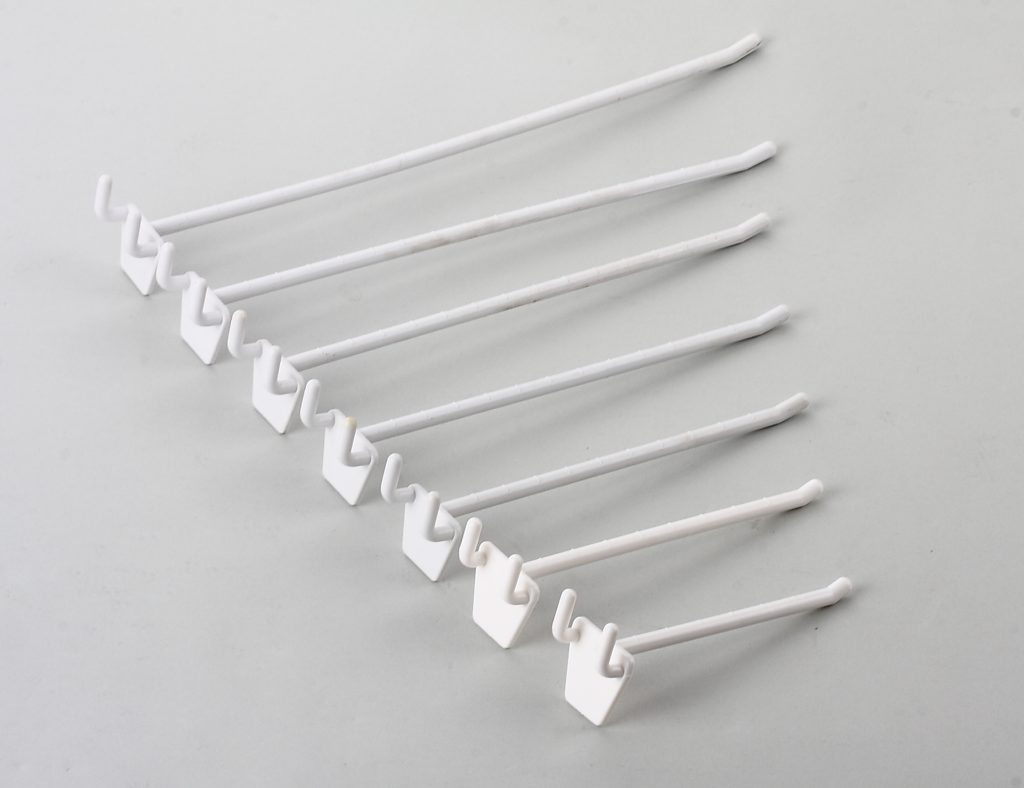
A hook is a lever. Weight at the end of a 6-inch hook creates more torque at the hole than the same weight on a 2-inch hook. That torque pushes the bottom of the hook against the panel and pulls the top of the hole forward, which is how pegboard holes ovalize and eventually tear.
The practical consequence is that long hooks should carry less weight, not more. A long hook is useful for depth and visibility, but it is not a way to increase capacity. If the product is heavy and needs to stand out from the panel, a different panel system may be the better answer.
Pegboard vs. Slatwall: When a Different Panel System Is Required
Slatwall carries load through a continuous groove rather than a single hole. A slatwall hook with a proper backplate spreads the load along the groove, and a reinforced slatwall panel can hold considerably more than a standard pegboard hook.
This is the decision point for heavier merchandise. If the product weight is above the pegboard panel’s working rating, or if the display needs to hold that weight for a long period, slatwall is the more appropriate system. Pegboard remains the right choice for light packaged goods, accessories, and tools where the load stays within the panel’s limit.
How to Plan a Retail Display Within Safe Pegboard Hook Limits
Estimating Product Weight per Hook
Weigh the packaged product, not the bare item. Packaging, hanging tabs, and any bundled accessories add weight. If a hook holds multiple units, multiply by the number of units the hook is expected to carry at peak. A hook that holds six items at 0.5 lb each is carrying 3 lb, which is fine for most plastic hooks but worth checking against the panel rating.
Spacing Hooks to Distribute Load Across the Panel
Load concentrates where hooks cluster. If several loaded hooks sit close together, the panel between them carries a combined stress that no single hook rating reflects. Spacing hooks apart distributes the load and reduces the chance of localized hole deformation.
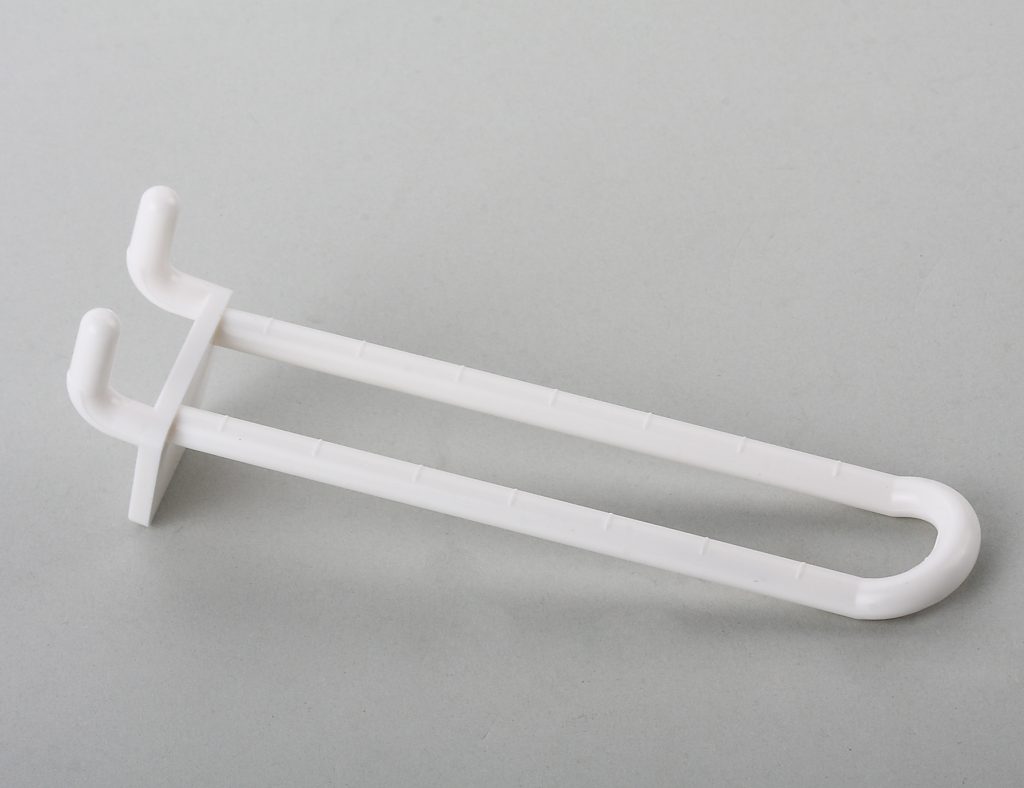
For heavy products, use a double-prong hook or two hooks to share the load. This reduces the torque at each hole and keeps the product level. It does not increase the panel’s total capacity, but it prevents a single point from carrying more than its share.
IDmate Plastic Pegboard Hook Range for Retail and Wholesale
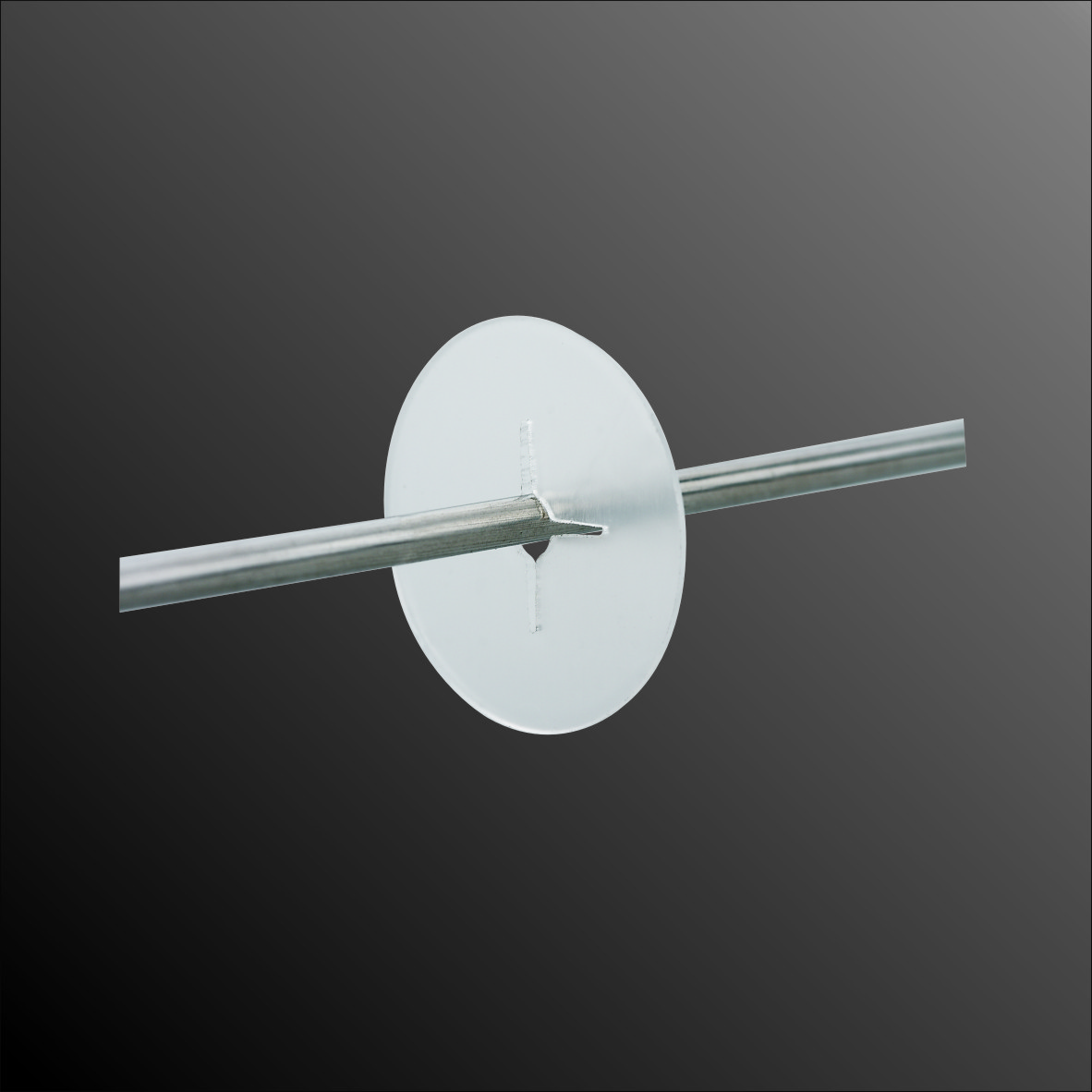
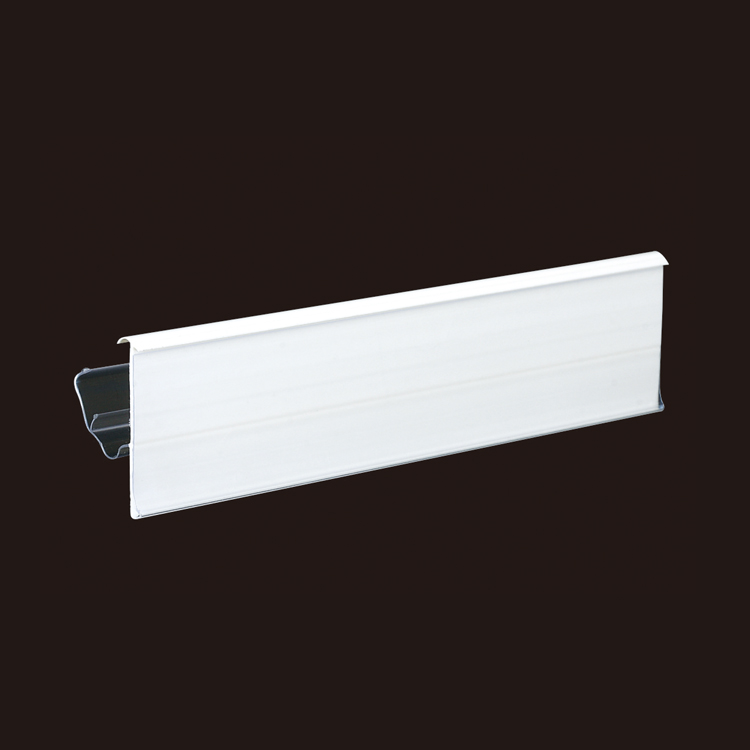
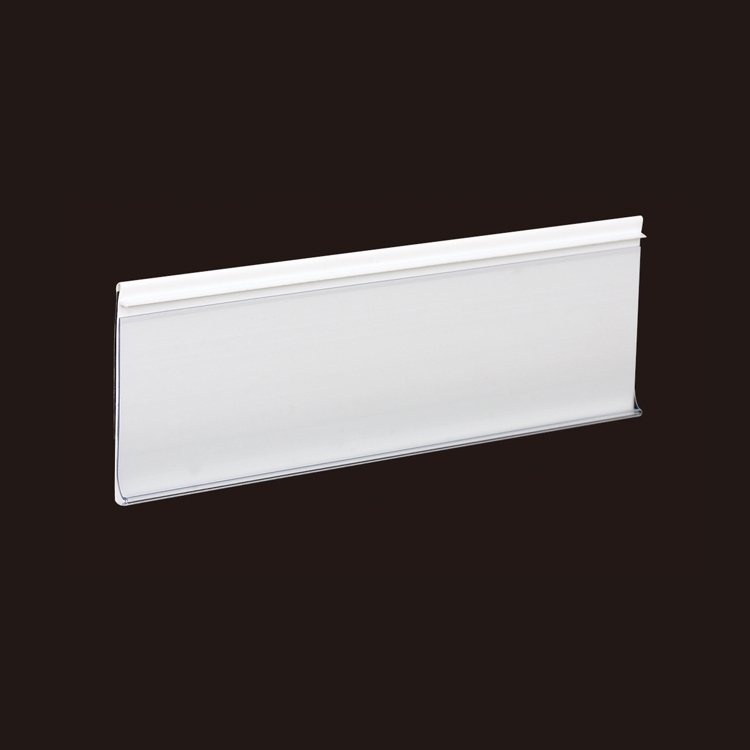
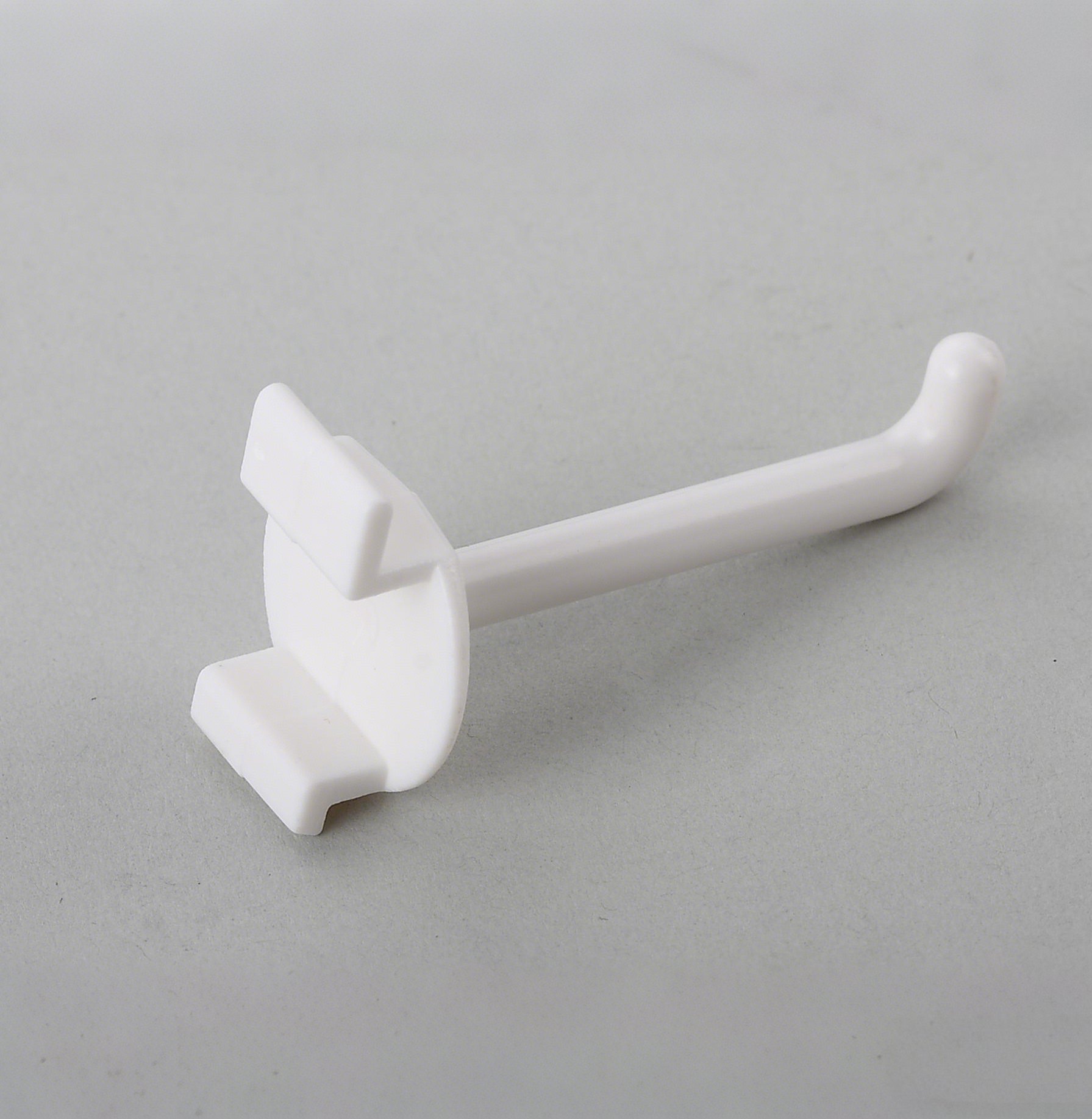
IDmate manufactures plastic pegboard hooks in single-prong, double-prong, and loop styles, with scanner hooks and label-plate options for retail pricing. The range is designed for light-to-medium packaged goods, which matches the working load of standard pegboard panels.
For wholesale buyers, hook length, color, and packaging can be specified against the display plan. MOQ and lead time depend on the hook style and customization. Buyers who need a load rating for a specific hook should confirm the figure against the panel specification as well, because the two ratings work together.
FAQs About Pegboard Hook Weight Capacity
How much weight can a plastic pegboard hook hold?
Most plastic pegboard hooks carry roughly 1–15 lb in working load, depending on the hook design and the panel. Light single-prong hooks sit at the low end; heavier or double-prong hooks sit higher. The panel rating may be lower than the hook rating.
Does a slatwall hook hold more than a pegboard hook?
Generally yes, when the slatwall panel is properly reinforced. Slatwall spreads load along a groove rather than a single hole, which allows higher working loads. A standard pegboard panel is commonly rated around 10–15 lb per hook, while a reinforced slatwall system can carry more.
Can I hang a heavy product on a pegboard hook with two prongs?
A double-prong hook shares the load across two holes and reduces torque at each point, which helps with stability. It does not raise the panel’s total capacity. If the product weight is above the panel’s working rating, move to a stronger panel system rather than adding prongs.
Does IDmate supply load-rated plastic hooks for retail displays?
IDmate supplies plastic pegboard hooks and slatwall hooks for retail and warehouse displays, with single-prong, double-prong, and loop options. Load ratings should be confirmed against the specific hook model and the panel specification before a large display rollout.