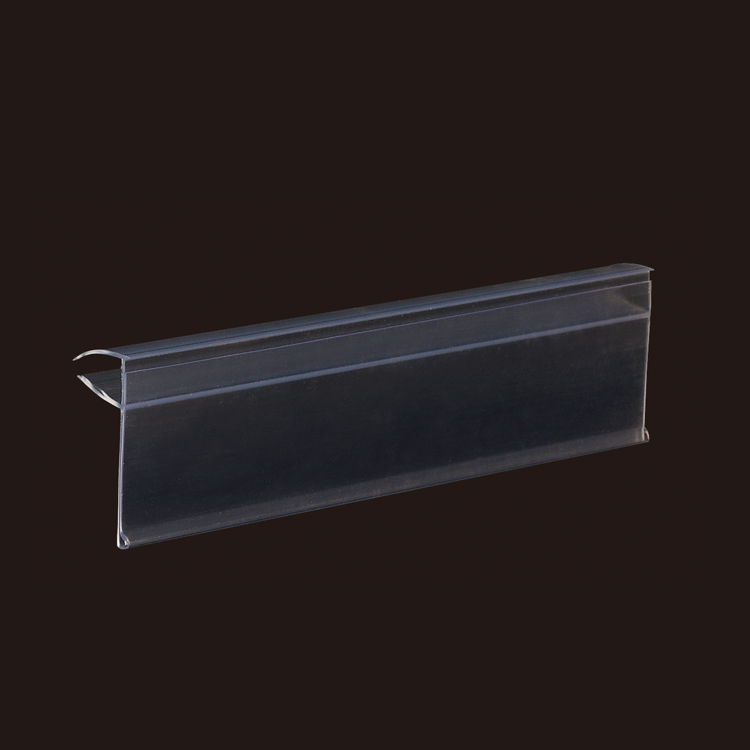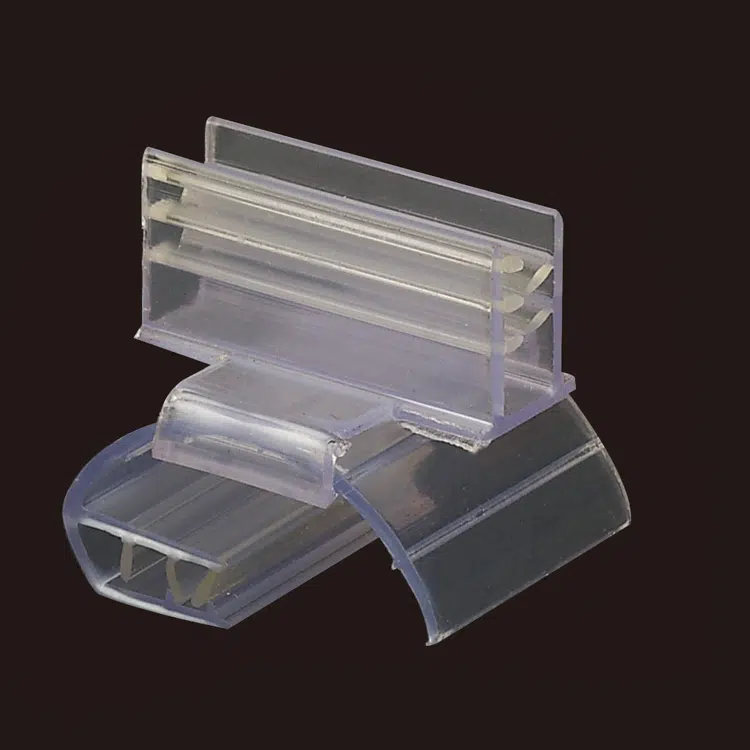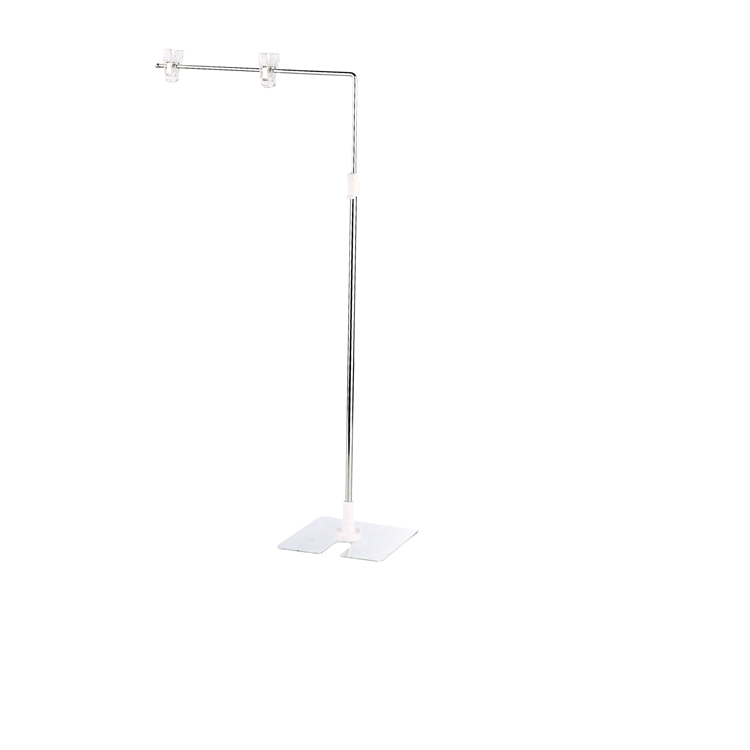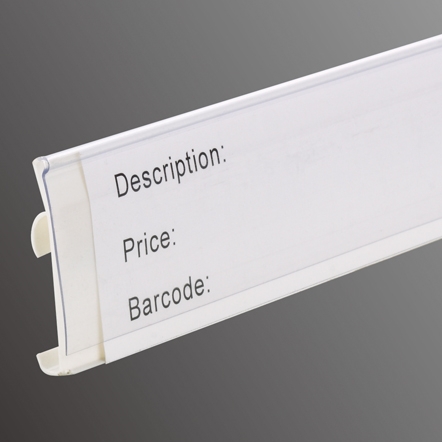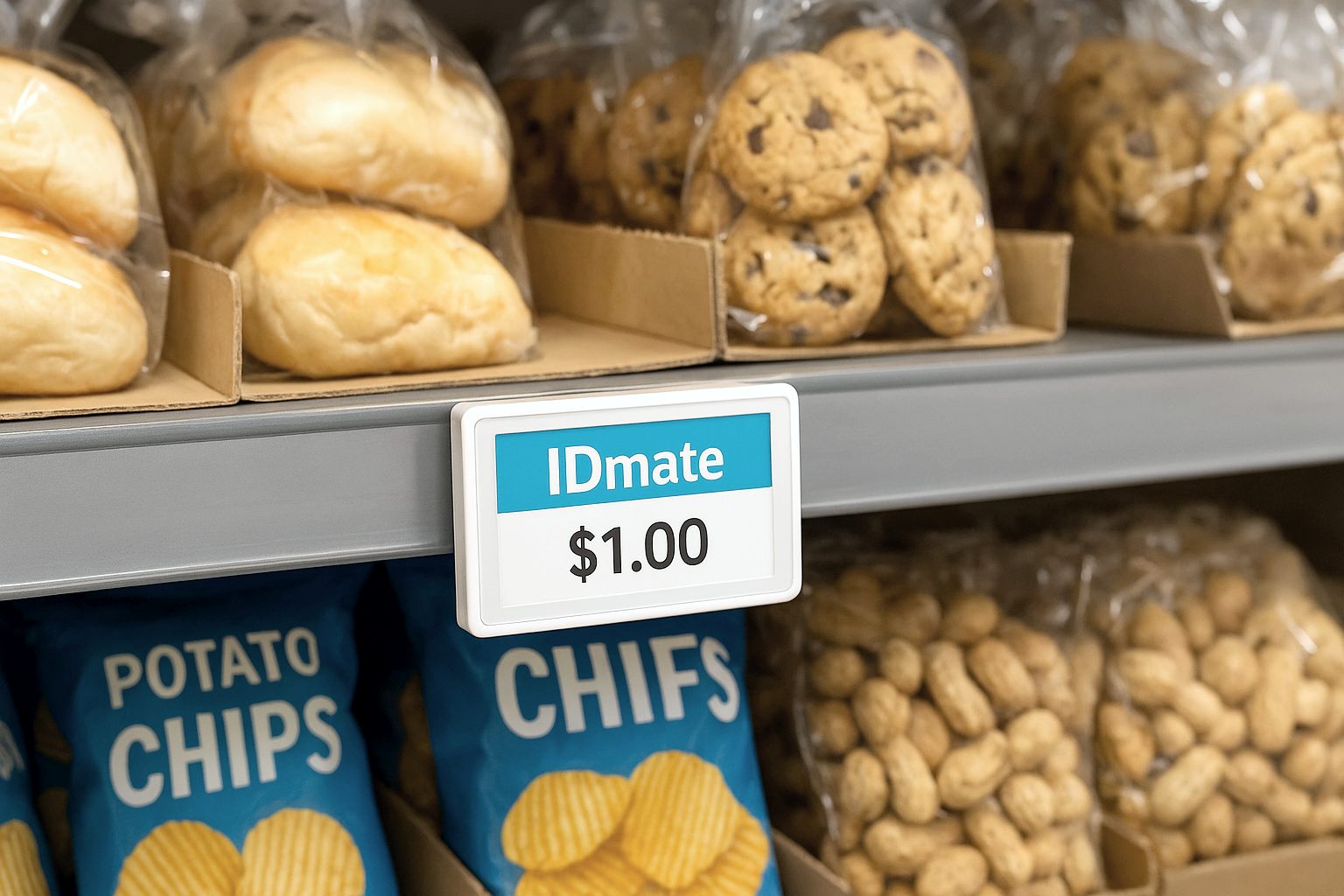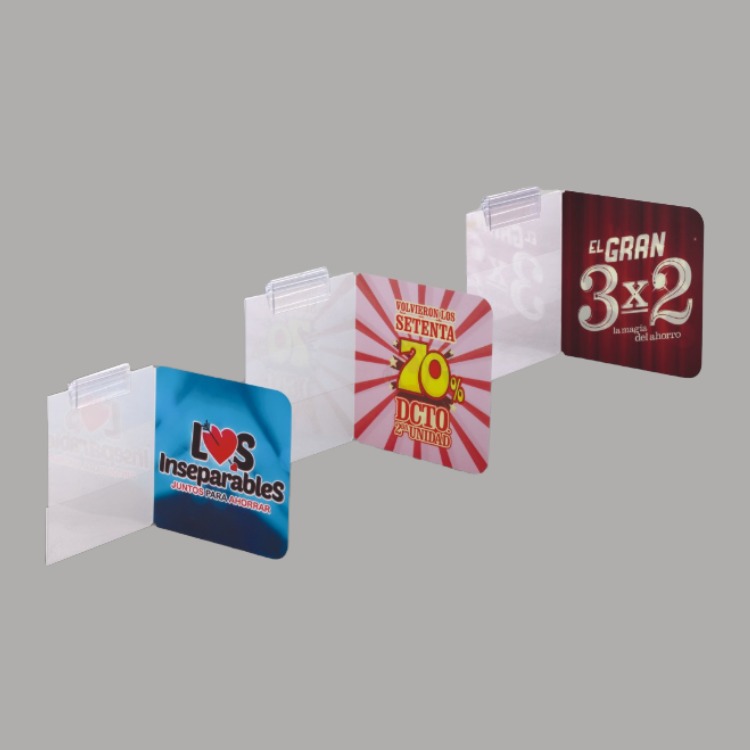
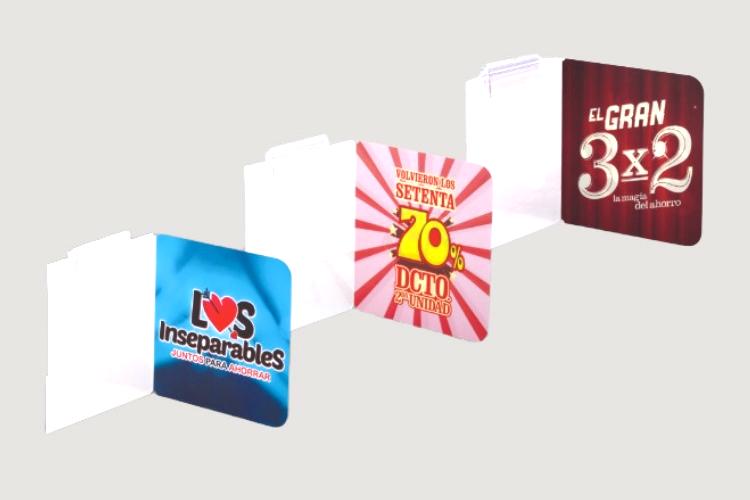
Shelf talkers—such as snap-in signs, clip-on signs, and adhesive styles—are small signs displayed on store shelves to showcase products and prices. Retailers sometimes call them “shelf wobblers,” “shelf barkers,” or “shelf-edge signs.” They make products stand out and draw attention to promotions. The choice depends on shelf type, marketing goals, and budget. They generally fall into two main categories: mounting method and material/form.
Key Takeaways
- Shelf talkers come in three main ways to attach: clip-on, snap-in, and adhesive.
- Pick plastic shelf talkers for quick sales and acrylic for long-lasting displays.
- Pick the mounting type that fits your shelves. This gives you the best view and lasts the longest.
- Digital shelf talkers give updates right away and cut down on printing waste.
- Try out different kinds to see which one works best for your store.
Shelf Talkers by Mounting Type
The attachment method determines stability. There are three primary installation methods: clip-on, snap-in, and adhesive-backed. Each suits different display equipment and retail needs.
Clip-On Shelf Talkers
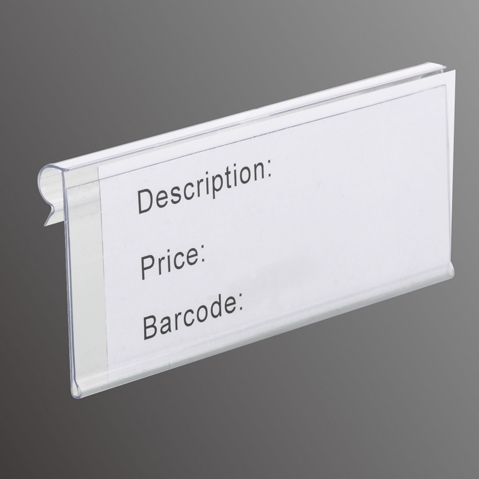
Clip-on signs attach to the shelf edge using a plastic clip, typically clear and about 1.25 inches wide, designed for edges up to 1mm thick. Sold in packs of 100, they keep attention on products. Retailers use them in snack aisles, end caps, or checkout lanes for short-term promotions. According to a 2023 retail display survey by the In-Store Marketing Institute, clip-on signs reduce signage update time by approximately 70% compared to adhesive alternatives. Staff can update signs in seconds. They are cost-effective, do not damage shelving, and are ideal for high-traffic areas needing frequent updates.
Snap-In & Data Strip Shelf Talkers
Snap-in signs fit directly into price channels built into shelving. Data strips cover a longer span for consistent pricing across aisles. Updating takes seconds. Grocery stores and large retailers favor this method for a neat, organized look. They display messages like “On Sale” or “New Arrival.” The flush profile minimizes clutter and helps customers locate products faster. Most standard data strips are made from PVC or PET and are compatible with price channels measuring 26mm, 32mm, or 39mm—though exact dimensions vary by shelving manufacturer, so measure before ordering.
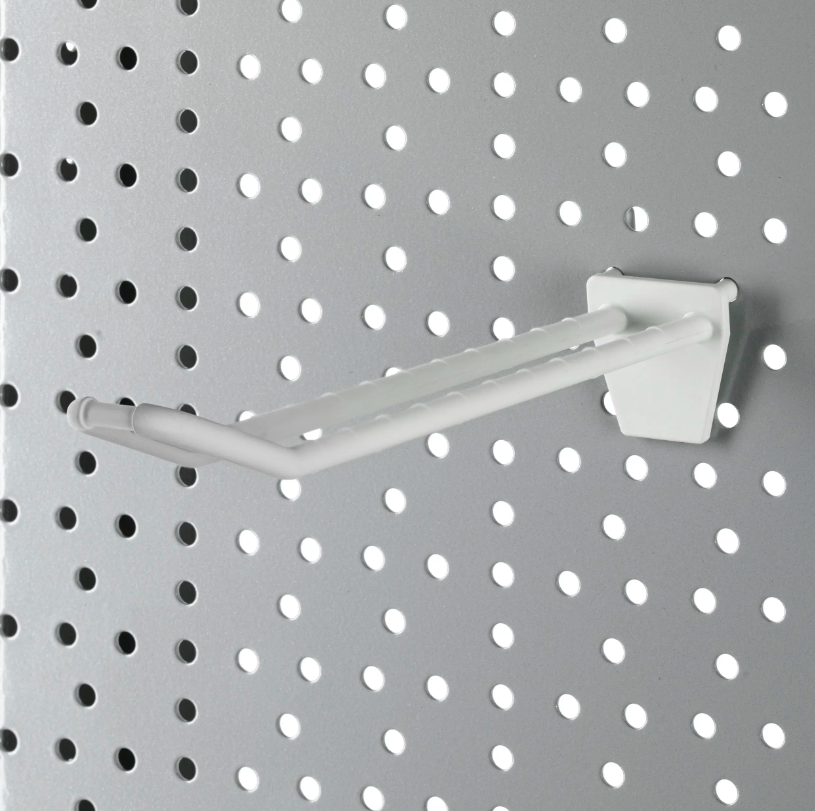
Other mounting options exist. Adhesive-backed signs attach without channels or clips. Magnetic signs work on metal shelving and refrigerated units. Wire shelf clips fit wire-mesh shelving in produce sections. Hinged signs pivot with movable shelving. Padded signs protect delicate packaging. These specialized types address unique display challenges. Retailers can combine methods for best visual impact.
Shelf Talkers by Material & Format
Material determines appearance and durability. Merchants choose between flexible plastic for high-volume orders and rigid acrylic for a premium look.
PVC & Plastic Shelf Talkers
PVC and plastic signs offer a flexible, cost-effective solution for large-scale needs. They remain visible on curved shelf edges and are ideal for short-term promotions like flash sales or seasonal offers. They support high-quality color printing and are tear-resistant. For sustainability, consider widely recycled materials like PET, polyethylene, and polypropylene rather than PVC or polystyrene. IDmate offers custom plastic signage with color matching, cold resistance, and anti-slip properties, in sizes from 300 mm to over 1,200 mm. PVC remains popular for its low cost and mass-production suitability. According to Plastics Industry Association data, PVC signage has an average service life of 2–3 years in typical retail environments, while PET alternatives offer comparable durability with better recyclability.
Acrylic Shelf Talkers
Acrylic shelf talkers provide a rigid, premium look for permanent or reusable displays. They stay clear, do not yellow, and hold their shape for years. Stores use them for brand zones, high-end items, or polished sections. The rigid material protects paper inserts from damage and dust. Retailers simply swap the printed card inside rather than replacing the entire sign, minimizing waste. With acrylic holders, only the paper insert needs changing, which is cost-effective for long-term displays. Acrylic has a light transmission rate of approximately 92%, compared to roughly 85–88% for standard glass—making it both clearer and more impact-resistant for retail use.
Signage options extend beyond material. Centered signs draw attention to key products; angled signs tilt toward customers for legibility; channel strips keep price labels uniform; padded signs prevent damage to fragile packaging.
Digital shelf signage supports real-time updates. Connected to in-store systems, these electronic signs allow instant price changes and dynamic content like countdown timers or videos. According to Mordor Intelligence, the electronic shelf label market is projected to grow from $1.97 billion in 2025 to $3.78 billion by 2030, a CAGR of 13.9%. Despite higher initial investment, they reduce printing waste and enable faster response to market changes.
How to Choose the Right Shelf Talker Type
First, understand your shelf layout. A comprehensive plan should address both installation and material, as different stores need different types. The right choice improves product visibility and influences purchasing decisions.
Match the Mounting to Your Shelving
Grocery shelving has standard edge depths: base shelves 16–24 inches, upper shelves 10–19 inches, according to the Retail Fixture Manufacturers Association. Clip-on tags work on flat edges; snap-in tags need a price channel; wire mesh shelves require special brackets; tiered displays may need angled talkers. End caps and checkout lanes suit short-term clip-on signs; main aisles need shelf-edge strips for consistent messaging. Improper installation can cause signs to fall off, failing to drive sales. The right method reduces maintenance time and sustains customer interest.
Consider Durability & Reusability
Plastic signage suits short-term promotions due to low cost and easy replacement. Acrylic suits long-term displays—months or years—while maintaining a clean look; only the paper insert needs changing. For safety, acrylic shelf talkers should meet UL 94 flammability standards for retail environments. Supplier-provided signage comes in brand-compliant colors and sizes from 300mm to over 1200mm. Specialized features like cold resistance for frozen sections, anti-slip coatings, and padding enhance durability. As a manufacturer and distributor of custom shelf signage, IDmate offers wholesale services and free samples. Custom designs have a minimum order quantity (MOQ) of 100 units; in-stock products ship within 1–2 business days.
Shelf signage can be categorized by mounting method and material. Clip-on, snap-on, and adhesive styles suit various shelf edges, while PVC, acrylic, and digital formats cater to diverse budgets. No single type fits every scenario; a combination often yields the best results. Retailers should select based on shelf type, promotional needs, and branding, using A/B testing to identify top performers.
FAQ
What is the difference between a shelf talker and a shelf wobbler?
A shelf talker is any sign on the shelf edge. A shelf wobbler hangs from a flexible arm and sways slightly. Both draw attention to products and prices. Wobblers are typically used for higher-visibility promotions where motion is desirable.
Can I use shelf talkers on wire shelves?
Yes, but wire shelving requires specialized brackets designed to grip the wire frame. Standard clip-on or snap-in brackets are not suitable. Source cardboard display parts specifically designed for wire shelving. Wire shelf clips typically have a load capacity of 0.5–2 kg depending on the gauge of the wire and the clip material.
How long do acrylic shelf talkers last?
Acrylic holders retain transparency and shape long-term. Accelerated aging tests (ASTM D4329) indicate that quality acrylic can maintain over 90% light transmission after five years of indoor exposure. Retailers can replace paper labels inside without buying new holders.
What sizes do custom shelf talkers come in?
Custom shelf signage ranges from 300 mm to over 1,200 mm. Manufacturers like IDmate can match colors to brand specifications and offer features like cold-resistant or anti-slip coatings. The minimum order quantity is 100 units. Standard in-stock sizes typically ship within 1–2 business days.
Do digital shelf talkers replace printed signs?
Electronic shelf labels complement paper labels rather than replacing them. They suit products with frequently changing prices and ongoing promotions, while paper labels remain effective for most items with fixed prices or short-term promotions. Data privacy and network security considerations apply to digital systems—ensure your vendor complies with applicable data protection regulations.