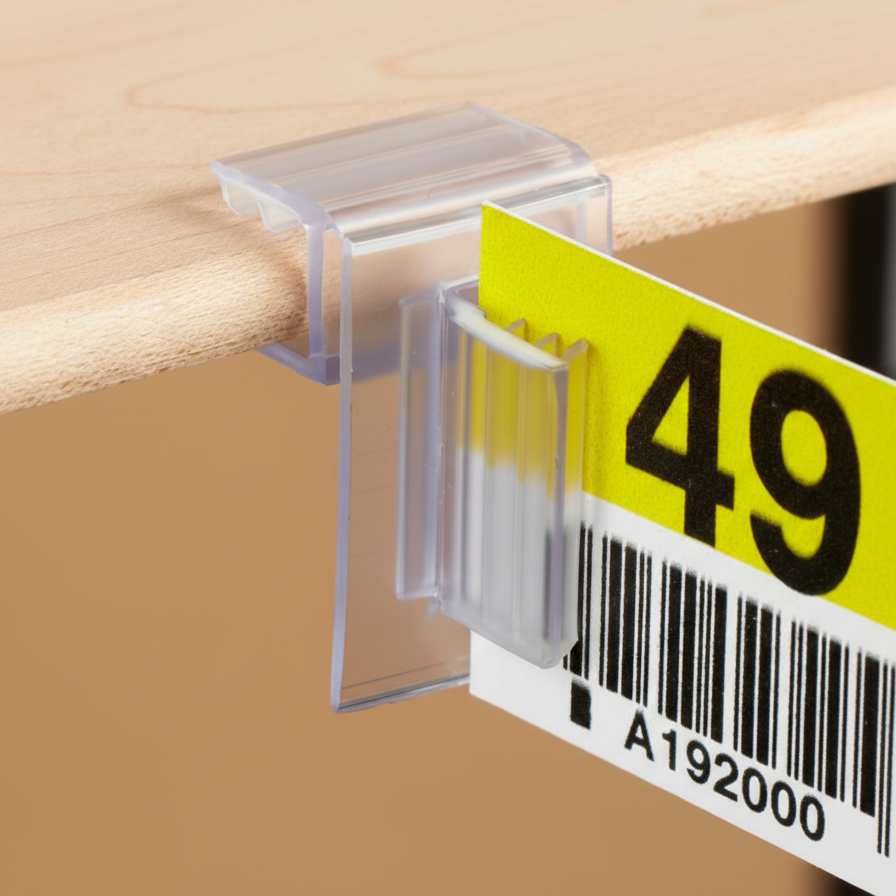
The most common names are sign holders, sign stands, and sign frames. The correct term usually depends on where the sign is placed — shelf, counter, wall, or ceiling. Each mounting position has its own label. This guide lists the exact terms so you can search, buy, or request the right retail display accessory quickly.
About this guide: This article was written by a retail display specialist with over 8 years of experience in store fixture design and visual merchandising for grocery, pharmacy, and convenience store chains. Technical content references industry standards and field experience. Product links are provided for reference and do not constitute a paid endorsement.
Key Takeaways
- Sign holders go by many names: sign stands, sign frames, sign mounts, and more. The right term depends on placement.
- Retail stores use different sign holders for shelves, counters, and floors. Each type displays information clearly.
- Choosing the right material and size prevents ordering mistakes.
- Common materials include plastic, acrylic, and metal; each offers different durability and cost.
The Common Terms: Sign Holders, Sign Clips, and Sign Stands
What People Usually Call Them
“Sign holder” is the umbrella term for any device that holds up a retail display. Within this category, you will hear many other names: sign frames, sign stands, sign bases, sign mounts, stanchion sign holders, wall hanging sign holders, and acrylic sign holders. Each name points to a specific placement or design. A sign stand rests on the floor. A wall hanging sign holder attaches to a vertical surface. A sign mount fastens a display to a shelf edge.
Sign Holders vs. Signage Holders: A Quick Clarification
The terms “sign holder” and “signage holder” are often used interchangeably. However, “signage” generally refers to a broader system of signs, while “sign holder” usually means the physical device that grips or displays a single sign. For everyday shelf and counter displays, “sign holder” is the more precise term.
Related Retail Terms: Shelf Talkers, Data Strips, and Label Holders
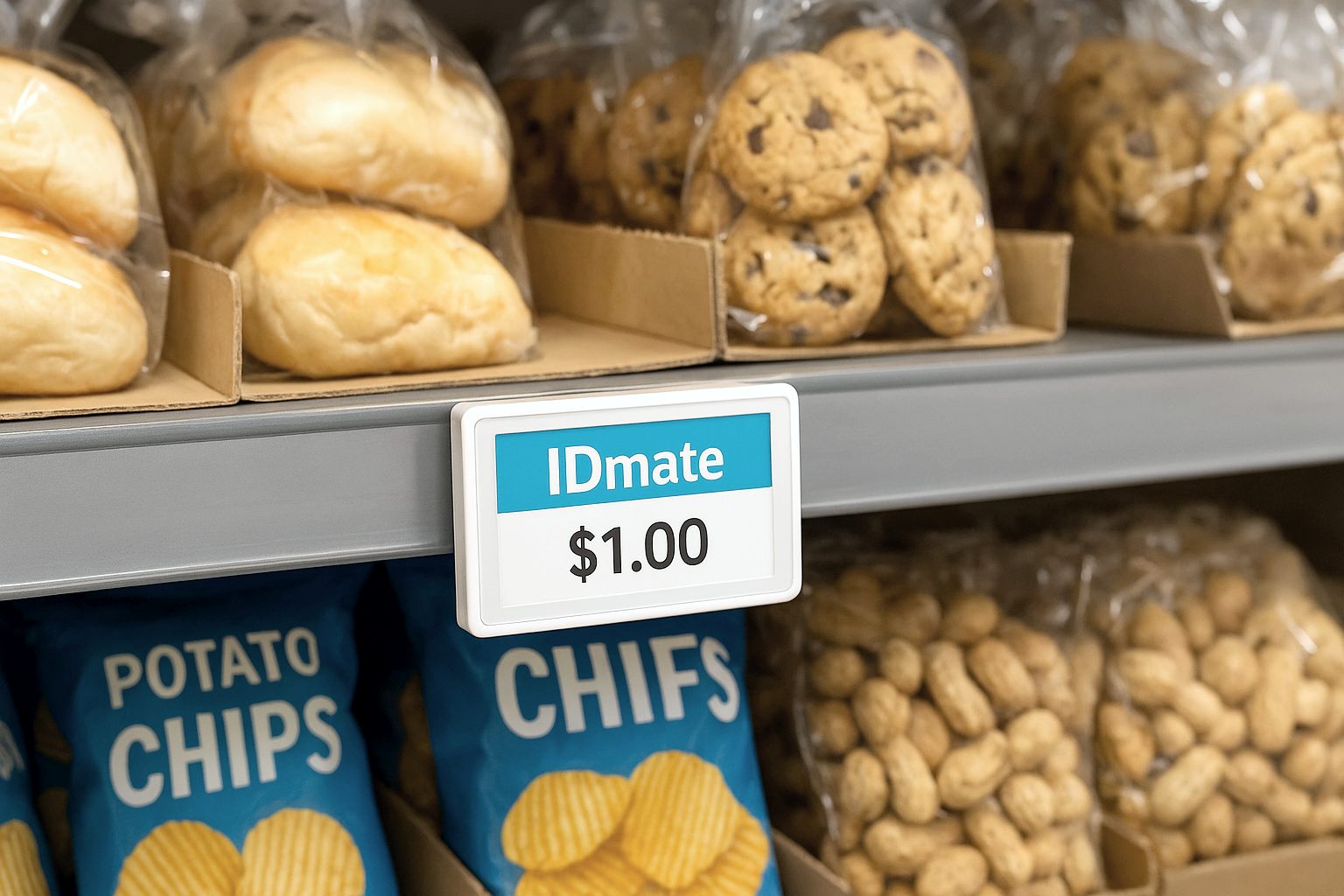
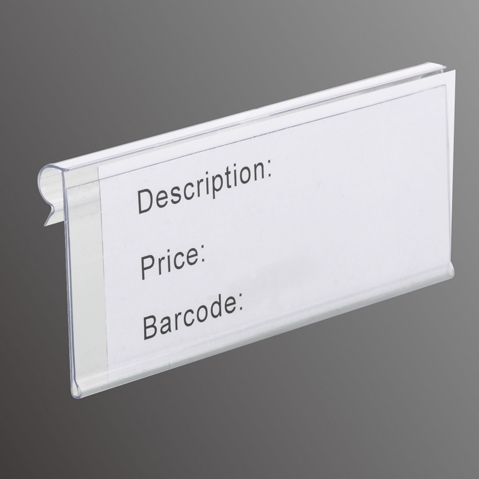
Retail stores use many specific terms that overlap with sign holders. A shelf talker attaches to the front edge of a shelf and shows pricing or promotional information right below a product. A data strip fits into a channel on a shelf and displays item names, prices, and barcodes. A label holder holds small tags for individual products. These items do the same job as a sign holder but for smaller spaces. For more details on data strips, see our guide to data strips.
Types of Sign Holders Used in Retail
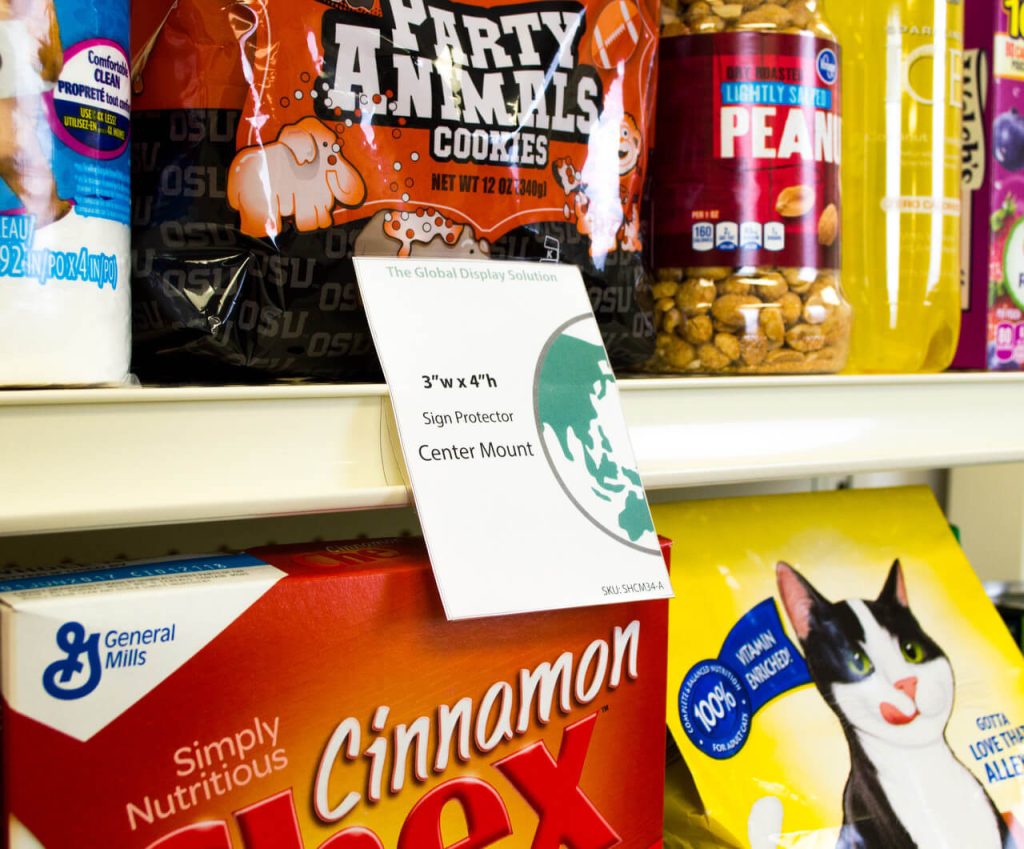
Retail stores rely on several sign holder designs. Each type fits a specific spot and job.
Shelf-Edge Sign Holders & Data Strips
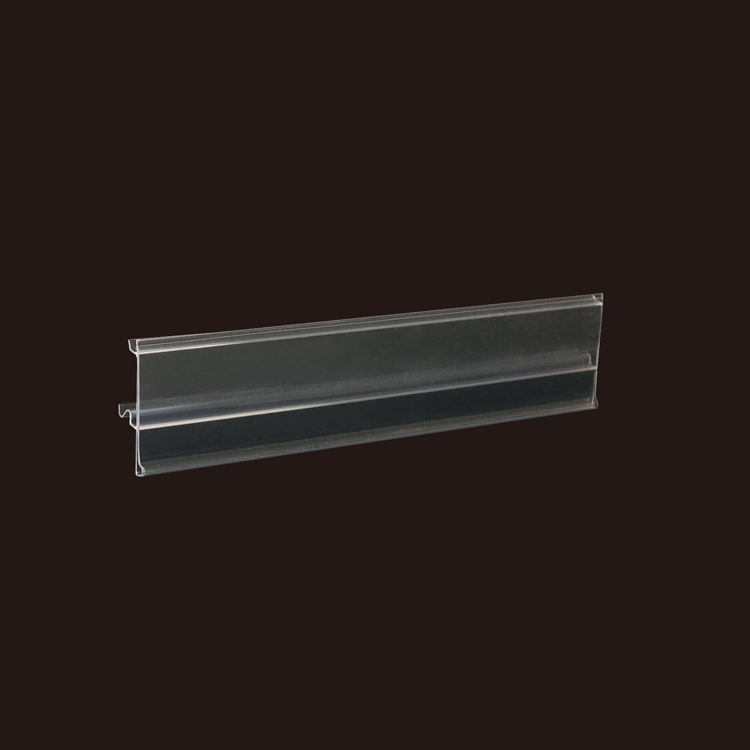
Shelf-edge sign holders clip to the front of a shelf and display pricing or product details right below the item. A data strip slides into a shelf channel and holds small labels with names, prices, and barcodes. Shelf talkers do similar work. These tools keep information close to the product.
Data strips come in common heights: 32 mm, 39 mm, 40 mm, 45 mm, and 76 mm. The typical height is 39 mm (1-1/4 inches). Standard lengths are 1000 mm or 1200 mm. Thickness ranges from 0.4 mm to 3 mm. Buyers should match these sizes to their shelving. These dimensions are based on common industry specifications; verify with your shelving manufacturer before ordering.
Acrylic display holders last 3–5 years indoors with regular cleaning and no direct sunlight. A fixed sign holder made of metal or heavy acrylic lasts 5–7 years, making it suitable for high-traffic or abuse-prone areas. These lifespan estimates are based on typical retail environments and may vary with usage intensity.
| Holder Type | Material | Average Lifespan | Notes |
|---|---|---|---|
| Sliding Sign Holder | Acrylic/Aluminum | 3–5 years | Moderate durability; not for outdoor or high-impact environments |
| Fixed Sign Holder | Metal/Heavy Acrylic | 5–7 years | Excellent durability; ideal for high-traffic areas |
Clip-On & Snap-In Sign Holders
Clip-on and snap-in sign holders attach to shelves and racks without tools. A clip-on model grips the shelf edge. A snap-in model presses into a channel or hole. Both let staff change signs quickly during promotions. In one store trial, staff changed promotional signage across an entire aisle in under five minutes using clip-on holders — compared to approximately 15 minutes with adhesive-backed alternatives.
Countertop & POP Sign Holders
Countertop and POP sign holders sit at checkout or on promotional displays. They catch the eye at the point of sale and are often used for price promotions, new product announcements, or impulse purchase reminders.
Hanging & Ceiling Sign Holders
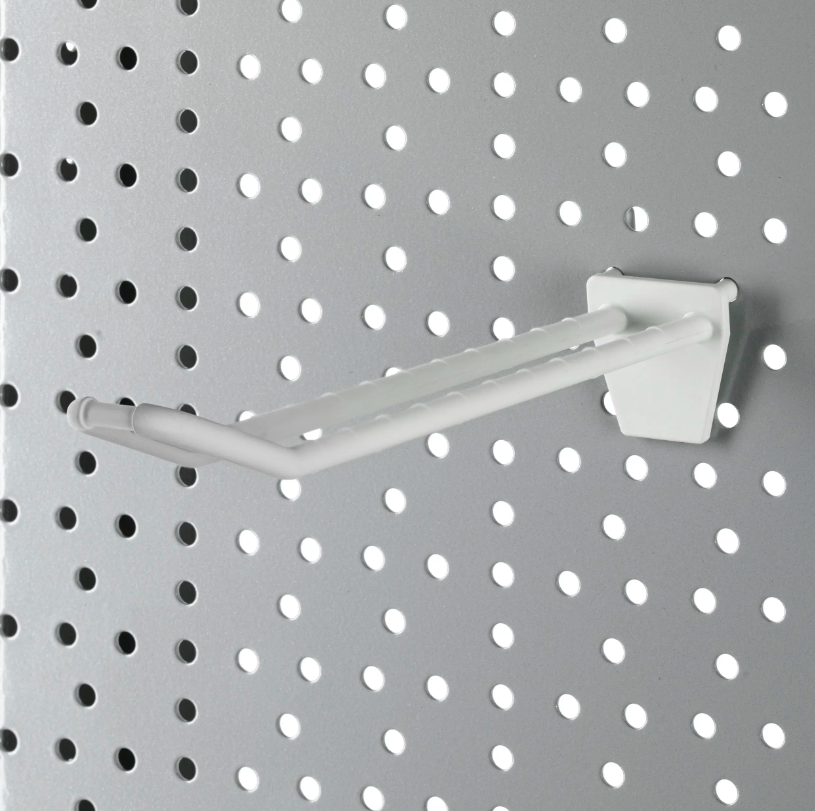
Hanging and ceiling sign holders suspend from above. They guide shoppers down aisles and mark overhead sections. These are common in supermarkets, department stores, and warehouse retail.
Multiple suppliers manufacture these types of sign holders. When selecting a supplier, consider material quality, customization options, minimum order quantities, and lead times. For reference, IDmate (Ningbo Tianjie Industrial Co., Ltd.) manufactures sign holders, data strips, clip strips, POP sign holders, shelf talkers, and related POS display accessories. This information is provided for reference only.
Sign Holder Materials & Sizing: What Works for Your Store

Store owners need to choose the right material for each display spot. Plastic, acrylic, and metal each bring different benefits.
Plastic, Acrylic, and Metal Sign Holders
Plastic sign holders are the cheapest choice. They work well for short-term promotions when budget is the main concern. This material is light and simple to swap out. Acrylic gives you better clarity and a cleaner look. These holders create a high-end feel at a fair price. An acrylic display holder lasts 3–5 years indoors with frequent cleaning. Metal offers the greatest strength. Fixed metal holders handle heavy use in busy areas and last 5–7 years. Cost goes up with the material: plastic costs the least, acrylic falls in the middle, and metal costs the most but lasts the longest.
Indoor vs. Outdoor Sign Holders
Indoor holders do not need to handle weather. Standard plastic, acrylic, or metal options work fine inside stores with controlled climates. Outdoor settings call for tougher materials. UV-resistant acrylic stops yellowing from sun exposure. Powder-coated metal fights rust and corrosion from rain and humidity. Mounting methods also change by location. Indoor holders use adhesive strips or simple clips for fast setup. Outdoor holders need screws, bolts, or weighted bases to stay put in wind and weather.
Choosing the Right Sign Holder Size
Sizing ties directly to placement. Match the holder dimensions to the sign size and the shelf or floor space you have. A small data strip works for shelf edges. A large frame holds floor-standing signs. For temporary cardboard displays, consider cardboard display parts that can be customized to fit. When ordering, always request a sample to verify fit with your specific shelving before committing to bulk quantities.
FAQ
What is the most common type of sign holder?
The most common type depends on the setting. In retail, shelf-edge sign holders and clip-on sign holders are the most widely used because they are inexpensive and easy to install. For floor displays, sign stands are more common.
What are the things called that hold signs on a shelf?
On a shelf, the devices are called shelf-edge sign holders, shelf talkers, or data strips. A data strip slides into a shelf channel and holds labels with prices and barcodes. A shelf talker clips to the shelf edge for promotional messages.
Can I use sign holders outdoors?
Yes, but you need outdoor-specific sign holders. Look for UV-resistant acrylic or powder-coated metal. These materials resist yellowing, rust, and corrosion. Outdoor holders also require secure mounting, such as screws, bolts, or weighted bases, to withstand wind and rain.
What material is best for retail sign holders?
The best material depends on your needs. Plastic is the most budget-friendly and works for short-term promotions. Acrylic offers clarity and a premium look at a moderate price. Metal provides maximum durability for high-traffic areas. For most retail shelf and counter displays, acrylic and plastic are the most practical choices.