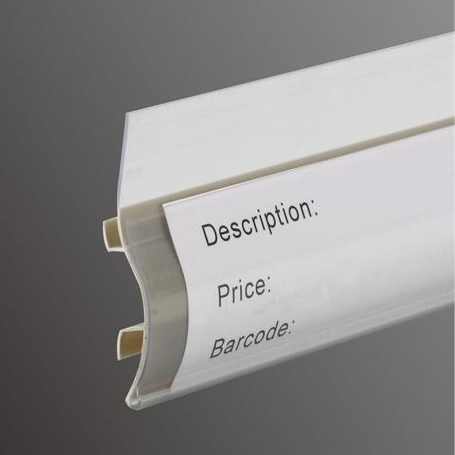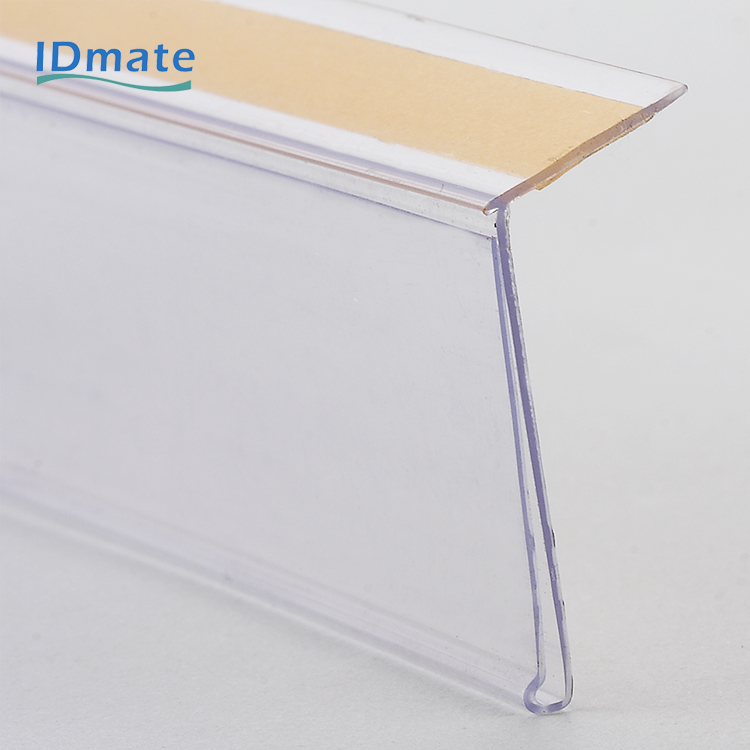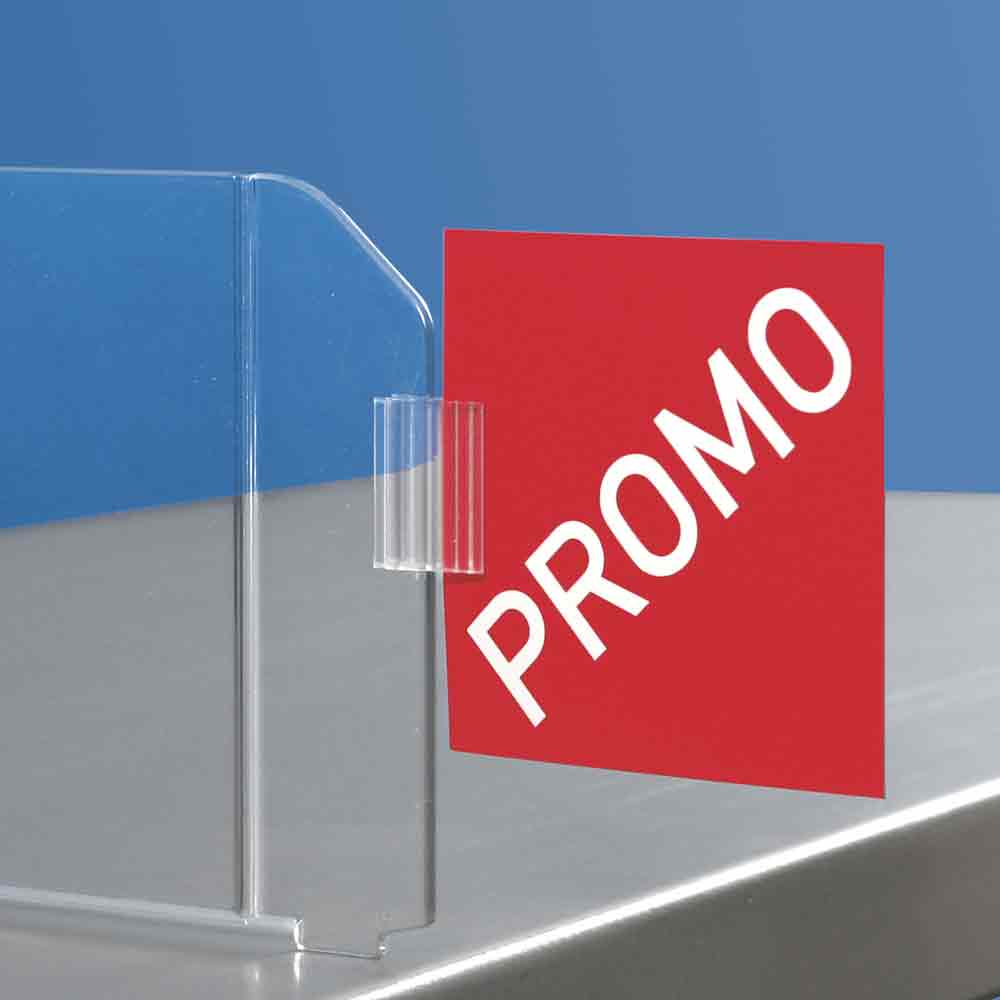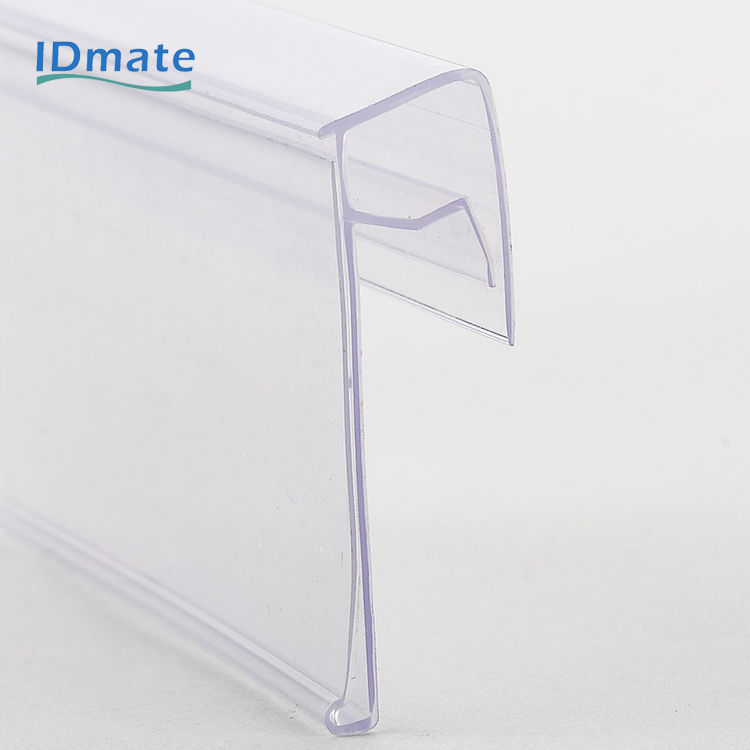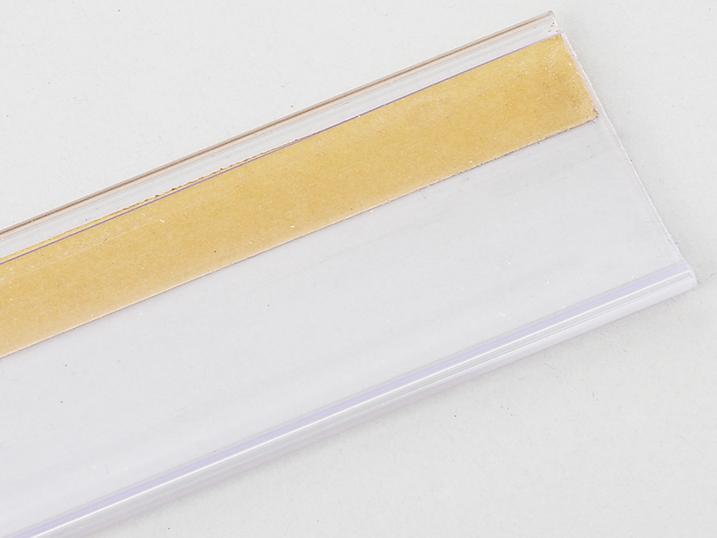
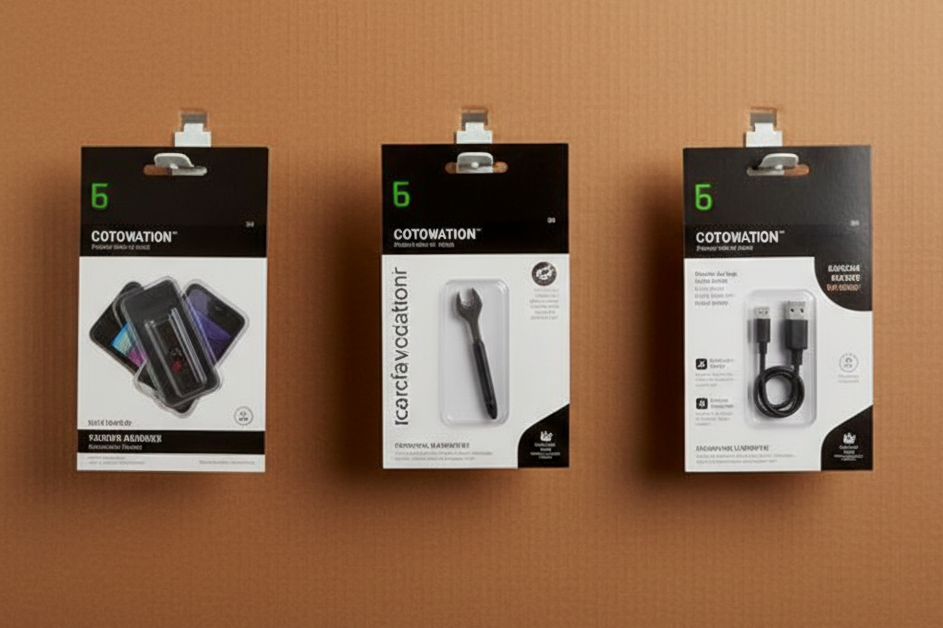
The strongest hooks help ensure the safety of items and prevent displays from shifting. Retailers use IDMATE’s new plastic display hooks, suitable for a variety of hanging needs. Manufacturers and suppliers recommend heavy-duty screw hooks, industrial hooks, and premium plastic hooks. These hooks are highly reliable. Security agencies often choose Secure Gripper hooks and also recommend Gallery Classic hooks for hanging heavy objects.
Key Takeaways
- Pick the right hook for the weight and surface. This keeps things safe and stops damage.
- Heavy-duty screw-in hooks and toggle bolts work well for heavy things. They give strong support and hold items steady.
- IDMATE Plastic Display Hooks can be used in many ways and are safe for store displays. They are light but strong, so they are simple to use.
Strongest Types of Hooks Overview
What Makes a Hook Strong
The strongest hooks are robust because they are made of high-quality materials and carefully designed. Their connection to surfaces is also crucial. Manufacturers and suppliers pay special attention to these aspects for safety. High-quality stainless steel hooks are extremely tough. The American Institute of Steel Construction (AISC) states that stainless steel mounting hardware can withstand weights exceeding 500 pounds without bending or deforming. Therefore, they are commonly used for heavy-duty indoor and outdoor operations.
IDMATE’s premium plastic hooks are made from reinforced polymer composite materials. These materials are lightweight yet strong. The Composites Handbook states that these polymers will not be damaged by UV rays or extreme temperatures. This means they are durable and suitable for a variety of environments. Retailers and wholesalers like to use these hooks to display merchandise. They are easy to install and move.
Expansion bolts, heavy-duty threaded hooks, and industrial hooks are also very strong. Expansion bolts can withstand weights up to 105 pounds on thick wall panels. Heavy-duty threaded hooks made of 304 stainless steel can also withstand significant weight. They are rust-resistant. Industrial hooks are commonly used in warehouses to safely hang large items.
Note: You need to pick the right hook for the job. Think about the item’s weight, the surface, and where you will use it. Suppliers say you should check load ratings before you install hooks.
Key Features to Consider
When you pick the strongest types of hanging hardware, look at these features:
- Material: Stainless steel and reinforced polymers are the best. They do not rust and can hold heavy things. IDMATE’s plastic display hooks use strong polymers for safety.
- Design: The shape and lock matter for how much weight it holds. S-shaped hooks, peg style hooks, and over-the-door hooks are all different. Peg style hooks are good for stores. S-shaped hooks work in kitchens and closets. Over-the-door hooks are fast for coats and bags.
- Installation Surface: Drywall, concrete, wood, and metal need different hooks. Toggle bolts are best for hollow walls. Heavy-duty screw-in hooks are good for wood and brick. Adhesive hooks like Command and FOTYRIG stick to smooth walls and hold medium weights.
- Load Capacity: Always read what the maker says. Toggle bolts can hold 30 to 105 pounds, depending on size and wall. Industrial hooks and heavy-duty coat hooks can hold even more.
- Safety: Smooth edges and good locks stop injuries. IDMATE’s plastic display hooks have soft edges. This keeps staff and customers safe.
Here is a table that shows how much weight common hooks can hold:
| Type of Hook | Material | Typical Load Capacity | Best Use Case |
|---|---|---|---|
| Toggle Bolt (1/2-inch) | Steel | 65-105 lbs | Wallboard, drywall |
| Heavy-Duty Screw-In Hook | Stainless Steel | High (100+ lbs) | Wood, masonry |
| Industrial Hook | 304 Stainless Steel | High | Warehouses, factories |
| IDMATE Plastic Display Hook | Reinforced Polymer | High (varies by model) | Retail, displays |
| Command™ Adhesive Hook | Plastic/Metal | Up to 7-10 lbs | Smooth walls, temporary use |
| Gallery Classic Hook | Metal | High | Picture hanging hardware |
Manufacturers and suppliers produce hooks for a wide range of uses. Peg hooks, coat hooks, and S-hooks are common in homes, offices, and shops. Behind-the-door hooks and serrated hooks are convenient options for hanging coats, bags, and photos. Gallery hooks and picture frame hooks, among other photo hanging accessories, ensure artwork is securely displayed on the wall.
Retailers and wholesalers sometimes require custom display accessories. IDMATE supplies peg hooks, coat hooks, and S-hooks in bulk for stores and trade shows. Behind-the-door hooks and serrated hooks help keep spaces tidy and better showcase products.
Tip: Always use the right hardware for the weight and surface. The right peg style hooks, coat hooks, and sawtooth hangers stop accidents and keep displays looking neat.
Heavy-Duty Screw-In Hooks
Load Capacity and Uses
Heavy-duty screw-in hooks are ideal for securely hanging items. They are used in shops and factories because of their high load-bearing capacity. Some models can even support 100 pounds (about 45 kilograms) or more. This makes them perfect for hanging very heavy items. Shops use these hooks to hang tools, ladders, and large items. Warehouse workers rely on these hooks to keep their goods safe. People use them at home to hang bicycles, gardening tools, and sports equipment. They can hang a wide variety of items. While there are also back door hooks, screw-in hooks are even more powerful and secure.
Tip: Always look at the maker’s instructions for how much weight the hook can hold. This keeps you safe and stops wall damage.
Best Surfaces for Installation
For heavy-duty screw hooks, the wall material is crucial. Solid wood walls and wall posts are the best choice for bearing heavy loads. Concrete and brick walls can also be used if suitable anchors are used. Drywood boards are not strong enough on their own. When suspending heavy objects, you will need to find a wall post or use expansion bolts. The supplier recommends testing the wall’s strength before suspending heavy objects.
| Surface Type | Recommended? | Max Weight Capacity* |
|---|---|---|
| Wood Stud | Yes | 100+ lbs |
| Concrete/Masonry | Yes (with anchor) | 75-100 lbs |
| Drywall (no stud) | No | 10-20 lbs |
*Always check with the hook’s maker for the real weight limit.
Toggle Bolts and Toggle Hooks
Strength and Mechanism
Expansion bolts and expansion hooks are extremely strong. They can withstand significant weight and securely fasten to walls. These hooks have an internal spring mechanism that opens back against the wall. This mechanism helps distribute weight over a larger area. This allows them to support heavier items and ensures the wall’s stability. Suppliers state that expansion bolts are best suited for heavy loads on drywall or stucco walls.
- SNAPTOGGLE heavy-duty expansion bolts can support up to 238 pounds on 1/2-inch thick drywall and up to 802 pounds on concrete walls.
- Expansion hooks work on the same principle and also provide strong support. They are a good alternative when screw hooks are insufficient.
- Their load-bearing capacity depends on the wall and the size of the bolt or hook.
Expansion bolts have a greater load-bearing capacity than S-hooks or backdoor hooks. People who buy in bulk or have custom display racks made prefer expansion bolts. They choose expansion bolts because of their strength and reliability.
Ideal Applications
Industry rules say toggle bolts and toggle hooks are best in some places. The table below shows where they work well:
| Environment/Object | Suitability |
|---|---|
| Hollow structures | Great for hanging things on drywall |
| Ceilings and walls | Good for holding heavy items |
| Lighting fixtures | Used for many different jobs |
| Wood frames to drywall | Works well for hollow walls |
Manufacturers and suppliers use toggle bolts for shelves, lights, and display racks. Stores trust these hooks to keep things safe. Toggle bolts help when the wall is not strong enough for regular hooks. Always check how much weight the hook can hold and what kind of wall you have. This keeps everything safe and secure.
Ceiling and Utility Hooks
Types and Load Ratings
Manufacturers and suppliers make ceiling and utility hooks for many jobs. These hooks are used for hanging things from the ceiling. People use them for displays, lights, and keeping things organized. Wholesale buyers pick ceiling hooks for stores, warehouses, and trade shows. Ceilings can hold many things, from light signs to heavy lights. Suppliers sell s-shaped ceiling hooks for easy hanging. The table below shows some ceiling hook types and how much weight they hold:
| Hook Type | Load Rating | Best Uses |
|---|---|---|
| E-Z S Hook | 20 lbs | Hanging lightweight signage, decorations, or displays. |
| E-Z Pinched S Hook | 12 lbs | Ideal for dynamic environments like retail spaces with airflow. |
Manufacturers say you should check the ceiling before you put in a hook. Some ceilings are made of tiles, and some are concrete or wood. Each ceiling needs the right hook to be safe and strong. Custom ceiling hooks can help with special displays in stores and at trade shows.
Installation Tips
Suppliers give tips for putting in ceiling hooks. They say to pick the right hook and make sure it can hold the item’s weight. You should hang things straight down from the middle of the hook. This way, the hook is strongest and the ceiling stays safe. Do not pull on the side or end of the hook. That can make the hook bend or break. Always test the ceiling before you hang something heavy. For best results, use ceiling hooks only on strong parts of the ceiling.
Tip: Always follow the maker’s instructions when you put in ceiling hooks. This keeps your things safe and stops ceiling damage.
Industrial and Commercial-Grade Hooks
Materials and Durability
Manufacturers produce industrial and commercial grade hooks suitable for high-intensity operations. These hooks are made from robust and durable materials, resulting in a long service life. Wholesalers prefer forged alloy steel because of its exceptional strength. Stainless steel is also a good option, as it won’t rust even when exposed to water or chemicals. Suppliers state that stainless steel is the best choice for locations with high safety requirements, such as factories and warehouses.
Below is a brief list of commonly used materials:
- Forged Alloy Steel: Very strong, suitable for heavy loads.
- Stainless Steel: Rust-resistant, suitable for harsh environments.
The table below lists the differences between these materials:
| Material | Strength | Corrosion Resistance | Common Use |
|---|---|---|---|
| Forged Alloy Steel | High | Moderate | Warehouses, factories |
| Stainless Steel | High | High | Food processing, labs |
Specialized Uses
Industrial and commercial grade hooks have a wide range of applications. Warehouses use lifting hooks to move heavy objects and pallets. These hooks help workers complete their work safely. Suppliers also sell hook and loop systems for securing cables and heavy tools. Custom hooks help keep equipment organized and work areas tidy.
Some factories use S-hooks for quick tool hanging. Wholesalers sometimes require custom hooks for special purposes. These hooks, manufactured by the company, meet safety regulations and can withstand high-intensity use.
Tip: Always check the load rating before you hang heavy things with industrial hooks. This keeps everyone safe and stops accidents.
Advanced Plastic Display Hooks
IDMATE Plastic Display Hooks
IDMATE plastic display hooks are a popular choice for stores. Many suppliers favor these hooks because of their strength and durability. IDMATE manufactures each hook with a special reinforced polymer, making it both strong and lightweight. These hooks are suitable for a variety of display panels, such as pegboards, slats, and grid walls. Retailers use them for custom displays or to replace seasonal products.
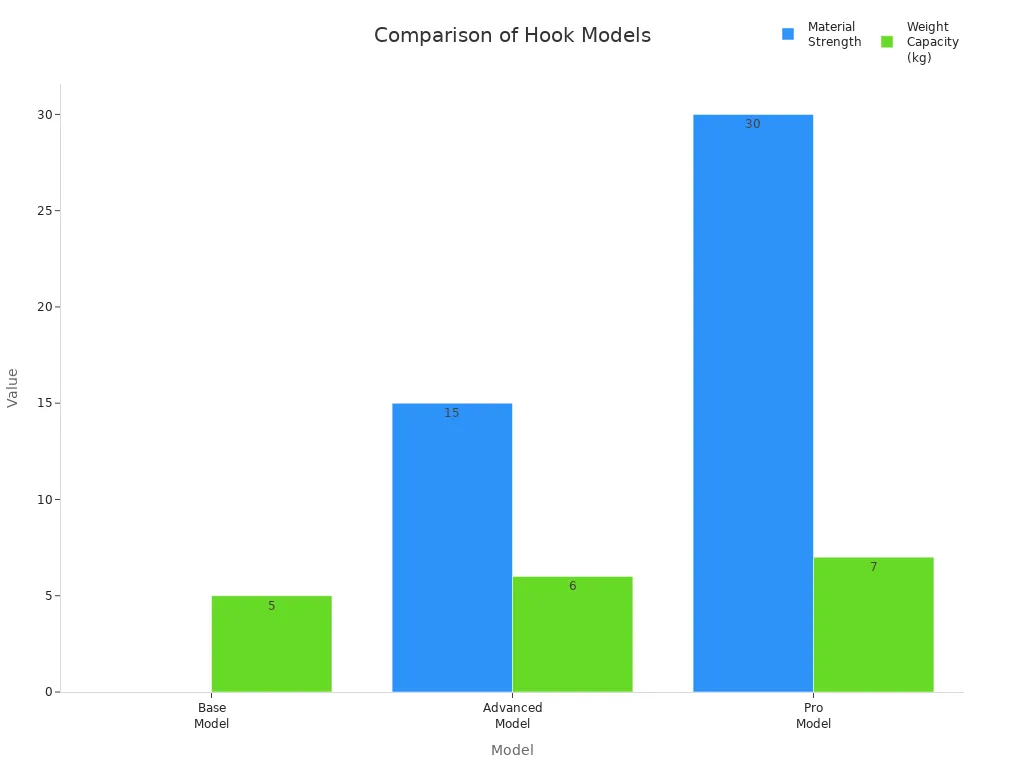
The table below shows that IDMATE’s premium models are stronger and have a higher load-bearing capacity than the basic models:
| Parameter | Base Model | Advanced Model | Pro Model |
|---|---|---|---|
| Material Strength | Standard | +15% | +30% |
| Weight Capacity | 5kg | 6kg | 7kg |
Benefits and Retail Applications
Manufacturers and suppliers choose IDMATE plastic display hooks for many reasons. These hooks won’t rust or corrode even in humid store environments. They have a longer lifespan than most metal hooks and maintain the appearance of displays. These hooks are lightweight, allowing staff to quickly and easily set up display racks. Retailers can move or replace hooks without tools. This helps stores quickly adjust displays to accommodate promotions or new product launches.
IDMATE hooks are suitable for a wide range of hanging needs, from light items to heavy-duty products. Professional models can support up to 7 kg, sufficient for most store display needs. IDMATE plastic hooks are safer than S-shaped metal hooks because they have no sharp edges. Stores can customize hooks for special displays or unique layouts. Many suppliers and wholesalers choose IDMATE to meet order needs of all sizes.
Tip: Retailers can use IDMATE hooks in trade shows, supermarkets, and convenience stores. These hooks help make displays neat, safe, and easy to change.
Adhesive and Gallery Hooks
Command™ and FOTYRIG Hooks
Manufacturers and suppliers choose adhesive hooks for easy hanging. Command™ heavy-duty multi-purpose hooks can support up to 7 pounds (approximately 3.2 kg) on smooth walls. These hooks are suitable for short-term displays in shops, offices, and trade shows. FOTYRIG adhesive hooks can support up to 13 pounds (approximately 5.9 kg). Wholesalers use these hooks to hang light boxes, decorations, and gadgets. Both brands use strong adhesive that won’t damage walls. Workers can easily remove or move the hooks without leaving any marks. These hooks are not suitable for hanging heavy objects, but they facilitate quick installation and replacement.
Tip: Put adhesive hooks on glass, tile, or painted walls for best results. Do not use them on rough or wet walls.
Gallery Classic Hook Strength
AS Hanging Systems’ Gallery Classic hooks are ideal for hanging heavy objects. With the stainless steel bar, they can support up to 110 lbs (approximately 50 kg); with the aluminum bar, up to 70 lbs (approximately 32 kg). Using two hooks and two bars doubles the load capacity. This combination allows for 140 lbs (approximately 63.5 kg) with the aluminum bar and 220 lbs (approximately 100 kg) with the stainless steel bar. Many galleries and shops use these hooks to hang artwork, mirrors, and special exhibits. They are stronger and more stable than S-hooks.
- Gallery Classic hooks (with stainless steel rod): 110 lbs (approx. 50 kg) weight capacity
- Gallery Classic hooks (with aluminum rod): 70 lbs (approx. 32 kg) weight capacity
- Two Gallery Classic hooks with two rods: up to 220 lbs (approx. 100 kg) weight capacity
The manufacturer states that these hooks are ideal for museums, exhibition halls, and large display systems. They are a safe choice for suspending heavy objects.
Choosing the Right Hook Type
Assessing Weight and Surface
Picking the right hook starts with knowing how heavy your item is. You also need to know what kind of wall or surface you have. Suppliers say you should add up the weight of the item and any extra parts. The hook’s working load limit must be as much or more than this total. Different walls, like drywall, wood, or brick, need special hooks. Stainless steel is good for outside use. Reinforced polymers are best for store displays inside. The shape of your item matters too. Big or odd-shaped things may need s-shaped hooks to hang better. Wholesale buyers like reusable hooks for displays that change a lot.
| Factor | Description |
|---|---|
| Type of load | Big, odd, or small items need different hooks. |
| Weight | Make sure the hook can hold your item’s weight. |
| Frequency of use | If you move things a lot, use reusable hooks. |
| Inspection | Check hooks often to keep them safe. |
Tip: Always look at where you will hang things. Wet or outside places need hooks that do not rust.
Safety and Installation Tips
Putting hooks in the right way keeps things safe. Suppliers say to drill small holes first for wood. Use anchors if you are hanging on brick or concrete. Put the item’s weight in the middle of the hook. This stops it from tipping or falling. Do not use paperclips or fishing line because they are not strong. Check hooks often to find any damage early. For heavy things, use more than one hook to spread out the weight. This makes it safer and puts less pressure on each hook.
Note: Keep your hooks working well by tightening screws and changing rusty parts. This helps your hooks last longer.
Picking the right hooks keeps displays safe and steady. New research says hook strength and sharp edges are important. Experts say you should check how much weight the hook can hold and how you put it up.
- Always pick hardware that can hold more than your item’s weight.
- Tell us your stories or ask questions about hanging problems below.
FAQ
What is the strongest type of hanging hook for retail displays?
Manufacturers and suppliers suggest IDMATE Plastic Display Hooks. These hooks are made with strong polymers. Each hook can hold up to 7kg. They fit pegboards, slatwalls, and gridwalls.
Can adhesive hooks hold heavy items in commercial settings?
Suppliers say Command™ and FOTYRIG adhesive hooks hold 13 pounds. These hooks are best for light signs or tools. They work well on smooth walls.
How do suppliers choose the right hook for custom installations?
Suppliers look at the item’s weight and the surface. They also think about safety needs. They pick heavy-duty, industrial, or custom hooks. This helps meet wholesale or retail needs.