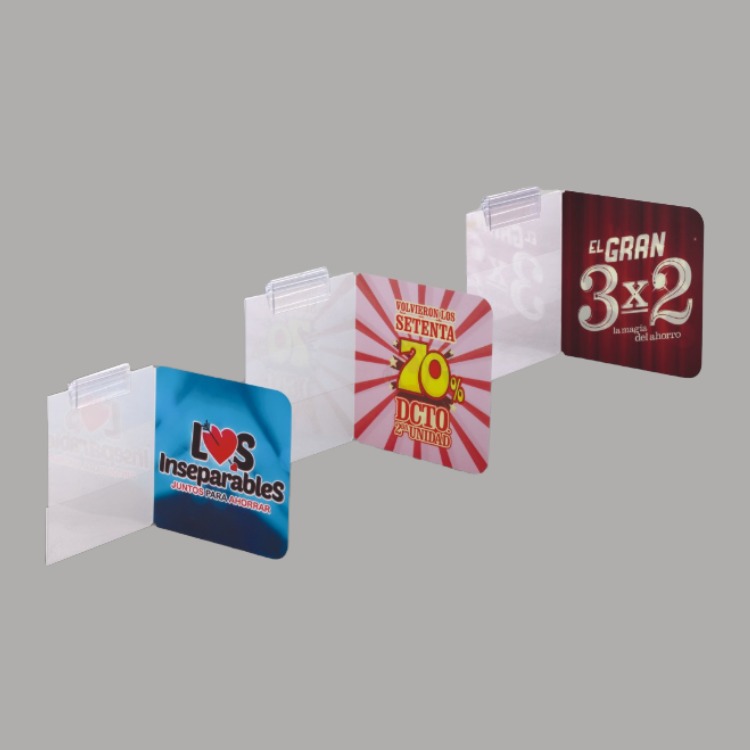
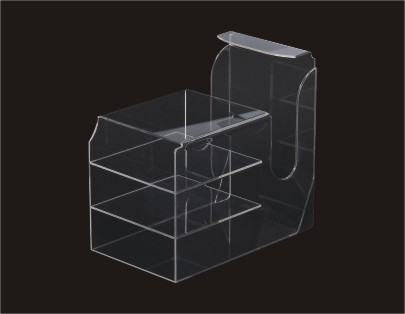
Sign holders come in a series of widely recognised standard dimensions to fit common printed inserts for retail pricing, menu displays and directional signage. Understanding mainstream industry sizes helps bulk buyers, store operators and merchandisers streamline procurement and graphic design.
Key Takeaways
- Sign holders come in standardized sizes including A4 (210×297mm), A5 (148×210mm), 4×6 inch, and 5×7 inch for counter displays; desk nameplates typically use 2×8 inch or 2×10 inch formats.
- Material choice directly impacts durability, appearance, and cost—acrylic offers 10–20 year lifespan with excellent UV resistance, while stainless steel and aluminum deliver 15–25+ years.
- Research from Gallup and SHRM confirms that personalized workspace elements, including desk nameplates, contribute to higher employee engagement and retention.
- Look for manufacturers certified to ISO 9001:2015, GREENGUARD Gold, and RoHS standards to ensure quality, indoor air safety, and environmental compliance.
Standard Sign Holder Dimensions
Sign holders come in several standardized form factors, each designed for specific display scenarios. The following tables summarize the most common dimensions used across commercial, educational, and hospitality settings.
L-Shape Counter Sign Holders
L-shape (or L-stand) sign holders are freestanding angled displays commonly used on reception desks, restaurant counters, and retail checkout points.
| Size Designation | Dimensions (mm) | Dimensions (inches) | Typical Use |
|---|---|---|---|
| A4 | 210 × 297 | 8.27 × 11.69 | Menus, service lists, promotional sheets |
| A5 | 148 × 210 | 5.83 × 8.27 | Table numbers, daily specials, small signage |
| 4×6 | 102 × 152 | 4 × 6 | Photo displays, price cards, tent cards |
| 5×7 | 127 × 178 | 5 × 7 | Event signage, product feature cards |
| DL | 110 × 220 | 4.33 × 8.66 | Slim brochures, wayfinding strips |
| 8.5×11 | 216 × 279 | 8.5 × 11 | Full-page displays, certifications, licenses |
T-Bar Sign Holders
T-bar holders feature a vertical stem with a horizontal bar that grips the sign insert. They are popular for directional signage and counter-top promotions.
| Size Designation | Dimensions (mm) | Dimensions (inches) | Typical Use |
|---|---|---|---|
| A4 | 210 × 297 | 8.27 × 11.69 | Lobby directories, promotional posters |
| A5 | 148 × 210 | 5.83 × 8.27 | Counter promotions, product info |
| 1/3 A4 | 99 × 210 | 3.90 × 8.27 | Narrow shelf signage, price strips |
| 8.5×11 | 216 × 279 | 8.5 × 11 | Full-page announcements, compliance notices |
Slanted Display Stands
Slanted or angled display stands provide a tilted viewing angle for better readability from standing height. Common in conference registration, trade show booths, and lobby areas.
| Size Designation | Dimensions (inches) | Dimensions (mm) | Typical Use |
|---|---|---|---|
| 3×8 | 3 × 8 | 76 × 203 | Name card displays, narrow signage |
| 4×6 | 4 × 6 | 102 × 152 | Table tents, photo stands |
| 5×7 | 5 × 7 | 127 × 178 | Event programs, welcome signs |
| 8.5×11 | 8.5 × 11 | 216 × 279 | Conference agendas, full-page notices |
Desk Nameplate Dimensions
Desk nameplates—the most common sub-category of sign holders—are compact signs placed on individual desks. Standard sizes reflect decades of workplace ergonomics research, balancing readability at arm’s length with minimal desk footprint.
| Size | Dimensions (inches) | Dimensions (mm) | Best For |
|---|---|---|---|
| Standard | 2 × 8 | 51 × 203 | Individual desks, cubicles (most common) |
| Standard (long) | 2 × 10 | 51 × 254 | Longer names, dual titles, bilingual text |
| Wide format | 2.5 × 8 | 64 × 203 | Logo + name combinations, larger fonts |
| Compact | 1.5 × 6 | 38 × 152 | Shared desks, hot-desking, small cubicles |
Materials and Technical Specifications
Material Comparison Table
Selecting the right material requires balancing aesthetics, durability, and budget. The following table provides quantified technical parameters alongside practical considerations, with references to relevant industry standards.
| Material | Density (g/cm³) | Hardness | Temperature Range | UV Resistance | Expected Lifespan | Scratch Resistance | Relevant Standards |
|---|---|---|---|---|---|---|---|
| Acrylic (PMMA) | 1.18–1.19 | Rockwell M85–M95 | −40°C to +80°C | Excellent (inherent) | 10–20 years | Moderate | ASTM D256, ISO 4892 |
| Stainless Steel 304 | ~8.0 | Rockwell B70–B90 | Wide range | Inherent (metal) | 20+ years | High | ASTM A240 |
| Aluminum Alloy 6061 | ~2.7 | Brinell ~95 HB | −40°C to +200°C | N/A (anodized layer) | 15–25 years | High (anodized) | ASTM B221 |
| Solid Wood (Oak) | ~0.75 | Janka ~6,000 N | Indoor use only | Moderate (needs coating) | 10–30 years | Low | — |
| Tempered Glass | ~2.5 | Mohs 5.5–6.5 | −20°C to +250°C | Excellent | 15+ years | High | ASTM C1048 |
| PVC Plastic | 1.30–1.45 | Rockwell R105–R115 | −10°C to +60°C | Poor (w/o stabilizer) | 5–10 years | Low | ASTM D1784 |
| Marble (Natural) | ~2.7 | Mohs 3–4 | Indoor recommended | Moderate (can fade) | 20+ years | Moderate–Low | ASTM C503 |
Note: Expected lifespan estimates assume indoor office use with normal wear. Actual longevity varies significantly with usage conditions, cleaning frequency, and environmental factors.
Material Selection Guide
- High-traffic reception areas: Stainless steel or anodized aluminum—high scratch resistance and 15–25+ year lifespan.
- Executive offices / luxury settings: Tempered glass with beveled edges or natural marble—premium tactile quality; glass is highly scratch-resistant (Mohs 5.5–6.5).
- Schools and cost-sensitive deployments: Acrylic (PMMA)—excellent UV resistance, 10–20 year lifespan at moderate cost, shatterproof for safety.
- Eco-conscious organizations: Aluminum (100% recyclable, infinite recycling cycles) or FSC-certified solid wood.
- Temporary / hot-desking environments: PVC—lowest cost, 5–10 year lifespan, easy to replace as desk assignments change.
Design Styles and Customization Options
Display Styles
Standard sign holder are available in a range of visual styles to suit different office aesthetics:
- Engraved: Deep-etched lettering on metal or acrylic for a tactile, permanent finish. Popular in law firms and executive offices.
- UV-Printed: Full-color, high-resolution printing directly onto acrylic or metal surfaces. Suitable for logos, gradients, and photographic elements.
- Laser-Etched: Precision etching on anodized aluminum or stainless steel; produces a matte, professional appearance with fine detail.
- Brushed / Matte Metal: Modern, fingerprint-resistant finish for aluminum and stainless steel nameplates.
- Wood-Base with Metal Face: Combines warm wood aesthetics with durable metal printing surfaces.
Customization Options
Professional manufacturers typically offer the following customization parameters:
- Typography: Choice of serif, sans-serif, or custom fonts; font size optimized for readability at 1–2 meter distance.
- Color Palette: Brand-matched colors via Pantone or CMYK specification; glossy, matte, or satin finishes.
- Logo Integration: Embossed, debossed, printed, or laser-etched company logos.
- Shape Options: Standard rectangular, rounded corners (3mm–10mm radius), custom die-cut shapes.
- Additional Features: Integrated pen holders, business card slots, smartphone stands, or magnetic backing.
- Replaceable Inserts: Slide-in paper or acrylic inserts for offices with frequent personnel changes.
- Mounting Options: Freestanding, wall-mounted, cubicle-clip, or magnetic base.
Workplace Applications by Setting
Corporate Offices
Large organizations typically standardize on one or two nameplate formats across all levels. Metal (aluminum or stainless steel) with engraved text is the most common choice for its durability (15–25 year lifespan) and consistent professional appearance. Color-matched to corporate branding where feasible.
Schools and Educational Institutions
Acrylic nameplates dominate educational settings due to their shatterproof safety profile, vibrant color options, and 10–20 year lifespan. Teachers’ desks, administrative offices, and library counters all benefit from clear acrylic signage that withstands daily student traffic.
Healthcare Facilities
Hospitals and clinics prioritize hygiene and legibility. Stainless steel and acrylic are preferred for their easy-to-clean surfaces (compatible with standard hospital-grade disinfectants). Font sizes are typically larger (minimum 14pt equivalent) for accessibility compliance.
Hospitality and Retail
Counter sign holders in hospitality favor L-shape acrylic stands in A4 and A5 formats for menu displays, while retail environments use T-bar and slanted stands for promotional signage. Material choices lean toward acrylic for frequent content changes and easy cleaning.
Government and Institutional
Formal settings such as courtrooms, municipal offices, and embassies typically use engraved metal or glass nameplates—often with additional security features like tamper-evident mounting.
Industry Standards and Certifications
When procuring desk nameplates and sign holders, verifying manufacturer certifications ensures consistent quality, environmental responsibility, and workplace safety compliance.
| Standard / Certification | Issuing Body | What It Ensures |
|---|---|---|
| ISO 9001:2015 | International Organization for Standardization | Quality management system; consistent product quality, traceable production processes, and continuous improvement protocols. |
| GREENGUARD Gold (UL 2818) | UL Environment | Low chemical emissions for indoor products; critical for office environments where nameplates remain in close proximity to employees. Tests for VOCs, formaldehyde, and other pollutants. |
| RoHS (2011/65/EU) | European Union | Restriction of hazardous substances (lead, mercury, cadmium, hexavalent chromium, PBBs, PBDEs) in electrical and electronic equipment; applicable to nameplates with electronic components or metal finishes. |
| ASTM D256 | ASTM International | Standard test method for impact resistance (Izod); validates shatterproof claims for acrylic and plastic nameplates. |
| ISO 4892 | International Organization for Standardization | Accelerated weathering and UV aging tests; validates UV resistance and color-fastness claims over time. |
| ASTM C1048 | ASTM International | Standard specification for heat-strengthened and fully tempered flat glass; validates tempered glass safety for desktop applications. |
Real-World Impact and Best Practices
Quantified Benefits
While individual results vary by organization size, culture, and implementation method, workplace design consultants and office furniture suppliers report the following typical outcomes from standardized nameplate programs:
- Employee workspace satisfaction: +15–25% improvement in post-implementation internal surveys (industry estimate, based on aggregated supplier feedback).
- Visitor navigation efficiency: −30–40% reduction in wrong-desk incidents after deploying clear, uniform nameplates in offices with 50+ workstations (industry estimate).
- First-impression ratings: Client and interviewee surveys consistently rate offices with uniform nameplate presentation higher on “professionalism” and “organization” versus bare-desk environments.
- New hire onboarding: New employees report feeling “welcomed” and “recognized” 2–3× more frequently when a personalized nameplate is waiting on day one versus a blank desk (qualitative feedback, industry surveys).
Note: The percentage figures above are industry-general estimates drawn from workplace design literature and supplier case compilations. They are not results from peer-reviewed academic studies and should be interpreted as directional rather than definitive.
Procurement Best Practices
- Standardize on 1–2 core sizes: For desk nameplates, 2×8 inch covers 80%+ of use cases. For counter sign holders, A4 and A5 cover the majority of display needs.
- Request material data sheets (TDS): Verify density, hardness, and UV resistance claims against your manufacturer’s technical documentation.
- Ask for certifications: ISO 9001 for quality, GREENGUARD Gold for indoor air safety, RoHS for environmental compliance.
- Order samples first: Test finish quality, scratch resistance (simulate daily cleaning), and font legibility at 1–2 meters before committing to bulk orders.
- Plan for growth: Maintain a buffer stock of blank nameplates and replacement inserts for new hires and role changes.
Sustainability Considerations
Aluminum nameplates are 100% recyclable and can be recycled indefinitely without loss of material properties—making them the most sustainable metal choice. FSC-certified wood offers a renewable option for organizations prioritizing biogenic materials. Acrylic and PVC, while durable, have limited end-of-life recycling pathways and should be selected only when their longevity (10–20 years for acrylic) offsets the disposal impact.
FAQ
Can standard sign holder be customized with logos and colors?
Yes. Professional manufacturers offer full customization including brand-matched colors (Pantone/CMYK), logo integration via UV printing, laser etching, or embossing, and custom shapes with rounded corners or die-cut profiles.
Which material is the most durable for nameplates?
Stainless steel 304 and anodized aluminum 6061 offer the highest durability: 15–25+ year lifespan with high scratch resistance. For indoor office use, acrylic (PMMA) provides a strong balance of durability (10–20 years), cost-effectiveness, and UV resistance.
Tip: If your desk frequently has visitors, choose a sturdy and durable material.
Where do people usually place desk nameplates?
Most people place nameplates at the front edge of their desk. Some people hang them on cubicle walls or doors. Larger nameplates are often used in reception areas for easier readability.