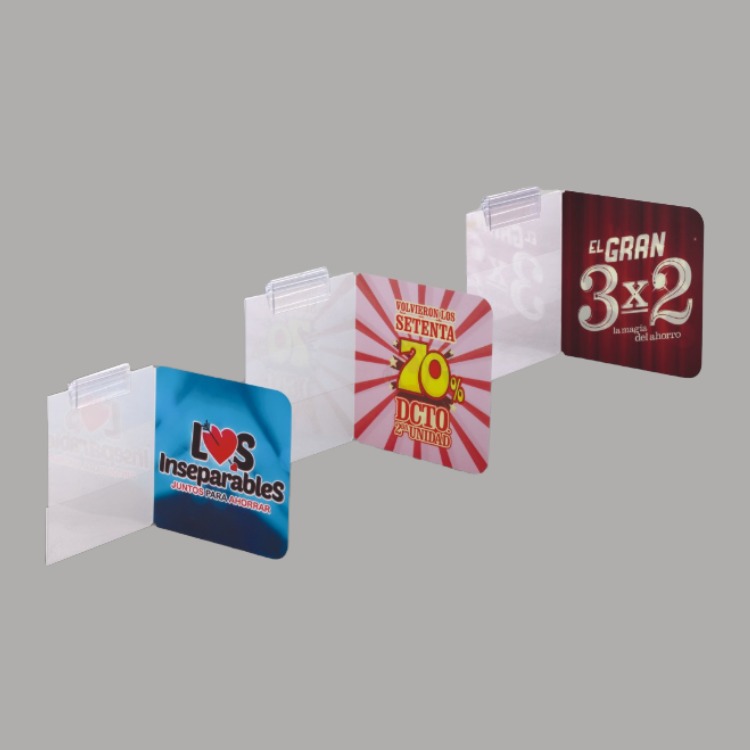

Small display stands typically use a 10×10 ft (approximately 3×3 m) size, while larger ones can use a 20×20 ft (approximately 6×6 m) size. The ideal size depends on the event, the product, and the available space. Businesses often choose flexible solutions like IDmate acrylic signage stands to display information in a variety of effective ways.
Key Takeaways
- Choose a display stand size that matches your event and products. 10×10 ft stands are suitable for small displays. 20×20 ft stands are suitable for large displays.
- Measure your space before choosing a display stand. This helps ensure the display stand is the right size and avoids crowding in high-traffic areas.
- Consider acrylic signage stands because they are flexible and easy to update. They are lightweight, sturdy, and ideal for a variety of display uses.
Display stand Ideal Dimensions Overview
Standard Sizes for Display Stands
Display stands are ubiquitous. You can see them at trade shows, shops, and exhibitions. The optimal size for a display stand depends on the type of event and the content being exhibited. Portable display stands are typically around 3×3 meters, a size sufficient to accommodate banners and samples. Some stands can reach a height of 2225 mm for easy visibility from a distance. Freestanding display stands are typically between 80 and 100 cm high, keeping the product at eye level with the audience.
The table below lists common display stand sizes:
| Size (inches) |
|---|
| 3″ x 4″ |
| 3.5″ x 5″ |
| 4″ x 6″ |
| 4″ x 9″ |
| 5″ x 7″ |
| 5.5″ x 8.5″ |
| 6″ x 8.25″ |
| 6″ x 9″ |
| 7″ x 5″ |
| 8″ x 10″ |
| 8.5″ x 11″ |
| 8.5″ x 5.5″ |
| Variable |
These sizes help businesses choose the solution that best suits their needs. Many people use the 8.5-inch x 11-inch size, which fits standard paper sizes and is easy to replace. A variety of sizes are available, allowing users to customize their display solutions, such as for displaying special products or in specific spaces.
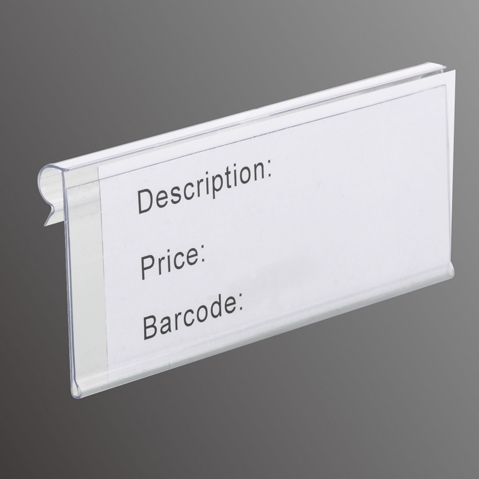
Acrylic display stands, such as IDmate acrylic sign stands, are very flexible. Acrylic is lightweight and sturdy, suitable for displays of various sizes. Tabletop display stands can be placed in small spaces, while wall-mounted display stands save space. Multi-tiered or stackable display stands help keep things tidy and make efficient use of space.
Common Measurements for Acrylic Sign Holders
Acrylic sign stands are popular because they are transparent, durable, and easy to use. Most display stands fit standard paper sizes, making them easy to replace. The following table lists commonly used acrylic sign holder sizes:
| Measurement Type | Dimensions |
|---|---|
| Height | 5 1/2″ |
| Width | 7″ |
| Base Dimensions | approx 6″ x 1″ |
| Magnet Underneath | 4 1/2″L x 1/2″W |
| Suitable Surface Width | 1/2″ and wider |
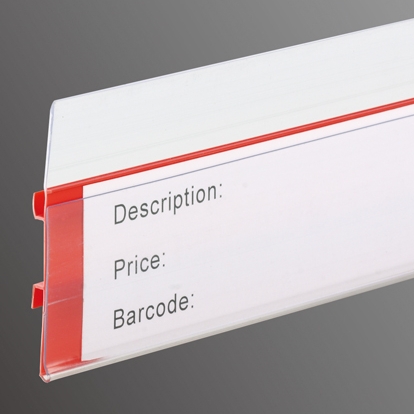
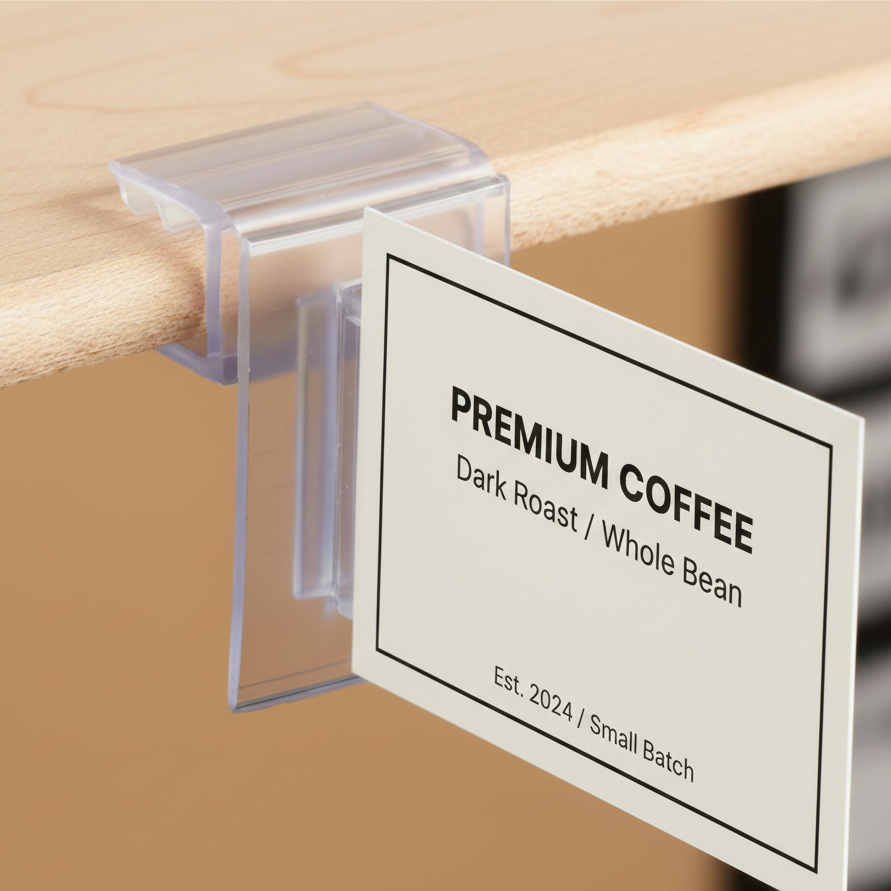
IDmate acrylic sign holders are available in a variety of sizes and styles. You can choose from adhesive sign holders, snap-on sign holders, or magnetic options to meet different display needs. The transparent acrylic material ensures clear visibility and effectively protects the signs from damage. Premium acrylic is stronger and more durable than ordinary plastic, with a longer lifespan.
Acrylic is lightweight and can be processed into various shapes. Businesses typically use countertop sign holders to display menus or price tags. Wall-mounted sign holders save space and are easy to view. Multi-tiered sign holders allow stores to display multiple signs simultaneously without taking up much space.
Tip: Always measure your space before choosing a display holder. Choose the right display holder. Consider the size of the items you want to display. This will help your display look neat, attractive, and eye-catching.
The optimal size for display racks and acrylic signage stands depends on the items you’re displaying, the size of the space, and the purpose of the display. Understanding the advantages of standard sizes and acrylic material can help businesses create aesthetically pleasing, practical displays suitable for various occasions.
Choosing Display stand Ideal Dimensions
Assessing Display Purpose
Each display rack has its specific purpose. Some racks showcase new products, while others convey important information. The purpose of the display dictates the choice of size. Desktop displays are suitable for restaurants to display menus or price lists. Larger racks are better suited for stores to display featured items.
Measuring Space and Content
Measuring available space is crucial. The rack should be the right size, not obstructing aisles or interfering with other racks. The store layout will also influence your choice. Desktop racks can be placed on counters or shelves. Wall-mounted racks save floor space. The content you want to display will also affect the rack size. Large posters or banners require larger racks. Small signs or flyers are best suited for smaller stands.
Tip: Always measure both the product and the space before you pick a display. This keeps your display neat and working well.
Step-by-Step Selection Guide
Picking the right display stand takes a few steps:
- Decide how much money you can spend.
- Pick the type of display stand, like portable, modular, or custom.
- Choose the best size for your product and make sure people can see it easily.
- Make the display match the brand and place.
- Add things like lights or storage to make it work better.
- Plan for shipping and setting up so there are no problems.
- Think about using eco-friendly materials or renting to help the planet.
Doing these steps helps businesses get the best display for what they need. Desktop display stands are good for small spaces and when you need to change things often. Bigger display stands are better for large places and big products.
Display stand Ideal Dimension Factors
Visibility and Accessibility
Visibility is very important for a display stand. Stands with open sides let people see from many directions. This makes the display easy to notice in busy places. People can walk up to the display from different sides. Accessibility rules help decide the best size for stands. For pointer inputs, the target should be at least 24 by 24 pixels. This lets everyone use the display without trouble. Good displays use bright colors and clear graphics. They also use smart shapes to catch attention from far away. Displays help customers find things fast and make them want to use the stand.
- Customized stands help people see products better.
- Interactive displays make customers feel happy and want to buy.
- Shelves placed well help people find things and enjoy shopping.
Portability and Venue Limits
How easy a stand is to move changes its size and shape. Some places have rules about how tall or wide a stand can be. Some stands must fit through doors or elevators. The table below shows how different stands compare:
| Exhibit Type | Size Considerations | Portability Considerations |
|---|---|---|
| Custom Exhibits | Bigger, made for special booth space | Needs experts to set up |
| Modular Exhibits | Fills booth space, lighter than custom | Easy to move and change |
| Portable Displays | Small, light, simple to set up | Can be set up without extra help |
Product Size Considerations
The size of the product helps pick the right stand. Big items need strong stands with lots of space. Small things fit well on racks with layers or that hang. The table below shows examples:
| Type of Display Stand | Height (CM) | Length (CM) | Width (CM) | Layers | Layer Spacing Description |
|---|---|---|---|---|---|
| Cardboard Floor-Standing Rack | 150-160 | 50-60 | 30-40 | 3-4 | Made for customer products |
| Hanging Display Rack | 60-187.5 | 15-20 | 7-10 | N/A | Used for drinks and belts |
Picking the right size for a display stand helps products get noticed. It also makes shopping easier for everyone.
Customizing Display Stands

When Custom Sizes Are Needed
Custom sizes help businesses with special problems. Some stores need a display that fits around columns in the building. Museums sometimes need custom cases for big things, like dinosaur fossils. The table below shows when custom display stands are needed:
| Scenario Description | Evidence Supporting the Need for Custom Stands |
|---|---|
| Fitting around architectural features | Custom cases designed to fit around columns |
| Displaying unique objects | Custom cases tailored for large items like fossils |
A floor-standing display stand can be made for special spaces or to show off unusual products. Custom sizes are also good when regular stands do not match the brand.
Tips for Custom Measurements
Measuring custom display racks requires meticulous planning. Many people make mistakes when taking measurements. Some common errors include: insufficient space allowance, failure to measure both area and item dimensions simultaneously, and using different units of measurement. Here are some common mistakes:
- Insufficient space allowance will lead to overcrowding.
- Failure to consider future needs will result in insufficient space later.
- Measuring external dimensions instead of internal dimensions will prevent items from being placed correctly.
- Using different units of measurement will lead to calculation errors.
- Failure to confirm unit specifications with the supplier can result in customer dissatisfaction.
Businesses should measure space and item dimensions very carefully and should confirm unit specifications with the manufacturer.
Working with Manufacturers
Picking the right maker for custom display stands is important. The table below lists what to look for:
| Criteria | Description |
|---|---|
| Full-Category Product Coverage | One-stop buying and the same quality for all display types. |
| Strong Customization Capability | Can meet special brand needs. |
| Strict Quality Control & International Certification | Makes sure products are good and follow rules. |
| Stable Production Capacity & On-Time Delivery | Can deliver big orders on time. |
| Professional Cross-Border Service & Global Logistics | Knows how to handle shipping and customs. |
| Green Sustainable Development | Cares about the environment. |
Custom stands usually cost more than regular ones. Special shapes, materials, and branding can make the price go up. Cardboard display stands can be a cheaper choice for some projects.
Tip: Always ask makers about their custom skills and quality rules before you order.
Quick Reference Table
Summary of Ideal Dimensions by Use Case
Picking the right display size helps businesses show things well. The table below lists good sizes for different display needs. Each use case is different and has its own needs. This guide helps people pick the best size for their space and goal.
| Use Case | Recommended Display Dimensions | Typical Stand Type | Notes |
|---|---|---|---|
| Retail Countertop | 8.5″ x 11″ (Letter) | Acrylic Sign Holder | Fits menus, price lists, or promotions |
| Trade Show Booth | 10′ x 10′ to 20′ x 20′ | Pop-Up/Modular Stand | Allows for banners and product samples |
| Exhibition Pedestal | 80–100 cm (height) | Pedestal Stand | Keeps products at eye level |
| Wall-Mounted Display | 11″ x 17″ or custom | Acrylic/Metal Holder | Saves floor space |
| Multi-Tiered Display | 3–4 layers, 5–7 cm between layers | Tiered Acrylic Stand | Shows multiple items in small area |
| Large Product Display | 3×3 meters, up to 2225 mm (height) | Custom/Modular Stand | For oversized or featured products |
Note: Always measure your space and items before picking a display. This makes sure the display fits and looks neat.
- Stores use acrylic sign holders to change signs fast.
- Trade shows need bigger stands so people can see them.
- Wall-mounted displays help save space when there is not much room.
A good display gets people’s attention and helps the business. The IDmate Acrylic Sign Holder is a flexible choice for many display needs.
- Common sizes such as 3m x 3m are good for many events. These sizes make it simple to add your brand.
- People should look at their space, what they want to show, and their goals before picking a display.
- Getting advice from experts or makers can help you find the best answer. This is extra helpful when using flexible choices like the IDmate Acrylic Sign Holder.
FAQ
What are the most common sizes for retail signage racks?
Many stores use 8.5-inch x 11-inch signage racks. This size is suitable for standard paper sizes and allows for quick updates.
How to choose the right display rack for a small space?
First, measure the space. Compact display racks, such as tabletop or wall-mounted racks, help save space and keep displays neat and organized.
Are acrylic signage racks easy to clean?
Acrylic signage racks can be easily cleaned with a soft cloth and mild soap. They are dust- and fingerprint-resistant, keeping signs clearly visible.