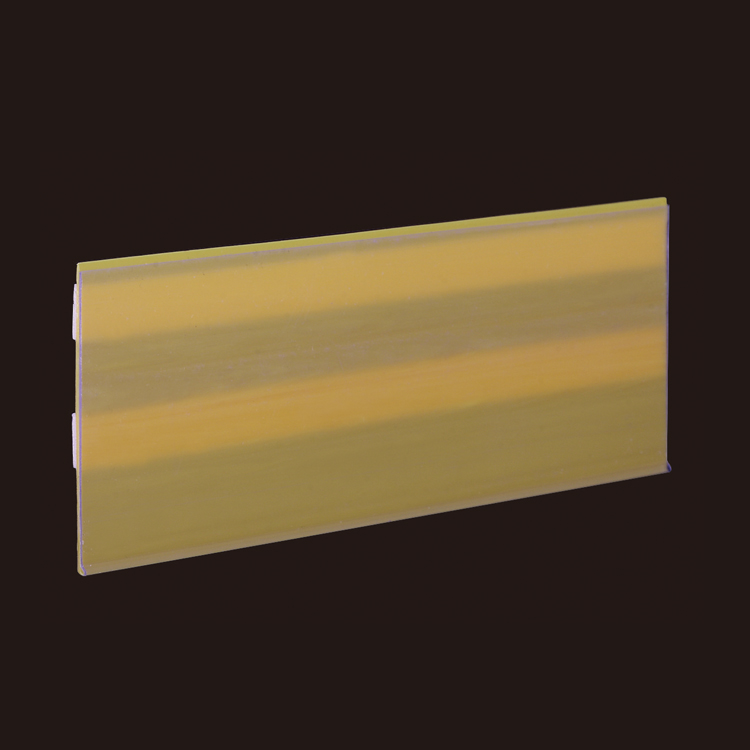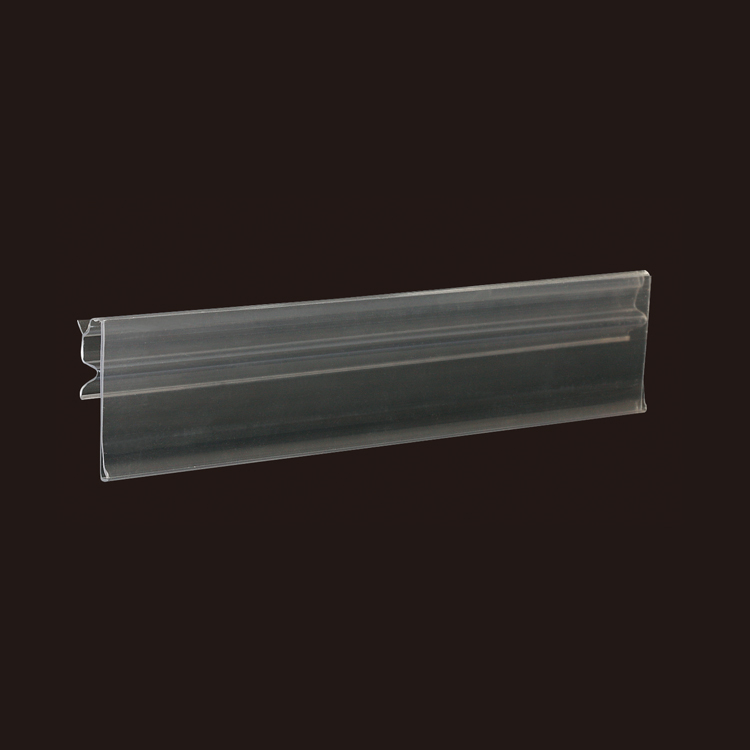
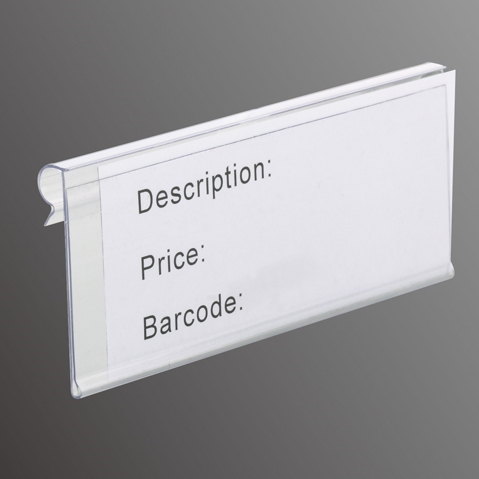
Shelf tags are small labels or holders placed on the front edge of retail shelves. A common type is data strips, plastic clips that hold price tags and barcodes on the shelf edge. They help shoppers find the right price and help staff manage stock. While often confused with shelf talkers, shelf tags serve a different primary purpose: information and inventory control rather than promotion. This guide covers what shelf tags are, the types available, how they differ from shelf talkers, and how to choose the right holder for your store.
Key Takeaways
- Shelf tags are labels or holders placed on the shelf edge to display price, unit price, barcode, and product information.
- They help customers find the right price and help staff manage inventory and reordering.
- Common types include paper and adhesive tags, PVC data strips, clip-on holders, self-adhesive holders, and magnetic holders.
- Shelf tags differ from shelf talkers: tags are informational and inventory-focused; talkers are promotional and persuasive.
- Choose the right holder based on shelf material, environment (cold, high-traffic), and label size.
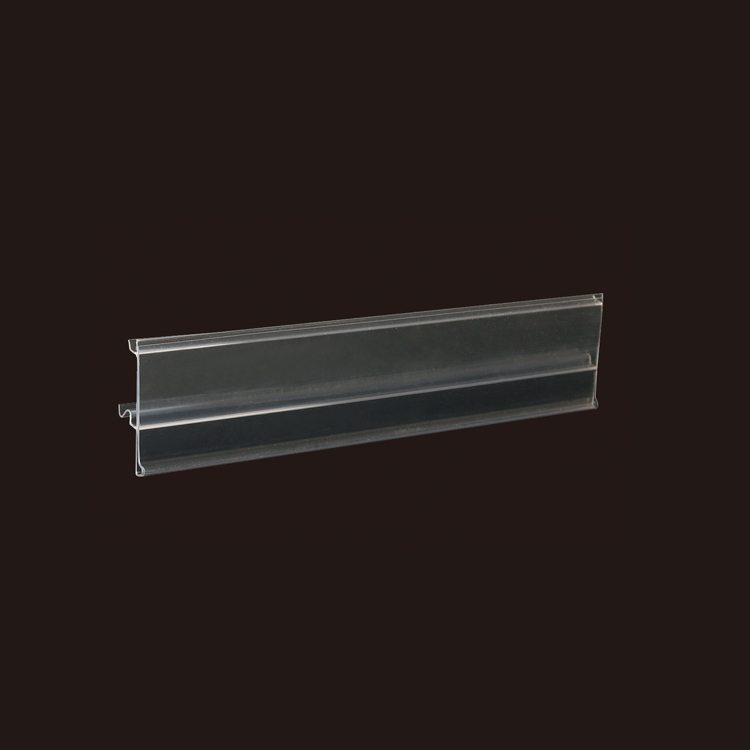
- The most common shelf tag holder is the PVC data strip used with standard gondola shelving.
What Are Shelf Tags and What Do They Do?
Definition and Position on the Shelf Edge
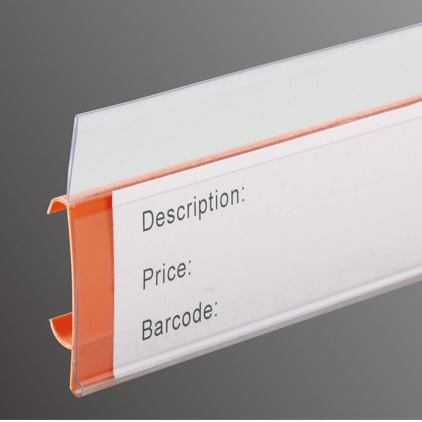
A shelf tag is a label or insert positioned on the shelf edge, directly below or beside the product it identifies. It typically displays the product name, price, unit price, barcode, and sometimes a stock-keeping unit (SKU) or reorder number. The shelf edge is the most visible part of the shelf, making it the natural place for this information. Shelf tags are used in supermarkets, pharmacies, convenience stores, and almost every other retail environment.
Core Functions: Price Display, Inventory Tracking, and Reordering
Shelf tags serve three main functions. First, they display the price clearly so customers can make informed decisions without asking staff. Second, they help with inventory tracking by showing the product name and SKU, which staff use when checking stock. Third, they support reordering: the tag often includes a reorder number or barcode that can be scanned when placing orders. According to the National Community Pharmacists Association, shelf tags act as location markers so that products are always found in the same place, and they provide the order number needed for restocking.
Types of Shelf Tags and Their Holders
Paper and Adhesive Shelf Tags for Short-Term Promotions
Paper shelf tags are the most economical option. They are printed on cardstock or coated paper and can be attached directly to the shelf edge with adhesive, or inserted into a clear plastic holder. These tags are ideal for short-term promotions, seasonal sales, or temporary price changes. They are not durable, so they should be used in dry, indoor environments. Adhesive tags are easy to apply but may leave residue when removed.
PVC Data Strips and Clip-On Holders for Long-Term Use
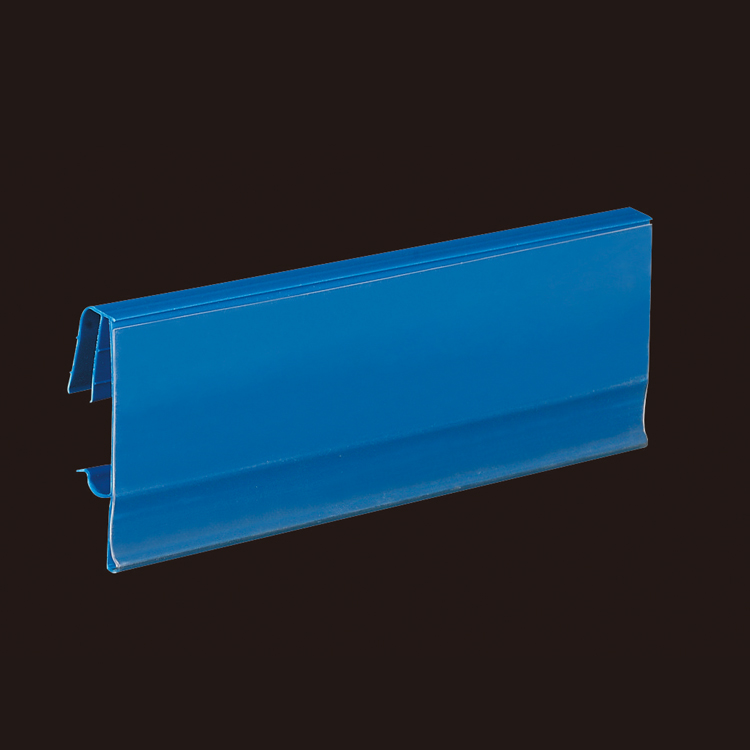
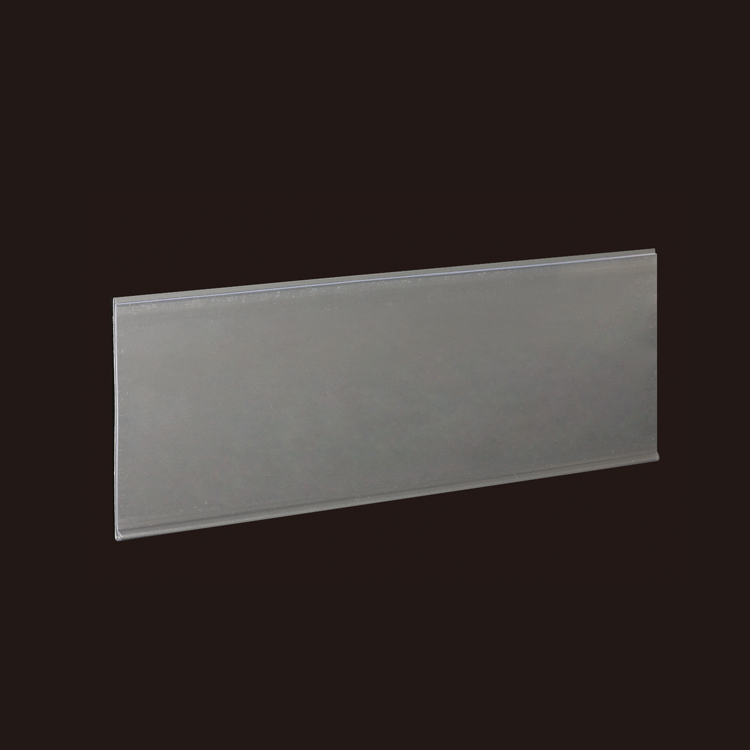
For long-term use, PVC data strips are the industry standard. A data strip is a long plastic holder that slides into the shelf edge channel and holds paper labels securely. Clip-on label holders grip the shelf edge without adhesive and can be easily repositioned. Both are reusable: staff slide out old labels and insert new ones in seconds. Data strips are available in standard heights such as 26 mm, 39 mm, and 40 mm.
Magnetic and Specialty Holders for Wire Shelves and Refrigerated Displays
Wire shelves and refrigerated cases require different holders. For wire shelving, a wrap-around clip or a magnetic holder works best. Self-adhesive label holders attach directly to smooth surfaces without clips or magnets. For refrigerated displays, choose a holder with a cold-resistant adhesive or a plastic that does not become brittle at low temperatures. Paper tags are not suitable for humid or cold environments because they curl and degrade.
Shelf Tags vs. Shelf Talkers: What’s the Difference?
Shelf Tags: Information and Inventory Control
Shelf tags are primarily informational. They tell the customer the price and tell the staff what to reorder. They are functional, not promotional. Their design is usually simple and standardized so that prices can be read quickly.
Shelf Talkers: Promotion and Persuasion
Shelf talkers are promotional signs that attach to the shelf edge, often above or beside the shelf tag. They are designed to catch the eye and persuade the customer to buy. They might say “Sale,” “New,” or “Staff Pick.” Shelf talkers are larger and more visually striking than shelf tags. They are used selectively for specific products.
How They Work Together at the Shelf Edge
The two work together. The shelf tag provides the essential information: price, unit price, and barcode. The shelf talker adds a promotional message. A customer might see a shelf talker that says “20% Off” and then look at the shelf tag to confirm the exact price. Used together, they create a complete communication system at the point of decision.
How to Choose the Right Shelf Tag Holder
Match the Holder to Your Shelf Material
The shelf material determines the holder type. Metal shelves accept magnetic or clip-on holders. Wood shelves work with adhesive or clip-on holders. Glass shelves need adhesive holders. Wire shelves require wrap-around clips. For standard gondola shelving with a price channel, a data strip is the best choice.
Consider the Environment: Cold Storage, High-Traffic, and Outdoor
In cold storage, choose PVC or acrylic holders rated for low temperatures. In high-traffic aisles, thicker PVC or acrylic resists bending and breakage. For outdoor displays, choose UV-resistant materials. Adhesive holders should be avoided in areas with temperature fluctuations because the adhesive may fail.
Sizing and Insert Compatibility
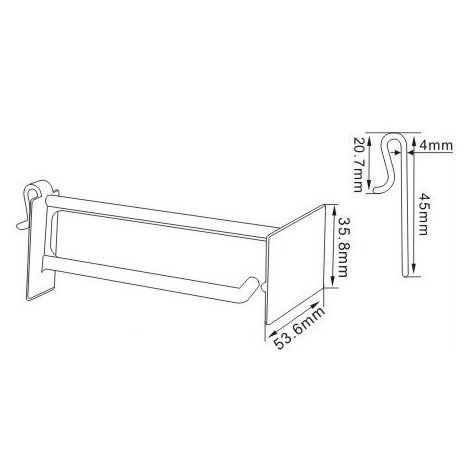
Shelf tags must fit the holder. Measure the height of the shelf edge channel and the height of your labels. Common label heights are 26 mm, 32 mm, 39 mm, and 40 mm. The holder should be slightly taller than the label to allow easy insertion and removal. If you use custom-sized labels, look for holders that can be cut to length or ordered in custom sizes from a manufacturer.
FAQs About Shelf Tags
What is the difference between a shelf tag and a shelf label?
The terms are often used interchangeably. A shelf tag is the entire tag or insert, while a shelf label can refer to the printed portion that goes inside a holder. In practice, both refer to the same thing: the price and product information displayed on the shelf edge.
What information should a shelf tag contain?
A shelf tag should include the product name, retail price, unit price (if required by law), and a barcode or SKU. Some retailers also include the reorder number, supplier name, or promotional message. The goal is to give the customer the information they need and give staff the data required for restocking.
Can shelf tags be reused?
Paper tags are not reusable. PVC data strips and clip-on holders are reusable: you simply replace the paper insert. Magnetic holders are also reusable and can be repositioned. For frequent price changes, reusable holders save time and reduce waste.
What is the most common shelf tag holder?
The most common is the PVC data strip used with standard gondola shelving. It is durable, inexpensive, and compatible with most retail shelf systems. Clip-on holders are also common for shelves without a price channel. Both are available from retail display manufacturers in standard sizes or custom dimensions.