A permanent adhesive label is a sticker that sticks to a surface for good. Common examples are warning labels on mattresses and serial number stickers on laptops. These labels are pressure-sensitive and made from tough materials like vinyl. Taking them off often hurts the surface or leaves sticky goo behind. This helps with long-term identification for assets, safety warnings, and product labels. They can handle UV light, very hot or cold temperatures, and tearing. These features make permanent adhesive labels dependable for long-term use in tough conditions.
Key Takeaways
- Permanent adhesive labels stay stuck for a long time and can handle tough conditions.
- They are used to track assets, give safety warnings, and label products.
- Taking them off often hurts the surface or leaves behind sticky goo.
What Makes Permanent Adhesive Labels Permanent?
Adhesive Strength and Material Durability
Permanent adhesive labels use two main parts: the glue and the label material. Makers pick from three main glue types. Acrylic glues handle UV light and weather well, so they work great outside. Rubber-based glues stick fast and strong, even on rough or hard-to-stick surfaces. Silicone glues can handle very hot or cold temperatures, from -65°F to 500°F, which works for airplanes and special factory uses.
The label material decides how long the label lasts. Vinyl (PVC) and polyester (PET) are the most common for permanent labels because they resist tearing, water, and sun damage. Polypropylene and polyethylene are lighter and work for indoor use. Coated paper works for short-term permanent labels where it stays dry. A maker might pair a rubber glue with vinyl for a construction equipment tag, while a silicone glue with polyester works for a chemical drum label.
Tests make sure these labels work as promised. The industry uses several standard tests. ASTM G154 tests UV damage with fluorescent lamps, important for labels in direct sun. UL 969 covers marking and labeling systems for equipment nameplates and warning labels. ASTM B117 puts labels in continuous salt fog at +35°C, needed for marine or coastal places. IEC 60068-2-30 runs damp heat cycles at 95% humidity, mimicking tropical conditions. These tests give buyers confidence that permanent labels will last years in harsh conditions.
The Bonding Process and Surface Interaction
Pressure-sensitive glues stick as soon as you press them on, without heat or waiting. The bond happens through van der Waals forces, which create a molecular connection between glue and surface. The glue must “wet out,” meaning it flows into the tiny pores and bumps of the surface. This mechanical lock, plus chemical attraction, makes the bond permanent.
Surface energy matters a lot for a good bond. High-energy surfaces like glass and metal let glue spread easily, making wide contact areas. Low-energy plastics like polyethylene and polypropylene push glue away, like water on a waxed car hood. These surfaces need special rubber or acrylic blends that stick faster. Dirt, mold release agents, or plasticizers on the surface can lower surface energy further, often causing the label to fail early.
Anchoring Mechanism: The glue goes into tiny pores or bumps on the surface, locking itself in place chemically or mechanically. If you apply a label below its minimum temperature, the glue can’t wet out properly, leading to a weak bond and edge lifting later.
Rough surfaces usually help bonding because they add surface area and give mechanical lock points. But too much roughness can trap air and reduce contact for thin glue layers. Thicker glue coatings fill bumps better, which is why makers offer different glue thicknesses for textured surfaces. A bad glue-surface match leads to peeling, flagging, or total bond failure, so buyers should always test labels on their actual products before choosing a permanent solution.
Uses, Benefits, and Comparisons for Permanent Adhesive Labels
Common Applications Across Industries
Many industries rely on permanent adhesive labels for long-term identification and safety. Manufacturers put them on equipment for asset tracking with barcode scanning and maintenance records. The aerospace and defense sectors use them for compliance tags that must handle extreme temperatures and vibration. Commercial HVAC systems carry nameplates that show model numbers and service needs. In healthcare, labels appear on patient wristbands, medication packages, and medical devices like defibrillators. The transportation and logistics industry uses them for tracking shipments and managing inventory. Utility companies attach labels to poles, meters, and substation equipment for decades of service. Fleets of trucks and commercial passenger vehicles use them for asset identification and inspection records. Food companies use them for ingredient labels on packaged goods. Cosmetics brands rely on them for product identification on bottles and tubes.
Several standards govern these labels for safety and compliance. The ANSI Z535 series sets safety colors, label design, and placement for product warnings. UL 969 tests label durability, including defacement and chemical rub resistance. The British Standard BS5609 applies to GHS labels on hazardous chemicals shipped via ocean freight. For pipe marking, ASME A13.1 requires color coding by hazard, legend text, directional arrows, and proper placement. OSHA references this standard as good engineering practice.
Under OSHA’s Hazard Communication Standard (29 CFR 1910.1200), employers must keep labels legible so the important information is not defaced or removed. Not following this can lead to fines up to $165,514 per willful offense.
Weighing the Pros and Cons Against Other Label Types
Permanent adhesive labels provide a strong, lasting bond that withstands harsh conditions. Their service life ranges from 2 years to several decades, depending on the substrate, adhesive, and environment. They cost less than removable labels and form a secure bond that lasts the product lifetime. Common applications include shipping labels, barcodes, outdoor signage, and chemical labels. These labels resist moisture, handling, and wear. They perform well in outdoor environments and high-temperature settings. The main drawback is that removal often leaves residue or damages the surface. This makes them unsuitable for temporary needs.
Removable labels use low-tack adhesive for easy removal without residue. They work well for price tags, promotional stickers, and inventory labels on smooth surfaces. However, they cost more than permanent labels, perform poorly in cold temperatures, and do not suit rough surfaces. They are less durable than permanent labels and may peel in high-traffic areas. They are not suitable for harsh outdoor conditions.
Repositionable labels allow adjustment during application. The adhesive strengthens over time for a permanent bond once set. They suit hand-labeled products and applications requiring accurate placement. Users can lift and reapply them multiple times without losing adhesion. They work well for wall decals, window clings, and removable signs.
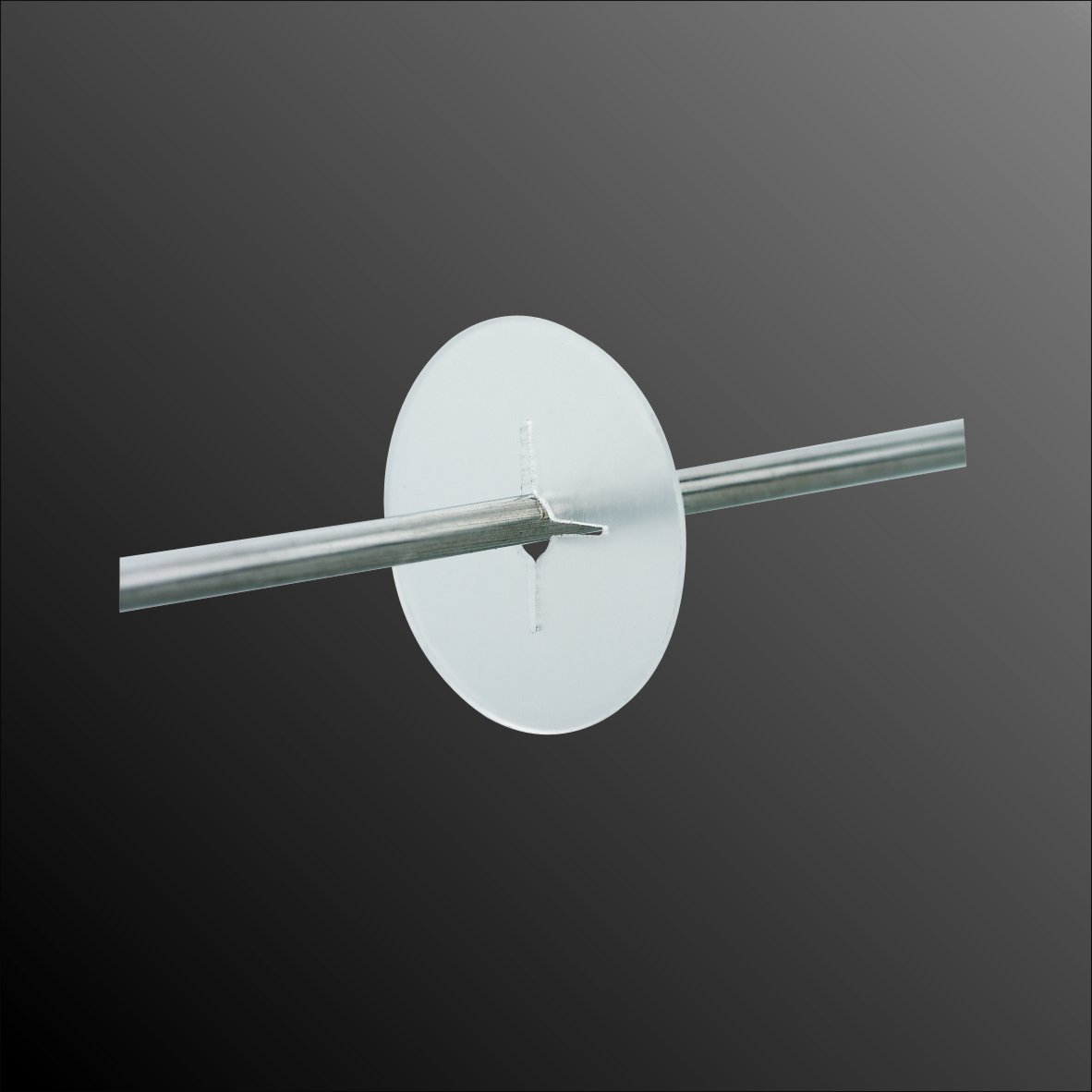
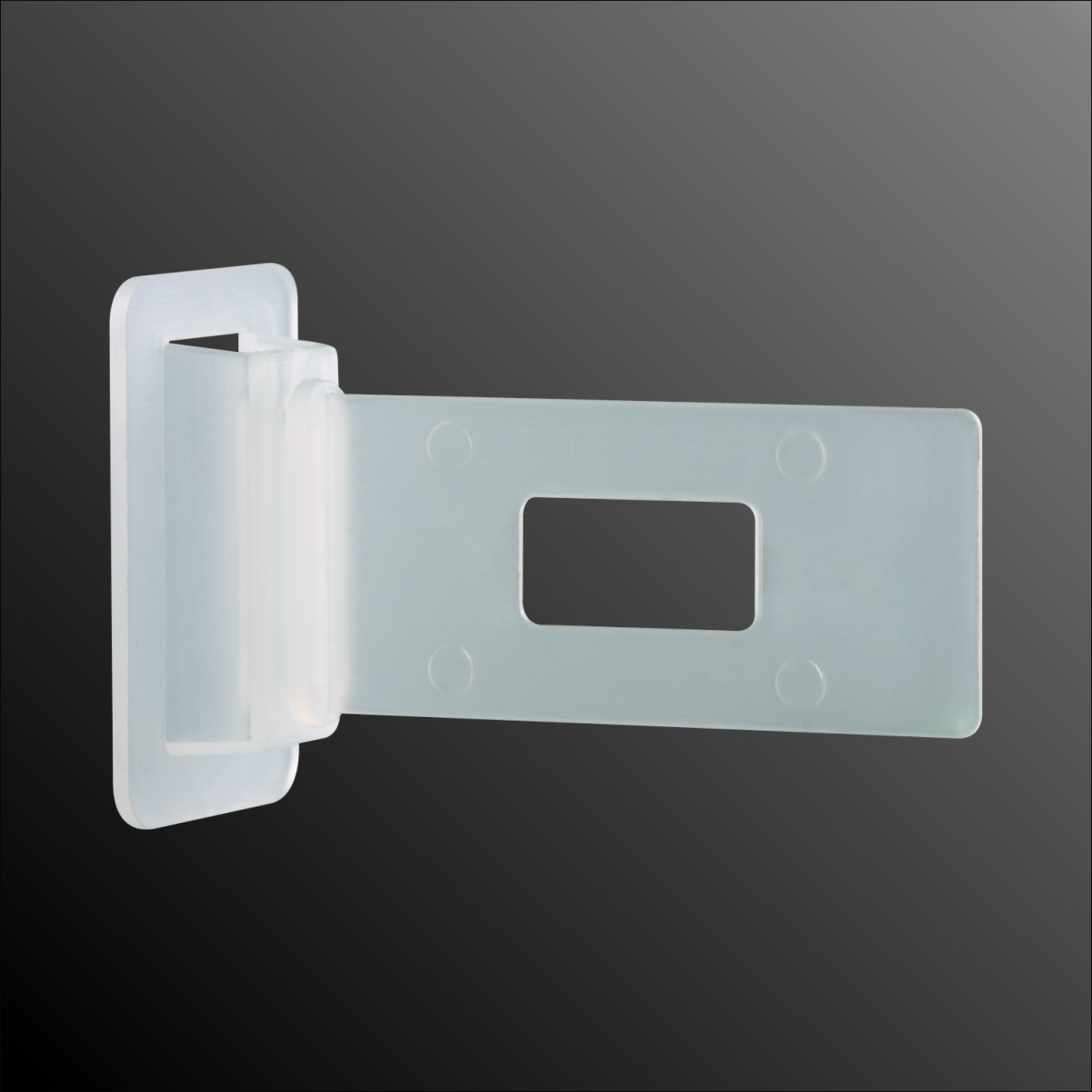
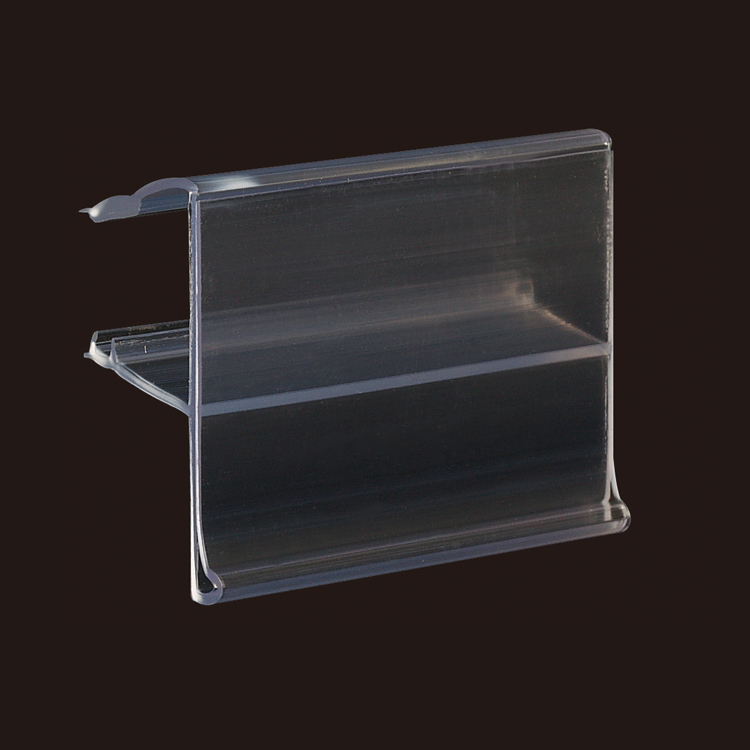
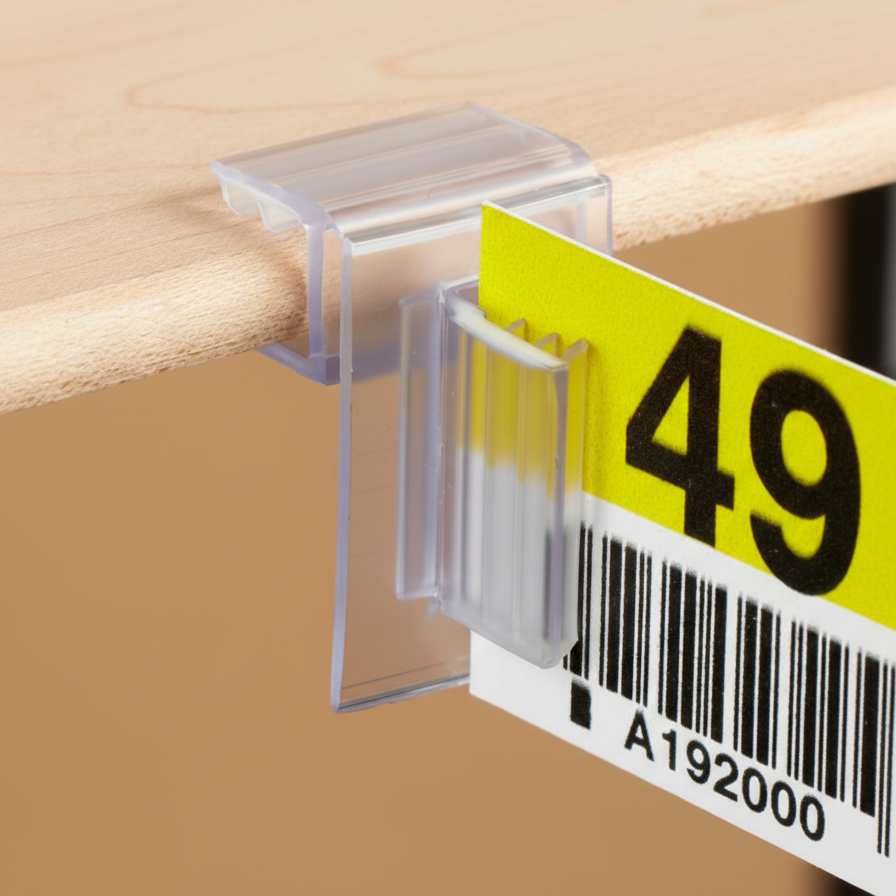
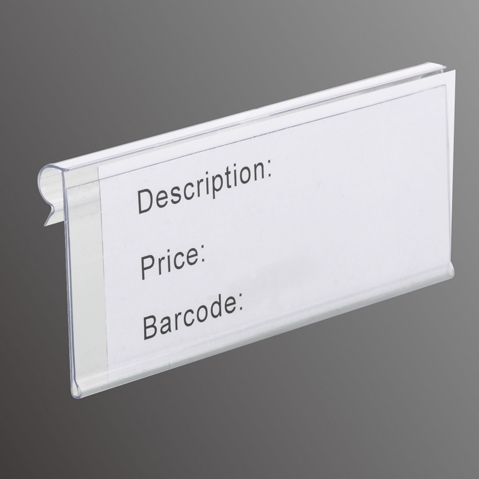
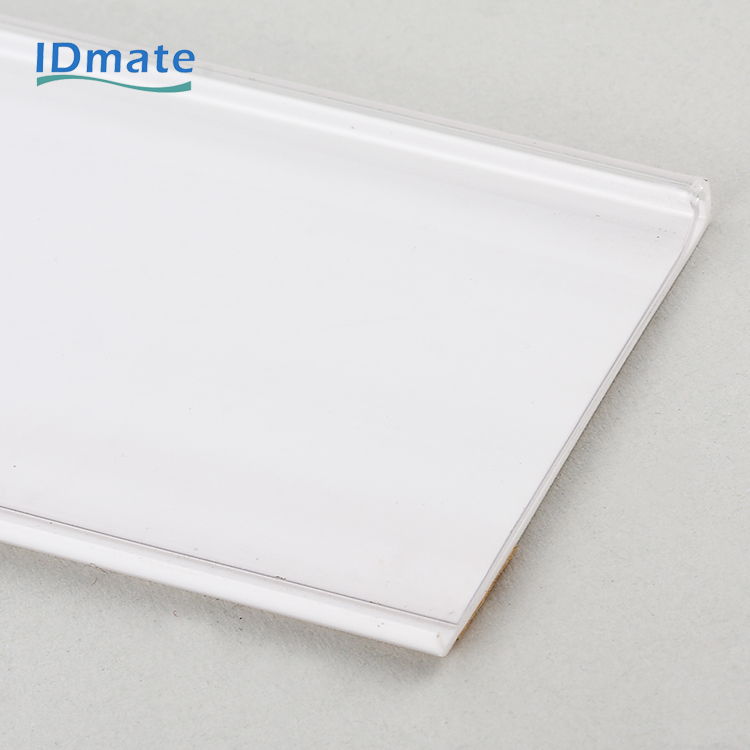
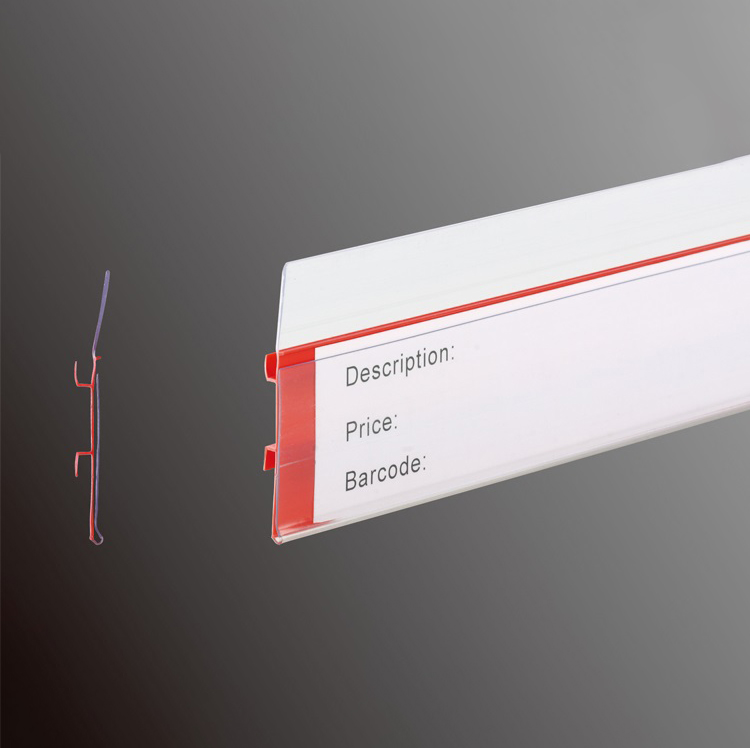
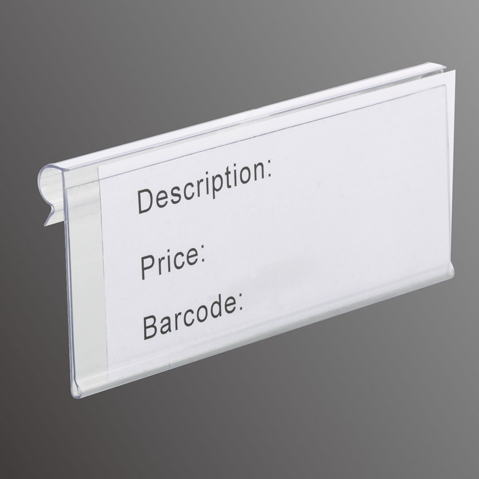
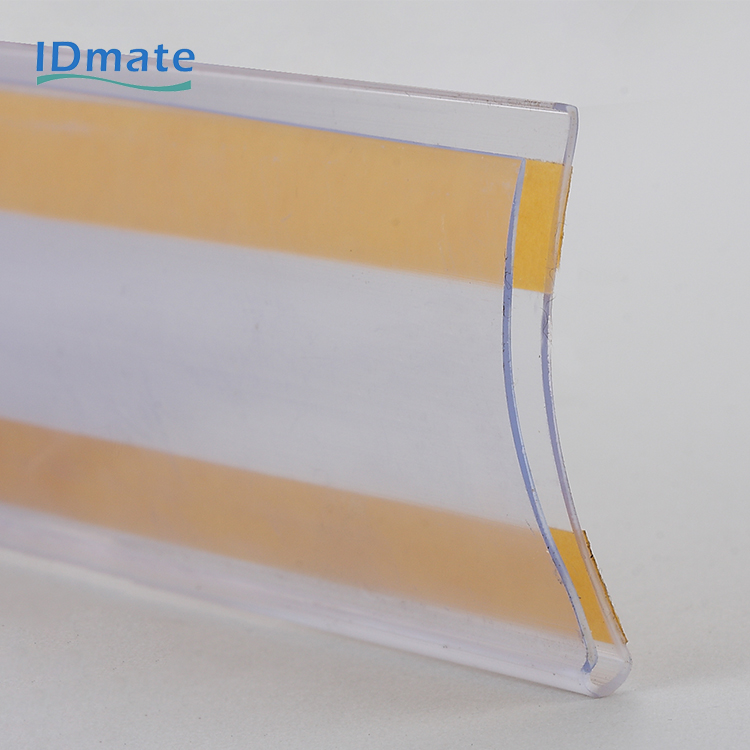
For retail environments, a practical alternative exists. IDmate, a trusted manufacturer since 2003, offers Data Strips. These plastic clips attach to shelf edges and hold price tags without sticking to the product. A wholesale supplier can order custom lengths and colors to match store branding. The clips come in clip-on shelf label holders, self-adhesive label holders, wire shelf label holders, and magnetic styles. They allow staff to update pricing in seconds and eliminate the need for permanent labels on product surfaces. This solution provides a clean, reusable option for retail settings.
Permanent adhesive labels create lasting bonds through pressure-sensitive adhesives and durable materials like vinyl. They serve asset tracking, safety warnings, and product identification across industries. Their main trade-off involves difficult removal that often damages surfaces. Buyers should consider the surface type and required lifespan before choosing. For temporary retail needs, alternatives like IDmate Data Strips offer reusable solutions without sticky residue.
FAQ
Can permanent adhesive labels be removed without damaging the surface?
Taking them off usually leaves sticky marks or hurts the surface. The strong glue forms a tight molecular bond. People should expect some damage or leftover material when they pull the label off.
What surfaces work best for permanent adhesive labels?
Smooth, high-energy surfaces like glass and metal give the strongest hold. Low-energy plastics like polyethylene need special glue blends. Testing on the real surface ensures the label sticks well before making a full batch.
How long do permanent adhesive labels last?
They can last from 2 years to several decades. How long they last depends on the surface, glue type, and weather. Outdoor labels made of vinyl with acrylic glue last the longest.