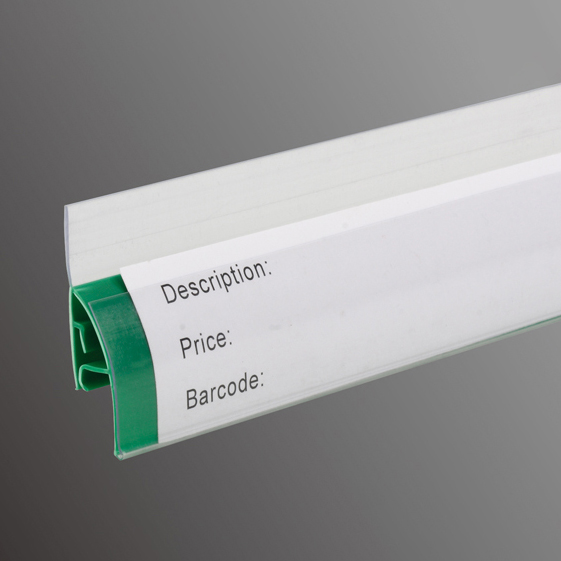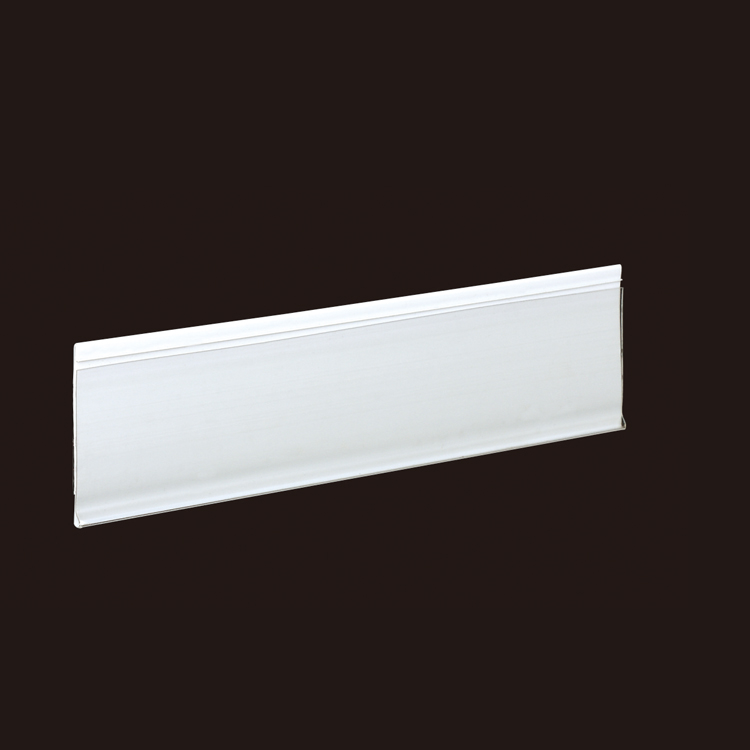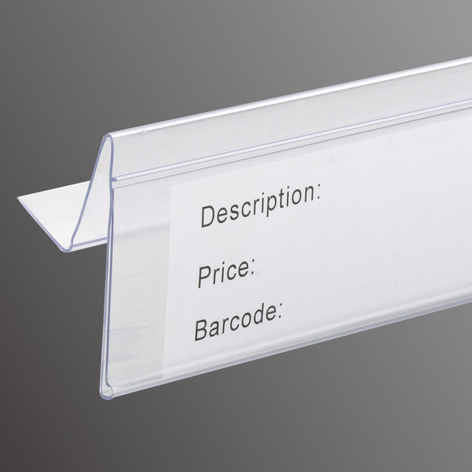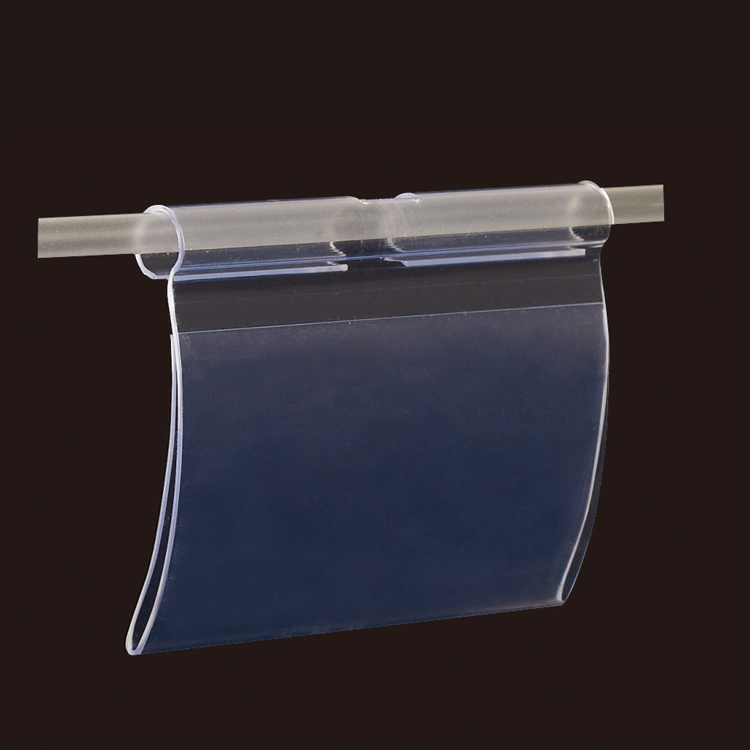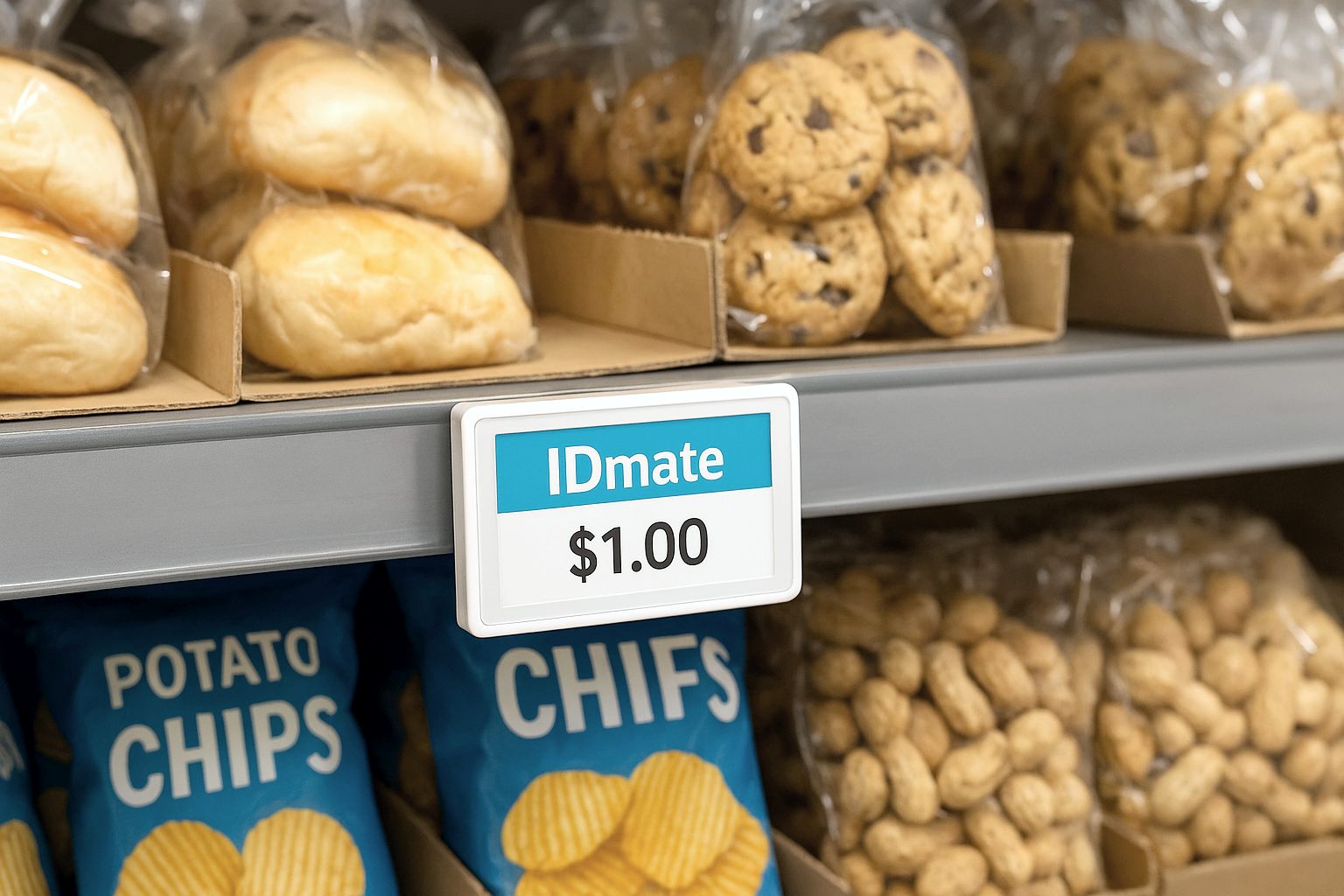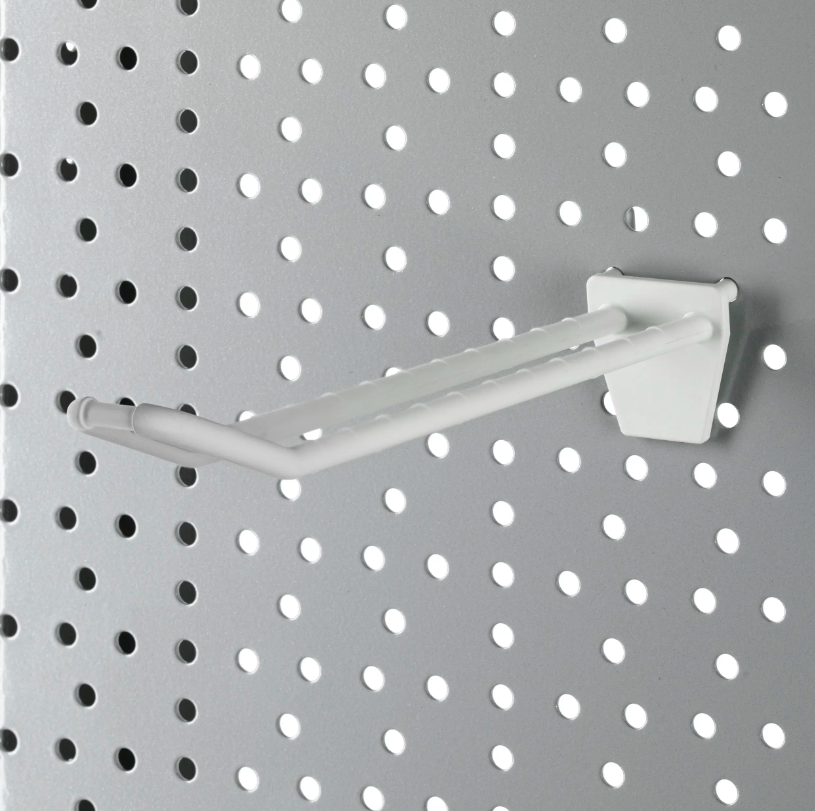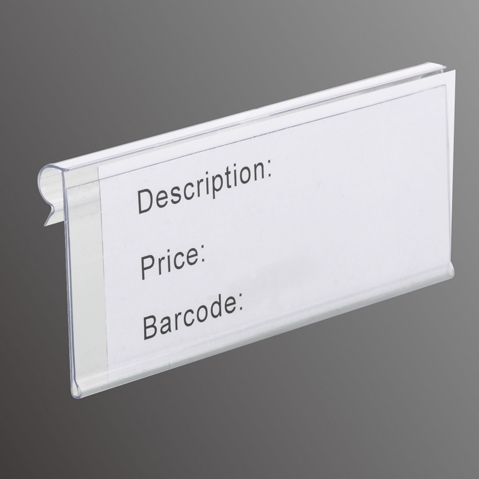
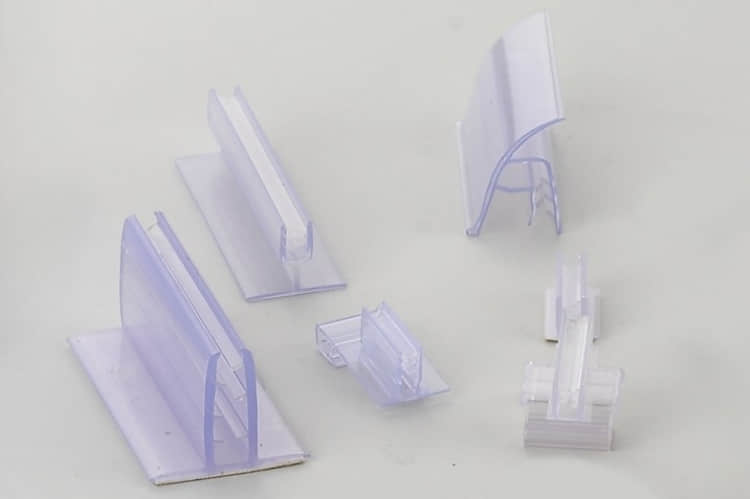
Acrylic-based permanent adhesives are the best choice for most labels. Many stores use this adhesive because of its long-lasting adhesion. It is suitable for shelves, sign holders, and display hooks. The choice of the best adhesive depends on the surface material of the label and the application location. People consider factors such as the label’s material, toughness, and the application temperature before choosing a permanent adhesive. A clean surface helps the adhesive bond better. A rough or dirty surface will affect the label’s durability. Permanent adhesives are suitable for displays where labels need to be worn for a long time.
- The label’s material, surface feel, and expected lifespan are all factors in choosing the best adhesive.
- The application location and application environment of the label are also crucial when choosing a permanent adhesive.
Key Takeaways
- 1. Acrylic-based permanent adhesives deliver 20–45 N/25mm peel strength (ASTM D3330 Method C, 180°, 300 mm/min, 24h dwell on stainless steel) and withstand -40°C to +150°C continuous operation, making them the default choice for most label applications requiring durability and UV resistance.
- Surface energy matching is the single most critical pre-selection factor. Use the Owens-Wendt model to determine substrate γd/γp components: high-energy surfaces (>40 dynes/cm) accept most adhesives; low-energy plastics (<35 dynes/cm, e.g. PE, PP) require specially formulated LSE acrylics or surface treatment (corona/plasma).
- Verify adhesive performance through standardized tests: 180° peel per ASTM D3330 (tapes) or 90° peel per ASTM D6252 (labels); static shear per ASTM D3654 Method A (1 kg @ 23°C); loop tack per PSTC-16. For outdoor durability, specify QUV ASTM G154 (UVA-340, 1000h) with peel strength retention ≥ 80%.
- Ensure the adhesive meets Dahlquist criterion: complex shear modulus G* ≤ 0.3 MPa at application temperature and 1 Hz — this is the fundamental rheological threshold for pressure-sensitive tack formation.
- Removable adhesives (5–15 N/25mm peel, clean removal per ISO 29862) are appropriate for temporary labels (≤ 6 months). For food-contact applications, verify FDA 21 CFR 175.105 compliance; for electronics, require RoHS 3 (Directive 2015/863) and REACH SVHC declarations.
Types of Label Adhesive
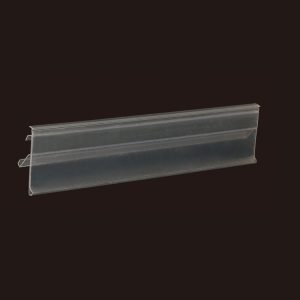
Choosing the right label adhesive is crucial in a store. IDmate has extensive experience in label holders and POS accessories. They understand the importance of selecting the right adhesive for the specific application. A wide variety of label adhesives are used in stores and packaging.
Rubber-Based Adhesives
Rubber-based adhesives bond quickly and are suitable for a variety of surfaces. They are popular for applying labels that require strong adhesion. These adhesives are water-resistant and bond to plastics, metals, and rubber. Some adhesives, such as natural rubber, can be used at temperatures up to 60°C. Others, such as neoprene, are oil and solvent resistant. The following is a table of commonly used rubber-based adhesives:
| Adhesive Type | 180° Peel (N/25mm) | Static Shear (h @ 1kg, 23°C) | Operating Range (°C) | Initial Tack |
|---|---|---|---|---|
| Natural Rubber | 8–18 | 2–8 | -20 to +60 | High |
| Neoprene (CR) | 12–22 | 4–12 | -30 to +100 | Medium-High |
| Nitrile (NBR) | 15–28 | 8–24 | -25 to +120 | Medium |
| Butyl Rubber | 6–14 | 2–6 | -40 to +80 | Medium |
| SBR | 10–20 | 3–10 | -15 to +70 | High |
Acrylic-Based Adhesives
Acrylic-based pressure-sensitive adhesives (PSAs) are the industry standard for demanding label applications. Their performance is governed by two fundamental principles:
Dahlquist Criterion: For a PSA to form adequate tack upon contact, its complex shear modulus G* must not exceed 0.3 MPa (300 kPa) at the application temperature and frequency (~1 Hz). Commercial acrylic PSAs typically exhibit G* = 50–200 kPa at 23°C, well within the Dahlquist window, while maintaining sufficient crosslink density for cohesive strength.
Formulation Flexibility: Acrylic PSAs can be formulated across a wide polarity spectrum by varying monomer composition (e.g., 2-ethylhexyl acrylate for low-Tg flexibility, acrylic acid for polarity and adhesion to high-energy surfaces). This enables tailoring of surface energy components (γd / γp) per the Owens-Wendt model to match specific substrates.
| Property | Standard | Typical Value |
|---|---|---|
| 180° Peel (SS) | ASTM D3330-C | 20–45 N/25mm (24h dwell) |
| 180° Peel (PE) | ASTM D3330-C | 12–25 N/25mm (LSE formulation) |
| Static Shear | ASTM D3654-A | > 100 h @ 1kg, 23°C |
| Service Temperature | — | -40°C to +150°C (continuous) |
| UV Resistance | ASTM G154 | > 90% peel retention after 1000h UVA-340 |
| Loop Tack | PSTC-16 | 8–20 N/25mm |
Specialty and Blended Adhesives
Some label applications require adhesives engineered for specific environmental extremes or end-of-life requirements. The following table classifies specialty adhesives by functional requirement rather than brand name.
| Category | Temperature Range | Key Feature | Typical Substrates |
|---|---|---|---|
| High-Temperature | -40 to +260°C | Silicone-based; retains >85% shear at 200°C | Metals, ceramics, engine components |
| Low-Temperature | -60 to +20°C | Maintains tack below freezing; no embrittlement | Freezer-grade packaging, cryogenic labels |
| Chemical-Resistant | -20 to +150°C | Resistant to acids, alkalis, solvents (24h immersion, <5% swell) | Laboratory, chemical drums |
| Wash-Off / Recyclable | -10 to +80°C | Water-soluble or alkali-removable; enables PET bottle recycling | Beverage containers, returnable crates |
| Tamper-Evident | -20 to +80°C | Destructible film + aggressive adhesive; cohesive split upon removal | Security seals, pharmaceutical packaging |
| Repulpable | -10 to +60°C | Disperses during paper re-pulping; no adhesive “stickies” | Corrugated boxes, molded fiber |
Some blended adhesives incorporate epoxy or polyurethane for enhanced strength. Acrylic blended adhesives are oil and acid resistant and suitable for factories and auto repair shops. These specialty label adhesives help labels adhere firmly to surfaces where ordinary adhesives cannot.
Adhesive Performance
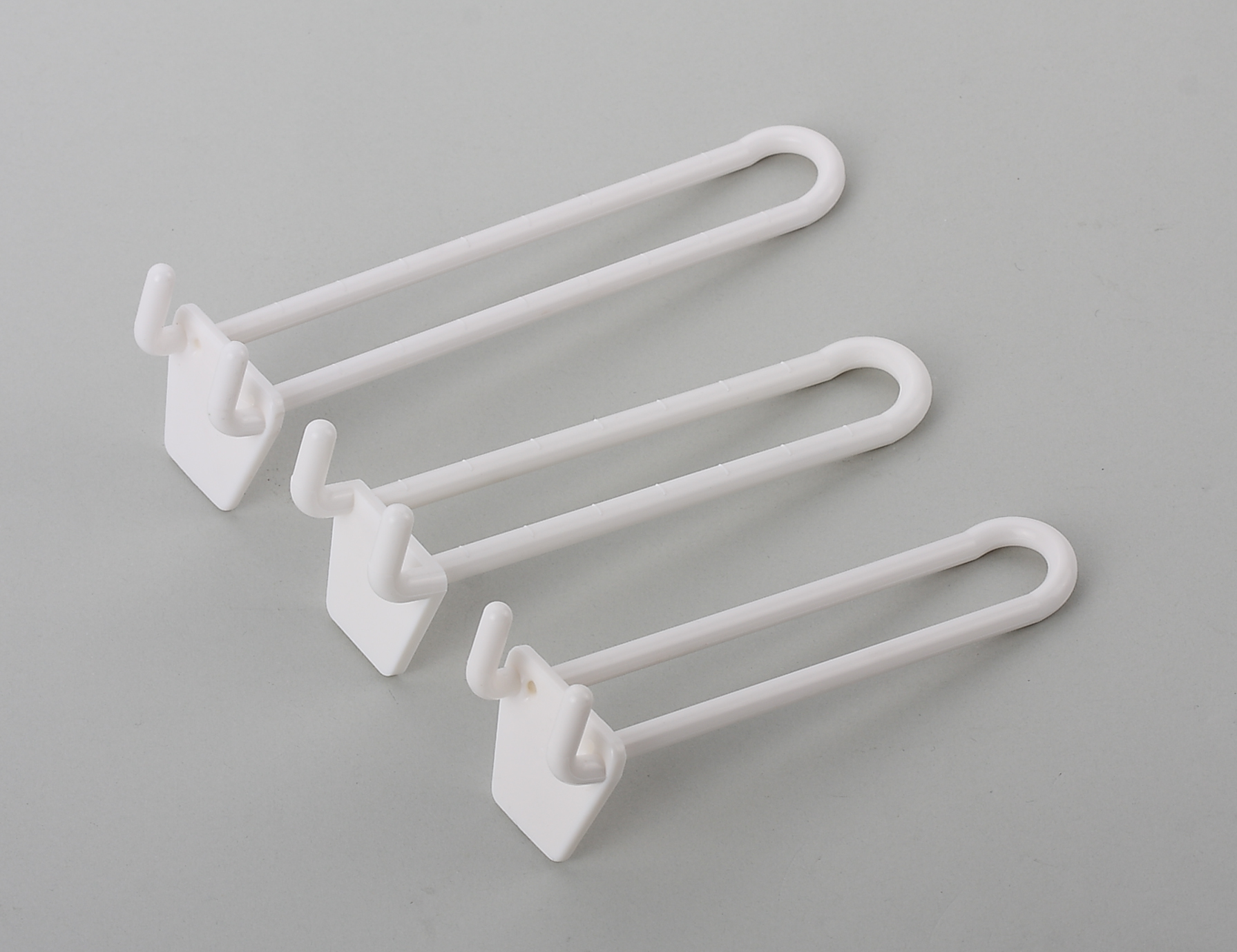
The performance of label adhesives is crucial in stores and factories. People want labels to adhere firmly or peel off easily. Some labels only require a light press to stick. Let’s look at how different adhesives work and their best application scenarios.
Permanent Adhesives
Permanent adhesives make labels last a long time. They maintain the integrity of the label during transportation and daily use. Stores commonly use permanent adhesives to create product labels. These adhesives are suitable for products such as wine bottles, cleaning agents, and outdoor gear. Labels using permanent adhesives are waterproof, chemically resistant, and sun-resistant.
Here are some application scenarios for permanent adhesives:
- Logistics: Labels won’t fall off during transportation.
- Retail: Product labels are aesthetically pleasing and won’t easily fall off.
- Manufacturing: Labels adhere firmly to machines and tools.
- Inventory Management: Labels help track items and comply with regulations.
- Wine Bottles: Labels won’t fall off when wet or touched.
- Household Cleaning Agents: Labels won’t be damaged by liquid spills.
- Outdoor Gear: Labels remain secure in harsh weather conditions.
Permanent adhesives are difficult to remove and may damage labels or surfaces. These adhesives are typically chosen when durable labels are required.
Tip: Test label adhesives before using them on a large number of items. Perform peel, shear, and tensile tests to check their strength and durability.
| Metric | Description |
|---|---|
| Ultimate Adhesion | Indicates the adhesive strength after drying. |
| Shear Force | Indicates the force required for the label to move laterally. |
| Mandrel Hold | Checks if the adhesive can bend and stick to bumpy surfaces. |
| Operating Temperature | Indicates the effect of temperature on adhesive performance. |
Removable Adhesives
Removable adhesives allow labels to be easily removed without leaving sticky residue. They are commonly used for price tags and promotional stickers. These adhesives make labels easy to peel off. Removable adhesives are suitable for short-term use.
- Removable adhesives do not leave sticky residue.
- This adhesive is suitable for labels that do not require durability.
- It is used to make price tags and discount labels.
- Removable adhesives are ideal for reusable containers.
Permanent adhesives are not suitable for temporary labels. They are too sticky and difficult to remove.
Pressure-Sensitive Adhesives
Pressure-sensitive adhesives bond simply by pressing. No heating, water, or chemicals are required. People like pressure-sensitive adhesives because they are easy to use. Adhesion strength depends on the pressure applied and the surface being applied. Temperature and humidity affect adhesion.
- Pressure-sensitive adhesives are suitable for a variety of surfaces.
- They are quick and easy to use.
- Proper pressing helps labels adhere better.
- These adhesives are widely used in shops, packaging, and offices.
Testing label adhesives helps people choose the right one. Peel and shear tests can show adhesion strength. Tests can also check the adhesive’s heat and water resistance. ASTM D3330 and ASTM D6252 are common methods for testing pressure-sensitive label adhesives.
Adhesive Surface Compatibility
When choosing a label adhesive, the surface should be considered first. Some surfaces help labels adhere firmly, while others require special adhesives for a secure bond. Store displays and shelves utilize a variety of surfaces, each affecting label adhesion.
Smooth Surfaces
The surface energy of a substrate determines whether an adhesive will spontaneously “wet out” and form intimate molecular contact. This is quantitatively described by the Owens-Wendt two-component model:
γL(1 + cos θ) / 2√γLd = √γSp · √(γLp/γLd) + √γSd
Where γd = dispersive component, γp = polar component, θ = contact angle. By measuring contact angles of at least two probe liquids (typically water and diiodomethane) on the substrate, one can solve for the solid\’s surface energy components. The adhesive must have surface energy ≤ the substrate\’s for spontaneous wetting.
| Surface Type | Surface Energy (mJ/m²) | Adhesive Compatibility |
|---|---|---|
| High Surface Energy | > 40 | All adhesives bond well (metals, glass, ceramics) |
| Medium Surface Energy | 35–40 | Most adhesives bond well (PET, polycarbonate, ABS) |
| Low Surface Energy (LSE) | < 35 | Requires LSE-formulated acrylics or surface treatment (PE: 31, PP: 29, PTFE: 18) |
Practical application: Polyethylene (PE, γ ≈ 31 mJ/m², almost entirely dispersive) requires an LSE-formulated acrylic with matching low-polarity composition. Corona/plasma treatment raises PE surface energy to 40–50 mJ/m² by introducing polar oxygen groups, enabling standard acrylic bonding.
Textured and Porous Surfaces
Textured and porous surfaces (cardboard, wood, fabric, powder-coated metal) present reduced effective contact area. High-tack rubber-based adhesives or thick-coat (> 25 g/m²) acrylics perform best on these substrates by flowing into surface asperities. Low surface energy plastics (PE, PP, PTFE, silicone) and materials subject to plasticizer migration (flexible PVC) require specialty LSE acrylic formulations with plasticizer resistance.
Challenging Materials
Some materials are difficult to label. For example, plastics like polyurethane or silicone are resistant to most adhesives. Metals and plastics deform under alternating temperatures, which can cause labels to detach. Fabrics absorb adhesive, leading to label detachment. Water, sunlight, and chemicals also reduce adhesive tack over time.
- Adhesives must be able to adapt to different surface chemistry.
- Low surface energy plastics require special adhesive formulations.
- High temperatures can deform metals and plastics, causing labels to detach.
- Water and sunlight can break down adhesives, causing labels to peel off.
Stores test adhesives on hard surfaces before using them. Choosing the right adhesive helps ensure labels look good and last.
Adhesive Environmental Factors
Temperature and Humidity Effects
Temperature directly affects adhesive viscoelastic properties: near the glass transition temperature (Tg), modulus changes by orders of magnitude. Labels should be applied within 10–38°C (50–100°F) for optimal wet-out. High humidity (>85% RH) can cause hydrolytic degradation in polyester and polyurethane adhesives, while acrylics and silicones remain stable.
Accelerated Aging Performance
The following data provides peel strength retention after standardized accelerated aging tests.
| Aging Condition | Standard | Duration | Acrylic | Rubber | Silicone | Pass Threshold |
|---|---|---|---|---|---|---|
| QUV (UVA-340, 0.89 W/m²) | ASTM G154 | 1000 h | 90–95% | 30–50% | 95–100% | ≥ 80% |
| QUV (UVB-313, accelerated) | ASTM G154 | 500 h | 85–92% | 20–40% | 95–100% | ≥ 75% |
| Thermal aging (85°C dry) | — | 1000 h | 80–90% | 50–65% | 95–100% | ≥ 70% |
| Damp heat (85°C/85%RH) | IEC 60068-2-78 | 1000 h | 75–85% | 40–55% | 90–95% | ≥ 65% |
| Thermal cycling (-40↔+85°C) | — | 500 cycles | 85–92% | 30–45% | 90–95% | ≥ 75% |
| Salt spray (5% NaCl, 35°C) | ASTM B117 | 500 h | 80–88% | 35–50% | 90–95% | ≥ 70% |
Adhesive Comparison Chart
Choosing the right label adhesive can be difficult. Each adhesive has its optimal application. Shop, warehouse, and office workers are looking for adhesives that meet their needs. The following chart compares the performance of commonly used label adhesives:
| Adhesive Type | Description | Performance Factors | Typical Applications |
|---|---|---|---|
| Permanent | Strong adhesion, difficult to remove | High adhesion, low removability | Transportation, product branding, packaging |
| Removable | Easy to peel off, leaves no residue | Medium adhesion, high removability | Price tags, promotional stickers, temporary labels |
| Repositionable | Removable and reusable multiple times | Low adhesion, high initial tack | Temporary signage, hand-applied labels |
| Acrylic-Based | UV resistant, weather resistant, chemical resistant | High adhesion, good bonding, low shear force | Outdoor labels, metal, plastic, wood surfaces |
| Rubber-Based | Fast bonding, adhesive Adhesive to uneven surfaces | High tack, medium adhesion, variable shear strength | Indoor transport, cardboard, wood, plastic |
| Durable | Suitable for rough surfaces and harsh environments | Resistant to chemical corrosion, water, and weathering | Suitable for industrial, outdoor, and rough surfaces |
| All-Temperature | Maintains tackiness at both high and low temperatures | Wide operating temperature range | Suitable for refrigerated foods and beverages |
| Freezer-Grade | Suitable for frozen environments | Maintains tackiness at low temperatures | Suitable for frozen food packaging |
| Heat-Activated | Requires heating to adhere, washable | Abrasion and wash resistant | Suitable for clothing labels and textiles |
| Water-Soluble | Easy to clean, environmentally friendly | Soluble in water | Recyclable containers |
Tip: Users should check the surface to be applied and the label location. Some adhesives work better in cold or humid environments. Others maintain tackiness more under sunlight or on rough surfaces.
Key Performance Factors:
- Adhesion: The label adheres firmly with just a gentle push.
- Adhesion Strength: The label adheres firmly and is not easily detached.
- Shear Strength: The adhesive remains firm even when pulled from the side.
Environmental factors are also important for labels. Outdoor labels require adhesives that can withstand rain and sun. Freeze-grade adhesives ensure labels adhere firmly in low-temperature environments. Water-based adhesives are easier to recycle and more environmentally friendly.
Shops and factories often use permanent adhesives for labels intended for long-term use. Removable adhesives are best suited for short-term use. Repositionable adhesives allow you to move labels without losing their stickiness. Choosing the right adhesive helps ensure labels look good and function well.
Choosing the Best Adhesive
Choosing the right label adhesive may seem difficult. But it becomes easy by following these steps. This method is used in shops, warehouses, and hospitals. The right adhesive ensures labels adhere firmly, look good, and are secure.
Selection Steps
Experts recommend using a simple approach to choosing an adhesive. Here is their workflow:
- Understanding the Surface
First, determine what material the label will be on. Is it glass, plastic, metal, or cardboard? Each material requires a special adhesive to ensure a strong bond. - Consider Environmental Factors
Next, consider where the label will be applied. Will it be exposed to high temperatures, low temperatures, water, or sunlight? These factors all affect the adhesive’s bonding strength. - Choose Label Materials That Meet Your Needs
Choose label materials that meet your needs. Some labels must be able to remain outdoors for extended periods. Others only need to maintain their appearance for a short time. - Check Adhesion Strength
Determine whether you want the labels to be permanently adhered or easily removable. Permanent adhesives are best suited for long-term use. Removable adhesives are suitable for short-term applications. - Consider Design and Customization
Design is crucial. Rounded corner labels stay on longer than square labels. Custom shapes and colors help your brand stand out. - Consider Budget and Cost-Effectiveness
Consider your budget. Buying in bulk can save costs. Premium adhesives are more expensive but waste less and are less prone to damage. - Check Regulatory and Safety Rules
Ensure that the adhesive you use complies with safety regulations, especially in the food or pharmaceutical industries. Adhesives must comply with FDA regulations and be harmless.
Tip: Always test label samples before purchasing in bulk. This helps you determine if the adhesive is suitable for your store or warehouse.
The table below lists some innovative ideas that can benefit stores and brands:
| Innovation | Description | Benefits |
|---|---|---|
| AD CleanGlass™ | Washable labels for reusable glass packaging | Easy to remove, easier to recycle |
| AD CleanFiber™ | Certified paper label solution | Higher recycling rate |
| Infinity Collection | Premium label portfolio | Creative freedom, reliable use |
| NCR Sticky Media | Thermal receipt paper with adhesive | Faster labeling, less waste |
Common Mistakes
People sometimes make mistakes when choosing adhesives. These mistakes can waste time, cause product damage, or create safety issues. Here are some of the most common problems:
- Choosing a label that doesn’t fit the container surface. If the adhesive on the label doesn’t fit the container, the label may fall off.
- Ignoring environmental factors. High temperatures, low temperatures, or humidity can weaken the adhesive, causing the label to fall off.
- Using the wrong adhesive in the healthcare field. Labels may detach from syringes or vials, endangering patient safety.
- Chemical exposure is not considered. Disinfectants can damage labels, rendering them illegible.
- Design details are ignored. Square labels are more prone to detachment than round ones. Rounded corner labels last three times longer than square ones.
- Failure to understand failure mechanisms. This leads to unreliable suppliers and increases post-shipment claims.
- Regulatory compliance is forgotten. Food or drug labels must use adhesives that meet safety standards.
Note: In stores, choosing inferior adhesives can cause printer jams, increasing workload. Customers may be dissatisfied. Using better labels and ribbons can reduce downtime by 35% and lower costs by 25%.
Below is a table containing real-world case studies:
| Case Study | Problems Faced | Solutions | Results |
|---|---|---|---|
| Retail Logistics Company | Printer downtime, poor print quality | High-quality labels and ribbons | 35% reduction in downtime, 25% reduction in costs |
| Healthcare Provider | Label aging, compliance issues | Medical-grade labels | More durable, safer for patients |
| Warehouse & Distribution | Incorrect shipping labels, customer complaints | High-quality labels and ribbons | Accurate shipping, greater customer satisfaction |
Stores and brands can avoid these mistakes by listening to expert advice. Understanding adhesive types, conducting real-world testing, and adhering to safety regulations helps improve label effectiveness and lifespan.
Tip: Balance cost, performance, and needs for optimal results. Choose the adhesive best suited to your needs for maximum value.
Choosing the right label adhesive helps businesses keep their labels neat and secure. If the chosen adhesive matches the label surface and the placement area, the labels will adhere firmly and look good. Acrylic-based permanent adhesives offer long-lasting adhesion and extremely high strength, maintaining a clear bond even in harsh environments. These adhesives are suitable for a variety of surfaces. Many businesses want to know which adhesive works best and how temperature changes affect its tack. For professional assistance, they consult specialized suppliers like IDmate.
FAQ
What is the best adhesive for store shelf labels?
Acrylic-based permanent adhesives are the best choice for shelf labels. They adhere firmly to plastic, metal, and glass. Stores typically use them for price tags and product information labels.
Will a sticky residue be left after removing the label?
Removable adhesives allow you to easily remove labels without leaving sticky residue. They are commonly used for price tags and promotional stickers.
How does temperature affect the tackiness of label adhesives?
High temperatures can soften some adhesives. Low temperatures can cause labels to peel off. Acrylic adhesives maintain good tackiness at various temperatures.
Which adhesives are safe for use in food packaging?
Food-grade adhesives comply with the regulations of the U.S. Food and Drug Administration (FDA). They will not harm food or humans. Stores typically use them for labeling snacks, beverages, and fresh produce.