
Retail displays play a crucial role in attracting more customers and boosting sales. To maximize the effectiveness of your displays, understanding your store’s target customers and overall goals is essential. Using IDMATE plastic display hooks to create well-organized and visually appealing product displays can increase sales by up to 20%. Orderly and aesthetically pleasing displays also enhance customer satisfaction.
Key Takeaways
- Set clear goals for your displays to attract customers and drive sales growth. Showcase your products, make your brand clearly visible, and encourage customers to buy without planning.
- Understand your target customers by observing their age, gender, and shopping habits. Adjust your displays to capture their attention based on their preferences and needs.
- Change your displays frequently to keep them interesting and relevant. Update them every few weeks or according to seasonal changes to maintain customer interest and drive sales growth.
Set Up Retail Displays for Success
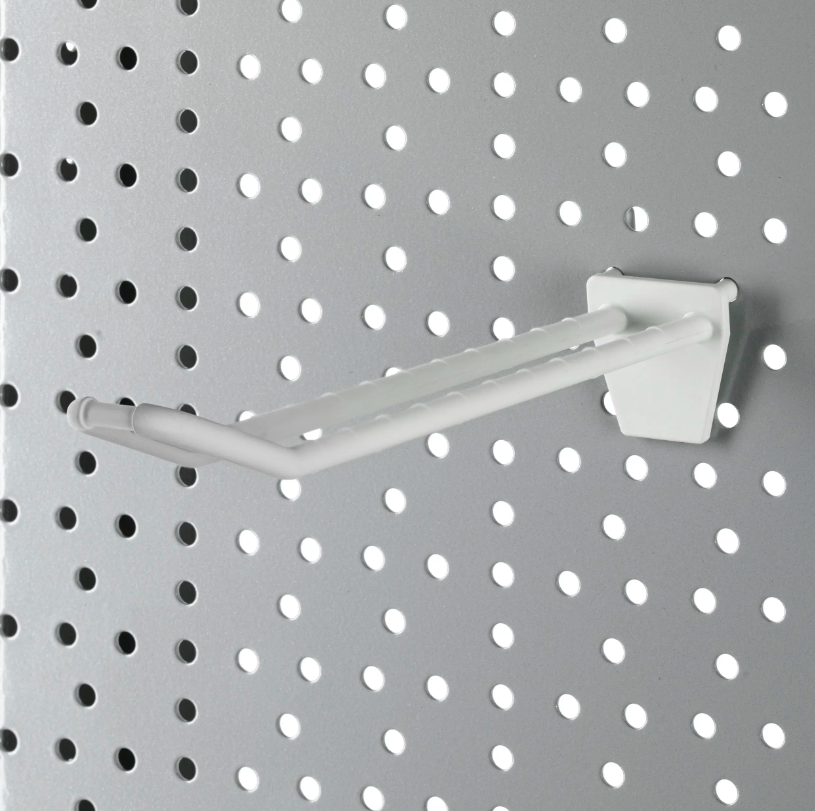
To create effective retail displays, you need clear objectives. Store owners want to showcase products, attract customer attention, and increase sales. IDMATE is a trustworthy POS display accessories company with over 15 years of experience. Their plastic display hooks help stores easily display merchandise. These hooks are suitable for pegboards, slotted boards, grid walls, and corrugated cardboard display racks.
Define Display Objectives
Displays are more than just placing merchandise. Stores want their brands to be memorable and easily recognizable. They also want to help customers notice the products and buy more. Clear objectives help stores plan their displays. Here are some common objectives:
- To make the store’s brand easily memorable for customers.
- To showcase new or popular items.
- To encourage impulse purchases.
- To introduce products or special offers to customers.
- To help customers buy more at once.
Visual merchandising uses these objectives to design displays. When stores focus on these objectives, they can check how well the displays are performing. For example, if a display is for a promotion, the store can track weekly sales.
Tip: Clear goals help stores avoid displays that are too big or old. This also saves money.
Identify Target Customers
Understanding your customer base helps optimize merchandise displays. Stores consider factors such as age, gender, and income:
- Age: Children, teenagers, and adults shop differently.
- Gender: Men and women may prefer different colors or layouts.
- Income: Some people seek discounts, while others prefer higher-end items.
- Education Level: Some customers want to learn more about products.
- Geographic Location: Local consumer trends influence the best merchandise display methods.
- Interests and Values: Interests and beliefs influence people’s purchasing behavior.
Stores also observe customer behavior in front of merchandise displays. They record the time customers spend in front of the displays, the time they leave, and the items they touch. This helps stores place merchandise in easily visible locations and optimize merchandise displays.
| Metric | What It Shows |
|---|---|
| Dwell Time | Which displays keep shoppers interested |
| Abandonment Rates | Where shoppers lose interest or get confused |
| Product Interactions | What items shoppers touch or pick up most |
Choose Display Types
Picking the right display depends on the product, sales goals, and store space. Stores use different fixtures for different needs:
| Type of Display Fixture | Description | Best For |
|---|---|---|
| Standalone POP | Stands in open spaces to get attention | Impulse buys, branding |
| Shelving | Regular shelves for neat product rows | Everyday items, saving space |
| Clothing Displays | Racks, tables, or mannequins for clothes | Fashion and accessories |
| End Cap Displays | Shelves at aisle ends for easy viewing | Promotions, new products |
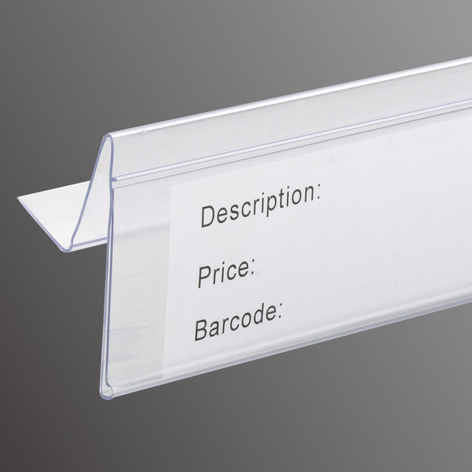
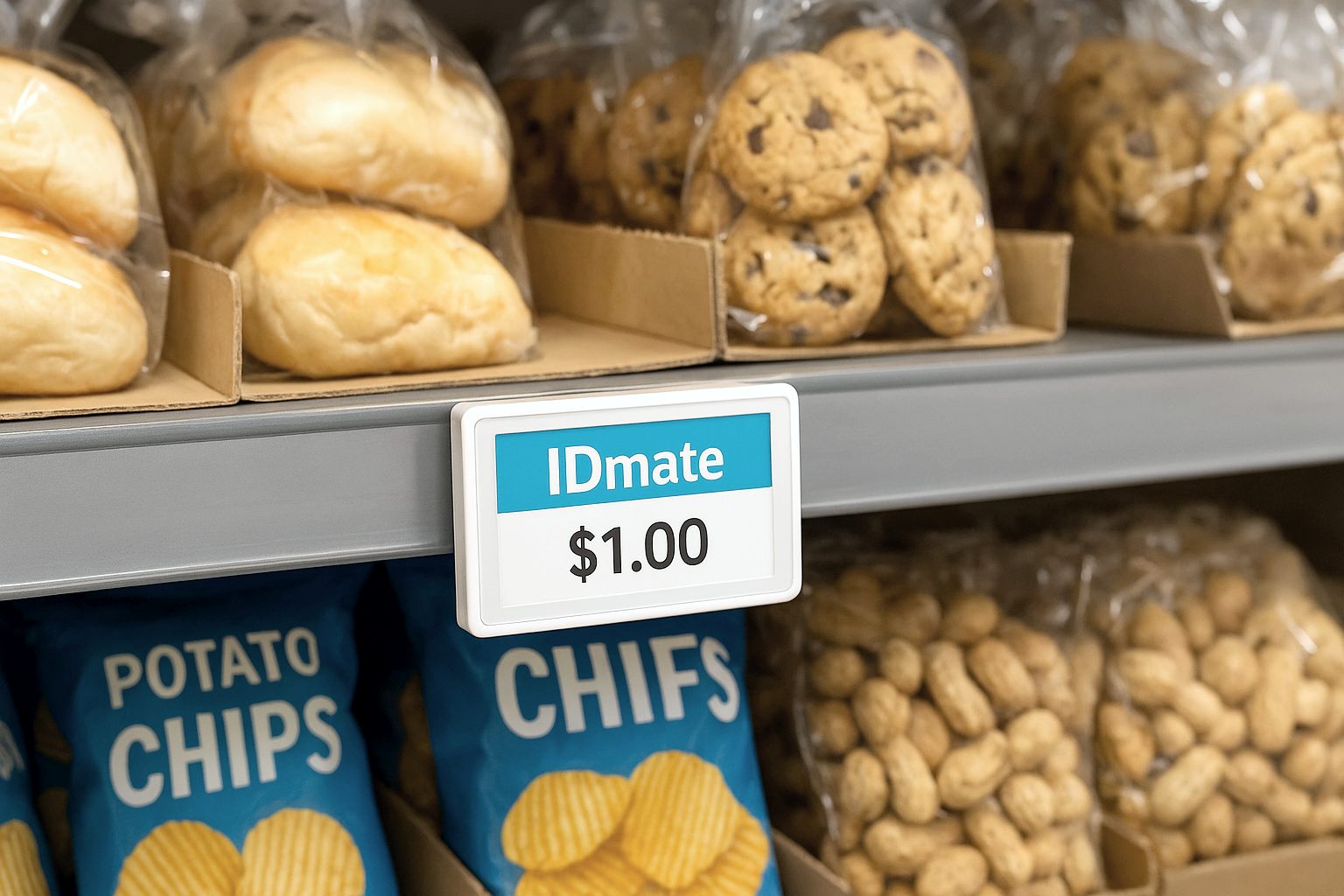
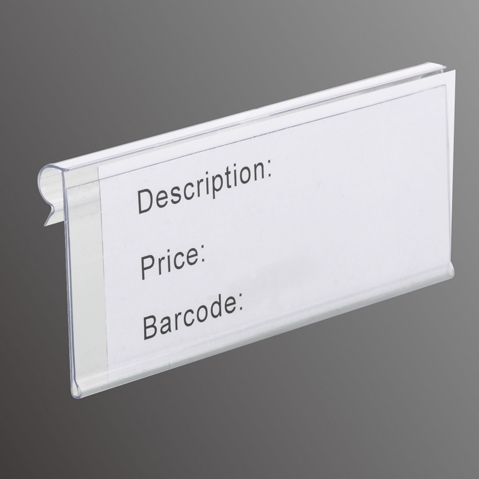
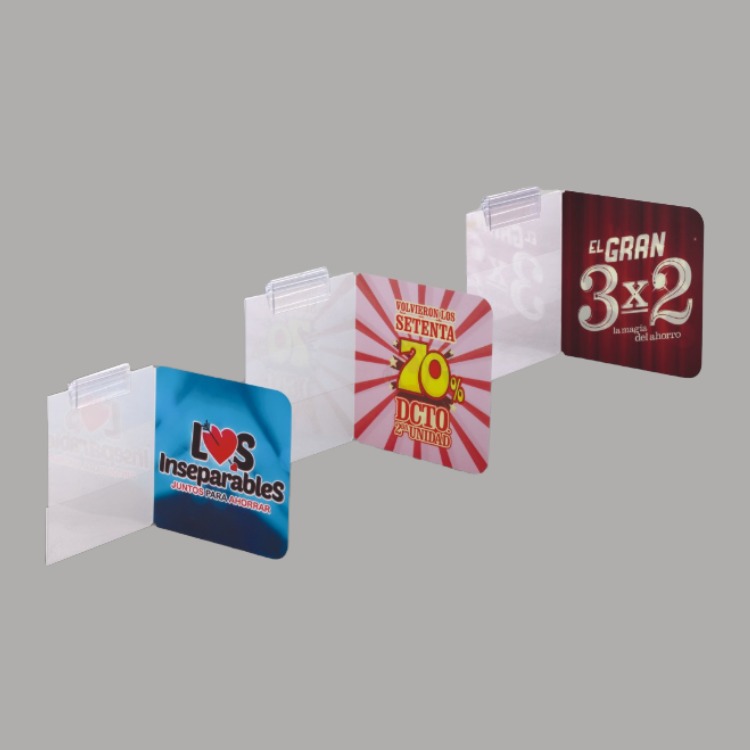
| Shelf Talkers | Signs on shelves for info or deals | Teaching shoppers, promotions |
| Clip Strips | Hanging strips for small items | Add-ons, cross-merchandising |
| Header Cards | Signs near prices for info or branding | Electronics, special items |
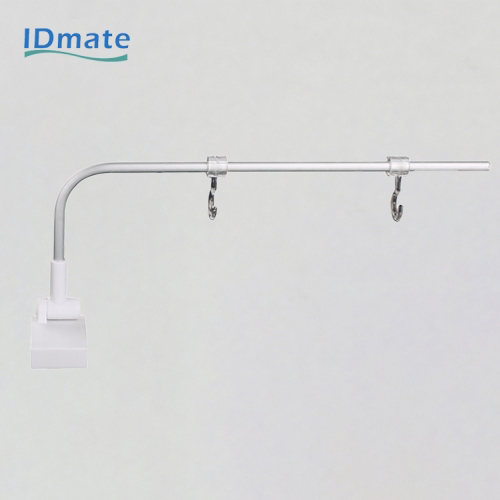
IDMATE plastic display hooks are suitable for a variety of display methods. Shops use them to hang ornaments, electronics, or holiday items. These hooks are lightweight, safe, and easy to use, making them ideal for busy stores. Shops can also order hooks in special shapes or colors.
Shops also utilize technology when planning their displays. Digital signage and interactive screens make displays more engaging and help customers find the items they need faster.
Note: Regularly changing display content keeps the store fresh and encourages repeat business.
Shops that have a clear objective, understand customer needs, and choose appropriate display racks (such as IDMATE plastic display hooks) tend to perform better. They make the shopping experience easier, neater, and more comfortable.
Plan and Arrange Retail Displays
Map Store Traffic Flow
A well-designed store layout helps customers browse more merchandise and extends their dwell time. Stores typically have clearly defined aisles from the entrance to the checkout, placing new and high-priced items near the entrance.
- Spacious aisles allow for easy customer movement.
- Use signage, lighting, and merchandise placement to guide customers.
- Avoid crowded or congested aisles.
- Grouping similar products together helps boost sales.
A clever layout attracts customers to browse more merchandise and encourages them to purchase items they weren’t initially planning to buy. Open spaces make customers feel welcome, increasing interaction rates by up to 30%. Stores that utilize merchandise display space effectively can increase customer touches by up to 20%.
| Evidence Type | Description |
|---|---|
| Product Visibility | Moving display stands to busy spots helps 20% more shoppers interact. |
| In-Store Decisions | 70% of buying choices happen near displays in the store. |
| Customer Engagement | Open layouts can make 30% more shoppers get involved. |
Select Display Locations
Choosing the best location for merchandise display is crucial. High-traffic areas and near checkout counters are ideal locations for promotions and attracting customers for impromptu purchases. Stores look for locations that are easy to see and access, while also considering whether the location aligns with their target customer group and brand image.
| Criteria | Details |
|---|---|
| Visibility | Easy-to-see spots can bring in 25% more shoppers. |
| Accessibility | Easy ways in and out stop shoppers from getting upset. |
| Demographics & Market Fit | Pick spots that fit shoppers’ age, money, and likes. |
| Competition | Stay away from crowded places with too many displays. |
| Economics | Think about local spending and store costs. |
| Legal & Operational | Follow rules for signs, lights, and safety. |
Displays in busy spots catch shoppers’ eyes and help sales. Over 70% of buying choices happen inside the store. So, where you put displays matters a lot. Endcap and checkout displays are great for deals and impulse buys.
| Display Type | Location | Purpose |
|---|---|---|
| Endcap Display | End of aisle | Good for deals and impulse buys |
| Checkout Display | Near payment | Gets shoppers to buy at the last minute |
Arrange Products and Focal Points
Stores use visual merchandising techniques to attract customers. They place best-selling products at eye level to boost sales. The rule of three refers to arranging items in groups of three for balance. Cross-display involves grouping related items together to encourage customers to buy more.
- Use visual focal points to highlight key products.
- Try color blocking, grouping items of the same color together.
- Bundle products to make it easier for customers to choose, thereby increasing sales.
- Keep displays neat and leave enough space for customers to browse.
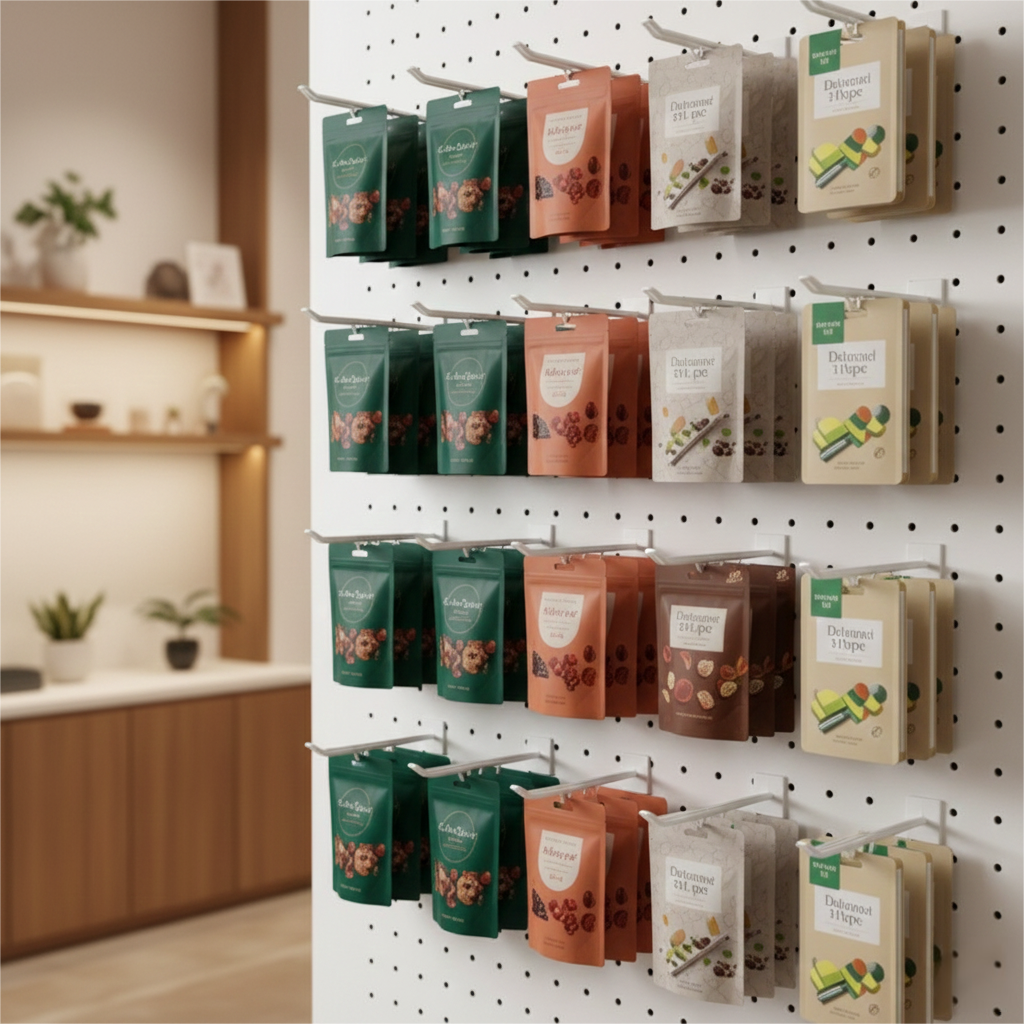
Props, interesting backgrounds, and storytelling displays help customers imagine scenarios in which they will use the products. For example, clothing on mannequins or themed arrangements can enhance the visual appeal of merchandise. Stores can use IDMATE plastic display hooks to hang accessories or electronics. These hooks are suitable for pegboards, slatted walls, and grid walls, making them suitable for various layouts. IDMATE offers wholesale and custom hooks to meet the branding needs of any store.
Stores should experiment with different display shelves and hooks to make the most of their space. They can observe how long customers linger, how long they leave, and the items they touch. This helps stores understand which strategies are most effective. Interactive displays like Ecobee demonstrate that leveraging data can help stores increase sales and retain customer interest.
Use Color, Lighting, and Signage
Color, lighting, and signage help attract customers. Warm-toned lighting creates a cozy and comfortable atmosphere, while bright and crisp lighting brings a vibrant feel. Stores typically follow a 60-30-10 color scheme: 60% primary color, 30% secondary color, and 10% accent color. Eye-catching or unique colors attract attention, especially during holidays or when new products are launched.
- Lighting highlights colors, textures, and product features.
- Accent lighting makes certain products stand out and appear exceptional.
- Signage introduces the brand, products, and promotional information to customers. Clear text and prominent placement ensure easy readability.
Studies show that changing lighting can increase sales by nearly 2%. Stores with soft lighting generate 19% more sales than those with harsh lighting. Holiday and seasonal displays should use colors and props that match the event theme. Keeping displays fresh and interesting encourages repeat visits.
Stores should change their displays frequently, especially at seasonal changes. This helps maintain the store’s freshness and appeal. Visual merchandising, creativity, and the right tools (such as IDMATE plastic display hooks) can help stores create displays that attract customers and boost sales.
Engage Customers and Maintain Displays
Refresh Displays Regularly
Retail displays need to be changed frequently to maintain customer interest and boost sales. Many stores update their displays every few weeks. They change displays more often when sales decline or when new products arrive. Stores also change holiday displays before peak holiday shopping seasons.
| Factor | Recommendation Frequency |
|---|---|
| General Display Age | Refresh displays at least every few weeks |
| Sales Performance | Refresh if sales drop significantly |
| Seasonal Promotions | Refresh displays frequently during holidays |
| Display Condition | Refresh if displays are damaged or worn |
| Brand Changes | Refresh to align with new branding |
| New Products | Refresh to accommodate new merchandise |
| Store Environment Refresh | Refresh displays during full-store updates |
“Your store should always look new and up-to-date. One of the best ways to do this is by changing displays with the seasons and special themes. Your window display is the first thing people see, so change it every few weeks. This can catch the eye of people walking by and make them want to come in.”
Monitor Performance and Adjust
Stores closely monitor key metrics to evaluate display effectiveness. They track how many customers stop, how long they stay, and when they leave. The visual merchandising team tracks the number of people entering the store and making purchases. They focus on sales per square foot and the average spending per customer. Based on sales data and customer feedback, stores adjust their displays and experiment with new ideas for better results. Allowing customers to touch and smell merchandise increases the shopping experience and helps them remember the store. Apparel displays and holiday retail displays are even more effective if they engage the customer’s senses. This makes the store feel more welcoming and comfortable.
Retail displays begin with meticulous planning. Merchants need to fully understand their customers and should frequently change layouts to keep things fresh. Clear signage helps customers quickly find the products they need. Seasonal and holiday displays can boost sales by up to 20%. IDMATE plastic display hooks keep merchandise neat and organized, and facilitate easy movement. Beautiful displays can make shopping a pleasure, something everyone can enjoy.
FAQ
How often should stores update retail displays?
Most stores change displays every 2 to 4 weeks. Stores may update faster for new products or seasons. New displays help keep shoppers interested and can raise sales.
What makes IDMATE Plastic Display Hooks a good choice?
IDMATE Plastic Display Hooks are safe, light, and strong. They work with pegboards, slatwalls, and gridwalls. Stores can pick from many shapes, sizes, and colors.
Where should stores place impulse-buy displays?
Stores put impulse-buy displays near checkouts or aisle ends. These places can help shoppers buy more at the last minute, up to 20% more.