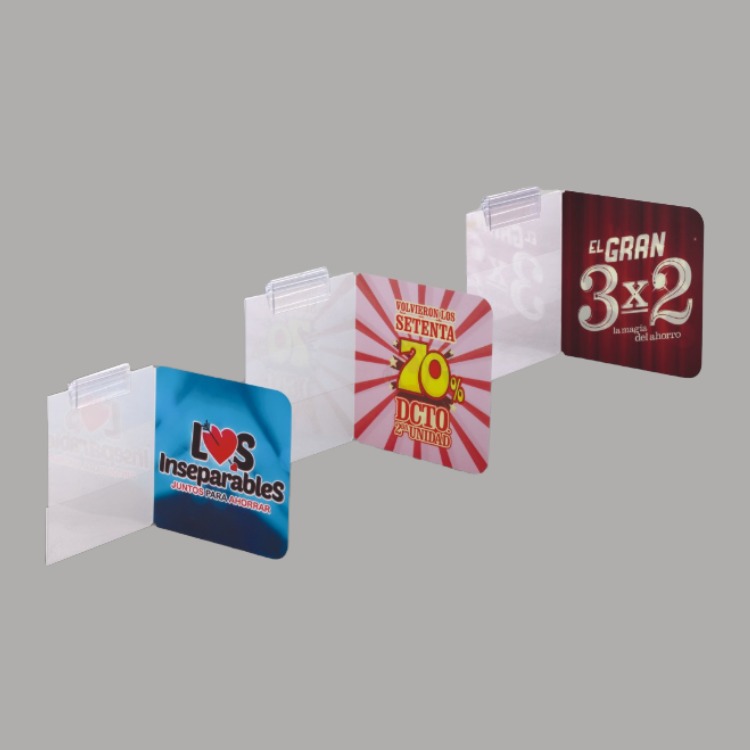
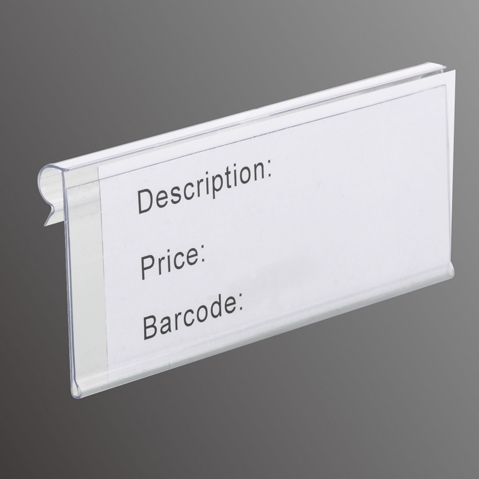
Shelf tags pack a wealth of information into a compact space. Shoppers who know how to read them can find what they need in seconds. Understanding shelf tags helps you compare prices, spot promotions, and make smarter purchasing decisions — without relying on store staff or guesswork.
Key Takeaways
- Retail price and unit price are the two most important numbers on a shelf tag (FTC unit pricing guidelines).
- PLU codes on produce tags reveal growing method: 4-digit = conventional, 5-digit starting with 9 = organic, starting with 8 = GMO (IFPS PLU code documentation).
- Color-coded tags signal promotions, clearance, new arrivals, or seasonal items — but conventions vary by retailer.
- Price endings like .97 or .00 can indicate clearance stages at certain retailers, though these are not official public policies.
Main Parts of a Shelf Tag
Retail Price and Unit Price
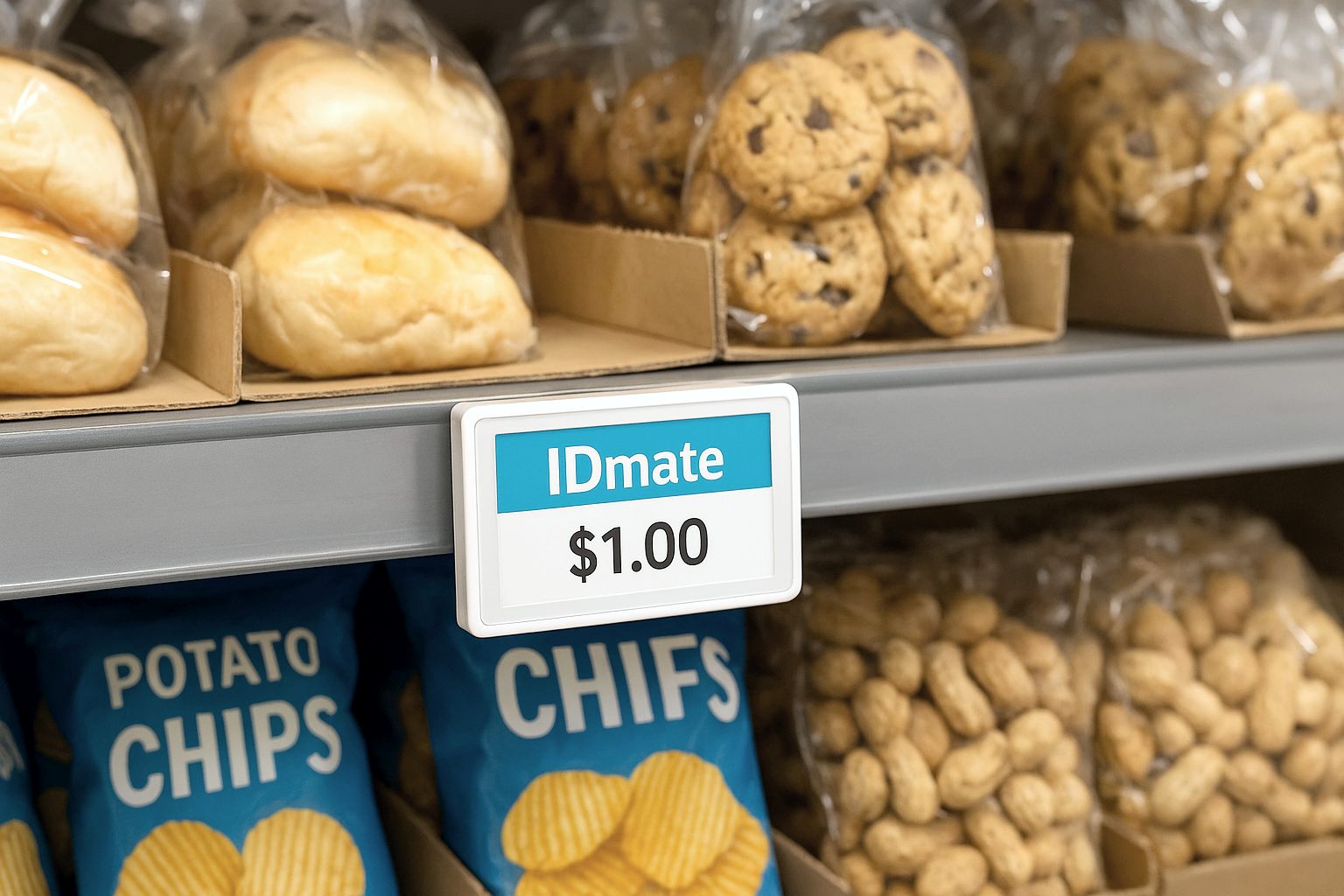
The retail price indicates the total amount you pay at checkout and appears in the largest font on the tag. The unit price is displayed nearby in a smaller font. By converting cost into a standard unit of measurement — price per ounce, pound, or individual item — the unit price lets you compare value across different brands and package sizes.
Unit pricing is required by law in many U.S. states and is regulated under NIST Handbook 130. The unit price is typically in the bottom corner of the tag. For example, a 16-ounce box of cereal at $4.99 costs $0.31 per ounce; a 24-ounce box at $6.99 costs $0.29 per ounce — the larger box is the better value.
Product Name and Size
The product name is printed in large, bold type at the top of the label. Below the name, an identification number in a smaller font assigns a unique identity to each product. Store staff use this number to track inventory and restock shelves. Immediately following the product name is specification or weight information — “16 ounces” or “pack of 12” — giving a clear understanding of quantity. This detail is crucial for price comparisons; two products that appear identical may differ significantly in volume.
Barcodes, SKUs and PLU Codes
Barcodes and SKUs allow stores to track inventory and process transactions. SKUs are internal retailer codes that vary by store; UPCs are universal product codes assigned by GS1. For shoppers, PLU codes are more relevant. These four- or five-digit numbers on produce tags tell you how fruits and vegetables were grown:
| PLU Code Range | Meaning |
|---|---|
| 3000–4999 (4-digit) | Conventionally grown |
| 90000–99999 (5-digit starting with 9) | Organic |
| 80000–89999 (5-digit starting with 8) | Genetically modified (GMO) |
PLU codes apply to bulk produce; pre-packaged items typically use UPC barcodes instead.
Special Icons and Promotional Markers
Shelf tags often feature certification logos:
| Certification | Issuing Body | Requirement |
|---|---|---|
| USDA Organic | USDA National Organic Program | ≥95% organic ingredients |
| Certified Gluten-Free | GFCO and others | <20 ppm gluten |
| Non-GMO Project Verified | Non-GMO Project | Third-party tested |
| Certified Vegan | Vegan Action | No animal-derived ingredients |
These markers help consumers with specific dietary needs make quick decisions. Note that USDA Organic does not mean “pesticide-free” — it means only approved natural pesticides are used.
How to Decode Shelf Tag Symbols and Abbreviations
Common Symbols and Their Meanings
Grocery store shelf tags often feature colorful flags, dots, or star patterns. Red tags typically indicate an item is on sale or part of a promotion; blue tags often mark newly stocked products. These visual markers let you spot deals without reading every word. However, color meanings vary by retailer — always check store-specific conventions.
Date Codes and Price Endings
At many stores, the last digits of a price hold hidden meaning. These are not official public policies but are based on consumer observation and employee reports:
| Retailer | Price Ending | Meaning |
|---|---|---|
| Costco | .97 | Clearance (initial stage, 10–25% off) |
| Costco | .99 | Standard retail price |
| Costco | .00 or .88 | Final clearance markdown |
| Home Depot | .06 | Clearance phase (approximately 6 weeks remaining) |
| Home Depot | .03 | Removal from shelves in about 3 weeks |
| Office Depot | 1–4 | Clearance markdown stages |
These rules may vary by region and time. Always verify with in-store signage.
Sale, Clearance and Multibuy Cues
Red shelf signs highlight products on sale for a limited time. Blue signs identify locked-in prices — everyday prices you can count on. Green signs indicate last-call or discontinued items. Multibuy cues like “2 for $5” or “Buy 1 Get 1” appear in promotional language on the tag itself. Always calculate the unit price on multibuy offers to confirm they are truly a better value.
Shelf Tag Colors and What They Mean
White Tags — Regular Pricing
White shelf labels indicate the standard price — the regular selling price before discounts. Most items in grocery stores bear these white labels. ShopRite uses white for core items that are always carried. However, white does not always mean lowest price — compare unit prices across brands.
Yellow and Red Tags — Promotions and Clearance
Yellow and red labels are particularly eye-catching. White text on a red background often indicates promotional items or clearance stock. Yellow labels frequently highlight marketing campaigns or limited-time deals. At Aldi, red writing on a yellow tag indicates a Red Hot Special or clearance item. At Target, red tags indicate limited-time promotions. At Walmart, red tags may indicate clearance or rollback pricing.
Green and Blue Tags — New or Seasonal Items
Green labels typically designate new arrivals or price drops. Blue labels are used for seasonal products. At Aldi, blue tags mean an item is seasonal and will remain for a few months. At Best Buy, blue tags indicate new product arrivals. As color-coding systems vary among retailers, familiarize yourself with each store’s conventions.
How Shelf Tag Holders Improve Readability
Data Strips and Snap-In Holders
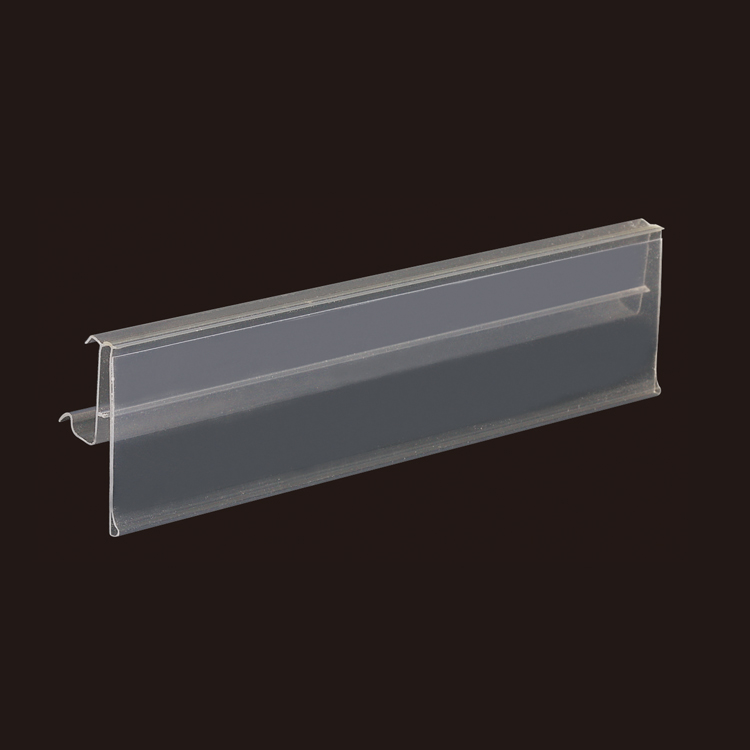
Data strips are mounted along the edge of shelving units and can accommodate multiple labels simultaneously. Self-adhesive data strips feature a peel-and-stick design requiring no shelf modification. Their strong adhesive ensures long-term durability. Standard data strip widths are 1.25 inches or 1.5 inches, with lengths of 3 or 4 feet. Clip-on data strips attach directly to compatible shelf edges without adhesive and are easily removed — ideal for shelving systems requiring frequent layout adjustments. PVC holders resist breakage and moisture; metal holders offer superior durability for high-traffic areas.
Clip-On and Adhesive Holders
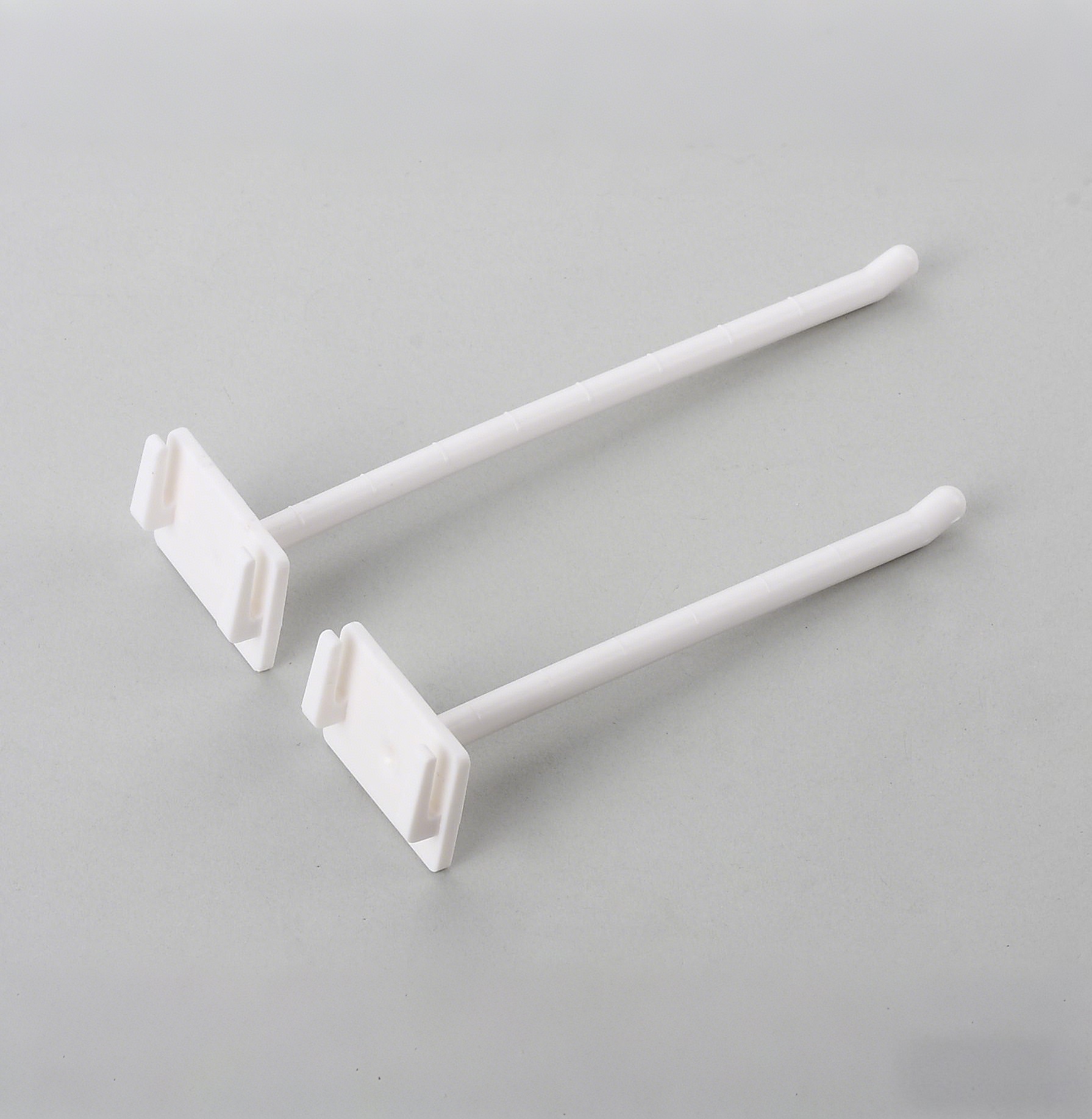
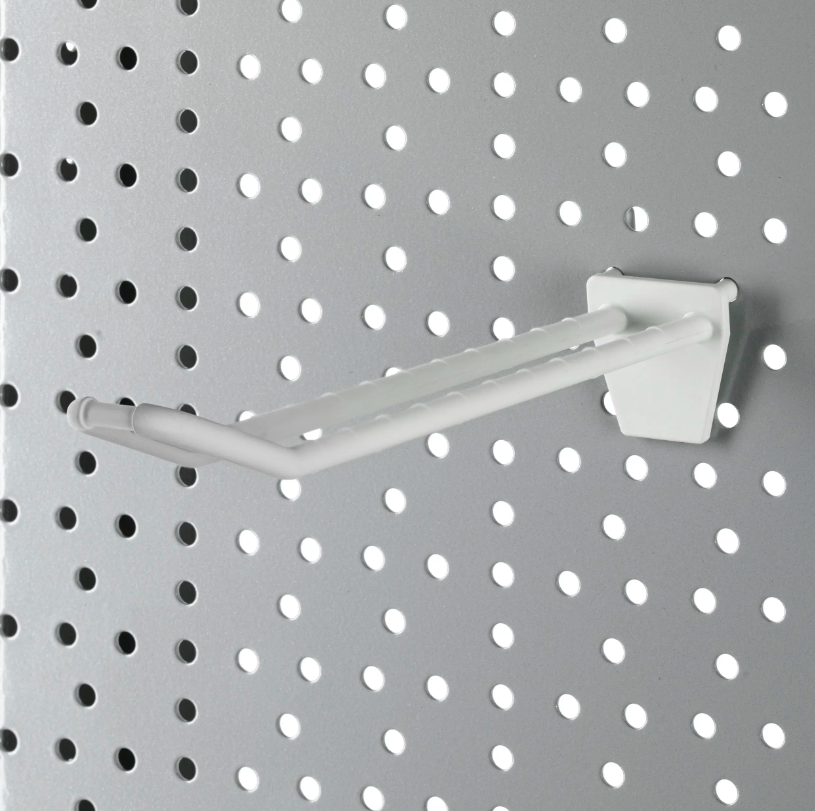
Clip-on label holders attach securely to wire shelving, tubular racks, or warehouse cages. This style is popular for wooden or glass shelving, preventing surface damage. Plastic hooks serve a similar function for pegboard and wire displays, holding tags in place without adhesive. Magnetic label holders suit metal shelving and pallet rack beams, allowing easy repositioning.
Magnetic and Wire Shelf Holders
For shelving requiring frequent relocation, sign holders secured with hook-and-loop fasteners provide added stability. Retailers can source holders made from PVC, PET, and acrylic, customizing sizes and colors to match display fixtures. For temporary or seasonal displays, cardboard display parts offer a cost-effective alternative that still keeps tags straight and readable.
FAQs About Reading Shelf Tags
What is the most important information on a shelf tag?
Retail price and unit price. The retail price shows total cost; the unit price enables fair comparison across brands and sizes. Per FTC unit pricing guidelines, unit price is the most reliable metric for value comparison.
What does the unit price tell you?
The cost per standard unit — per ounce, pound, or item. NIST Handbook 130 provides the regulatory framework for unit pricing in the U.S. Always compare unit prices rather than total prices.
Why do shelf tag colors vary by store?
Color conventions are set by individual retailers based on brand strategy, target customers, and inventory management needs. There is no universal standard. Familiarize yourself with your regular stores.
How can I read shelf tags faster while shopping?
Focus on unit price first for value comparison, then check for color-coded promotional markers. Learn your store’s specific price-ending codes. Use a calculator or store-provided price comparison tools when needed.