
People often struggle with how to securely fasten hooks to pegboards. Many complain that hooks shift, fall off, or droop, especially when retrieving tools. Some try to fix it themselves, while others seek out ready-made solutions. IDMATE plastic display hooks help ensure hooks are secure. The following tips will ensure hooks stay in place, regardless of the tools used.
Key Takeaways
- Choose a hook size that matches the pegboard hole size. A tight fit prevents hooks from falling off.
- Consider using IDMATE plastic display hooks; they are reliable, durable, rust-resistant, and work effectively even in wet environments.
- If you want to fix it yourself, try using cable ties or hot glue to secure loose hooks. These methods are quick and effective.
Why Pegboard Hooks Fall Out
Common Causes
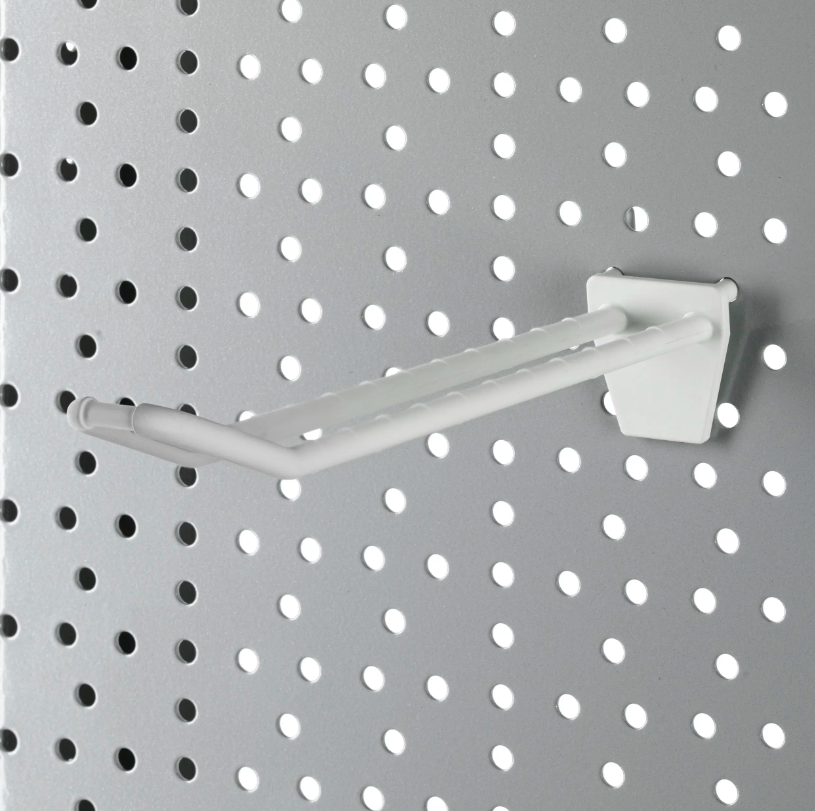
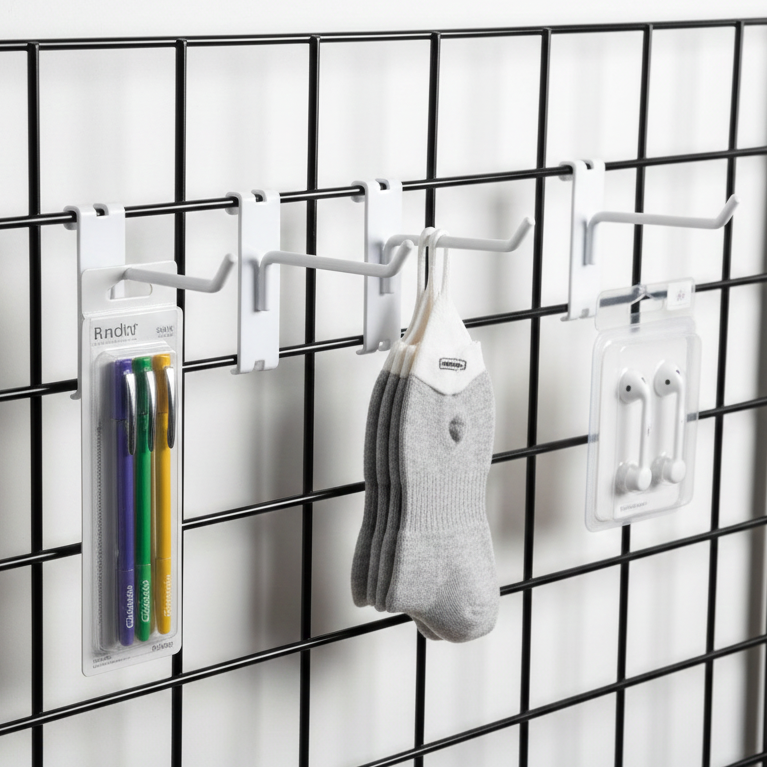
Many people notice that pegboard hooks are not always securely in place. This problem often occurs when the hook does not match the hole size. Sometimes, the weight or shape of the tool can cause the hook to fall off or twist. For example, single-prong hooks are more prone to falling off, especially when hanging heavy tools. Double-pronged designs, such as those on some tool racks, lock into two holes simultaneously. This design helps maintain hook stability, preventing them from rotating or slipping.
Another reason hooks can loosen is the size and spacing of the holes in the pegboard. Pegboard holes are typically 1/8 inch or 1/4 inch wide. Larger holes, such as 1/4 inch holes, are better suited for heavy tools because they can accommodate thicker hooks. Thicker hooks can withstand greater weight and are less likely to bend or slip off. If the hook size doesn’t match, it may not hold securely in the holes.
Tip: Always match the hook size to the pegboard hole size for the best results.
Pegboard Types
Different types of pegboards can also affect hook retention. Here are the main types:
- Metal Pegboards: These pegboards offer strong hook retention. Many metal pegboards use locking systems to prevent hook movement.
- Wooden Pegboards: These pegboards may have weaker retention. Over time, hooks may become more prone to slipping off.
- Plastic Pegboards: These are less common, and their hooks may not hold as firmly as those on metal or wooden pegboards.
The material and design of the pegboard play a crucial role in the effectiveness of hook securing. Choosing the right type of pegboard helps prevent hooks from falling off and keeps tools organized.
Simple Fixes to Make Pegs Stay
Using IDMATE Plastic Display Hooks
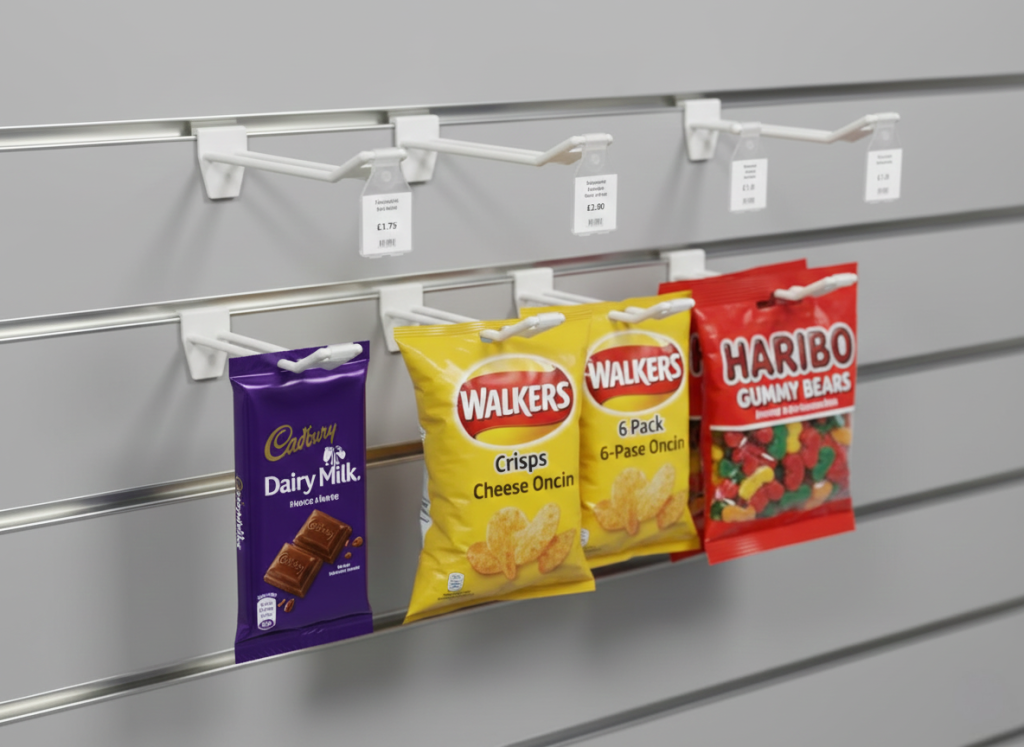
Many people want a simple and effective way to keep their pegboards neat and organized while ensuring safety. IDMATE plastic display hooks offer a reliable, rust-resistant, and safe solution for anyone who needs to secure pegboard hooks. These hooks work well even in humid environments because they won’t rust or corrode. Their smooth edges and lightweight design make them easy to handle and help prevent injury. IDMATE hooks are available in various lengths and colors, allowing users to match them to their style or needs.
Here are the steps to install IDMATE hooks or other locking hooks:
- Select the hook size that fits the hole diameter of the pegboard. Ensure the hook fits snugly.
- Insert the hook’s forked prongs into the hole in the pegboard.
- Press the hook firmly until you hear a click or feel it secure. Some hooks have locking clips or clamps—locking them in place increases stability.
- Gently pull the hook to test it. If the hook is loose, try a different hole or adjust the hook’s position.
- Hang tools or items, ensuring the weight is evenly distributed.
Other commercially available hooks, such as the Triton DuraHook and MADD Tools hooks, also offer additional stability. The Triton DuraHook features a double-locking mechanism and is suitable for pegboards 1/8 inch and 1/4 inch thick. The MADD Tools hook is thicker than a standard hook, making it more secure.
Note: IDMATE offers customer support with quick responses and a team that understands display needs. They also provide custom solutions for unique setups.
| Product Name | Features | Price Range |
|---|---|---|
| IDMATE Plastic Display Hooks | Rust-free, safe, lightweight, customizable, locking options | Varies |
| Triton DuraHook | Dual attachment, fits 1/8″ & 1/4″ pegboard, various sizes | $32-36 |
| MADD Tools | Thicker hooks for enhanced security | N/A |
Secure Loose Pegboard Hooks with DIY Methods
Some people like to fix loose pegboard hooks themselves. These methods use common items and can help when readily available household accessories are unavailable.
- Paperclips or Wire: Wrap a paperclip or wire around the hook and thread it through the hole in the pegboard. This increases stability but may make it difficult to move the hook.
- Hot Glue: Apply a small amount of hot glue to the end of the hook before inserting it. Hot glue can hold the hook in place but can be removed if necessary.
- Screws: Use screws to secure the hook to the pegboard. Make sure the screws are long enough to pass through the pegboard and screw into a wall post or expansion bolt.
- Cable Ties: Thread cable ties through the hole in the pegboard and pull tight. This method is suitable for temporary installations.
- Rubber Bands: Wrap a rubber band around the hook and pegboard to increase friction and keep the hook stable.
- Plastic Clips: Clip-on plastic clips can secure hooks. These work best when there is enough space between the hooks.
Tip: Plastic locking pieces are easy to install and keep hooks in place, but they need more space between hooks. Threading wire is secure but takes more time and makes moving hooks harder.
| Material | Strengths | Weaknesses |
|---|---|---|
| Hardboard Pegboard | Economical, lightweight, easy to cut, customizable | Not ideal for heavy items, can warp in humidity, holes may enlarge over time |
| Metal Pegboard | Durable, moisture-resistant, won’t deteriorate, available in various colors | Heavier and potentially more expensive than hardboard |
| Plastic Pegboard | Moisture-resistant, lightweight, available in various colors | Less durable than metal, may not support very heavy items |
Pros and Cons
People often wonder if they should buy commercial locking pegboard hooks or try a diy fix. Here’s a quick look at the pros and cons of each method:
| System Type | Cost Level | Durability | Flexibility | Ease of Use |
|---|---|---|---|---|
| Pegboard (DIY) | Most economical | May not last as long | High | Moderate |
| Slatwall | Middle-to-high investment | High | Moderate | Easy |
| French Cleat | Varies widely | High | High | Moderate |
| Store-bought Locking Hooks | Moderate | High | High | Easy |
- Pegboard is budget-friendly but may not last as long as slatwall or French cleats.
- Cheaper pegboard options can wear out in humid spaces, leading to replacement costs.
- Investing in higher-quality materials like metal or robust plastic can improve stability and longevity.
Tip: Plastic pegboards are lightweight, moisture-resistant, and do not rust or warp. This makes them a smart choice for damp environments.
Tips for Securing Heavy or Odd-Shaped Tools
Heavy or irregularly shaped tools require extra stability. Here are some tips to ensure each hook is securely fastened:
- Before installing the pegboard, locate a wall post and mark the layout. If there is no wall post, use expansion bolts.
- Do not space the fasteners more than 16 inches (approximately 40 cm) apart to prevent sagging.
- Install blocks on the back of the pegboard to ensure airflow and ensure the hooks are securely installed.
- Distribute heavy tools evenly across the pegboard to avoid uneven stress on any one area.
- For tools weighing over 10 pounds (approximately 4.5 kg), use two hooks to distribute the pressure across each hook.
- For larger items, choose double-pronged hooks; for irregularly shaped tools, choose cradle hooks.
- Add straps for extra support and to prevent the tools from wobbling.
Always use a level during installation. Spacers help the hooks install better and prevent problems later.
A small improvement can make a big difference. Anyone can secure pegboard hooks and keep their workspace safe and tidy, provided they have the right hooks, a good DIY method, or a good locking device.
Picking the correct pegboard hooks really helps. IDMATE Plastic Display Hooks keep tools safe and do not rust. DIY fixes are good for fast solutions. Check hooks often to see if any are loose. Change old clips to keep things safe. When hooks are secure, your workspace stays neat and safe every day.
FAQ
How to prevent pegboard hooks from falling off?
You can use locking hooks, such as IDMATE plastic display hooks, or try DIY securing methods, such as using cable ties or hot glue. These methods help secure the hooks.
Can plastic hooks hold heavy tools as securely as metal hooks?
Plastic hooks like IDMATE can support a lot of tools. For very heavy items, users should check the hook’s weight limit and use double hooks for added strength.
How to organize irregularly shaped tools on a pegboard?
Tip: For irregularly shaped tools, use double-pronged hooks or cradle hooks. Using straps or cable ties can add extra support and prevent the tools from wobbling.