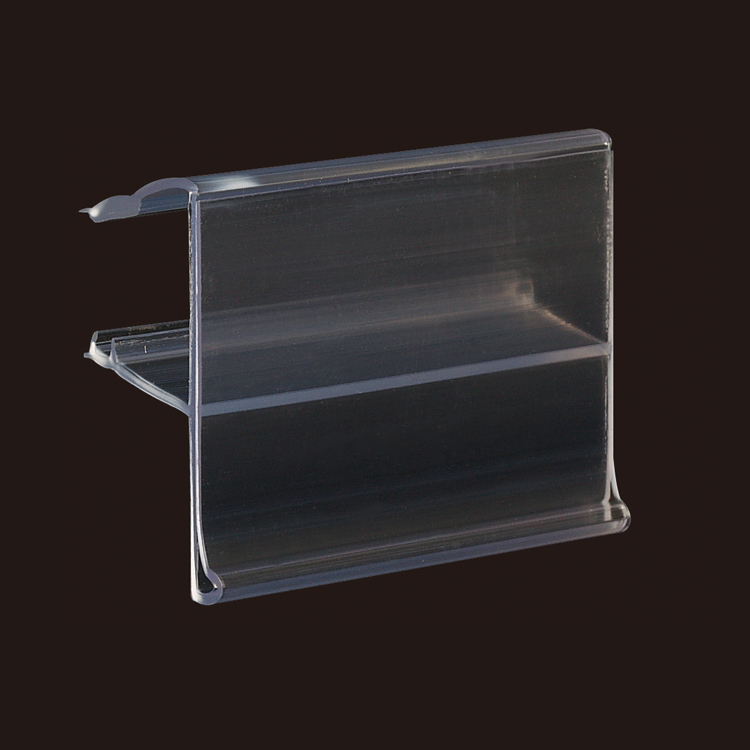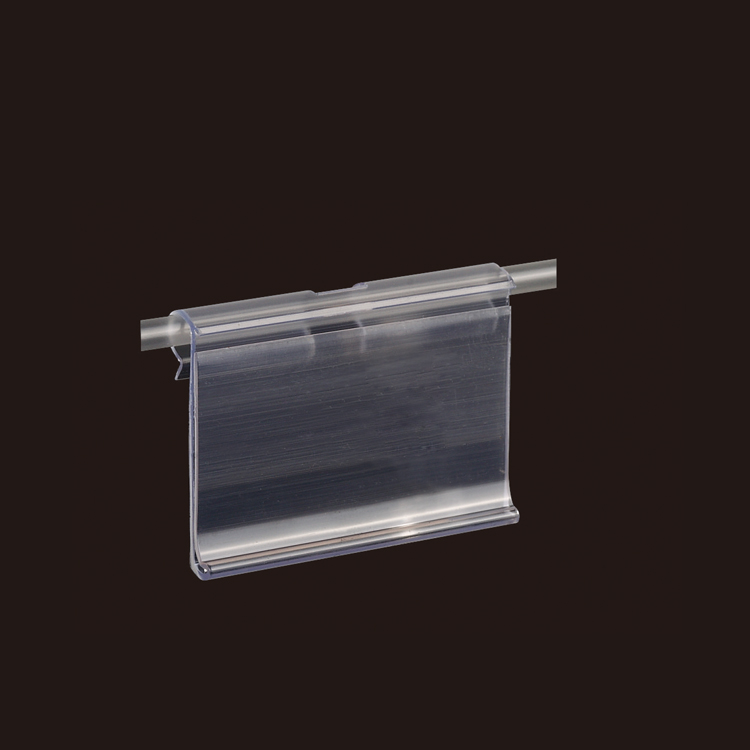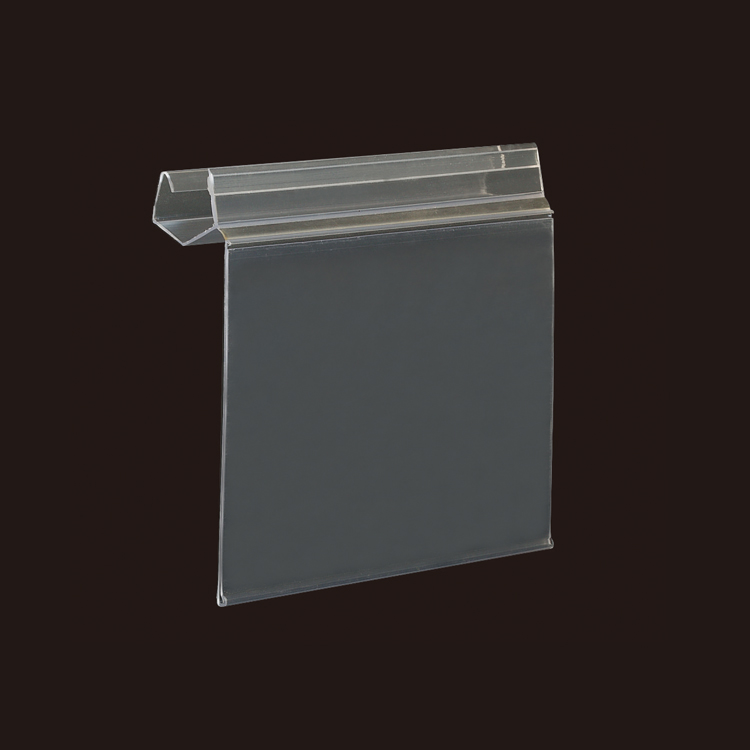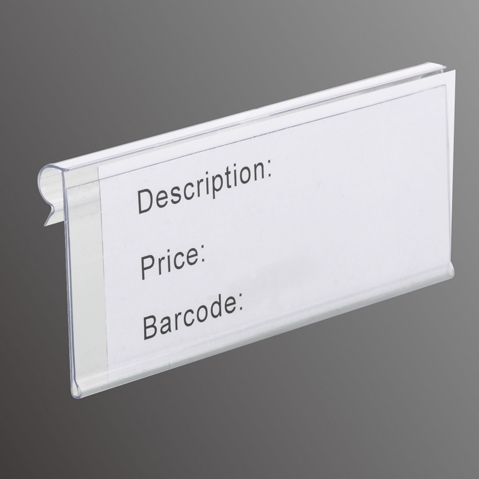

Hanging heavy objects on a pegboard requires strong support. Sturdy hooks, expansion bolts, and careful installation help ensure safety. The material of the pegboard and robust mounting beams enhance its durability. Wall anchors further secure the installation. IDmate pegboard plastic hooks offer a variety of solutions for safely organizing and storing items.
Key Takeaways
- Pick the correct pegboard material. Metal pegboards work best for heavy things. Wood and plastic pegboards are good for lighter things.
- Use strong hooks and brackets made for pegboards. Make sure they can hold the weight of your items. This helps stop bending or breaking.
- Use the right way to install the pegboard. Attach the pegboard to wall studs. Use anchors for extra support. This helps spread out the weight.
Choosing Pegboard for Heavy Items
Pegboard Material Strength
The material of the pegboard is very important. Metal pegboards are the strongest. They are suitable for hanging heavy tools and equipment. Metal pegboards are waterproof and durable. Wooden pegboards are aesthetically pleasing and easy to install, but can only support light to medium-sized items. Plastic pegboards are lightweight and come in a variety of colors, making them ideal for light items. Some plastic pegboards, such as those made of epoxy resin, are more robust, can support more weight, and are less prone to damage.
Tip: Always pick a pegboard that matches the weight of your items.
| Material | Load Capacity | Best Use |
|---|---|---|
| Metal | Very strong | Heavy tools, garages |
| Wood | Moderate | Light/medium tools, decor |
| Plastic | Weak-Strong* | Light items, some labs |
| Acrylic | Limited | Display, light items |
*Some plastic pegboards, with special plastic pegs, can hold more weight.
Weight Capacity & Ratings
Each pegboard has a load capacity limit. Metal pegboards have the highest load capacity. They are ideal for hanging large, heavy items. Wooden pegboards are aesthetically pleasing and durable enough for a wide range of uses. Most plastic pegboards are better suited for hanging lighter items. Some industrial plastic hooks can each support up to 25 pounds (approximately 11 kg). Always check the weight limit before hanging items.
Pegboard Wall Setup
A sturdy wall mounting ensures the safety of your pegboard. Use mounting beams, such as 1×2-inch wooden strips or plywood strips, and secure them to the wall posts. This helps distribute the weight and provides more support. Make sure the beams are centered on each wall post to prevent the pegboard from falling. IDmate pegboard plastic hooks are easy to use and require no tools. Their loop design helps keep items stable. They are ideal for storing light to medium-sized items.
Selecting and Installing Heavy-Duty Accessories for Secure Pegboard Mounting
Hang Heavy Items with Hooks & Brackets
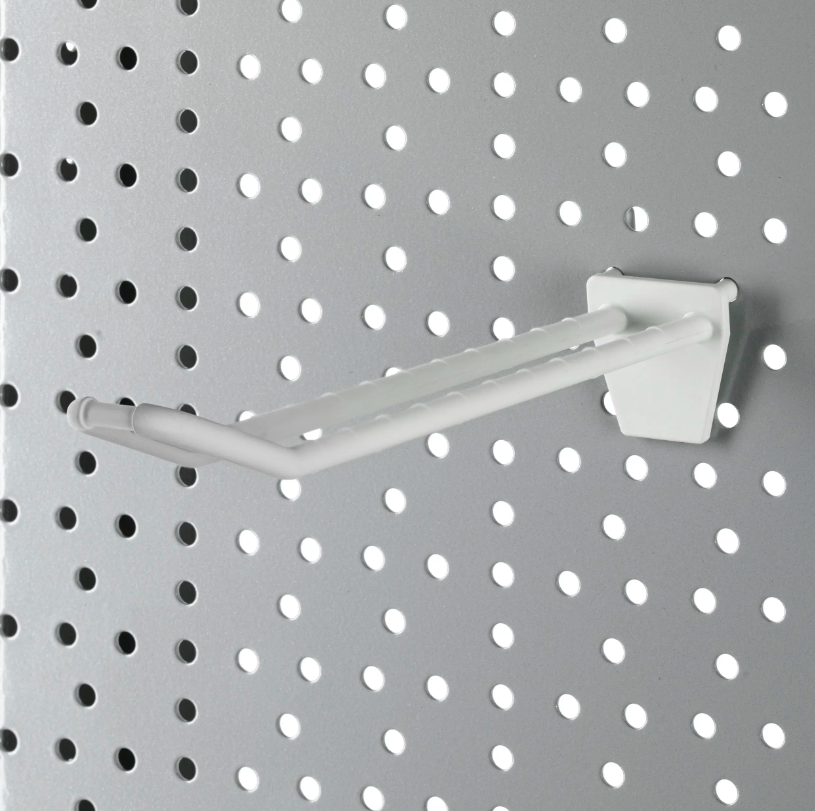
When you want to hang heavy items on your pegboard, you need to choose the right hooks and brackets. Metal hooks, such as those made of stainless steel or galvanized steel, are best suited for hanging tools weighing more than 20 pounds (approximately 9 kg). Some heavy-duty hooks can support up to 68 lbs (approximately 31 kg), but most hooks have a load capacity between 15 and 20 lbs (approximately 7 to 9 kg). Using the right hooks helps prevent pegboards from bending or cracking. For lighter tools or retail displays, IDmate pegboard plastic hooks offer a safe and easy-to-install option. Their loop design prevents items from slipping, making them ideal for workshops and shops.
| Hook Type | Maximum Load Capacity | Notes |
|---|---|---|
| Type #7 | 68 lbs | Strongest tested; panel may bow under heavy load |
| General | >40 lbs | Few hooks designed for heavy loads; most support 15-20 lbs |
People should always check the weight rating before they hang heavy items. Using several hooks to share the load works better than relying on just one. This approach keeps the pegboard wall stable and safe.
How to Hang Pegboard Securely
Proper installation of the pegboard is crucial. The first step is locating the wall posts. Wall posts are the strongest support for the pegboard wall. If the wall posts are not in a suitable location, use heavy-duty drywall anchors with a load capacity of at least 75 pounds (approximately 34 kg). It is recommended to use at least four mounting points—two to the wall posts and two to the anchors. This distributes the weight and prevents the pegboard from sagging.
Here is a simple step-by-step guide:
- Use a wall post detector to locate the wall posts.
- Mark the locations of the mounting points.
- Install wooden strips or washers on the wall. These strips or washers will create a gap behind the pegboard so that the hooks can be securely installed.
- Secure the wooden strips or washers with screws or adhesive.
- Install the pegboard onto the wooden strips or washers, ensuring it is flat and level.
- Double-check that all fasteners are tightened.
Tip: Always keep the pegboard slightly away from the wall. This gap lets hooks and accessories fit properly and keeps the board stable when loaded.
Skipping steps like leveling or using the wrong anchors can cause problems. If the pegboard tilts or the anchors are too shallow, the board may fail under load. People should avoid spacing fasteners too far apart, as this can lead to flexing or sagging.
Using Anchors & Molly Bolts
Anchors and molly bolts play a big role in how to hang pegboard for heavy items. Toggle bolts and molly bolts work well for loads over 25 pounds. Toggle bolts can hold up to 100 pounds when installed correctly. When studs are not available, these anchors provide strong support. People should use a mix of stud screws and drywall anchors for the best results, especially in tricky wall layouts.
Note: Always match the anchor type to the wall material. Drywall, brick, and concrete each need different anchors for safety.
Using multiple attachment points helps distribute the weight. This method keeps the pegboard wall from bowing or pulling away from the wall. For extra stability, some people use zip ties at key points, like where panels meet supports or under heavy-duty hooks. Properly tensioned zip ties can boost the board’s resistance to heavy loads.
Pegboard Storage Organization
Good organization helps maintain the safety and lifespan of your pegboard wall. Grouping tools of similar size together makes it easy to quickly find what you need. Placing heavier items at the bottom of the pegboard wall increases stability and reduces the risk of the pegboard tipping over or hooks falling off. Distributing weight across multiple hooks and anchor points also helps prevent the pegboard from warping.
Plastic hooks can be used to hang lighter items or accessories. IDmate pegboard plastic hooks are perfect for this purpose. Their smooth surface protects the pegboard and keeps the display neat. In retail and DIY settings, these hooks allow for easy rearrangement of items without tools.
Organization Tip: Use cable ties to secure the pegboard in key locations. This simple trick can increase the strength of your pegboard by up to 40%.
In dry climates, adding silicone strips to the cable ties helps control humidity and prevent static electricity. In humid areas, drilling a few small holes and placing a breathable fabric behind the pegboard allows moisture to escape, protecting stored items.
A neatly organized pegboard wall is not only aesthetically pleasing but also provides safe storage for tools and supplies. Whether in a DIY studio or a busy retail store, following these steps will allow you to safely hang heavy objects.
Attaching and Testing Heavy Items on Pegboard
Correct Placement of Hooks
He wanted to ensure the hooks and brackets were installed correctly. A spacing of no more than 16 inches between fasteners helps keep the pegboard secure. Each fastener should go through the pegboard, not just be attached to the edge. She used heavy-duty hooks and brackets specifically designed for pegboard systems. Double hooks securely hold heavy tools and equipment. She distributed items to avoid putting too much pressure on any single area.
Testing the Pegboard Wall’s Load Capacity
They tested the pegboard’s load capacity before it could be loaded. He first measured and planned to ensure all components were aligned with the wall posts. She used fasteners spaced no more than 16 inches apart to prevent the pegboard from sagging. They distributed the weight across multiple hooks, especially for items weighing over 10 pounds. She avoided concentrating heavy tools in one area, instead distributing them vertically and horizontally. He left a gap between the pegboard and the wall so the hooks could be securely held and the weight evenly distributed. The following chart shows the load capacity of different installation methods:
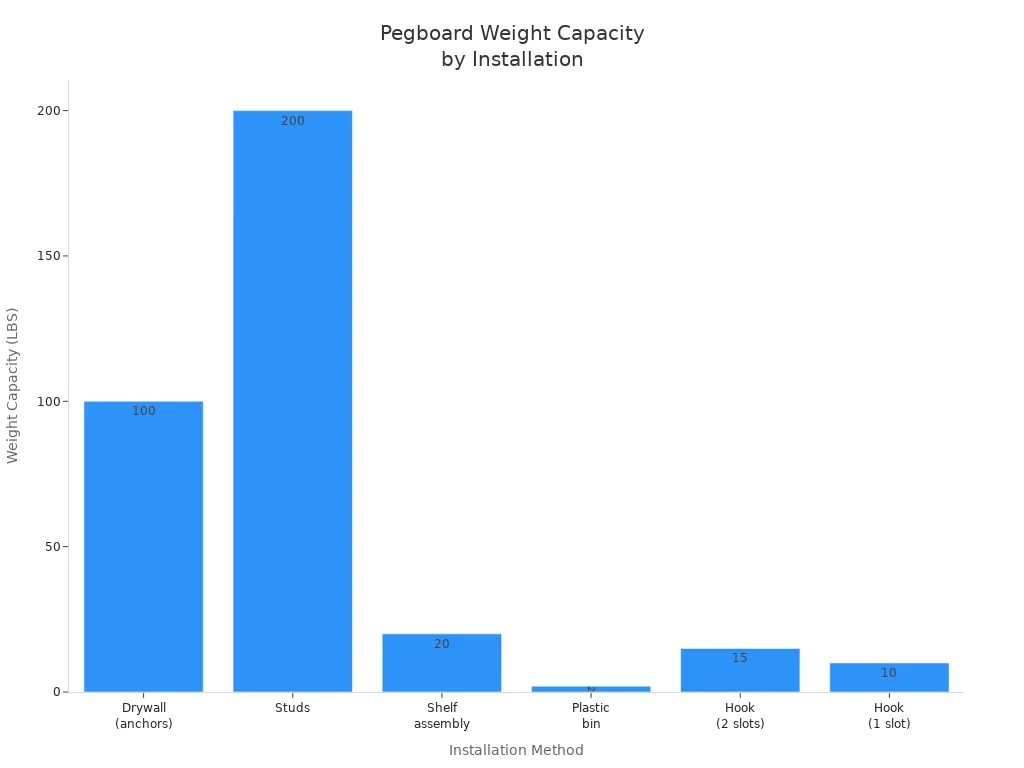
| Installation Method | Weight Capacity |
|---|---|
| Drywall (with anchors) | Up to 100 LBS/panel |
| Studs | Up to 200 LBS/panel |
| Shelf assembly | 10-20 LBS |
| Plastic bin | 2 LBS |
| Hook (2 slots) | 10-15 LBS |
| Hook (1 slot) | 5-10 LBS |
Maintenance & Safety Checks
He checks the pegboard every few weeks to see if the hooks are loose, the board is tilted, or items are slipping. She immediately replaces worn clips or hardware. If the pegboard sags or slips, they reinforce it by adding fasteners or using stronger anchors. She keeps the fastener spacing within 16 inches. He ensures the anchors are firmly in place and selects appropriate anchors based on the different wall types. They follow this maintenance schedule:
| Usage Frequency | Maintenance Check Interval |
|---|---|
| Daily use (≥5x/week) | Every 30 days |
| Weekly use (1–4x/week) | Every 60 days |
| Rare use (<1x/month) | Every 90 days |
IDmate plastic pegboard hooks help ensure secure pegboard storage. Their smooth edges protect the pegboard and reduce damage. These hooks won’t rust, so they last longer in humid environments. She finds the plastic pegboard hooks ideal for hanging lighter items, keeping displays neat and organized.
Safe and reliable pegboards start with sturdy materials. You’ll need sturdy and durable accessories. Proper installation is also crucial. Here are the main steps:
| Step | Tip |
|---|---|
| Choose Material | Thicker boards can hold heavier things |
| Use Accessories | Use different peg hooks for heavy items |
| Install Properly | Put screws six inches apart for good support |
A neat pegboard makes it easy to find your stuff. It keeps your workspace safer. It gives you smart ways to store things.
FAQ
How to organize heavy items in the kitchen using pegboards?
Pegboards can be mounted on the wall. Sturdy hooks can hang pots, pans, and various tableware. This keeps the kitchen tidy and keeps cooking utensils within easy reach.
Which type of pegboard is best for kitchen storage?
Metal pegboards provide strong support. Wooden pegboards add a touch of style to the kitchen. Plastic hooks are helpful for storing lighter kitchen items such as measuring cups and spatulas.
How often should you check the safety of your kitchen pegboard?
He checks the pegboard monthly. She checks for loose hooks or drooping panels. This ensures kitchen safety and prevents accidents caused by using heavy cooking utensils.