Sticky name tags are a great way to organize belongings. Many people use them to distinguish ownership of items. In stores, sticky tags help display merchandise on shelves. Parents use name tags to manage their children’s school supplies, clothing, and lunchboxes. Teachers also use name tags so students can recognize each other. They also help keep students’ belongings safe. Many parents choose name tags because children often lose things. If applied properly, tags can stick firmly to smooth surfaces and fabrics. Cleaning the surface and pressing firmly will yield better results. Some tags are best suited for children who need to wear name tags every day. Students prefer tags that are durable and stand the test of time. Name tags used in schools can help children reduce the number of lost items.
Key Takeaways
- Stick-on name labels help you keep things in order and make it less likely to lose stuff.
- You need to put them on the right way; clean the spot first and press down hard so they stick better and last longer.
- Pick the right kind of label for what you are sticking it on; waterproof labels are best for things that get washed a lot.
- Stick-on labels are simple to use and you can take them off without hurting your things, so they are great for families.
- If you have rough surfaces or clothes, you might want to use iron-on or sew-in labels because they last longer.
Stick-On Name Labels: Adhesion
Surfaces and Materials
Stick-on name labels can be used on many surfaces. The surface type changes how well the labels stick. The table below shows how labels work on different materials:
| Surface Type | Adhesive Properties | Durability | Applications |
|---|---|---|---|
| Fabric | Strong adhesive, waterproof, washable | Lasts after many washes | Clothing, bags, plush toys |
| Plastic | Self-stick, high tack | Stays on for a long time | Pens, cups, wall stickers |
| Metal | Works with strong adhesives | Great resistance | Metal shelves, lockers |
| Glass | Sticks well with pressure adhesives | Hard to wear out | Glass items, cups |
Manufacturers produce adhesive clothing tags suitable for both flat and curved surfaces. Flexible materials such as nylon help the tags adhere to curved surfaces, preventing edges from lifting and ensuring a secure bond. Rigid tags are prone to lifting edges on curved items, so suppliers recommend using flexible tags in these cases.
Adhesive name tags typically use acrylic adhesives, which adhere firmly to paper, plastic, glass, and metal. Rubber adhesives are also common; they are flexible and can adhere to rough surfaces, making them ideal for adhesive clothing tags on textured items.
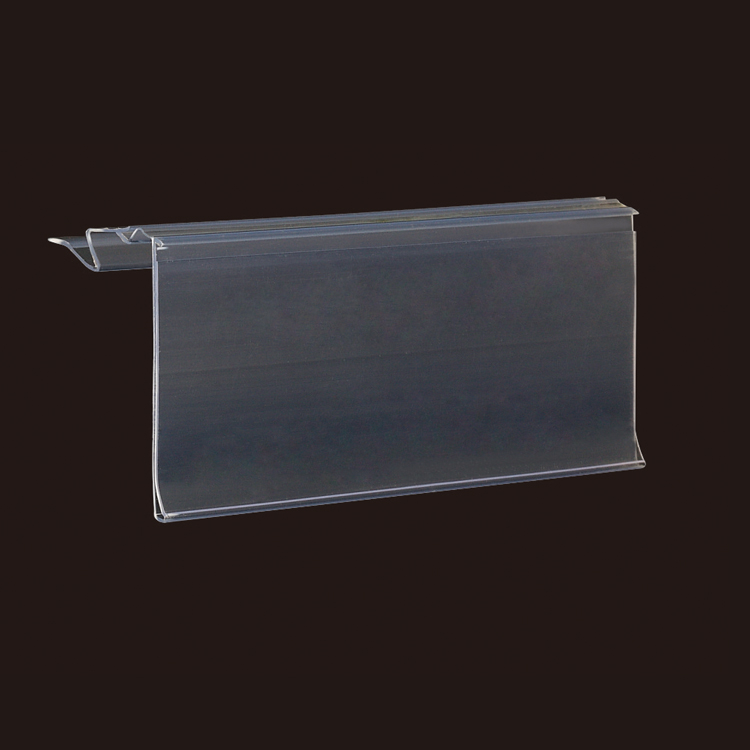
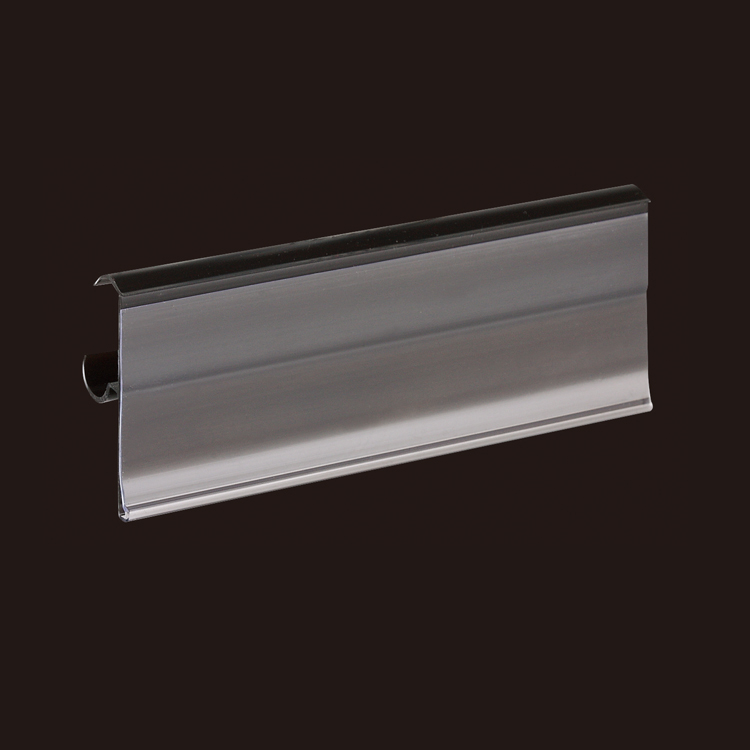
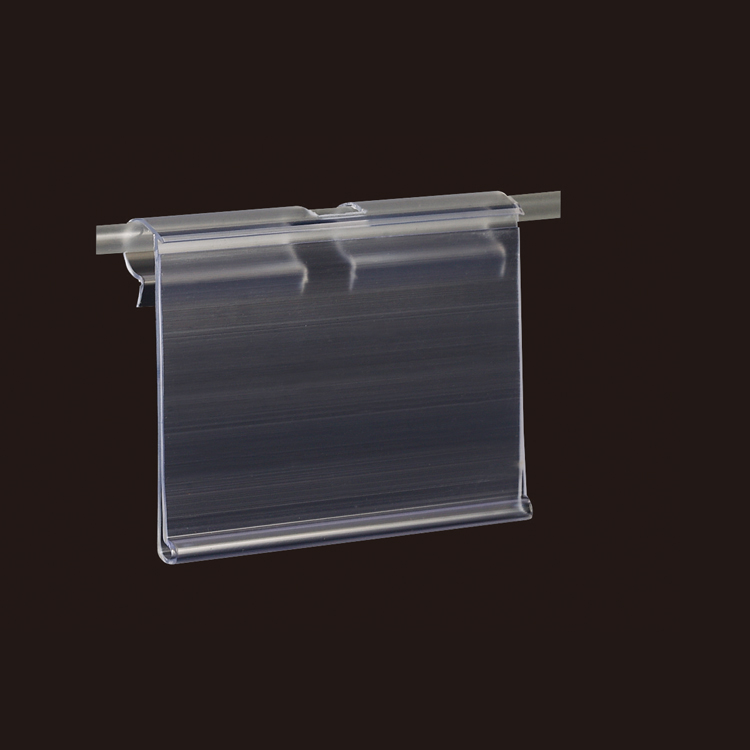
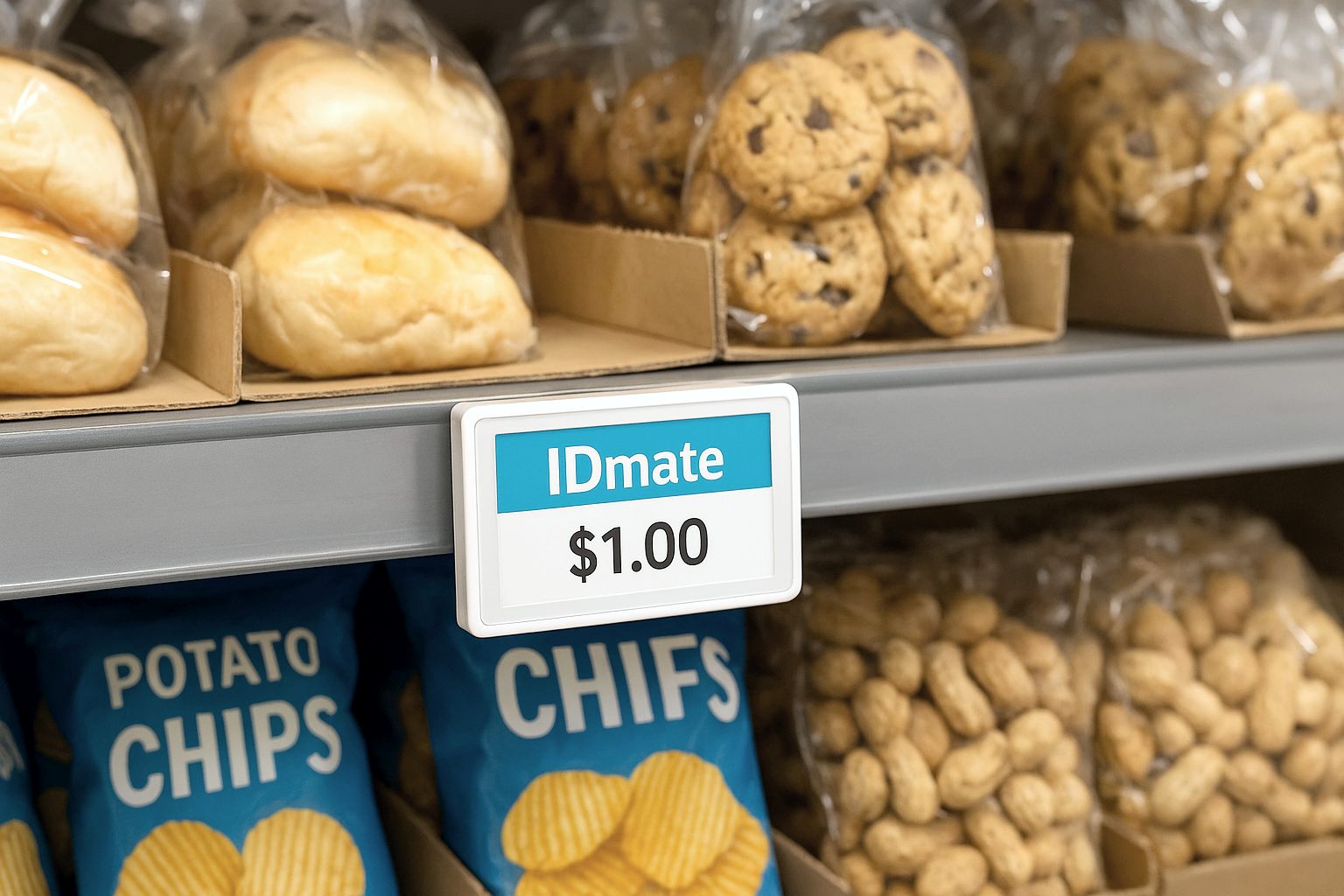
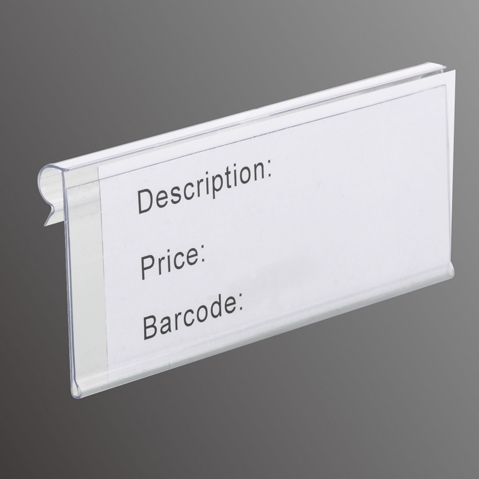
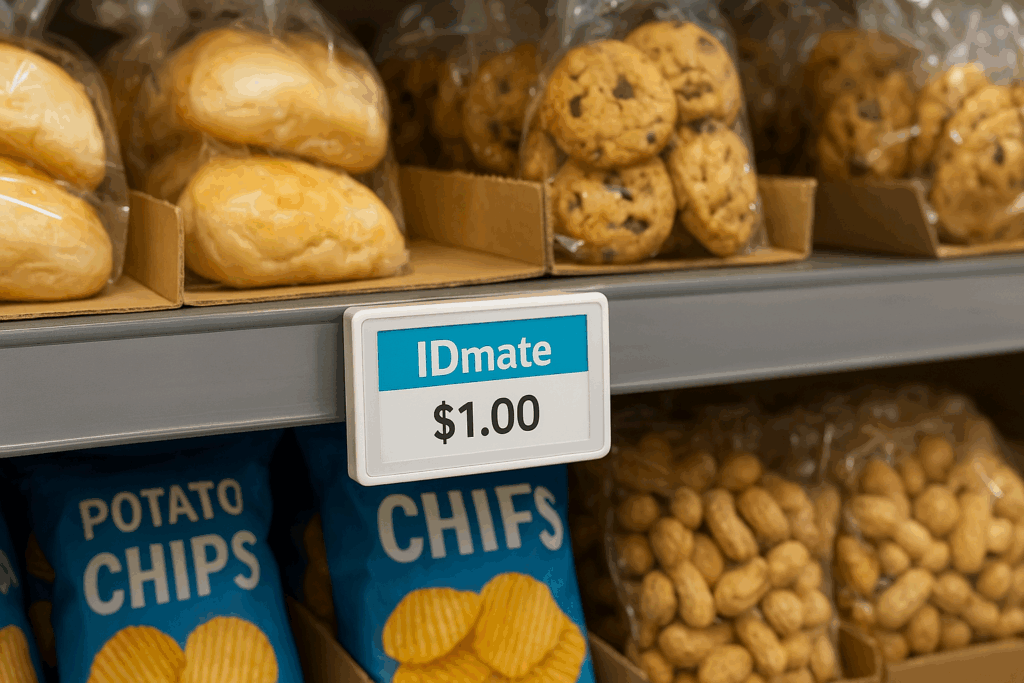
In stores, IDmate self-adhesive label holders are a reliable choice for shelf labeling. They feature strong adhesive backing and are suitable for materials such as metal, wood, glass, and plastic. Retailers can quickly update price tags or product information, aiding in visual identification and merchandise organization. Wholesalers and custom orders can choose different designs to meet their specific needs.
Adhesive clothing tags help manage items in homes and schools. School name tags must remain secure during daily use. Students frequently lose items, so sturdy tags are essential. They also facilitate identification in busy areas such as classrooms and stores.
Application Tips
Properly applying clothing labels helps extend their lifespan. Here are some tips for achieving the best results:
- Clean the surface before applying the label. For plastic surfaces, use a mixture of isopropyl alcohol and water. For metal surfaces, use acetone or methyl ethyl ketone. If the surface is very dirty, use an industrial degreaser first.
- Ensure the surface is dry. A damp surface will affect the adhesive’s stickiness. High humidity can also cause labels to peel or fall off over time.
- Choose the appropriate label material based on the surface material. For clothing that requires frequent washing, use waterproof clothing labels.
- Press the label firmly to remove air bubbles and ensure it is in full contact with the clothing surface.
- Wait 24 hours before washing or touching the labeled clothing. This allows the adhesive to fully cure and become more secure.
Tip: Following the 24-hour rule makes a sticker stick like it is part of the item. This helps stick-on name labels stay on clothes, bags, and supplies even after many uses.
Common mistakes include using the wrong label size or material, applying labels to uncleaned surfaces, or affixing labels in cold or damp environments. These errors can cause labels to peel, fade, or fall off. Suppliers and manufacturers recommend checking label sizes and choosing materials suitable for the environment.
School name tags and adhesive clothing tags help children and students manage their belongings. School name tags also help teachers identify students and their items. Adhesive tags are quick and easy to use, requiring no ironing or sewing, making them ideal for busy families and schools.
Stores use adhesive tags for shelf labeling and product organization. IDmate self-adhesive label holders have a clean, professional look and are easy to update. Wholesalers can customize sizes and colors to match their branding.
Adhesive name tags are essential for visual identification and organization. They help schools, families, and businesses manage items and reduce loss. When used properly, these tags meet a variety of needs and are a reliable solution.
Durability of Stick-On Labels
Washing and Heat Resistance
Adhesive name tags must withstand harsh environments. Many homes and schools frequently wash clothes, lunchboxes, and water bottles. Adhesive clothing tags use strong adhesive and remain firmly attached even in hot water, detergent, and dryers at temperatures up to 60°C (140°F). These tags will not peel or fade after multiple washes. They are ideal for school name tags on uniforms, jackets, and gym bags.
Ironing tags require high temperatures to bond, which can damage some fabrics. Adhesive clothing tags do not damage heat-sensitive items. They adhere to wash labels, forming a waterproof seal. Therefore, they are a safe choice for most items. Waterproof name tags remain bright and clear even after multiple washes.
Manufacturers design adhesive clothing tags for busy families and wholesalers. Suppliers test these tags to ensure they can withstand washing and drying. Retailers can rely on these tags for both custom and bulk orders. They help keep school name tags clear, legible, and neatly presented.
Tip: Always wait 24 hours after applying stick on clothes labels before washing. This helps the adhesive set and last longer.
Daily Wear and Tear
Children use their belongings every day. School name tags on clothes, lunchboxes, and water bottles face a lot of handling. Stick on clothes labels must resist rubbing, pulling, and bending. They should not fall off or fade, even when children play or move a lot.
The table below shows how stick on clothes labels compare to iron-on labels for clothing:
| Feature | Iron-On Labels | Stick-On Labels |
|---|---|---|
| Washing Machine Safe | Up to 100+ washes | Up to 80+ washes (on care tag) |
| Peel-Resistant | Bonds permanently | May lift if applied to fabric |
| Best for Long-Term Use | Permanent | Permanent, but removable if needed |
Adhesive clothing tags are ideal for laundry labeling. They can withstand up to 80 washes. Iron-on tags adhere directly to fabric and have an even longer lifespan. Adhesive tags are also easier to remove if you want to donate clothing to other children. Therefore, adhesive tags are a good option for families who need to share or donate school uniforms.
Lunchboxes and water bottles also need strong labels. Adhesive clothing tags use waterproof adhesive. They will stick firmly even after multiple dishwasher or washing machine washes. The tags provided by the supplier are easy to use. You simply peel off the adhesive backing and stick it on—no ironing or sewing required.
- Labels must be wash-resistant to last.
- They should not fade or deform during washing.
- They should not damage other clothing or contaminate water sources.
- Adhesive clothing tags are perfect for items children use every day.
Stick-on labels are durable, laundry-safe, and can be removed if needed, making them ideal for quick, no-fuss labeling and for clothes that get passed down.
Manufacturers and wholesale suppliers offer custom options for schools and businesses. They make labels in many sizes and colors. This helps schools keep track of belongings and makes it easy to order in bulk.
Name tags for school help teachers and students identify belongings. Stick on clothes labels keep school name tags clear and readable. They help children lose fewer items and make life easier for families and teachers.
Limitations of Stick-On Labels
When Stick-On Labels May Fail
Adhesive clothing labels work on a variety of items, but their adhesiveness can decrease in certain areas. Rough fabrics can easily cause labels to detach or lose their stickiness. Moist environments, such as sports bags or swimwear, can weaken the adhesive’s grip. In these places, the lifespan of adhesive clothing labels may be short. School name tags may peel off quickly if applied to rough or damp surfaces. Students may also find that name tags detach easily if applied to towels or sports equipment.
Manufacturers and suppliers know that adhesive clothing labels require a suitable surface. Wholesale buyers often request samples to test the label’s adhesion on different items. Custom orders sometimes require the use of special adhesives to treat specific areas. Waterproof name tags adhere well in damp conditions, but even waterproof labels can have problems on rough or highly absorbent fabrics.
Alternatives and Solutions
If stick on clothes labels do not work, other choices can help. Some labels use stronger adhesives or special materials for tough surfaces. The table below shows two options for hard places:
| Label Type | Description |
|---|---|
| High-Tack Label Stock | Keeps labels firmly in place on tough surfaces and stays clear in hard conditions. |
| Ultra-Aggressive Adhesive Vinyl | Works well on difficult surfaces and lasts a long time. |
For rough fabrics, iron-on labels are another option. These labels use heat bonding, are durable, and can be washed multiple times. School name tags made using iron-on technology are ideal for school uniforms and sportswear. Suppliers also offer sewn-on labels for items requiring extra durability.
Manufacturers and wholesalers consider environmental factors when choosing labels. They use thinner materials to reduce waste. Reducing the use of paper, film, ink, and adhesives lowers the environmental impact. Water-based and UV-cured inks help reduce harmful emissions. Sustainable design uses smaller labels and markings to save resources.
Tip: Be sure to choose a label type that matches the surface and intended use of the item. This helps extend the life of the school name tag and keep it legible.
School name tags help keep items organized. Adhesive clothing labels, iron-on labels, and waterproof name tags are used in schools, homes, and shops. Suppliers and manufacturers can provide customized solutions to meet various needs.
Adhesive clothing tags help homes, schools, and stores keep items tidy. These tags can withstand more than 30 washes. They are made of safe, hypoallergenic materials. For comfort, it’s best to attach them to the care label. School name tags help children identify their belongings. Suppliers and manufacturers conduct safety and quality checks on the tags. Consider the purpose and usage of the tags. School name tags, school nameplates, and school name labels help students organize their belongings daily.
- Adhesive name tags are convenient, quick, safe, and reliable.
- Iron-on and sewn-on tags are better suited for school uniforms and sports equipment.
- Custom fabric patches are ideal for school bags and sports equipment.
Tip: Schools, homes, and stores can trust stick on clothes labels for everyday needs.
FAQ
How long do stick-on name labels last?
Most stick-on name labels last after 30 to 80 washes. Suppliers check how tough they are. Retailers and buyers can trust them for daily use.
Can stick-on labels be removed easily?
Most stick-on labels come off without hurting your things. This lets families use clothes or supplies again. Retailers can also change shelf labels fast.
Are stick-on labels safe for children’s items?
Manufacturers use safe, non-toxic materials for stick-on labels. These labels do not cause allergies. Suppliers make sure they are safe before selling them.
Do stick-on labels work on all surfaces?
Stick-on labels work best on smooth things like plastic, metal, and glass. Suppliers have special choices for rough or curved items. Testing helps find the best label for each surface.
Can businesses order custom stick-on labels in bulk?
Yes. Wholesale suppliers and makers offer custom stick-on labels. Businesses can pick the size, color, and design that fits their brand or store.