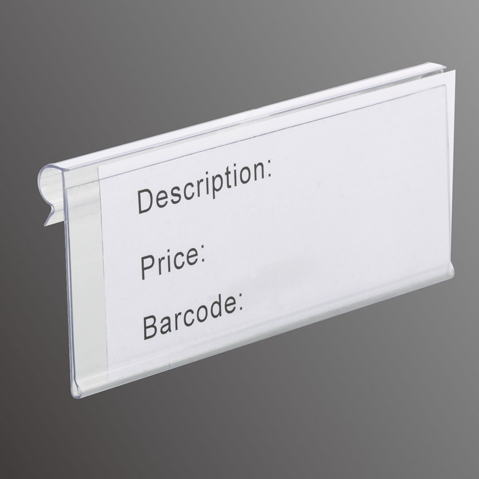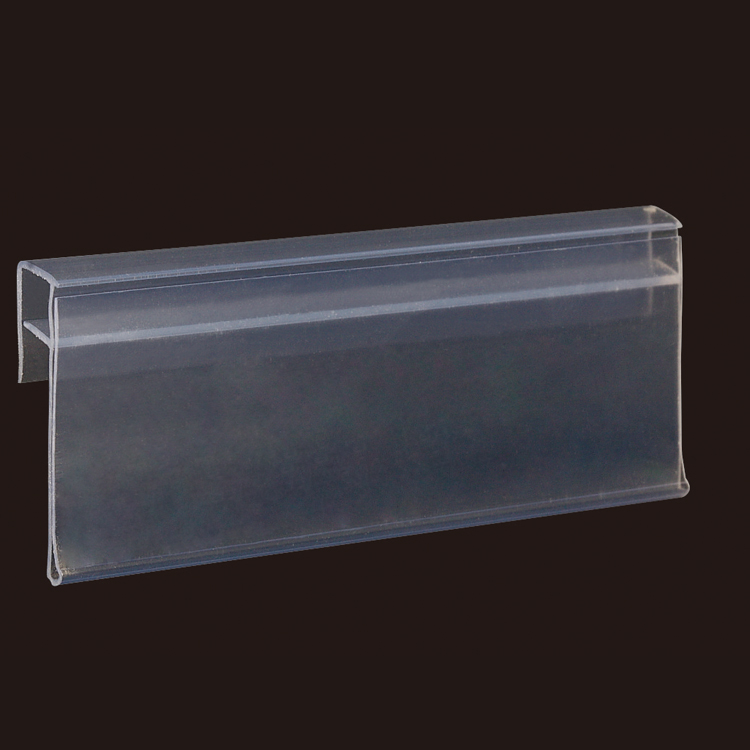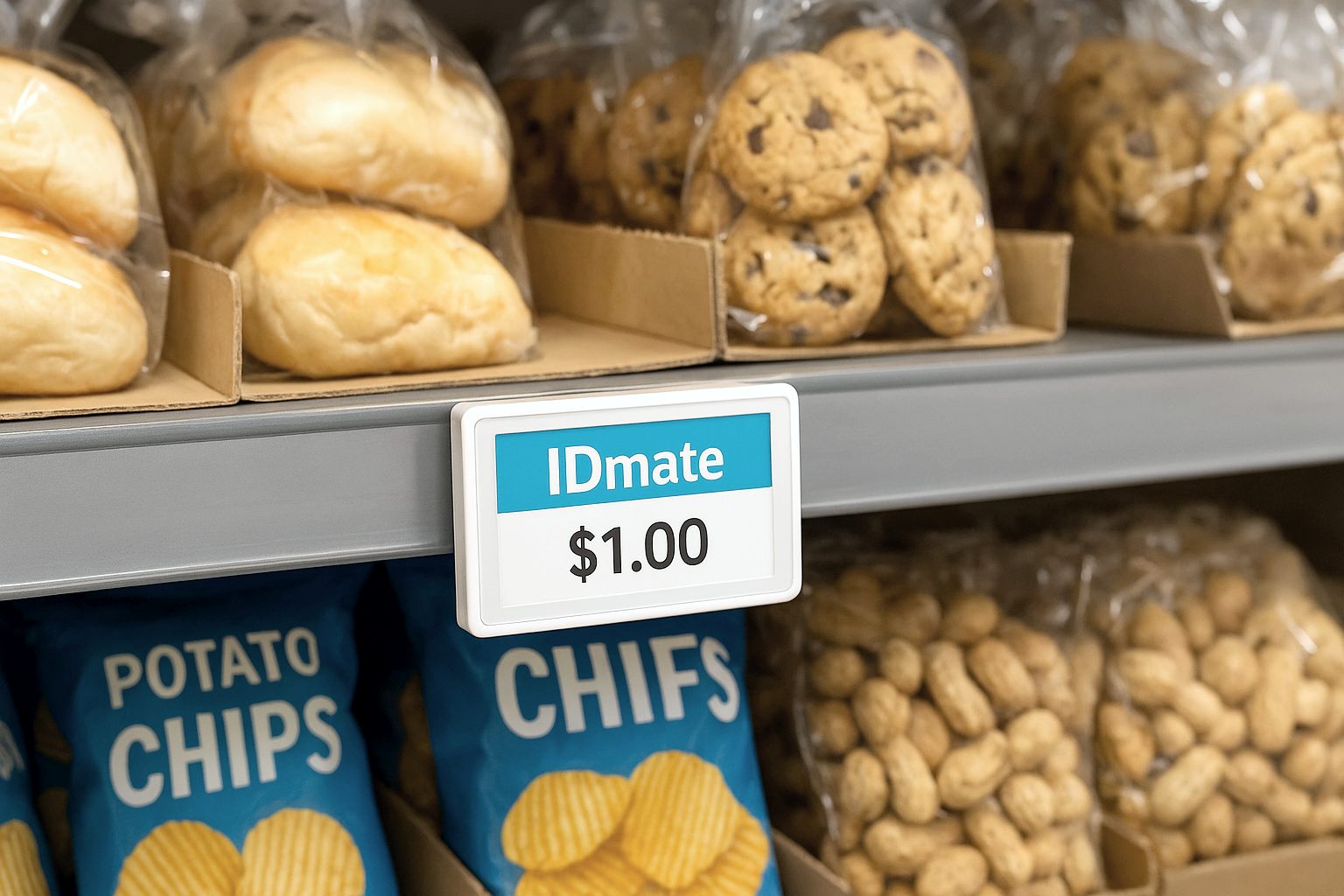
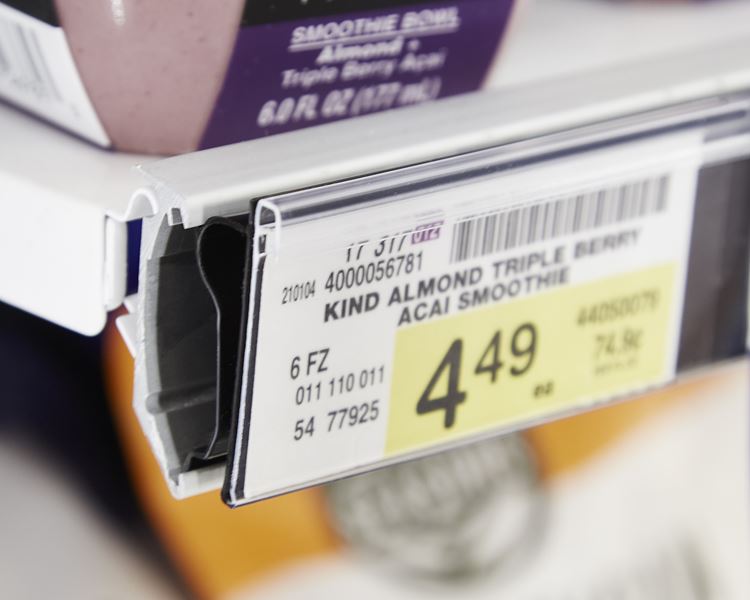
Yes, shelf tags are incredibly effective in stores. They attract customers’ attention, prompting them to buy things they weren’t originally planning to. They also help customers find the items they need. Companies like IDmate produce specialized data strips. These shelf tags are inexpensive and easy to use.
| Marketing Tool | Cost Comparison | Flexibility |
|---|---|---|
| Shelf Talkers | 90% less than end caps | Change weekly for <$50 |
Key Takeaways
- Shelf labels, with their vibrant colors and eye-catching designs, make products stand out, helping more people see them and thus increasing sales by 5-6%.
- Shelf labels can also encourage unplanned purchases, boosting sales by 34%. They help consumers try new products or take advantage of special offers.
- Placing shelf labels in appropriate locations helps attract consumer attention. Clear information effectively guides consumers’ eyes, helping them make purchasing decisions more easily.
Why shelf talkers work
Grab attention at the shelf
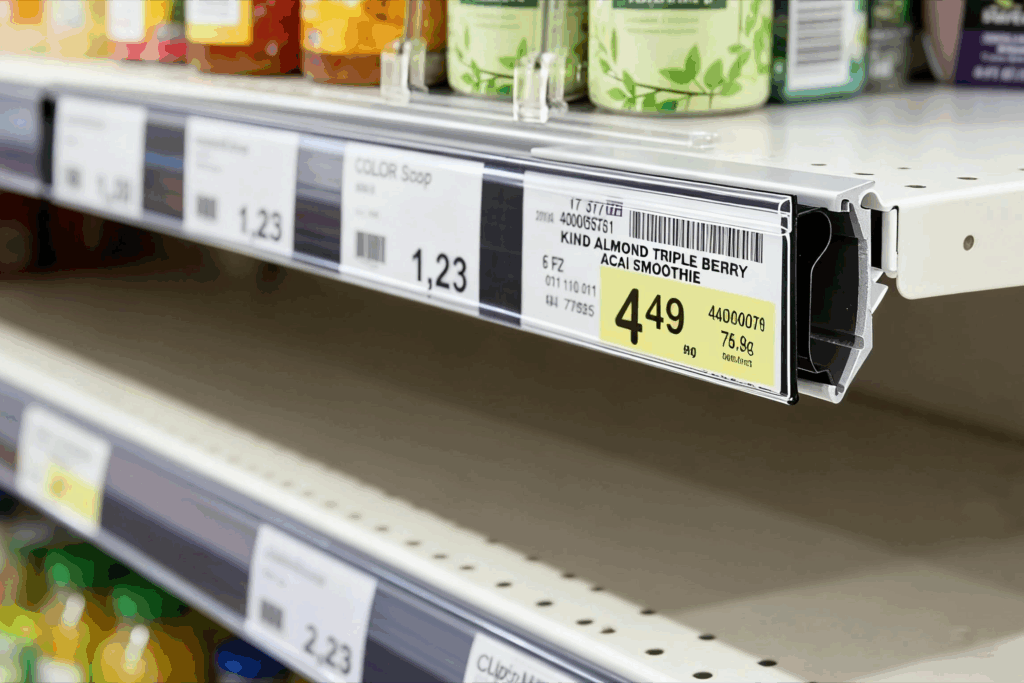
In a bustling store, shelf labels are easily noticed. They stand out from the shelves, attracting customers’ attention. Customers often make quick decisions about what to buy. Shelf labels use vibrant colors and eye-catching images to quickly capture customers’ attention. These labels differentiate themselves from the merchandise on the shelves, allowing customers to easily find discounted or new items.
- Shelf labels appear within the customer’s line of sight, making products easier to see.
- Vibrant colors and eye-catching images make information stand out among numerous products.
- Color can help people make purchasing decisions while shopping.
Stores thus reap significant benefits. Studies show that shelf labels can help increase sales by 5-6%. Using shelf labels can increase the speed of product sales by 22%. Approximately 76% of purchasing decisions are made in front of the shelf. Shelf labels are crucial for store marketing.
| Evidence Type | Description | Impact on Sales |
|---|---|---|
| Sales Increase | Shelf talkers can raise sales by 5-6%. | 5-6% increase |
| Faster Sales | Shelf talkers help products sell faster by up to 22%. | 22% faster sales |
| Buying Choices | 76% of buying choices happen right at the shelf. | 76% at shelf |
| Overall Sales Boost | Sales can go up by 20% or more if used well. | 20% increase |
Drive impulse buys
Shelf labels do much more than just provide information. They can also stimulate people’s desire to buy. When customers see eye-catching labels and strong promotional messages, they are more likely to try new products or snag discounted items. Research shows that stores using shelf labels with engaging information can increase impulse purchases by 34%.
- Shelf labels display offers, special prices, or discounts.
- They act like mini billboards, helping customers make quick purchasing decisions.
- Placing promotional labels next to products can attract customers’ attention and encourage them to buy more.
For example, a pharmacy used IDmate’s blue and red color-blocked product information strips. Their promotions significantly increased sales. These strips are easy to update, allowing staff to easily change labels to display new offers. Stores can also customize product information strips to fit any shelf size. This makes keeping offers fresh and attractive effortless.
| Study Focus | Methodology | Key Findings |
|---|---|---|
| Impulse Buy Innovation in FMCG | In-store experiment with digital shelf talkers | Impulse buys increased by 34% when using social proof through digital signage. |
Educate and guide shoppers
Shelf labels help consumers make informed choices. They provide concise information about products, awards, or ingredients, making shopping easier and less strenuous. Shelf labels can display reviews, highlight health benefits, or explain how to use a product.
Shelf labels make product selection easier by pointing to specific items. They help stores share important product information, giving consumers more confidence in their purchases.
Stores use shelf labels to showcase healthy foods, local products, or special offers. In Dubai, a supermarket uses shelf labels to help children follow new healthy eating rules. Grocery stores use IDmate’s green and yellow data bars to refresh their shelf displays and boost sales of fresh foods. These data bars allow stores to easily use their own branding and update signage, helping consumers notice products and learn more.
Shelf labels act as silent assistants, delivering clear messages and helping brands stand out. With careful design and placement, shelf labels can improve the shopping experience and help stores increase sales.
Shelf talkers: best practices
Design and messaging tips
Good shelf labels use large, easy-to-read fonts and bright colors. This helps people see the information from several feet away. Concise information (three to seven words) helps shoppers quickly understand the offer. Phrases like “Experience Now” or “Limited-Time Offer” encourage prompt action.
| Principle | Description |
|---|---|
| Large, legible fonts | Easy to read from three to five feet away |
| High-contrast colors | Stand out against shelf backgrounds |
| Concise messaging | Three to seven words for instant understanding |
| Eye-level placement | Increases engagement and shopper attention |
Placement strategies
The placement of shelf labels is crucial. They work best at eye level or slightly below eye level, as this is where customers’ attention is first drawn. Stores should avoid placing too many labels on shelves. High-traffic areas such as the checkout counter and endcaps are ideal locations for shelf labels. Placing shelf labels near similar products increases their effectiveness. Regularly changing shelf labels keeps the display fresh and continuously attracts customer attention.
- Place shelf labels at eye level for optimal visibility.
- Utilize high-traffic areas to attract customer attention.
- Place shelf labels near related products to enhance customer engagement.
Choosing the right type
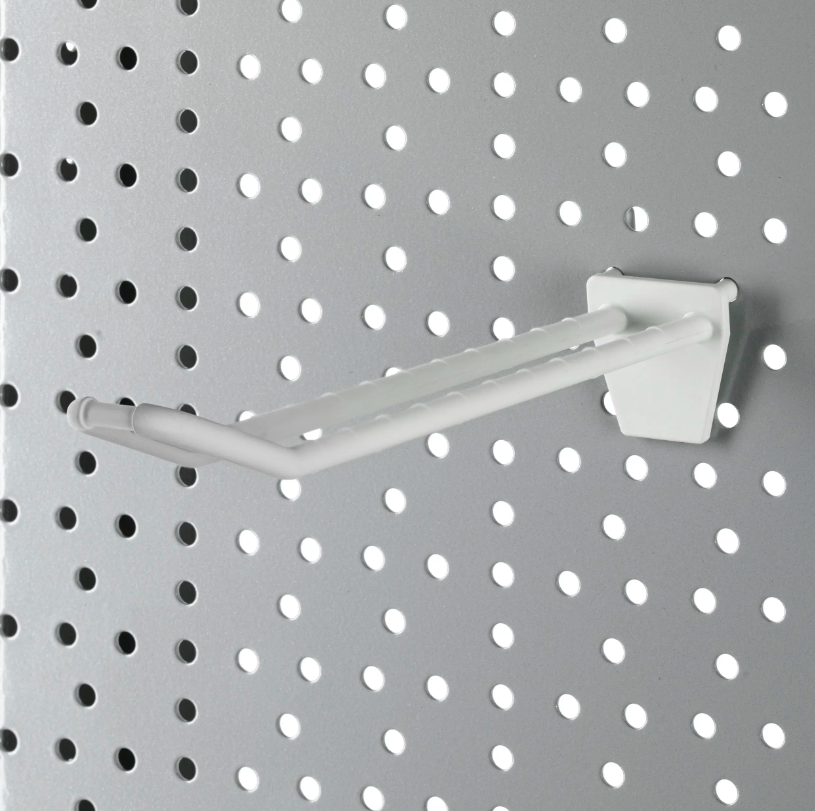
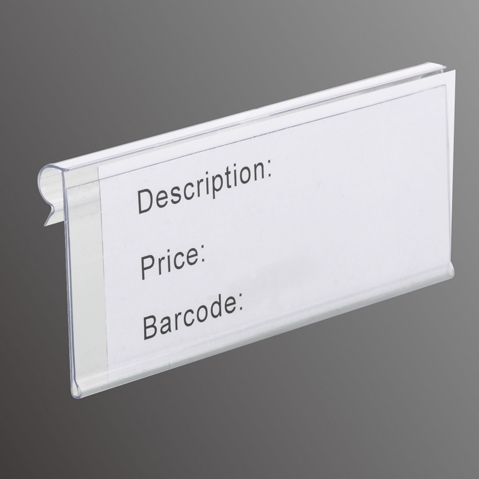
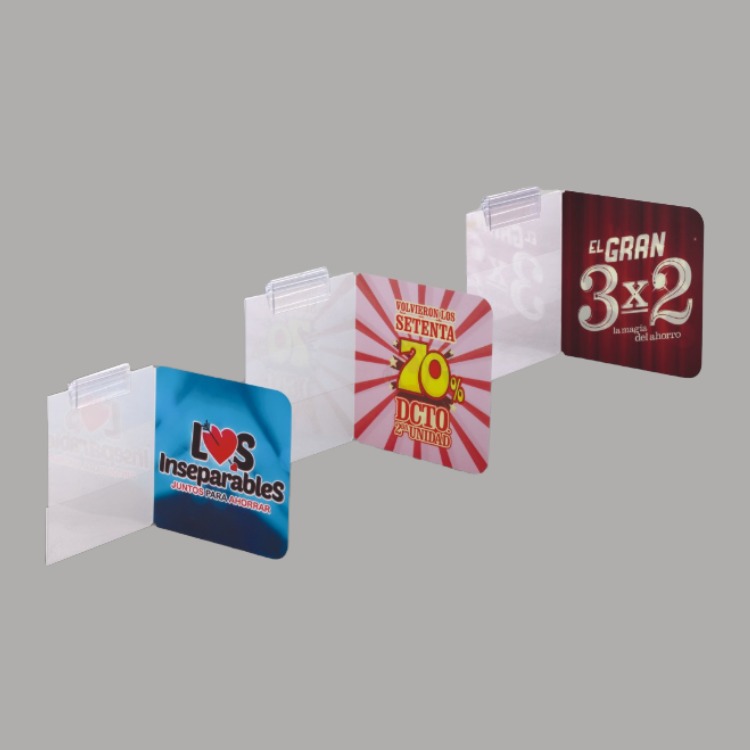
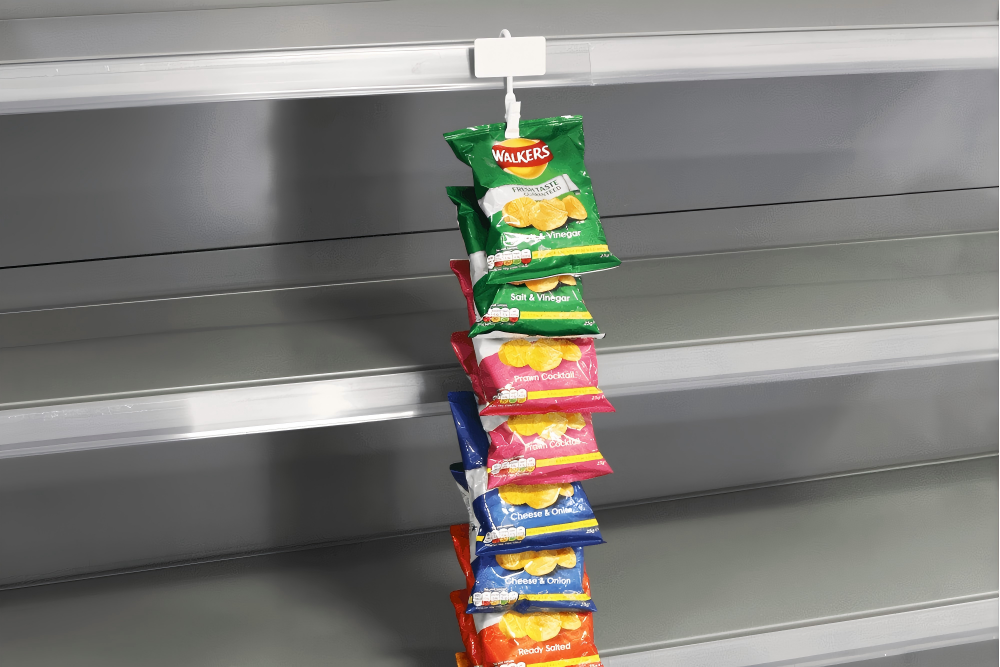
Stores pick shelf talkers based on shelf type and what they want to do. IDmate’s Data Strips fit many kinds of shelves, like wood, glass, metal, or wire. There are clip-on, magnetic, self-adhesive, and wire shelf label holders. Stores can change shelf talkers to match their brand and shelf size. Staff can update tags quickly, which makes things easier. Die-cut, fold-over, and wobbler shelf talkers look cool and move, so more people notice them.
| Type of Shelf Talker | Description | Effectiveness |
|---|---|---|
| Die-cut Shelf Talkers | Unique shapes relevant to the product or brand | Stand out visually |
| Fold-over Shelf Talkers | Double-sided display | Visible from different angles |
| Wobbler Shelf Talkers | Flexible arm for movement | Draws attention through motion |
Dana Industries’ in-store tests show shelf talkers can help sales go up by 5–6%. They also help products sell faster, up to 22% more.
Stores see that shelf talkers help people notice products. They also make shoppers buy things they did not plan to buy. Shelf talkers work best when they look good and have clear words. Where you put them is important too. IDmate’s Data Strips help stores keep shelves neat and make products easy to see. Stores should try different shelf talkers often. This helps them find what makes customers buy more.
FAQ
How do shelf talkers increase product visibility?
Shelf talkers use bright pictures and bold colors. This helps people see products when they are shopping. Shoppers notice deals and can decide what to buy fast.
Where should stores place shelf edge talkers for best results?
Stores should put shelf edge talkers at eye level. This spot gets the most attention from shoppers. People see the signs and may buy things without planning.
Why are shelf talkers important for in-store marketing?
Shelf talkers make shopping better for everyone. They help shoppers find products and make choices. Fun graphics make shopping more exciting and help people pay attention.