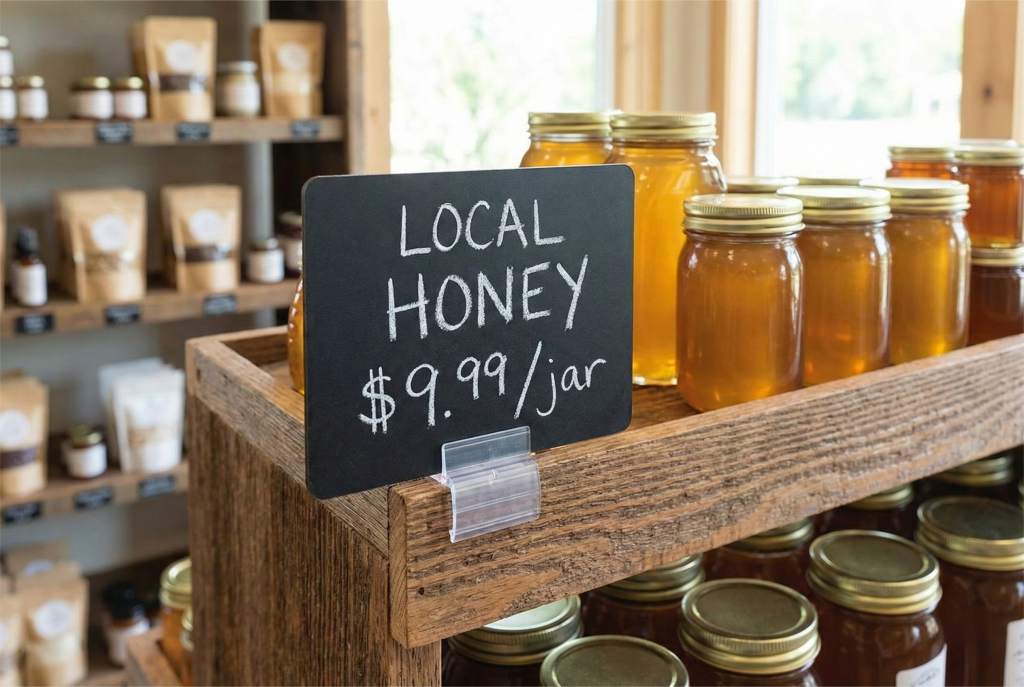
A shelf talker is a type of sign holder placed at the shelf edge to communicate with shoppers at the exact moment they are choosing products. Its primary purpose is to capture attention, deliver a focused message, and influence the purchase decision. Understanding this purpose explains why shelf talkers matter in retail. Unlike a price tag, which simply states cost, a shelf talker adds promotion, information, or recommendation. This article explains what shelf talkers are designed to do, what they communicate, and how they drive sales.
Key Takeaways
- The core purpose of a shelf talker is to capture shopper attention at the point of decision.
- Shelf talkers communicate promotions, new products, and product recommendations.
- They are most effective when the message is simple, bold, and placed directly below or beside the product.
- Shelf talkers can increase sales of promoted items by 20–50% or more when used correctly.
The Core Purpose of a Shelf Talker: Capturing Attention at the Point of Decision
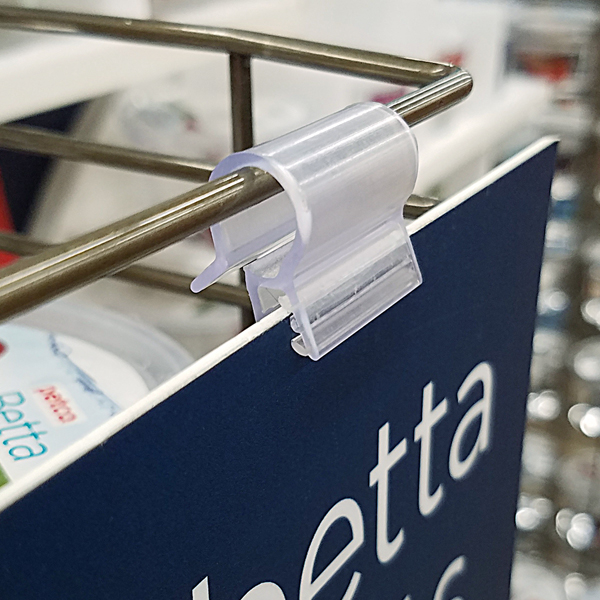
Interrupting Shopper Autopilot
Shoppers move through stores on autopilot. They scan shelves quickly, often relying on habit rather than conscious evaluation. A shelf talker interrupts that pattern. It creates a visual break in the uniform shelf edge and forces the shopper to pause. According to a 2014 POPAI study, 82% of purchase decisions are made in-store. Another study found that 70% of decisions happen right in front of the shelf. That moment—the point of decision—is exactly where a shelf talker does its work.
Without a shelf talker, a product on promotion looks the same as any other product. The shopper may never notice the discount, the new flavor, or the limited-time offer. The shelf talker solves this by making the product visually distinct.
Drawing Eyes to Promoted Products
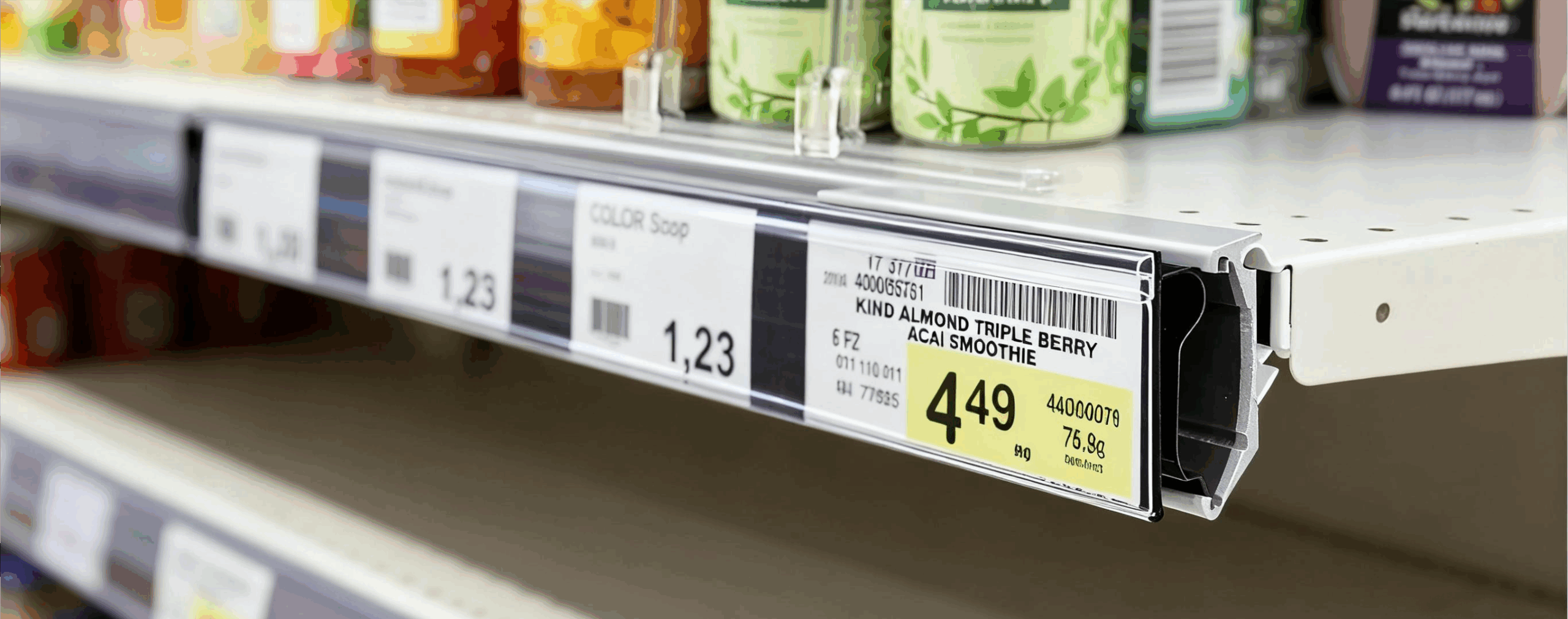
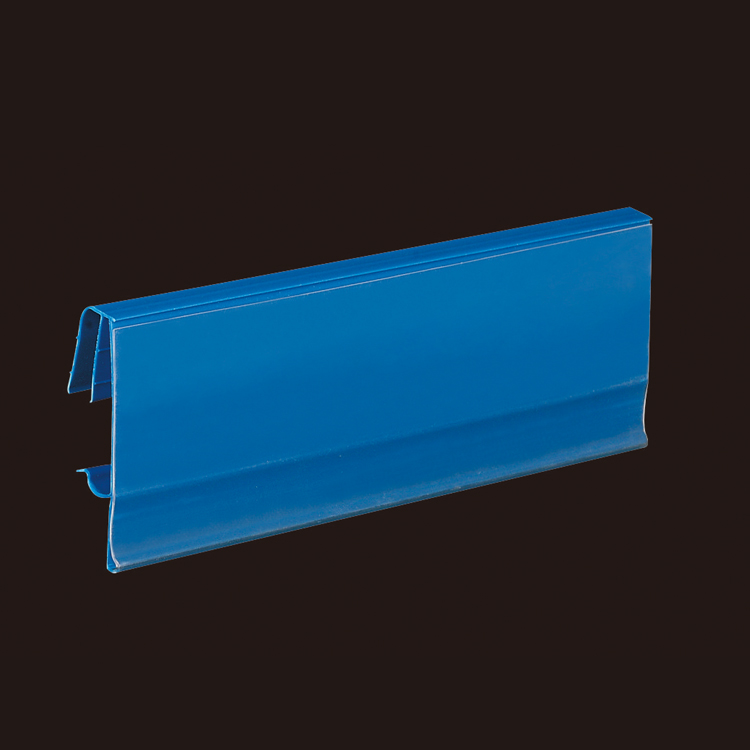
The second purpose is directional. A shelf talker points the shopper’s attention toward a specific item. It acts as a visual cue that says “look here.” Eye-tracking research shows that when a shelf talker is present, shoppers spend more time looking at the product and the surrounding shelf area. The sign does not need to be large. It needs to contrast with the shelf edge and align with the product. For retailers who use data strips to hold price labels, adding a shelf talker above or beside the strip creates a layered communication system: the data strip handles price and barcode, while the shelf talker handles promotion.
What Shelf Talkers Communicate to Shoppers
Price, Promotion, and Product Information
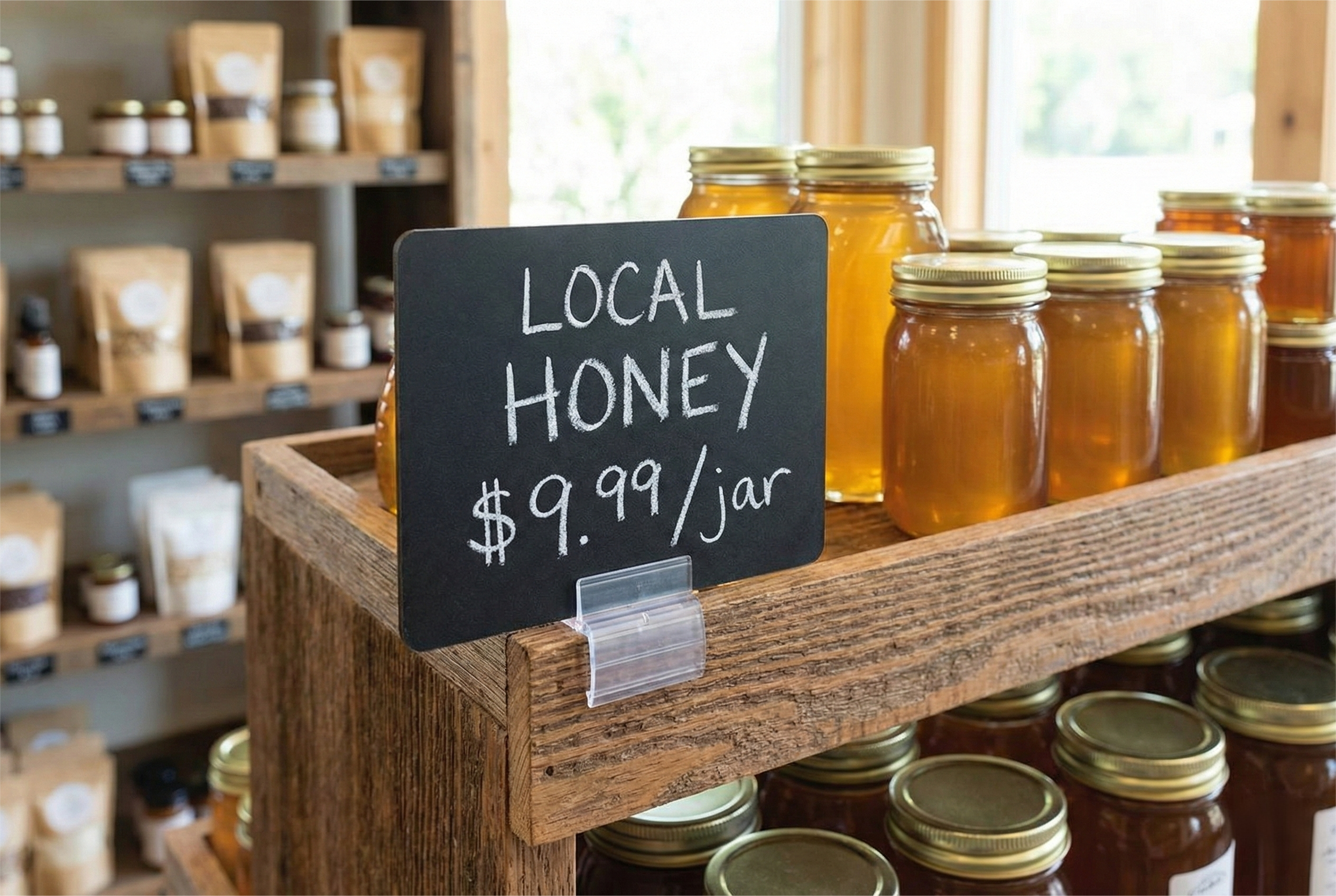
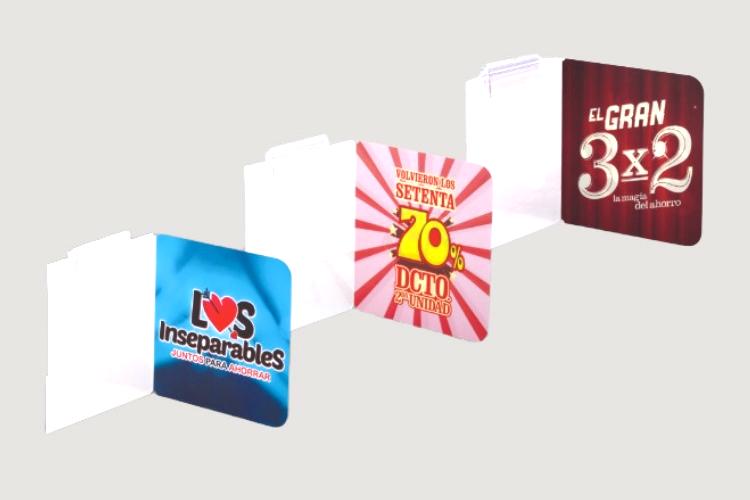
A shelf talker can communicate several types of messages. The most common are promotional offers: “Save 20%,” “Buy One Get One,” “Limited Time.” These messages give the shopper a reason to act now rather than later. Shelf talkers can also highlight product features: “Organic,” “Gluten-Free,” “New Size.” Or they can provide usage ideas: “Great for Grilling,” “Perfect for Kids.”
The key is focus. A shelf talker that tries to say too much fails because shoppers do not read long text at the shelf edge. They scan. The most effective shelf talkers use three to five words, bold type, and high contrast.
New Product Launches and Recommendations
New products struggle on crowded shelves. Shoppers do not know what the product is, why it is different, or whether it is worth trying. A shelf talker that says “New” or “Try Me” gives the product a chance. It signals that this is not the same old item. For recommendations, a shelf talker can say “Staff Pick” or “Best Seller.” This adds a human element and provides social proof. When a shopper sees that others have chosen the product, they are more likely to consider it themselves.
For temporary or seasonal displays, cardboard display parts can hold shelf talkers in place without damaging the shelf surface. This is useful for pop-up displays, holiday promotions, or any short-term campaign where a permanent fixture is not practical.
How Shelf Talkers Drive Sales and Influence Behavior
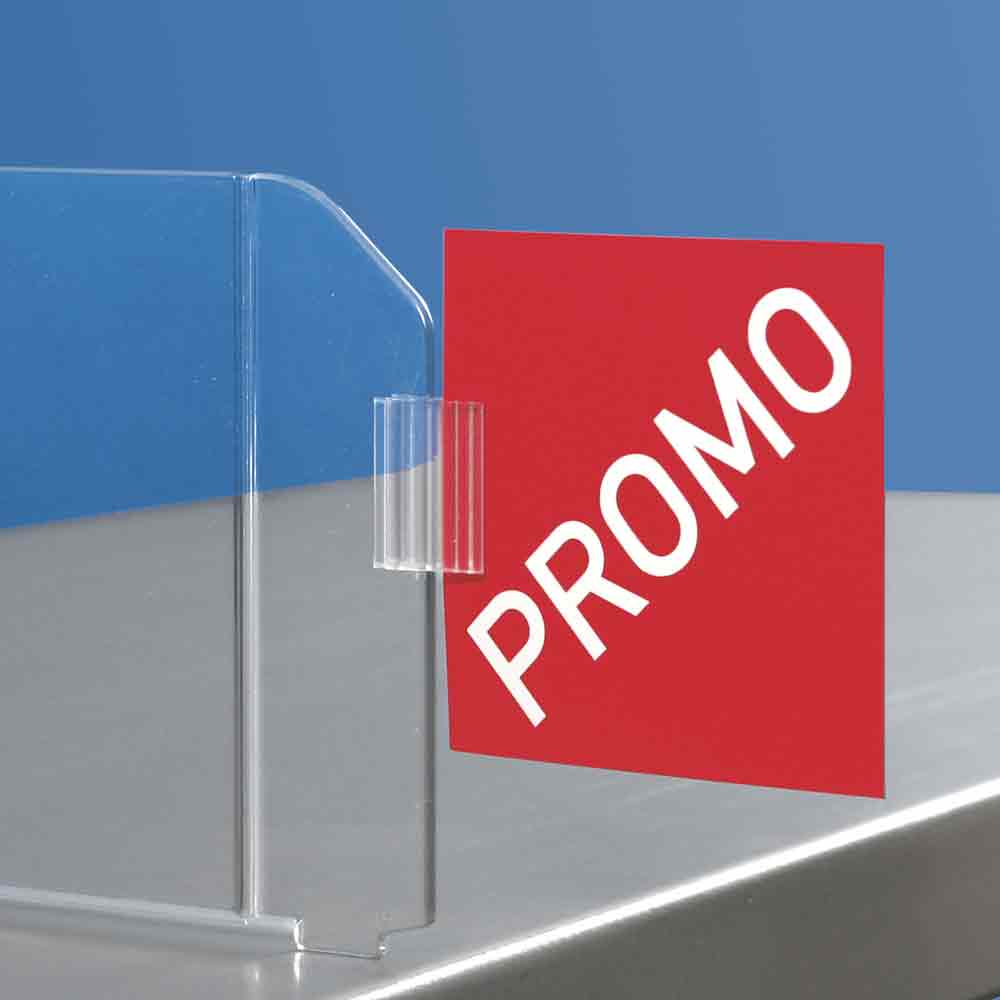
Sales Lift from Shelf Talker Campaigns
The sales impact of shelf talkers varies by category, message, and execution. But the overall pattern is consistent: well-designed shelf talkers increase sales of the promoted item. Studies on promotional signage show that items with a shelf talker can see sales lift of 20–50% compared to the same item without signage. For new products or impulse items, the lift can be higher. The reason is simple: the shelf talker gives the shopper a reason to stop and consider. That moment of consideration is often enough to convert a browser into a buyer.
The “Bestseller” Effect and Social Proof
One of the most effective shelf talker messages is “Bestseller.” This phrase triggers social proof—the idea that if others are buying it, it must be good. Shoppers use the behavior of others as a shortcut for decision-making. A “Bestseller” shelf talker reduces perceived risk. It tells the shopper, “You are not taking a chance. Others have already chosen this.” The same principle applies to “Staff Pick” or “Customer Favorite.” These messages add a layer of trust that a simple price tag cannot provide.
FAQs About the Purpose of Shelf Talkers
Are shelf talkers only for promotions?
No. While promotions are the most common use, shelf talkers also serve other purposes. They can introduce new products, highlight product features, provide usage suggestions, or recommend items. Any message that helps the shopper make a decision can be placed on a shelf talker.
Do shelf talkers work for all product categories?
Shelf talkers are most effective for products that benefit from explanation or promotion—new items, sale items, premium products, and impulse purchases. For commodity products with stable pricing and no differentiation, the impact is smaller. The key is whether the shelf talker gives the shopper a reason to act.
How do shelf talkers differ from price tags?
A price tag states the cost of the product. It is informational. A shelf talker adds a persuasive message—a promotion, a recommendation, or a product benefit. Price tags are required for every product. Shelf talkers are selective. They are used to draw attention to specific items that the retailer wants to promote. The two work together: the price tag provides the facts, and the shelf talker provides the nudge.