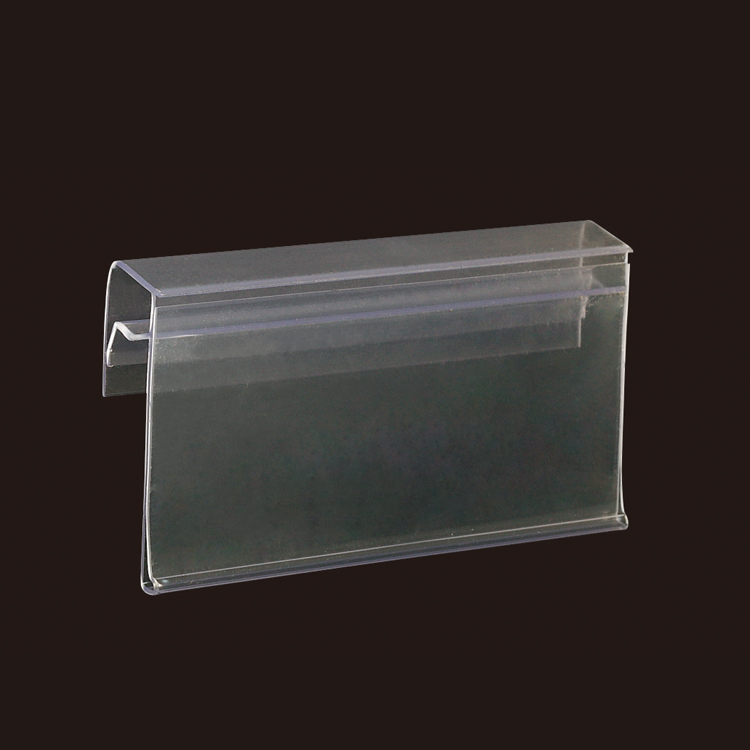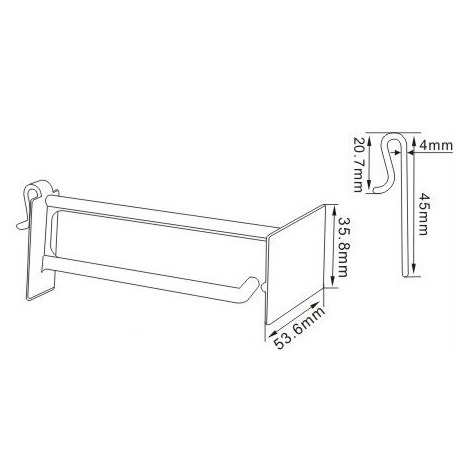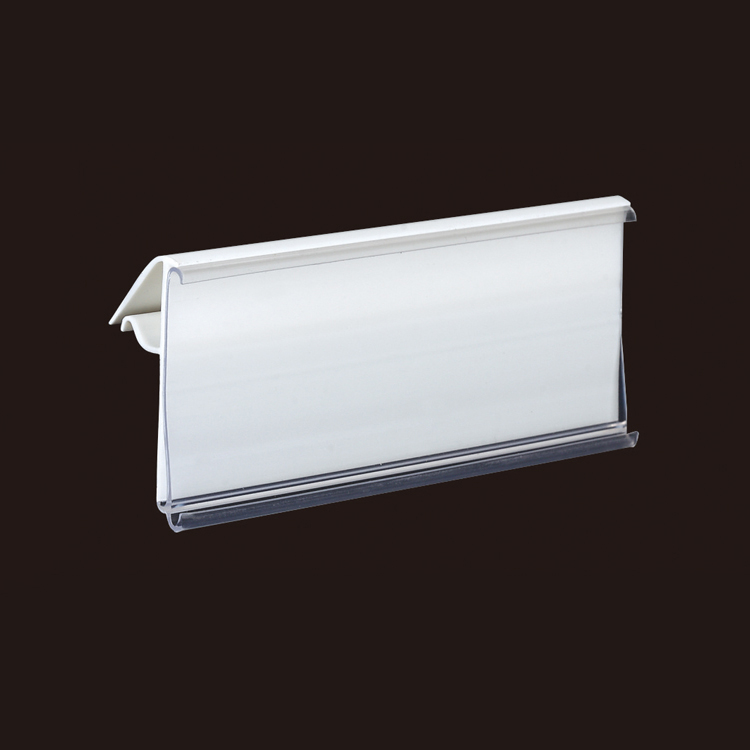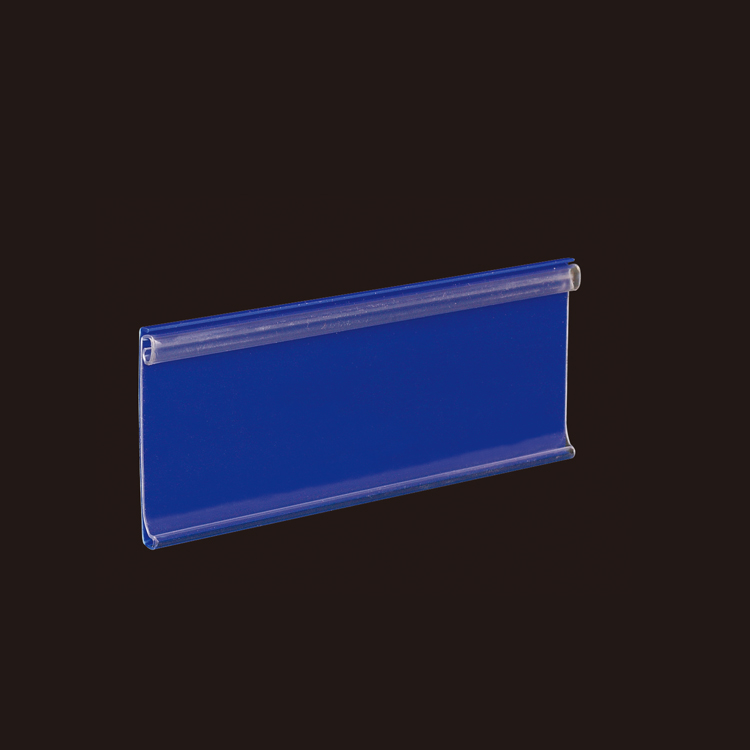
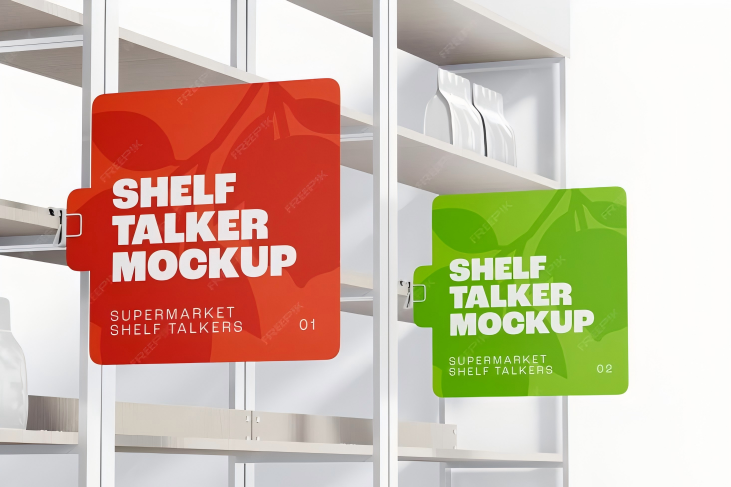
A shelf talker is a type of sign holder placed at the shelf edge to communicate a short, persuasive message to shoppers. But what should it actually say? The answer is simple: one clear, benefit-led message that can be read in three seconds or less. This guide covers the one rule that matters most, the message types that work, how to write effective copy, and common mistakes to avoid.
Key Takeaways
- A shelf talker should carry one hero message, readable from about 1 meter away.
- Never cover the price rail — place the talker above or beside it.
- Effective messages fall into four types: price/promotion, product benefit, social proof, and local/seasonal.
- Keep the headline to 3–7 words and use high-contrast, benefit-led language.
- Avoid too much text and never omit the price if the talker promotes a deal.
The One Rule for Shelf Talker Messaging
One Hero Message, Readable at Arm’s Length
A shelf talker has one job: to interrupt a shopper’s scan and give them a reason to pause. That means it must carry one hero message — not two, not three. The message should be readable from about 1 meter away, which means a large, bold headline and minimal supporting text. If a shopper has to squint or step closer, the talker has already failed.
Never Cover the Price Rail
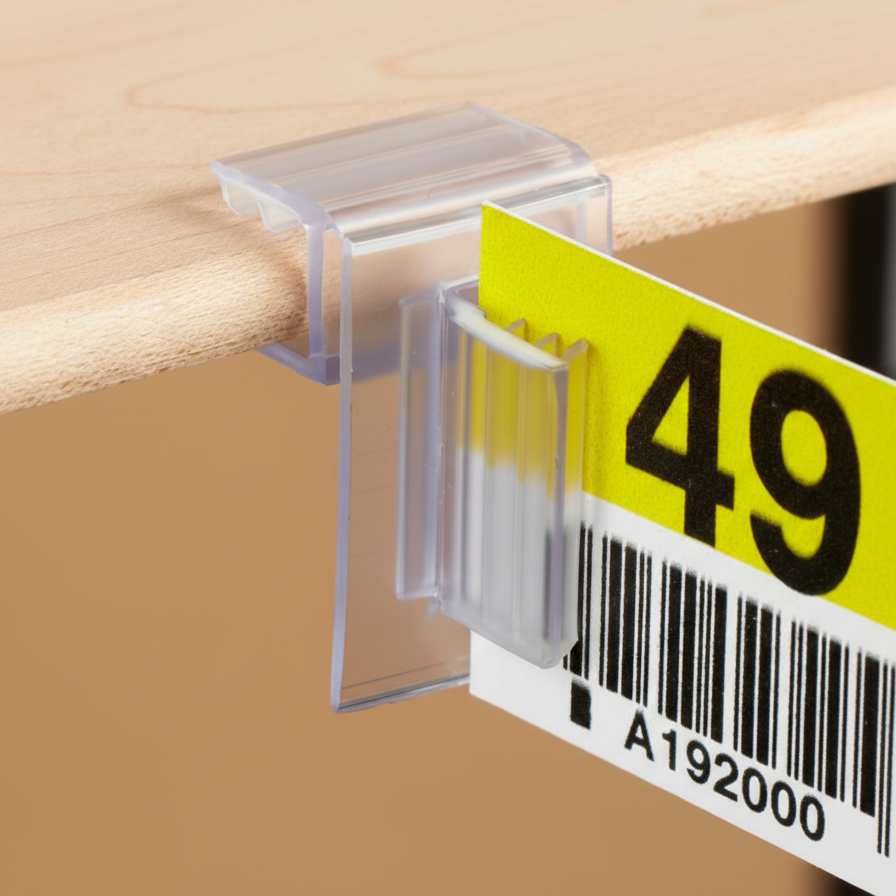
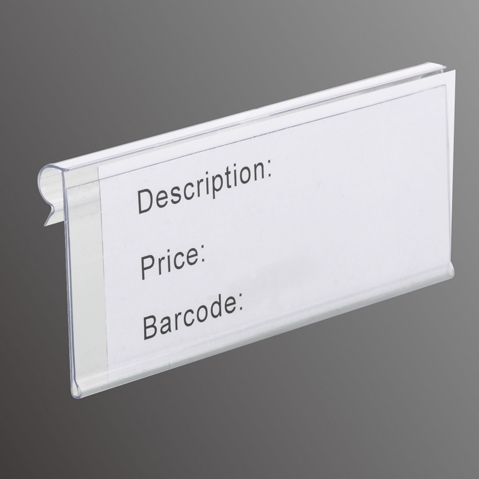
A shelf talker should sit above or beside the price rail, never on top of it. The price rail is where the shopper looks to confirm cost. If your talker blocks the price, you create friction instead of persuasion. Use a data strip to hold the price label, and place the talker above it. This keeps essential information visible while adding a promotional layer.
What a Shelf Talker Should Say: Message Types That Work
Price and Promotion
The most common shelf talker message is a price or promotion. Examples: “50% Off Today Only,” “Buy One Get One,” “Save $2.” These messages work because they give the shopper an immediate reason to act. Keep the price prominent and the terms clear. Avoid vague phrases like “Great Deal” — they say nothing.
Product Benefit
Benefit-led messages work well for products that solve a problem or offer a specific advantage. Examples: “High-Protein, Low-Sugar,” “Dishwasher Safe,” “Made with Real Fruit.” These messages answer the question “What’s in it for me?” in a few words. They are especially effective for new products or premium items where the shopper needs a reason to try something different.
Social Proof
Social proof messages leverage the behavior of other shoppers. Examples: “Staff Pick,” “Best Seller,” “Customer Favorite.” These phrases reduce perceived risk. If others have already chosen the product, the shopper feels safer trying it. Social proof works particularly well for gift items, specialty foods, and products with a higher price point.
Local and Seasonal
Local and seasonal callouts connect the product to a timely need or community value. Examples: “Locally Made,” “New for Fall,” “Limited Harvest.” These messages work because they create urgency or emotional resonance. A “Locally Made” tag can justify a higher price and build goodwill. A seasonal tag reminds the shopper that the product is only available now.
How to Write Shelf Talker Copy and Avoid Mistakes
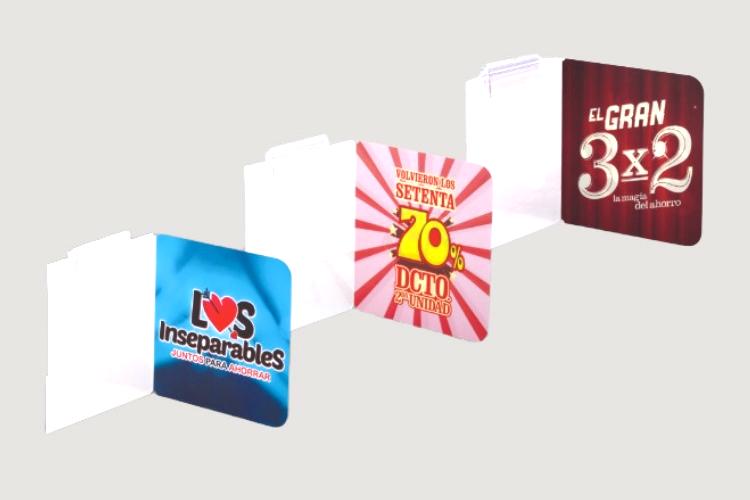
Keep It to 3–7 Words
The headline on a shelf talker should be 3–7 words. That is the range where the message is long enough to be specific but short enough to be scanned. Supporting text, if any, should not exceed 12–15 words. Remember: shoppers do not read shelf talkers — they scan them. Every extra word reduces the chance that the core message lands.
Use High-Contrast, Benefit-Led Language
High contrast between text and background is essential. Black on yellow, white on red, and dark blue on white are common combinations because they are easy to read from a distance. The language should be benefit-led, not feature-led. “Stays Cold for 24 Hours” is better than “Double-Wall Insulation.” The shopper cares about the result, not the specification.
Avoid Too Much Text and Missing Price
Two mistakes kill shelf talker effectiveness. First, too much text. A wall of small print will not be read. Second, missing price. If the talker promotes a deal but does not show the price, the shopper cannot make a decision. Always include the price on the talker itself or ensure the price rail is clearly visible beside it. For a clean look, use a gripper sign holder that holds the talker securely without covering the price channel.
FAQs About Shelf Talker Messaging
What is the most effective shelf talker message?
The most effective message is a specific, benefit-led promotion. “Save 30% Today” outperforms “On Sale.” “Best Seller” outperforms “Great Product.” The key is specificity and a clear reason to act now.
Should a shelf talker include a price?
Yes, if the talker is promoting a price or discount. The shopper should not have to look elsewhere to find the cost. If the talker is purely informational, such as “New Flavor,” a price may not be necessary, but the price rail should still be visible.
How long should a shelf talker be?
The headline should be 3–7 words. Supporting text should be minimal. The entire talker should be readable in three seconds or less. If it takes longer, it is too long.
Can shelf talkers be handwritten?
Yes, for small stores or temporary promotions, a handwritten talker can work if it is neat, high-contrast, and legible. However, printed talkers are more professional and consistent. For multi-store retailers, printed talkers ensure brand consistency across locations.