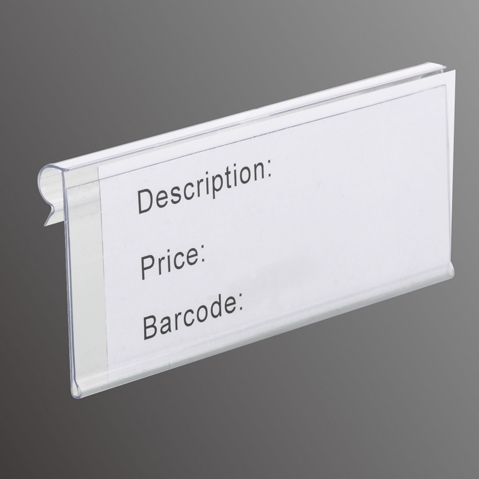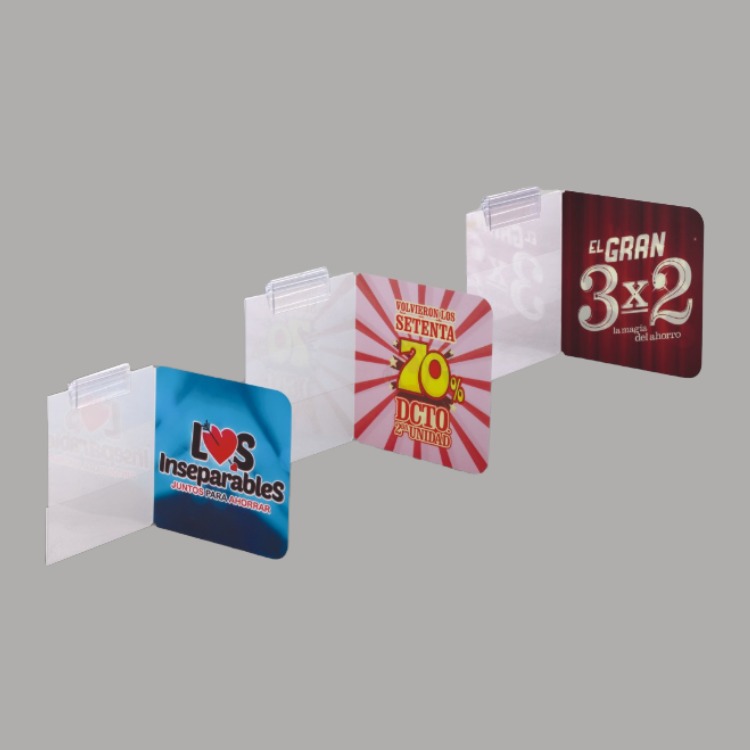
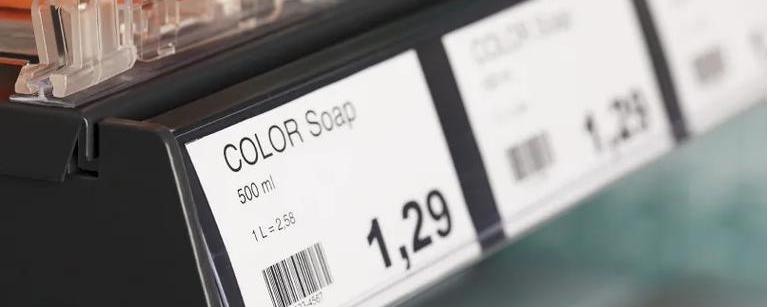
When manufacturers and suppliers need to affix labels to plastic, they typically choose permanent adhesives, vinyl, polyester, or synthetic paper. Polycarbonate, polyester, and vinyl are all tear-resistant and durable materials that effectively resist chemical corrosion. For shelf labels, IDmate data strips offer a customized wholesale solution that eliminates the need to affix labels directly to products. This innovative solution also makes label updates easy and efficient.
Key Takeaways
- Choose the appropriate label type based on your needs. Permanent self-adhesive labels are suitable for long-term use, while removable labels are better suited for short-term use.
- Before applying the labels, clean the plastic surface. Dirt or grease can affect the label’s adhesion. Acetone can be used to quickly clean the surface.
- Consider the environment surrounding the labels. Humidity and temperature can affect label adhesion. Please choose labels suitable for that environment.
Types of Labels That Stick

Manufacturers and suppliers want labels that stay on plastic. The best label depends on how it will be used, how long it needs to last, and what kind of plastic it is for. Here are the main types of labels that stick well to plastic, with their features and best uses.
Permanent Adhesive Labels
Permanent adhesive labels use strong glue to stick tightly to plastic, even on hard-to-label surfaces like HDPE. These glues are usually acrylic-based and are good for long-term labeling in factories, shipping, and big stores. They can handle hot or cold temperatures and lots of touching, so they work well for asset tags, serial numbers, and inspection labels.
- Acrylic-based permanent adhesives work on plastics, metals, and cables.
- Brands like Avery and SuperStick have tough labels for hard jobs.
- Polypropylene labels with permanent adhesive are extra strong for chemical packaging and car parts.
Tip: Use permanent adhesives when you do not want the label to come off, like for safety or rules labels.
Removable Adhesive Labels
Removable adhesive labels can be taken off easily without leaving sticky stuff behind or hurting the plastic. These labels are good for short-term use and are common in shipping, stores, and reusable packaging.
| Use Case | Description |
|---|---|
| Logistics Containers | Clean-removal labels let containers be used again. |
| Retail Labeling | Removable labels are good for changing displays or prices. |
| Reusable Bottles and Containers | Wash-off labels help bottles and containers get reused. |
- Removable adhesives stick lightly, so they are great for things like price tags, sale labels, and event labels.
- They work best on smooth plastic.
- Warehouse and shipping labels often use removable glue for easy changes.
Note: Removable adhesives are not for long-lasting or tough jobs because they are made for short use.
Vinyl & Polyester Labels
Vinyl and polyester labels stick to plastic and last a long time. These labels are used in factories and big stores because they can handle rough places, lots of touching, and chemicals.
- Vinyl labels bend and fit on curved or bumpy things, so they are good for bottles, buckets, and tools.
- Polyester labels do not get ruined by chemicals, heat, or scratches, so they are great for outside or factory use.
- Both types stay readable and sticky, even with water, sunlight, or cleaning.
- Vinyl labels work inside and outside because they resist water, chemicals, and sunlight.
- Polyester labels are best for really tough jobs, especially in hard places.
These strong labels are better than paper labels because they stay clear and do not fall off in hard conditions.
Synthetic Paper Labels
Synthetic paper labels are made from special plastic films like polyester, polypropylene, and vinyl. These labels stick to plastic and are better than regular paper labels, especially in tough places.
- Synthetic labels do not soak up water, so they do not swell or smear.
- They can handle oils, grease, weak acids, and cleaners.
- These labels do not scratch easily and stay sticky and bendy in hot or cold places, like freezers or engines.
- Strong acrylic glue helps them stick to many kinds of plastic.
| Performance Aspect | Description |
|---|---|
| Water Resistance | Synthetic labels do not soak up water, so they do not swell or smear. |
| Chemical Resistance | They can handle oils, grease, weak acids, and cleaners without breaking down. |
| Adhesive Performance | Strong acrylic glue keeps them stuck to many surfaces, including plastic. |
Synthetic paper labels are great for outside, cold places, or anywhere you need a tough label.
IDmate Data Strips: A Versatile Solution for Shelf Labeling
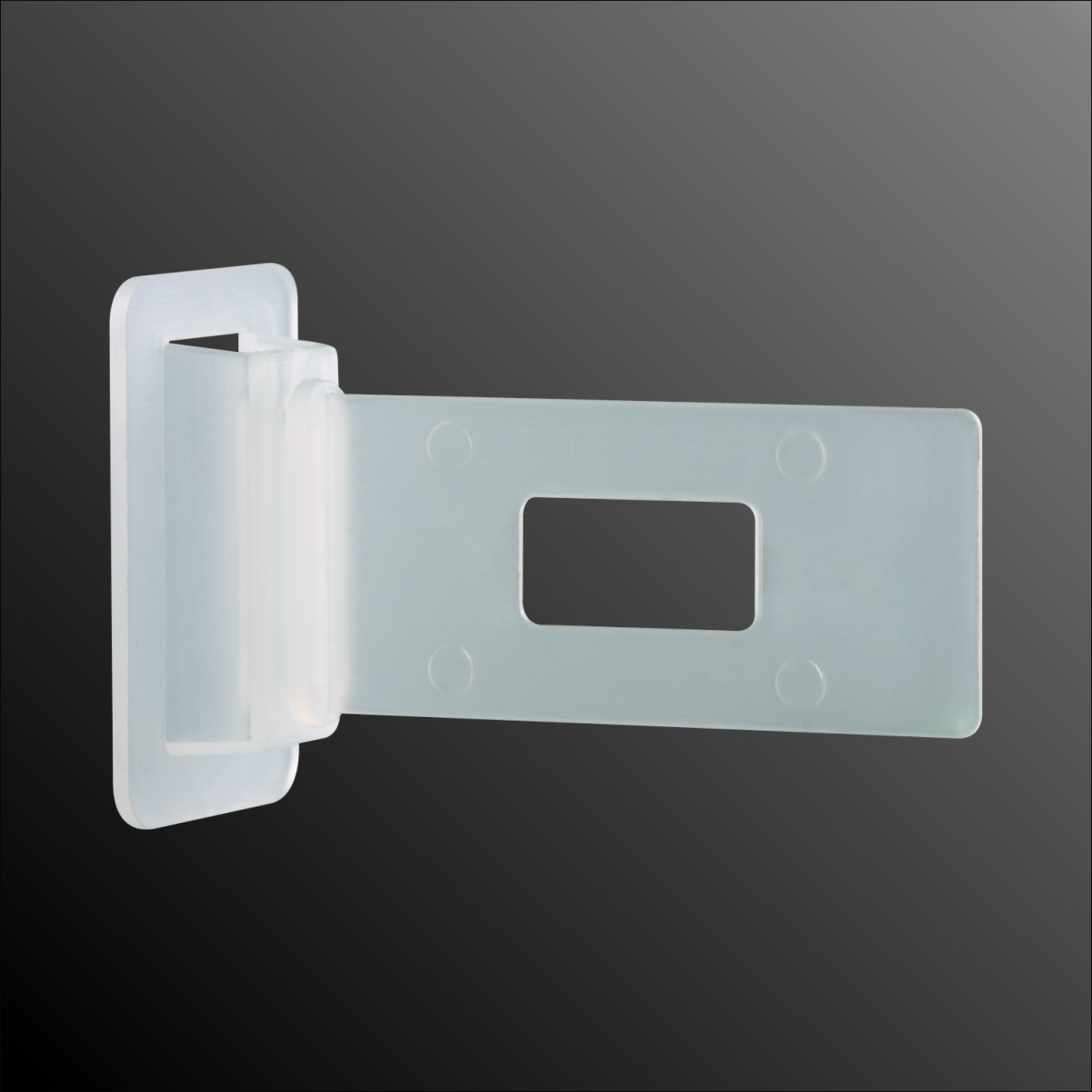
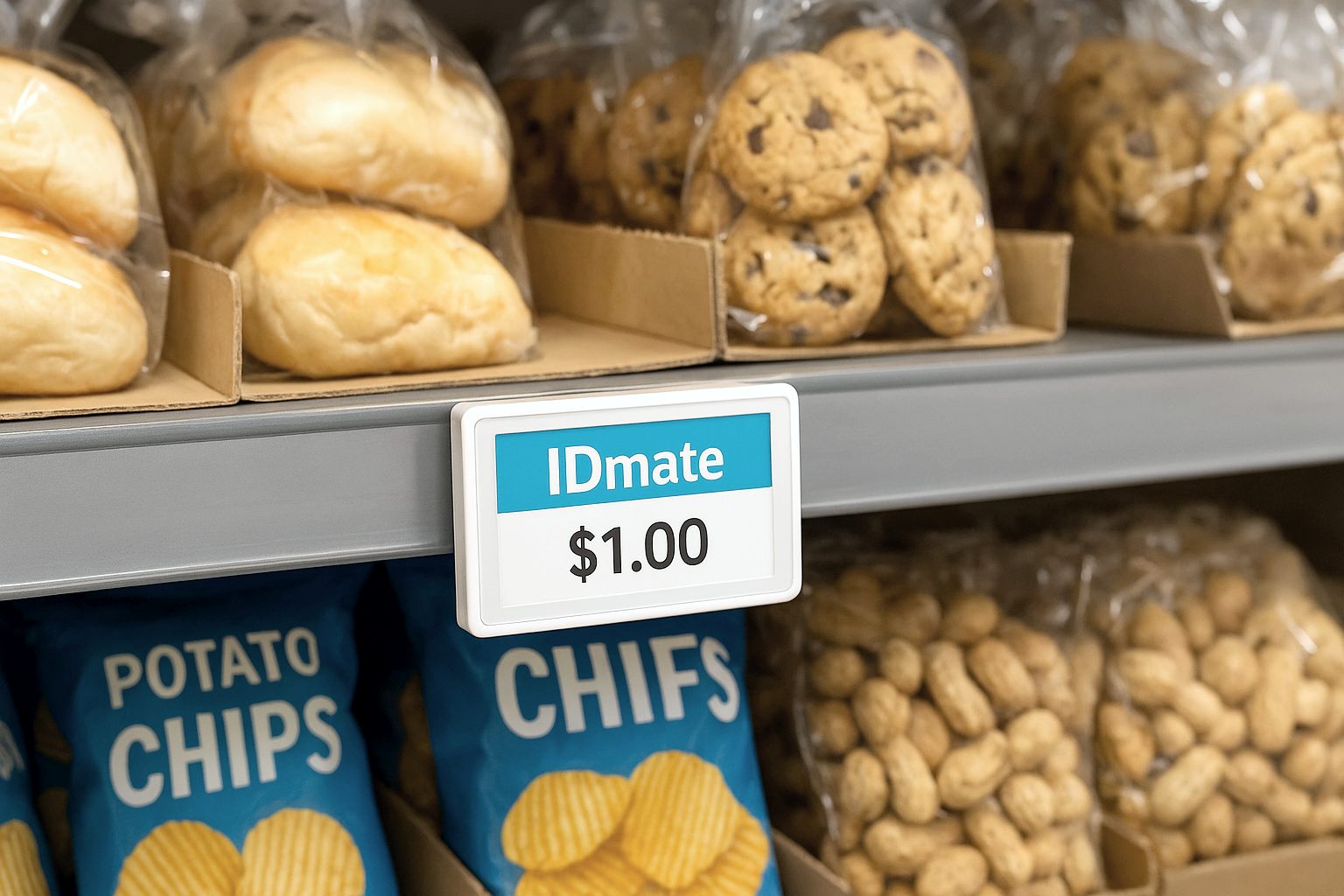
IDmate Data Strips are a special way to label shelves in stores, supermarkets, and warehouses. These strips do not stick right to products. Instead, they use different ways to attach, like clips, magnets, sticky backs, or wire holders. This makes it easy to change labels and keeps shelves neat without hurting them.
| Feature | Description |
|---|---|
| Versatile Material Compatibility | Works on metal, wood, glass, and wire shelves, so you can use them in many places. |
| Installation Methods | There are different ways to put them on, so you can pick what works best for your shelf. |
| Non-Damaging Clips | Clips go on shelf edges without glue, so they do not hurt wood or glass. |
| Easy to Install | You can stick or clip them on fast, so setup is quick. |
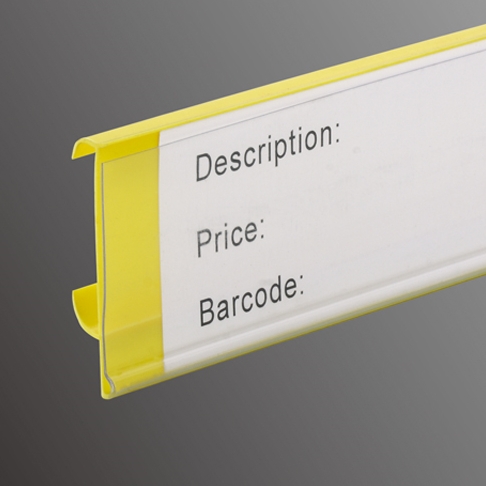
| Customizable Colors | You can get them in any color to match your store or make them stand out. |
Manufacturers and suppliers can use IDmate Data Strips for easy, clean, and custom shelf labels. These strips are good for changing labels often and work with many kinds of shelves.
Factors Affecting Label Adhesion to Plastic
Surface Texture
How well labels stick to plastic depends on the surface. Smooth plastic lets glue spread out and hold tight. Rough or bumpy plastic gives more space for glue to grab. This can make the label stick better. But shiny or powder-coated plastic can be tricky. These surfaces might need special glue or extra steps to help the label stay.
- Smooth plastic gives glue a flat place to stick.
- Bumpy plastic gives more space for glue to hold.
- Some plastics need strong glue to keep labels on.
Cleanliness
Clean plastic helps labels stick well. If there is dirt, oil, or old glue, the label may not stay. People use acetone to clean plastic before putting on a label. Acetone gets rid of grease and dirt fast. Use a cloth or cotton ball to wipe the plastic gently. Be careful because acetone can hurt soft plastic.
Plastic Type
Some plastics are hard for labels to stick to. The table shows different plastics and what makes them tough:
| Plastic Type | Surface Energy (Dyne/cm) | Characteristics | Adhesion Challenges |
|---|---|---|---|
| Polypropylene (PP) | 29 | Rigid, chemical-resistant | Needs special adhesives or treatments |
| Polyethylene (PE) | 31 | Flexible, impact-resistant | Needs special adhesives for strong bonding |
| LDPE | 31 | Flexible, chemical-resistant | Similar to PE, low surface energy |
Environmental Conditions
Humidity and temperature changes can make labels peel off. Wet air can make labels curl or fall off. Fast changes in temperature can break the glue, especially if water freezes and melts. Labels without a cover can fade or lift in hot or wet places. It is smart to pick labels made for the shelf and the room they will be in.
Tip: Always pick the right label for the plastic and where it will be used.
Choosing Labels for Plastic
Picking the right labels for plastic helps them stay on. Manufacturers and suppliers want labels to stick well and last long. The best label depends on the plastic type, where it will be used, and how long it needs to stay.
Matching Label to Plastic
Manufacturers need to match the label and glue to the plastic. Plastics like polycarbonate let glue stick easily. Plastics like polyethylene need special glue to hold tight. Rough surfaces help glue grip better but may need thicker glue. Flexible plastics with plasticizers need glue that can handle chemical changes.
- Polyester labels are good for hot or cold places and chemicals.
- Permanent acrylic glue works well for factories and big stores.
Indoor vs. Outdoor Use
| Feature | Indoor Plastic Labels | Outdoor Plastic Labels |
|---|---|---|
| UV Resistance | Not needed | Very important |
| Moisture Resistance | Some | A lot |
| Material Durability | Regular | Strong (like vinyl) |
| Color Options | Many choices | Many choices |
Vinyl and polycarbonate labels are good for outside because they resist sunlight and water. Maverick Label and STRYKER have labels for tough weather.
Removability vs. Permanence
Manufacturers must pick if the label should come off or stay forever. Removable glue is best for short uses, like signs or containers you use again. Permanent glue is strong for product labels and signs outside.
- Removable: Easy to take off, protects surfaces, good for short use.
- Permanent: Stays on, strong, resists weather and chemicals.
Application Tips
- Make sure the plastic is dry.
- Look for bumps or dust and clean it well.
- Line up the label before taking off the backing.
- Stick the label from one end and smooth out bubbles.
- Press the edges so the label sticks best.
IDmate has custom Data Strips for special shelves. Suppliers can pick colors, sizes, and materials that work in cold places. This helps labels stick even in hard conditions.
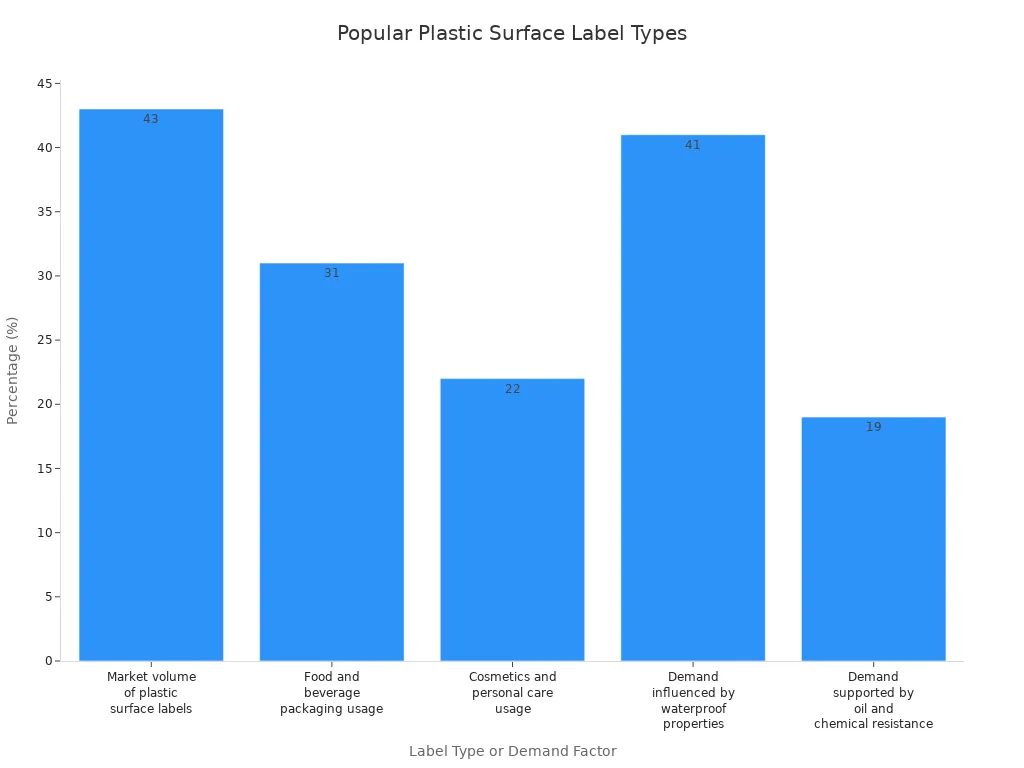
Manufacturers and suppliers pick labels like permanent adhesive, vinyl, polyester, or synthetic paper for plastic. About 43% of labels are used on plastic surfaces. Labels that do not let water in are wanted by 41% of people. IDmate Data Strips give stores a special way to label shelves quickly and easily.
Quick tips: Clean the surface, pick the right glue, press down hard, and think about the temperature to help labels stay on.
FAQ
What labels work best for plastic in manufacturing or wholesale?
Manufacturers and suppliers pick permanent adhesive, vinyl, or synthetic paper labels. IDmate Data Strips give a custom way to label shelves without sticking labels right on products.
How can suppliers ensure labels stay on plastic?
Suppliers need to clean surfaces well and use strong glue. They should choose labels made for plastic. IDmate Data Strips help keep shelf labels safe and make updates simple.
Are IDmate Data Strips suitable for cold storage environments?
Yes. IDmate makes custom Data Strips with materials that resist cold. These strips work great in cold warehouses and stores.