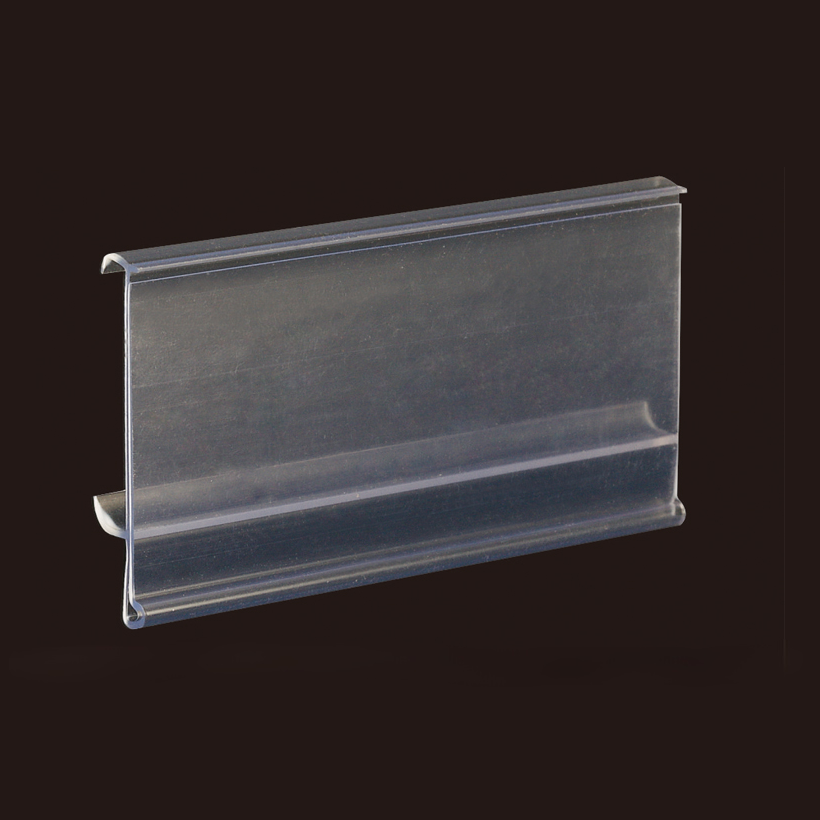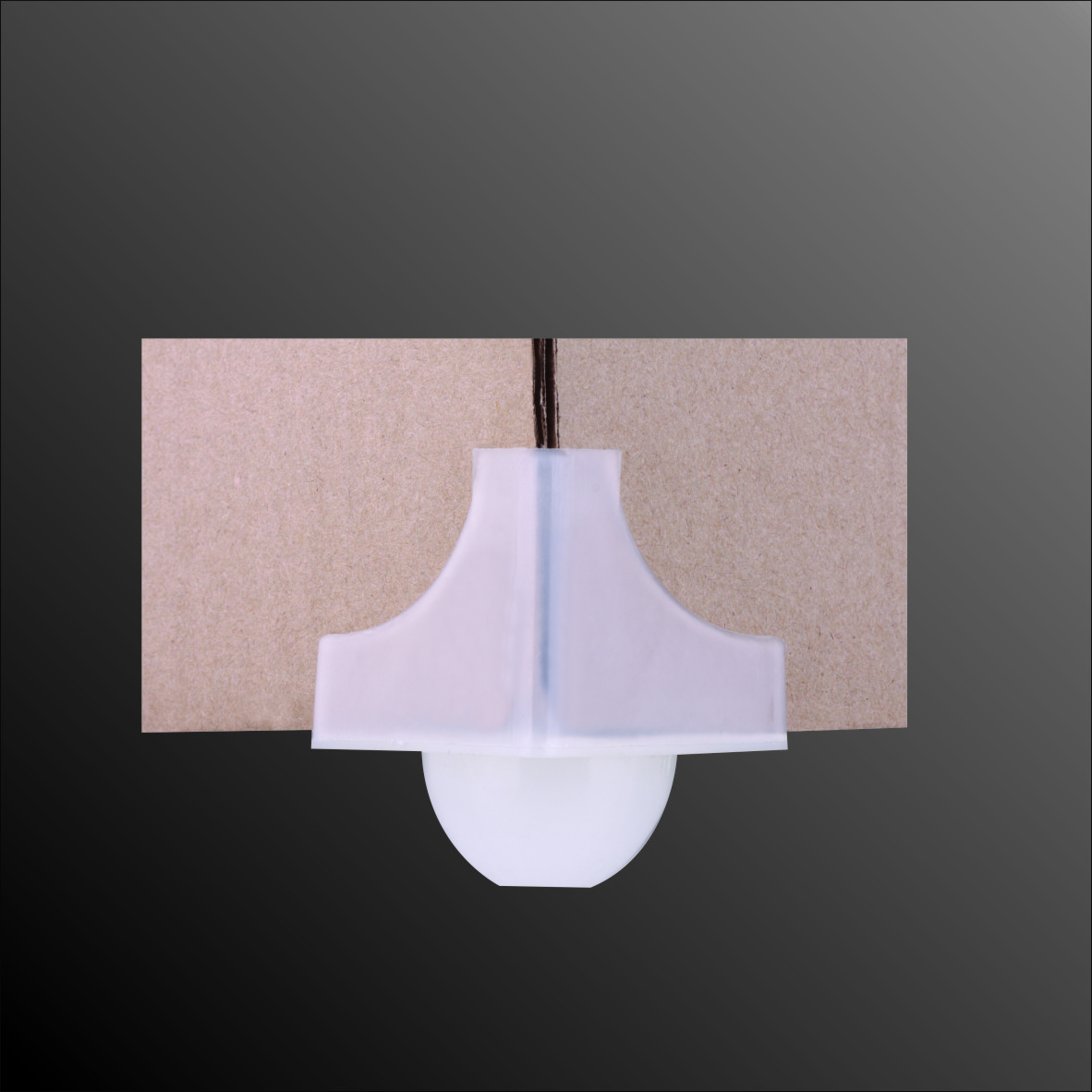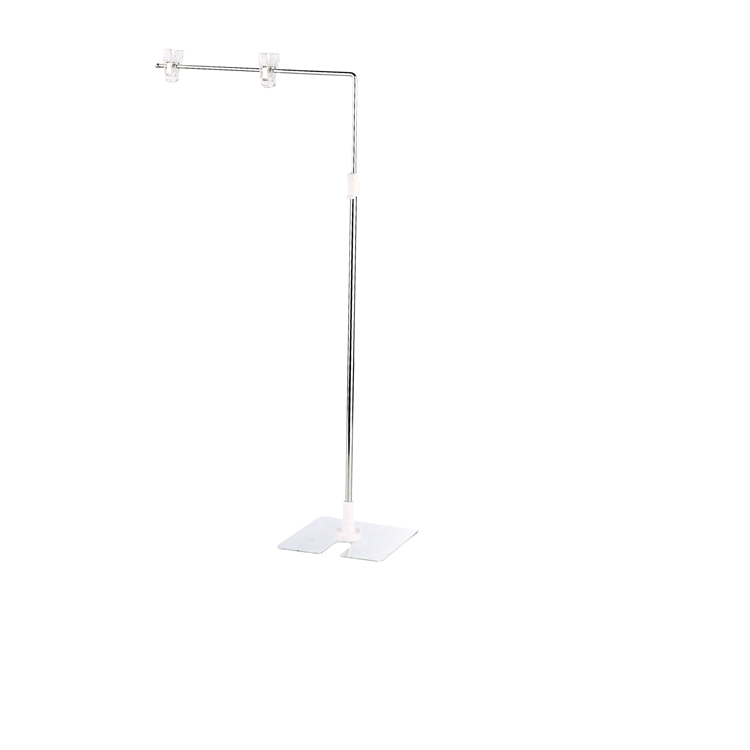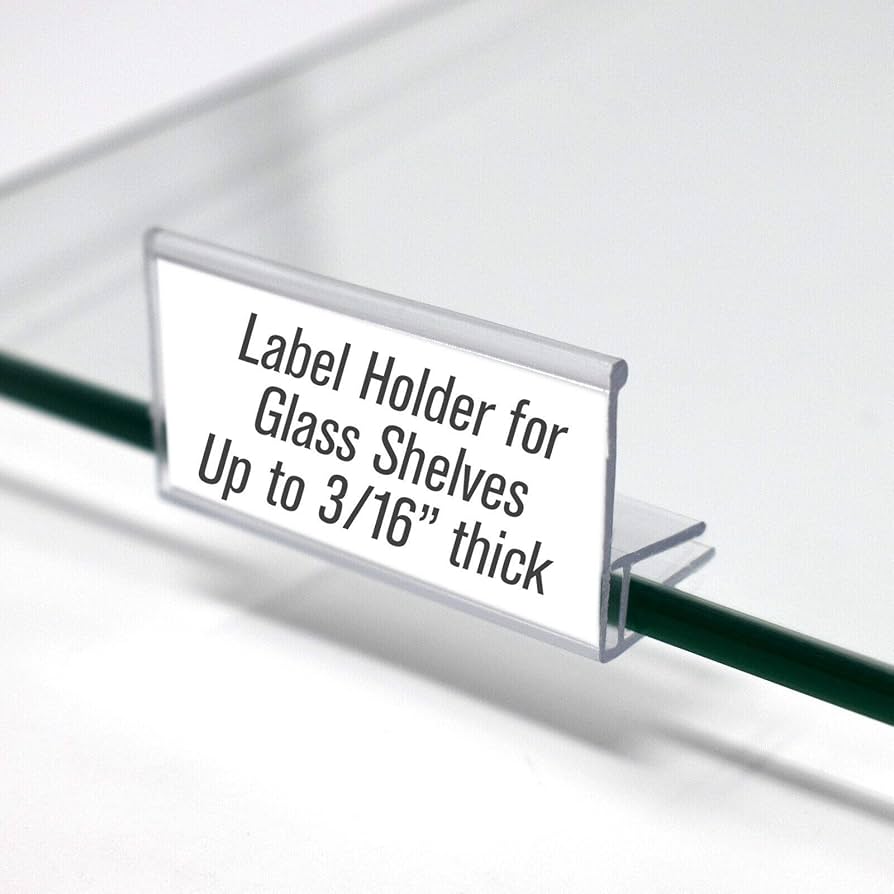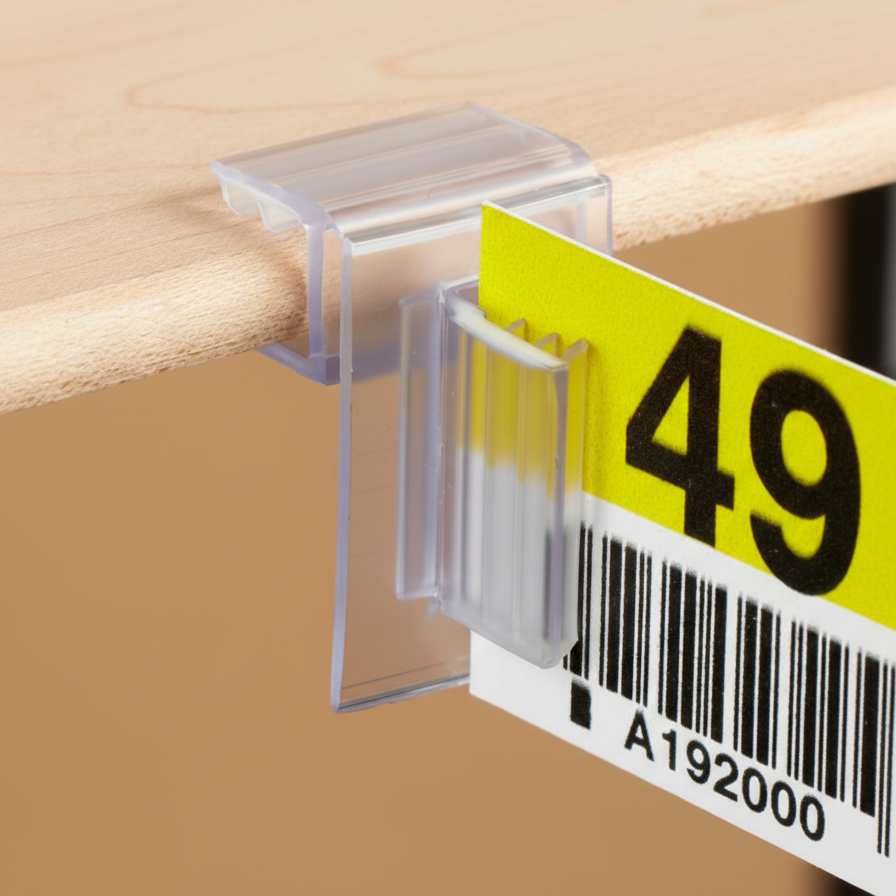
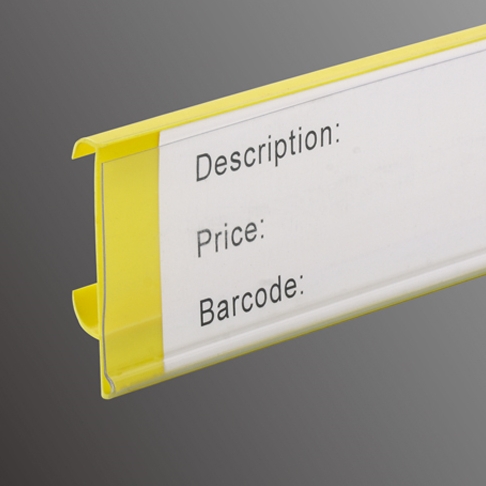
The difference between labels and hang tags can influence people’s perception of merchandise in a store. Labels are affixed to the product, while hang tags typically hang on the outside. Good hang tags can make a product look more special. Clear information, such as the product’s country of origin, helps build trust, thereby stimulating a desire to buy. IDmate’s data strips offer another way to display product information on shelves.
Key Takeaways
- Labels provide important product information, such as size and washing instructions. The label remains on the product as long as it is still there.
- Hang tags can be removed and used for branding and advertising. They help attract customers’ attention and encourage them to buy.
- Choosing high-quality label and hang tag materials can enhance brand image and is also beneficial to the environment.
Difference between a label and a hangtag
What is a label?
A label is a material that is affixed directly to a product. It remains on the product until it is discarded. Labels provide important information such as brand name, size, washing instructions, and country of origin. In clothing and stores, there are many types of labels, including woven labels, printed labels, and washing labels. Labels are made from materials including brocade, satin, taffeta, nylon, polyester, or cotton blends. Labels can be sewn, woven, or affixed to products.
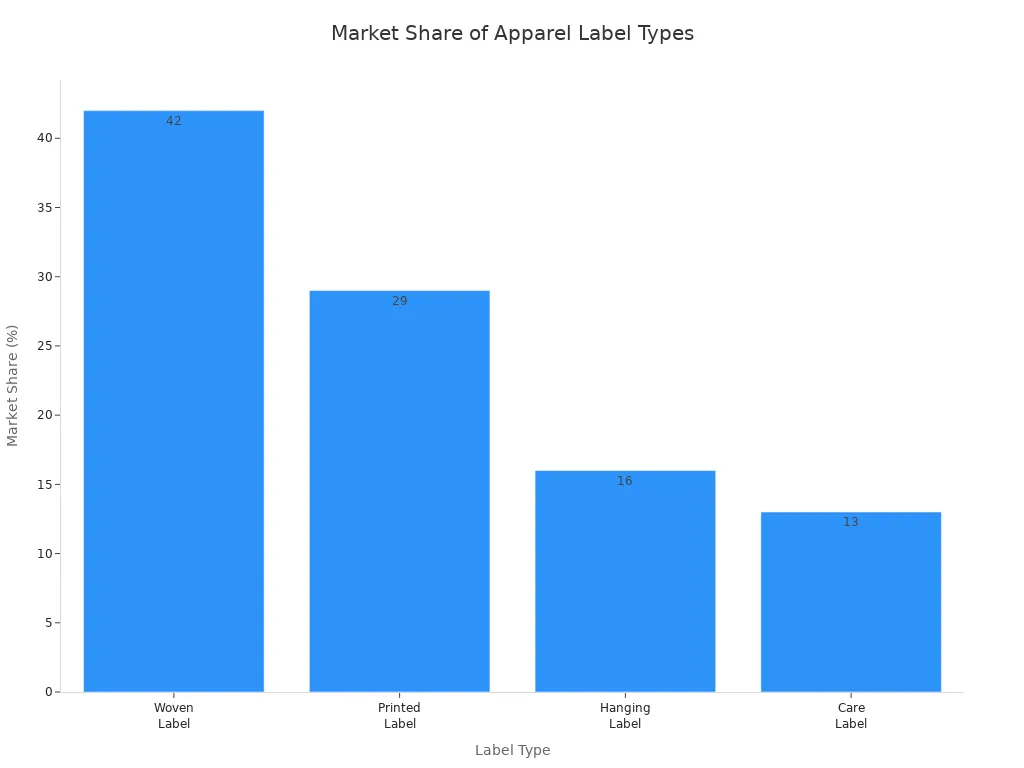
| Label Type | Market Share (%) | Common Materials Used |
|---|---|---|
| Woven Label | 42% | Damask, satin, taffeta |
| Printed Label | 29% | Nylon, polyester, cotton blends |
| Hanging Label | 16% | Various materials, often customized |
| Care Label | 13% | Heat-resistant synthetic materials |
Labels help people understand product information and comply with regulations. Some regulations require labels to display information such as fiber composition and manufacturer. This information helps consumers choose the right product and ensures its authenticity.
What is a hangtag?
A hang tag is a removable label. It is attached to a product via a string, ribbon, or plastic sheet. Hang tags display information such as brand, price, and advertising. Compared to labels, hang tags offer more display space. Brands use hang tags to tell their brand story, showcase product features, or share promotional information. Hang tags can be stylishly designed, have a unique tactile feel, and utilize technologies such as QR codes or RFID.
Tip: Hang tags are like mini billboards. They help products attract attention and capture consumers’ interest.
Hang tags are widely used in clothing, cosmetics, electronics, and home goods. Brands use hang tags to enhance product image and communicate effectively with consumers.
Key differences between label and hangtag
The main differences lie in their usage, lifespan, and content. Labels remain on the product, providing important information. Hang tags, on the other hand, are removed and primarily used for advertising and brand promotion.
| Feature | Label | Hangtag |
|---|---|---|
| Attachment Method | Sewn, woven, or adhered | String, ribbon, or plastic fastener |
| Permanence | Permanent, lasts for product’s lifespan | Temporary, removed after purchase |
| Information | Essential (size, care, origin) | Branding, price, promotions, stories |
| Space | Limited | More extensive |
Some brands use both labels and hangtags for optimal effect. For example, a jacket might have a woven label sewn inside to indicate washing and care, and a hangtag on the outside to display the brand and price. Hangtags allow brands to be creative, while labels ensure rules are followed and are durable.
Note: IDmate’s data bars are different from tags. They are used to display product information on shelves, not on the product itself. Data bars help stores display information such as prices and barcodes. They are store-specific tools, not labels or hangtags.
The difference between labels and hangtags lies in their impact on people’s perception of a product. Labels help people trust a product by providing necessary information. Hangtags make products stand out and aid in advertising. Both help track products and verify their authenticity, especially when combined with barcode or RFID technology.
Hang tags vs labels: Pros, cons, and environmental impact

Advantages and disadvantages
Hang tags and labels can help brands and consumers in different ways. Hang tags give brands more space to share product information, such as how to care for the product and its materials. Hang tags help educate consumers and capture their interest. Brands use eye-catching designs on hang tags to make products easier to identify. Hang tags can also allow brands to promote their environmental or fair trade principles.
Labels, on the other hand, accompany a product throughout its life. They display important information such as size, care instructions, and country of origin. However, labels can also hinder new brands from standing out. If a label looks strange, some consumers may not trust a new brand. If a store uses external manufacturers, problems such as inventory buildup or delays may occur. Labels need to be manually replaced to reflect new prices, which can lead to outdated information or errors at checkout.
| Feature | Hangtags | Labels |
|---|---|---|
| Branding | Easy to see, cool designs | Quiet, lasts a long time |
| Information | More room for stories and deals | Only the most important facts |
| Customer Engagement | Strong, teaches and draws in | Not much |
| Practicality | Can be taken off, flexible | Stays on, follows rules |
Environmental considerations
Hangtags and labels can affect the planet based on what they are made of. Many brands now use recycled paper or things that break down for hangtags. This cuts down on trash and helps brands look eco-friendly. Hangtags can also teach shoppers about being green by sharing tips.
Labels often use fake fibers or plastic, which are hard to recycle. Some brands now use organic cotton or recycled polyester for labels to help the planet. Picking the best material for hangtags and labels helps brands reach green goals and attract shoppers who care about the earth.
Tip: Brands can help the planet by picking recycled or earth-friendly materials for hangtags and labels.
Choosing between label and hangtag for your brand
Customization and types
Brands have many choices for custom hang tags and custom labels. Suppliers give lots of shapes, sizes, and materials. Custom hang tags can be rectangles, squares, circles, or special shapes. Custom labels come as woven, printed, or sticky types. Both can use digital or offset printing. They can also have foil stamping, embossing, or shiny finishes like lamination or spot UV. Wholesale suppliers often use eco-friendly materials. These include recycled paper, seed paper, fabric, wood, or metal.
| Feature | Options |
|---|---|
| Shape | Rectangular, square, circle, custom die-cut |
| Size | Varies by product and information needs |
| Material | Cardstock, specialty paper, recycled paper, fabric, wood, metal |
| Printing | Digital, offset, foil stamping, embossing |
| Finishing | Lamination, spot UV, die-cutting, stringing, eyelets/grommets |
Custom hang tags help brands get noticed and share their story. Custom labels give facts and stay on the product for its whole life.
How to choose for your product
Before choosing custom hangtags or labels, brands should first consider their objectives. They need to clarify whether they want to stand out, share product information, or comply with product-related regulations. Custom hangtags are suitable for products that need to strengthen brand image or require more space to display product stories and offers. Custom labels are best suited for products that need to retain product information long-term, such as care tips or country of origin information.
Tip: A great custom hangtag can enhance a product’s appearance and boost sales by highlighting the product.
To choose the best hangtag, brands should:
- Determine the purpose of the hangtag or label.
- Understand if there are any regulations to comply with.
- Choose the appropriate shape, size, and material for the product.
Both custom hangtags and custom labels help brands build trust and brand image. For shelf information display, IDmate’s data bars are a smart choice. They allow stores to display prices and detailed information without directly affixing them to the product.
Labels stay on products and tell important facts. Hangtags help products get noticed and share stories. Brands need to think about materials, colors, and design. These things can change how much customers trust them and how the brand looks.
- Labels and hangtags help people see the brand
- Using the same design helps people remember the brand
- Good materials make customers think the brand is better
| Metric | Description |
|---|---|
| Percentage of Sales from New Products | Shows how new items help make more money |
| Success Ratio | Tells how well new branding ideas are working |
Business owners should check their labeling plans. They should also try new things like Data Strips for showing facts on shelves.
FAQ
What is the main purpose of a label?
A label gives key facts about a product, such as size, care, and origin. It helps shoppers trust and choose the right item.
Why do brands use hangtags?
Brands use hangtags to highlight their story, show prices, and attract attention. Hangtags often include branding, promotions, or QR codes.
How do Data Strips differ from labels and hangtags?
Data Strips display product details on shelves, not on products. They help stores organize prices and barcodes for easy updates.