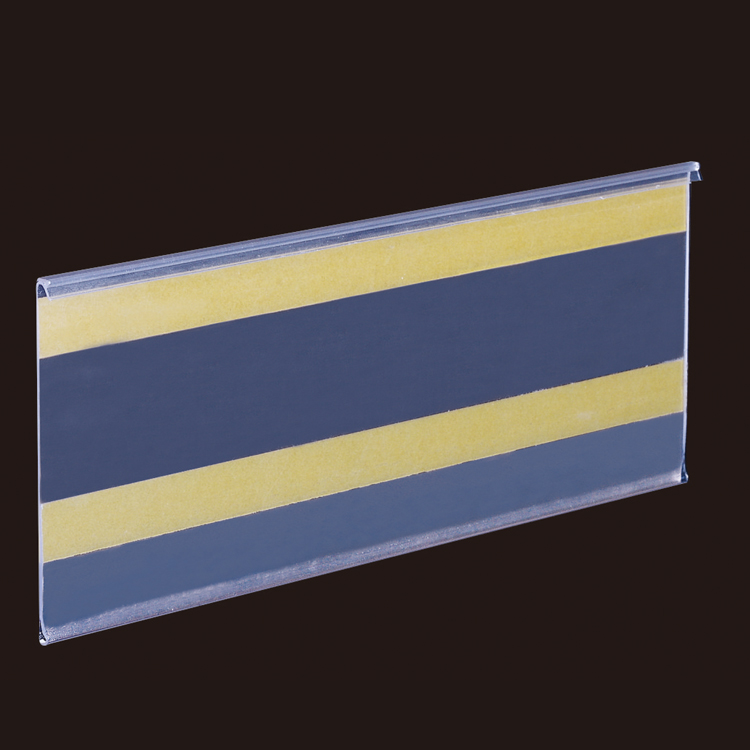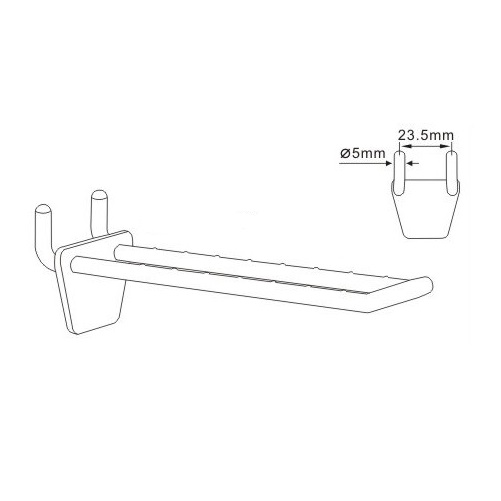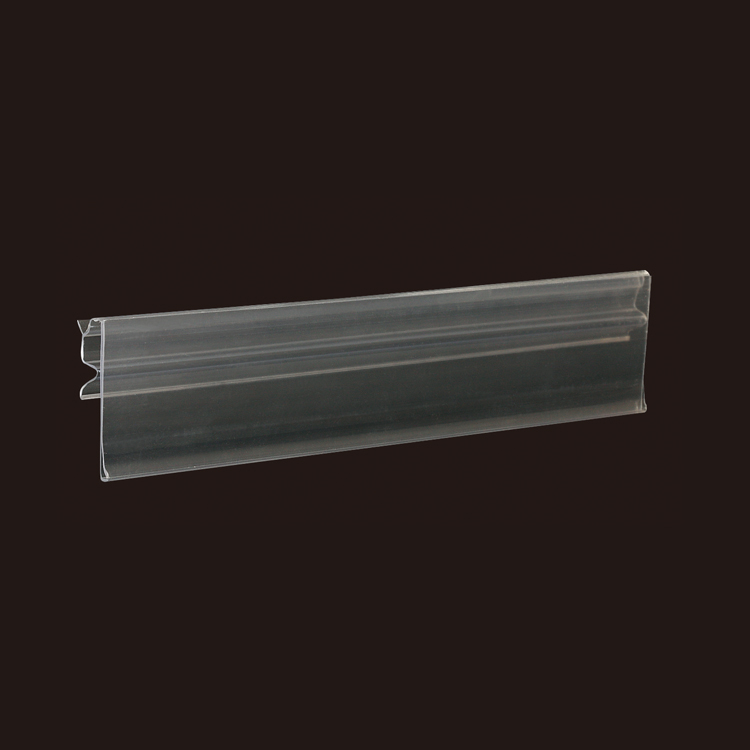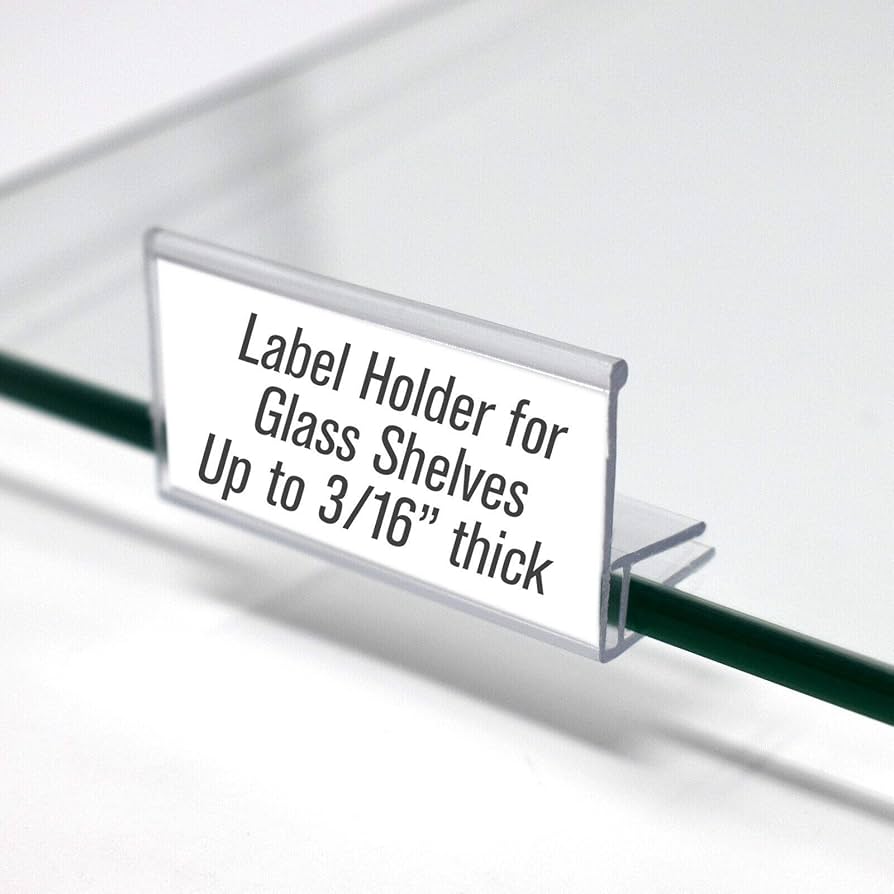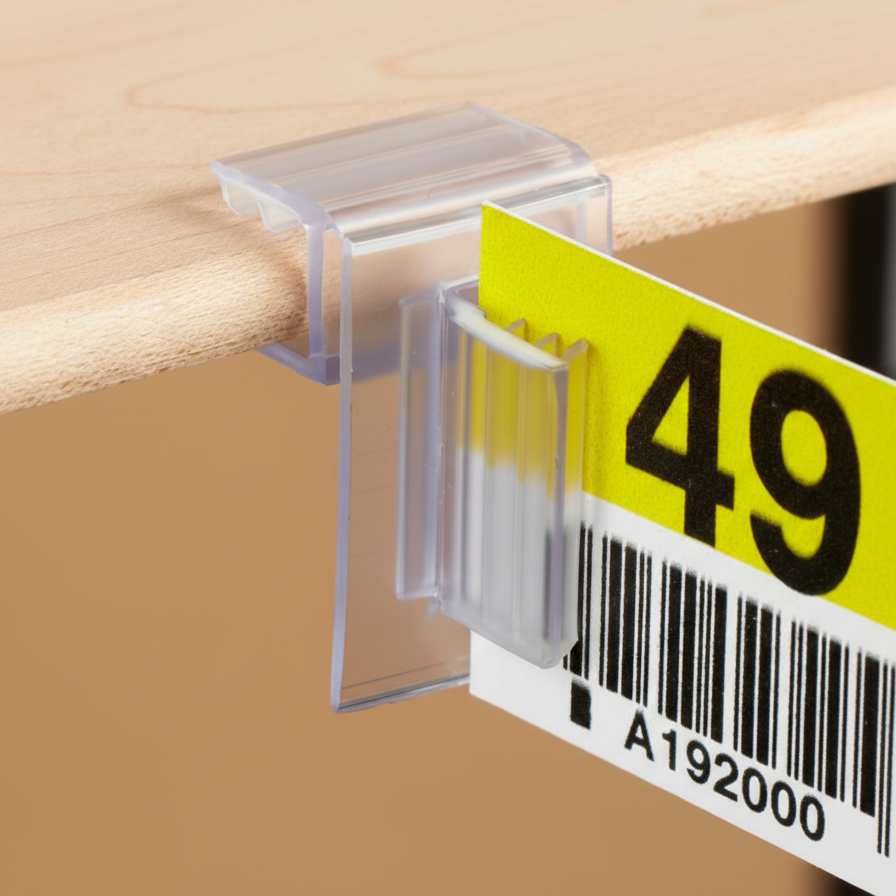

People often ask, what’s the best tool for writing on acrylic signage? Choosing the right pen or marker ensures text remains clear and legible for a long time. Many businesses use sturdy acrylic sign holders from companies like IDmate to display their signs. These holders help ensure every message is clearly visible and extend the sign’s lifespan.
Key Takeaways
- Choose the right marker for your acrylic signage. Chalk markers are great for temporary information, while paint markers are more durable and suitable for signs intended for long-term use.
- Properly handle acrylic surfaces. Clean the surface with mild soapy water to ensure clear and strong writing.
- Choose the right nib size based on your writing needs. Fine nibs are suitable for writing details, while thicker nibs are best for writing bold, eye-catching lettering.
Best Tools to Write on Acrylic Signs

Choosing the right tool for writing on acrylic signage is crucial. It ensures your information looks good and lasts. Many businesses use acrylic sign holders from companies like IDmate. These holders maintain a clean, professional look for the signage, keep it clearly visible, and protect it from damage. This makes them a smart choice for shops, offices, and restaurants.
Chalk Markers
Chalk is ideal for information that needs frequent replacement. It creates clear, sharp lines on acrylic signs. Brands like Chalk Ink and Chalkola are popular for their vibrant colors and easy erasing. Without any treatment, chalk drawings can last for weeks or even months on acrylic signs. Chalk is perfect for menus, event signage, or displays that need updating.
Tip: Use a fine tip for small letters and a thick tip for large letters.
Water-Based Paint Pens
Water-based paint pens are for those who want long-lasting writing. These pens dry quickly and don’t smudge. They are suitable for indoor or outdoor signs. The colors are vibrant and can be layered or mixed. Water-based paint pens adhere strongly to acrylic materials and maintain their color for a long time.
| Feature | Description |
|---|---|
| Water-resistant | Makes a plastic-like layer when dry, so it does not get wet easily. |
| Smudge-proof | When dry, the paint does not smear, so lines stay neat. |
| Adherence | Sticks well to many surfaces, including acrylic signs. |
Water-based paint pens are safe to use and not toxic. They are good for art, ads, and signs that need to last.
Oil-Based Paint Pens
Oil-based ink pens offer vibrant, long-lasting colors that are resistant to scratches. These pens are best suited for outdoor signs or high-traffic areas. Oil-based ink pens, such as Sharpie markers, are permanent and will not fade or smudge. They adhere firmly to acrylic surfaces, especially clean, dry surfaces.
- Oil-based ink pens are more durable and scratch-resistant than water-based ink pens.
- They are best suited for signs requiring durability, such as outdoor signs.
- Fine nibs are suitable for writing, while thicker nibs are suitable for drawing larger designs.
Note: Clean the surface before use to ensure better adhesion and extend the lifespan of the oil-based ink pen.
Acrylic Paint Pens
Acrylic paint pens combine the advantages of both water-based and oil-based pens. They offer strong coverage, allowing for clear and vibrant color even on dark or colored signs. While markers tend to fade, acrylic paint pens maintain their bright and striking colors.
- Acrylic paint pens are waterproof, durable, and suitable for a variety of surfaces.
- Once the paint dries, it can remain vibrant and durable for years without fading or peeling.
- These pens are ideal for creating custom signs, logos, or displays that require long-term aesthetic appeal.
When choosing a pen or marker, consider the nib size. Fine nibs are suitable for writing small letters, while thicker nibs are suitable for writing large, bold letters. Always test a small, inconspicuous area before use to ensure smooth writing.
| Feature | Description |
|---|---|
| Clear Visibility | Lets people read the sign easily. |
| Easy to Use/Install | Simple to set up and update. |
| Durable/Lasting | Made from strong materials that do not break easily. |
| Fits Multiple Scenes | Works well in many types of businesses and displays. |
IDmate is a trusted company that manufactures and wholesales custom acrylic sign holders. Their holders make your signage more durable and aesthetically pleasing. They protect your text from dust, liquid spills, and fading.
For best results, use a high-quality marker and a sturdy acrylic sign holder from IDmate. Wherever you place your sign, this ensures your information remains clear and lasting.
Acrylic Signs: Marker Comparison
Chalk vs. Paint Pens
Both chalk and paintbrushes work well on acrylic signs, but they each have their strengths. Chalk creates striking, vibrant lines and is easy to erase, making it suitable for menus or signs that are frequently changed. However, sunlight and humidity can cause chalk to fade, so it works best indoors. Paintbrushes, on the other hand, offer more durable results. They are less prone to smudging and fading, making them more suitable for signs that need to be hung or placed outdoors for extended periods.
Tip: For outdoor acrylic signs, try to place them in the shade or use a protective coating to prolong color durability.
Water-Based vs. Oil-Based
The choice between water-based and oil-based markers depends on the specific project. Water-based markers use acrylic polymers, have a minimal odor after drying, and are suitable for classroom use. Oil-based markers dry faster, adhere to more surfaces, and have a longer lifespan outdoors. Here is a brief comparison:
| Attribute | Oil Paint Markers | Acrylic Paint Markers (Water-Based) |
|---|---|---|
| Pigment Carrier | Oil-based | Water-based acrylic polymer |
| Opacity | Very high, 1 coat | High, may need 2 coats |
| UV Resistance | Excellent (5+ years) | Moderate (1–3 years) |
| Smell | Mild solvent | Low or none |
| Kid-Safe Age | 6+ with supervision | 3+ |
Fine Tip vs. Thick Tip
The thickness of a marker nib affects the appearance of a sign and how far people can read it. Fine nibs (0.7 mm) are suitable for details and small lettering. Medium nibs (1-3 mm) are suitable for most labels and outlines. Coarse nibs (5 mm and above) make large lettering and large graphics clearly visible from a distance. For example, a 4-inch letter can be read from 100 feet (approximately 30 meters) away.
| Tip Size | Best Use |
|---|---|
| 0.7mm | Details, dots, small accents |
| 1-3mm | Labels, outlines, small fills |
| 5mm+ | Posters, big letters, fast coverage |
Monoline lettering and calligraphy also look great on acrylic signs. Practicing these styles helps create neat, eye-catching displays for any business or event.
Writing Tips for Acrylic Signs
Preparing the Surface
Surface preparation is crucial for the quality of text on acrylic signs. First, clean the sign with a mild mixture of detergent and warm water. This removes dust and grease without damaging the acrylic. Avoid using alcohol-based cleaners, as they may cause cracking or a hazy finish. For deep cleaning, use an acrylic cleaner specifically designed for plastic surfaces. Applying multiple coats of primer can make the text more durable.
Lettering Techniques
Choosing the right writing technique helps information stand out. Many people use single-line fonts for a clean, modern look. Others prefer calligraphy for a more elegant style. Oil-based markers are suitable for both styles, offering vibrant and long-lasting color. For best results, use a fine tip for details and a thicker tip for bold letters. Try outlining the letters first before filling in the color for clean edges. Practicing on scrap acrylic sheets can build confidence before creating the final sign.
Avoiding Smudges
Nobody likes smudges on signs. To keep your lettering neat, follow these steps:
- Clean the surface thoroughly before you begin.
- Choose the right markers.
- Ensure each layer of paint is completely dry before applying the next.
- Do not touch the paint until it is completely dry.
Patience is crucial. Even if the paint feels dry, waiting a little longer helps prevent smudging and keeps the surface smooth.
Removing Writing from Acrylic Signs
Cleaning Methods
Sometimes people need to replace or repair signs. Proper cleaning methods can keep acrylic materials clear and shiny. Here are some effective cleaning methods:
- Quick removers can easily remove glue and old photos.
- Steam wallpaper remover can soften old vinyl material, making it easier to peel off.
- A heat gun can also soften stubborn stains like steam.
- After most of the lettering is removed, the sign can be wiped with denatured alcohol.
Tip: Always test a small area first to make sure the cleaner is safe for the sign.
Erasing Products
Choosing the right product can prevent the sign from being scratched. For water-based markers, use an ammonia-free glass cleaner and a soft microfiber cloth. Evidence can be easily removed with a gentle rub. Using a cotton swab dipped in mineral oil helps remove oily ink. After cleaning, wipe with a slightly damp microfiber cloth dampened with distilled water for a flawless finish.
- Water-based markers can be easily removed with a gentle rub.
- Microfiber cloths help prevent scratches.
- Mineral oil can remove stubborn oily marks.
Fixing Mistakes
Mistakes are inevitable, but don’t let them ruin your signage. Creamy car wax can help repair minor scratches. Apply a small amount of wax to a microfiber cloth and rub in a circular motion. For deeper scratches, repeat this process. Professionals also use the following techniques to prevent damage:
| Prevention Method | Description |
|---|---|
| Use cast acrylic | Helps stop cracks during making. |
| Clean with mild soap | Keeps the sign clear without strong chemicals. |
| Avoid overtightening | Stops stress and cracks in the acrylic. |
| Use proper adhesives | Protects the sign from getting hurt. |
| Allow resting time | Lessens stress after cutting or shaping. |
| Avoid solvents | Stops the sign from getting cloudy or damaged. |
Picking the best marker and method makes signs look neat. IDmate sign holders are strong and easy to see. Here is how acrylic stacks up:
| Material | Durability | Maintenance |
|---|---|---|
| Acrylic | Lasts 5–10 years | Needs little care |
Change styles, update signs, and keep displays new for shoppers.
FAQ
What markers work best for writing on acrylic signs?
Chalk markers, water-based paint pens, oil-based paint pens, and acrylic paint pens all work well. Each kind helps your sign look bright and last longer.
Can you erase writing from acrylic signs?
Yes! Most chalk markers and water-based paint pens come off with a wet cloth. Oil-based and acrylic paint pens need special cleaners to remove them.
Why use an acrylic sign holder from IDmate?
IDmate acrylic sign holders keep signs safe and easy to see. They help stores show messages neatly and make changes fast.