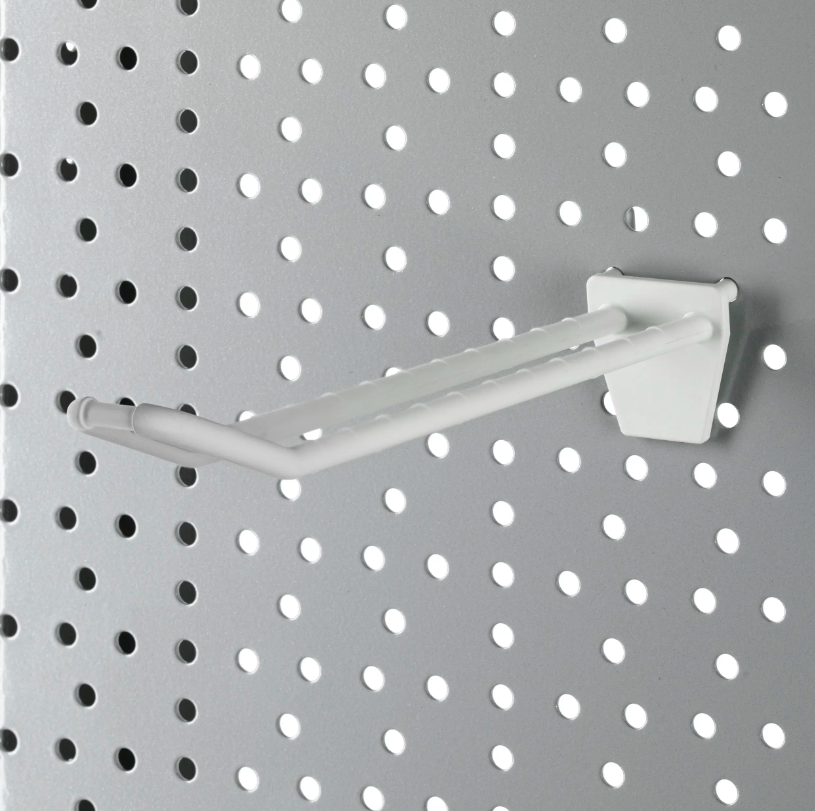
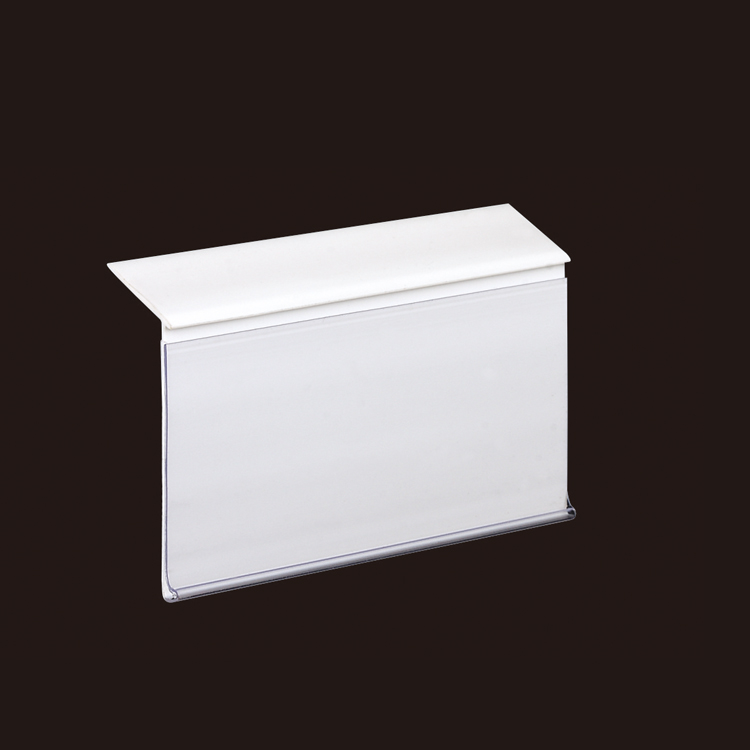
There is no single “best” material for every shelf talker — the right choice depends on the display environment, durability requirements, print quality, and budget. For most retail environments, PVC foam board offers a practical balance of durability, print quality, and cost. For cold or high-moisture areas, PETG or freezer-grade PVC performs better. For short-term promotions, heavy cardstock with UV coating is a budget-friendly option. This guide compares the main materials, explains how to match them to your display environment, and answers common ordering questions.
Key Takeaways
- PVC foam board is a practical choice for most shelf talkers. It offers good durability and print quality at a reasonable cost.
- Match the material to the store environment. Use freezer-grade PVC for cold cases and cardstock for short promotions.
- Test shelf talkers before you buy. Ask for samples to check durability and print quality.
- PVC is generally more economical than PETG, though actual pricing depends on order volume and supplier.
Shelf Talker Materials: PVC, PETG, and Other Options
Rigid PVC — Best for Long-Term and High-Moisture Displays
Rigid PVC includes PVC foam board and PVC film. It is a popular choice for in-store shelf talkers because it combines durability with high-quality printing at a fair cost. PVC is generally more economical than PETG, and the savings become more significant on large orders when scrap rates and shipping are factored in.
A single PVC shelf talker can last for months under normal retail conditions. It stands up to moisture, dust, and regular handling. Printed shelf talkers on PVC show crisp text and bright colors, and the material accepts UV coatings for extra surface protection. Many PVC grades are formulated to meet UL94 V-0 flammability standards, making them suitable for retail environments. For freezer environments, freezer-grade PVC works well without becoming brittle — look for grades tested to remain flexible at low temperatures, such as those rated for -30°C. Clear PVC lets shoppers see products behind the sign.
PETG — Best for Cold Storage and Food-Safe Signage
PETG gives you a premium option instead of PVC. It offers excellent clarity and impact strength, standing up to impacts better than standard PVC. According to ASTM D256 notched impact testing, PETG typically outperforms PVC in impact resistance. PETG works well for displays that need a polished look, such as high-traffic endcaps or cosmetic sections. The material costs more than PVC, but that investment pays off where durability and appearance matter most. PETG is technically recyclable, though recycling infrastructure varies by region.
PETG prints well with most commercial printing methods and accepts UV coatings for long-lasting performance. It resists yellowing from UV exposure, keeping its look over time. PETG is a strong choice for data strips and sign holders because it gives a clear view of products while protecting printed information. PET and PP shelf talkers are also available for clients who prefer these synthetic substrates.
Other Materials: Styrene, Cardstock, and Paper-Based Options
Other rigid materials include polycarbonate, acrylic, and styrene. Polycarbonate offers the highest impact resistance for heavy-use areas. Acrylic gives a luxury look with excellent clarity. Styrene is a budget-friendly rigid option. These materials serve specific needs but are less common than PVC and PETG for everyday shelf talkers.
Paper-based choices include heavy cardstock with UV coating and coated card stock. These work well for short-term promotions in dry indoor aisles. Durable card stock is a budget option, while standard paper works only for very short displays. UV coatings extend the life of printed materials. However, paper fails quickly in wet or freezer environments, so it should be limited to dry, temporary promotions. For temporary cardboard displays, cardboard display parts can help keep signage secure and upright.
How to Choose and Customize Shelf Talkers
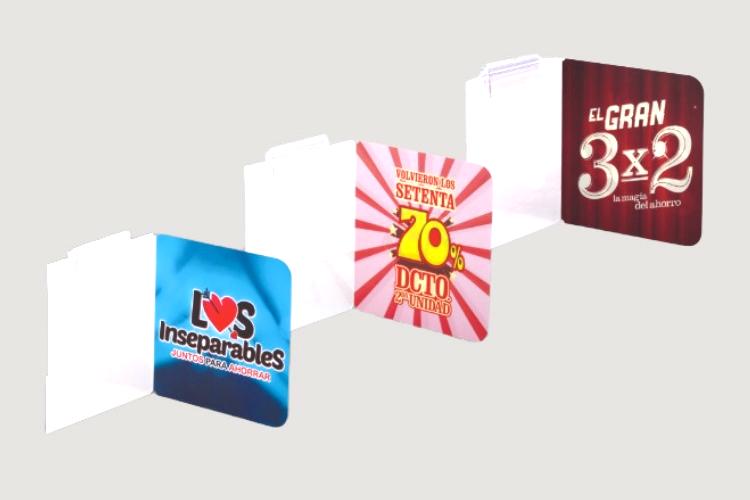
Match Material to Display Environment
The place where you put your display decides which material works best. Dry indoor aisles work well with cardstock because there is little moisture. Freezer and refrigerated cases need freezer-grade or clear PVC, or PETG for extra clarity. Areas with heavy traffic or moisture need PVC, PET, or polycarbonate. These materials resist wear and keep their shape.
Durability, printability, and cost guide the final choice. PVC is strong and affordable, so it fits most in-store shelf talkers. PET is high-end and recyclable, which appeals to eco-minded retailers. Acrylic gives a luxury look for upscale displays. Cardboard is budget-friendly for short runs. Each option changes the quality of the finished piece.
Sizing, Branding, and Ordering
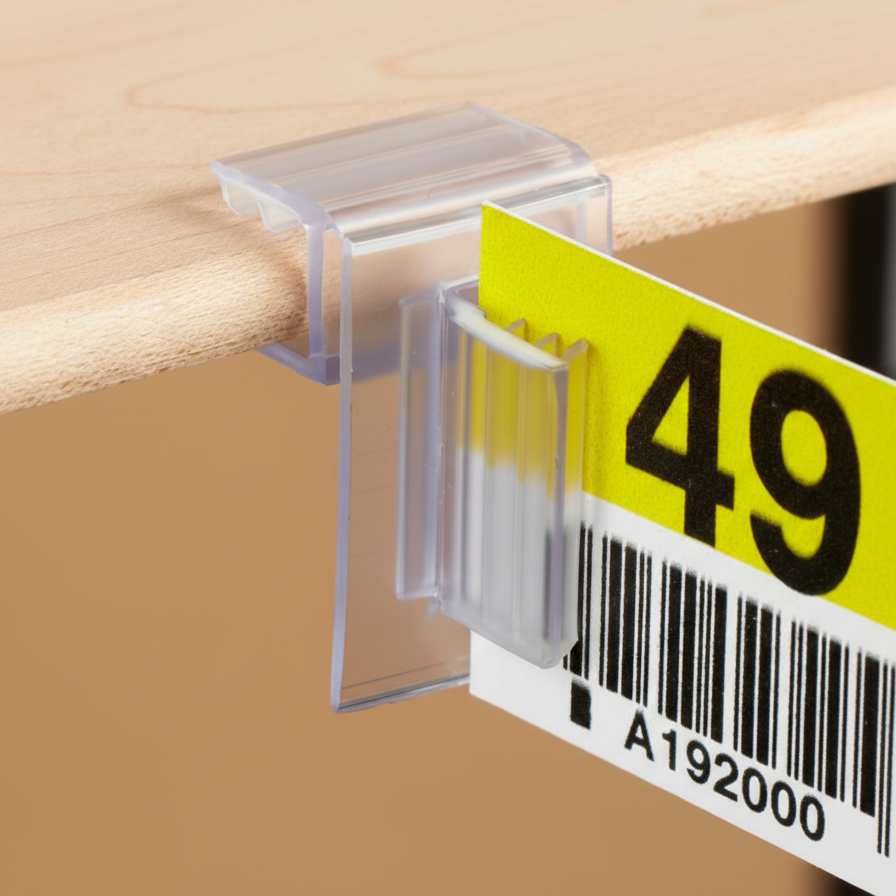
Standard data strip widths fit common shelf channels, but custom sizes are available when a store uses non-standard fixtures. Full-color printing lets brands match exact colors. Anti-slip or cold-resistant features make printed shelf talkers last longer.
Ordering and budget follow a clear path. Many suppliers offer free POS samples before bulk orders. Flexible minimum order quantities start at 1,000–3,000 pieces. Lead times average 25 days, and in-stock items ship in 1–2 workdays. Suppliers with over 20 years of experience often support OEM and ODM work.
Common mistakes cost time and money. Paper fails in wet or freezer environments. Skipping UV coating shortens the life of any shelf talker. Ordering without a sample or proof risks a bad print run. Smart buyers test materials first, comparing durability and printing results side by side. This step protects the quality of the final order.
FAQs About Shelf Talker Materials
What material is best for custom shelf talkers?
For most retail environments, PVC foam board is a practical choice because it balances durability, print quality, and cost. For cold or high-moisture areas, choose freezer-grade PVC or PETG. For short-term promotions on a tight budget, heavy cardstock with UV coating works well.
How do I choose the right size?
Measure the width of your shelf channel and the height of your price labels. Standard data strip heights include 26 mm, 39 mm, and 40 mm. Custom sizes are available for non-standard fixtures. Suppliers can cut strips to your exact shelf length and adjust label heights to fit your tags without overhang or tightness.
How does pricing work, and is there a minimum?
PVC is generally more economical than PETG, making it a cost-effective choice for large orders. Minimum order quantities typically range from 1,000 to 3,000 pieces, depending on the material and customization. Many suppliers offer flexible MOQs and free samples to help you test before committing to a bulk order.
Can I get a sample or proof before ordering?
Yes. Many suppliers provide free samples and proofs so you can check durability, print quality, and fit before placing a large order. Testing materials first is the best way to avoid costly mistakes and ensure your shelf talkers perform as expected in your store environment.