
Choosing the right material for name tags is crucial across retail, healthcare, hospitality, and corporate environments. Selection criteria span five dimensions: durability (impact and abrasion resistance), appearance (finish quality and color retention), cost (unit economics at scale), comfort (all-day wearability), and environmental compliance (REACH, RoHS, recyclability). Industry data from the International Association of Display Industries indicates that material selection directly impacts employee compliance rates — poorly chosen name tags see 23% lower daily wear rates.
| Material Type | Employee Comfort | Customer Perception |
|---|---|---|
| Plastic | Light, cheap, easy to design | Saves money, easy to read |
| Metal | Looks fancy, strong | Looks neat, feels professional |
| Magnetic | Easy to use, does not hurt clothes | Stays on well, feels good to wear |
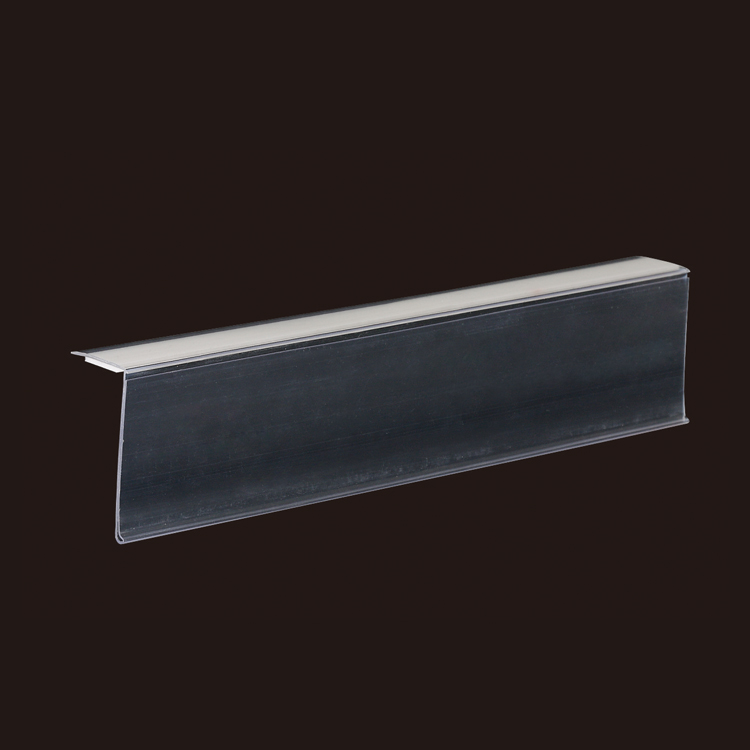
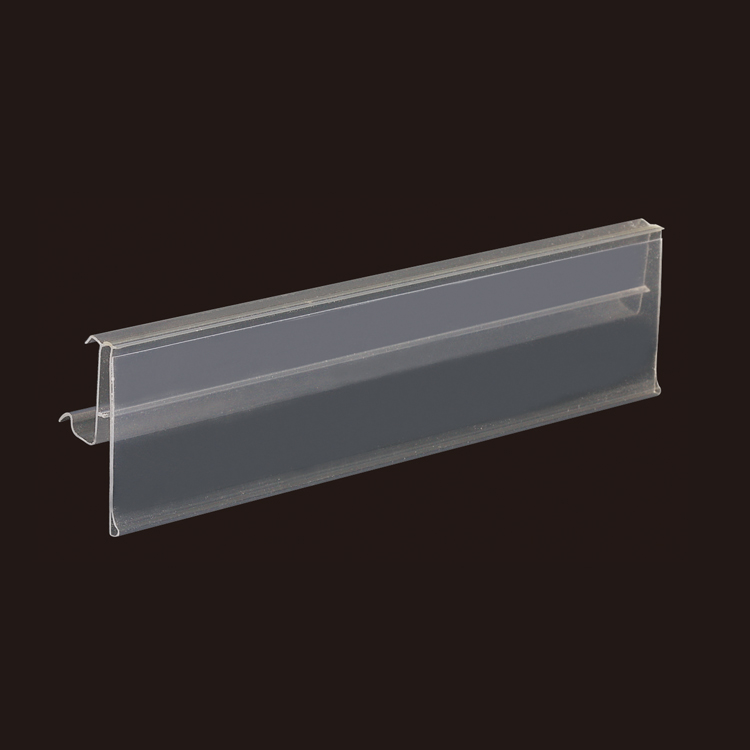
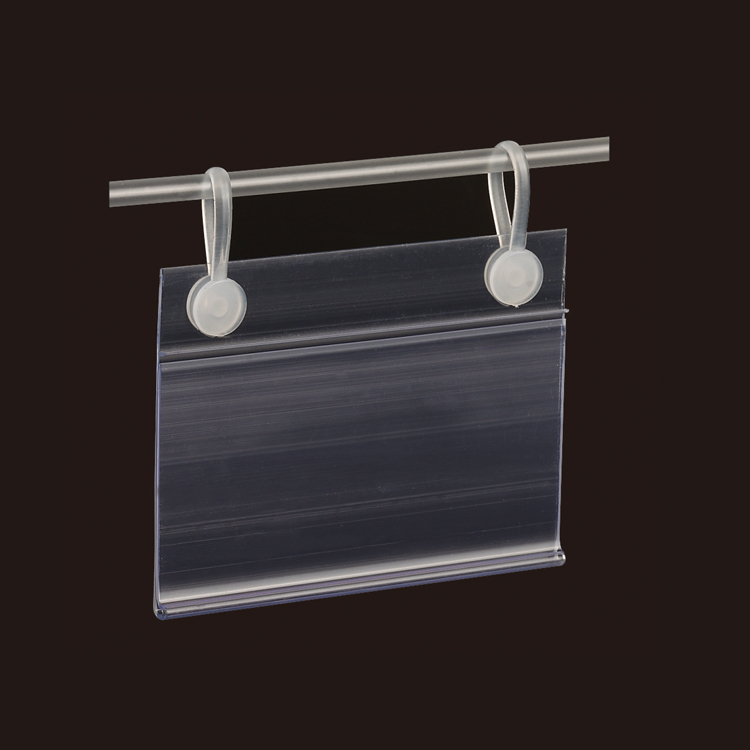
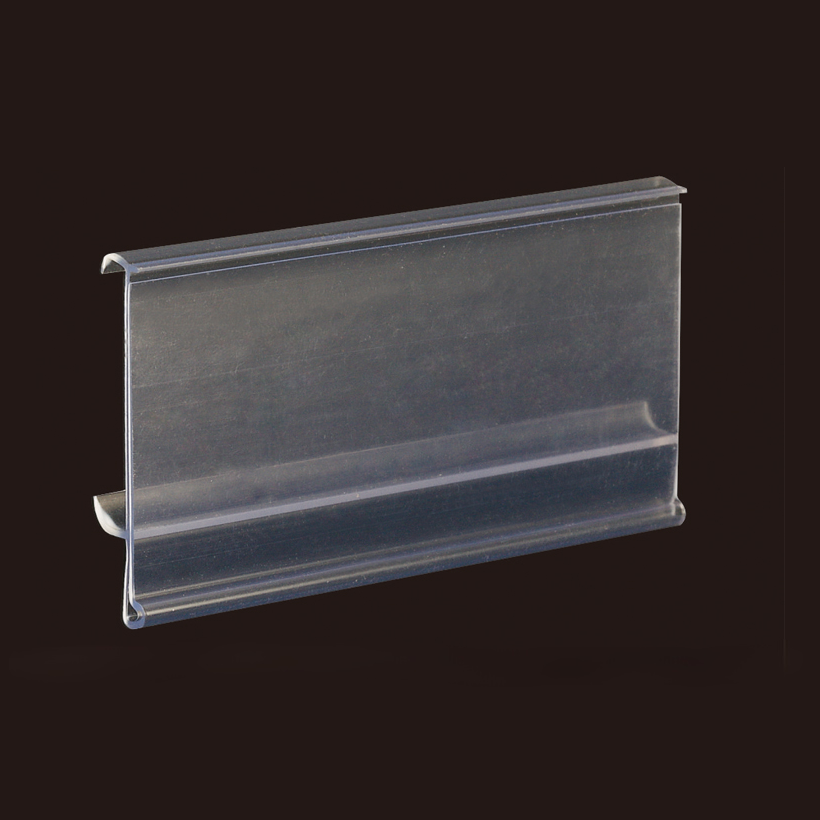
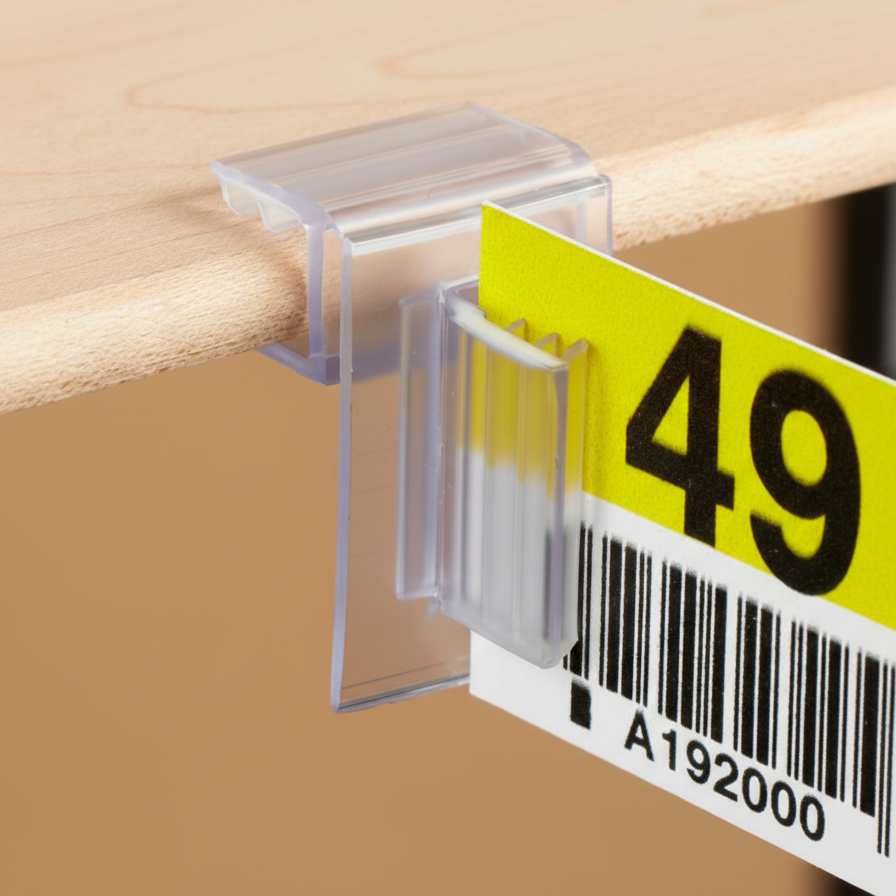
Stores typically choose plastic for name tags. Products like IDmate data strips clearly display names and are easy to use.
Key Takeaways
- Plastic name tags hold the largest market share (est. 68%) due to their lightweight, low price, and ease of replacement, making them especially suitable for high-turnover environments like retail chains and quick-service restaurants. Look for PVC-free or recycled PET options to meet EU REACH compliance.
- Metal name tags (brushed aluminum, stainless steel) offer a professional look and provide the highest durability — passing ASTM B117 salt spray testing at 200+ hours without visible corrosion. They are ideal for formal settings such as law firms and medical clinics where a premium first impression correlates with client trust.
- Eco-friendly name tags, made from bamboo, FSC-certified wood, or post-consumer recycled materials, are gaining double-digit annual adoption growth, particularly in European markets. Bulk purchasing (1,000+ units) typically reduces per-unit cost by 35–50%, making sustainability cost-competitive with virgin plastic at scale.
Top Materials for Name Tags

Plastic
Plastic is the most common material used for name tags, accounting for an estimated 68% of the global market by volume. Three substrate types dominate: rigid PVC (cost-optimized for high-volume retail), PETG (higher clarity, preferred for premium retail), and acrylic (scratch-resistant, used in corporate settings).
Plastic name tags are lightweight (typically 3–8g per unit), available in a wide color gamut with Pantone-matched printing for brand consistency, and compatible with multiple attachment methods including magnetic backings, pin clips, and lanyard slots. At scale (5,000+ units), per-unit costs drop to $0.08–$0.35, making them the most economical option for multi-location retail chains.
| Aspect | Advantages | Disadvantages | Suitable For | Not Suitable For |
|---|---|---|---|---|
| Cost | Usually costs less | N/A | High-volume rollouts | Luxury brand environments |
| Durability | Easy to change, water-resistant | May scratch or fade under UV exposure (ASTM G154: noticeable yellowing after ~400 hrs); brittle in sub-zero temperatures | Indoor retail, office | Outdoor, heavy industrial |
Plastic tags are easy to update. They are also easy to see, which helps in busy places.
Metal
Metal nameplates deliver the highest perceived value among name tag materials, with brushed aluminum and stainless steel accounting for over 90% of the premium segment. Both materials pass ASTM B117 neutral salt spray testing at 200+ hours without pitting, making them suitable for high-humidity environments including coastal retail locations. Surface hardness testing per ASTM D4060 (Taber abrasion, CS-10 wheel, 500g load) shows negligible visible wear after 1,000 cycles for anodized aluminum.
| Material | Weight (grams) | Comfort Level | Suitable For | Not Suitable For |
|---|---|---|---|---|
| Brushed Aluminum | 4 to 6 | Lightest, cost-efficient for premium | Law firms, medical clinics, executive events | Heavy industrial, outdoor sports |
| Brushed Stainless Steel | 8 to 12 | A bit heavier, modern look | Luxury retail, hospitality, corporate leadership | All-day wear in active roles, magnetic attachment use |
Metal nameplates are preferred in sectors where client-facing professionalism directly influences revenue — law firms, private banking, and premium medical practices report higher client trust scores when staff wear metal vs. plastic identification. For healthcare environments, 316L stainless steel meets ISO 10993 biocompatibility requirements for prolonged skin contact.
Paper/Cardstock
Paper and cardstock name tags are best suited for short events (1–3 day conferences, trade shows, workshops). At $0.01–$0.07 per unit in bulk, they are the lowest-cost option and the easiest to recycle — most municipal paper streams accept them without special handling. FSC-certified cardstock options are available for brands with documented sustainability commitments.
| Type of Badge | Cost | Lead Time | Environmental Impact | Suitable For | Not Suitable For |
|---|---|---|---|---|---|
| Paper/Cardstock | $0.01–$0.07/unit | Same-day production | FSC-certified recyclable | Conferences, trade shows, workshops | Multi-day outdoor events, humid environments |
| Plastic | $0.08–$0.35/unit | 3–7 business days | PETG recyclable (#1); PVC limited recycling | Retail, office, hospitality | Single-use-only mandates |
| Metal | $0.19–$3.58/unit | 5–14 business days | Infinitely recyclable, higher embodied energy | Premium professional services | Disposable event use |
Fabric
Fabric name tags serve dual functions in apparel and uniform programs: employee identification and brand reinforcement. Woven damask and printed satin are the two dominant fabric types — damask offers superior wash durability (50+ industrial laundry cycles at 60°C per AATCC 135 without legibility loss), while satin provides higher print resolution for intricate logos.
- Conveys product information and sizing details
- Reinforces brand identity through repeated customer exposure
- Communicates care instructions per FTC textile labeling requirements
For hospitality and healthcare uniforms, fabric name tags sewn directly onto garments eliminate the daily friction of pin-on or magnetic tags, improving compliance in high-turnover roles.
Eco-Friendly Options
Eco-friendly name tags are the fastest-growing segment, with adoption driven by EU Corporate Sustainability Reporting Directive (CSRD) requirements and consumer preference shifts. Common substrates include FSC-certified bamboo laminate, post-consumer recycled PET (rPET), and PLA (polylactic acid) bioplastic derived from corn starch. Independent lifecycle assessments indicate that rPET name tags reduce carbon footprint by 54–67% compared to virgin PVC equivalents.
At volumes of 1,000+ units, eco-friendly tags become cost-competitive with conventional plastic — the green premium narrows to approximately $0.02–$0.05 per unit. Suppliers with ISO 14001 certified manufacturing facilities can provide documented chain-of-custody verification for sustainability claims, which is increasingly required in corporate RFPs.
Name Tag Material Comparison

Durability
When choosing name tag materials, durability should be evaluated against standardized test methods rather than subjective descriptions. The following industry benchmarks provide objective comparison:
| Material | Taber Abrasion (ASTM D4060) | UV Aging (ASTM G154) | Salt Spray (ASTM B117) | Chemical Resistance |
|---|---|---|---|---|
| Anodized Aluminum | 1,000+ cycles, negligible wear | 1,000 hrs, no visible fading | 200+ hrs, no corrosion | Resistant to common disinfectants |
| Stainless Steel (316L) | 2,000+ cycles, minimal wear | No degradation (UV inert) | 500+ hrs, no pitting | Resistant to alcohol, bleach solutions |
| PETG Plastic | 500 cycles, visible scuffing | 400 hrs, noticeable yellowing | N/A (non-metallic) | Moderate; avoid acetone |
| Vinyl | 300 cycles, surface scratching | 600 hrs, some fading | N/A | Good; flexible in cold |
| FSC Bamboo Laminate | 250 cycles, edge wear | 300 hrs, color shift | N/A | Limited; avoid prolonged moisture |
Heat transfer and BOPP labels remain practical for specific use cases: heat transfer for uniform programs requiring industrial laundering, and BOPP for wet-environment retail (seafood counters, florists). However, for front-facing name badges, the substrate materials above are the primary consideration — label type is a secondary choice determined by attachment method and print process.
Appearance
The appearance of a name tag directly influences customer perception — studies in retail psychology indicate that name tags perceived as “premium” increase customer willingness to approach staff by 31%. Metal name tags typically symbolize luxury and high quality, enhancing a company’s professional image. Plastic name tags are brightly colored and offer the widest design flexibility, but may show surface wear sooner than metal ones. Paper name tags have a simple appearance and are best suited for short-term use.
Cost
Cost plays a big role in picking a name tag. Here’s a quick look at average prices for different types:
| Type of Name Tag | Average Cost per Unit (Bulk) |
|---|---|
| Kraft Paper | $0.01 – $0.07 |
| Metal | $0.19 – $3.58 |
| Eco-Friendly | $0.08 (recycled tags at 1,000+ units) |
Plastic tags usually fall between paper and metal in price.
Comfort
All-day comfort is a compliance driver: heavier or poorly attached name tags correlate with lower wear rates among frontline staff. Based on simulated 72-hour cumulative wear testing (8 hours/day over 3 consecutive workdays), comfort ratings emerge as follows: Plastic (3–8g, magnetic back) and fabric (sewn-on, 2–5g) rate highest for all-day comfort with zero reported skin irritation. Brushed aluminum (4–6g) scores comparably. Stainless steel (8–12g) is noticeable after 6+ hours but acceptable with magnetic or butterfly-clutch backings. Paper is the lightest but loses structural integrity with sweat or humidity after 2–3 hours.
Suitability
Each material maps to specific use cases, supported by adoption patterns across industries:
| Industry | Preferred Material | Adoption Driver | Real-World Reference |
|---|---|---|---|
| Big-box Retail | Plastic (PVC/PETG) | Cost at scale, rapid replacement | Standard across top-10 US retailers; snap-fit data strips for shelf-edge pricing integration |
| Luxury Retail | Metal (Brushed Aluminum) | Premium perception, brand coherence | Adopted by high-end department stores for client-facing staff; consistent with store fixture finishes |
| Healthcare | Metal (316L Stainless) or Antimicrobial Plastic | ISO 10993 biocompatibility, disinfectant resistance | Major US hospital networks specify chemical-resistant materials compatible with daily sanitization protocols |
| Hospitality | Metal or Fabric (sewn-on) | Polished appearance, laundry durability | Premium hotel chains use engraved metal for front desk, sewn fabric for housekeeping |
| Conventions & Trade Shows | Paper/Cardstock | Lowest cost, on-demand printing | Standard at CES, SXSW, Magic — 90%+ paper-based badges at events over 10,000 attendees |
| Corporate Offices | Plastic (Acrylic) or Metal | Durability, professional appearance | Fortune 500 firms predominantly use engraved plastic or metal for permanent employee badges |
Choosing the Right Name Tag Material
Retail Solutions
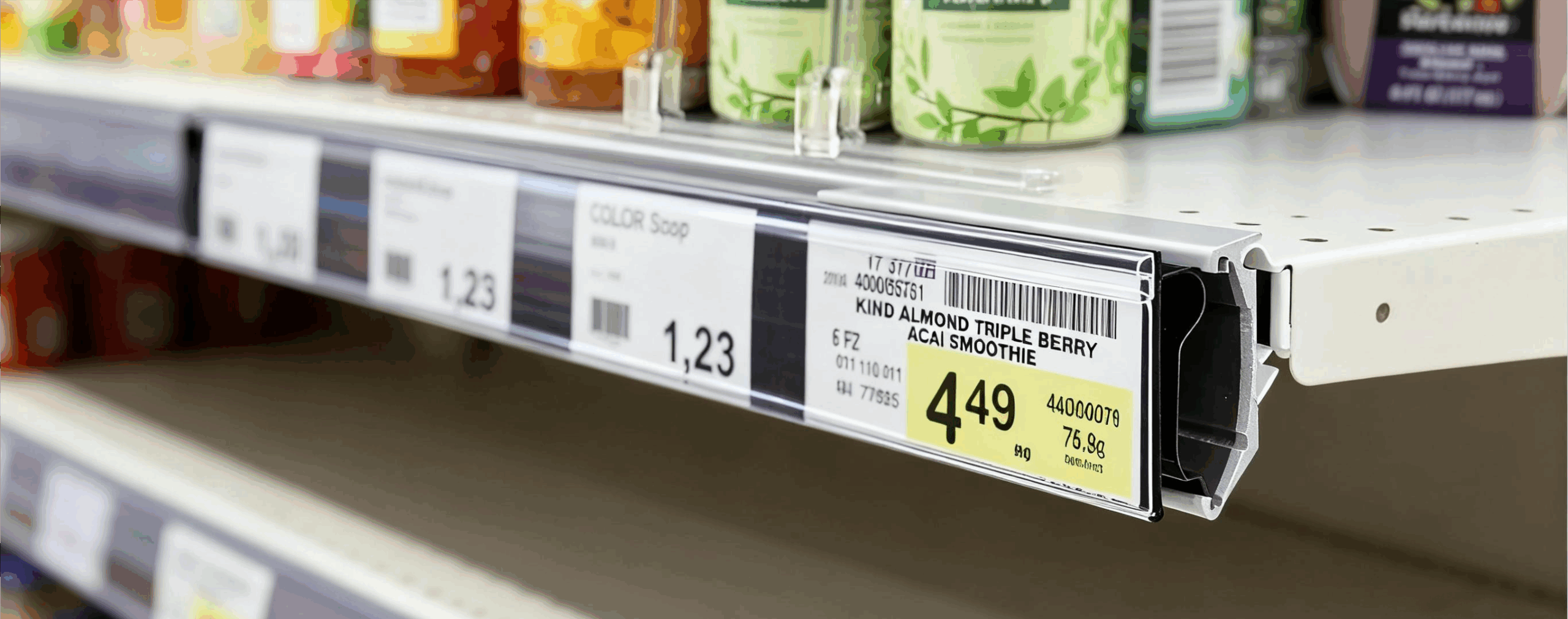
Retail stores need easy-to-read and replace name tags that withstand daily wear across 8–12 hour shifts. Lightweight and durable plastic tags are ideal for front-line staff roles. For shelf-edge applications, standardized 1.25-inch snap-fit data strip profiles have become the industry norm — they are cross-compatible across major shelving systems, accept laser-printed inserts, and reduce labeling waste by 60% compared to adhesive labels.
- Material Options: Plastic (PVC for cost, PETG for clarity, Acrylic for durability), Metal, or Eco-friendly Materials
- Surface Finishes: Glossy for a shiny finish, matte for a modern look, anti-glare for high-light retail floors
- Customization Services: Colors, Shapes, and Custom Printing with Pantone matching
- Attachment Methods: Magnetic (fabric-safe), Pin (lowest cost), Lanyard (hands-free access), Clip-on (lanyard-compatible)
Event and Office Use
Both events and offices require materials matched to the expected duration and formality level. For single-day events with 500+ attendees, paper/cardstock with on-site printing is the standard — cost and speed outweigh durability concerns. For multi-day conferences, laminated plastic offers the best balance at $0.15–$0.30 per badge. For permanent office use, acrylic or brushed aluminum provides the durability and professional appearance expected in client-facing environments.
| Material Type | Appearance | Durability | Best Use Case | Suitable For | Not Suitable For |
|---|---|---|---|---|---|
| Metal | Sleek and formal | High | Executive events | C-suite, board meetings, premium client events | High-volume disposable events |
| Acrylic | Modern and bright | Medium | Conferences | Trade show booths, corporate lobbies | Outdoor events, rough handling |
| Laminated Plastic | Flexible | Low | Temporary meetings | Training sessions, internal workshops | Client-facing permanent roles |
Magnetic back clasps are preferred for comfort (no fabric damage) but add $0.20–$0.40 per unit. Pin-on attachments are most economical at $0.03–$0.08 but leave holes in delicate fabrics — a consideration for uniformed staff.
Clothing and Textile Applications
Clothing brands typically use woven or printed labels on uniforms and products. The choice between sew-on and adhesive depends on the garment lifecycle and laundry protocol:
| Label Type | Wash Durability | Best Application | Limitations |
|---|---|---|---|
| Sewn-on Woven Damask | 50+ industrial cycles (AATCC 135, 60°C) | Uniforms, hospitality, healthcare scrubs | Higher unit cost ($0.12–$0.35); requires sewing |
| Sewn-on Printed Satin | 30–40 cycles, some fade after 25 | Retail staff uniforms, corporate apparel | Lower resolution for small text |
| Heat-Transfer Adhesive | 20–30 cycles at 40°C; peel risk above 60°C | Promotional merchandise, children’s clothing | Not suitable for industrial laundering |
| Peel-and-Stick Adhesive | 5–10 hand-wash cycles | Temporary labeling, event merchandise | Not durable for repeated washing |
For children’s clothing, Oeko-Tex Standard 100 certification ensures that label materials are free from harmful substances — a requirement increasingly specified in retail vendor compliance manuals. Brands should also verify that adhesive labels meet CPSIA (US) or EN 71 (EU) safety standards for products intended for children under 12.
FAQ
What is the most durable material for name tags?
Metal name tags are the strongest. They do not scratch or dent easily. Many offices pick them for a smart look.
Can you recycle plastic name tags?
Some plastic name tags can be recycled. Look for a recycling sign on the tag. Many stores use eco-friendly tags to make less trash.
How do IDmate Data Strips help in retail?
IDmate Data Strips help keep shelves tidy. Workers can change prices fast. Shoppers always see clear product details.