A shelf signage is any sign, label holder, or display accessory placed at the shelf edge to communicate with shoppers at the point of decision. It includes price tags, promotional signs, product information, and branding materials. Shelf signage helps retailers organize shelves, highlight offers, and guide customers without requiring staff assistance. This article covers what shelf signage is, the main types, how to choose the right format, and common questions.
Key Takeaways
- Shelf signage is any sign or holder placed at the shelf edge to communicate price, promotion, or product information.
- Common types include shelf-edge signs, clip-on signs, wobblers, and adhesive signs.
- The right shelf signage depends on shelf material, message type, and store environment.
- Shelf signage improves visibility, reduces pricing errors, and supports promotional campaigns.
What Is Shelf Signage and Where Is It Used?
Definition and Position at the Shelf Edge
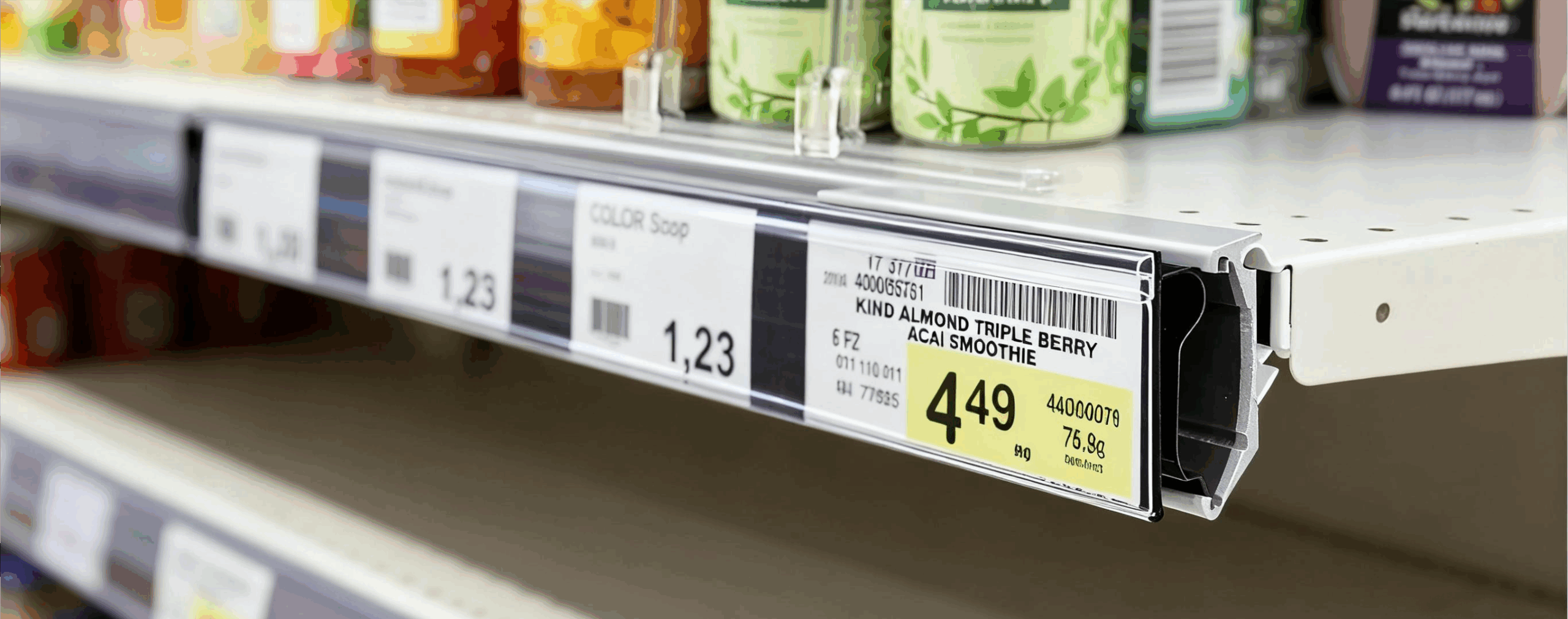
Shelf signage refers to any visual communication placed at the front edge of a retail shelf. It sits within the shopper’s natural line of sight when they are comparing products. The shelf edge is one of the most valuable communication spaces in a store because it reaches the customer at the exact moment of decision. A well-designed shelf sign delivers a clear message without blocking the product.
Shelf Signage vs. Price Tags and Shelf Talkers
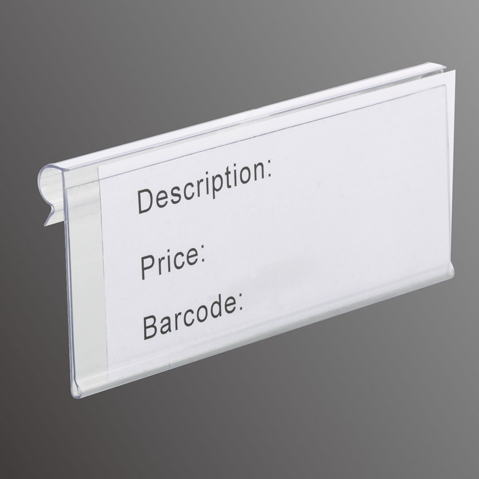
Price tags are a basic form of shelf signage. They state the cost and barcode. A shelf talker is a specific type of shelf signage used for promotion or recommendation. The difference is intent. Price tags inform. Shelf talkers persuade. Shelf signage is the broader category that includes both. Many retailers use data strips to hold price labels, then add a shelf talker above or beside the strip for promotional messages.
Types of Shelf Signage
Shelf-Edge Signs and Data Strips
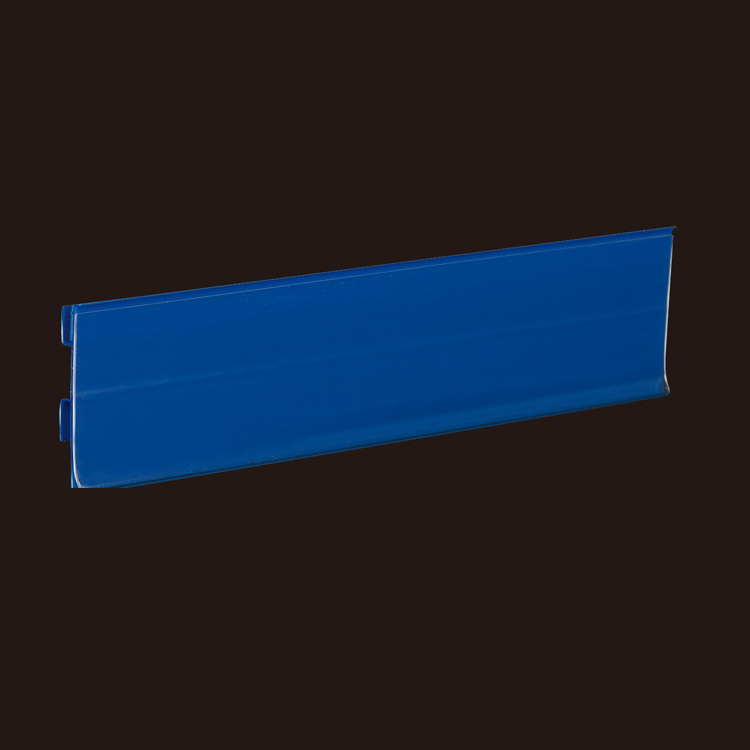
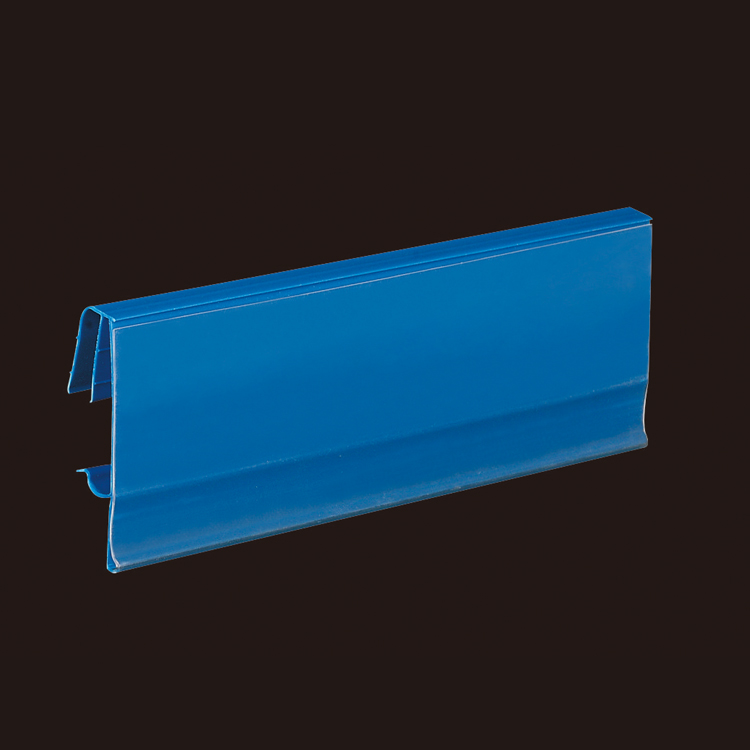
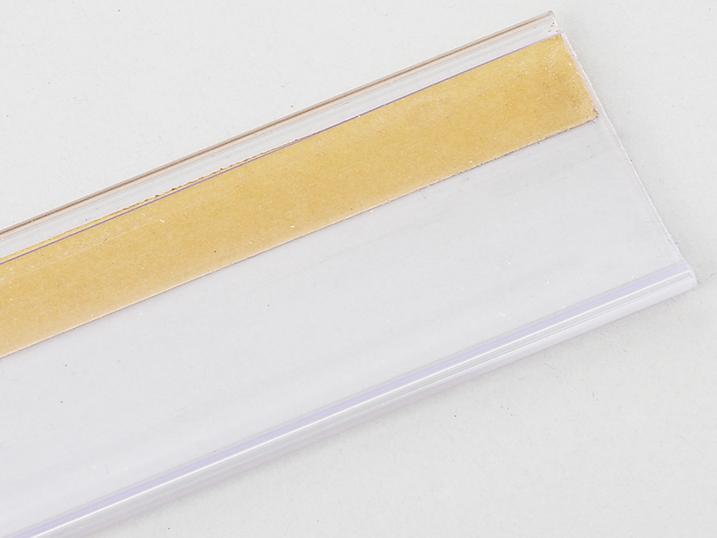
Shelf-edge signs clip or slide into the front channel of a shelf. They are the most common format for price and product information. A data strip is a long holder that runs the length of the shelf and holds paper labels. For stores that need a peel-and-stick option, self-adhesive label holders attach to smooth surfaces without a channel. For standard gondola shelving, clip-on shelf label holders provide a secure, reusable fit.
Clip-On and Snap-In Signs
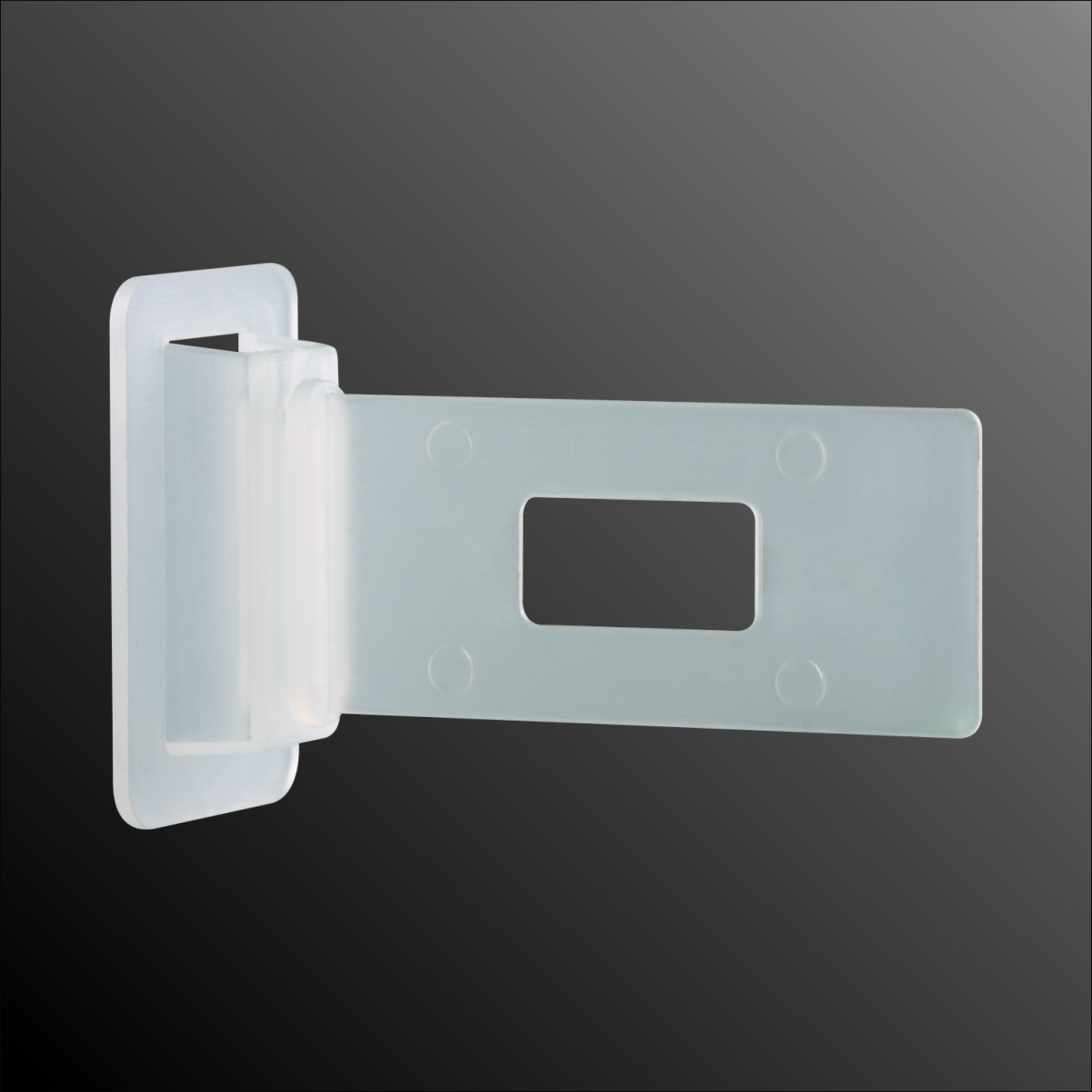
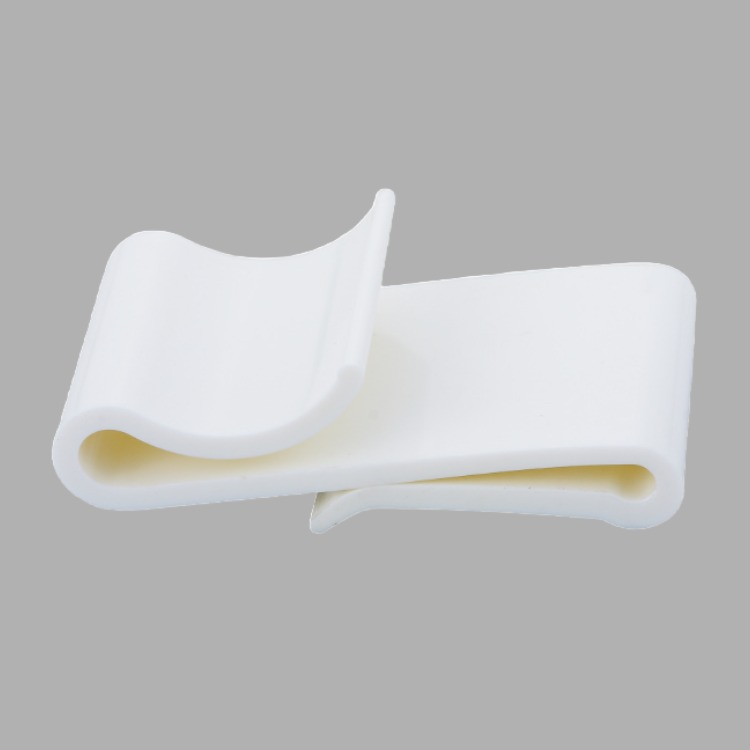
Clip-on signs grip the shelf edge without adhesive. Snap-in signs press into a price channel or hole. Both allow staff to change signs quickly during promotions. These formats work well for supermarkets, convenience stores, and pharmacies where price changes are frequent.
Promotional and Branding Signs
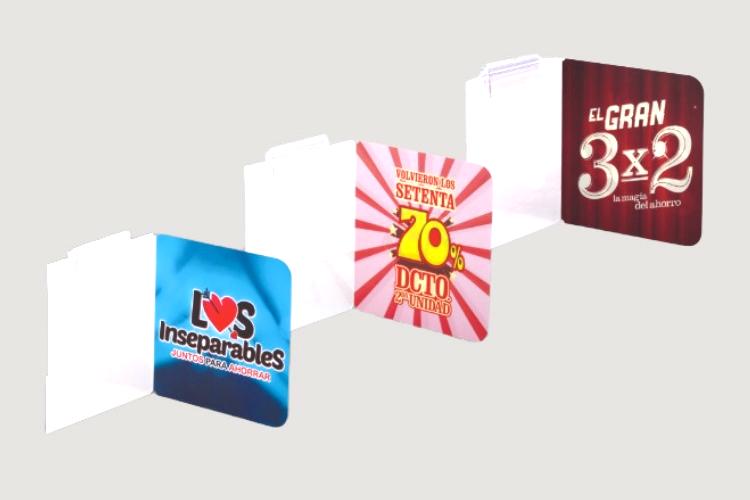
Promotional signs highlight sales, new arrivals, or limited-time offers. Branding signs carry logos, colors, or category messages. They turn the shelf edge into a branding surface. For temporary displays, cardboard display parts can hold signs in place without damaging the shelf. For wire shelving, plastic hooks clip around the wire and support small signs or tags.
Wobblers, Hanging, Adhesive, and Magnetic Signs
Wobblers hang from a flexible arm and sway slightly to attract attention. Hanging signs suspend from above the shelf. Adhesive signs stick to smooth surfaces and work well on glass or metal. Magnetic signs attach to steel shelving and are easy to reposition. Each format serves a different purpose. Adhesive signs are ideal for fixed displays, while magnetic signs suit metal racks that change frequently. For a secure grip on shelf edges without adhesive, a gripper sign holder holds the sign firmly in place.
How to Choose the Right Shelf Signage
Match Signage to Shelf Type and Environment
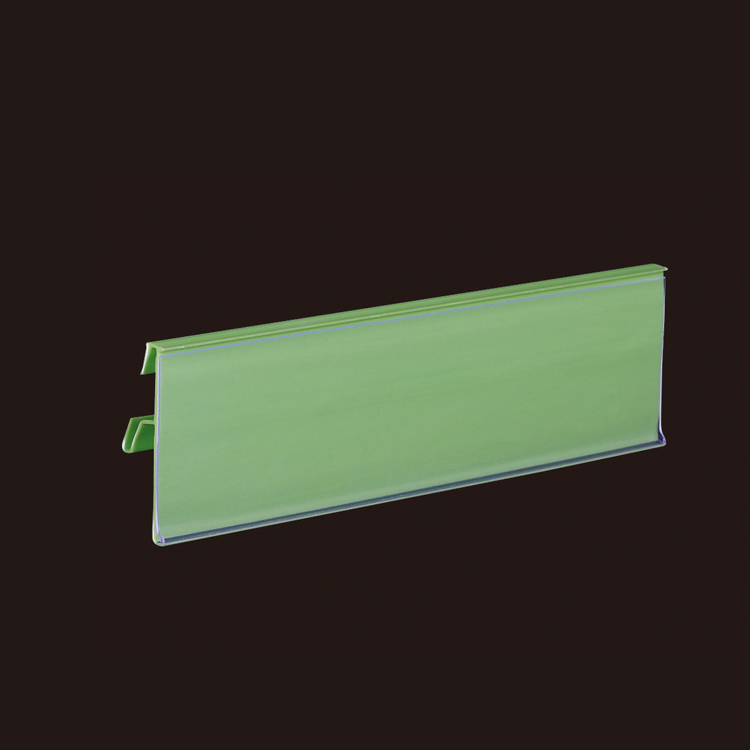
The shelf material determines which signage works best. Metal shelves accept magnetic signs or clip-on signs. Glass shelves need adhesive signs. Wire shelves require wrap-around clips or slatwall hooks if used on slatwall. For freezer or refrigerated sections, choose materials rated for low temperatures. Avoid paper signs in humid areas.
Size, Visibility, and Message Clarity
Shelf signage must be readable from the shopper’s standing position. Use bold text and high contrast. Keep the message short. A sign that tries to say too much fails because shoppers scan rather than read. The sign should fit the shelf edge without blocking the product or falling into the aisle.
Material and Durability Considerations
PVC and acrylic are durable and moisture-resistant. Paper and cardstock are economical but short-lived. For long-term use, choose PVC or acrylic. For temporary promotions, paper or cardstock works. Consider whether the sign needs to be reused. Clip-on and magnetic signs are reusable. Adhesive signs are not.
FAQ
What is the difference between shelf signage and a shelf talker?
Shelf signage is the broad category of any sign or holder at the shelf edge. A shelf talker is a specific type of shelf signage used for promotion or recommendation. All shelf talkers are shelf signage, but not all shelf signage is a shelf talker.
What materials are used for shelf signage?
Common materials include PVC, acrylic, paper, cardstock, and vinyl. PVC and acrylic are durable for long-term use. Paper and cardstock are used for short-term promotions. Vinyl is flexible and works well for inserts.
Can shelf signage be reused?
Clip-on, magnetic, and slide-in signs are reusable. Adhesive signs are generally not reusable because the adhesive loses tack after removal. For frequent changes, choose a reusable format.
Where should shelf signage be placed for maximum visibility?
Place shelf signage at eye level or just below the product. The sign should be directly below or beside the item it refers to. Avoid placing signs too high, too low, or on a different shelf. The closer the sign is to the product, the stronger the connection for the shopper.