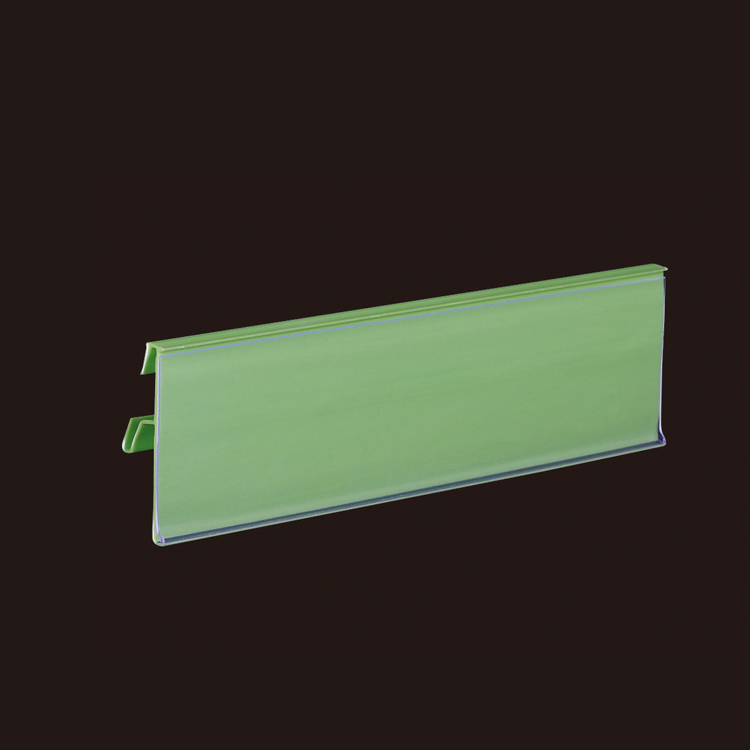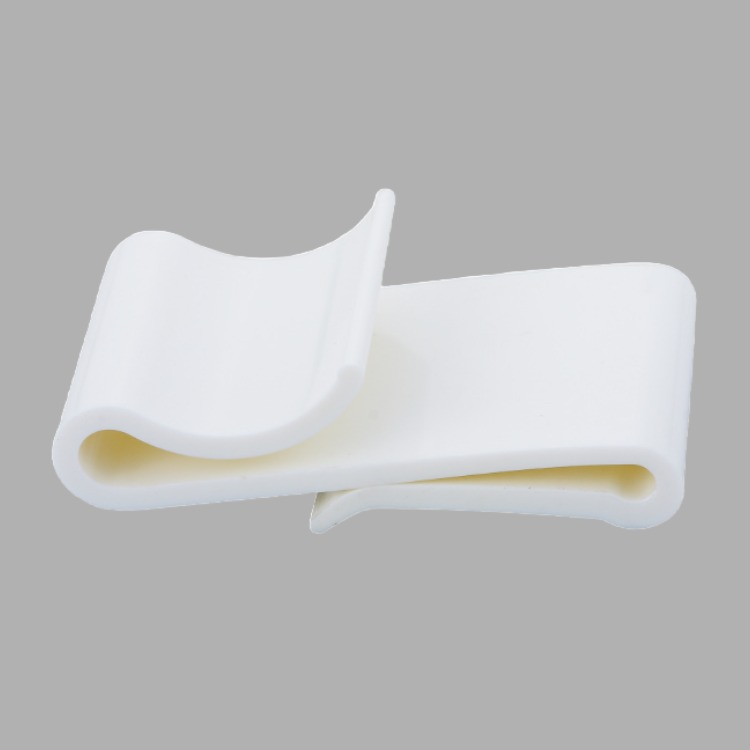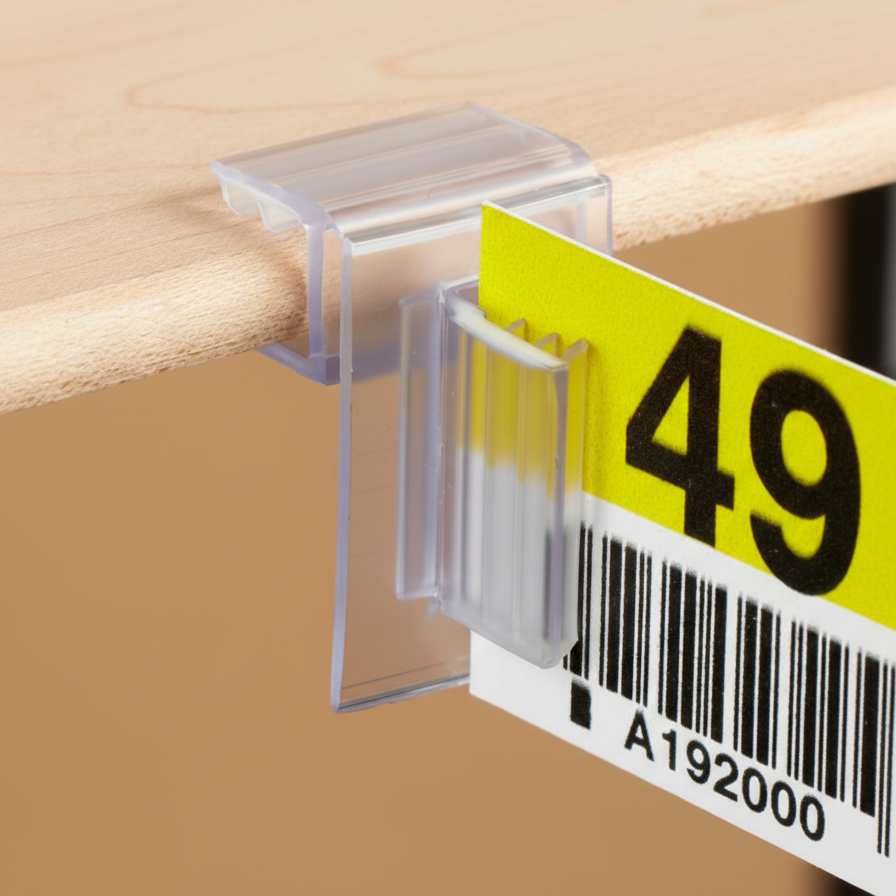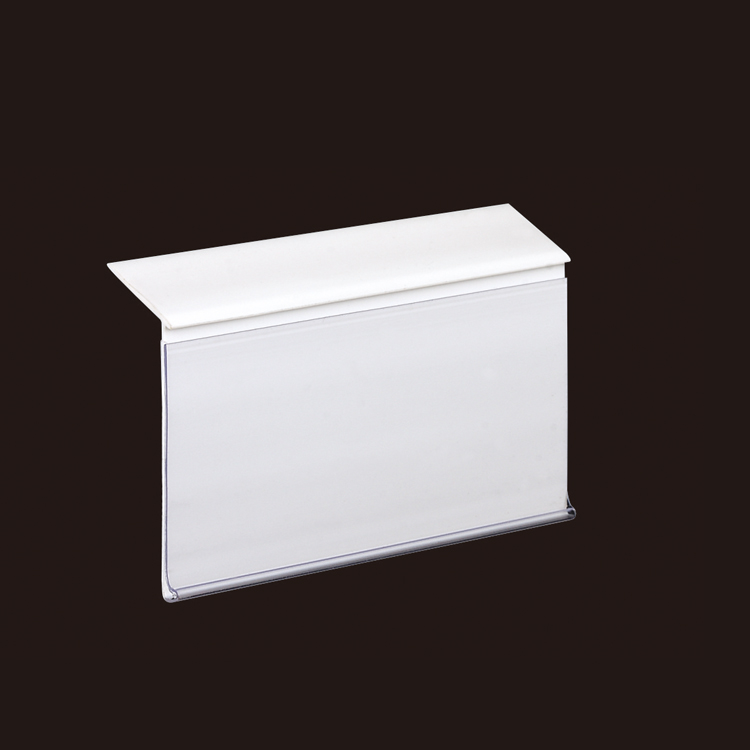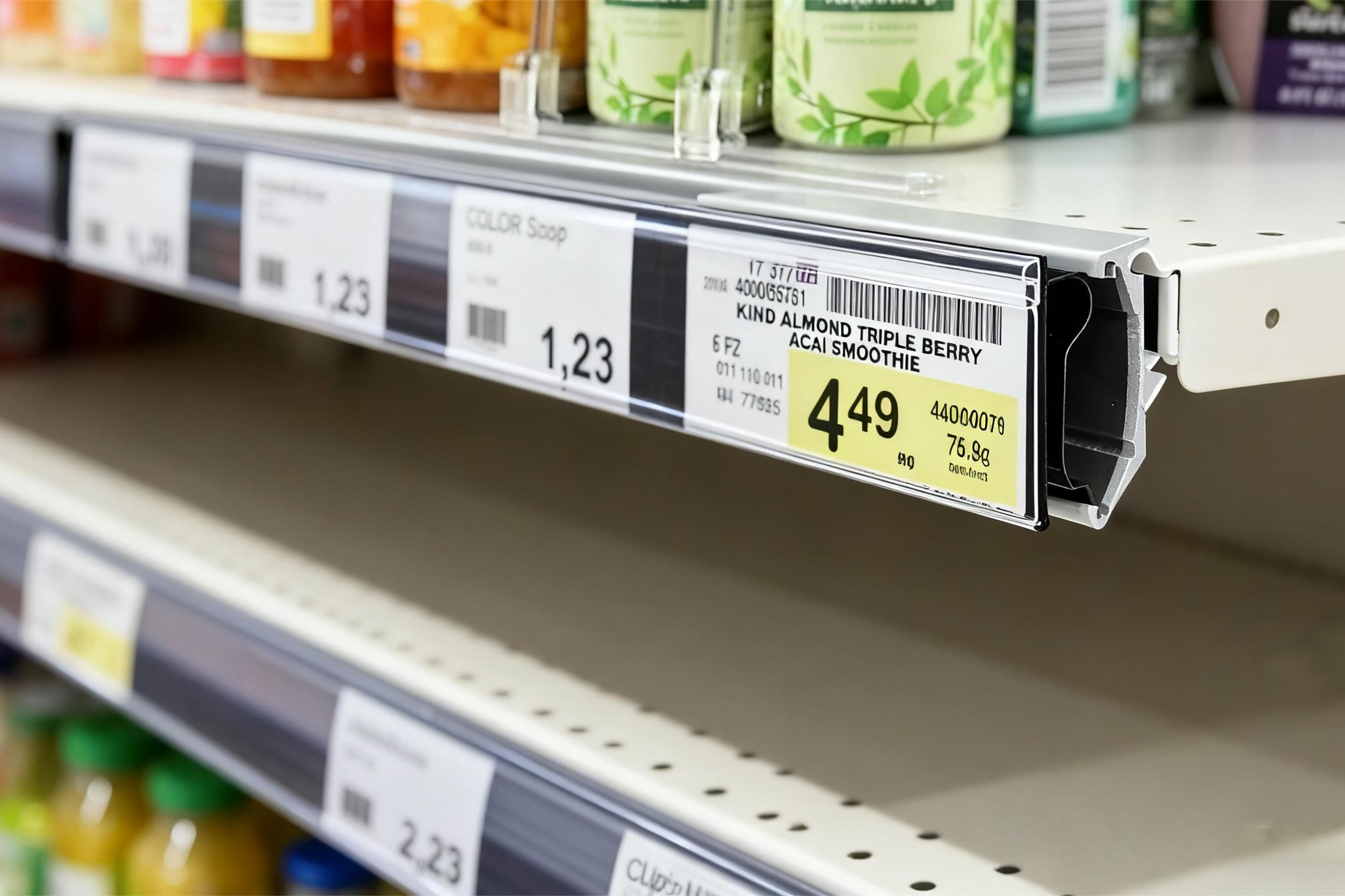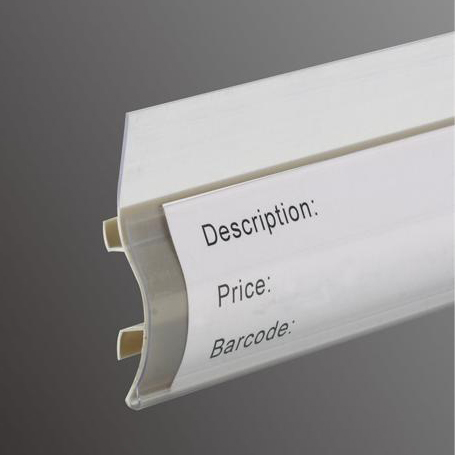
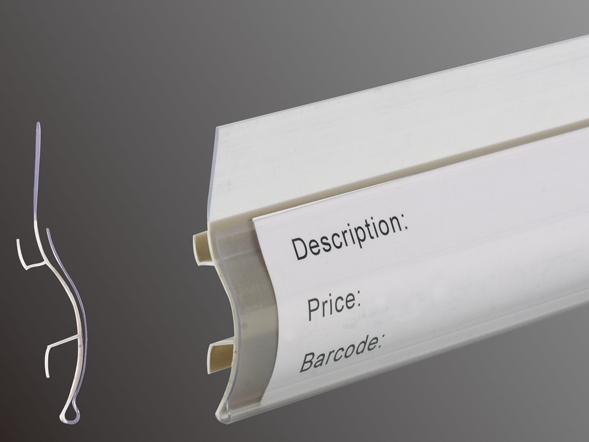
Shelf strips are thin plastic or vinyl holders that clip onto the front edge of store shelves to display price tags, barcodes, and promotional signage, ensuring this information is clearly visible to shoppers as they browse. They facilitate easy viewing of product details for customers while allowing retailers to quickly update prices. Also known as shelf-edge strips, shelf label strips, or data strips, they play a vital role at the shelf edge by guiding purchasing decisions and maintaining brand consistency.
Key Takeaways
- Shelf strips are slim fixtures mounted on the edge of shelves to hold price tags and signage, making it easy for customers to view product details while allowing retailers to quickly update prices.
- Shelf strips generally come in two types: clip-on and adhesive-backed. Clip-on strips fit into shelf grooves, whereas adhesive-backed versions attach to smooth surfaces; different types are suitable for different shelf styles.
- Please select the appropriate material and size based on your store’s needs. PVC is durable and cost-effective, while vinyl requires specific ambient temperature conditions for stability. Choosing a shelf strip that matches your shelving system ensures optimal performance.
What Is a Shelf Strip and What Does It Do?
Definition and Position on the Shelf Edge
A shelf strip is a slim plastic or vinyl holder installed on the front edge of store shelves; within the retail industry, these are also commonly referred to as shelf-edge strips, label strips, or data strips. Designed to either snap into a shelf groove or adhere directly to the shelf edge, these strips secure paper labels, keeping them flat and easy to read—positioned precisely within the customer’s line of sight during shopping. Shelf strips effectively prevent labels from falling off or curling at the corners and allow staff to quickly swap out labels in seconds without removing the entire holder. For retail chains, this compact accessory helps ensure consistent shelf signage across hundreds of locations.
Information Display: Prices, Barcodes, and Product Details
The primary function of shelf strips is to clearly display product names and prices. Standard labels often include barcodes, unit prices, and promotional details, enabling customers to compare products and verify special offers. When prices change or promotions end, store staff can quickly update the labels; this efficiency ensures pricing accuracy and minimizes potential issues at checkout. Beyond pricing, shelf strips can also accommodate promotional materials—such as “shelf talkers”—to highlight new flavors or limited-time offers. These shelf-based displays effectively draw customer attention to specific brands. Placing shelf strips at eye level (approximately 152 cm or 5 feet) yields the best visual impact. Research by POPAI (Point of Purchase Advertising International) underscores the importance of shelf-edge displays: a 2014 study revealed that 82% of shopping decisions are made in-store, while another study found that 70% of purchasing decisions occur at the point of sale—specifically, right in front of the shelf. These figures clearly demonstrate why shelf-based communication must remain consistently clear and eye-catching.
Retail Shelf Advertising and Brand Consistency
Shelf strips serve not only to display prices but also act as mini-billboards for retail shelf advertising. Custom-printed strips can showcase brand colors, logos, or cross-selling graphics, transforming otherwise plain shelf edges into branding touchpoints. “Shelf talkers” attached to these strips can promote recipe ideas or bundle offers. Retailers use shelf signage to steer customers toward higher-margin products, and promotional campaigns often rely on these strips to create a cohesive display. For chain retailers, standardized shelf-edge signage across stores ensures brand consistency and pricing accuracy—factors that effectively build customer trust. Furthermore, this standardization enables suppliers and manufacturers to execute nationwide promotions seamlessly without causing confusion. Shelf signage is most effective when aligned with specific shelf zones: eye-level shelves naturally attract the most attention, whereas top and bottom shelves require eye-catching signage to compensate for their less prominent positioning.
Types of Shelf Strips: Data Strips, Channel Strips, and Adhesive Strips
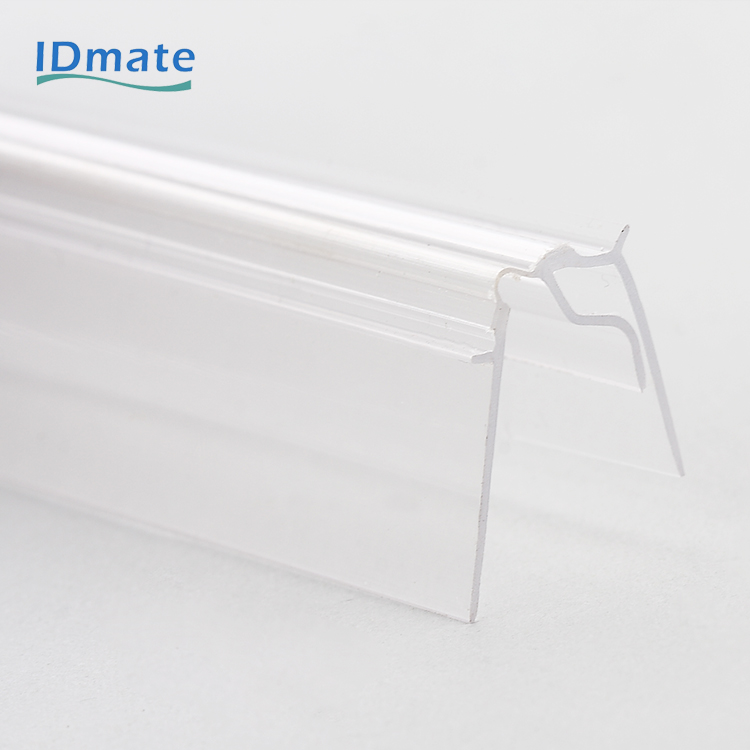
Retailers have two main installation options to choose from. Self-adhesive strips attach directly to the shelf edge using a strong adhesive backing, while clip-in strips require an integrated channel or groove. Each type is suited to different store environments and display requirements.
Data Strips
Data strips are plastic strips attached to the edges of store shelves, primarily used to hold and display price tags, barcodes, and product details. They allow customers to access key information without needing to check labels affixed directly to the merchandise. These strips also accommodate electronic shelf labels and shelf talkers, making it easier for staff to identify products while helping to maintain an organized shelf display. For retailers, they offer a convenient way to mount additional point-of-sale (POS) components. Smart data strips enable real-time price updates via store management systems; chain retailers can use a centralized digital system to manage all shelf strips from a single control point, ensuring that price changes are simultaneously transmitted to electronic labels across all store locations. This capability strongly supports dynamic pricing and rapid promotional campaigns. For a closer look at the full range, see these data strips.
Channel Strips
These shelf strips slide into standard shelf channels without the need for adhesive. Custom-printed vinyl inserts fit perfectly into the channels, making it easy to update promotional messages or create cross-merchandising displays. Store staff can swap out the display inserts in just seconds. Paper labels slide into the channel, protecting them from daily wear and tear. These strips are ideal for supermarkets and convenience stores equipped with C-channel shelving. Their snap-in design ensures signage stays flat and easy to read, while removal is simple—just slide or pop them out of the channel. A common variation is the clip-on shelf label holder, which grips the shelf edge without requiring a channel.
Adhesive Strips
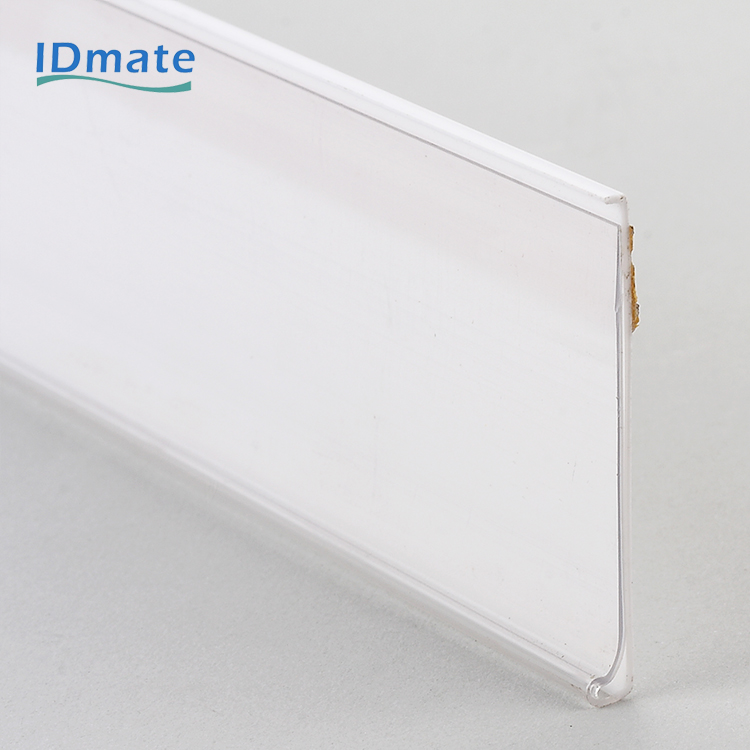
These adhesive-backed strips feature a strong adhesive that bonds securely to clean, smooth surfaces, making them suitable for flat wood, smooth metal, and flat glass edges. They are particularly well-suited for flat display shelving, where the adhesive ensures signage remains firmly in place. The product is designed for easy removal without leaving behind stubborn adhesive residue. A common example is the 1.25-inch by 48-inch C-channel price strip, a specification that effectively meets pricing and signage needs in retail environments. For smooth surfaces, self-adhesive label holders offer a quick peel-and-stick solution.
Both types of products fall under the category of environmental graphics, conveying information at the critical moment when consumers make purchasing decisions. Using standardized shelf-edge strips helps maintain brand consistency across different store locations. Wholesalers and custom manufacturers offer a wide range of sizes and materials; selecting strips that match your shelving system ensures reliable performance and facilitates easy daily maintenance.
Shelf Strip Materials, Sizing, and Selection
Selecting the appropriate material and dimensions affects the visual impact of shelf strips in the store. Common height specifications include 15 mm, 32 mm, 39 mm, 40 mm, 45 mm, 76 mm, and 1-1/4 inches; lengths range from 50 mm to 2,520 mm, with 1,000 mm being a common standard length. Buyers select these specifications based on the shelf display system and label size.
PVC Shelf Strips
PVC remains a popular choice for manufacturing shelf label strips. This plastic is durable, flexible, and relatively low in cost. Mounted on the edge of shelves, these strips serve to hold labels in place. While PVC is recyclable, disposal costs vary depending on local regulations. PETG is another available material; it often meets higher safety standards and offers food-grade specifications. Environmentally conscious businesses can opt for label strips made from recycled plastic, a choice that strikes a balance between cost, strength, and environmental considerations. These shelf label strips come in standard sizes suitable for most shelving systems.
Vinyl Shelf Strips
Vinyl is another option for retail shelf signage mounts. This material is highly sensitive to temperature fluctuations: high temperatures cause it to soften and warp, while low temperatures make it brittle; even brief exposure to temperatures above 80°F (approx. 27°C) can result in permanent damage. Maintaining temperatures between 60–70°F (approx. 16–21°C) and humidity levels between 40–50% helps extend its service life. The underlying shelf material is also crucial: vinyl lasts 3–5 years on MDF and 2–5 years on particleboard, whereas it can last for decades on solid wood. A stable environment is preferable to frequent temperature fluctuations; climate-controlled indoor spaces are far more suitable than attics or unheated garages.
Other Materials: PETG and Recycled Plastics
PETG is a higher-end option that offers better clarity and impact resistance than standard PVC. It is often used for freezer and refrigerated displays because it resists becoming brittle at low temperatures. PETG also meets food-grade safety standards in many cases, making it suitable for areas where food products are displayed. Recycled plastic shelf strips are increasingly available for retailers with sustainability goals. These strips use post-consumer or post-industrial plastic waste, reducing environmental impact while still providing reliable label holding. While they may cost slightly more than standard PVC, they can help retailers meet corporate sustainability targets and appeal to eco-conscious shoppers.
Selecting the right material ensures that shelf signage remains secure and legible. Shelf edges utilizing vinyl materials require a stable environment. Mounting hardware keeps price strips and other signage firmly in place. Since the condition of the shelving affects the lifespan of the vinyl, retail teams select materials that suit the specific store environment to ensure long-term durability.
FAQs About Shelf Strips
What is the difference between a shelf strip and a data strip?
The terms are often used interchangeably. A shelf strip is the broader category of any holder that attaches to the shelf edge. A data strip is a specific type of shelf strip designed to hold price and barcode labels, usually sliding into a shelf channel. Many retailers use “data strip” to refer specifically to the channel-style strip.
Can shelf strips be used in freezers?
Yes, but you need the right material. Standard PVC may become brittle in freezer environments. Choose freezer-grade PVC or PETG, which are formulated to remain flexible at low temperatures. Vinyl is not recommended for freezers due to its sensitivity to cold.
What material is best for shelf strips?
PVC is the most common and practical choice for most retail environments. It balances cost, durability, and print quality. For freezers or food-safe areas, PETG is a better option. For short-term promotions on smooth surfaces, adhesive-backed strips work well. Consider your shelving type, temperature, and budget before deciding.
How do I choose the right size?
Measure the height of your shelf edge and the height of your price labels. Standard data strip heights include 32 mm, 39 mm, and 40 mm. Lengths are typically 1,000 mm or 1,200 mm and can be cut to fit. For custom sizes, contact a supplier with your exact shelf dimensions.