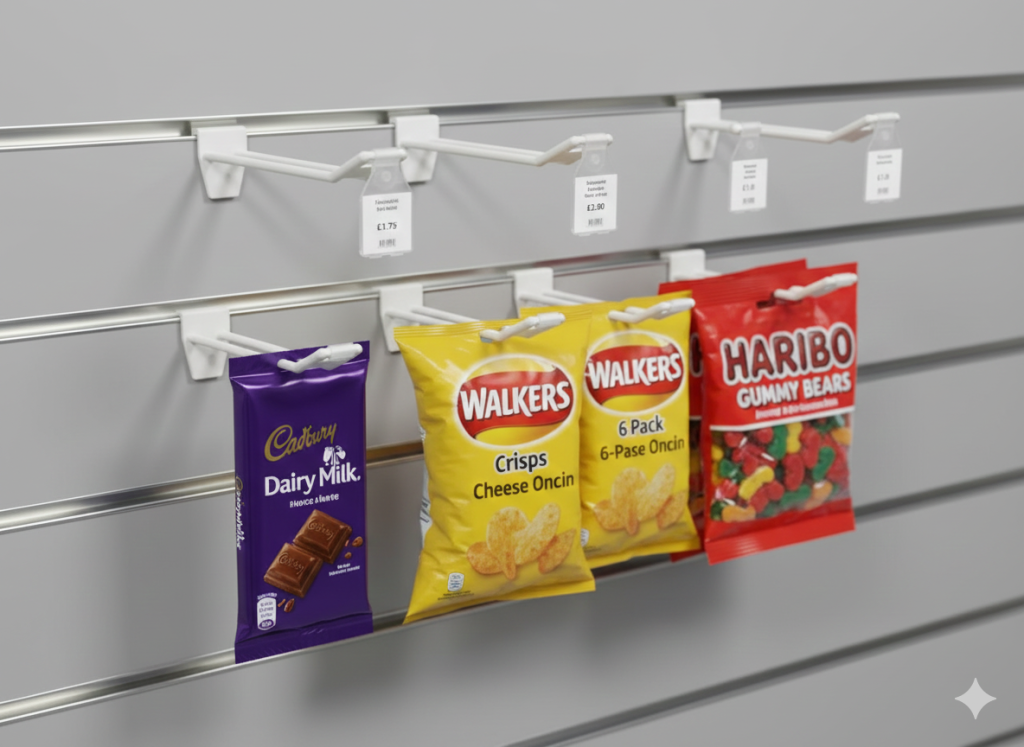
The strongest adhesive hooks on the market perform exceptionally well in various tests and reviews. Command, Gorilla, and 3M CLAW all earn high marks for their superior adhesion, while IDMATE plastic display hooks are ideal for retail environments.
While most hooks are suitable for hanging lightweight items, only the strongest adhesive hooks can safely support picture frames.
| Item | Typical Weight | Result |
|---|---|---|
| Metal Keys | 0.5 lbs | Passed |
| Wet Towel | 2.5 lbs | Failed |
| Bath Towel | 4.5 lbs | Failed |
The strongest adhesive hooks on the market have undergone laboratory testing to evaluate their adhesion, load-bearing durability, and ease of removal. People choose adhesive hooks for their convenience, but only the strongest ones remain secure under demanding conditions.
Key Takeaways
- Choose the right adhesive hook based on your needs. Command, Gorilla, and 3M CLAW are well-known brands, each suitable for different weight capacities and surface types.
- Always check the weight limit before hanging items. Most adhesive hooks support weights ranging from 1 to 20 pounds, so for safety, select a hook that matches the weight of the item.
- Proper installation is crucial. Clean the wall surface, allow the adhesive to cure for 24 hours, and follow the manufacturer’s instructions for the best results.
Comparing Leading Adhesive Hooks
Command vs. Gorilla vs. 3M CLAW
Many people want strong adhesive hooks. They often pick Command, Gorilla, or 3M CLAW. Each brand is good for different jobs.
- Command hooks use special strips. Four pairs of Large Picture Hanging Strips can hold up to 15 pounds. For posters, four small Poster Strips in each corner work well.
- Gorilla hooks are made for heavy things. They use strong glue and metal hooks for more strength.
- 3M CLAW hooks grip like claws. They are best for hanging frames and art on drywall.
These brands make hooks that are simple to put up and take down. Most people use them on smooth walls, doors, or tiles. Command strips are known for coming off clean and holding tight. Gorilla and 3M CLAW hooks are great when you need extra strength.
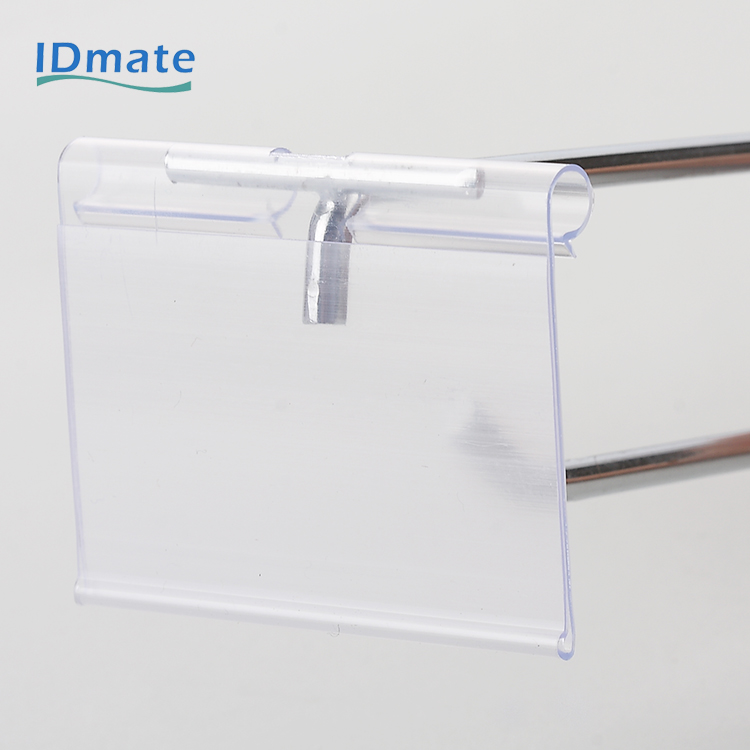
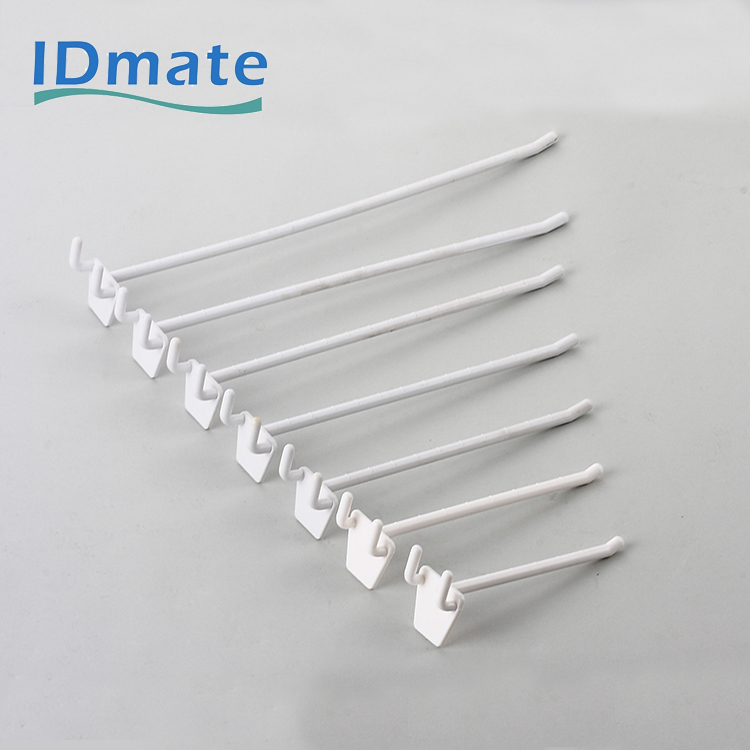
IDMATE Plastic Display Hooks
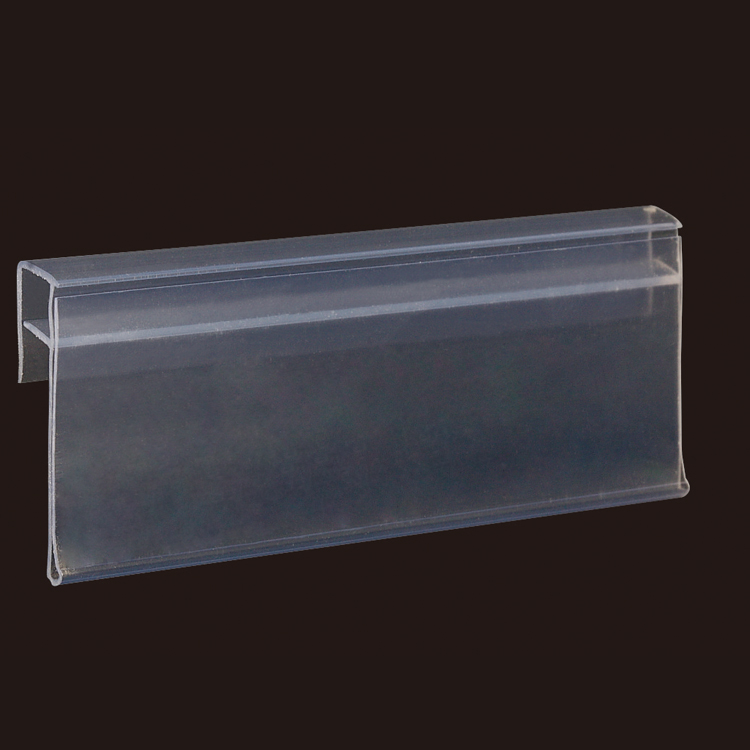
IDMATE manufactures plastic display hooks for retail stores. Available in a wide range of shapes and sizes, these hooks are widely used on pegboards, slatwalls, grid panels, and various other types of display racks.
Below is a comparison between IDMATE hooks and other adhesive-backed hooks:
| Feature | IDMATE Plastic Display Hooks | Other Adhesive Hooks |
|---|---|---|
| Variety of Hook Types | Yes | Limited |
| Lightweight and Easy Handling | Yes | Varies |
| Non-Corrosive Materials | Yes | Often No |
| Safety Features | Yes | Limited |
| Cost-Effectiveness | Yes | Often Higher |
IDMATE is a trusted supplier for stores. Their hooks are light and strong. They are easy to use and handle, so stores like them.
| Feature | Details |
|---|---|
| Maximum Weight Capacity | Not clearly stated, but hooks are light and strong. |
| Recommended Use Case | Good for organizing products on pegboards, slatwalls, gridwalls, and displays. |
Other Top Picks
Other adhesive hooks are also highly rated. Susswiff hooks are more affordable and perform well in humid environments, while 3M hooks feature reusable adhesive strips and are suitable for hanging light to medium-weight items.
Here is a brief overview of prices and features:
| Brand | Price Range | Strength & Durability Description |
|---|---|---|
| Command Hooks | $5 – $20 | Good for many uses, comes off clean, does not hurt walls. |
| 3M Adhesive Hooks | $6 – $18 | Reusable glue, works for light to medium items. |
| Susswiff Hooks | $7 – $15 | Cheap, holds heavy things, waterproof for wet places. |
Tip: Always check the weight limit and surface before using adhesive hooks. This helps them work best and keeps things safe.
Choosing the Right Adhesive Hooks
Surface and Environment
Not all hooks adhere securely to every type of surface. Smooth, clean surfaces—such as tile, drywall, glass, and wood—yield the best results, whereas rough or porous walls may compromise adhesion. You should also consider the environment where the hooks will be used, as fluctuations in humidity and temperature can affect bonding performance. For example:
- High humidity can allow moisture to penetrate the adhesive layer, weakening the bond.
- Temperature fluctuations can alter the adhesive’s curing process and overall performance.
If you plan to use the hooks in a bathroom or kitchen, verify that the product is suitable for use in humid environments.
Weight and Item Type
Every type of hook has a weight limit. Most adhesive hooks support between 1 and 5 pounds, while some heavy-duty models can hold up to 20 pounds. Always check the weight specifications on the packaging before hanging items; exceeding the limit may cause the item to fall. Lightweight hooks are suitable for keys, small gadgets, or decorations, whereas heavier items—such as large picture frames or bags—require hooks with a higher weight capacity.
Tip: Always match the hook to the item’s weight and the surface for the best results.
Installation and Removal
Proper installation helps extend the lifespan of the hooks. Clean the wall surface with isopropyl alcohol before attaching the hook. Allow the adhesive to cure for 24 hours before hanging any items. Avoid using the hooks on rough or dirty surfaces. Do not rush when removing the hook; pull slowly and avoid using metal tools that could scratch the wall. If necessary, test an adhesive remover on a small, inconspicuous area first.
A little care during installation and removal protects the wall surface and ensures the hooks perform effectively.
Tips for Using Adhesive Hooks
Installation Steps
Proper installation is crucial for the effective use of adhesive hooks. Most brands recommend following these simple steps to ensure optimal results:
- Wipe the wall surface with 70% isopropyl alcohol to remove grease and dust.
- Ensure the wall surface is dry and the room temperature is between 59°F and 77°F (approximately 15°C to 25°C).
- Prepare the adhesive strip and press it firmly against the wall.
- Allow the hook to set for at least one hour before hanging any items; this helps the adhesive bond more securely.
Keeping the wall surface clean and dry not only makes installation easier but also ensures a stronger hold.
| Cleaning Method | Description |
|---|---|
| Isopropyl Flush | Breaks down oils and soap scum. It does not leave anything behind. |
| Texture Scrub | Use a microfiber cloth to wipe dirt off bumpy walls. |
| 24-Hour Wait | Let the glue set for a whole day. This makes it stronger. |
Maximizing Hold
You want your hooks to stick firmly to the wall, even in busy or humid environments. To maximize the hook’s load-bearing capacity:
- Always wipe the wall surface with alcohol before applying the adhesive strip.
- After attaching the hook, allow it to set for 24 hours before hanging any items.
- Do not exceed the maximum weight limit specified on the packaging.
- Choose the right hook based on the item to be hung and the type of wall surface.
For the best hold, do not touch the strip for at least one hour after you press it on.
These tips help you keep things neat and safe for a long time.
Common Mistakes
Many people make minor mistakes when using adhesive hooks, leading to the hooks falling off or damage to the wall surface. Here are some common errors:
- Applying the hook to a freshly painted wall. You should wait at least seven days after painting before attaching it.
- Ignoring weight limits. Hanging items that are too heavy can cause the hook to detach.
- Pulling the adhesive strip outward away from the wall during removal. The correct method is to always pull the tab at the end of the strip straight down.
- Forcefully scraping off a broken adhesive strip. Instead, use a heat source to soften the adhesive before slowly removing it.
With the proper technique, you can remove hooks without damaging the wall. Cultivating good usage habits helps maintain the wall’s appearance and makes organizing your items easier in the future.
Experts recommend Home So Suction Cup Hook for bathrooms and 150-Pack Adhesive Hooks for kitchens. IDMATE Plastic Display Hooks shine in retail spaces. Matching hook strength and type to the surface matters. Prep and cure time often matter more than brand. Always check weight limits and follow installation steps for safe results.
FAQ
How much weight can adhesive hooks hold?
Most adhesive hooks can hold from 1 to 20 pounds. Some heavy-duty hooks, like 3M CLAW, hold bigger things. You should always look at the package for the weight limit.
Can you use adhesive hooks in bathrooms?
Yes, you can use many adhesive hooks in bathrooms. Susswiff and Command hooks do not get ruined by water. IDMATE Plastic Display Hooks are for stores, not wet places.
What surfaces do adhesive hooks stick to best?
Adhesive hooks stick best to smooth places like tile, glass, and painted drywall. If the wall is rough or has holes, the hook will not stick as well. Clean the spot before you put the hook on.
| Surface Type | Stickiness Level |
|---|---|
| Tile | High |
| Glass | High |
| Painted Drywall | Medium |
| Brick/Concrete | Low |