Swivel hooks are critical load-bearing and connecting components designed to prevent line twisting during rotation. However, choosing the wrong swivel hook—such as confusing a lightweight retail POP display hook with an industrial overhead lifting hook—can lead to severe operational failure or safety hazards.
In this technical guide, we break down swivel hooks by their mechanical design, load capacity, and material composition so you can specify the exact component for your application.
Classification by Mechanical Action & Load Capacity
The primary distinction between swivel hooks lies in how they rotate under tension. Swivels generally fall into three mechanical categories:
A. Positioning Swivel Hooks (Non-Rotation Under Load)
- Mechanism: Simple pin-and-socket or threaded attachment.
- Function: Allows 360-degree orientation before the load is applied. Once fully tensioned, friction prevents smooth rotation.
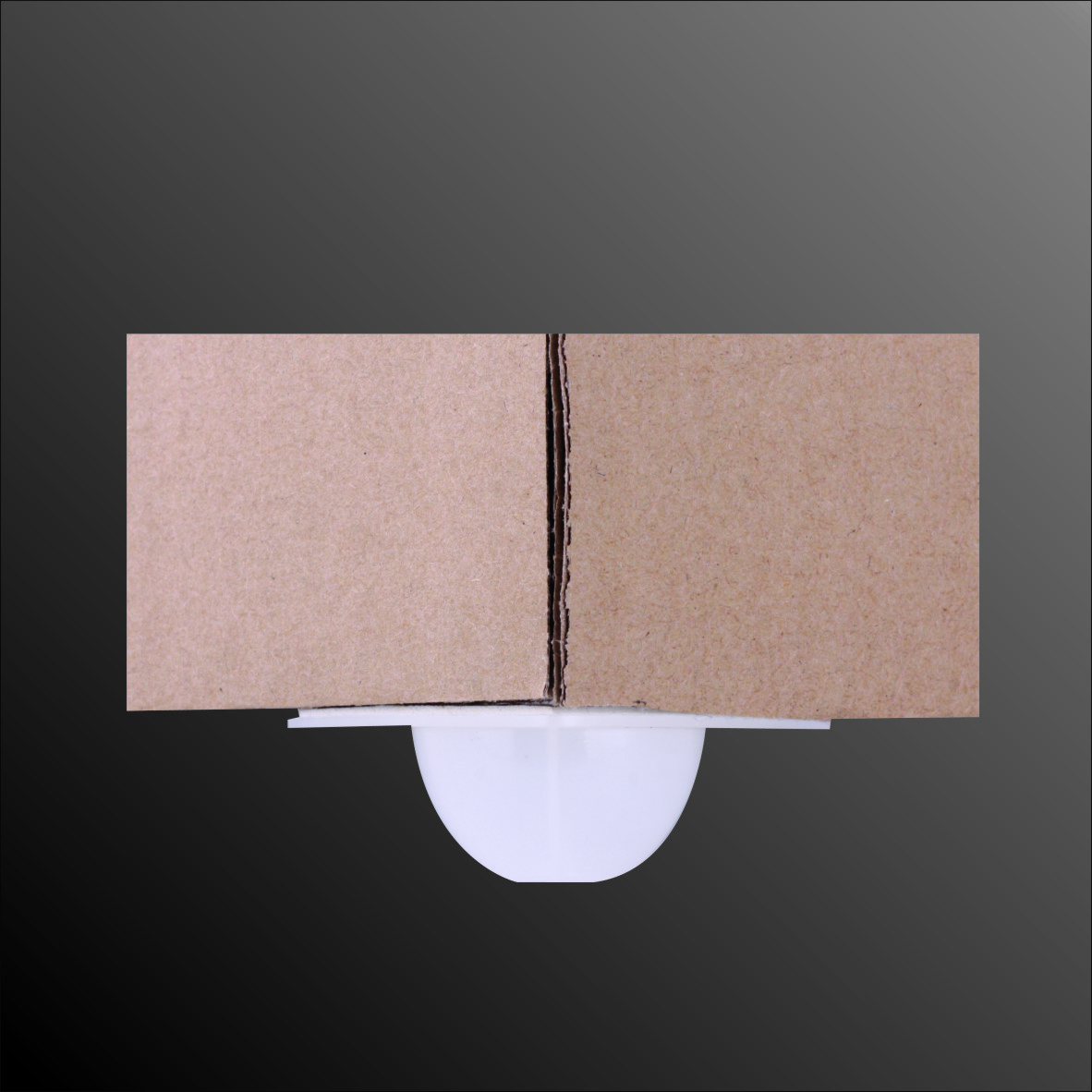
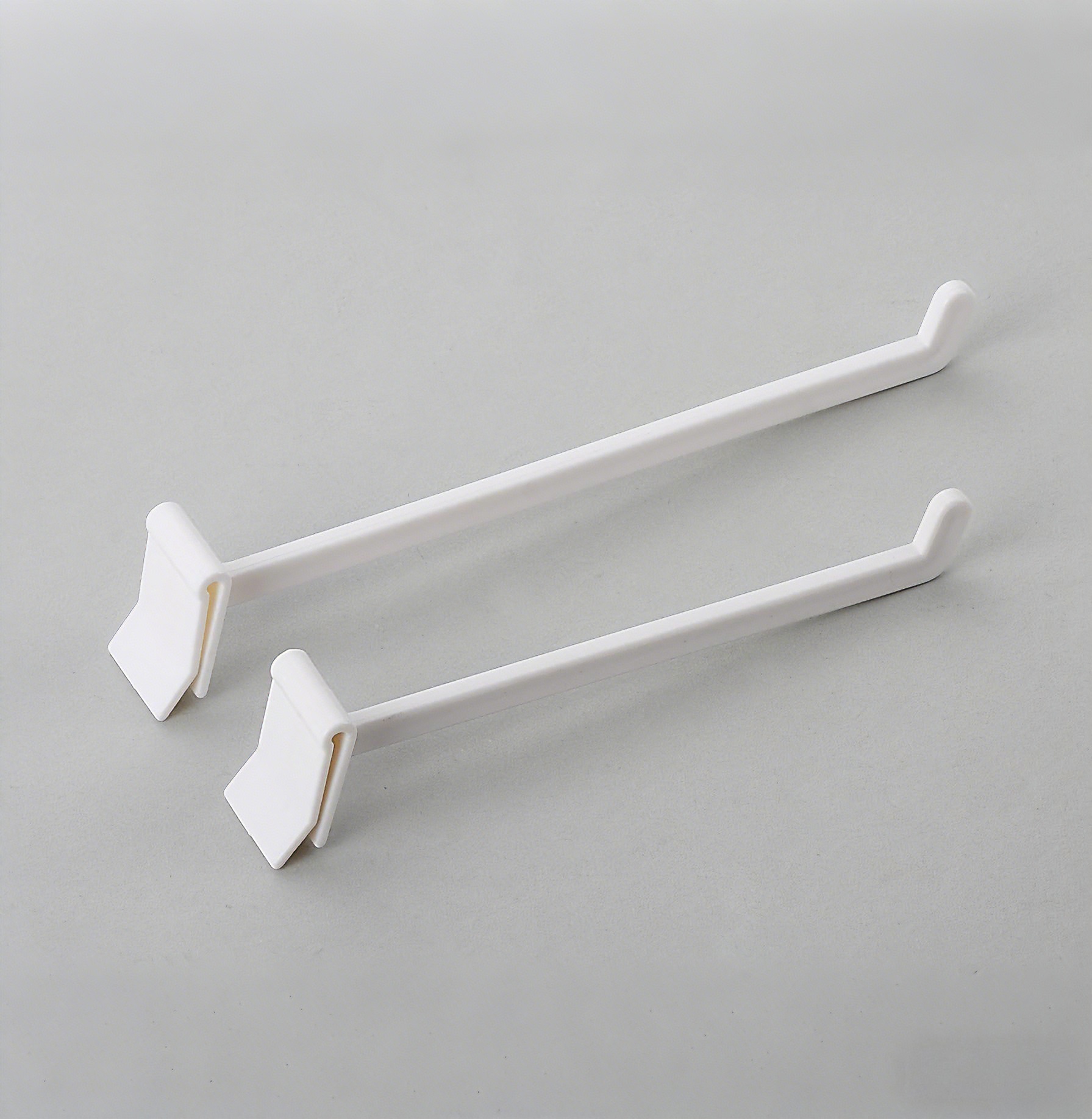
- Primary Uses: Point-of-purchase (POP) signage hanging, lanyards, light luggage straps, and static hanging fixtures.
- Safety Note: Never use positioning swivels for active overhead lifting or continuously spinning loads.
B. Ball-Bearing & Bearing Swivel Hooks (Rotation Under Full Load)
- Mechanism: Enclosed stainless steel or chrome-steel ball bearings reduce rotational friction under severe tension.
- Function: Rotates freely even when loaded to maximum capacity, effectively neutralizing torque and preventing wire rope, cable, or line twisting.
- Primary Uses:
- Industrial Rigging: Overhead cranes, winch lines, and rigging assemblies adhering to standards like OSHA 1926.1431 or EN 1677.
- Heavy Fishing Tackle: High-tensile offshore big-game fishing (ball-bearing swivels preventing line spin caused by trolled lures).
C. Snap & Latch Swivel Hooks
- Mechanism: Integrates a spring-loaded gate, bolt snap, or trigger release with a swiveling base.
- Function: Combines quick attachment/detachment capability with dynamic twisting resistance.
- Primary Uses: Marine hardware, safety lanyards, tethering systems, and retail display racks.
Material Selection & Engineering Comparisons
Selecting the right material determines thermal resistance, tensile strength, and environmental durability. Below is an engineered performance breakdown based on standard ASTM testing criteria:
| Material Type | Common Grade / Polymer | Tensile Strength | UV & Chemical Resistance | Ideal Application |
| Forged Alloy Steel | Grade 80 / Grade 100 | Very High (Up to 30+ Tons WLL) | Moderate (Requires Galvanization/Coating) | Heavy Industrial Crane Lifting |
| Stainless Steel | 316 / 304 Grade | High | Excellent (Saltwater & Acid Resistant) | Marine, Offshore Fishing, Food Processing |
| Polycarbonate (PC) | Engineering Grade | Moderate | High Impact / Clear Aesthetic | Retail Hanging, POP Displays |
| Polyoxymethylene (POM / Acetal) | Commercial Grade | Medium-High (For Plastics) | Superior Wear & Low Friction | Heavy-duty Plastic Snaps, Tactical Gear |
| Polyamide (Nylon 6,6) | Glass-Filled Fiber | Medium-High | High Thermal & Abrasion Resistance | Structural Fixtures, Automotive Interior |
⚠️ Engineering Notice on Load Limits:
Plastic and polymer swivel hooks are engineered for static display or lightweight functional use. For overhead industrial lifting, only use certified forged steel hooks stamped with a clear Working Load Limit (WLL) and compliance marks (e.g., CE, OSHA, or ASME B30.10).
Industry-Specific Applications
To ensure safety and performance, match the swivel hook type directly to your operational environment:
Industrial & Crane Rigging
Focuses on safety factors (typically 4:1 or 5:1 design factor). Requires latch locks to prevent accidental disengagement of slings under slack conditions.
Retail, Merchandising & POP Displays
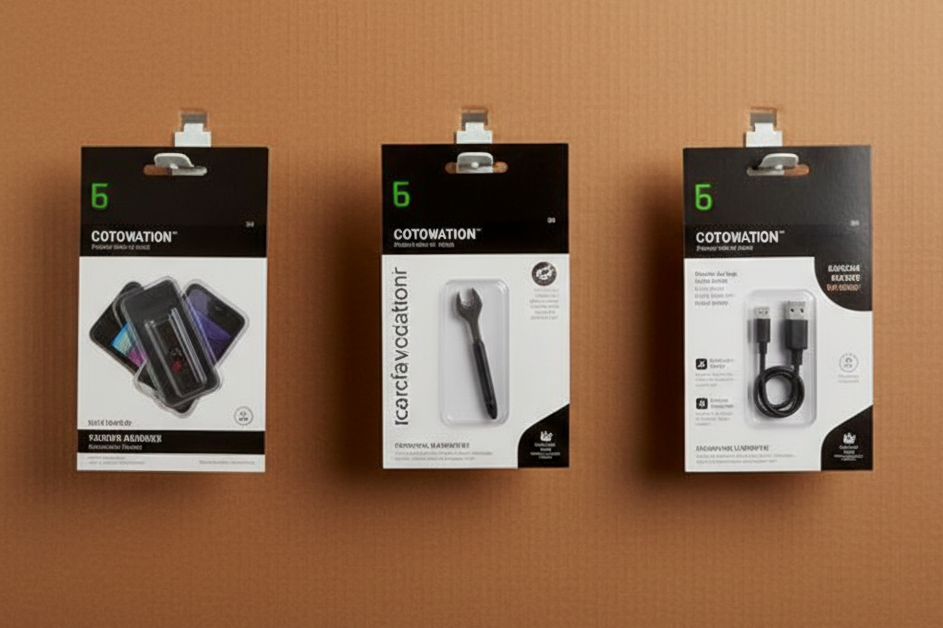
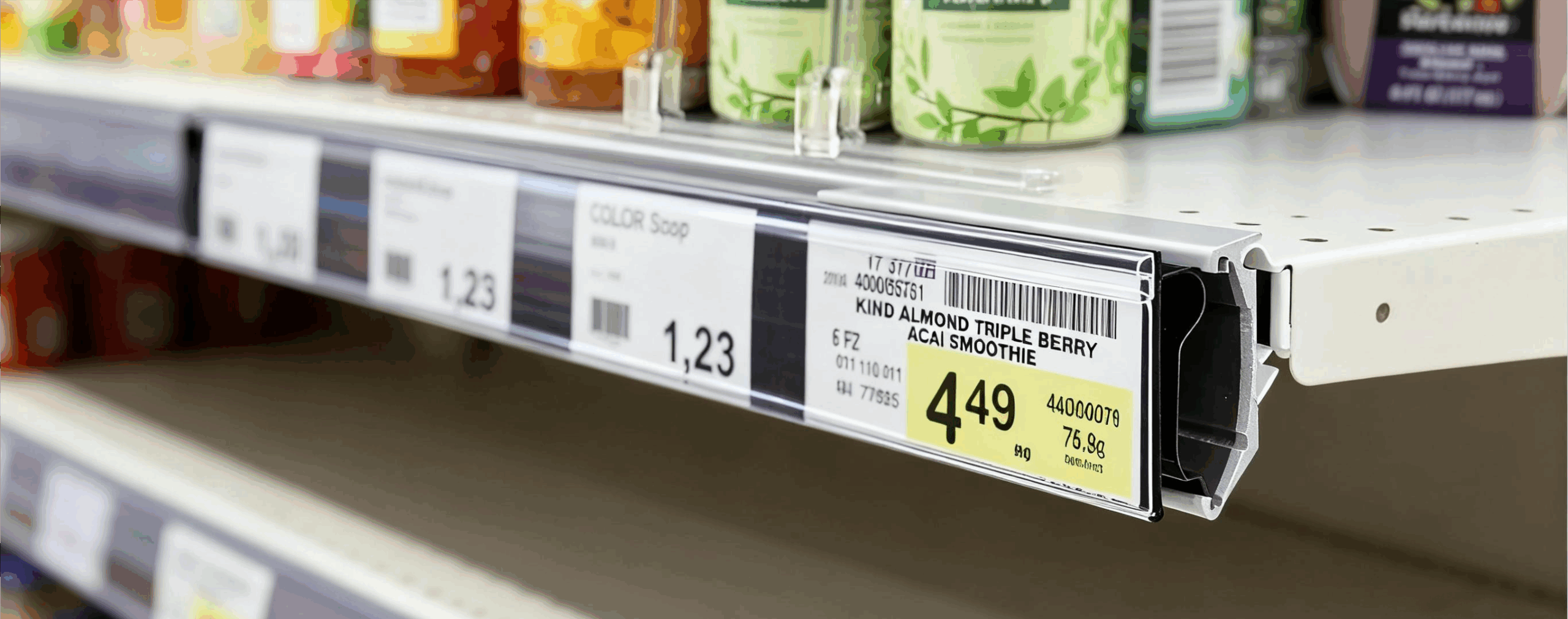
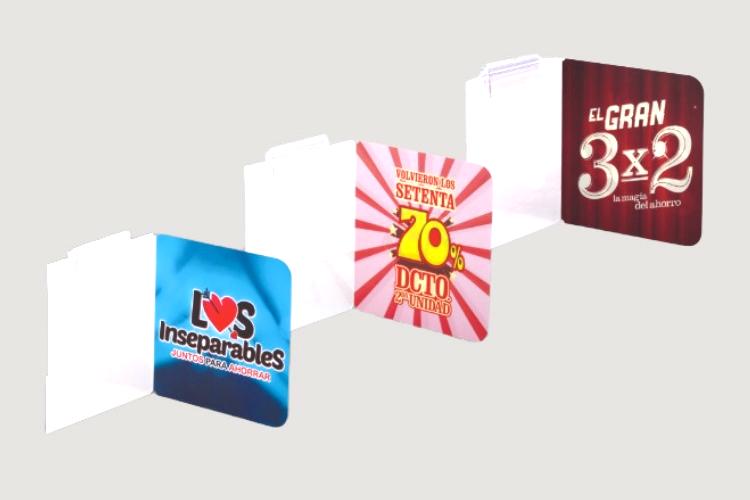
Focuses on ease of installation, visual clarity, and cost-efficiency. Lightweight polymer or zinc-alloy swivel hooks allow double-sided promotional graphics to turn naturally with ambient air currents without tangling ceiling wires.
Commercial Marine & Tackle
Requires non-corrosive alloys (316 Stainless Steel or Solid Brass). Swivels must withstand high RPM spinning under rapid pulling force to eliminate line stress.
Frequently Asked Questions (FAQ)
What is the difference between Working Load Limit (WLL) and Breaking Strength?
Answer: The Working Load Limit (WLL) is the maximum safe operational force assigned by the manufacturer. Breaking Strength is the point at which the component physically fails during factory pull testing. Industrial safety protocols generally require a 4:1 or 5:1 safety margin between WLL and Breaking Strength.
Can plastic swivel hooks be used outdoors for permanent signage?
Answer: Yes, provided they are molded from UV-stabilized polymers such as Polycarbonate or Polyoxymethylene (POM). Standard untreated plastics can degrade under continuous ultraviolet exposure, leading to embrittlement over time.
Why does my swivel hook stop spinning when heavy load is applied?
Answer: You are likely using a friction-based positioning swivel rather than a ball-bearing swivel. Positioning swivels lock under tension. To maintain fluid rotation under heavy weight, upgrade to a unit housing internal stainless steel ball bearings.
How do I inspect swivel hooks for safety wear?
Answer: Inspect regularly for three signs:
Bearing Binding: Twist the swivel manually; any grinding sensation indicates bearing failure.
Latch Engagement: Ensure safety latches snap back firmly into place.
Deformation/Gouging: Discard any metal hook bent more than 10% from its original plane or showing 10%+ wear at the saddle.