Many businesses use plastic labels for a variety of reasons. There are many types of plastic labels, including ripstop labels, Tyvek® labels, engraved labels, printed labels, custom labels, valve labels, self-adhesive labels, roll labels, and IDmate data strips. Plastic labels are popular because they are durable and waterproof. Stores, warehouses, and asset managers choose plastic labels to clearly mark items and easily track them. As more companies seek more environmentally friendly product packaging methods, they are also starting to use these labels.
Key Takeaways
- Plastic labels are robust, durable, and waterproof/moisture-resistant. This makes them ideal for item labeling in stores and warehouses.
- Tripstop labels are very tough and can last for years. They are suitable for outdoor use and item tracking.
- Tyvek® labels are robust, waterproof, and flexible. They perform well in many areas, such as construction and medical packaging.
- Custom plastic labels allow companies to choose the desired material, size, and color. This helps them keep things organized and track items.
- IDmate data strips can attach price tags and barcodes, making labeling simple. This helps people quickly change information.
Different Types of Plastic Tags

Tear-Proof Plastic Tags
Tear-resistant plastic labels are durable. They are made of vinyl, polyester, or polypropylene. These materials will not be damaged by water or sunlight. Vinyl labels are suitable for outdoor use because they do not fade. Polyester labels are very strong and not easily torn. Polypropylene labels are lightweight and will not be damaged by chemicals or rough handling.
Tip: Tear-proof plastic tags work well for outdoor labels and asset tracking.
Tyvek® Tags
Tyvek® labels are a special type of plastic label. They are made of high-density polyethylene fibers. These labels are tough, waterproof, and flexible. They will not be punctured, moldy, or damaged by most chemicals. You can write or print on Tyvek® labels. This makes them suitable for a variety of jobs. The table below shows the differences between Tyvek® labels and other plastic labels:
| Type | Key Characteristics |
|---|---|
| Tyvek® | Made from high-density polyethylene fibers, very tough, water-resistant, flexible, breathable, and recyclable. |
| Other Plastic Tags | Vary in strength, water resistance, and flexibility, but generally do not match the durability and tear-resistance of Tyvek®. |
Many industries use Tyvek® tags. Construction companies use them because they stand up to bad weather. Medical packaging uses them because they are waterproof. Tyvek® tags are also used in banners, money, and driver’s licenses because they have special features.
| Property | Description |
|---|---|
| Strength | Tyvek tags are made from high-density polyethylene fibers, ensuring durability and tear resistance. |
| Waterproof | They are completely waterproof, maintaining their integrity even when wet. |
| Puncture Resistance | Tyvek tags resist punctures, making them suitable for rough handling. |
| Mildew Resistance | They are resistant to mildew, which is essential for use in various environments. |
| Chemical Resistance | Tyvek tags are not affected by most chemicals, making them versatile for different applications. |
| Writable and Printable | They can be written on and printed, although specific techniques may be required due to their waterproof nature. |
Engraved Plastic Tags
Engraved plastic labels feature engraved text or numbers that are clear, legible, and resistant to wear. These labels are ideal for long-term labeling. Many companies use engraved labels to mark machinery and safety signs. Engraved labels can be cleaned frequently and are not easily damaged by chemicals. Polycarbonate is a robust and durable labeling material.
Printed Plastic Tags
Printed plastic labels display information using ink or digital printing technology. These labels can be printed with logos, barcodes, and text in various colors. Printed labels help people find goods in stores and warehouses. Polycarbonate and other plastic materials make the print clear and visible. Printed plastic labels are easy to replace to suit different products. Many stores use printed labels as price tags, shelf labels, and signage.
Custom Plastic Tags
Custom plastic labels allow companies to choose according to their own needs. They can choose the material, size, shape, and color. Polycarbonate, vinyl, and polypropylene are common choices. The table below lists some methods for custom labeling:
| Customization Option | Description |
|---|---|
| Materials | Thick plastic tags available in various shapes and sizes. |
| Finishes | Precision-engraved for high-contrast text; UV color printing for durability. |
| Sizes | Custom sizes available to meet specific needs. |
| Adhesive Backing | Strong, durable 3M adhesive can be added to tags for enhanced functionality. |
| Printing Options | Full-color printing on one or both sides, including logos and text. |
| Weatherproofing | Tags made from weatherproof plastic for outdoor use. |
| Sequential Numbering | Custom numbering options available for tracking or identification. |
Custom plastic tags help companies keep track of products and equipment. They are used for inventory and asset management. Adding sticky backs makes these tags easy to put on many things.
Plastic Valve Tags
Plastic valve tags help people know which pipe or valve is which. These tags are cheap and easy to use. Using colors helps workers find things fast. Plastic valve tags are best for indoor places or places that are not too harsh. The table below explains what they do:
| Function | Description |
|---|---|
| Cost-effective | Provides a low-cost solution for valve identification. |
| Color-coded | Allows for easy identification through color differentiation. |
| Suitable for less extreme environments | Ideal for indoor use or environments that are not harsh. |
Polycarbonate is often used because it is strong and light. These tags help workers find the right valve or pipe quickly. This makes work safer and faster.
Self-Laminating Plastic Tags
Self-laminating plastic tags have a clear layer on top. This layer keeps the tag safe from water, sunlight, and scratches. The table below shows why self-laminating tags are helpful:
| Feature | Description |
|---|---|
| Protective Layer | Adds an extra layer of protection to safeguard printed information from environmental factors. |
| Resistance to Elements | Protects against moisture, UV radiation, and abrasion, enhancing tag longevity. |
| Clarity of Printed Text | Ensures that printed text remains clear and legible in demanding conditions. |
| Stability and Durability | Constructed from stiff plastic, providing stability and durability for long-term use. |
| Cost-Effectiveness | Saves time and labor, making it a cost-effective solution for tagging needs. |
| Variety of Sizes and Colors | Available in multiple sizes and colors, ideal for color-coding systems. |
Many businesses use self-adhesive plastic tags for tracking and labeling. These tags ensure information is secure and easy to read, even in hard-to-read locations.
Tag-on-a-Roll
Roll plastic tags are sold in rolls for convenient and quick labeling. These tags are inexpensive and easy to use. Businesses can choose vibrant colors and designs to improve visibility. The adhesive backing helps staff apply the tags quickly. Roll labels are ideal for shipping, inventory, and store displays.
- Roll plastic tags help save time.
- Vibrant designs and adhesive backing make them an ideal labeling tool.
Data Strips by IDmate
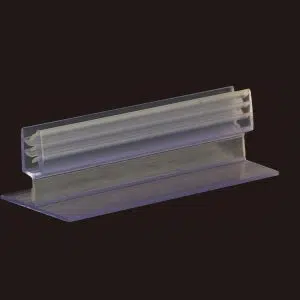
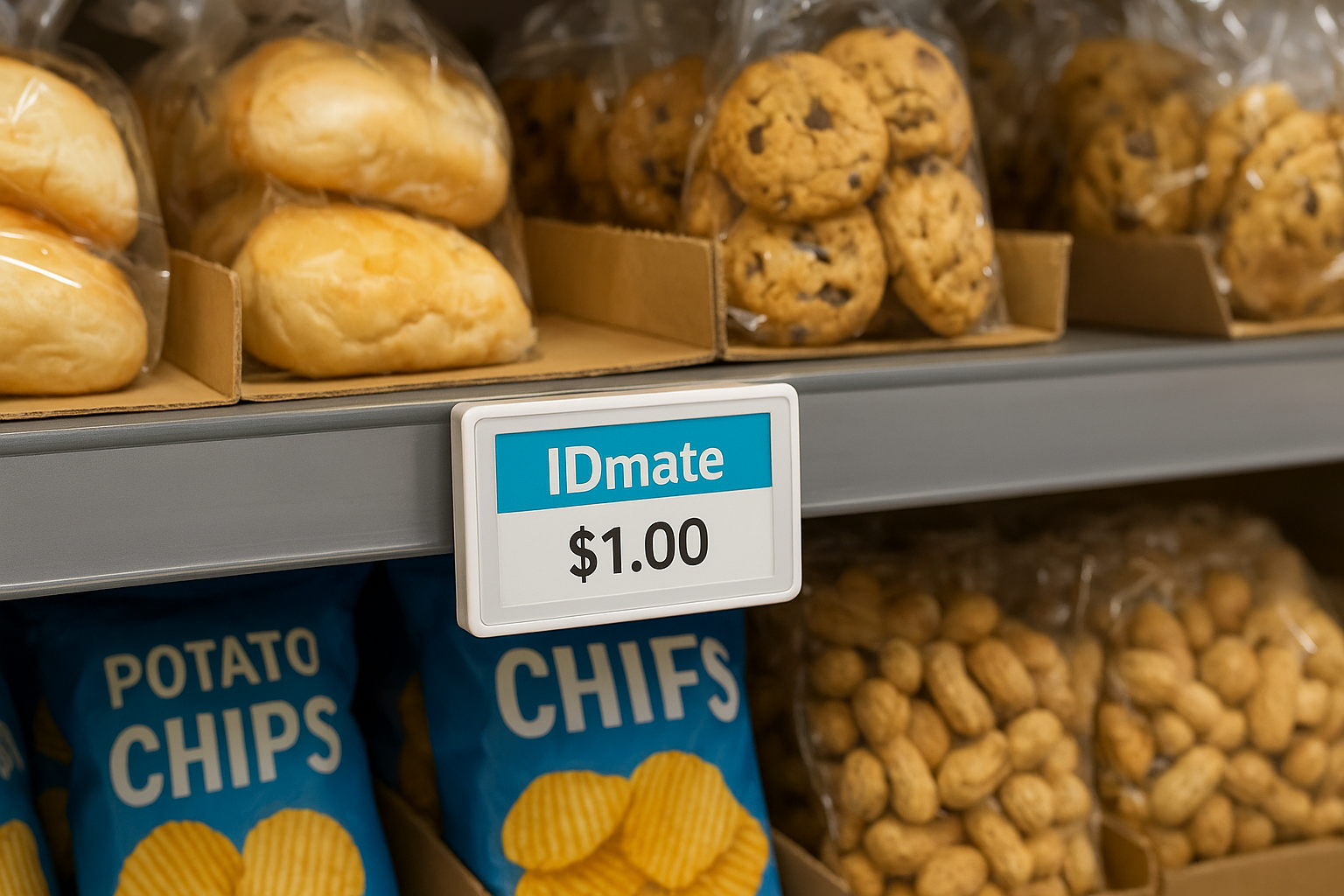
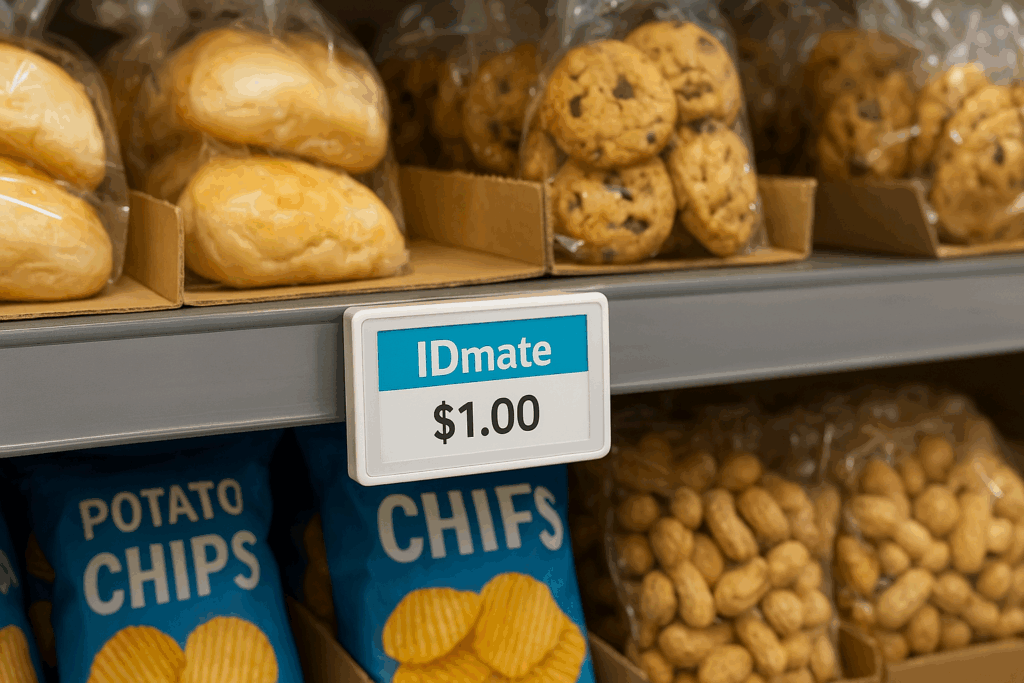
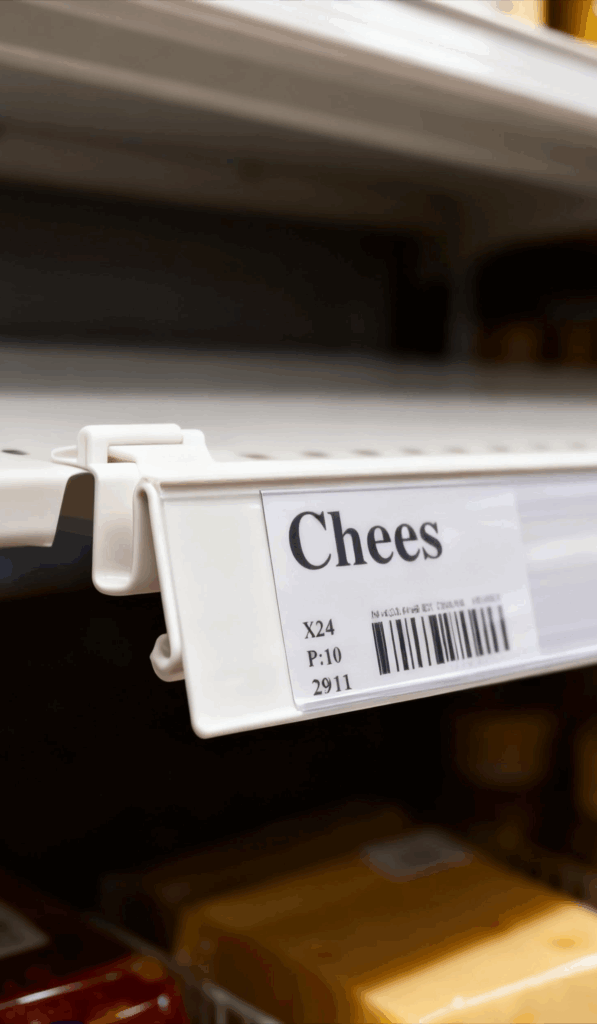
IDmate data strips are a new way to label shelves and products. These plastic tags can be attached to shelf edges for attaching price tags or barcodes. IDmate offers several installation options:
- Clip-on: Suitable for wooden or glass shelves.
- Magnetic: Attaches to metal shelves and is movable.
- Self-adhesive: Attaches to standard shelves.
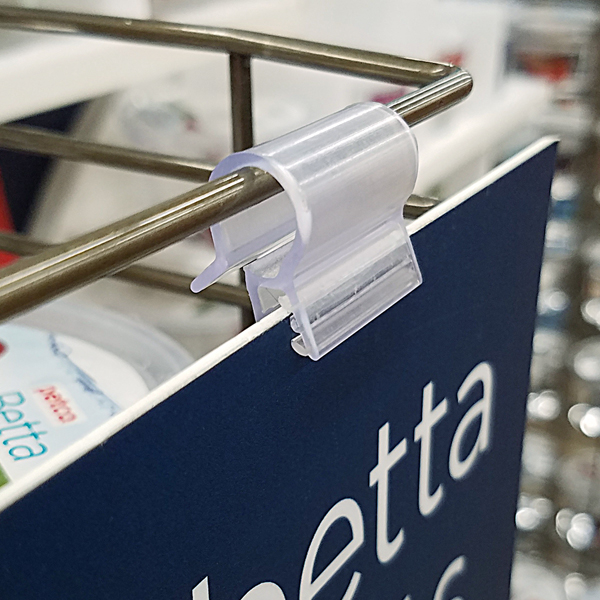
- Wire Shelf Brackets: For shelves and shopping baskets.
Made of polycarbonate, these labels are durable and highly visible. The data strips allow staff to quickly change prices without having to remove each label individually. You can choose different colors and lengths of labels to match your store’s style. These labels keep shelves tidy and help customers find prices and offers. IDmate data strips make product labeling easier to manage and help stores operate more efficiently.
Note: Data Strips by IDmate are strong, easy to use, and can be customized for stores and warehouses.
Features and Uses
Durability and Materials
Plastic labels are known for their durability. Many companies choose plastic labels because they are more durable than paper labels. The main plastic materials are polyester, polypropylene, vinyl, and DuPont Tyvek. Each material has its own advantages. Polyester is resistant to chemical corrosion and high temperatures. Polypropylene is less expensive and suitable for most printers. Vinyl can be bent and adheres to rough surfaces. Self-adhesive plastic labels have a clear top layer. This layer is waterproof, dustproof, and scratch-resistant. The table below shows the impact of each plastic type on label lifespan:
| Type | Pros | Cons |
|---|---|---|
| Polyester | Very strong, keeps shape, resists chemicals | Costs more, may need special printers |
| Polypropylene | Not expensive, resists water, printer friendly | Not as good with heat or sunlight |
| Vinyl | Lasts outdoors, bends, sticks to bumpy surfaces | Not eco-friendly, can break down in sun |
Plastic tags are better for the earth than metal tags. They make less greenhouse gas and are easier to recycle.
Customization Options
Plastic labels can be made in many ways. Businesses can pick from over 75 designs. They can upload their own designs or add special words. Custom plastic tags come in clear, frosted, barcode, magnetic stripe, and combo card styles. Customization helps companies match their brand and needs. The table below shows some popular ways to customize:
| Customization Option | Description |
|---|---|
| Fully Custom – Upload Design | Customers upload their own tag designs |
| Text | Add specific text entries to tags |
Custom plastic labels can have different colors and finishes. Custom choices can change the price and how long it takes to make. Fancy designs and special materials may cost more and take longer.
Common Applications
Plastic labels are used in many ways. Factories use plastic tags because they are flexible and save money. Asset managers use plastic labels that do not wear out or get ruined by water or chemicals. Stores use plastic tags for prices and product info. Custom plastic tags help companies keep track of things and organize. The table below shows where plastic tags are often used:
| Application Area | Description |
|---|---|
| Industrial Applications | Flexible, cost-effective, customizable for many uses |
| Asset Management | Reliable, resists wear, moisture, chemicals for indoor/outdoor use |
| Retail Applications | Flexible and customizable for product labeling and shelf displays |
Plastic labels give many choices for materials and custom designs for all kinds of businesses.
Plastic vs. Metal Tags
Key Differences
Plastic labels and metal tags help businesses keep things organized. They also help track and identify items. Each type has its own strengths and uses. The table below shows how they compare in durability and resistance:
| Tag Type | Durability | Environmental Resistance |
|---|---|---|
| Metal | 10–20 years | Superior resistance to extreme temperatures, chemicals, abrasion, and UV exposure |
| Plastic | 3–10 years | Good resistance to water, chemicals, and sunlight; best for less extreme conditions |
Metal tags last longer than plastic labels. They work well in tough places like hot or sunny areas. Metal tags keep their shape and information even in harsh conditions. Plastic labels protect against water and chemicals but may not last as long outside.
Cost is another difference between metal and plastic tags. Metal tags cost more at first but save money over time in hard jobs. Plastic labels cost less and are good for indoor or light outdoor use. The table below shows the cost comparison:
| Tag Type | Upfront Cost | Long-term Cost Consideration |
|---|---|---|
| Metal | Higher | More economical for long-term outdoor or heavy-use applications |
| Plastic | Lower | May need more frequent replacements in harsh conditions |
Both types affect the environment in different ways. The best choice depends on how the tags will be used. Recycling may also matter for some businesses.
When to Use Plastic Tags
Plastic labels offer businesses a variety of labeling and organization options. They are lightweight, flexible, and easy to customize with printing. Many companies use plastic labels for packaging and tracking items. These labels are suitable for stores, warehouses, and offices.
Plastic labels are ideal for:
- Marking products and shelves in stores
- Tracking inventory in warehouses
- Marking lightweight tools and equipment
- Quick application using adhesive backing
- Adding tamper-evident features for security
Some plastic labels are scratch-resistant, chemical-resistant, and heat-resistant, making them suitable for less demanding environments. Customized plastic labels can display logos, barcodes, or instructions. Digital printing technology delivers vibrant colors and clear information.
When to use plastic labels depends on the specific application. If environmental requirements are low and labels need frequent replacement, plastic labels are the best choice. They are available in a variety of colors, sizes, and designs, allowing businesses to choose the appropriate features to meet their needs.
Tip: Plastic labels are cheap and easy to customize. They are a smart choice for many labeling jobs.
Plastic tags have different types. Each type is strong in its own way. Picking a tag depends on where you use it. It also depends on how long you need it to last. The table below lists things to think about:
| Factor | Description |
|---|---|
| Material Composition | Some plastics, like polycarbonate, can absorb RF signals. |
| Environmental Conditions | Materials must handle temperature changes. |
| Humidity and Moisture | Water-resistant tags work best in damp places. |
Stores and warehouses use regular tags and special ones. IDmate’s Data Strips are one special solution.
FAQ
What are the main benefits of using plastic tags?
Plastic tags are strong and last a long time. They do not get ruined by water. People use them in stores and warehouses. These tags make it easy to label and track things.
Can plastic tags be customized for different uses?
Yes. Companies can choose colors, shapes, and sizes. They can put on logos, numbers, or barcodes. Custom tags help different businesses with special needs.
How do Data Strips by IDmate help in retail stores?
Data Strips by IDmate hold price tags and product info on shelves. Workers can change the labels fast. These strips keep shelves tidy and help shoppers find prices.
Are plastic tags suitable for outdoor use?
Many plastic tags can handle sun, rain, and chemicals. They work well outside for labeling gear, plants, or tools. Some types last longer outdoors than others.
What is the difference between engraved and printed tags?
Engraved tags have words or numbers cut into them. Printed tags use ink or digital printing to show info. Engraved tags last longer, but printed tags have more color choices.