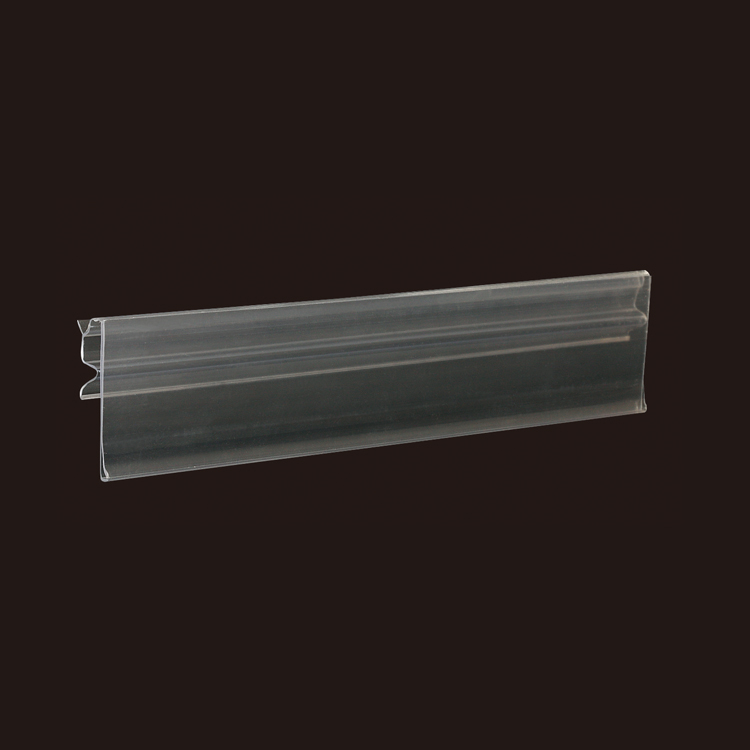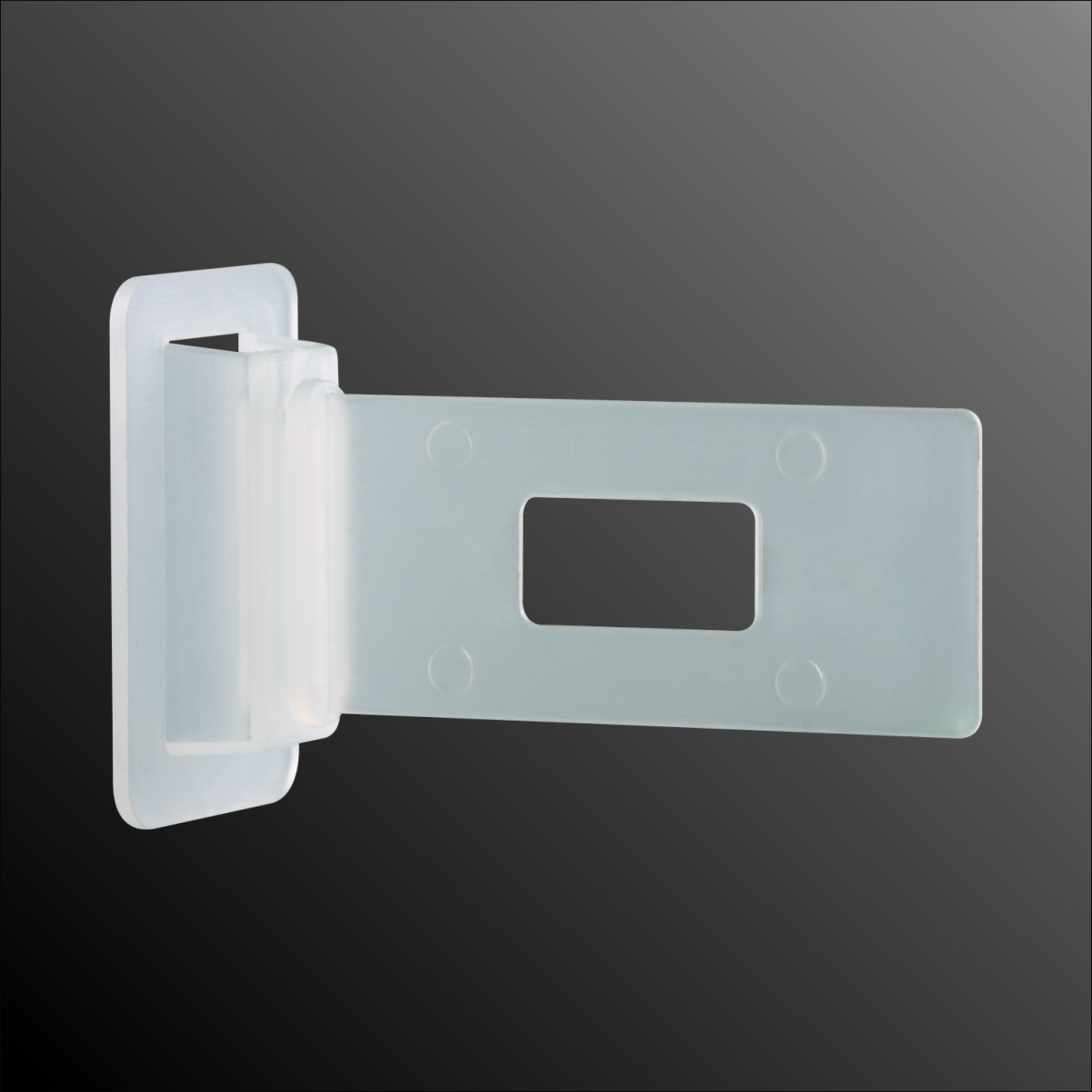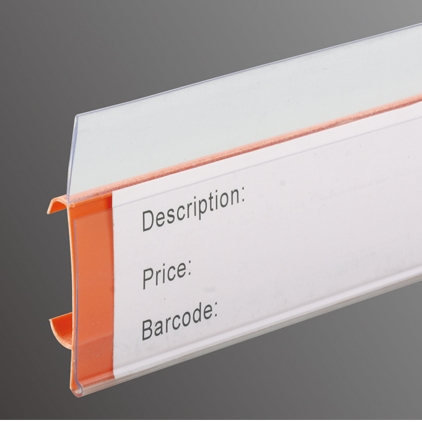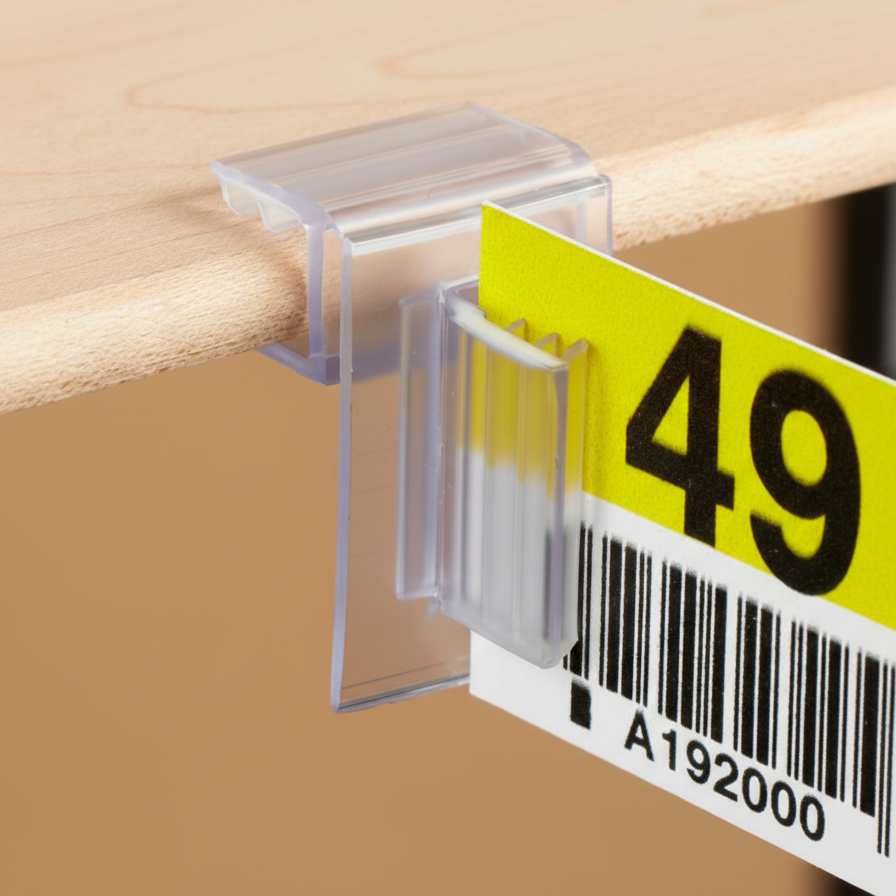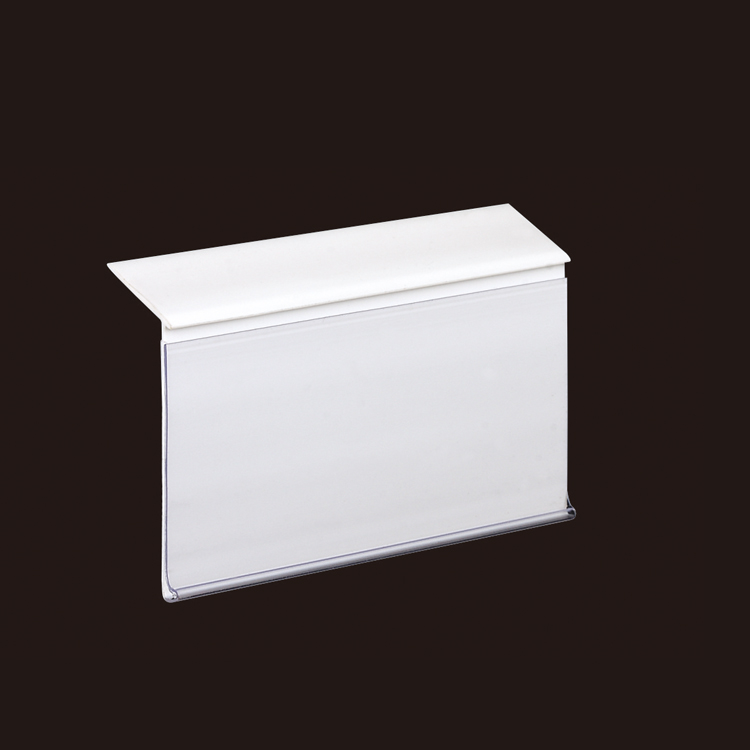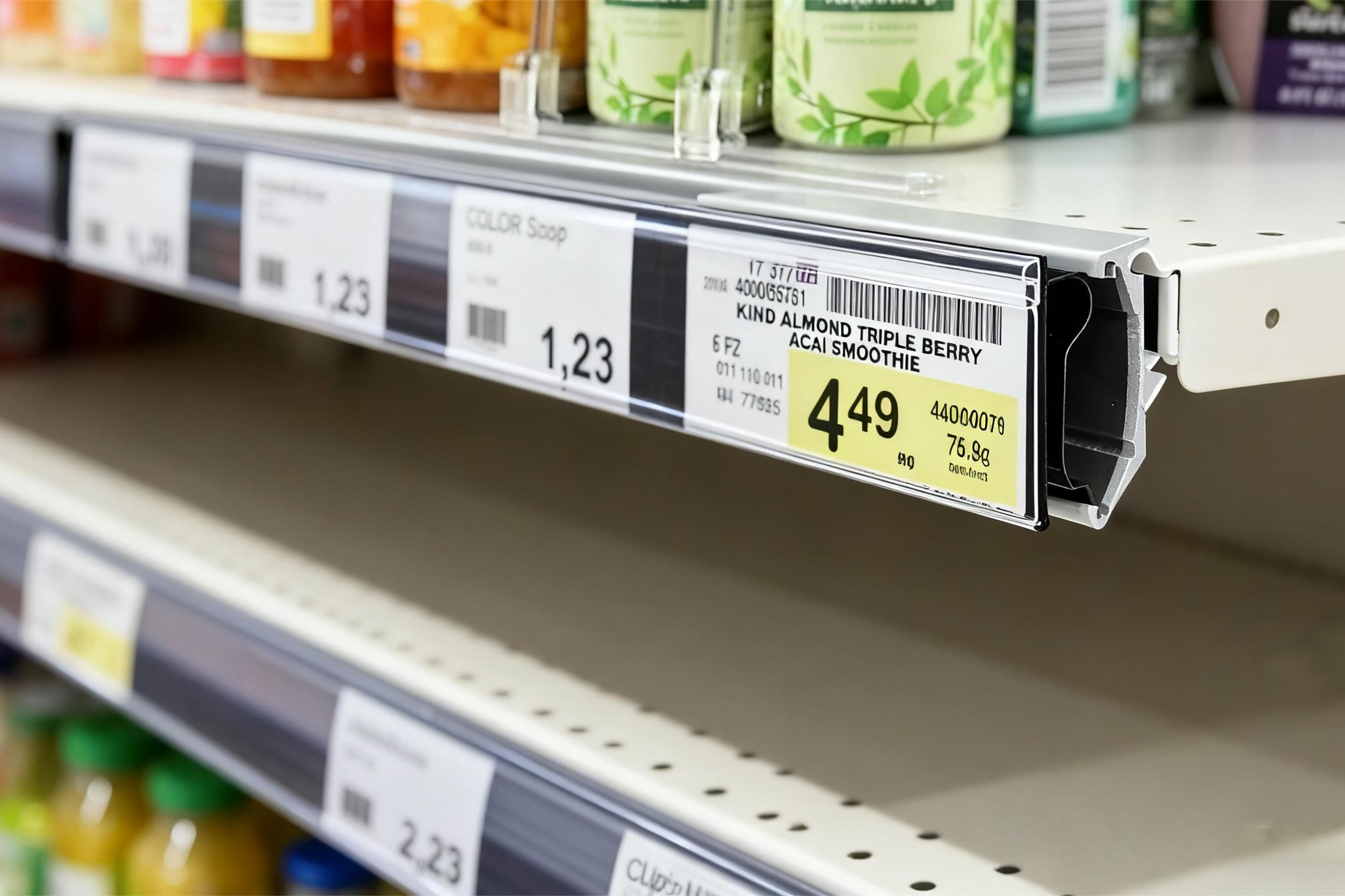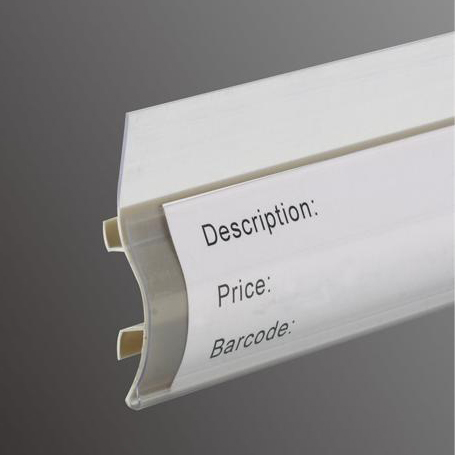
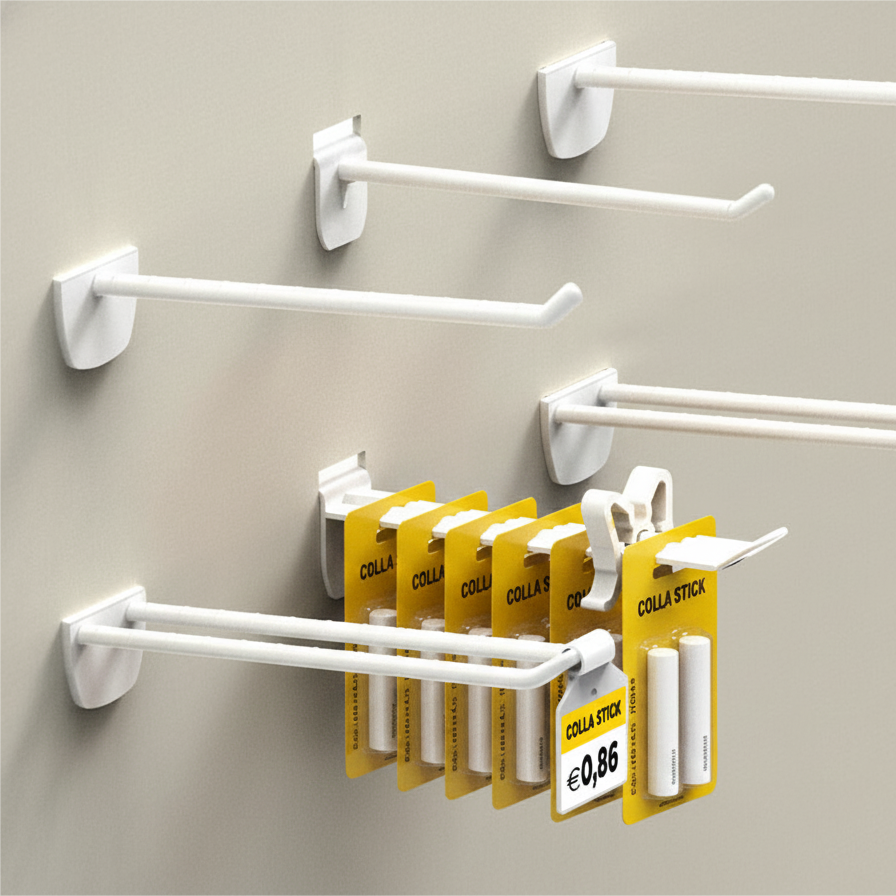
Double hooks have two points on the shank. Approximately 70% of experienced anglers use double hooks because they value their strong grip and higher hook-up rate. Shops also use double hooks in various ways. IDMATE’s plastic display hooks help maintain a neat display of merchandise in stores. Double hooks have wide applications in both fishing and retail environments.
Key Takeaways
- Double hooks have two points, allowing them to firmly hook fish and helping you increase your hook-up rate by up to 25%.
- Offset double hooks penetrate the fish’s mouth more easily, making the lure look more realistic, thus helping anglers catch more fish.
- Barbless double hooks cause less harm to fish, facilitating release and maintaining the health of fish populations.
Different types of double hooks
Fishing hooks come in a variety of shapes and sizes, and people choose different hooks depending on their fishing needs. The main types include single hooks, double hooks, and trident hooks. This section will focus on double hooks and their unique features.
Standard double hooks
A standard double hook has two points on its shank, protruding outwards at a 45-degree angle. This hook is made from a single, bent piece of steel. The small gap between the points helps hold the bait in place. Anglers typically use standard double hooks with surface frog lures and swimming lures.
Note: Double hooks are widely used in surface fishing, especially for catching large fish. Their unique shape helps increase the catch rate, making them a favorite among experienced anglers.
Offset double hooks
Offset double hooks differ in appearance from standard double hooks. The hook point is not aligned with the shank but protrudes outwards. This shape helps the hook penetrate the fish’s mouth more effectively, making it easier to hook the fish. Offset double hooks make soft lures appear more realistic in the water.
| Feature | Benefit |
|---|---|
| Improved Penetration | Better hook-up rates |
| Natural Presentation | Bait looks more lifelike in the water |
| Higher Catch Rates | Up to 20% increase with correct hook positioning |
Offset double hooks are great for anglers who want to catch more fish with fake lures.
Barbless double hooks
Barbless double hooks have no barb on the hook point. This makes them easier to remove from the fish’s mouth. Barbless hooks are important for catch-and-release fishing. They cause less damage and stress to the fish. Some areas require anglers to use barbless hooks to protect the fish.
- Easier to remove from the fish’s mouth, therefore less stress on the fish
- Reduced damage to the fish’s mouth helps the fish survive after release.
- Especially important in situations where barbless hooks are required.
- Prevents tearing of the fish’s mouth, a common problem with barbed hooks.
| Hook Type | Average Mortality Rate | Handling Time Reduction |
|---|---|---|
| Barbed Hooks | 14.6% | N/A |
| Barbless Hooks | 8.2% | 50% |
In busy fishing spots, barbless hooks keep fish healthy. They lower the chance of hurting fish again if caught more than once.
Weedless double hooks
Snagging-proof double hooks have a special structure that allows them to easily pass through weeds without getting tangled. Some have concealed hook eyes and are smaller in size. Some have weights to help the lure sink into dense weeds. These hooks give fish more time to find and bite.
Snagging-proof double hooks are suitable for various fishing methods:
- Drift Fishing: Allows the lure to float on the water, making it look more realistic.
- Vertical jerking: This technique lowers the lure vertically, holding it in a specific position to attract fish such as bass and pike.
- Rapid reeling: This stirs up the water to attract larger fish while keeping the lure stable.
Anglers use snagging-resistant double hooks in weedy or debris-rich waters. These hooks help avoid snagging, thus increasing the catch.
| Type of Fishing Double Hook | Typical Applications |
|---|---|
| Double Hooks | Topwater fishing, heavy cover, larger species, swimbaits |
There are many types of double hooks for anglers to choose from. Each type is made for a certain way of fishing or place. Knowing the differences helps anglers pick the right hook for their fishing trip.
Shops double hooks
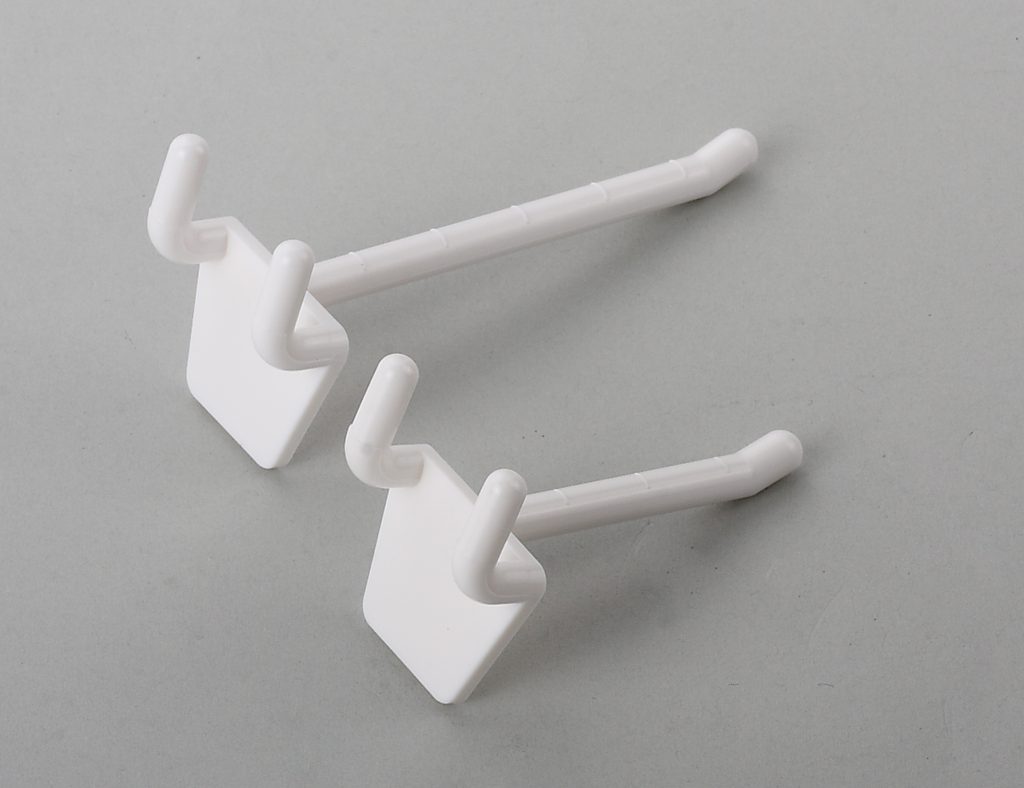
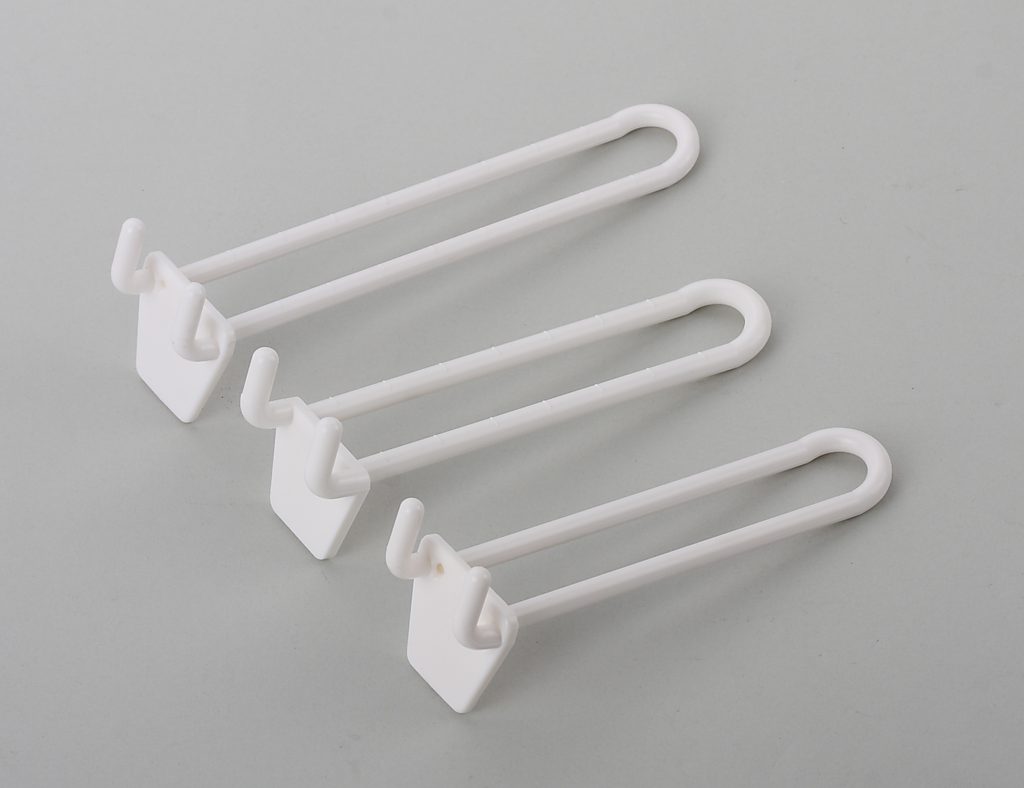
Shops double hooks are commonly used in retail settings to create organized, high-capacity product displays. Featuring a dual-prong structure, they provide enhanced stability for hanging items such as blister-packed goods, accessories, and lightweight tools. This design helps prevent products from tilting or falling, ensuring a cleaner presentation on pegboards or slatwall systems.
In addition to standard plastic double hooks widely used in the market, many suppliers also offer customized display hook solutions, including reinforced structures, anti-slip ends, and brand-specific designs. These options allow retailers to match display hardware with their product packaging while improving durability, space efficiency, and overall visual merchandising performance.
IDmate provides high-quality plastic double hooks designed for both durability and flexibility. Their products are made from strong yet lightweight materials with smooth finishes, reducing the risk of product damage while ensuring long-term use. IDmate also supports customization in size, length, and branding, helping businesses create cohesive and professional in-store displays that enhance product visibility and customer experience.
Specialized double hooks and related hooks
Treble-to-double conversion hooks
Trident to Double Hook Converter: This convertible hook allows anglers to replace the trident hook on their lure with a double hook. This conversion makes hook removal easier and helps reduce harm to fish. Many anglers use this type of hook with surface lures or crankbaits. Like the trident hook, the double hook can be mounted on the same swivel. This maintains lure stability and helps prevent snagging. Anglers often choose this convertible hook when fishing in weedy waters or when they want to release fish.
Heavy-duty double hooks
Heavyweight double hooks are designed for strength and durability. Manufacturers use tough materials such as 42CrMo steel. They shape and heat the hooks to make them stronger. Forging processes give the hooks a robust internal structure. Quenching and tempering processes make the hooks even harder and prevent bending. These hooks are suitable for large fish and weedy waters.
| Fish Species/Environment | Reason for Using Heavy-Duty Double Hooks |
|---|---|
| Trolling Applications | Good for catching big fish because they hook better. |
| Live Bait Fishing | Two hooks help catch fish that nibble at bait. |
Anglers trust heavy-duty double hooks for trolling and live bait fishing. The strong build helps the hook stay strong against big fish.
Crane rigging hooks overview
Crane hooks are not for fishing. Workers use them in construction or transportation operations to lift heavy objects. These hooks can rotate 360 degrees to prevent cable entanglement. They comply with strict safety regulations and are capable of lifting very heavy loads. There are several types of crane hooks, such as swivel hooks and crane hooks.
- Cranial hooks are specifically designed for the safe lifting of heavy objects.
- They can rotate to prevent cable entanglement and comply with safety regulations.
- Double hooks used for fishing have a simpler structure and are only used for fishing.
| Standard | Minimum Safety Factor |
|---|---|
| General Purpose Cranes | 4:1 on WLL |
| FEM | 4:1 on ultimate tensile strength |
| ASME B30.10 | 4:1 or higher on WLL |
| DIN 15400 | 4:1 on WLL |
Crane rigging hooks use strong metals like Grade 80 or 100 alloy steel. They must be checked and show how much weight they can hold. Crane rigging hooks are not for fun or fishing like double hooks are.
People who fish use different double hooks for many fishing ways. They think about the kind of fish, where they fish, what the hook is made of, its size, and how to set the hook. The table below shows how picking a hook can change your results:
| Hook Type | Catch Rate Increase | Main Use |
|---|---|---|
| Double Hooks | Up to 25% | Strong hold, easy removal |
| Single Hooks | N/A | Less snagging |
Fishing double hooks help people catch more fish. Retail display hooks, like IDMATE’s, keep things neat in stores and are not used for fishing.
FAQ
What’s the difference between a double hook and a three-pronged hook?
A double hook has two points, while a three-pronged hook has three points. Anglers use double hooks for easier hook removal and to reduce snagging.
How do anglers choose the right hook size?
They choose hooks based on the type of fish, the size of the bait, and the water conditions. Larger hooks are suitable for catching larger fish, while smaller hooks are suitable for using lighter bait.
Does a double hook increase the catch rate?
Studies show that double hooks can increase the catch rate by up to 25%. This design helps to hook the fish more effectively and reduces the chance of them getting away.