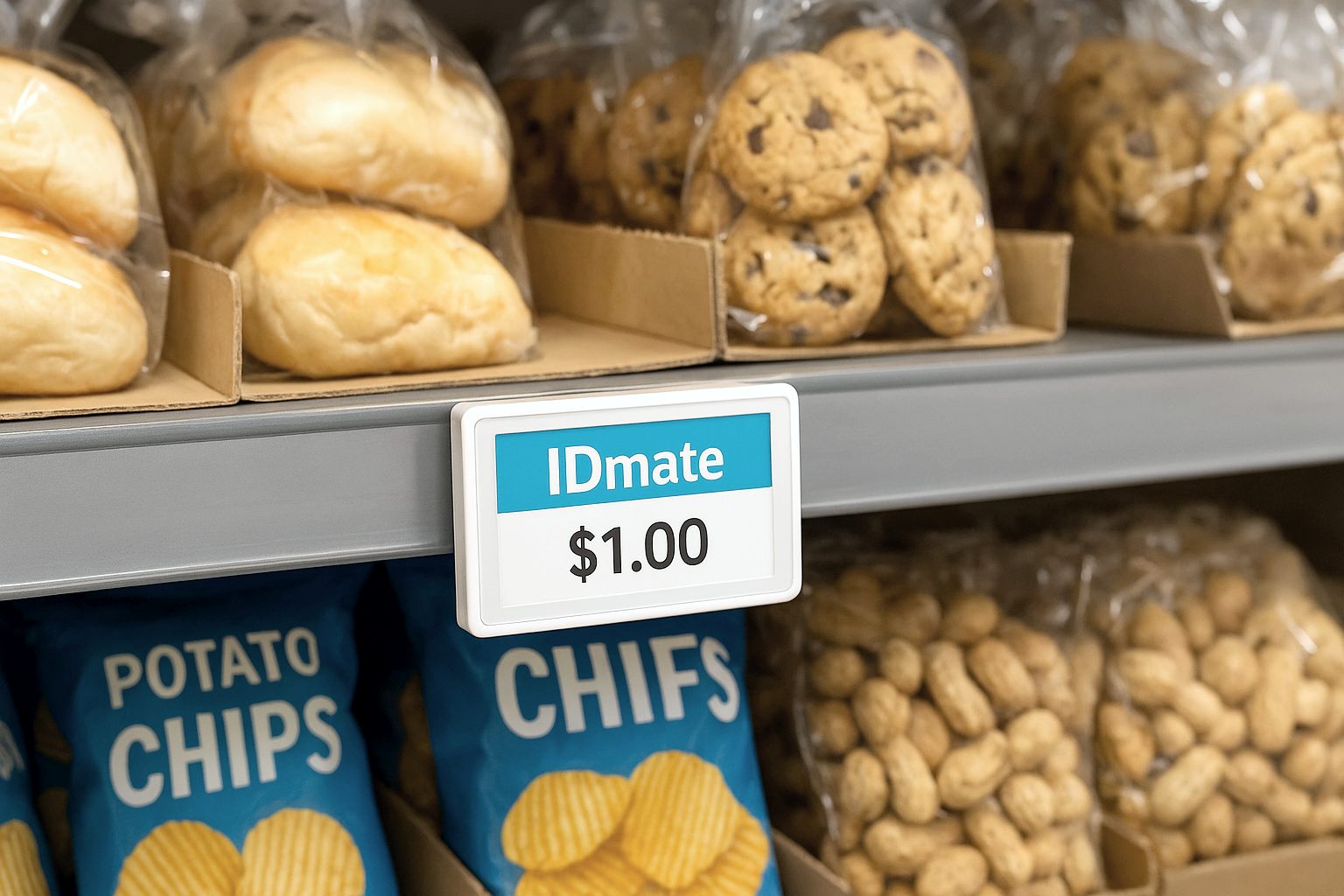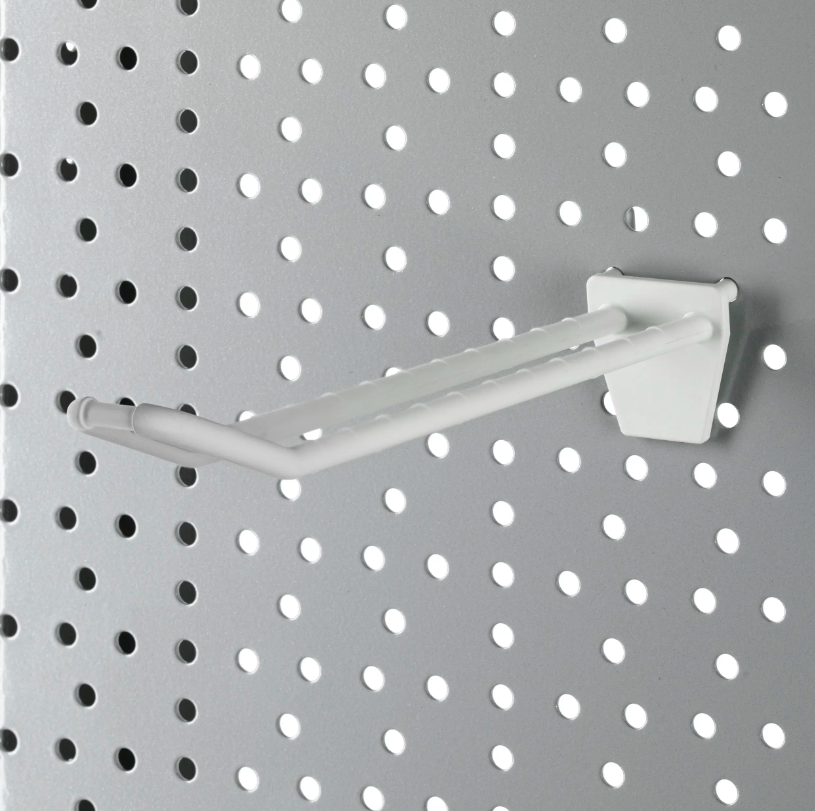
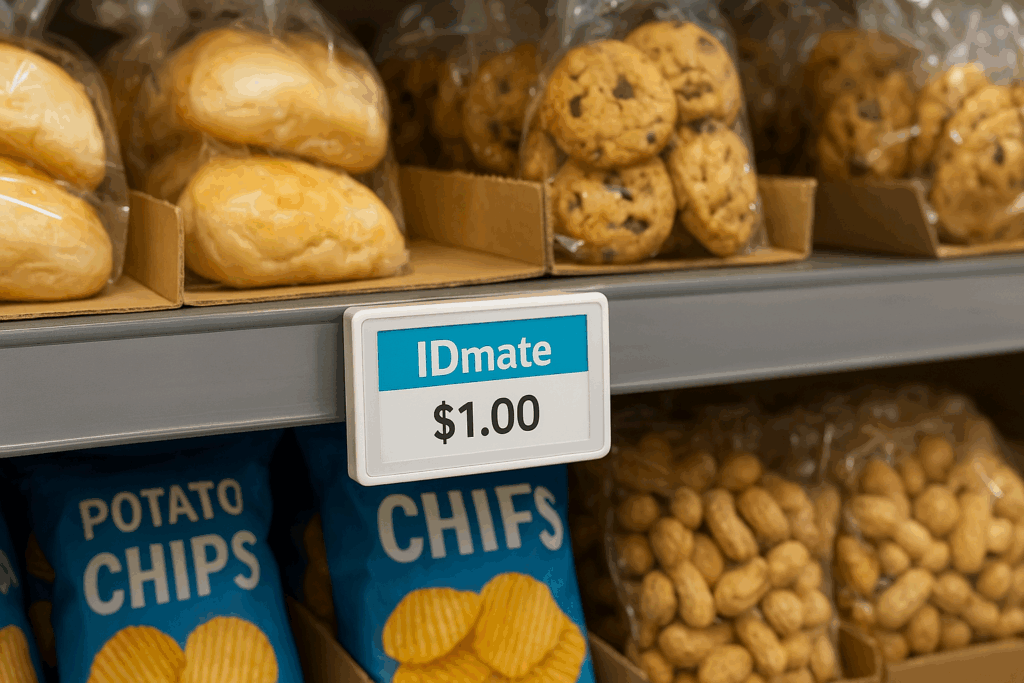
Stores place shelf tickets on the front edge of display racks to show product details and prices. Businesses use normal paper tags in plastic covers along with new digital shelf labels. These electronic shelf edge labels change prices automatically right away. The tags link point-of-sale systems, inventory management, and buyer choices by showing clear prices that create customer trust.
Key Takeaways
- Digital shelf tickets change prices automatically. They fix pricing mistakes across all checkout registers in seconds.
- Digital tags cut down hand-performed work by up to 80 percent. Store workers get extra time to assist customers.
- Little stores save cash by using basic paper tags. Big retail chains make lasting profits using clever electronic displays.
Understanding Shelf Tickets and Display Systems
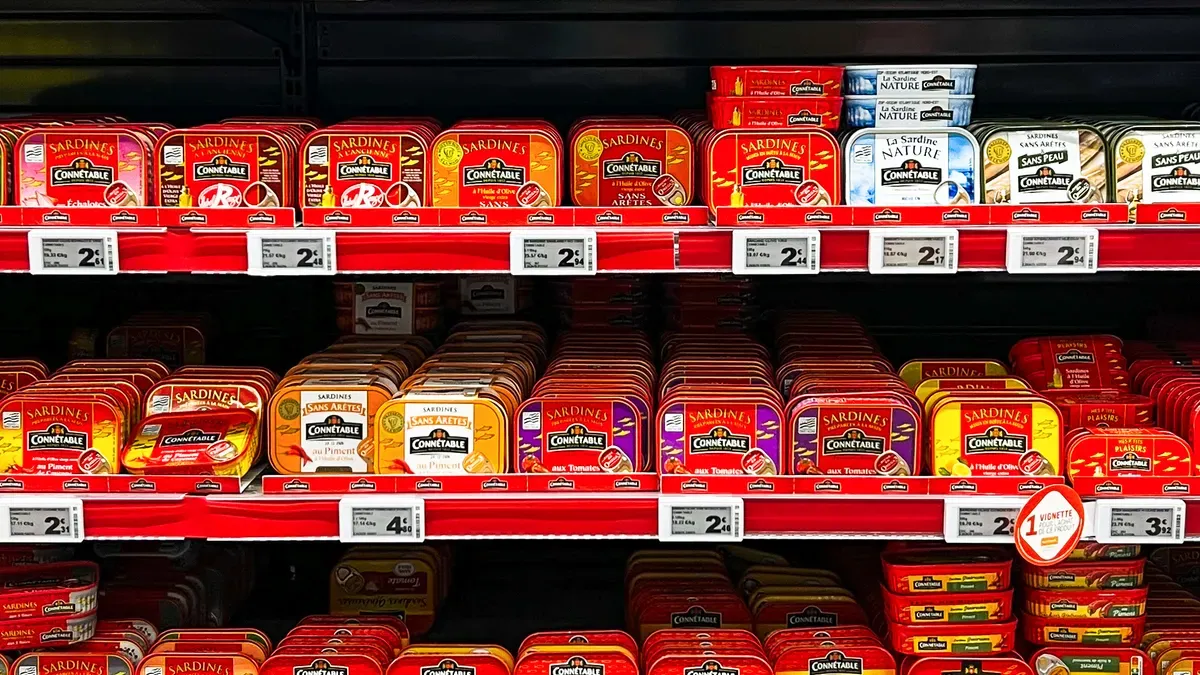
Stores use simple signs to show item costs and facts to buyers. Strong plastic channels hold every tag safely on the shelf edge in every aisle. Shops pick printed paper labels or new digital displays based on their money and business goals. Sturdy display tracks protect tags while keeping shelves looking neat across the entire building.
Traditional Paper Tags vs Digital Shelf Labels
Paper tags give stores an easy way to show item prices. Still, changing them by hand costs a lot of money and leads to mistakes over time. A Federal Trade Commission check found that stores mispriced about one out of thirty items tested. Replacing paper tags by hand takes more staff time and causes delays at the register. On the other hand, electronic shelf labels change prices on their own through a main computer network. These connected wireless systems send new prices instantly to all store locations at once.
| System Feature | Paper Display Systems | Digital Display Systems |
|---|---|---|
| Initial Investment | Lower starting equipment price | Higher initial technology expense |
| Update Process | Hand printing and manual tag swapping | Automatic wireless updates from main database |
| Pricing Accuracy | Easy to make human mistakes | Matched directly with store checkout systems |
| Operating Cost | Constant daily worker payroll costs | Lower long-term staff labor needs |
Picking paper shelf tags or smart electronic signs depends mostly on store size and how often prices change. Big grocery stores with frequent sales save a lot of money over time by using automatic digital labels. On the flip side, small boutique shops with steady prices usually use simple paper shelf tickets to save money on startup gear.
Data Strips and Mounting Holders
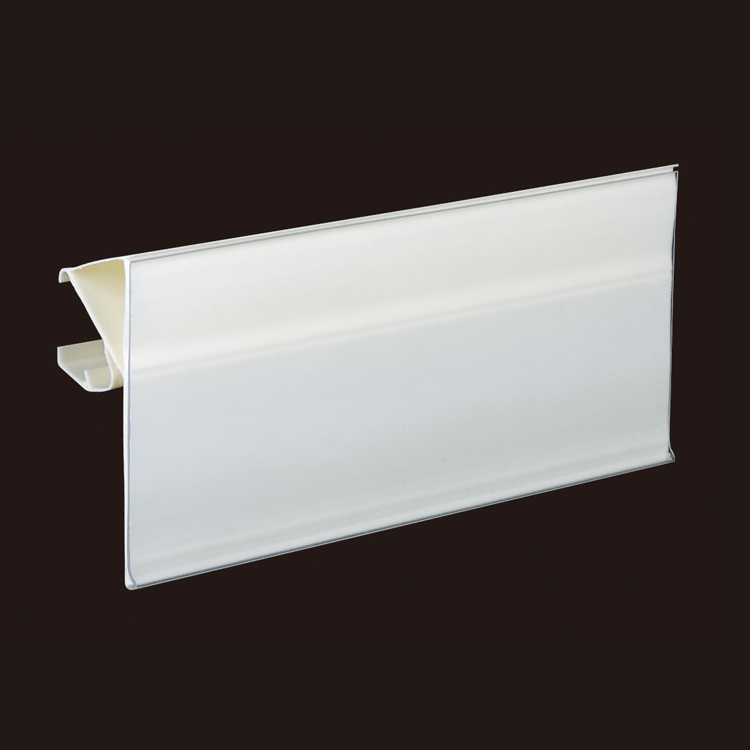
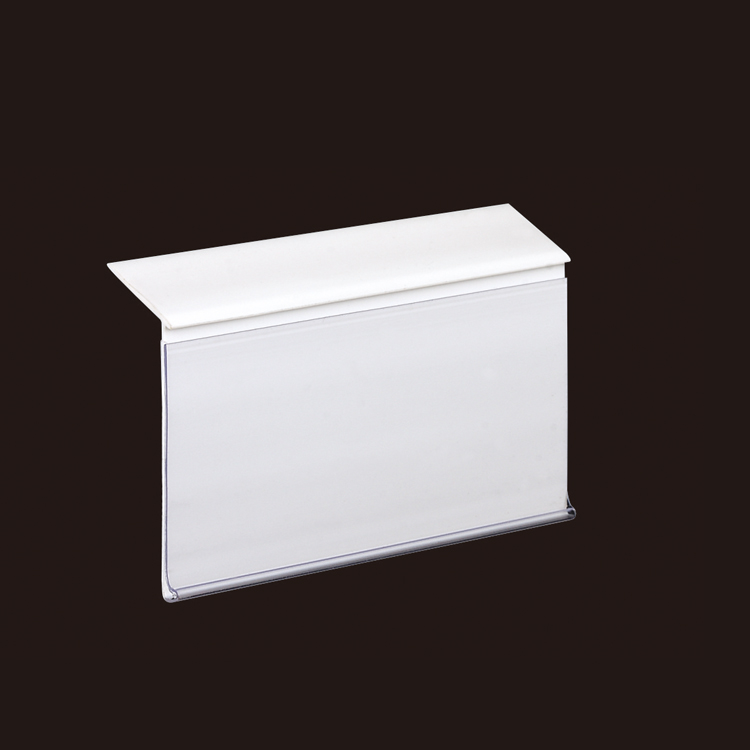
Paper tags need tough plastic tracks to stay safe on store shelves. Store equipment suppliers make long clear plastic channels that keep price tags safe from harm. A trusted tag maker like IDmate makes tough IDmate Data Strips for large store networks. These strong plastic covers shield shelf tags from dirt, water, and bumps while workers put away fresh stock.
Stores pick special holder styles to fit different shelf types:
- Sticky backing strips slide right onto regular flat store shelf edges.
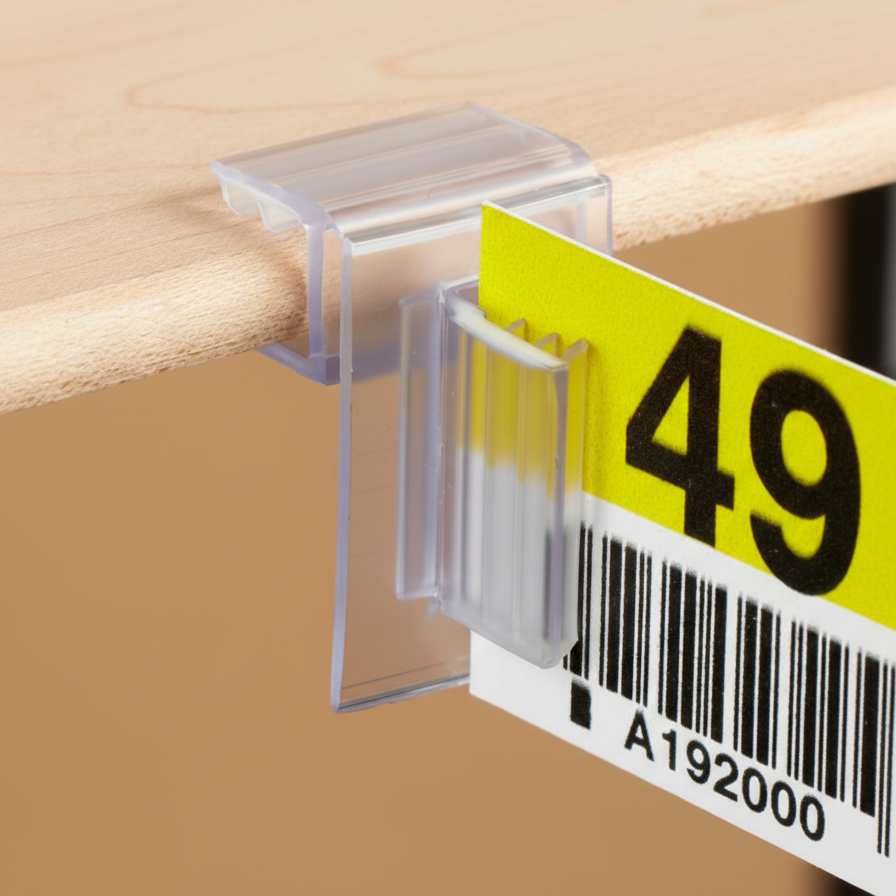
- Snap-on and C-channel clips hold wood or glass shelves tight without leaving glue messes behind.
- Magnet mounts stick easily to steel display shelves and heavy industrial storage racks.
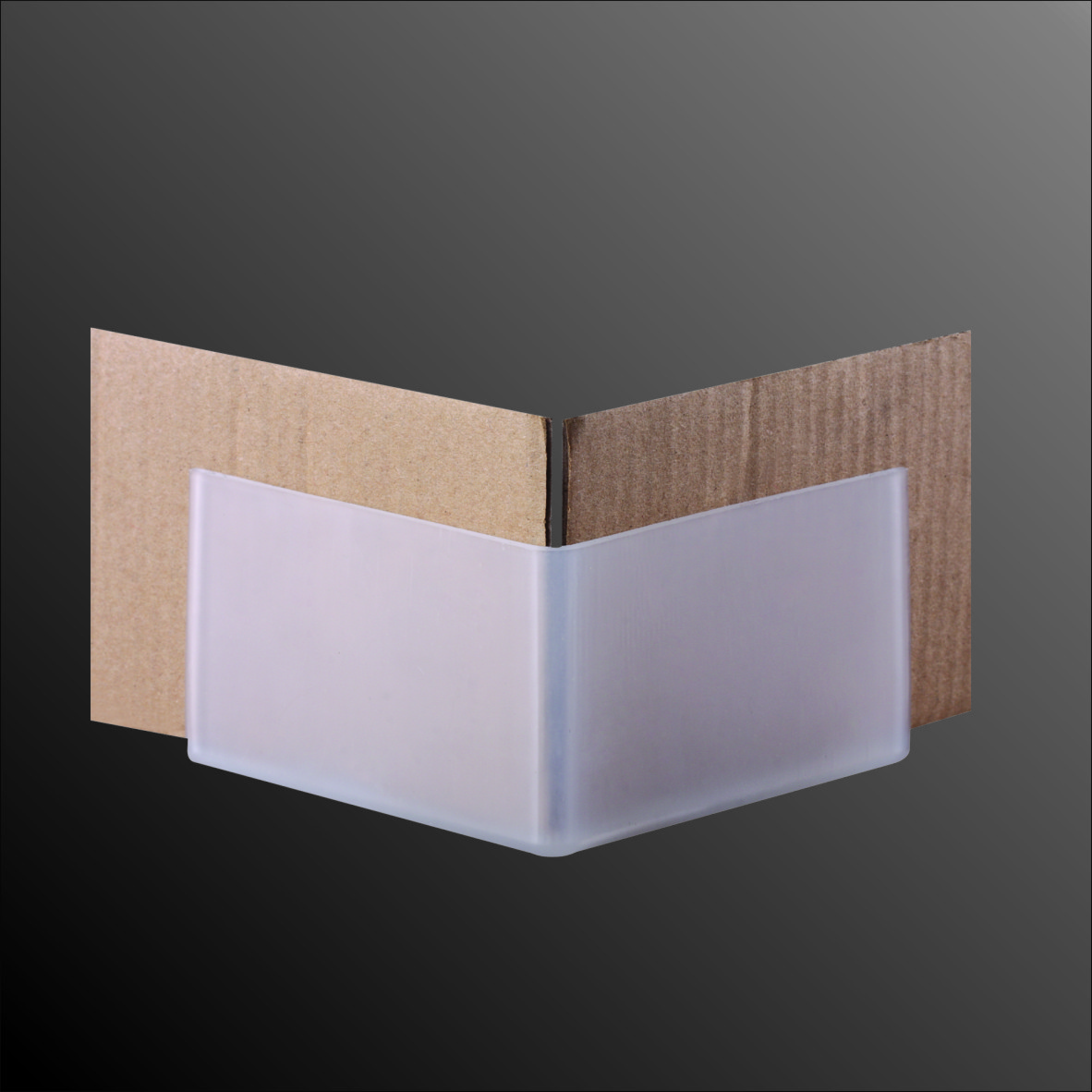
Makers build these tag holders out of strong PVC and optional PETG plastics. These tough plastic materials stop cracking, clear window clouding, and color fading under bright store lamps or inside cold coolers. Clear covers let scanners read product barcodes easily in busy retail shops. Custom track heights range from 32 mm to 76 mm to fit different tag sizes. Thin 0.4 mm channels fit light store setups, while thick 3 mm tracks stand up to hard shopping cart bumps. These physical holder tracks keep aisles looking clean, helping paper and digital shelf tags work well every day.
Key Features of Modern Shelf Ticketing
POS Integration and Dynamic Pricing
New checkout systems link straight to electronic shelf labels to change shelf edge labels instantly. Main pricing software sends price edits over the air across store networks. This active link matches register costs with shelf tags, removing pricing errors and long wait times. LiquorPoint POS software connects with digital shelf tags so every price edit in CounterPoint changes actual labels right away.
Using digital pricing methods lets store managers adjust item costs during busy shopping times. Shops cut costs on fresh food or competing goods in just seconds. Past basic tags, digital screens show sale ads, discount facts, and live item details. Main management systems guide these screens, helping smooth sales work across all store locations.
Inventory Tracking and Barcode Clarity
Scannable barcodes on real shelf edge labels give live stock updates for inventory tracking. Workers scan tags to check store stock levels, see low-stock alerts, and order goods. Clear scanner reads keep store aisles neat while tracking stock items well from backrooms to registers. New shops use digital screens next to shelf edge labels to keep right item logs across all aisles.
High barcode quality relies on strict industry rules. ISO/IEC 15416 sets line standards, while ISO/IEC 15415 guides 2D codes.
| Barcode Specification | Requirement Standard |
|---|---|
| Quiet Zone Width | At least 10 times the narrowest bar width or 1/8 inch |
| 2D Module Size | 1.5 times larger than linear barcode X-dimension |
Bold dark bars on light backgrounds ensure clear scanner reads. Tough plastic holders protect paper shelf tickets from dirt and shine. Clear displays help shoppers read correct facts every day.
Benefits of Electronic Shelf Edge Labels
Shops get huge daily perks by swapping old paper tags for digital shelf tags. Fresh digital shelf tags completely change how workers manage shops every single day. These smart wireless screens show digital prices on display racks with total clarity. A main computer sends updated costs to all screens right away. Shop leaders adjust thousands of shelf tags across many store locations using one system. Big store networks install smart tags to keep every single price correct.
Pricing Accuracy and Audit Reduction
Main price software feeds exact item costs straight to digital shelf tags. This live connection stops price mix-ups between store shelves and checkout registers. Smart digital screens prevent expensive scanning mistakes at register lines during busy sales.
ESLs help minimize pricing discrepancies across shelves, point-of-sale systems, and online listings… However, technical malfunctions can trigger widespread pricing errors, underscoring the need for robust implementation. Inaccurate or inconsistent ESL updates may mislead consumers, exposing retailers to liability under false advertising or unfair trade practices laws.
Chain stores follow sale rules across every single shopping aisle. Smart wireless shelf tags fix bad prices in under 90 seconds. Electronic shelf tags update item details right away during special store sales. Digital shelf tags show matching prices across every single store branch. Stores guard customer trust while avoiding big fines from bad price checks. Main teams track screen updates across whole store chains with full clarity.
Labor Savings and Efficiency
Swapping paper tags by hand wastes a lot of staff hours weekly. Store workers spent nearly 50 hours every week changing tags in big shops. Smart electronic shelf tags cut work hours by as much as 80%. A Pricer study showed shops saved 20% on store work costs.
Hema estimates that by using electronic shelf labels, each store can save 48 hours of labor per pricing update cycle.
Store teams use extra time to help shoppers and restock empty shelves. Electronic shelf tags speed up price changes across all store departments. Modern stores depend on digital shelf tags to handle price updates on their own. These active screens also help workers with daily stock tracking tasks. Store staff get fast digital alerts when stock drops too low. These bright screens help store workers restock items and organize display shelves. Shops see big money wins after putting in electronic shelf tags. Medium shops earn their money back within 18 to 24 months. Labor savings turn plain shelves into smart digital message boards.
Shops shifted from paper tags to digital screens on shelf edges. New electronic displays improve store organization, pricing correctness, and worker productivity. Retail chains run smoother by installing these wireless price tags. Smart digital tags speed up price changes, whereas local shops improve their traditional paper tickets. Choosing electronic shelf edge labels relies heavily on available funds and tech goals.
FAQ
What materials make shelf ticket holders durable?
Firms construct sign covers with tough PVC or extra PETG plastic. Such sturdy materials stop breaking, yellowing, and fogging inside cold fridge units or under intense store lamps.
How quickly do electronic shelf labels update prices?
Linked wireless networks transfer main database edits right away across store branches. Clever digital tags correct wrong prices on display racks in under 90 seconds.
How much labor time do electronic shelf labels save?
Digital shelf edge tags change prices automatically. This tech reduces hand tag swapping time by up to 80 percent, saving stores big daily payroll funds.