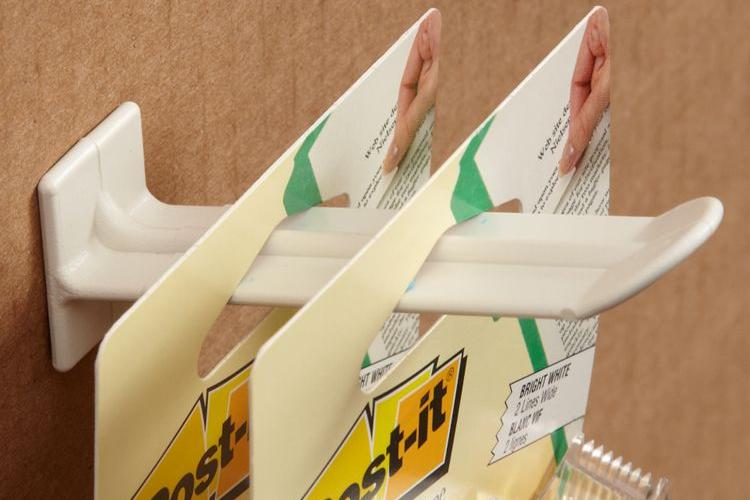
Proper wall hooks placement organizes every entryway. Standard coat hook spacing measures 9 to 12 inches apart. A long coat or heavy coat demands 12 to 15 inches. A display hook requires 4 to 6 inches. Correct spacing protects a coat, prevents clutter, and keeps each hook functional on display hooks.
Key Takeaways
- Space wall hooks 9 to 12 inches apart for daily jackets, and use 12 to 15 inches for heavy winter coats.
- Mount adult hooks 60 to 66 inches high, and place children’s hooks 40 to 48 inches off the ground.
- Arrange hooks in a staggered two-row layout to maximize storage space in tight entryways.
Standard Wall Hooks Spacing Guidelines

Good placement makes daily home organization much easier for everyone. People use simple steps to build useful wall storage setups. Basic rules for spacing wall hooks guide you toward the right distance for different clothes. Careful layout planning gives every family member quick access to their things. Neat installation creates a helpful setup right near your front door.
Distance for Everyday Outerwear
Standard coat hook spacing mostly depends on how thick your clothes are. Normal adult jackets and medium-weight clothes need a standard coat hook spacing of 6 to 8 inches. Lighter jackets only use about 3 to 4 inches of side space. Because of this, regular coat rack spacing usually leaves plenty of room so daily items do not crowd together.
The total number of installed hooks changes how much space you need between them. Front entryways require thoughtful planning so your wall hardware does not look jammed together. You can check typical home choices in the helpful comparison chart below:
| Hook Count | Minimum Distance | Comfortable Spacing | Best For |
|---|---|---|---|
| 2-3 hooks | 10 inches apart | 14 inches apart | Small entryway or bathroom |
| 4-6 hooks | 12 inches apart | 16 inches apart | Mudroom or family entryway |
| 7+ hooks | 12 inches apart | 16-18 inches apart | Large mudroom or commercial space |
A row of 4 to 6 hooks provides a relaxed gap at 16 inches apart. This spacing for coat hooks lets daily jackets hang loose without touching each other. People usually pick a 12 inches center-to-center minimum distance when installing average wall hooks. Leaving enough room between multiple coat hooks keeps your items neat and organized.
Measurements for Heavy Winter Gear
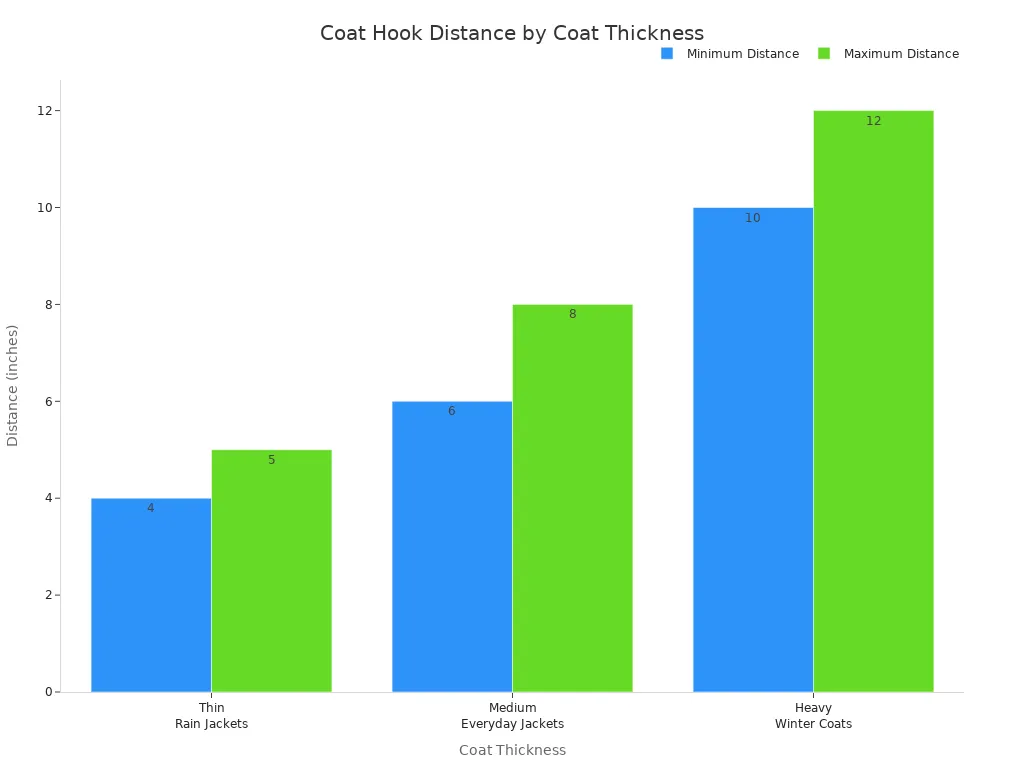
Freezing weather calls for bigger gaps to fit fluffy winter clothes. Large down jackets, heavy wool coats, and thick snow gear need extra space on the wall so they do not press against nearby items. Puffy jackets take up about 6 to 8 inches of space side to side. While a short 4 to 5 inches gap works fine for raincoats, heavy coats need a 10 to 12 inches space at every hook spot. Giving your gear enough room makes it easy to grab on cold days.
Various instruction books list exact standard distances for cold-weather coats. The Wood Entryway Guide suggests a 12 inches center-to-center coat hook spacing in main hallways. This regular pattern leaves enough wall room for every thick coat to hang open. At the same time, the Best Coat Hooks Selection Guide suggests an 8 inches center-to-center coat hook spacing for big winter clothes.
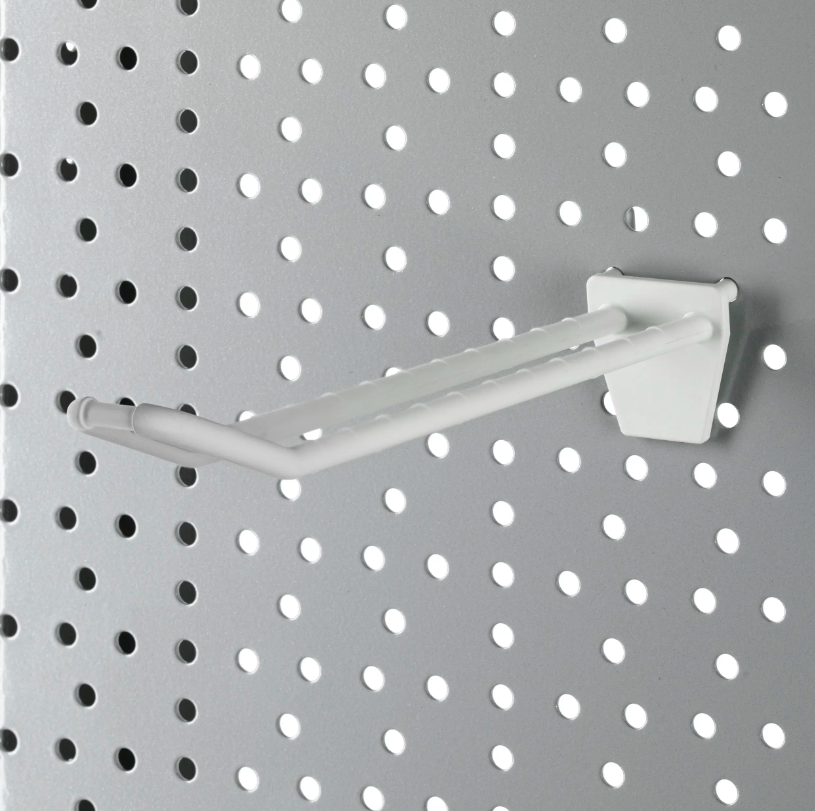
Little items and tight store displays use closer hook spots to save valuable wall space. Retail stores use special basic hardware to set up small product displays. Every single hook holds things safely in its own place so nothing falls off. Proper mounting guards every jacket and leaves every hook easy to reach when you use the right hook distance.
Ideal Coat Hook Spacing by Location
Entryway and Mudroom Setup
Smart planning makes front entryways function much better. Builders adjust coat hook height so adults and children reach easily. Adult setups usually need 10 to 12 inches between each hook. Parents mount lower rows for kids using an 8 to 10 inches gap. An entry guide suggests 6 to 9 inches so bags do not touch hung coats.
Thoughtful placement stops clutter around bench areas. Installers test hook heights across rooms to ensure simple access for everyone. Long coats hang neatly when workers leave 12 inches between hook spots. Thick coats get plenty of space to dry properly. Good spacing keeps items tidy while every single hook holds clothes safely.
Bathrooms and Compact Areas
Small rooms require clever hanging choices. Homeowners put towel hooks on walls inside tiny bathrooms. Hooks mounted on a rail use a 9 to 12 inches distance center-to-center. Big bath towels still overlap slightly because standard towels measure 28 inches wide. Extra hooks easily hold lightweight robes and small items.
The following parameters summarize hook rail guidelines for compact areas:
- Placing hooks 9 to 12 inches apart keeps hardware small while helping minor items hang cleanly without tangles.
- Mounting towel hooks 12 inches apart functions great right past the first hook near a shower door.
Damp rooms need strong hardware that resists water damage. Business buyers rely on custom storage answers made by IDMATE. This wholesale supplier creates rust-proof plastic display hooks for humid spaces.
Optimizing Coat Hook Height and Layout
Standard Mounting Height Guidelines
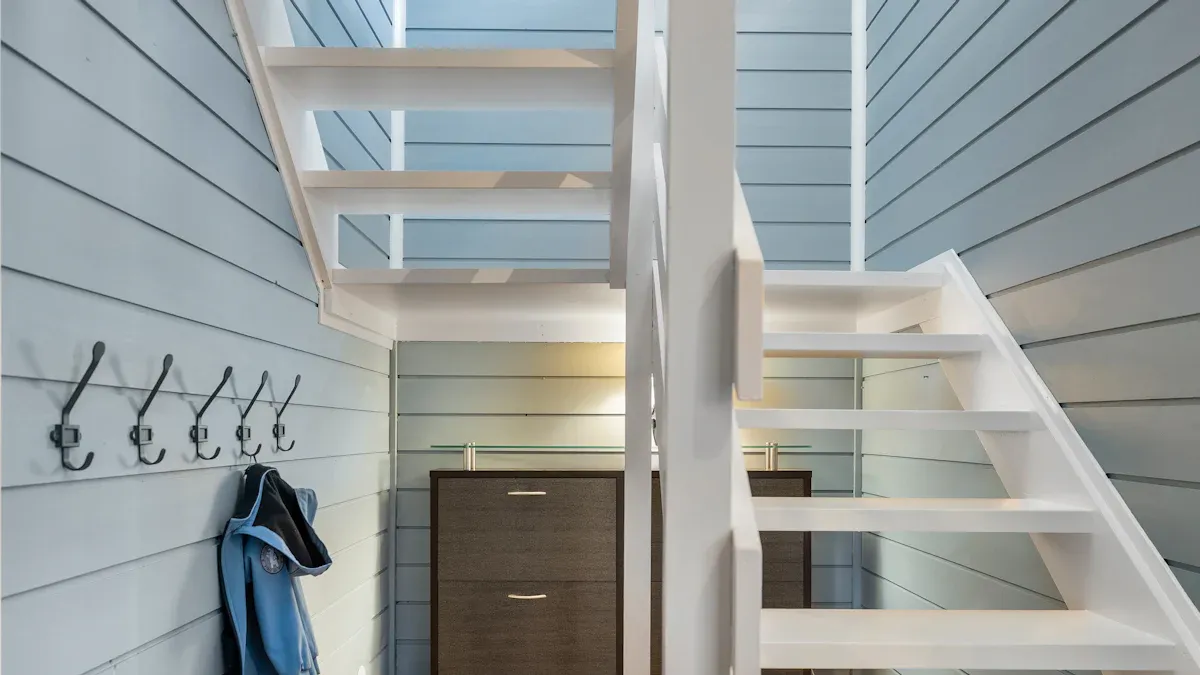
Finding the right spot for your hooks depends on who uses them. Most adult hooks should sit 60 to 66 inches above the floor. Hanging items this high keeps them easy to reach for grownups. Clothes hung at 70 inches will stay safely off the ground. Always measure your wall first so your long coats do not drag on the floor.
Setting your hooks at the right height helps young kids manage their own stuff. The best height for children is usually between 40 and 48 inches off the ground. Public places keep hooks at a maximum of 48 inches high for wheelchair access. Picking the right height for your family keeps everything neat and easy to grab.

Staggered and Double-Row Configurations
A zig-zag pattern lets you fit way more items into narrow hallways. You should place the top row of hooks about 12 inches apart from each other. Put the bottom hooks halfway between the top ones to leave a 6-inch side gap. This layout keeps top items from covering up jackets hanging right below them. Putting hooks in the empty gaps gives you plenty of extra storage space.
Two rows of hooks keep jackets neat in busy entryways and mudrooms. Spreading out your layers like this helps wet clothes dry much faster after bad weather. You can check a quick guide to help you mark the exact spots before you start. Placing top hooks at normal levels makes every single spot super easy to reach.
Most daily jackets hang best when you leave a standard coat hook spacing of 9 to 12 inches. A heavy coat requires 12 to 15 inches of space, but an accessory hook needs only 4 to 6 inches. Always check your wall studs and coat hook height before installing wall hooks on the surface. Sturdy IDMATE plastic display hooks keep your belongings neat, safe, and very easy to organize.
FAQ
What is the correct height for coat hooks in a home?
Adults reach standard coat hook height at 60 to 66 inches. Mounting each lower wall hook at 40 to 48 inches helps a child hang a coat on low hooks.
How far apart should coat hooks hang for heavy gear?
Mounting display hooks 12 to 15 inches apart prevents a heavy coat from touching another puffy coat. This spacing keeps each utility hook and single hook functional.
Why do staggered wall hooks save space when hanging a coat?
A top wall hook holds a long coat safely off the ground. Each lower hook, extra metal hook, and secondary hook separates every smaller coat between plastic hooks.