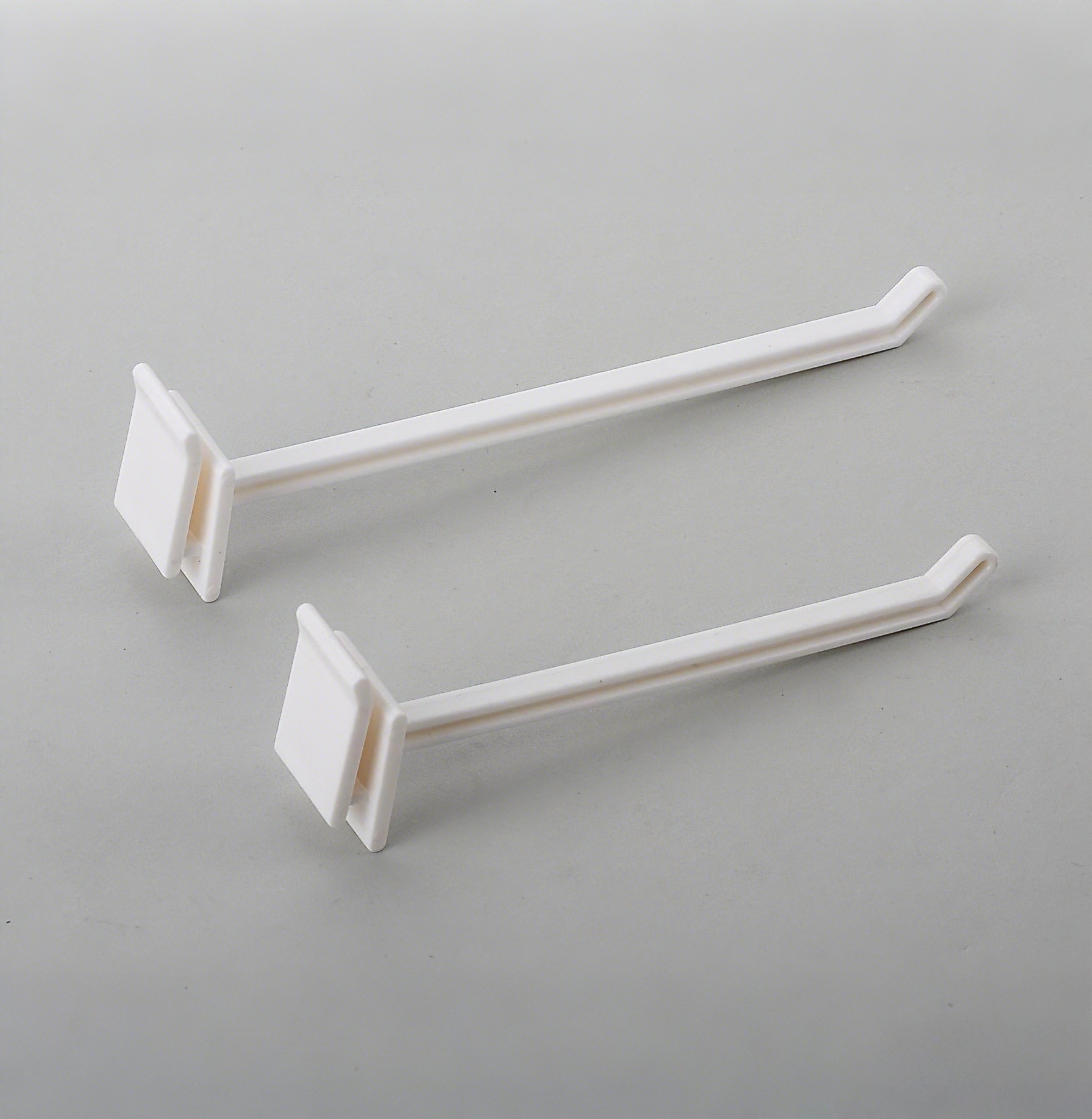

Buyers frequently encounter a range of frustrating defects on basic plastic display stands. Low-grade plastic tends to crack even under light loads. Poor structural balance makes these stands prone to tipping over. Many transparent plastic variants develop scratches, turn hazy or yellow as time passes. Daily handling often triggers cracks on rigid plastic, while soft plastic can warp when exposed to heat under normal display conditions. Non-recyclable plastic also creates persistent pollution once discarded, as aged plastic slowly breaks down over time.
Key Takeaways
- Low-cost plastic stands snap, bend out of shape, and fall over easily when used every day in stores.
- Over time, sunlight and heat make clear plastic stands turn yellow, foggy, and easy to break.
- Earth-friendly options such as bamboo and stainless steel give strong choices that lower plastic trash.
Structural Defects in Plastic Stands

Fragility and Weight Instability
Many display fixtures carry inherent flaws formed right at the molding stage. Low-quality plastic chips easily under regular daily pressure. Heavier retail merchandise can quickly crack weak display frames. Constant handling causes brittle plastic to snap unexpectedly. Budget plastic cannot withstand consistent stress in busy store environments. Molded plastic loses stability when staff move them roughly. Standard plastic lacks sufficient strength for heavy, long-term use.
Unbalanced design creates ongoing headaches for retailers. Lightweight display frames tip over easily when customers walk past. Uneven weight distribution makes low-cost units wobble on smooth countertops. Rigid plastic cannot absorb sudden impact, and synthetic plastic shatters if dropped onto hard flooring. Improper cooling during manufacturing leads to permanent shape defects:
| Defect | Description | Causes |
|---|---|---|
| Warping (Bulging) | Permanent bending or twisting caused by uneven shrinking, leading to edge curling or bulging. | Fast cooling, very high heat, uneven wall thickness. |
| Sink Marks (Shrinkage) | Small dimples on the surface caused by inner material shrinking and pulling the outer surface in. | Low holding pressure, short cooling time, thick walls. |
Physical imperfections distort transparent plastic structures. Twisted bases cannot stay upright during regular store operation. Flimsy plastic legs wobble when stacked with thick paper signage. Soft plastic edges warp when placed close to warm display lights. Uniform wall thickness is essential for solid plastic frames to avoid deformation.
Manufacturing Voids and Cloudiness
Internal manufacturing weaknesses compromise structural strength long before shipment. When molten plastic fills cold molds, unexpected internal defects may form. Precise temperature control is critical during commercial plastic production. Industrial plastic shrinks rapidly if temperatures drop too sharply. The most typical molding defects observed in production include:
- Jetting: Snake-shaped flow lines generated by fast injection speed, weakening the finished component
- Vacuum Voids: Trapped air pockets inside molded parts that undermine internal structural integrity
Air pockets make brittle plastic far more vulnerable to impact damage. High injection speeds leave visible streaks across clear plastic displays, and dense plastic panels tend to crack along these internal weak zones. Such structural faults gradually shorten the service life of basic plastic stands.
Appearance issues often confuse staff during initial setup. Brand-new fixtures may look dull straight out of packaging. This temporary visual effect comes from protective film layers:
Please note there are two protective films on each side of the acrylic standee and support pieces. These films prevent scratches during transit. Surfaces will look cloudy if films remain attached. If you want a clean, glossy acrylic finish, peel off all protective films before use. Thank you!
Staff must remove both thin protective layers from every panel. Otherwise, the hazy plastic surface obscures product signage mounted on the plastic base. Full film removal is required to achieve maximum transparency on smooth plastic sheets.
Material Degradation and Wear in Plastic Stands
Daily operation gradually wears down retail display fixtures. Constant touching leaves visible marks on smooth display surfaces. Store operators commonly spot surface cracks, micro splits, deep scratches and stubborn stains on clear retail fixtures. Different display materials respond very differently to physical contact within high-traffic retail spaces.
Surface Scratching and Yellowing
Surface durability varies widely among clear display products. Soft substrates trap dust particles and develop micro-scratches during routine cleaning. These fine abrasions multiply rapidly, scatter ambient light, and make printed signage look blurred over time.
| Material | Scratch Resistance Property |
|---|---|
| Acrylic | Harder surface, more scratch resistant, polishable to restore clarity |
| Polycarbonate | Softer, requires hard-coat finish for adequate abrasion resistance |
Chemical degradation damages clear displays under strong indoor lighting. Sunlight penetrates shop windows and hits display fixtures every day. Ultraviolet radiation breaks internal chemical bonds in materials such as PVC.
- Active groups including carbonyl and peroxide directly absorb light energy
- Light-absorbing molecules rapidly break long polymer chains
- Chemical decomposition releases hydrochloric acid and forms cross-linked structures, creating unsightly yellow-brown discoloration
- Small plasticizer molecules leach out under physical stress, leaving the remaining plastic rigid and brittle
This internal aging process drastically shortens product lifespan. Cheap plastics discolor much faster under sunlight exposure. Brittle plastic snaps cleanly when staff swap out display posters. Damaged plastic frames quickly lose their neat appearance. Heavy plastic loses flexibility, while rigid plastic fractures under load. Budget plastics age rapidly in brightly lit areas.
Temperature and UV Sensitivity
High heat changes display shapes very fast near warm electronic gear. Display stands sitting near heat vents or strong spotlights warp out of shape. Some low-cost plastics simply cannot handle normal, mild heat levels.
Maximum Working Temperature: 50 degrees Celsius/122 degrees Fahrenheit
Going over this set limit bends thin plastic panels out of shape. A warped plastic sheet cannot hold paper signs flat anymore. Softened plastic droops downward under its own weight. Unstable plastic makes the store look messy to visiting shoppers.
Constant sunlight ruins the physical strength of clear materials over long months. Rough outdoor weather speeds up material breakdown by a lot. Harsh weather conditions weaken soft plastics greatly over time.
| Mechanical Property | Effect of Prolonged UV Exposure |
|---|---|
| Tensile strength | Gradual decrease |
| Impact resistance | Diminishes over time |
| Flexibility | Alters with continuous exposure |
Weakened plastic breaks easily during routine store cleaning. Faded plastic fixtures look unattractive on retail counters. Store owners have to replace damaged plastic frequently to maintain tidy product displays. Direct sunlight deteriorates plain plastic surfaces faster than indoor lighting. Synthetic plastic breaks down quickly under harsh conditions. Unprotected plastic components degrade easily, so clear plastic items require careful handling.
Environmental Impact and Plastic Pollution from Plastic Stands
Damaged display items cause major trash problems. Throwing away old frames makes plastic pollution worse every day.
Disposal and Microplastic Risks
Abandoned acrylic display hardware contributes to plastic pollution. Weathering, temperature fluctuation and soil processes break down buried waste inside landfills. Continuous sunlight slowly wears down exposed plastic pieces. Larger plastic fragments gradually split into tiny microplastic particles, which running water carries into local soil and waterways.
| Category | Percentage |
|---|---|
| Recycled | 8% |
| Landfilled | 76% |
Microplastic fragments flow into waterways and harm aquatic wildlife. Hazardous particles threaten local animal populations. Research confirms these particles can trigger genetic abnormalities, tissue inflammation and reduced breeding rates. Leached chemicals including phthalates, BPA and PFAS disrupt animal hormones, cause severe birth defects and raise cancer risks in wildlife. Plastic waste destroys natural habitats and harms coastal species. Uncontrolled plastic waste endangers animals across ecosystems and spreads toxic chemical contaminants, disrupting critical natural cycles.
Recycling and Sustainability Challenges
Processing low-grade plastic creates major technical obstacles. Added chemical additives and multi-layer composite materials prevent automated sorting facilities from handling these items efficiently. Mixing different plastic types creates contaminated batches that are difficult to separate. Standard waste facilities struggle to process such complex materials currently.
Effective waste management relies on modern plastic waste handling infrastructure. Optimized waste systems help combat plastic pollution. Proper plastic disposal reduces contaminant spread and protects wildlife from plastic debris.
Sustainable alternatives such as bamboo and stainless steel offer durability matching or exceeding plastic products.
More businesses switch from disposable fixtures to robust, reusable solutions. Custom manufacturers like IDmate supply premium plastic display stands via bulk production. Long-lasting fixtures help cut waste volumes. Eco-friendly selections support plastic reduction targets. Thoughtful waste handling lowers plastic pollution, and upgraded alternatives protect natural environments. Robust industrial waste management keeps discarded fixtures out of landfills. Municipal waste systems continue improving commercial plastic disposal routes to prevent non-recyclable synthetic materials from entering fragile wild habitats.
FAQ
Why do clear plastic stands made of acrylic and other molded display plastics warp or break?
Unremoved protective films create a foggy visual effect. Elevated heat causes thin, low-cost plastic display frames to deform.
How does plastic waste from discarded display fixtures harm local wildlife?
Plastic debris causes direct physical injury to animals. Broken plastic fragments turn into microplastics that contaminate soil and water, destroying natural habitats.
What waste management strategies improve recycling rates for different polymer plastics?
Modern recycling infrastructure upgrades waste processing workflows. Multi-level sustainable waste management covering municipal, industrial and commercial operations enables material circular reuse.