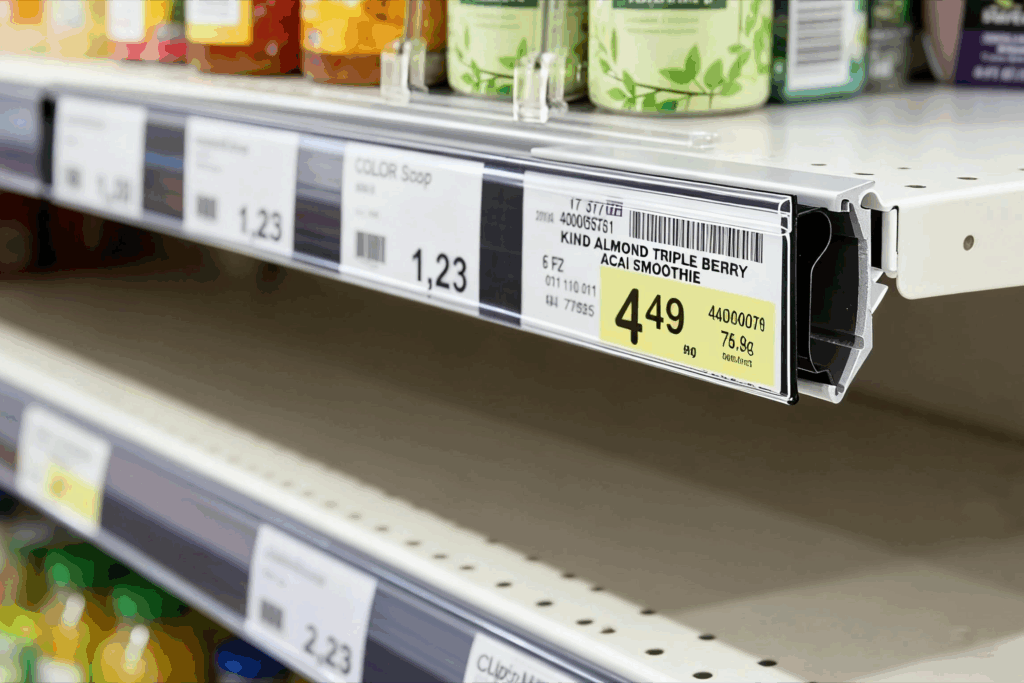
Imagine a customer shopping in a store. They look at the numerous price tags on the shelves. Some people examine every detail on the tag, while others only look at the price. The table below shows how often people read price tags:
| Shopper Type | Frequency of Reading Price Labels | Percentage |
|---|---|---|
| Frequent Shoppers | Frequently read nutrition labels | 77.8% |
| Infrequent Shoppers | Primarily consider price | 53.8% |
Anyone can learn to read a price label. This helps you make smart choices.
Key Takeaways
- Check the retail price to know what you will pay before discounts.
- Use unit price to compare products of different sizes or brands.
- Look for price endings like .99 or .97 for possible deals.
How to read a price label
Retail price
The retail price is usually the largest number on the price tag; it shows the final price before discounts, allowing you to know the actual amount you pay at checkout. Most price tags clearly indicate the retail price for quick reference. The retail price helps you make a quick choice when comparing products. To maintain clarity and simplicity, stores often create their own labels. Suppliers and wholesalers also refer to the retail price when developing their pricing strategies.
Unit price
Unit price helps you compare products of different sizes or brands. It answers the question, “How do I calculate the unit price?” To calculate the unit price, simply divide the price by the quantity or size. For example, a 15-ounce box of cereal costs $3.95. Dividing $3.95 by 15 ounces gives you a unit price of $0.26 per ounce. Understanding unit price helps you make smarter choices and find better deals. Wholesalers and store managers use unit price to judge the value for money of products.
Tip: Always look at the unit price on price tags. It can help you save money and pick the best product.
Price endings
Price endings on tags can tell you about the store’s pricing plan. Some common endings are .99, .97, or .91. These numbers often mean the price is low or a good deal. Sellers use these endings to make prices look better. Here are some things price endings can show:
- Endings like .99, .97, or .91 can mean low prices.
- These endings may show value.
- They can mean the seller is trying to make the price look good.
- Certain endings send messages about quality and pricing plans.
If you read price labels closely, you can find deals and learn how stores set prices.
PLU codes
PLU codes provide detailed product information, especially for fruits and vegetables. Supermarket price tags use PLU codes to indicate whether a product is organic. A 4-digit PLU code indicates that the product is grown using conventional methods. A 5-digit PLU code starting with 9 indicates that the product is organic and usually costs more. You can use PLU codes to help you decide which products to buy.
| Criteria | Description |
|---|---|
| Organic Produce PLU Codes | 5-digit codes starting with ‘9’ (e.g., 94011 for organic banana) |
| Conventional Produce PLU Codes | 4-digit codes without a leading ‘9’ prefix |
| Signage Accuracy | Organic sections must be clearly labeled and not rely solely on PLU codes for identification. |
| Separation of Produce | Conventional items must not be displayed near organic items without clear separation. |
Store managers and suppliers use PLU codes to keep product information correct and neat.
Color coding
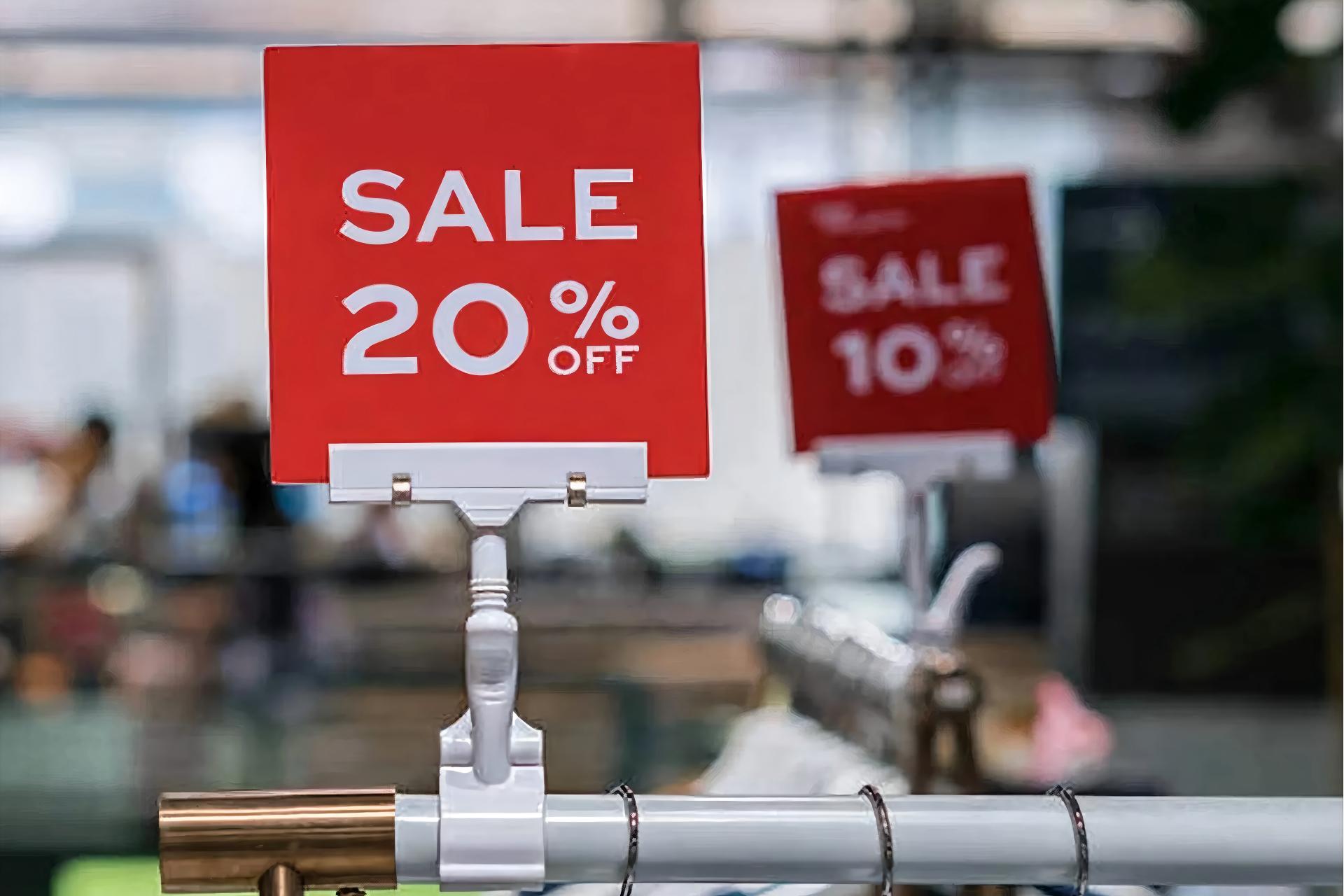
Color coding on price tags helps you spot sales and special deals fast. Stores use different colors for different sales. For example:
- Red tags usually mean clearance items.
- Yellow tags can show short-term markdowns.
- Bright stickers show special deals like “Buy One, Get One Free” or “25% Off”.
Color coding makes it easier to read price tags and find deals. Many stores use their own tag colors to match their brand and make sales stand out.
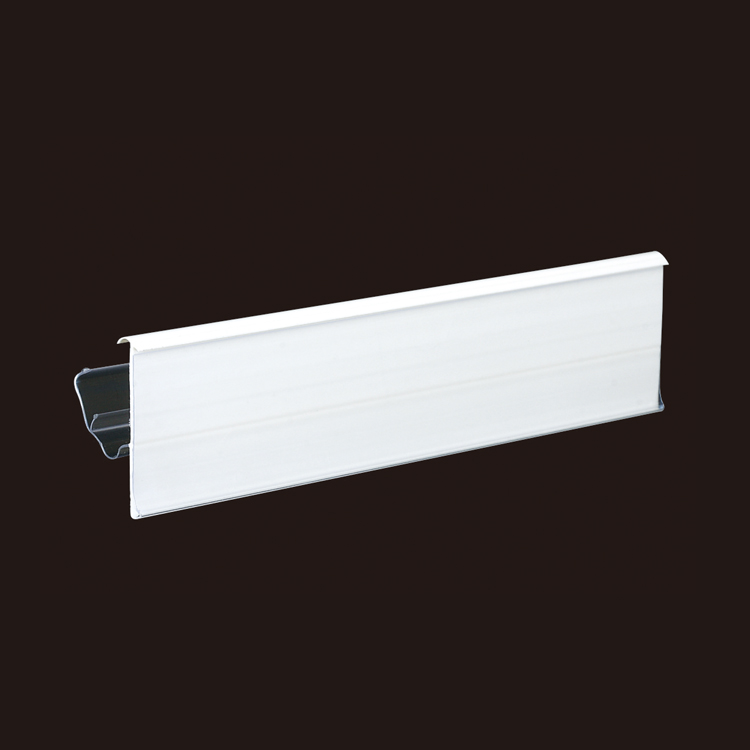
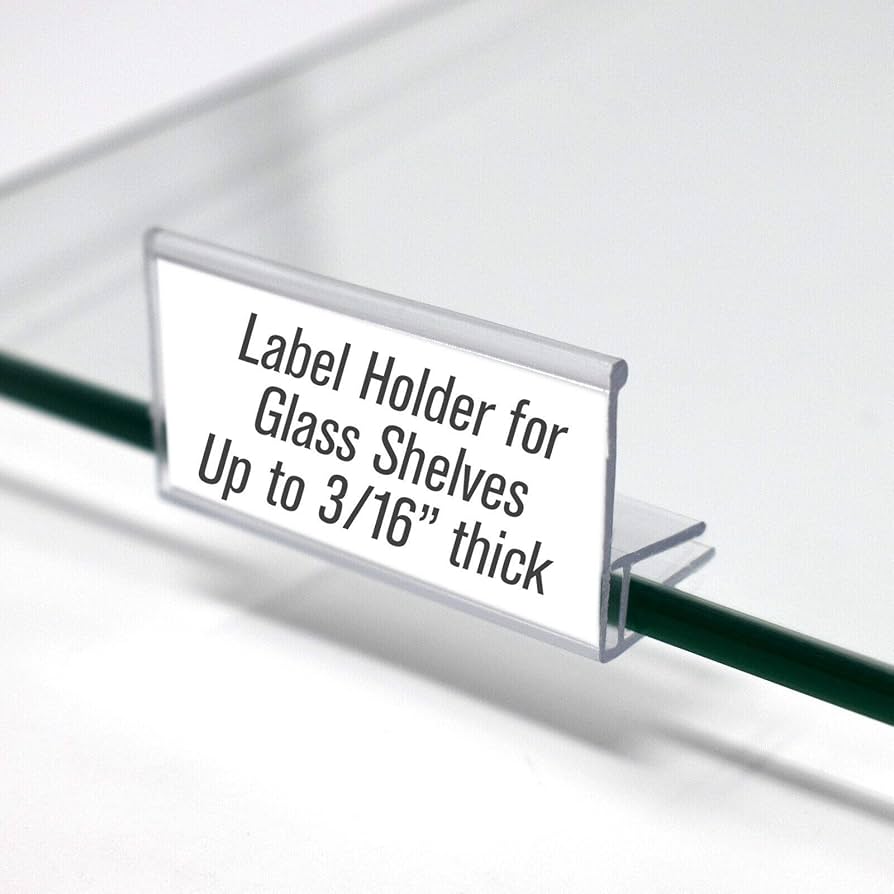
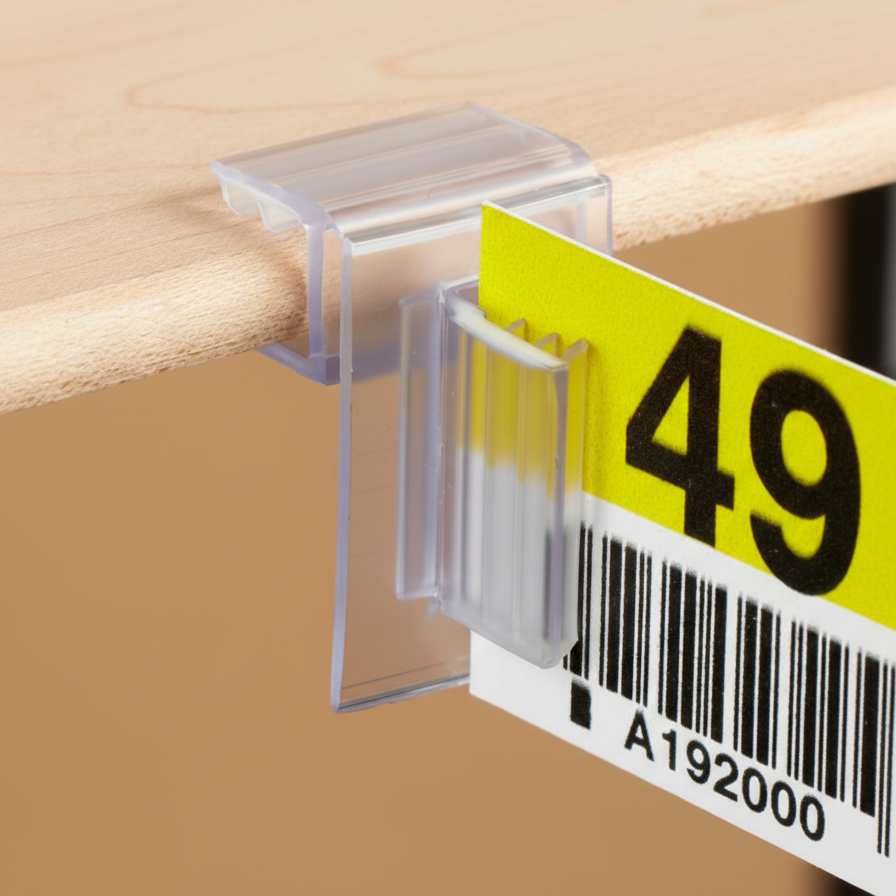
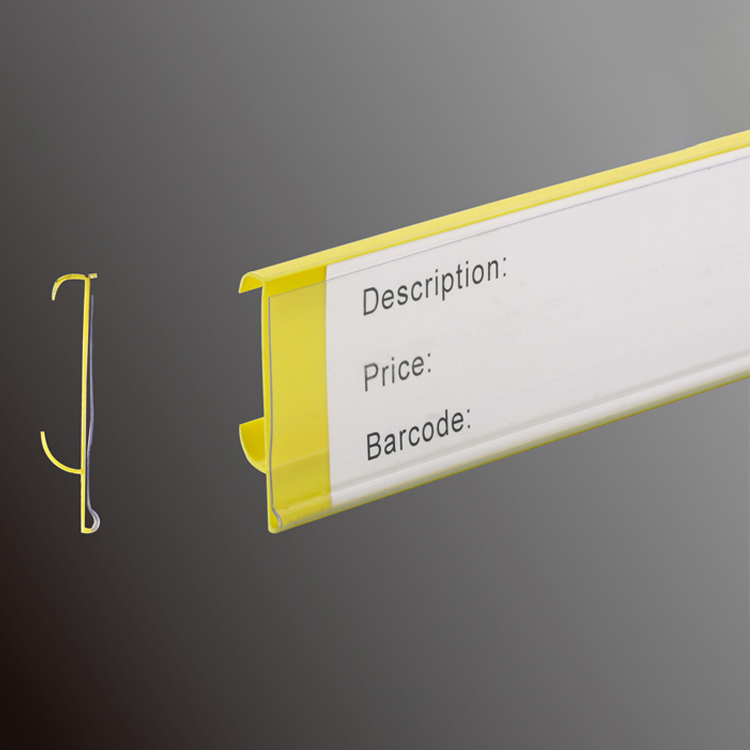
Note: Neat price tags help you find information quickly. Tools like IDmate’s Data Strips keep price tags tidy and easy to read. These strips hold product cards in place and make updates easy. Retailers, wholesalers, and suppliers use them to make shelves look better and help shoppers make smart choices.
If you read price labels carefully, you can use retail price, unit price, price endings, PLU codes, and color coding to get the best deals. Grocery store price tags give you all the facts you need to compare products and make good choices.
Understanding modern price tags
Digital price tag features
Digital price tags are new and change how stores show prices. These tags use e-paper screens. They can show more than just the price. You might see promotions, unit pricing, product origin, allergy details, and special offers. Stores update these tags from one main system. This keeps prices correct and current. Wholesale managers and staff save time and make fewer mistakes. Digital tags help stores use less paper and lower carbon emissions. Some stores use solar-powered labels. These labels last up to ten years and use very little energy.
Comparing digital and paper tags
Both electronic and paper tags help consumers find product information and clearly display prices. However, they differ in some ways:
- Paper tags have limited space and can only display the product name and price.
- Electronic tags can display more detailed information, such as discounts and product features.
- Electronic tags can be updated remotely, while paper tags require manual replacement.
- Electronic tags use energy-efficient and longer-lasting screens, which helps suppliers reduce costs.
| Feature | Digital Price Tags | Paper Price Tags |
|---|---|---|
| Display Type | E-paper, color options | Monochrome |
| Update Method | Remote, centralized | Manual |
| Customization | High, fits branding | Limited |
| Management | Centralized for many tags | No central management |
| Cost-Effectiveness | Reduces operational costs | Higher ongoing costs |
Tips for reading digital price tags
Digital tags can show lots of information at once. Shoppers should look for the main price first. Then check for extra details like unit price or special offers. If a tag changes while you shop, you can trust the price is right. Some shoppers worry about mistakes or not knowing when prices change.
Some people feel unsure about digital tags. They may worry about errors or not knowing when prices change. Others like the accuracy and real-time updates. Digital tags help stores keep prices fair and clear for everyone.
People who look at price tags closely make smart choices. They look at the retail price. They also compare the unit prices. They pay attention to price endings too. Neat tags help everyone find deals quickly. These steps help buyers, suppliers, and wholesale managers save money and make good choices each time they shop.
FAQ
What information do price tags usually show?
Price tags show retail price and unit price. They sometimes show product codes too. Some tags use colors or digital screens. These can show sales and special offers.
How do suppliers and wholesalers benefit from organized price tags?
Organized tags make it easy to change prices. They help manage inventory and keep shelves tidy. Customers can make fast choices with neat tags.
Can stores customize price tags for their brand?
Yes, stores can use special colors and sizes. They can add digital features too. This makes price tags fit the store’s look. It also makes shopping better for customers.