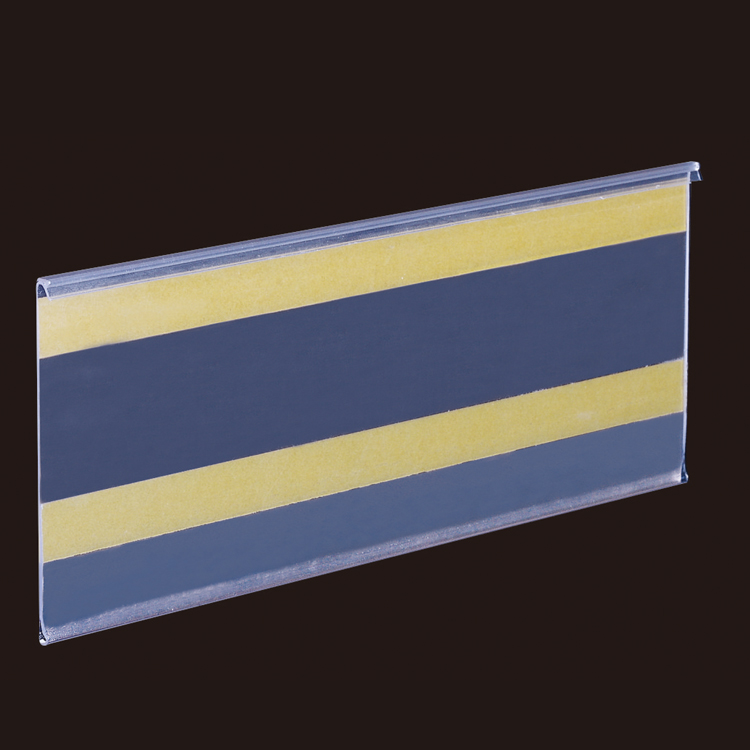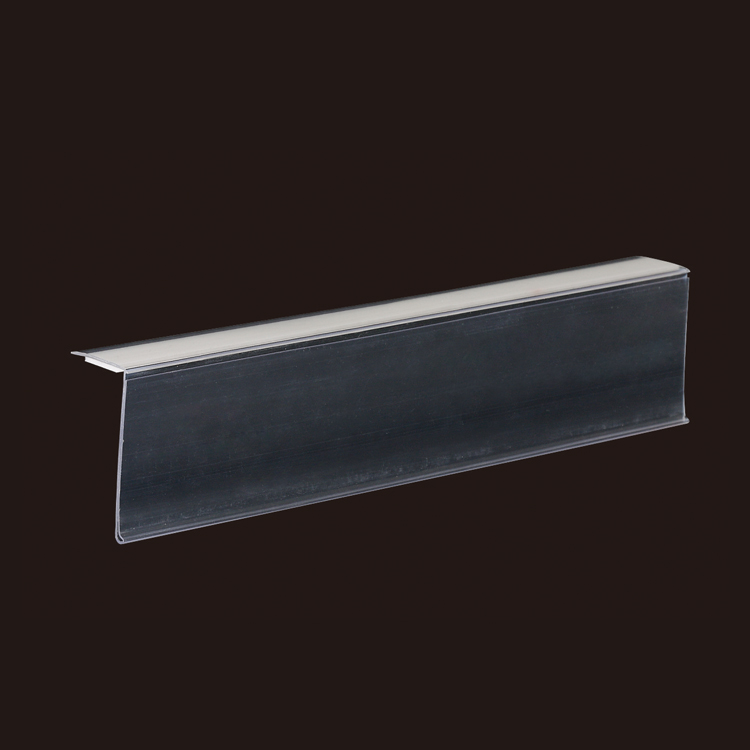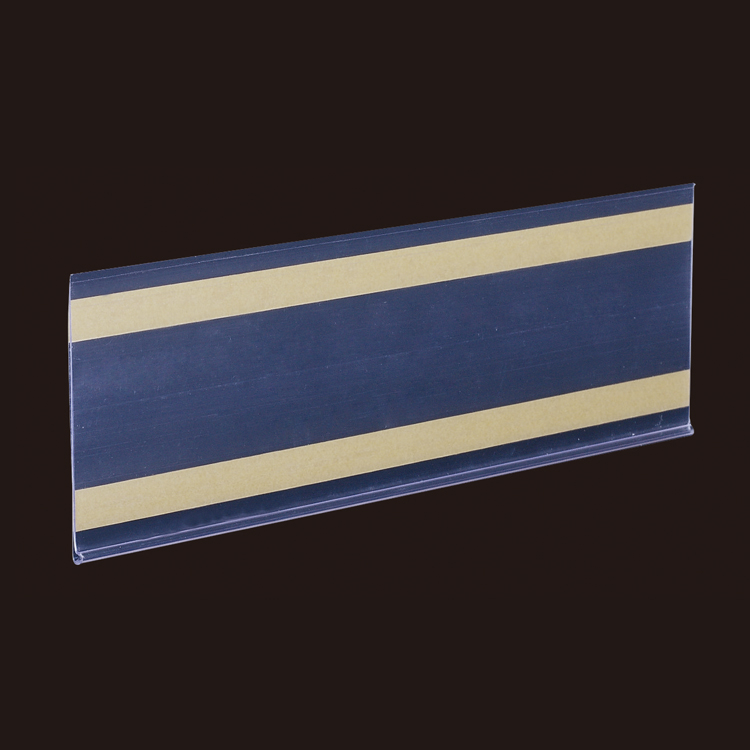

To better organize retail shelves, retailers need meticulous planning. They also need clever product placement and effective display tools. Neat and organized shelves help customers quickly find the items they need, thus promoting impulse purchases and increasing customer return rates. Many stores use IDmate’s data bars to display prices and product details. These data strips can quickly update information and keep shelves neat and organized.
Key Takeaways
- A well-planned shelf layout helps boost sales and improve the customer shopping experience. Understanding the store layout and customer flow is crucial for placing merchandise in optimal locations.
- Cleverly group products and use color coding to help customers find what they need. Group similar items together and use color to guide customers quickly to the items they require.
- Regularly restock and rotate merchandise to keep shelf displays fresh. Monitor daily best-selling items and ensure that slow-moving products are sold first to avoid waste.
How to Organize Retail Shelves
Shelf Layout Planning
Retailers need to develop meticulous shelf display plans. They examine store space and consider how to utilize it effectively. Merchandising experts recommend planning in the following steps:
- Understand the store layout and customer flow.
- Identify which locations in the store are good and which are less desirable.
- Set shelf display goals, such as items that are easy for customers to find or items that encourage impulse purchases.
A good plan utilizes signage, shelves, and props. These elements help create displays that guide customers and highlight featured items. Many stores use shelf charts to determine the placement of each item. Shelf charts help staff keep shelves tidy and ensure that each item has a designated place. Here are the benefits of shelf charts:
| Benefit | Description |
|---|---|
| Higher Sales & Profit Margins | Good placement makes people buy more and see products better. |
| Better Inventory Management | Stops running out of stock and helps sell items faster. |
| Improved Customer Experience | A clear store makes shopping fun and easy. |
Retailers can leverage technologies like digital shelf layouts to quickly adjust shelf arrangements. These tools allow teams to share data instantly and make rapid changes, saving time and preventing errors. For manufacturers and suppliers, customized shelf layouts can meet the specific needs of individual stores and local markets.
Product Grouping & Placement
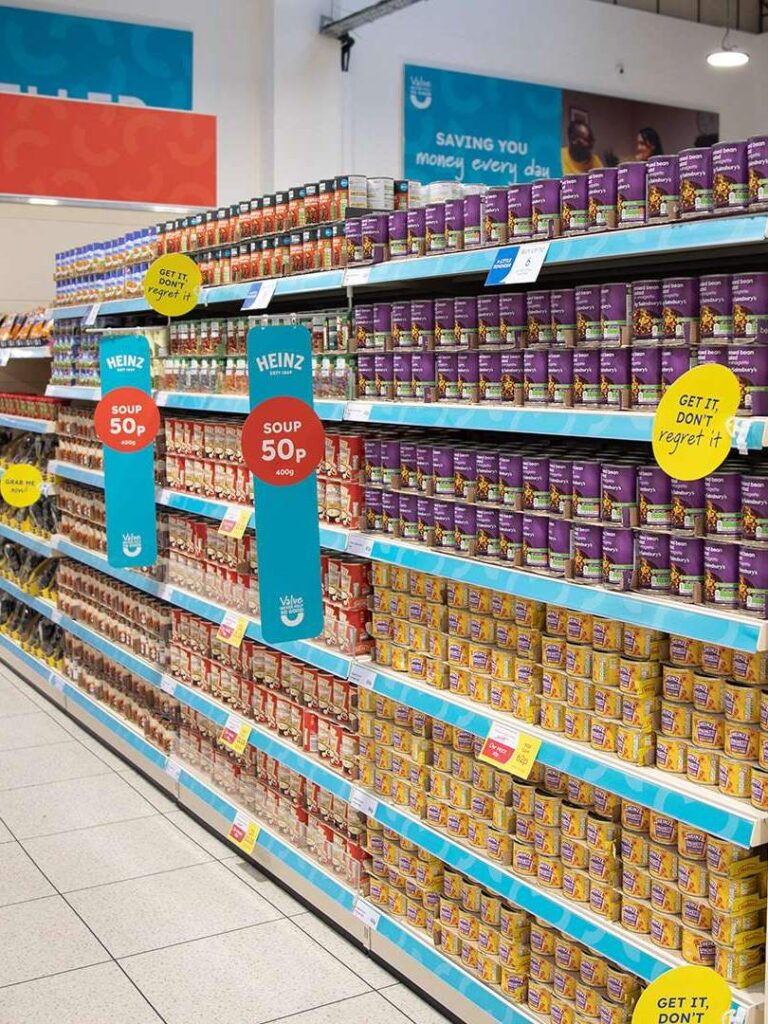
Cleverly grouping and arranging products is crucial for shelf display. When stores group similar items together, customers can find what they need more quickly. Cross-selling is equally effective. For example, placing potato chips next to salsa encourages customers to buy both. This increases overall purchase volume and makes shopping more convenient.
Optimal product grouping and arrangement methods include:
| Best Practice | Description |
|---|---|
| Optimize Shelf Layouts for Customer Flow | Put shelves where people shop, like snacks near drinks. |
| Use Data to Drive Decisions | Place slow-selling items next to popular ones to help sales. |
| Create a Visually Appealing Shelf Display | Keep shelves neat and nice to look at so shoppers come closer. |
Color coding is also incredibly useful. It simplifies merchandise display, helping customers quickly find what they need. Warm colors can highlight discounted items, and color-grouping enhances the visual appeal of a store. Here are the advantages of color coding:
- Color grouping makes shopping easier.
- Color coordination helps customers find sets.
- A well-designed display attracts customer attention.
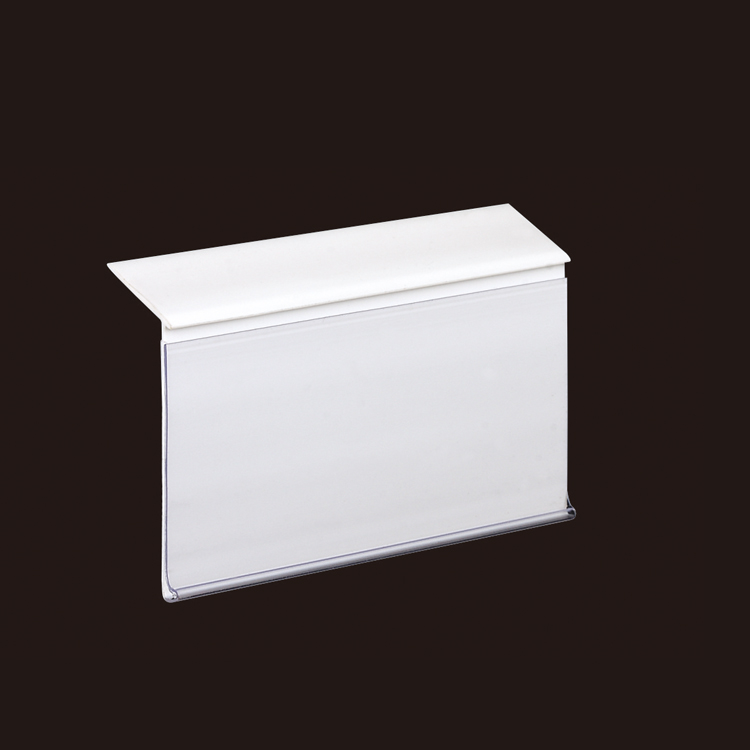
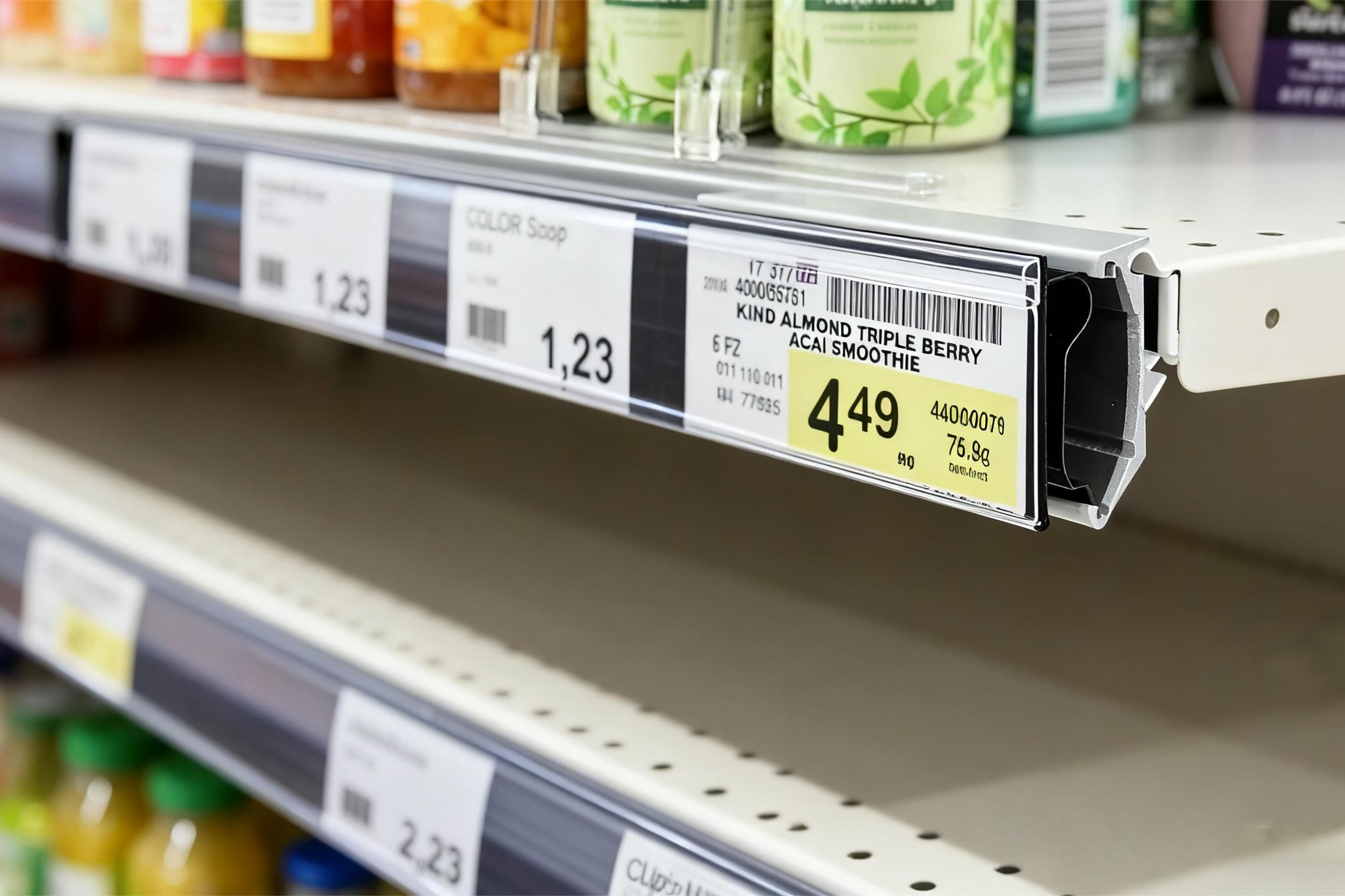
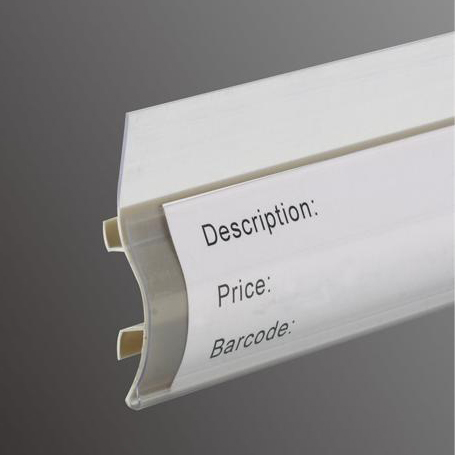
IDmate’s data bars easily display price and product information. Staff can add new tags or change prices in seconds. This not only keeps shelves tidy but also presents customers with the correct information. For wholesale and custom stores, IDmate offers a variety of data bars in different styles and colors to suit any shelf or brand needs.
Customer Flow Optimization
Optimizing customer flow helps businesses improve efficiency and boost sales. Retailers observe customer movement paths and place key products along these paths. Setting up speed bumps or prominent display areas can slow customer movement and highlight featured items.
Cross-selling, such as placing pasta sauce next to pasta, can save customers time and encourage them to buy more. Artificial intelligence can transform store layouts and increase sales by up to 15% by studying customer movement paths and adjusting merchandise displays.
Retail consultants recommend the following:
| Technique | Description |
|---|---|
| Streamline checkout steps | Make buying easy by having fewer steps at checkout. |
| Build trust with signals | Use reviews and clear rules to help shoppers feel safe. |
| Map hidden touchpoints | Check every part of shopping to fix problems. |
Other recommendations include fast checkout, friendly and attentive staff, and digital tools such as mobile payments. When stores arrange shelf layouts effectively to guide customer flow, the shopping experience is better, and customers spend more.
Recommendation: Regularly observe customer movement within the store. Adjust shelf layouts and displays based on their shopping habits to keep merchandise fresh.
Retail display organization is more than just aesthetics. It helps prevent major mistakes. Poor shelf layouts can cost stores up to $1.8 trillion annually due to lost merchandise and pricing errors. Using tools like IDmate’s data bars can keep shelves tidy, make it easier for customers to find products, and improve customer satisfaction.
Shelf Arrangement & Maintenance

Choosing Display Racks
Display racks help stores keep things neat and organized. Suitable display racks not only protect merchandise but also make displays look beautiful and appealing. Retailers consider sturdy, durable, and stylish designs when choosing supermarket display racks. Heavier items require metal or solid wood racks. Lighter or fragile items are better suited to acrylic or glass shelves. Wooden racks offer a warm feel, while steel racks with wooden panels are sturdy, durable, and modern.
Here’s a simple guide to choosing display racks:
| Criteria | Importance | Questions to Consider |
|---|---|---|
| Shelf load rating | Stops shelves from bending and keeps them safe | Is the load tested or just guessed? |
| Material specification | Makes racks strong and saves money over time | What kind of core or coating is used? |
| Dimensional tolerance | Keeps shelves straight and lined up | How do you check if batches match? |
| Anchoring method | Helps racks stay steady in busy places | What floor or wall types are used? |
Retailers are also very environmentally conscious. Eco-friendly shelving is made from steel, aluminum, or recycled plastic. These materials have a longer lifespan and generate less waste. Modular shelving is easy to replace to accommodate new products or layout changes.
Tip: Always check the load-bearing capacity of each shelf. Most supermarket display shelves have a load capacity of 50-90 kg per shelf. This ensures the shelving is safe and stable.
Using Data Strips for Information Display
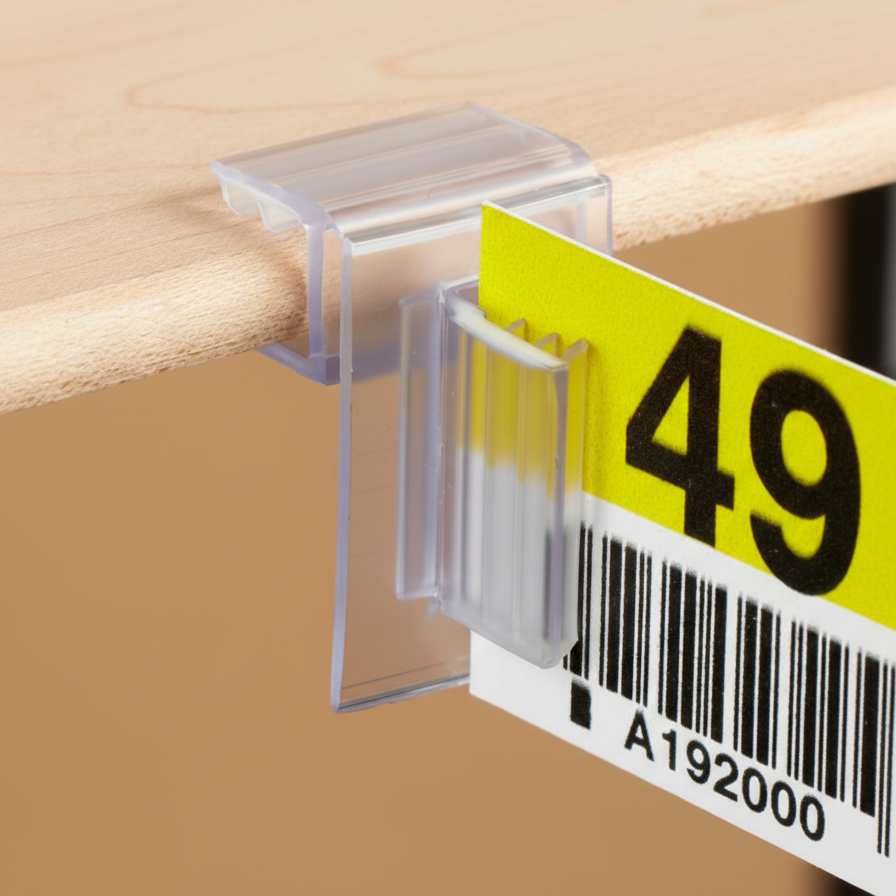
Clear product information helps shoppers find things fast. IDmate’s Data Strips make this simple. These strips stick to any shelf and show prices, barcodes, and product details. Staff can update tags quickly, saving time and keeping shelves neat.
Here’s why Data Strips are helpful:
| Advantage | Description |
|---|---|
| Clear visibility | Shoppers see prices and deals without asking staff. |
| Time efficiency | Updates are fast, so shelf work takes less time. |
| Versatility | Data Strips fit many shelves, so stores don’t need extra tools. |
A neat store uses Data Strips to keep info current. This helps customers make quick choices. Custom options let stores match their colors and shelf sizes.
Signage & Lighting
Signage and lighting enhance the visual appeal of merchandise displays. Clear signage and labels help customers find products and promotional information. Vibrant colors and eye-catching graphics attract attention and stimulate purchasing desire. Banners and signs can divide space and guide customer movement within the store.
Lighting is equally crucial. Good lighting better showcases merchandise, making it clearly visible. Balanced lighting can highlight featured items and create ambiance. Retailers use lighting to guide customers and make merchandise displays more prominent.
| Evidence | Description |
|---|---|
| Retail Lighting Impact | Lighting shows products and makes shelves easier to see. |
| Attention-Getting Illumination | Lighting grabs attention and helps shoppers look around. |
Note: Smart lighting and signs can make shoppers stay longer and buy more by making products stand out.
Restocking & Rotation
Replenishing and rotating merchandise ensures shelves are always well-stocked and products are fresh. Best-selling items require daily inspection and rapid replenishment. While slow-moving items require less attention, they must still be rotated to prevent spoilage. Retailers use sales data to plan replenishment times and ensure best-selling items are readily available.
A simple replenishment process is as follows:
- Inspect best-selling items daily and replenish them promptly.
- Move older inventory to the front of the shelves to reduce waste.
- Use the “two-round inspection” principle to check the placement and freshness of merchandise.
- Adjust replenishment frequency based on sales speed.
Regularly rotating shelves helps stores prioritize older items. This not only prevents spoilage but also provides customers with fresh choices. Furthermore, it helps stores turn over inventory faster, saving costs.
Tip: Taking care of racks and shelves can save up to 18% in costs and make equipment last up to 40% longer. A neat store saves money and avoids problems.
A neat store uses these routines to keep shelves looking good and products easy to find. Seasonal changes may mean new shelf layouts and displays, so stores must be flexible. By following these steps, retailers make shopping fun and keep customers coming back.
Organized shelves help stores sell more and make shopping better. Store managers who are positive and flexible help their teams keep shelves neat. Many stores make over 1.5% more money by using smart shelf ideas. You can use a simple checklist to help:
| Component | Importance |
|---|---|
| Workflow Clarity | Helps control the stock |
| Space Optimization | Makes restocking faster |
| In-store Support | Improves how things run |
IDmate’s Data Strips make it simple to update prices and keep shelves neat. Try these tips and watch your store do well!
FAQ
How often should stores update shelf displays?
Stores update shelf displays weekly. They check for new products and promotions. This keeps displays fresh and helps shoppers find items quickly.
What makes displays effective in retail?
Displays work best when they use bright colors, clear signs, and good lighting. They attract shoppers and boost sales. Stores place displays near busy aisles for maximum impact.
Can displays help with inventory management?
Displays help staff track products. They show which items sell fast. Stores use displays to highlight slow movers and reduce waste. Displays make inventory checks easier.