A standard acrylic stand usually supports between 1 and 50 pounds based on its thickness and overall design. Lightweight display stands can safely hold 1 to 5 pounds. Stronger stands and risers can hold 15 to 30 pounds or more. Important factors like material thickness, base length, and weight placement set the final weight limit.
Key Takeaways
- Regular acrylic stands can hold between 1 and 50 pounds depending on how thick they are.
- Thick monitor stands and strong shelves can safely hold up to 50 pounds.
- Spreading weight evenly helps acrylic stands stay sturdy and stops them from bending down in the middle.
Acrylic Stand Load Capacity by Thickness

Material thickness directly controls how much weight plastic sheets can carry safely. Thin sheets easily bend under pressure, while thick sheets give strong support for commercial needs. Makers measure this thickness to set accurate limits for store displays and business equipment.
Standard 3mm to 5mm Display Limits
Thin sheets work great for lightweight retail needs. A sheet thickness of 2 mm easily holds flat paper items like menus, flyers, and business cards. Upgrading to a 3 mm sheet offers much more support. This 3 mm sheet easily holds 1 to 5 lbs of item weight. Stores use 3 mm panels for small product displays and simple counter signs.
A 5 mm sheet builds even greater strength. It easily holds 5 to 10 lbs of item weight. Builders regularly make standard shelving units using 5 mm sheets. Some strength tests show a limit of 15 to 25 kg when using a 2 to 1 safety buffer on supported setups. The chart below shows normal weight limits for thin plastic choices:
| Sheet Thickness | Recommended Applications | Standard Load Weight |
|---|---|---|
| 2 mm | Brochures, pricing cards, thin papers | Under 1 lb |
| 3 mm | Counter signs, lightweight products | 1 to 5 lbs |
| 5 mm | Small product shelves, tabletop units | 5 to 10 lbs |
Choosing the right option stops plastic sheets from sagging during daily use. An acrylic stand with the correct thickness stays clear without warping out of shape.
Heavy-Duty 6mm to 12mm Capacity
Thicker sheets withstand physical bending and permanent damage. A 6 mm or 1/4-inch panel offers reliable heavy-duty support. It easily holds 13 to 30 lbs when base mounts spread the weight evenly across its surface. Makers check performance across exact lengths. For instance, a 6 mm panel with a 500 mm span supports a flat load of 6 to 8 kg before it shows any slight bending. This design works great for wall displays and tough risers.
Using thicker sheets stops sagging, stress, and permanent warping over time. Builders use smart safety margins to protect displays from heavy loads. Standard choices include 6x pull strength and 10x bend strength. Larger display builds always require extra material depth. Workers add 0.25 inch of thickness for any display panel over 8 feet long.
Thicker options like 1 inch (25 mm) hold solid weights in luxury retail setups. Material measuring 1.5 inches (38 mm) gives added strength for museum cases. Large 2-inch (50 mm) builds offer a steady base for heavy custom artwork. Using the right load limit keeps surfaces from sagging. A solid acrylic display keeps its true shape under heavy items. Selecting proper sheet thickness boosts weight limits and keeps displays looking great for years.
Weight Limits for Acrylic Display Stand Types
Stores rely on clear plastic display units to show items safely. Picking the right stand protects your products and keeps store counters, walls, and desks looking neat.
Countertop and Sign Holder Capacities
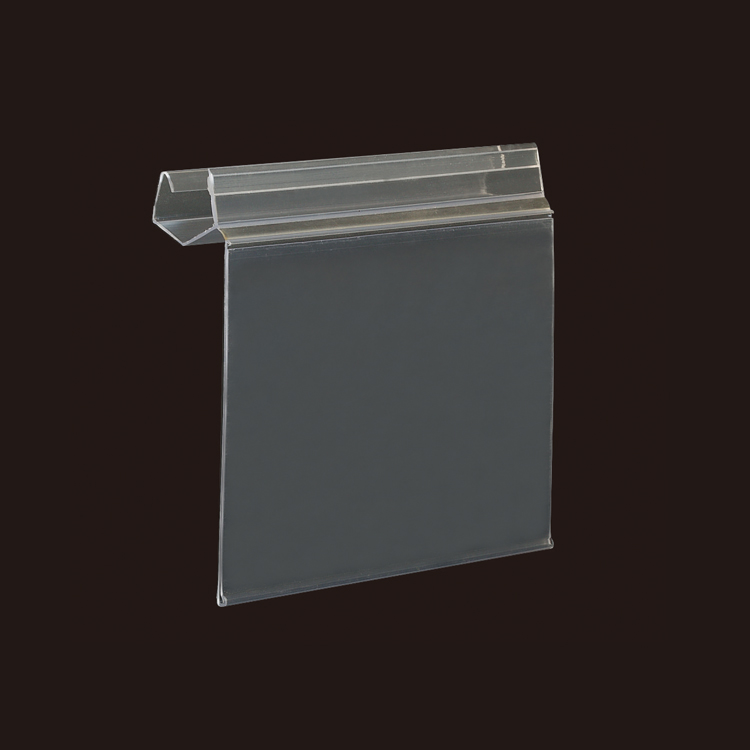
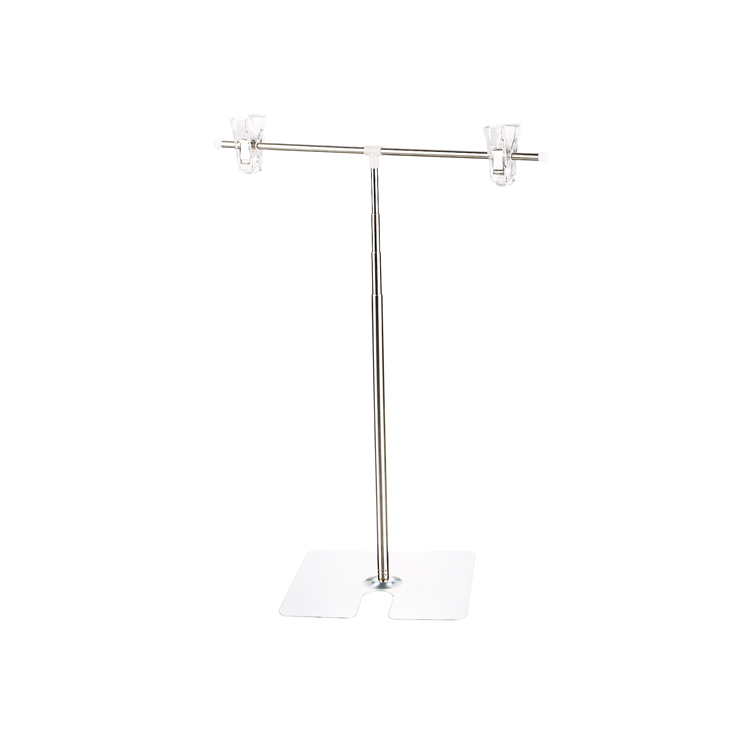
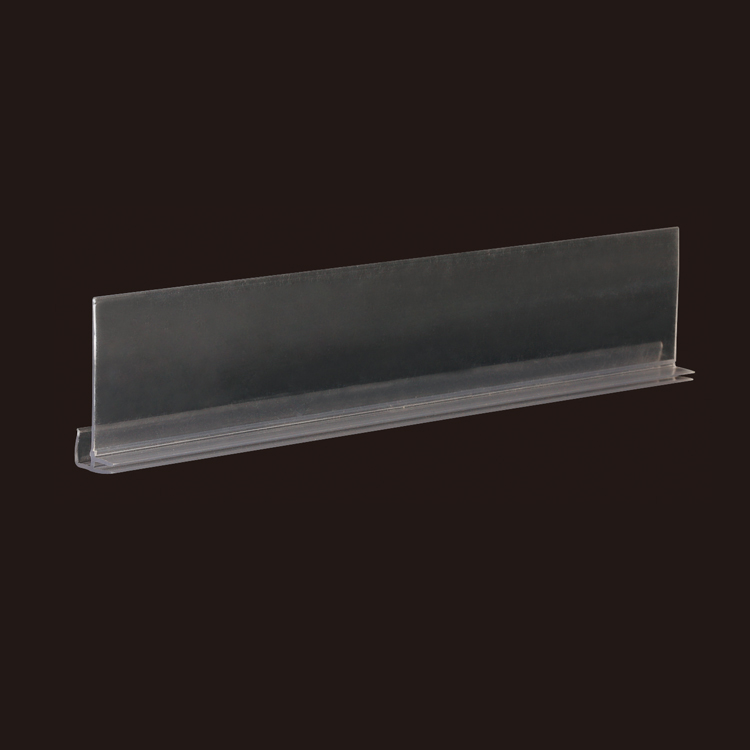
Tabletop sign frames focus on clear views and easy access during daily store sales. Companies often put IDmate acrylic sign holders on checkout counters to showcase sales flyers, prices, and menus. Lightweight sign holders easily hold paper sheets, cardstock, or small items under 5 pounds without bending. Standing V-shape, T-shape, and L-shape counter models keep their shape well since all the weight sits on the bottom base.
Wall-mounted sign frames spread weight over vertical walls using strong tape, screws, or magnet strips. These wall holders safely support light items while guarding paper inserts against dust and liquids. Shop owners regularly buy custom acrylic fixtures from a wholesale supplier to fit specific counter spaces and store looks. For basic display setups, material thickness sets the actual load limits for various uses.
| Load Level | Weight Range | Recommended Thickness |
|---|---|---|
| Light | 5–10 lbs | ¼” to ⅜” |
| Medium | 10–20 lbs | ½” to ¾” |
| Heavy | 20–30 lbs | ¾” to 1” |
Monitor Risers and Heavy Display Shelves
Heavy tabletop equipment needs strong building materials to stop middle sagging over time. Workplaces rely on raised desk platforms to hold large screens and computer gear. A clear acrylic monitor riser stand at 3.5 inches tall manages a 50 lb (22.7 kg) total weight load. Likewise, a Kantek acrylic monitor stand with keyboard space holds up to 50 lb of steady weight. Bigger raised stands measuring 21″W x 7.75″D x 4.5″H safely carry a 40 lb weight rating. Thick plastic platforms bear these heavy computer screens by spreading overall weight onto thick, bent side walls.
Sturdy display shelves need extra thickness to support stacked goods or heavy decor. A quality acrylic shelf usually carries 15 to 30 pounds total, depending on dimensions, thickness, and hardware mounts. Makers use a thickness of ¾ to 1 inch for heavy 20 to 30 pound loads to keep the unit stable. Solid acrylic display stand builds stop middle dipping when owners spread items across the top surface. Strong wall brackets and side anchors boost strength, letting heavy display shelves hold big store items safely for years.
Key Factors Affecting Acrylic Stand Strength
Span Length and Material Quality
Material choice plays a big role in display strength. Cast acrylic gives higher build strength and resists cracking from stress better than extruded acrylic. Extruded acrylic cracks easily under long-term weight. Cast acrylic features a pulling strength of around 10,000 psi. Acrylic also provides 17 times the shatter resistance of standard glass. This toughness keeps display panels from breaking under sudden hits.
Longer span lengths need thicker material to stop bending. A good thickness-to-weight balance keeps wide shelf surfaces strong. Bulk makers choose cast acrylic sheets for heavy store goods. Standard material thickness choices of 3mm to 5mm work well for light items. Thicker sizes like 3/8 inch or 1/2 inch keep shelves flat under heavy products.
Weight Distribution and Support Systems
Where weight sits directly changes how a frame holds up. Spreading weight evenly protects plastic panels from hard strain. Spot loads focus force on small areas and raise cracking risks. Placing heavy items on lower shelves lowers the middle of gravity. A wider base-to-height ratio builds better overall balance. This smart setup boosts the total weight limit of an acrylic stand.
Support setups add extra strength to store display units. Adding aluminum or steel brackets at high-stress points grows overall product life. Metal base plates and screw inserts spread weight smoothly when attaching wheels. Direct screws in thin plastic cause cracks under constant movement and shaking. A well-made acrylic display stand keeps its main shape while holding items safely.
Acrylic stand designs carry 1 to 50 pounds based on sheet thickness. Lightweight 3mm panels hold 1 to 5 pounds. Heavy 6mm to 12mm panels safely support 13 to 30 pounds. Buyers should pick sheet thickness matching their item weight. Staying within the rated load capacity prevents structural sagging and extends display lifespan.
FAQ
How much weight can a standard 3mm to 5mm acrylic stand hold?
A 3mm board can easily carry 1 to 5 pounds. Moving up to 5mm thickness lets the stand bear 5 to 10 pounds without dipping down.
What is the maximum load capacity for heavy monitor risers?
Thick screen stands and solid display shelves comfortably take up to 50 pounds of fixed weight by spreading the load onto sturdy, curved edges.
Why does cast acrylic support heavy items better than extruded acrylic?
Cast acrylic has a pull rating of 10,000 psi. It fights off stress fractures far better than extruded options and gives 17 times more impact protection than glass.