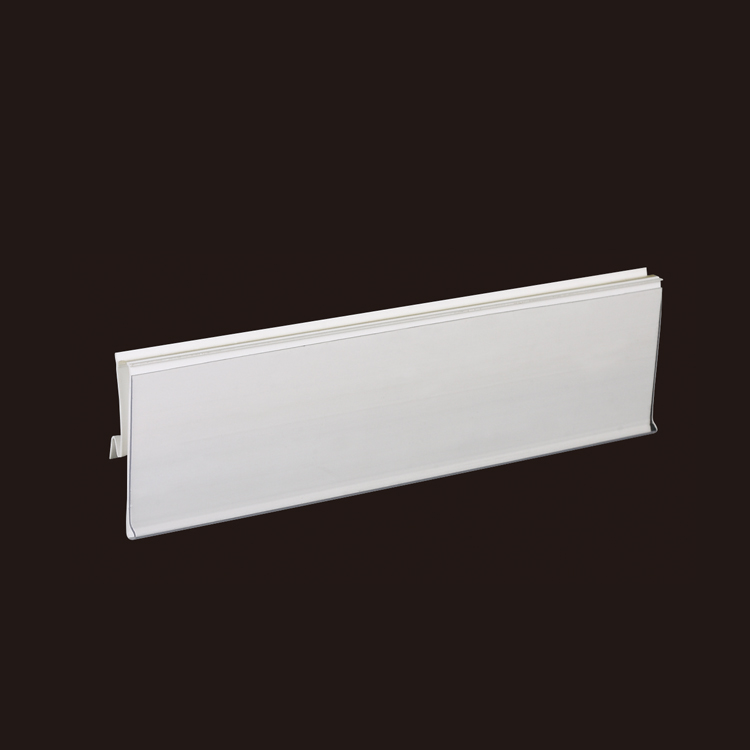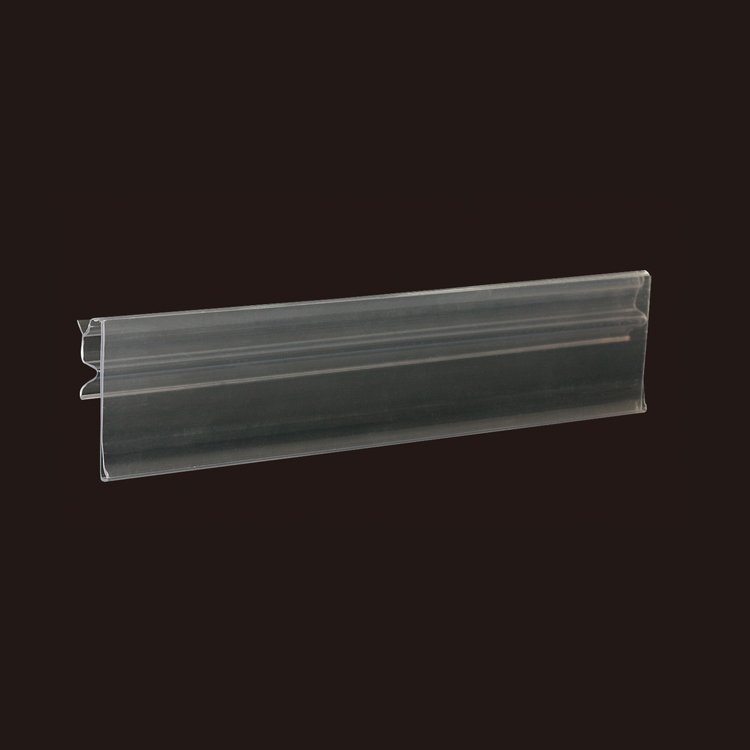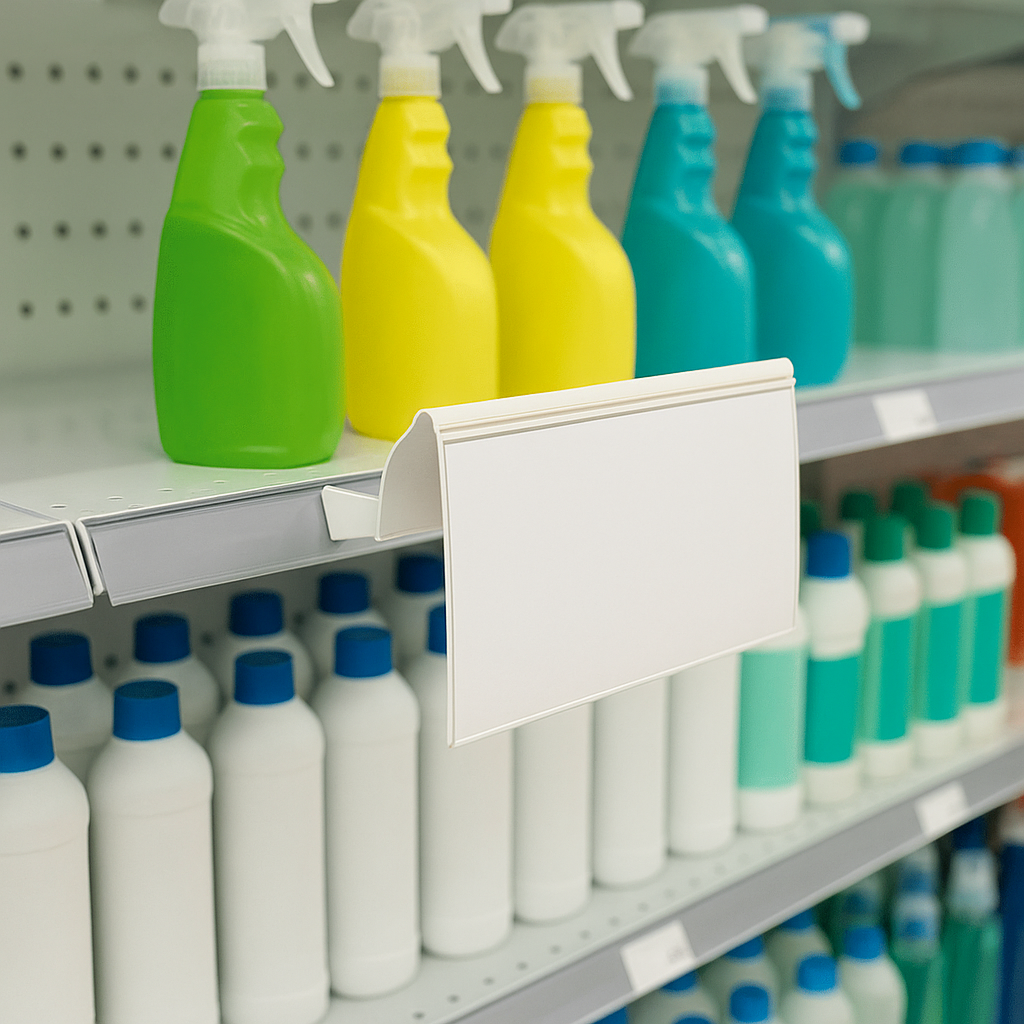

To remove self-adhesive label holders without damaging the shelf, the key is to weaken the adhesive before pulling. Apply gentle heat with a hairdryer for 30 to 60 seconds, then peel the holder back slowly at a 180-degree angle, parallel to the shelf. If residue remains, use isopropyl alcohol or a plastic scraper—never a metal blade. How easily a holder comes off depends on the adhesive type and the shelf material, but the removal technique matters just as much as the product itself.
Key Takeaways
- Never pull an adhesive holder straight off. Heat it first to soften the glue and peel it back parallel to the surface.
- Permanent adhesives leave residue; removable adhesives are designed for clean lifting.
- Isopropyl alcohol safely removes most residue from glass, metal, and sealed wood.
- Plastic scrapers or old credit cards prevent scratches. Metal blades will gouge shelves.
- If displays change often, use a clip-on shelf label holder instead of adhesive.
- IDmate offers adhesive options suited for both permanent and temporary retail installations.
Why Adhesive Label Holders Leave Residue
The Difference Between Removable and Permanent Adhesive
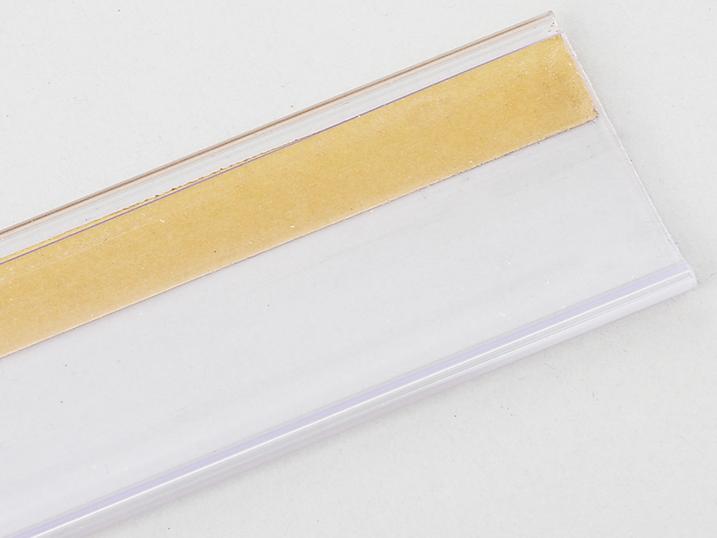
Not all pressure-sensitive adhesives are built the same. Permanent adhesive is formulated to stay put for years. It flows deeply into the microscopic pores of the shelf surface, creating a bond that is stronger than the material’s own cohesion. When you pull it off, the adhesive splits—part stays on the shelf, part stays on the plastic holder.
Removable adhesive uses a different polymer structure. It bonds firmly enough to hold the label, but it resists flowing into the surface pores. It can be peeled away cleanly because the adhesive mass holds together. If you are buying in bulk, confirming whether an adhesive sign holder or label holder uses removable or permanent tape is the first step to avoiding a cleanup headache.
How Temperature and Surface Material Affect Bond Strength
Temperature changes the physics of the adhesive. When it is warm, the adhesive becomes softer and stringier. Pulling it off in a hot store without heating it first (or cooling it) can leave a smeared mess. When it is cold, the adhesive becomes brittle and snaps off, leaving hard chunks stuck to the shelf.
The surface material matters just as much. On smooth glass or powder-coated metal, adhesive sits on top and comes off easily. On raw wood, unsealed MDF, or textured plastic, the adhesive seeps into the grain and locks in. Removing a holder from unsealed wood is much harder than removing one from a glass display case.
Step-by-Step: How to Remove Adhesive Label Holders Safely
Heating the Adhesive to Weaken the Bond
The safest way to remove any adhesive-backed product is with heat. Use a standard hairdryer on a medium setting. Hold it 2 to 3 inches away from the holder for 30 to 60 seconds. The goal is to warm the plastic and the adhesive underneath, making the glue pliable and reducing its grip.
Do not use a heat gun. Industrial heat guns can melt the PVC label holder or blister the paint on the shelf. Once the holder feels warm to the touch, grip a corner and pull it back at a 180-degree angle. Pulling straight out (90 degrees) puts all the stress on the bond and often rips the holder. Pulling parallel to the shelf gently encourages the adhesive to release.
Using Solvents and Scrapers Without Scratching the Shelf
If the holder comes off but leaves a sticky film, do not scrape it with a knife. Metal blades will scratch glass and permanently gouge painted metal or wood. Use a plastic scraper, an old credit card, or even your fingernail.
To break down the residue, apply isopropyl alcohol (rubbing alcohol) to a cloth and dab it onto the glue. Let it sit for a minute. Alcohol is safe for most metals, glass, and sealed wood, and it evaporates quickly without leaving an oily film. For stubborn industrial adhesives, a citrus-based adhesive remover or a tiny amount of WD-40 can be used, but test it on an inconspicuous area first to ensure it doesn’t stain the shelf finish.
How to Prevent Residue When Choosing Label Holders
When to Choose Clip-On Shelf Label Holders Instead
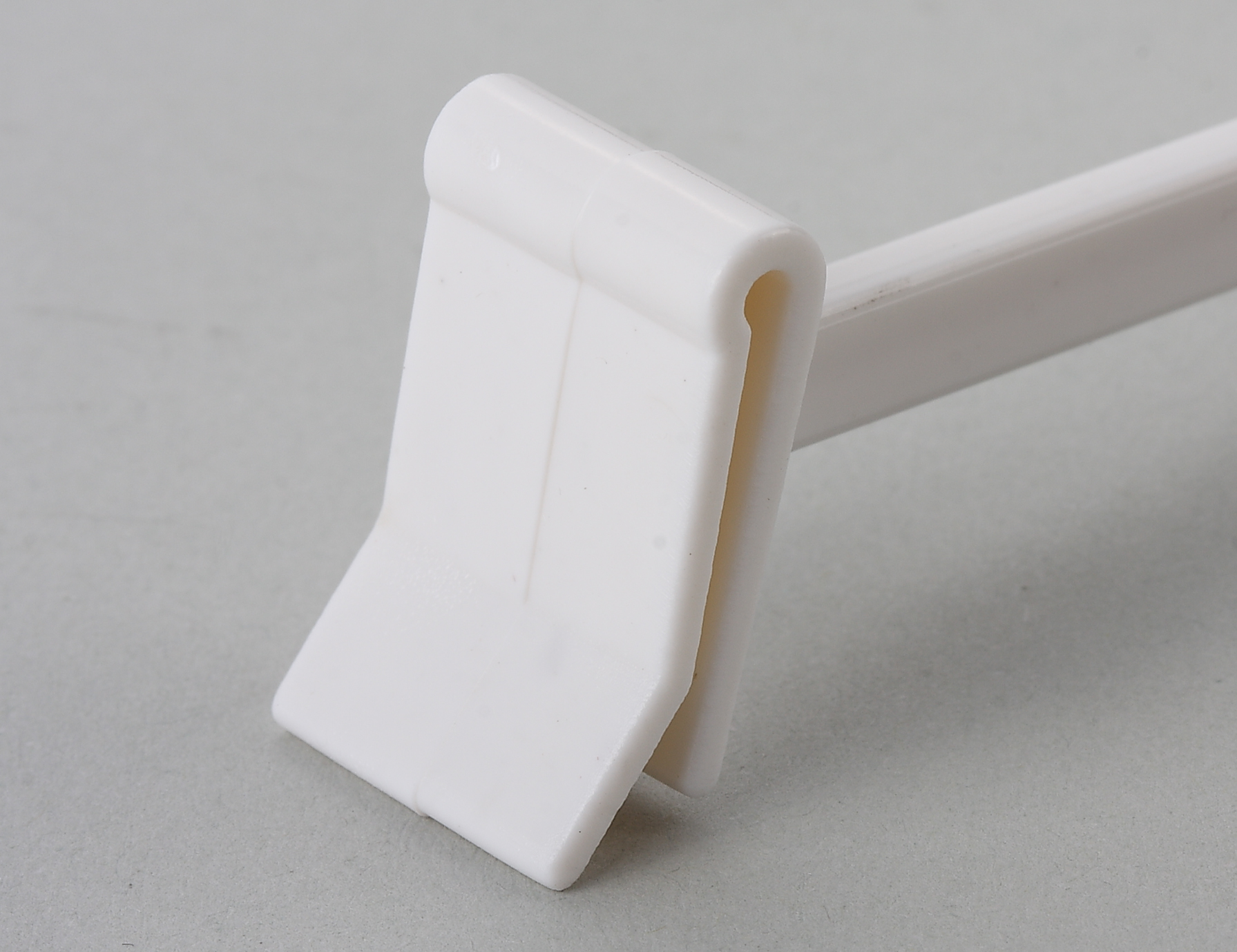
The best way to avoid adhesive residue is to avoid adhesive entirely. If your store resets planograms frequently, or if the shelving is made of glass or wire where adhesive struggles to hold, a clip-on format is superior. A clip-on shelf label holder leaves zero residue. It snaps onto the edge, holds securely, and can be moved to a new location in seconds.
Surface Compatibility for Self-Adhesive Holders
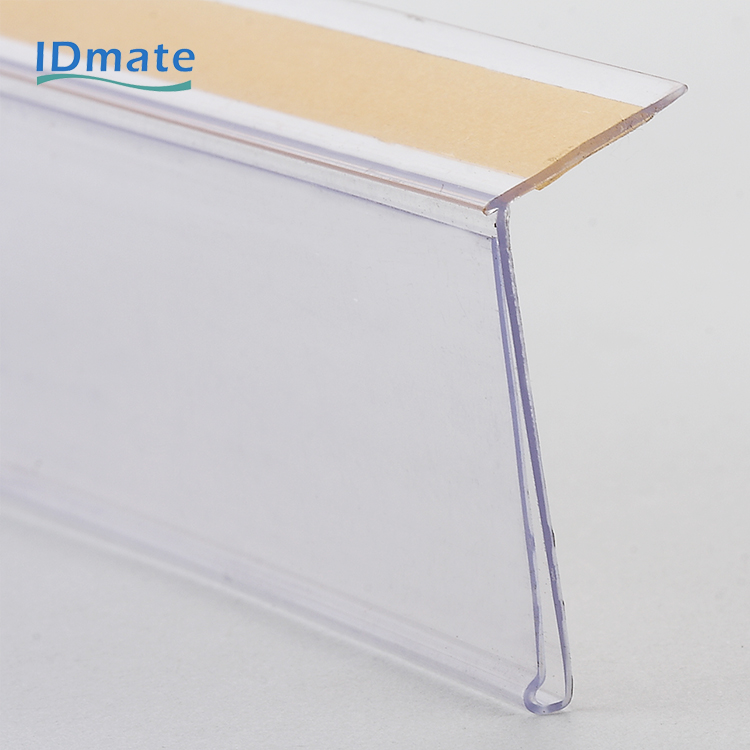
If adhesive is necessary—for example, on a flat cabinet face or a solid shelf front with no edge to clip onto—choose the right tape. Specify removable adhesive if the display is seasonal or temporary. Ensure the surface is clean and dry before applying the holder, as dust and moisture prevent the adhesive from bonding properly and cause it to peel prematurely.
When sourcing adhesive sign holders, ask the supplier to distinguish between permanent and removable backing options. Using the wrong tape for the application is what creates the maintenance burden later.
FAQ
Can I reuse a self-adhesive label holder after removing it?
The plastic holder itself can usually be reused, but the adhesive backing will likely be compromised. Once peeled, the adhesive layer loses its tack and collects dust. You will need to apply new double-sided tape or adhesive pads to remount the holder.
What solvent is safe for removing adhesive from wood or glass?
Isopropyl alcohol is the safest universal choice. It cuts through adhesive residue and evaporates cleanly. On glass, you can also use a standard glass cleaner or a razor blade held at a shallow angle. On wood, stick to alcohol or a citrus-based cleaner—never soak the wood with water or harsh solvents, as it will warp the grain.
Does IDmate supply removable and permanent adhesive options?
Yes. IDmate supplies label holders and data strips with both permanent and removable adhesive backing to match the installation’s required lifespan. If frequent repositioning is required, the data strips range also includes clip-on and hanging formats that require no adhesive at all.