To label a shelf correctly, start with the right label holder, create clear and readable labels, attach them securely, and keep them visible. A good holder helps people read, swap, and protect each tag. This guide covers labeling for homes, offices, and stockrooms.
Key Takeaways
- Choose a label holder that fits your shelf material and where you will use it.
- Match the holder size to your labels so text stays clear and easy to read.
- Proper labeling saves time and reduces mistakes in stores and warehouses.
- Different attachment methods — magnetic, adhesive, and clip-on — suit different shelf types.
- Label holders protect labels from moisture, dust, and daily wear.
Why the Right Label Holder Matters
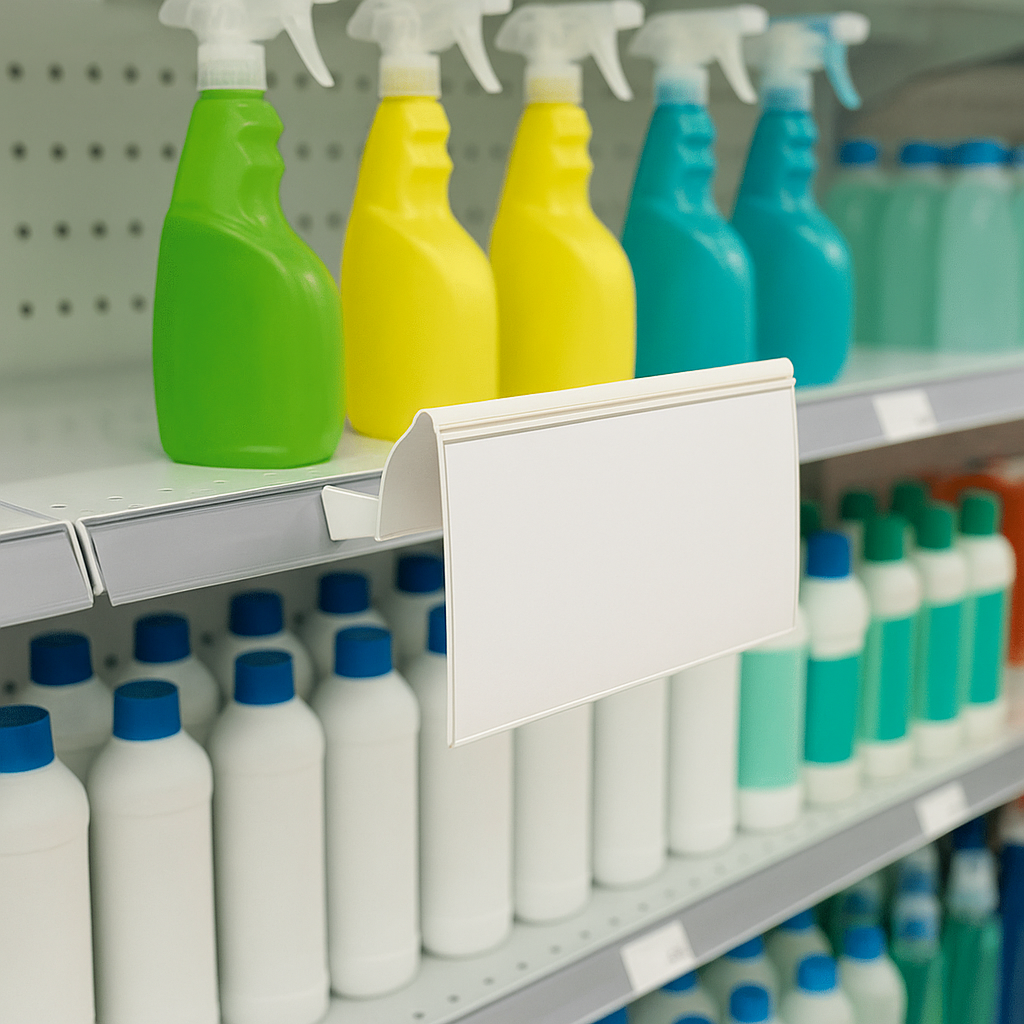
Label Holders Keep Shelves Organized and Readable
A shelf label holder keeps every tag aligned, readable, and simple to replace. This organization speeds up picking and restocking in any stockroom. One retail warehouse that switched to multi-line barcode labels cut picking errors by 25%, which reduced returns and lost sales. A multinational manufacturer added RFID tags and saw shipment errors drop by 30%. These results show how clear labeling keeps work accurate.
RAJA UK, a packaging supplier, opened a 260,000 sq ft distribution center with more than 60 pickers. The company invested in aisle signage, rack location labels, and document holders. According to its Purchasing Director, these upgrades made order picking and processing more productive. Pickers could see where to go and find work locations quickly. The company also reported a measurable drop in picking errors. This case shows that label holders and related visual aids help workers pick faster and more accurately.
Label Holders Protect Labels from Wear and Damage
A good holder shields paper labels from moisture, dust, and daily handling. This protection makes labels last longer and keeps text readable. Traditional paper label holders rely on paper labels that need regular replacement. Carts and bumps can damage these paper labels. Replacement costs stay low, but the labels remain vulnerable in demanding environments.
Electronic shelf label holders use digital updates. This design cuts repeated manual label changes and stresses durability. These holders last longer than traditional options. High-traffic areas such as checkout lanes and freezer aisles benefit from this durability and flexibility. Stores with frequent price changes gain from electronic shelf labels because updates do not need constant manual labor. Retailers should match their shelf label holder choice to the store environment and specific needs. Technology budget and ability to scale labor over time are important factors.
Types of Label Holders by Attachment Method
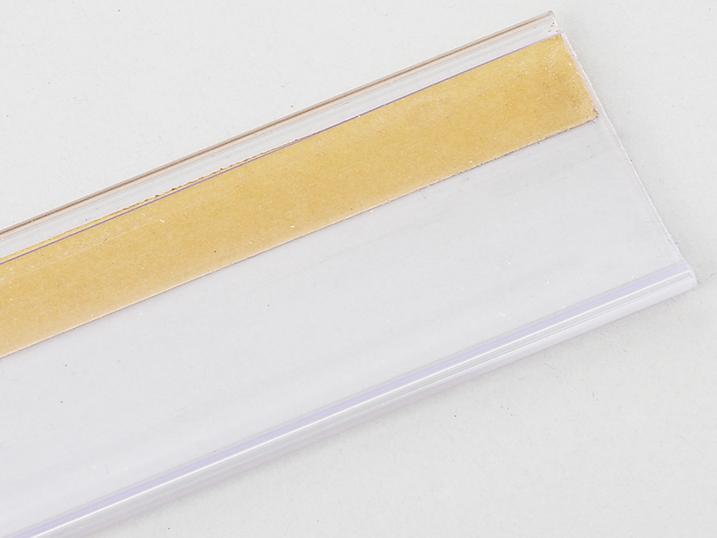
How a holder attaches decides how easy it is for workers to change labels and how well it stays on the shelf. Different materials and places need different answers.
Magnetic Label Holders
Magnetic holders work best on metal shelving, steel pallet rack beams, and steel bins. These holders give pull forces between 6.2 and 11.8 lb per foot. Workers can move them without tools or sticky residue when stock locations change. This makes magnetic shelf label holders great for warehouses that shift layouts often.
Magnetic holders also do well in cold storage. Very cold temperatures make many adhesives fail on cold surfaces. A magnetic warehouse rack label can stick in these places without losing its grip. But frost can build up between the magnet and beam and weaken the hold over time. Condensation that freezes and thaws may make labels shift in busy areas. Places with freeze-thaw cycles should check magnetic labels often.
Users like how these holders let them label shelves without harming the surface. No adhesive means no residue when labels come off. For places that change labels often, this removable feature saves time and keeps shelves clean.
Adhesive Label Holders
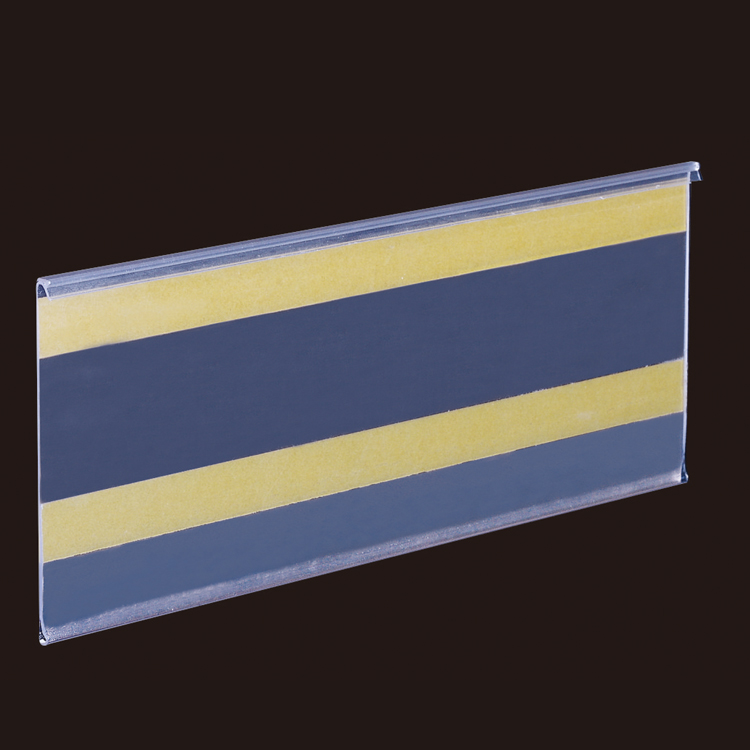
Adhesive holders stick to flat surfaces like painted wood, laminate, and plastic shelving. These holders give a secure mount for permanent rack systems. The low profile protects against bumps from forklifts and carts. Workers can swap inserts without taking the holder off the shelf.
Good surface prep makes adhesive holders stick strongly. For painted wood shelving, users should clean the surface with isopropyl alcohol. Porous wood needs sealing with paint or varnish. Light sanding with a fine pad creates tiny scratches that improve adhesion. Users must clean the surface again after sanding. An adhesion promoter helps on low-energy painted surfaces. This careful setup ensures a strong bond.
For cold storage, adhesive holders with freezer-grade adhesives stay strong at temperatures as low as -65°F. Pressure-sensitive synthetic films and protective laminates resist moisture and chemicals. These holders beat magnetic options in extreme cold.
Clip-On and Slide-In Label Holders
Not every shelf takes adhesive or magnetic holders. Wire shelving and open-frame racking need different approaches. Clip-on holders wrap around the structure without touching the surface. Simple clip labels attach firmly and allow easy repositioning. For temporary labeling, removable label tape can be applied underneath the shelf edge. The label hangs over the front. Removable label tape removes cleanly and does not damage paint or laminate. This method is one of the simplest ways to label shelves without leaving a mark.
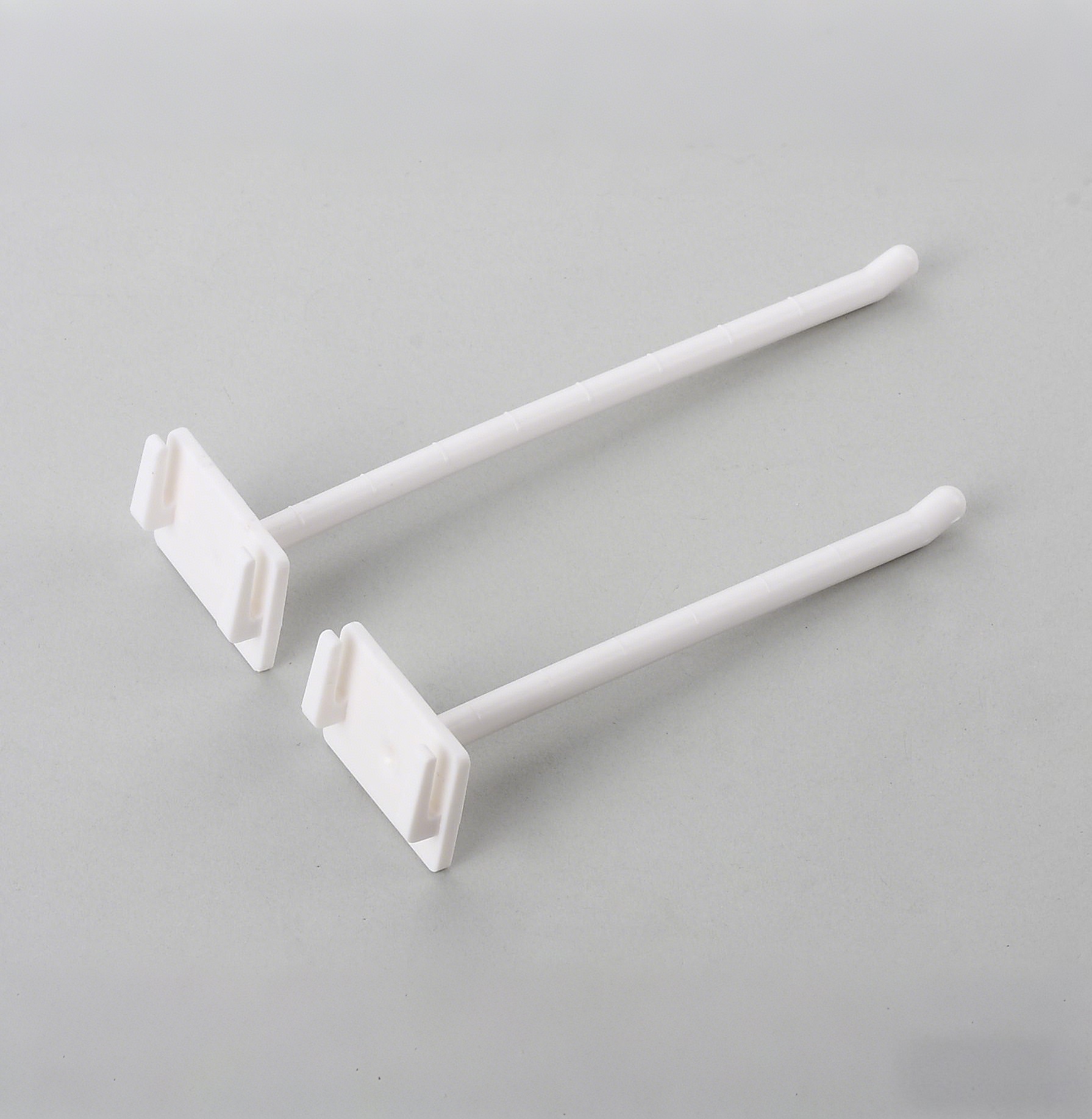
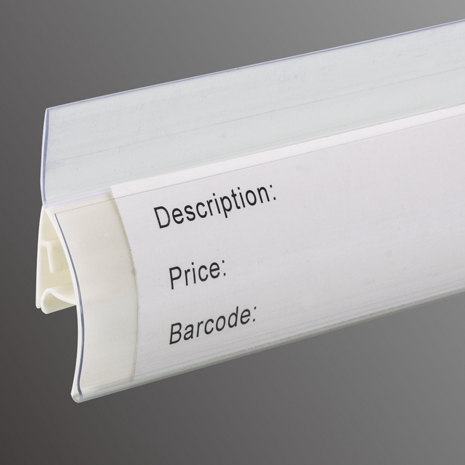
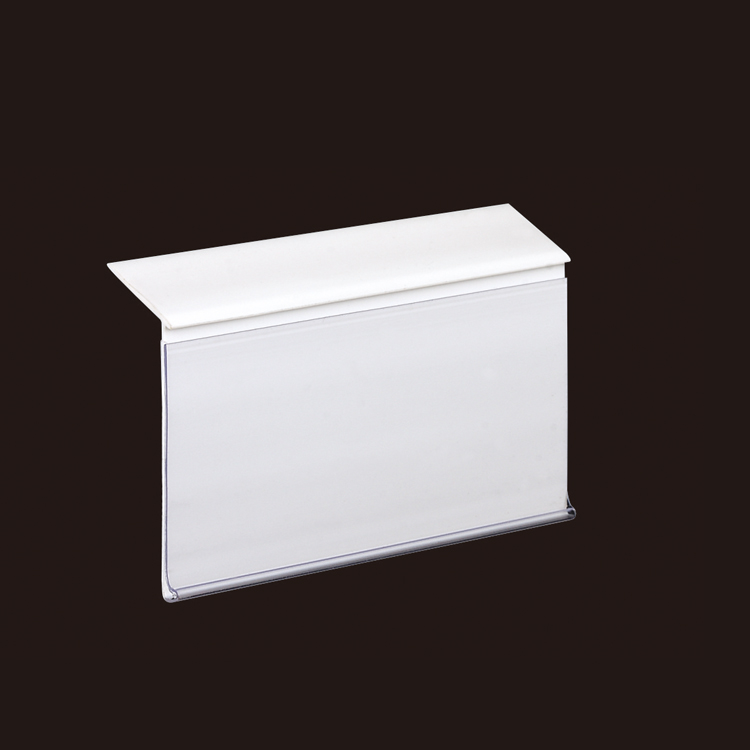
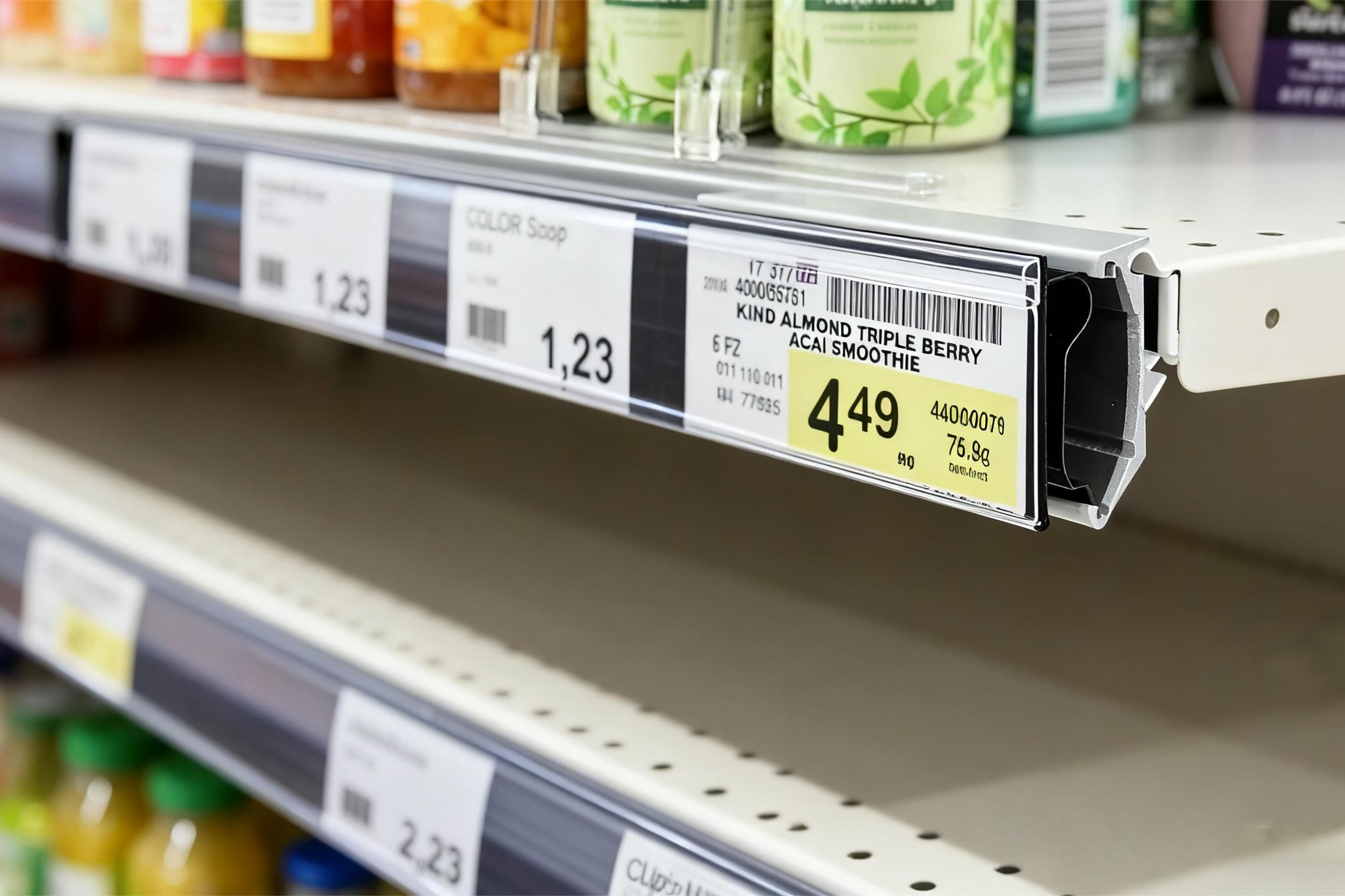
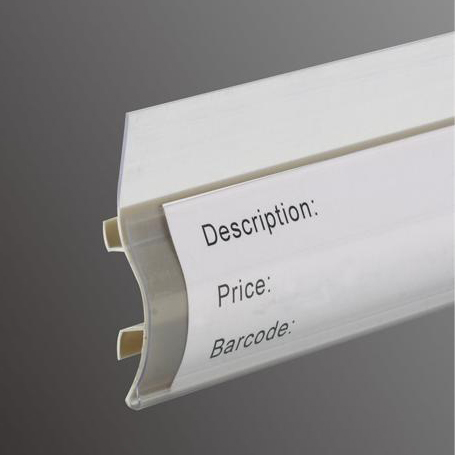
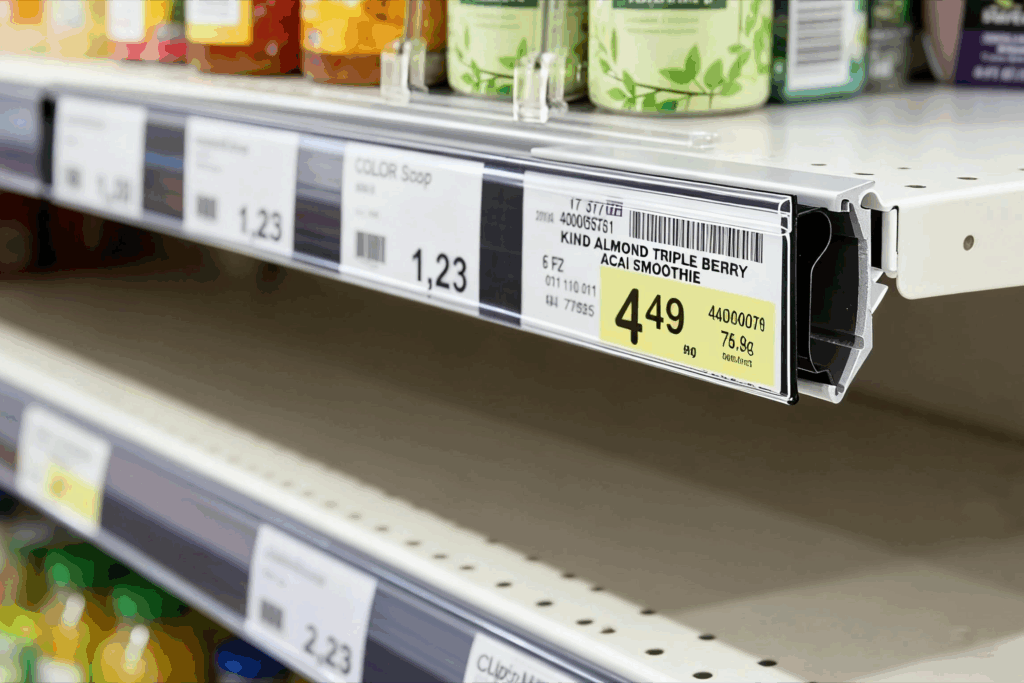
Many retail systems use slide-in holders with clear covers and physical label inserts. Workers slide new label inserts into the holder without removing it. Channel strip holders allow fast label changes in retail aisles. These systems use label tape that prints labels on demand and inserts into clear channels. Removable label tape options give flexibility for short-term displays.
How to Choose the Right Label Holder for Your Shelving
Match the Label Holder to Your Shelf Material
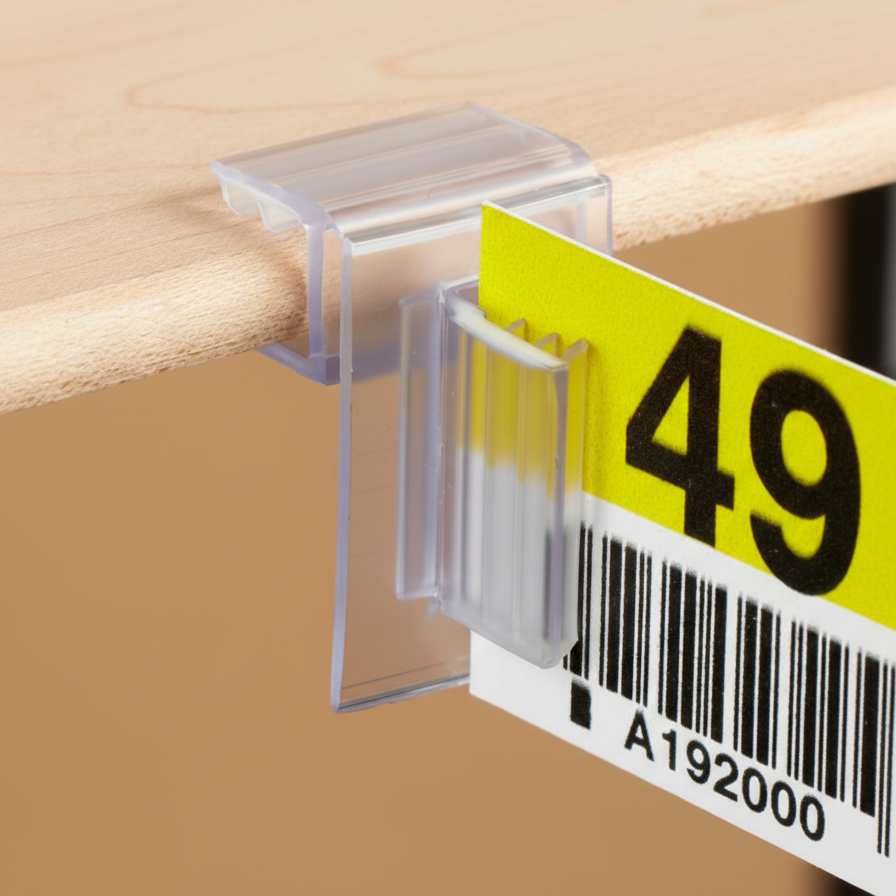
The shelf material decides which holder works best. Metal shelving takes magnetic holders. These holders grip steel beams and bins without tools. Flat laminate or wood surfaces work well with adhesive holders. Wire, glass, or wood edges need clip-on holders. Clip-on designs wrap around the structure and stay secure. Each type avoids direct labeling and protects the surface.
A buyer should test one holder before ordering in bulk. Custom label holders can fit unusual shelf profiles. Manufacturers offer wholesale options for large orders.
Choose the Right Size for Your Labels
The holder must fit the label width. Standard data strips and label clips come in many lengths. Retailers often pick from these common heights for shelf-edge data strips:
- 32 mm (1.26 in)
- 39 mm (1.54 in)
- 40 mm (1.57 in)
- 45 mm (1.77 in)
- 76 mm (2.99 in)
- 1-1/4 in (31.75 mm)
Most retailers choose 39 mm or 1-1/4 inches as their standard height. A holder that is too small hides text. A holder that is too large looks sloppy and wastes space.
Consider the Environment: Cold Storage, High-Traffic, and Outdoor
The environment also matters. Cold storage needs cold-resistant plastic. High-traffic aisles need anti-slip or locking designs. Outdoor shelves need UV-resistant materials. These features prevent peeling, fading, and falling labels.
Plan for easy updating. Insert-style holders let workers replace labels without removing the holder. This design saves time during price changes. Workers slide new label tape into a clear cover. A removable holder also helps when shelves move or change purpose.
FAQs About Label Holders
What is a label holder?
A label holder is a device that holds and displays a label. It attaches to a shelf edge or surface, protecting the label and making it easy to read and replace.
What is the difference between a label holder and a shelf strip?
A label holder is a general term for any device that holds a label. A shelf strip is a specific type of label holder designed for the front edge of a shelf, often used for price tags and barcodes.
Can I use label holders in a freezer?
Yes, but choose the right material. Magnetic holders may lose grip due to frost. Adhesive holders need freezer-grade adhesive rated for low temperatures. PETG or cold-resistant PVC holders are common choices.
How do I remove an adhesive label holder without damaging the shelf?
Warm the adhesive with a hair dryer to soften it. Then gently pry the holder off with a plastic scraper. Remove any residue with isopropyl alcohol. Avoid pulling forcefully, which can damage the surface.
Labeling a shelf is a quick task with long-lasting benefits. Choose the right holder, keep labels clear, and maintain them regularly. Whether for a home, office, or warehouse, proper labeling saves time and reduces mistakes.