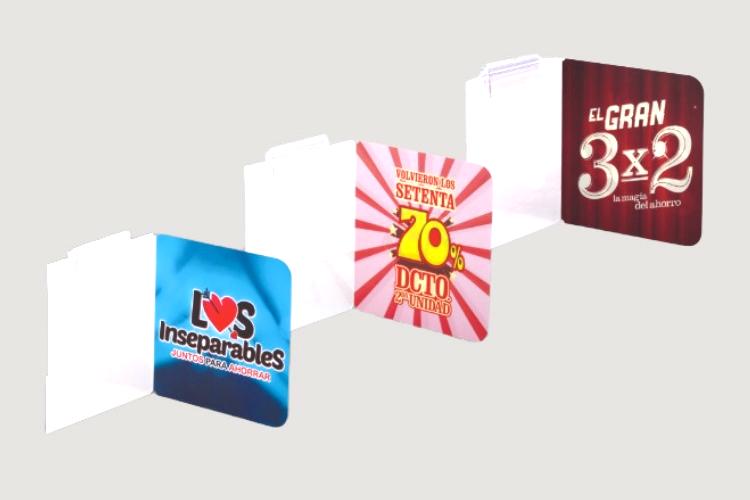
Yes, sign holders and shelf talkers are effective when used correctly. Research consistently shows that shelf-edge signage captures shopper attention, influences purchase decisions, and increases sales—especially for promotional items and new products. However, effectiveness depends on placement, message clarity, and visual design. A poorly placed or cluttered shelf talker can hurt more than help. This article examines the data behind shelf talker effectiveness, what makes them work, and when they deliver the strongest results.
Key Takeaways
- Shelf talkers are effective at capturing attention and influencing purchase decisions at the point of sale.
- According to POPAI research, 82% of shopping decisions are made in-store, making shelf-edge communication critical.
- A well-designed shelf talker can increase sales of promoted items by 20–50% or more.
- Effectiveness depends on placement, simplicity, and visual contrast—not just the presence of a sign.
Do Shelf Talkers Actually Work? The Data Says Yes
Attention and Engagement
Shelf talkers work because they interrupt routine shopping behavior. Shoppers scan shelves quickly, often relying on habit rather than careful reading. A shelf talker breaks that pattern. According to a 2014 POPAI study, 82% of purchase decisions are made in-store. Another study found that 70% of purchasing decisions occur at the point of sale—directly in front of the shelf. These figures show why shelf-edge communication matters.
Eye-tracking research confirms that shelf talkers draw attention. When a shelf talker is present, shoppers spend more time looking at the product and the surrounding shelf area. The sign acts as a visual cue that something is different—a promotion, a new item, or a recommended product. Without it, the product blends into the shelf.
Sales Impact
The sales impact of shelf talkers varies by category, message, and execution. But the overall pattern is clear: well-designed shelf talkers increase sales of the promoted item. Studies on promotional signage show that items with a shelf talker can see sales lift of 20–50% compared to the same item without signage. For new products or impulse items, the lift can be even higher.
A shelf talker that communicates a clear benefit—”New,” “Best Seller,” “Limited Time”—gives the shopper a reason to stop and consider. That moment of consideration is often enough to convert a browser into a buyer.
What Makes Shelf Talkers Effective in Retail?
Placement at the Point of Decision
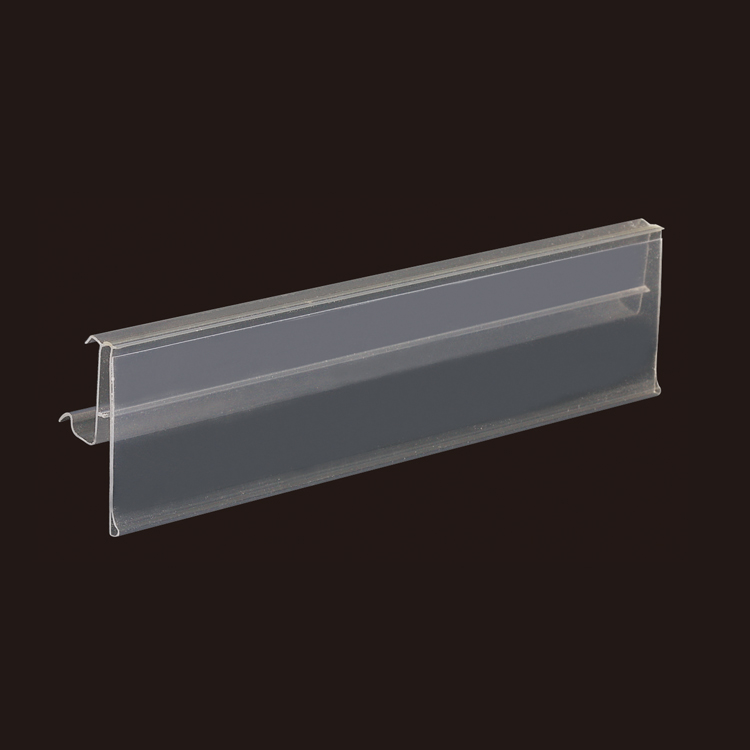
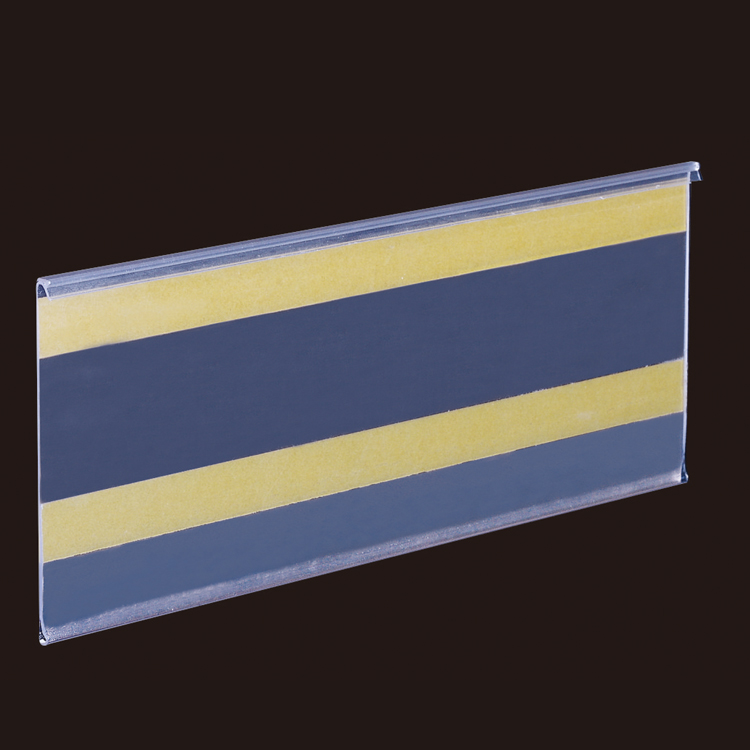
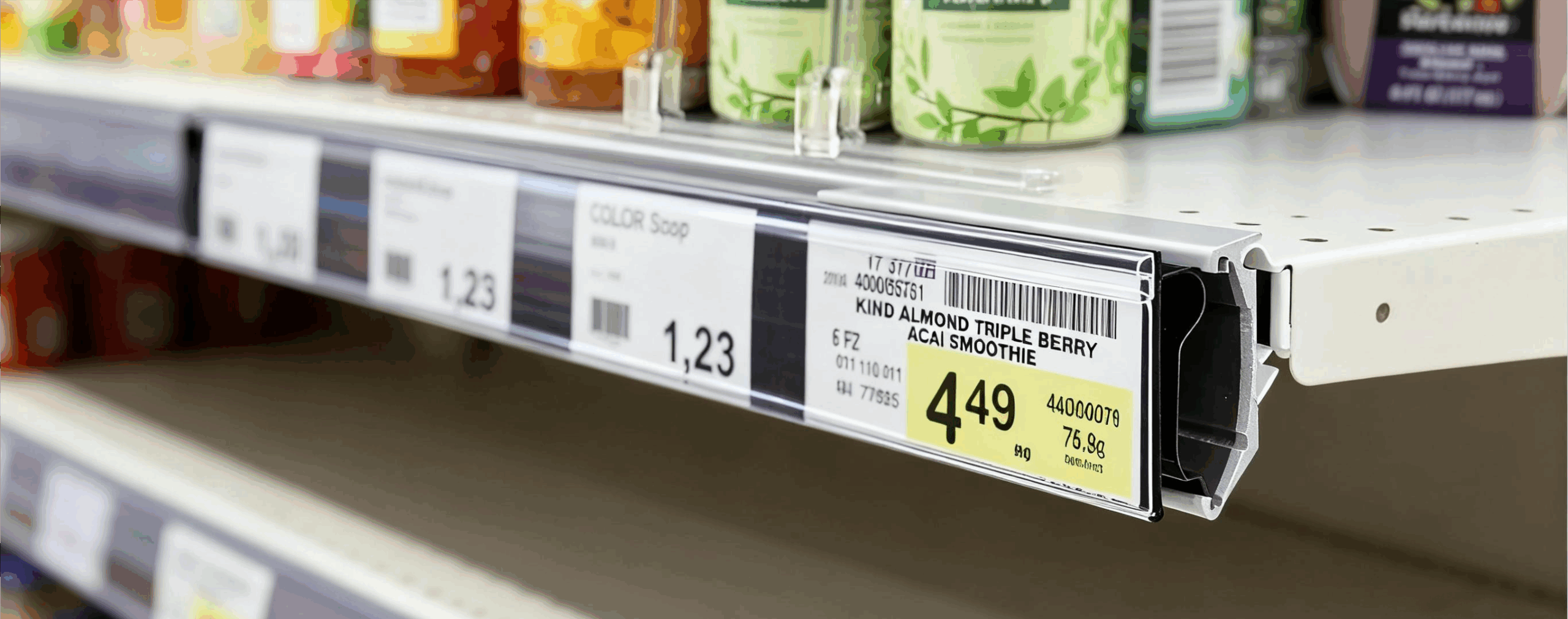
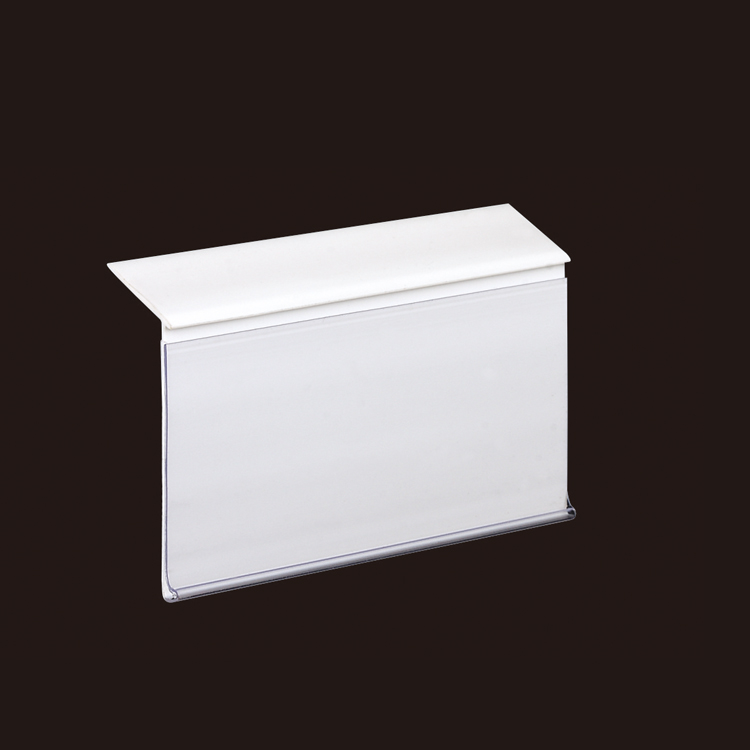
Placement is the single most important factor. A shelf talker must be positioned where the shopper is already looking—at the shelf edge, directly below or beside the product. Placing it too high, too low, or on a different shelf breaks the connection between the sign and the product. The best location is eye level or just below the product, within the natural scanning path. For shelf-edge labeling, data strips provide a stable base that keeps the sign aligned with the product.
Clear and Simple Messaging
Shoppers do not read long messages on shelf talkers. They scan. The most effective shelf talkers use short, bold text and a single message. “Save 20%,” “New Flavor,” “Only $4.99.” A shelf talker that tries to say too much—multiple offers, long descriptions, small print—fails because it cannot be processed in the two or three seconds a shopper gives it. Keep the message simple. If more information is needed, use a larger sign or a different format.
Visual Contrast and Design
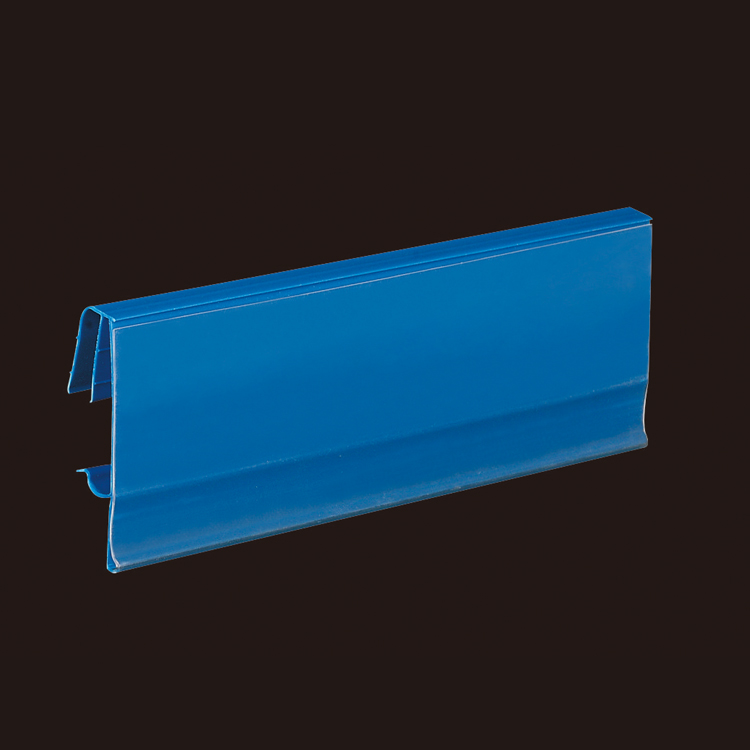
A shelf talker must stand out from the shelf edge. If the shelf edge is white and the talker is white, it disappears. Effective shelf talkers use high-contrast colors, bold fonts, and a clear visual hierarchy. Red and yellow are common because they signal urgency and promotion. But the color should match the message. A “New” sign in soft blue feels different from a “Clearance” sign in red. The design should guide the eye to the product, not compete with it. For temporary cardboard displays, cardboard display parts can hold shelf talkers in place without damaging the display surface.
When Are Shelf Talkers Most Effective?
Promotional and Seasonal Campaigns
Shelf talkers deliver the strongest results during promotions. When a product is on sale, a shelf talker communicates the discount at the exact moment the shopper is comparing prices. Seasonal campaigns—holiday, back-to-school, summer—also benefit because the shelf talker connects the product to a timely need. During these periods, shoppers are actively looking for deals and are more responsive to shelf-edge messaging.
New Product Launches
New products struggle on crowded shelves. Shoppers do not know what the product is, why it is different, or whether it is worth trying. A shelf talker that says “New” or “Try Me” gives the product a chance. It signals that this is not the same old item. For new product launches, shelf talkers are one of the lowest-cost ways to generate trial.
High-Traffic Aisles
Shelf talkers work best in high-traffic areas where many shoppers pass by. End caps, checkout lanes, and main aisles generate more impressions. In low-traffic areas, the return on a shelf talker is lower because fewer people see it. If the budget is limited, prioritize high-traffic locations first.
FAQs About Shelf Talker Effectiveness
Are shelf talkers effective for all product types?
Shelf talkers are most effective for products that benefit from explanation or promotion—new items, sale items, premium products, and impulse purchases. For commodity products with stable pricing and no differentiation, the impact is smaller. The key is whether the shelf talker gives the shopper a reason to act.
How much sales lift can shelf talkers generate?
Sales lift varies widely by category, message, and execution. Reported lifts range from 20% to over 50% for promoted items. The highest lifts occur when the shelf talker is clear, well-placed, and paired with a genuine promotion. Poorly designed or misplaced talkers may produce no lift at all.
Do shelf talkers work in small stores?
Yes. Small stores often benefit more because the shelf talker is a low-cost way to add promotional energy. In a small store, every shopper passes the same shelves, so the talker gets consistent exposure. The key is to avoid clutter—use fewer, better signs rather than covering every shelf edge.