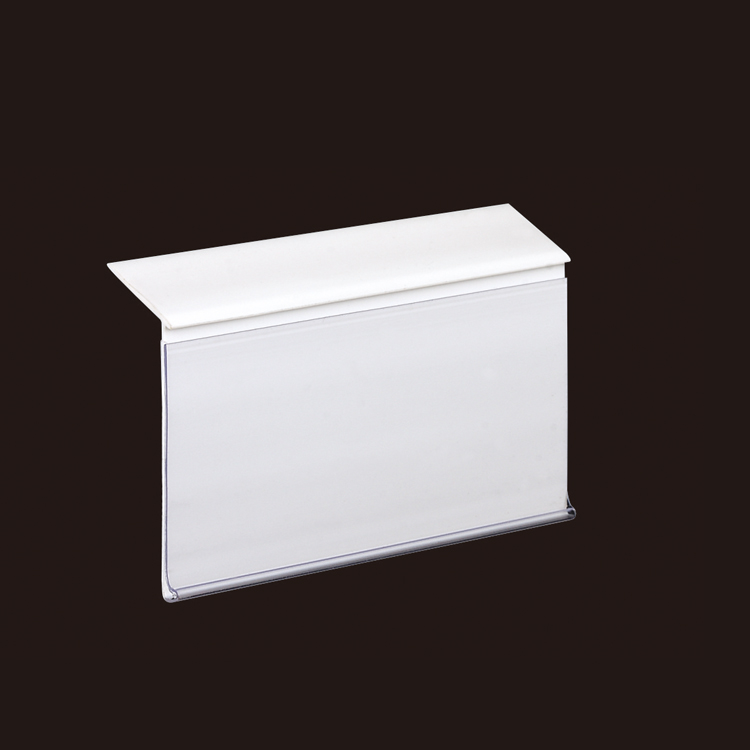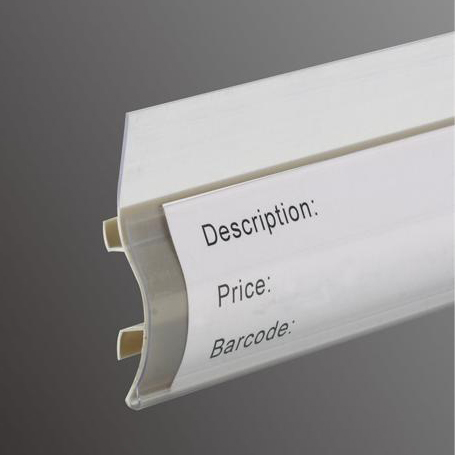

Standard pegboards use hole diameters like 1/8″, 1/4″, and 9/32″, so matching the right size pegs matters. S-size pegs fit 1/4″ holes, while L-size pegs work with 9/32″. IDmate Pegboard Plastic Hooks offer a secure fit for these boards. Choosing proper pegs keeps tools organized and spaces safe.
Key Takeaways
- Pick the correct peg size for your pegboard holes. This helps keep tools safe and neat.
- Think about what the pegboard is made of. Metal boards can hold heavier things. Plastic boards do not get damaged by water and are light.
- Always look at the peg length and how thick the pegboard is. This makes sure things stay steady and safe when you hang them.
Standard Pegboard Hole Sizes
Common Pegboard Types
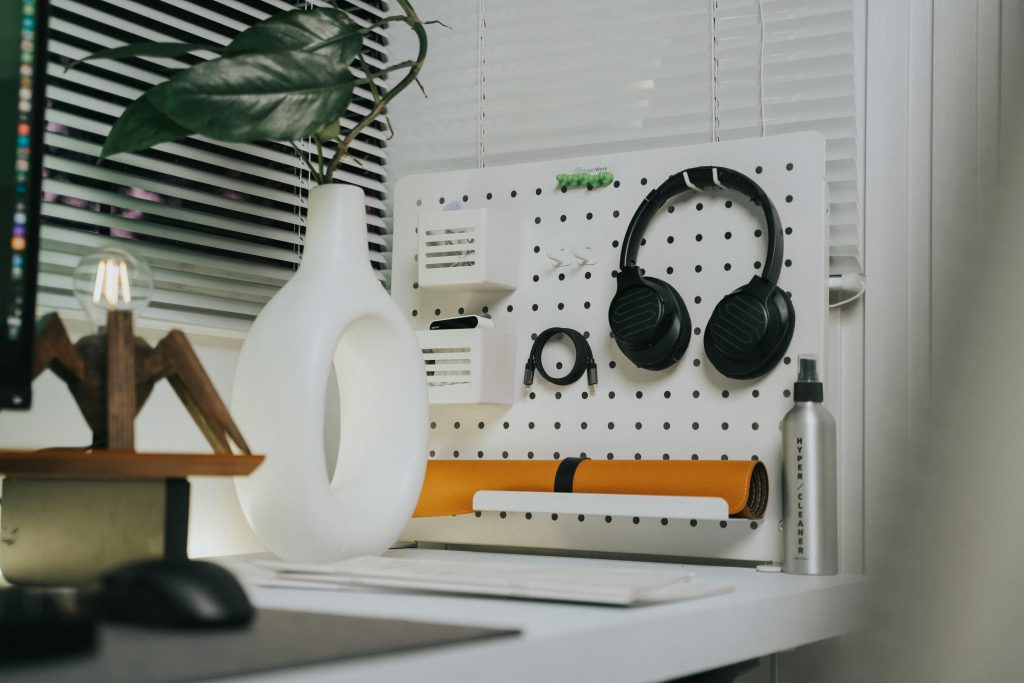
Pegboards are made in different types. Each type has special features. Masonite pegboards are popular and cheap. They are good for light tools and crafts. You need furring strips to install them. Metal pegboards are strong and last a long time. They look nice but cost more and are heavy. Plastic or acrylic pegboards are light and simple to put up. They can hold heavier tools and do not get damaged by water. Stores sell these three types for many uses.
| Type of Pegboard | Pros | Cons |
|---|---|---|
| Masonite | Most common, affordable | Needs furring strips, not for heavy tools |
| Metal | Strong, durable, easy to clean | Expensive, heavy |
| Plastic / Acrylic | Lightweight, versatile, durable | Some dislike plastic appearance |
Manufacturers use materials like high-density fiberboard and hardboard. These materials help keep hole sizes the same. They test how strong and dense the boards are. Machines like CNC punch presses make neat and exact holes. Custom layouts are possible for special jobs.
Typical Hole Diameters
Pegboards have holes in three main sizes: 1/8″, 1/4″, and 9/32″. Most Masonite boards have 1/8-inch or 1/4-inch holes. Metal and plastic boards often use 1/4-inch or 9/32-inch holes. Makers use careful machines and good materials to make holes accurate. This keeps holes the same size for pegs.
- 1/8-inch holes are for small things and light items.
- 1/4-inch holes fit most tools and store displays.
- 9/32-inch holes are for heavier items and big hooks.
Matching Size Pegs to Holes
It is important to pick the right size pegs. Industry rules say which pegs fit each hole size. S-size pegs go in 1/4-inch holes. L-size pegs fit best in 9/32-inch holes. For 1/8-inch holes, 3/16-inch pegs work well. Stores mark pegs so you know which ones to buy.
| Pegboard Hole Size | Recommended Peg Size |
|---|---|
| 1/8″ | 3/16″ |
| 1/4″ | 9/32″ (S-size) |
| 9/32″ | 9/32″ (L-size) |
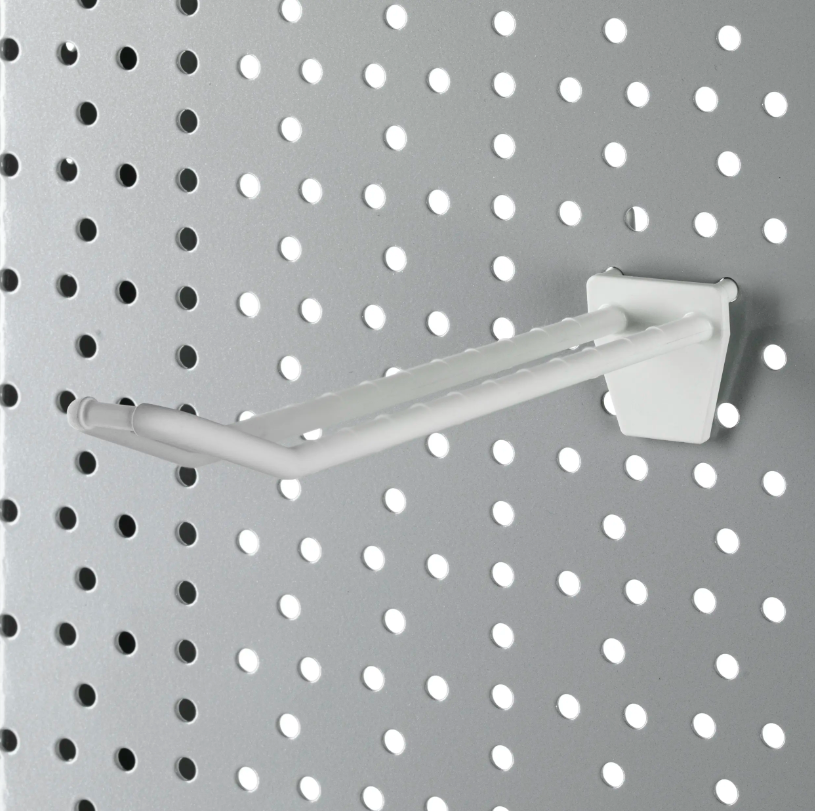
Tip: Always check the peg size before you buy. Pegs like IDmate Pegboard Plastic Hooks fit standard holes and spacing. They are easy to install and stay in place. This helps your display stay neat and safe.
Using the right size pegs stops wobbling and keeps things secure. It also keeps the pegboard from breaking. Many brands, like IDmate, sell pegs and hooks for standard boards. This makes organizing tools, crafts, or store items easy and fast.
Size Pegs Compatibility
Peg Diameter and Fit
Picking the right peg diameter helps items stay on the board. Pegs that fit the holes well will not wobble or fall out. S-size pegs are best for 1/4-inch holes. L-size pegs fit 9/32-inch holes. If a peg is too small, it might slip out or lean. If it is too big, it will not go in the hole. The thickness of the pegboard is important too. Thicker boards can use bigger pegs and hold more weight. Heavy tools should hang near the center of the board. This spreads out the weight and keeps the board steady. One peg can hold a lot if the weight goes straight down. But heavy things that pull forward can make the board bend.
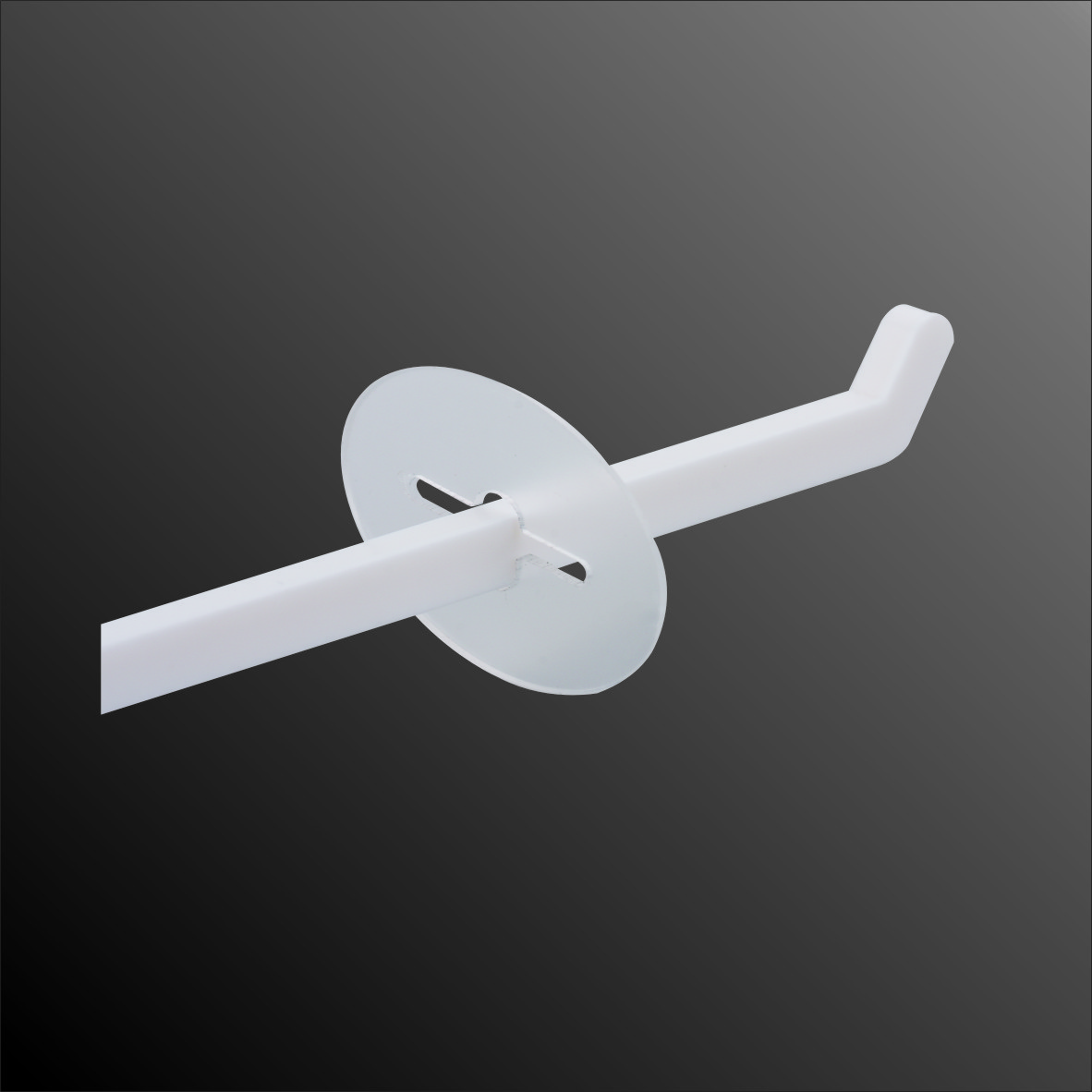
IDmate Pegboard Plastic Hooks are made to fit standard holes and spacing. These hooks have small prongs that lock in place. They stay secure without extra tools. IDmate is a top supplier and maker. They offer wholesale and custom choices for businesses that need strong displays.
Peg Length Options
Peg length changes how much you can hang on each hook. Short pegs are good for small tools or accessories. Long pegs can hold bigger things or more items at once. People should pick the peg length for what they want to store. In stores, longer hooks show off more products. In workshops, short pegs keep tools close and easy to reach. IDmate has plastic hooks in many lengths. Users can pick what works best for them.
Tip: Always check how thick the pegboard is before picking peg length. Longer pegs need thicker boards to stay strong.
Weight and Material Factors
The pegboard and peg material affect how much weight they can hold. Metal pegboards hold the most weight. Plastic and wooden boards hold a medium or high amount. Here is a quick chart:
| Feature | Wooden Pegboards | Metal Pegboards | Plastic Pegboards |
|---|---|---|---|
| Durability | Medium | High | High |
| Weight Capacity | Medium | High | Medium-High |
| Moisture Resistance | Low | Medium | High |
| Ease of Installation | Medium | Low | High |
| Cost | Medium | High | Low-Medium |
| Aesthetic Options | High | Medium | High |
Pegs come in different materials too. Metal pegs can hold 20-30 pounds per square foot if they are steel. Plastic pegs hold about 5-10 pounds per square foot. IDmate Pegboard Plastic Hooks are light, do not rust, and are easy to put in. They do not scratch surfaces and work well in wet or outdoor places. Here is how they compare to metal hooks:
| Feature | IDmate Plastic Hooks | Traditional Metal Hooks |
|---|---|---|
| Compatibility | Fit standard pegboard hole sizes | Fit standard pegboard hole sizes |
| Weight | Lightweight and easy to handle | Heavier and more cumbersome |
| Installation | Easy to install and replace | May require more effort |
| Corrosion Resistance | Non-corrosive, prevents rusting | Prone to rust and corrosion |
| Surface Damage | Won’t scratch or damage surfaces | Can scratch or damage surfaces |
| Ideal Environments | Humid or outdoor displays | Less suitable for humid areas |
When picking size pegs, people should think about what they want to hang, the board type, and where it will be used. IDmate is a trusted supplier. They offer custom solutions for any display need. This helps keep spaces safe, neat, and looking nice.
Choosing Pegs for Your Needs
Tools vs. Accessories
People use pegboards in many places like workshops, stores, and classrooms. Each place needs something different. Workshops need pegs to hold tools and supplies. This helps workers find things fast and keeps work moving. Stores use pegs to make displays look nice. Shoppers can see products easily and workers can change displays quickly. Classrooms use pegboards to teach kids how to organize. Teachers can change the setup for new projects.
| Environment | Requirements |
|---|---|
| Workshop | Organizes tools and supplies to reduce search time and improve workflow efficiency. |
| Retail | Creates attractive product displays that are easy for customers to navigate and reconfigure. |
| Educational | Adapts organization layouts for different classes or projects, teaching organization skills. |
Tip: Pick peg length and style for what you want to hang. Short hooks are good for small things. Long hooks hold bigger tools or more items.
Pegboard Material Considerations
The pegboard material changes which pegs work best. Wood pegboards look nice and are good for light jobs at home. Metal pegboards are strong and hold heavy tools in garages. Plastic pegboards do not get damaged by water and are good for many uses. People should check if the board is strong, how much weight it holds, and if it is easy to put up before choosing pegs.
| Material | Advantages | Disadvantages | Best For |
|---|---|---|---|
| Wood | Aesthetic appeal, customizable, sturdy for light to medium-weight items. | Moisture sensitivity, limited weight capacity, maintenance needed. | Light-duty home organization with style. |
| Metal | Extremely durable, modern look, heat resistant. | Heavy, rust risk, limited customization. | Garages, workshops, heavy-duty storage. |
| Plastic | Lightweight, moisture resistant, versatile, low maintenance. | Limited weight capacity for very heavy tools. | Home organization, crafting, versatile needs. |
- Strong boards last longer.
- Weight limit tells you what you can hang.
- Easy setup makes installing simple.
Customization and Safety
Plastic hooks like IDmate have many good points. They do not rust or corrode, so they are great for wet places. These hooks are light and come in many colors and shapes. People can change displays to match brands or items. The smooth hooks do not scratch and help stop accidents. Metal hooks are heavier and can rust, so plastic hooks are safer for most jobs.
| Feature | Plastic Hooks (IDmate) | Metal Hooks |
|---|---|---|
| Rust Resistance | Yes | No |
| Weight | Lightweight | Heavier |
| Customization Options | Various colors/designs | Limited options |
| Suitability for Wet Environments | Yes | No |
| Corrosion | No | Yes |
Note: IDmate gives free samples for testing. People can try them to see if they fit and are strong before buying a lot.
Picking the right pegs helps keep pegboards safe and neat. People need to check the hole size and board material first. IDmate Pegboard Plastic Hooks fit well and are simple to use. Some people make mistakes by using U-Hooks for game controllers or wrong hooks for headsets. Trying out pegs before using them can stop these problems.
FAQ
What size peg fits a 1/4-inch pegboard hole?
A 1/4-inch pegboard hole works best with S-size pegs or hooks. IDmate Pegboard Plastic Hooks fit these holes and stay secure.
Can plastic hooks hold heavy tools?
Plastic hooks like IDmate’s can hold light to medium-weight items. For heavy tools, metal hooks or thicker boards give better support.
How do you know if a peg will fit your pegboard?
Check the peg diameter and compare it to the hole size. Most packages list the right size. Testing a sample peg helps avoid mistakes.