Are you looking for labels that won’t damage your wood? Many people use removable adhesive labels, washi tape, clip-on labels, and Command residue-free tape. Certain brands of labels help protect wood surfaces. For example:
- Avery Surface Safe Labels are strong, easy to remove, and leave no residue.
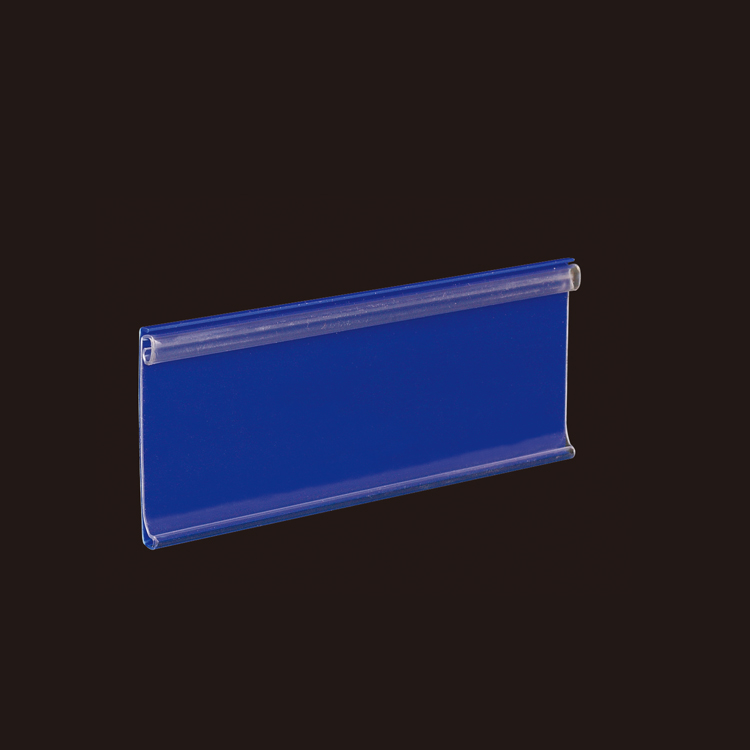
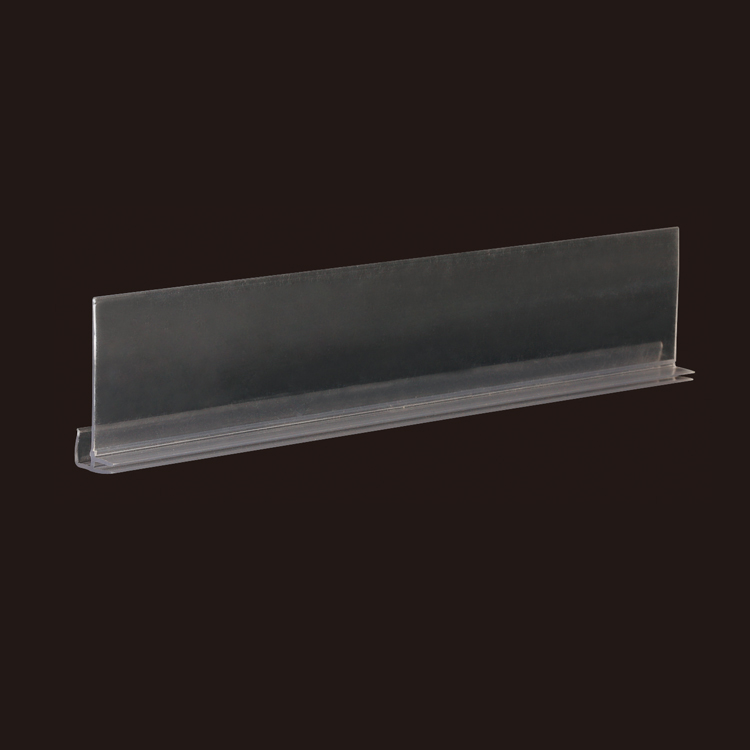
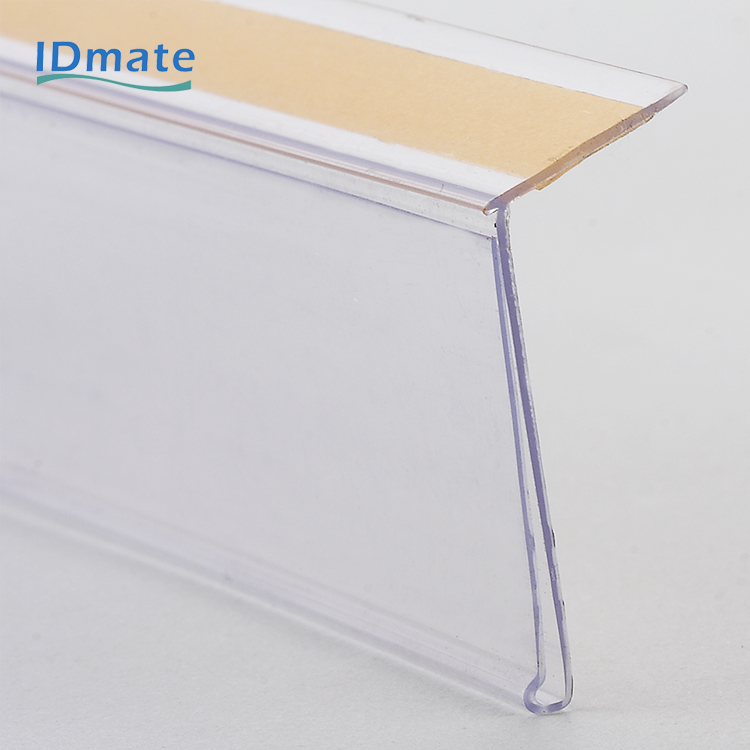
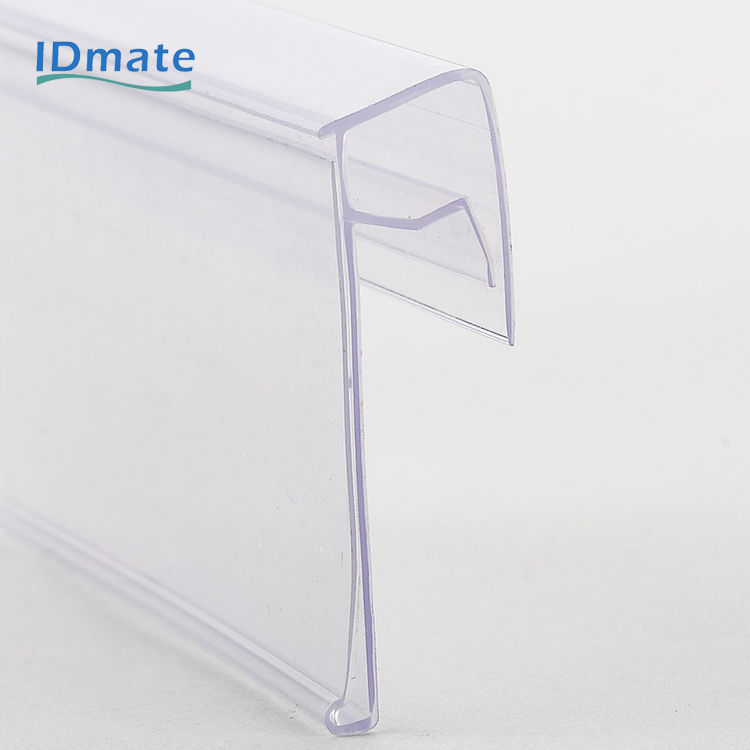
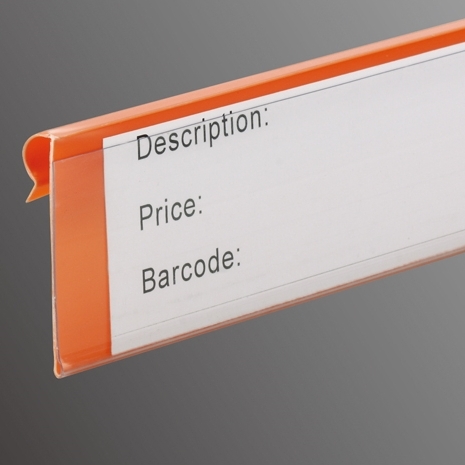
- IDmate Data Strips clip onto fixtures without touching the wood, ensuring the label won’t damage the surface.
- Museum Wax secures labels and is easy to remove.
Choosing the right label is crucial. It helps maintain the beauty of your wood. For different types of wood, you can try using adhesive and non-adhesive labels.
Key Takeaways
- Choose removable adhesive labels, such as Avery Surface Safe Labels. These labels help protect wood from damage.
- Use clip-on labels, such as IDmate Data Strips. They don’t use glue and protect the wood.
- Use temporary labels for short periods, such as washi tape. They are easy to remove and leave no residue.
- Always test the label on a small, inconspicuous area first. This helps ensure the labels don’t leave sticky residue or damage the wood.
- Read the label and follow the manufacturer’s instructions. This helps you apply and remove the labels safely.
Labels Won’t Damage Wood
Removable Adhesive Options
Many people want labels that won’t damage their wood. Removable adhesive labels are ideal. Avery removable labels, Avery Surface Safe Sign Labels, and Avery UltraDuty labels adhere firmly to wood and leave no residue when removed. Museum wax also adheres labels firmly and won’t damage the wood when removed. If you want to protect your wood, removable label tape is also a good option.
Tip: Test the label on an inconspicuous area first. This allows you to check if the label will leave any residue.
The following table briefly illustrates the differences between removable and permanent adhesives:
| Feature | Removable Adhesive | Permanent Adhesive |
|---|---|---|
| Adhesive Strength | Makes a weak bond and is easy to remove | Makes a strong bond and lasts a long time |
| Residue on Removal | Comes off clean with no sticky mess | Can leave sticky stuff or damage the wood |
| Use Cases | Good for when you want to keep wood nice | Good for jobs that need a strong hold |
Removable adhesives help keep wood safe. They do not leave sticky stuff or hurt the wood when you pull them off.
Non-Adhesive Solutions
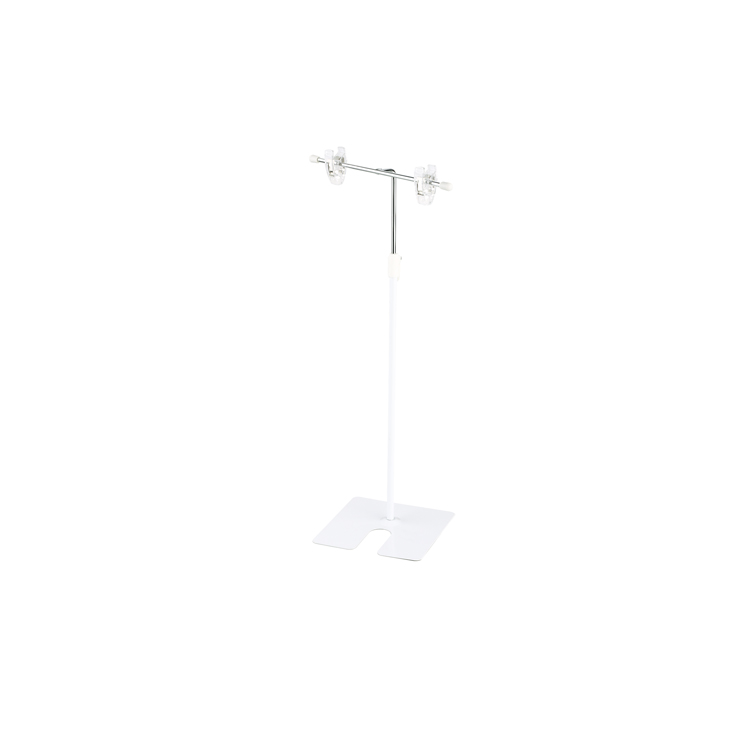
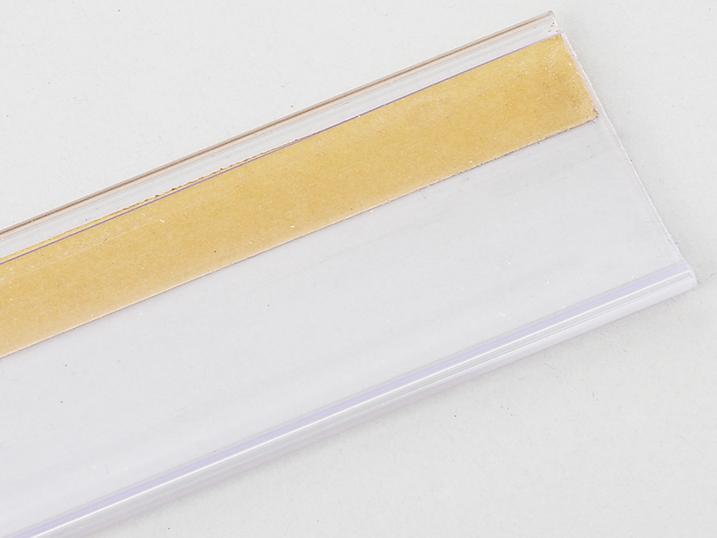
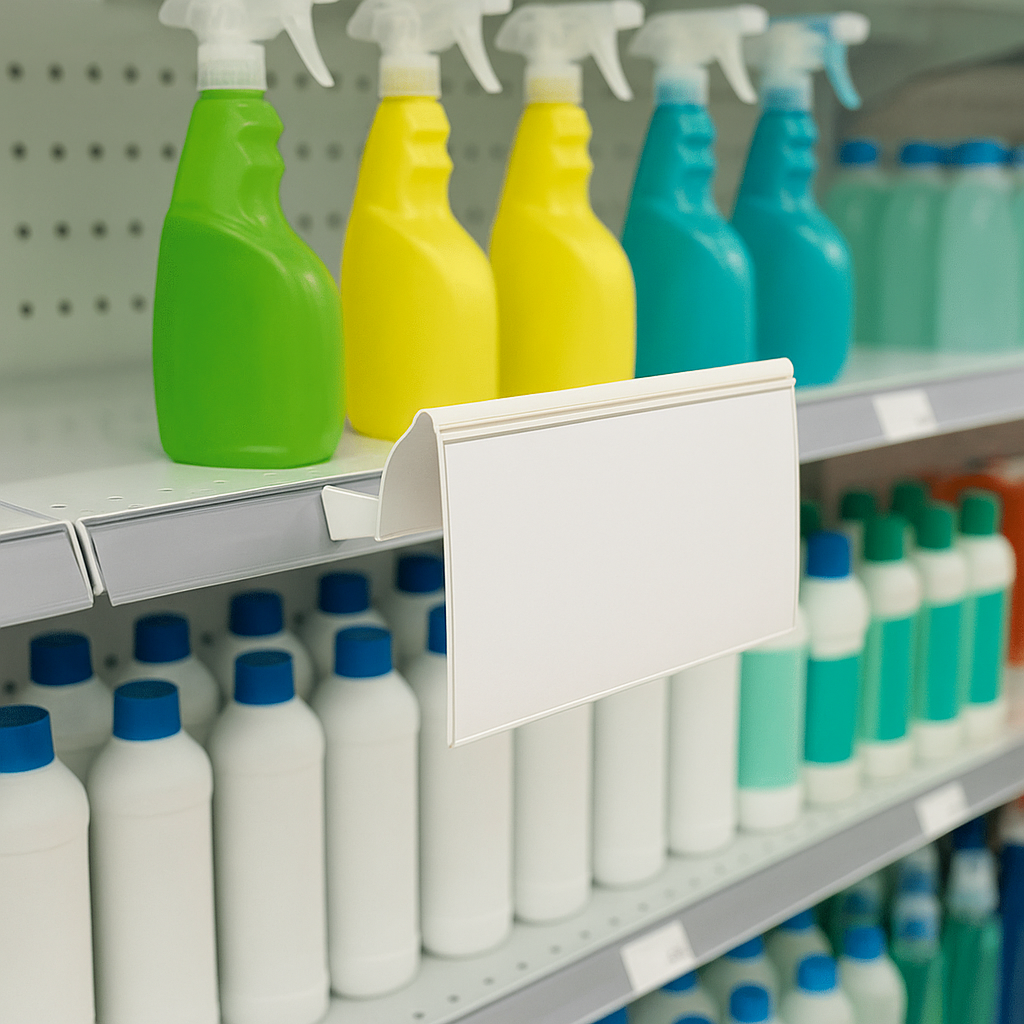
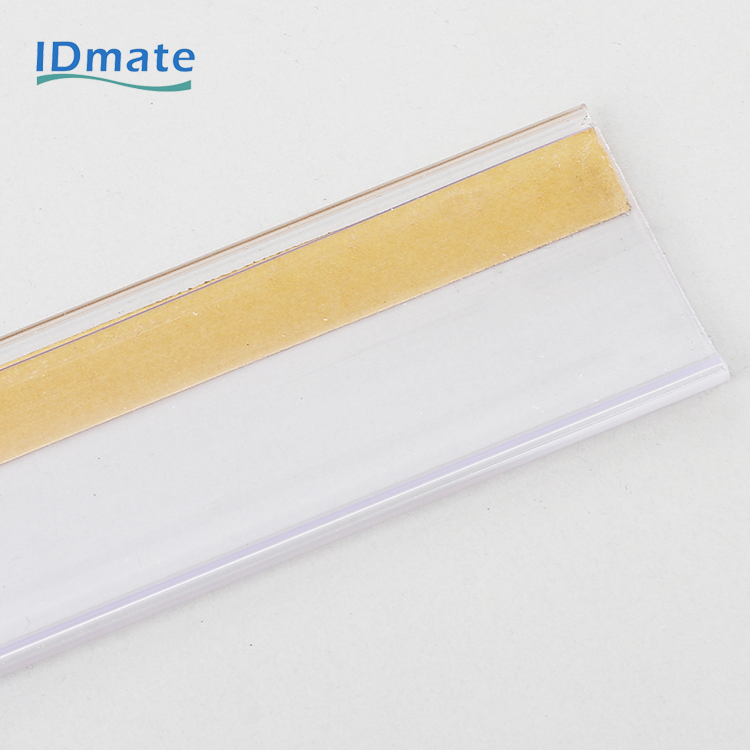
Some people prefer labels that don’t touch the wood. Clip-on labels like IDmate data strips are a smart choice for labeling shelves. These label strips clip onto the edge of the shelf without glue. They protect the wood and allow you to quickly change labels.
The following table illustrates the differences between clip-on labels and self-adhesive labels:
| Feature | Clip-on Solutions (IDmate Data Strips) | Adhesive Labels |
|---|---|---|
| Adhesive | No | Yes |
| Leaves Residue | No | Yes |
| Surface Protection | Very good for wood and glass | Can make wood weaker |
IDmate Data Strips come in a variety of styles. They fit shelves of all sizes and keep wood looking new. You can easily slide the labels in or out of the data strip.
Temporary Label Choices
Temporary labels are suitable for short-term use. Washi tape is a popular choice. It has a light stickiness and leaves no residue after removal. People use washi tape for crafting and organizing items because it comes in a variety of colors and patterns.
Some people use Command Residue Removal Strips to attach larger labels. These strips secure signs or labels and leave no residue after removal. Museum wax is also suitable for short-term labels. It secures labels and is easy to remove.
Note: Temporary labels help protect wood. Temporary labels are the best option when you need to change labels frequently.
There are many ways to label wood without damaging it. Removable adhesives, clip-on labels, and temporary labels all protect the wood. Each method keeps the wood looking its best and makes labeling easy.
Why Safe Labels Matter
Adhesive Properties
The adhesive on labels is crucial for wood. Some adhesives are extremely sticky and difficult to remove. Labels that won’t damage wood use special adhesives. These adhesives firmly hold the label in place, yet can be easily removed when needed. The table below lists two safe adhesives and why they are suitable for wood:
| Adhesive Type | Properties | Benefits for Wood |
|---|---|---|
| Dextrin | Starch-based, dries fast, easy to clean | Bonds well to wood, removes easily, low cost |
| PVA | Flexible, non-toxic, rubbery | Stops discoloration, safe for many surfaces, good for wood |
These glues help wood look nice. They do not soak in or leave stains.
Removal Without Residue
No one wants sticky stuff left on wood. Removable glues in labels will not hurt the surface. They peel off clean and do not leave glue behind. Here are some reasons people pick these labels:
- Removable glues, like in Secure-ID labels, do not leave sticky stuff on wood.
- They work on many surfaces, including wood, and keep things tidy.
- Be careful with painted or varnished wood, because even safe glues can sometimes lift the finish.
Washi tape is also a good pick. It comes off easy and does not leave marks. People use it for crafts and quick labeling.
Surface Protection
Safe labeling products can protect wood from damage. They help maintain the wood’s finish and color. Some products, such as deck paint remover and wood brightener, can remove stains and make wood look brand new. Others, such as Valspar’s wood pre-treatment, can maintain the strength of the wood surface, making it suitable for repainting.
Using the right labels can reduce damage to wood. They won’t leave scratches, stains, or paint peeling. Choosing the right labels helps wood maintain its beauty for a long time.
Applying And Removing Labels
Preparing Wood Surfaces
People often forget that some treatment is needed before labeling wood. Dust and dirt can cause labels to not adhere well or leave marks. The following table briefly explains how to prepare the wood:
| Step | Description |
|---|---|
| 1 | Clean the surface with a vacuum or damp cloth to remove dust and contaminants. |
| 2 | Sand the wood gently in the direction of the grain to avoid scratches. |
| 3 | Use wood conditioners on end grains for even stain absorption. |
| 4 | Make sure wood and products are at room temperature before starting. |
He should also remove grease or sticky spots. Some people use a mild cleaner or just water. This helps the label stick well and come off clean.
Application Tips
She wants to ensure the label is applied smoothly. Try these tips:
- First, test the label in an inconspicuous area to see if it leaves any marks.
- Press the label gently; do not rub it.
- For clip-on labels, such as IDmate data strips, slide the label in and check for a tight fit.
- If using washi tape, apply it gently, avoiding stretching.
Tip: Always follow the instructions from the label manufacturer.
Removal Steps
They need to remove labels without hurting the wood. Here’s how:
- Peel the label slowly from one corner.
- If the label resists, use a plastic scraper or your fingernail.
- For clip-on holders, slide the tag out and unclip the strip.
- Avoid sharp tools that can scratch the surface.
Cleaning After Removal
After removing a label, the wood may need a gentle touch. Try these methods:
- Use olive oil or white vinegar to clean sticky spots.
- Avoid soaking or scrubbing hard. This keeps the wood from warping.
- Finish with a wood polish to restore shine.
Note: Gentle cleaning helps wood stay beautiful and ready for new labels.
Recommended Products
Comparison Table
Choosing the best label for your wood can be difficult. Some labels work better on specific types of wood. Please see the table below to see which brands of labels are suitable for painted, untreated, or finished wood:
| Product Name | Best For | Features |
|---|---|---|
| Avery Surface Safe Labels | Painted, finished wood | Removes clean, protects finish |
| IDmate Data Strips | All wood types | Clip-on, no adhesive, customizable |
| Museum Wax | Untreated, finished wood | Temporary hold, easy removal |
| Ultra-durable thermal-transfer labels | Finished wood | Strong, resists fading |
| Benjamin Moore Aura | Painted, untreated wood | Durable, keeps color bright |
| Sherwin Williams Emerald | All wood conditions | High performance, easy to use |
| Valspar Duramax | Sun-exposed wood | Fights fading, lasts long |
Quick Reference List
They offer a wide selection of premium labels for wood:
- Avery removable labels are suitable for painted or finished wood.
- IDmate data strips are suitable for various fixtures or furniture and are available in a variety of sizes and colors.
- Museum wax is ideal for temporary labeling on untreated or painted wood.
- Ultra-durable heat transfer labels are robust and durable for various harsh environments.
- Benjamin Moore Aura and Sherwin Williams Emerald are suitable for painted or untreated wood.
Tip: IDmate Data Strips come in different sizes, shapes, and colors. They fit special shelves and match furniture. Some strips are clear and some are bright colors.
Common Labeling Mistakes
Permanent Adhesives
Many people think any sticker or tape will work on wood. This is not true. Permanent adhesives and masking tape can cause real problems. Over time, sticky residue from these products can become hard and brittle. This makes it very tough to remove. Sometimes, the glue shrinks and pulls on the wood or paper, which can lead to cracks or even breaks. Here are some problems that can happen:
- Sticky residue becomes hard and damages the surface.
- Tape can shrink and pull, causing cracks or tears.
- Removing old tape often leaves stains or rough spots.
Tip: Always choose a removable label or a non-adhesive option for wood. This keeps the surface safe and clean.
Unfinished Wood Issues
Unfinished wood is more delicate than finished wood. It can soak up glue and moisture from a label. This can leave dark spots or stains that are hard to fix. People sometimes use regular tape or stickers on raw wood, but this can ruin the look. The best way to protect unfinished wood is to use clip-on labels or other non-sticky solutions.
- Unfinished wood absorbs glue quickly.
- Stains and marks can appear after removing a label.
- Non-adhesive options work best for raw wood.
Ignoring Instructions
Some people skip the instructions when they use a label. This can lead to big problems. When users ignore safety labels or directions, they might get exposed to harmful chemicals. This can cause health issues, like headaches or even long-term brain problems. Not following the rules can also make the label fall off or damage the wood.
Note: Always read and follow the manufacturer’s instructions. This helps keep both the wood and the people using the labels safe.
Picking the right label helps wood look nice. He can use removable adhesive labels, washi tape, clip-on labels like IDmate Data Strips, or Museum Wax. These choices keep wood safe and make taking off labels simple.
- Try a label on a tiny area first.
- Always read the instructions from the maker.
- Do not use permanent adhesives or masking tape.
Safe labeling means making good choices. She keeps wood safe by picking products that come off easily and protect the surface.
FAQ
What labels can be used on unfinished wood?
Clip-on labels, such as IDmate data strips or washi tape, can be used. These labels will not seep into the wood or leave stains. Non-adhesive labels work best for raw wood.
How to remove sticky residue from wood?
You can gently wipe the wood with a soft cloth dampened with a small amount of olive oil or white vinegar until the sticky residue disappears. Avoid using strong cleaners, as they may damage the wood.
Will washi tape damage the wood surface?
Washi tape has a light stickiness and leaves little to no residue after removal. It is recommended to test it on a small area first to ensure it will not damage the wood.
Are there labels for painted or varnished wood?
Yes! Avery Surface Safe Labels and IDmate data strips are suitable for painted or varnished wood. These products protect the wood surface and are easy to remove.