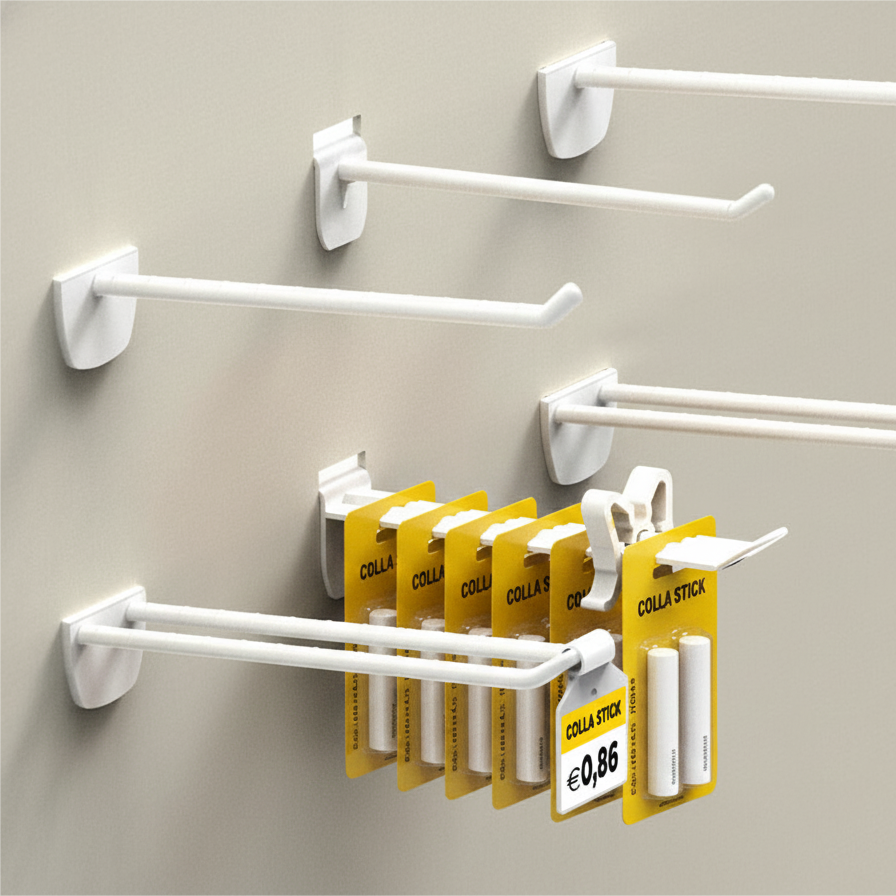
Standard pegboard hooks are typically 1/8 inch or 1/4 inch in diameter. Some hooks are also available in other sizes. Always ensure the hook size matches the pegboard hole diameter to guarantee tool safety and stability. If the hole is too large or too small, tools may fall out. An ill-fitting hook may also bend.
Key Takeaways
- Standard pegboard hooks are typically 1/8 inch or 1/4 inch thick. Choose the appropriate size so the hook fits snugly into the pegboard hole for safety.
- Metal hooks are sturdy and durable, suitable for storing heavy tools. Plastic hooks are lighter and can be used in wet environments. Choose the appropriate type based on your storage needs.
- Hooks should fit snugly into the pegboard hole to help prevent accidents. Always check that the hook and hole match to ensure tool safety.
- Plan your pegboard layout carefully. Place heavy tools near the edges and lighter items in the center. This helps maintain pegboard stability.
- Use a secure method to secure the hooks, such as hot glue or screws. This prevents the hooks from shifting, avoids tools falling, and ensures safety in the work area.
Pegboard Hooks: Standard Diameters
Common Sizes
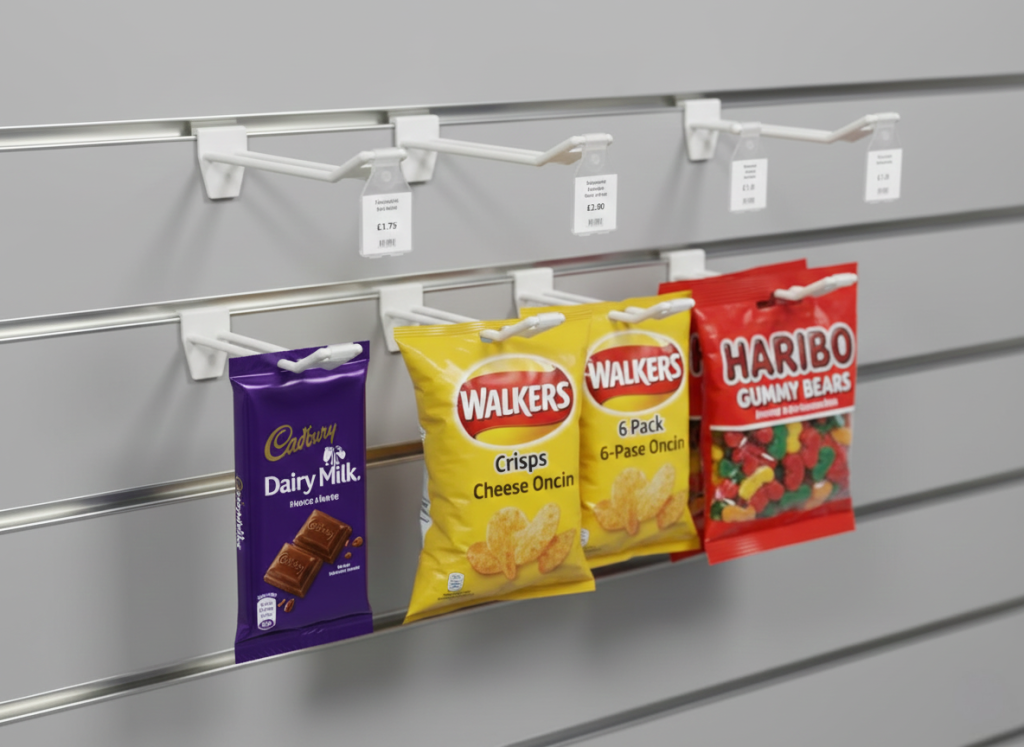
Pegboard hooks come in several main sizes. The most common are 1/8 inch and 1/4 inch. These sizes fit most pegboards you see in homes, schools, or shops. Many pegboards have a 1-inch hole spacing, which matches common pegboard sizes. Some hooks are available in other sizes, but most accessories use these two main sizes.
When choosing pegboard hooks, people usually select based on the size of the holes in the pegboard. Smaller hooks are suitable for hanging light items, while larger hooks are used for hanging heavy tools and accessories. Metal pegboards typically use 1/4-inch hole diameters. This size of hook provides sturdy support and is compatible with a wide variety of hooks.
Why Standards Matter
Standard pegboard hook sizes are beneficial to both users and manufacturers. They allow users to easily find hooks that fit different pegboards. When the hook matches the hole diameter, users can install it quickly and safely. Standard sizes also prevent hooks from falling off or bending.
Tip: Using standard pegboard hooks keeps tools safe and stops accidents.
Manufacturers produce pegboard hooks according to industry standards. This allows people to purchase accessories from various brands and be confident that they will fit perfectly. Project Source’s steel pegboards use 1/4-inch hole diameters with 1-inch hole spacing. This design allows most hooks to be installed easily. Users report that hooks designed specifically for metal pegboards are very secure and won’t fall off even when tools are removed.
Standard pegboard hooks give users peace of mind. They know their tools will be stored neatly and safely. The right size and fit make tool storage easy and reliable.
Pegboard Hook Compatibility
Hole Size and Fit
Hooks must match the hole diameter. This ensures tool safety and prevents accidents. Most pegboard holes are 1/8 inch or 1/4 inch in diameter. These sizes fit most pegboard hooks. The table below shows which hooks fit which holes:
| Hole Diameter | Hook Size | Usage Description |
|---|---|---|
| 1/8 inch | 1/8 inch | For small, delicate objects; not suitable for heavy tools. |
| 1/4 inch | 1/4 inch | For heavy-duty use; designed to hold heavier tools. |
Properly chosen hooks make pegboards more secure and able to support greater weight. Many factors affect the load-bearing capacity of a pegboard:
- Pegboard holes are typically 1/4 inch wide, matching standard-sized hooks.
- The fit between the hook and the hole is crucial for safety.
- Material, thickness, hole diameter, and spacing all affect load-bearing capacity.
- The type of hook is also important.
People should check the hole diameter and pegboard type before choosing hooks. A tight fit prevents hooks from slipping or bending.
Tip: Always match the hook diameter to the pegboard hole for the best results.
Material Differences
The material of pegboard hooks changes how strong they are. Metal hooks are strong and hold heavy tools. Plastic hooks are lighter and cost less. The table compares plastic and metal hooks:
| Type of Hook | Durability | Load Capacity |
|---|---|---|
| Plastic | Lower durability, lighter, affordable | 20-30 pounds per square foot |
| Metal | Superior strength, suitable for heavy loads | 50-100 pounds per square foot |
The placement of pegboard hooks is also important. Plastic hooks won’t rust and are moisture-proof, making them ideal for places like garages, bathrooms, and kitchens. Metal hooks are prone to rusting in damp environments. Plastic pegboards are typically made of high-density polyethylene (HDPE) or polystyrene (ABS), which are moisture- and mildew-resistant. People find plastic hooks easy to install and move, while metal hooks are heavier and more difficult to adjust.
Plastic pegboards are well-suited to damp environments, as they won’t rust or grow mold, making them an ideal choice for storing items in places like bathrooms and kitchens.
Types of Pegboard Hooks
Plastic vs. Metal Hooks
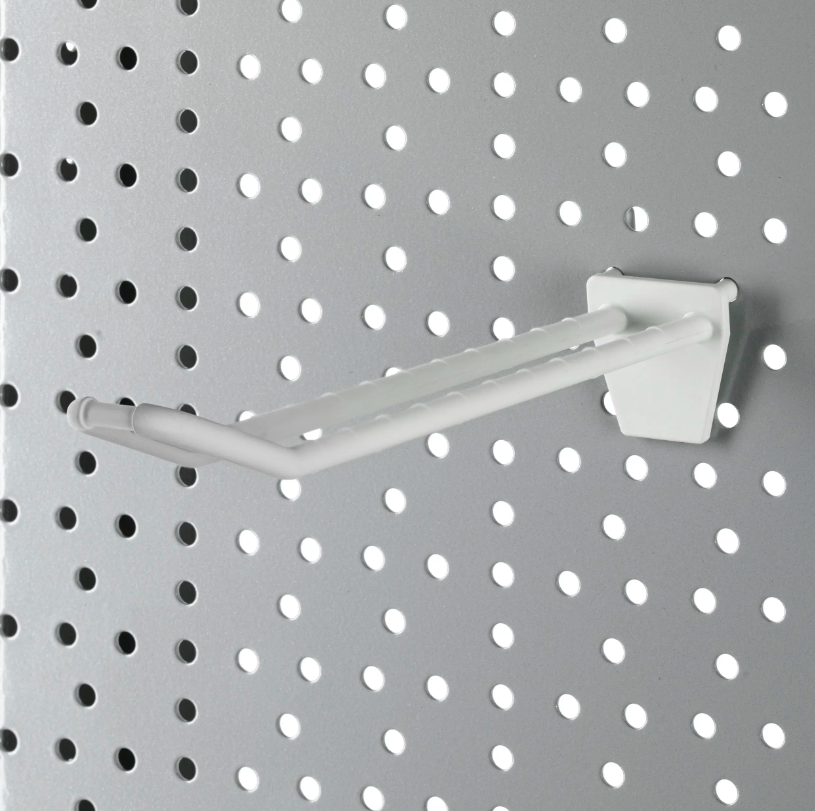
Hooks come in two materials: plastic and metal. Each material has its advantages, making storage and organization convenient. Metal hooks are sturdy and durable, capable of supporting heavy loads. Due to their strong load-bearing capacity, they are often used in garages and workshops. However, metal hooks are prone to rusting in humid environments.
Plastic hooks, such as IDMATE plastic display hooks, also have many advantages. They are lightweight and portable, easy to install and move. They are also rust-resistant, making them ideal for bathrooms and kitchens. IDMATE plastic display hooks have smooth edges, ensuring the safety of people and items.
The table below lists the main features of IDMATE plastic display hooks:
| Feature | Description |
|---|---|
| Lightweight | Easy to handle and install |
| Rust Resistance | Suitable for damp environments without damage |
| Compatibility | Works with pegboards, slotted boards, grid walls, and corrugated displays |
| Safety | Smooth edges ensure safety for people and merchandise |
| Versatile Use | Ideal for supermarkets, trade shows, and pop-up stores |
Plastic hooks cost less than metal hooks. This makes them a smart choice for big displays or setups that do not last long.
Specialty Hooks
Specialized hooks help people organize specific items on pegboards. These hooks come in various shapes and sizes and have a wide range of uses. Single hooks are the most common and suitable for homes and shops. Double hooks can hang larger items. Multi-hook hooks can hold multiple tools simultaneously.
Some specialized hooks have special shapes. For example, J-shaped hooks (such as the Colorstorm J-shaped pegboard hook) can securely hang items and fit snugly into 1/4-inch holes. Curved rope hooks (such as the Dorman Hardware 4-9835) feature a double hook design with a deeper curve and can hang tools such as shovels. L-shaped hooks (such as the Dorman Hardware 4-9808) are longer and suitable for hanging larger items.
Shop and home users also use other accessories such as wrench holders, hanging rods, universal clips, and socket racks. These accessories help keep tools neat and organized and easy to find. Specialized hooks complete the pegboard system by solving storage problems.
Choosing Pegboard Hooks for Your Needs
Tool Weight and Storage
Choosing the right pegboard hooks begins with understanding the weight and size of the items to be stored. Before adding heavy tools, check the pegboard’s weight-bearing capacity. The pegboard’s material, thickness, and aperture all affect its load-bearing capacity. Sturdy pegboards made of particleboard or medium-density fiberboard (MDF), at least 3/8 inch (approximately 1 cm) thick, offer greater load-bearing capacity.
- Tool Weight and Pegboard Weight-Bearing Capacity
- Frequency of Use and Access Needs
- Tool Size and Available Space
- Precision Tool Protection Requirements
- Future Storage Plans
Distributing weight evenly across the pegboard is crucial. This prevents sagging and maintains stability. A 1/8 inch (approximately 3 cm) thick pegboard is less strong than a 1/4 inch (approximately 6 cm) thick pegboard. Tests have shown that a single hook can withstand up to 170 pounds (approximately 77 kg) when a vertical downward force is applied. The manufacturer recommends that a 24-inch x 17 1/2-inch (approximately 61 cm x 44 cm) hanging board has a load-bearing capacity of approximately 100 pounds (approximately 45 kg). Users should avoid placing all heavy objects in the same location.
Tip: Plan your pegboard layout to keep heavy tools near the edges and lighter items in the center.
Secure Installation
Proper installation keeps hooks secure and prevents accidents. People can use several methods to make sure hooks stay in place during regular use. The table below shows common installation methods:
| Method | Description |
|---|---|
| Hot Glue | Apply a small amount to the end of the hook before inserting it. |
| Screws | Secure the hook to the pegboard with screws that reach a wall post. |
| Cable Ties | Thread through the pegboard hole and pull tight for temporary installations. |
| Rubber Bands | Wrap around the hook and pegboard to increase friction and stability. |
| Plastic Clips | Use clip-on plastic clips for securing hooks with enough space between them. |
Pegboard design also affects how well hooks stay in place. Round-hole pegboards allow hooks to rotate and slip. Slotted pegboards lock hooks in place and prevent accidental dislodging. People should choose the right pegboard and installation method for their needs.
Note: Secure installation helps prevent tools from falling and keeps the workspace safe.
Pegboard hook diameters are important for keeping tools neat. The table below shows how hole size changes what hooks you can use and what they hold:
| Hole Size | Compatibility with Hooks | Recommended Use |
|---|---|---|
| 1/8-inch | Standard hooks | Light-duty tools |
| 1/4-inch | Heavy-duty hooks | Heavy-duty tools, better load capacity |
Here are some tips for picking hooks:
- Choose plastic hooks if the area is damp or wet.
- Make sure hooks fit tightly and can hold your items.
- Try new hooks like IDMATE Plastic Display Hooks for more ways to use them.
Pegboard systems have lots of options. You can use regular sizes or try new styles to fit what you need.
FAQ
What are the most common pegboard hook diameters?
Most pegboard hooks measure 1/8 inch or 1/4 inch in diameter. These sizes fit standard pegboard holes found in homes, schools, and stores.
How do you choose the right hook for your pegboard?
People check the pegboard hole size and match it with the hook diameter. A tight fit keeps tools secure and prevents hooks from falling out.
Are plastic hooks as strong as metal hooks?
Plastic hooks work well for light and medium items. Metal hooks support heavier tools. Both types offer durability, but metal hooks hold more weight.
Can IDMATE Plastic Display Hooks fit different display systems?
IDMATE Plastic Display Hooks fit pegboards, slatwalls, gridwalls, and corrugated displays. Their versatile design helps users organize products in many retail environments.
How can you keep pegboard hooks from slipping?
Users secure hooks with hot glue, screws, cable ties, or plastic clips. These methods help keep hooks stable and prevent accidents.