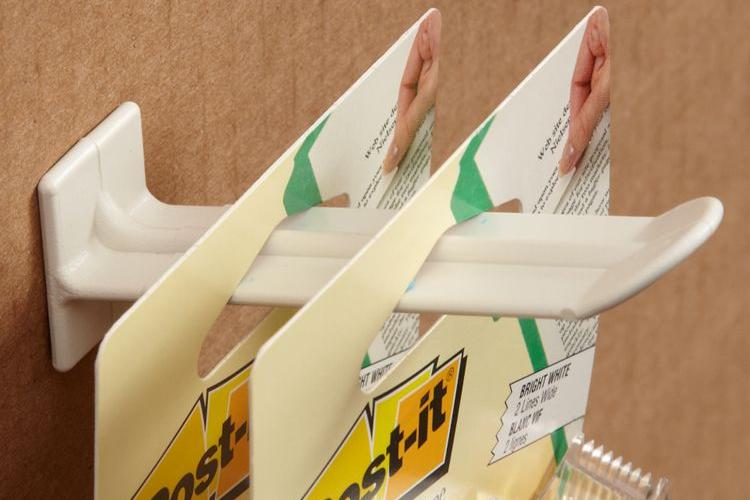
There are several ways to reinforce shelving. These include using wall brackets, center supports, thickening the shelving, installing metal rods, and securing the shelving to wall posts. Many stores also use display hooks like IDMATE to enhance shelving stability. Before adding additional support, always check the type and load-bearing capacity of the shelving.
Key Takeaways
- Use wall brackets for strong support. They prevent the shelving from bending. If secured to wall posts, they can withstand significant weight.
- Check the shelving’s load-bearing capacity. Always distribute items evenly. Add more support if needed.
- Inspect the shelving regularly for problems. Look for bends, cracks, or loose parts to ensure the shelving is secure and stable.
Assessing Shelf Stability and Strength
Signs of Weak Shelves
People often find that when a bookshelf starts to sag in the middle or bends under the weight of items, it means it’s not sturdy enough. Sometimes, the bookshelf will feel loose or wobbly to the touch. Cracks or tears along the edges may also indicate that the bookshelf needs more support. If items slide towards the center or the bookshelf tilts, these are clear signs that the bookshelf cannot support its current weight.
Causes of Sagging or Instability
Several things can make shelves sag or become unstable:
- Large shelves must support their own weight and the weight of stored items. Over time, this can cause the shelf to sag.
- Adjustable shelves tend to sag more than fixed ones because of their design and the materials used.
- The type of material matters. Plywood, poplar, and pine work better for strength than melamine-laminated composite or MDF.
- If people put more than 35 pounds per foot on a shelf, it may start to sag, especially in places like libraries.
- Poor installation or uneven load distribution can also lead to problems.
Determining Shelf Type and Load
The type of shelf affects its load-bearing capacity. The load-bearing capacity of floating shelves depends on the density of the wood and the supporting structure within the wall. Dense hardwoods like oak or walnut are less likely to sag than softwoods. Bracketed and recessed shelves generally have a higher load-bearing capacity because they have additional support. One should check the maximum load-bearing capacity of each shelf and place items evenly. Using reinforcement measures helps increase the strength of the shelves, especially when bearing heavy loads.
Step-by-Step Guide to Reinforcing Shelves
Adding extra support to shelves makes them stronger and safer. You can use different ways to reinforce shelves at home, in a bookcase, or in a store.
Wall Brackets for Extra Support
Wall brackets provide a stable base for mounting devices, preventing them from sagging. The following tools and materials are needed to install wall brackets:
- Wall detector
- Electric drill and drill bits
- Level
- Measurement tape
- Pencil
- Screwdriver
- Dryboard anchors (if not fixed to a wall post)
- Safety goggles
- Shelf bracket
- Shelf
- Screws
- Wall anchors
Steps:
- Use a stud finder to find the wall studs.
- Mark where the brackets will go with a pencil.
- Measure and make sure the marks are level.
- Drill holes into the studs or use drywall anchors if needed.
- Attach the brackets with screws and check they are level.
- Put the shelf on the brackets and secure it.
Tip: Always put brackets into studs for the best support. Stud mounts can hold 100–300+ lbs per anchor, which is much more than drywall anchors.
Center Supports and Corner Bracing
Wide brackets may bend in the middle. Center braces and corner braces help keep the brackets level and stable.
- Install one bracket near each end of the shelf, with the overhang not exceeding 9 inches (approximately 23 cm).
- Depending on the size and material of the shelf, install more brackets evenly between the ends of the shelf.
- For best support, secure all brackets to a wall post.
For very wide built-in shelves, use a ledger strip or a center support under the shelf. This works well for diy build projects and helps support wide built-in shelves.
Shelf Standards and Adjustable Brackets
Shelf standards use metal tracks and adjustable brackets. This system is good for heavy shelves and changing storage needs. You can move shelves easily and hold heavy things.
| Arm Length | Weight Limit (lbs/pair) |
|---|---|
| 12″ | 2400 |
| 18″ | 1900 |
Adjustable brackets let you change shelf height for different items. This system is great for garages, closets, and diy build projects.
Thicker Shelving and Metal Reinforcement
Thicker shelving boards and metal bars help shelves hold more weight. Here’s a quick look:
| Factor | Impact on Load-Bearing Capacity |
|---|---|
| Thickness | Thicker materials bend less because they are stronger. |
| Reinforcement | Metal bars or anti sag strips spread out weight and make shelves more stable. |
| Rule of Thumb | Shorter, thicker brackets are always stronger than long, thin ones. |
- Use rebar or other metal bars under shelves for extra strength, especially in stores.
- For wide shelves, thicker boards and metal bars are important to stop sagging.
Securing to Wall Studs
Securing the bracket to a wall post provides the most stable support. Please follow these steps:
- Mark the bracket’s installation location on the wall.
- Use a wall post detector to locate the wall post.
- Drill holes at the marked locations.
- Install the bracket, ensuring at least one screw passes through the wall post.
- Place the shelf onto the bracket and secure it.
Pick brackets that fit the shelf’s weight and size. Use shims if the wall is uneven. Check and tighten screws often to keep shelves safe.
| Anchor Type | Material | Best For | Typical Weight Capacity (Per Anchor) | Key Advantage |
|---|---|---|---|---|
| Direct Stud Mount (No Anchor) | Screw into stud | Any weight | 100–300+ lbs | Most secure option |
Display Hooks for Retail Shelves
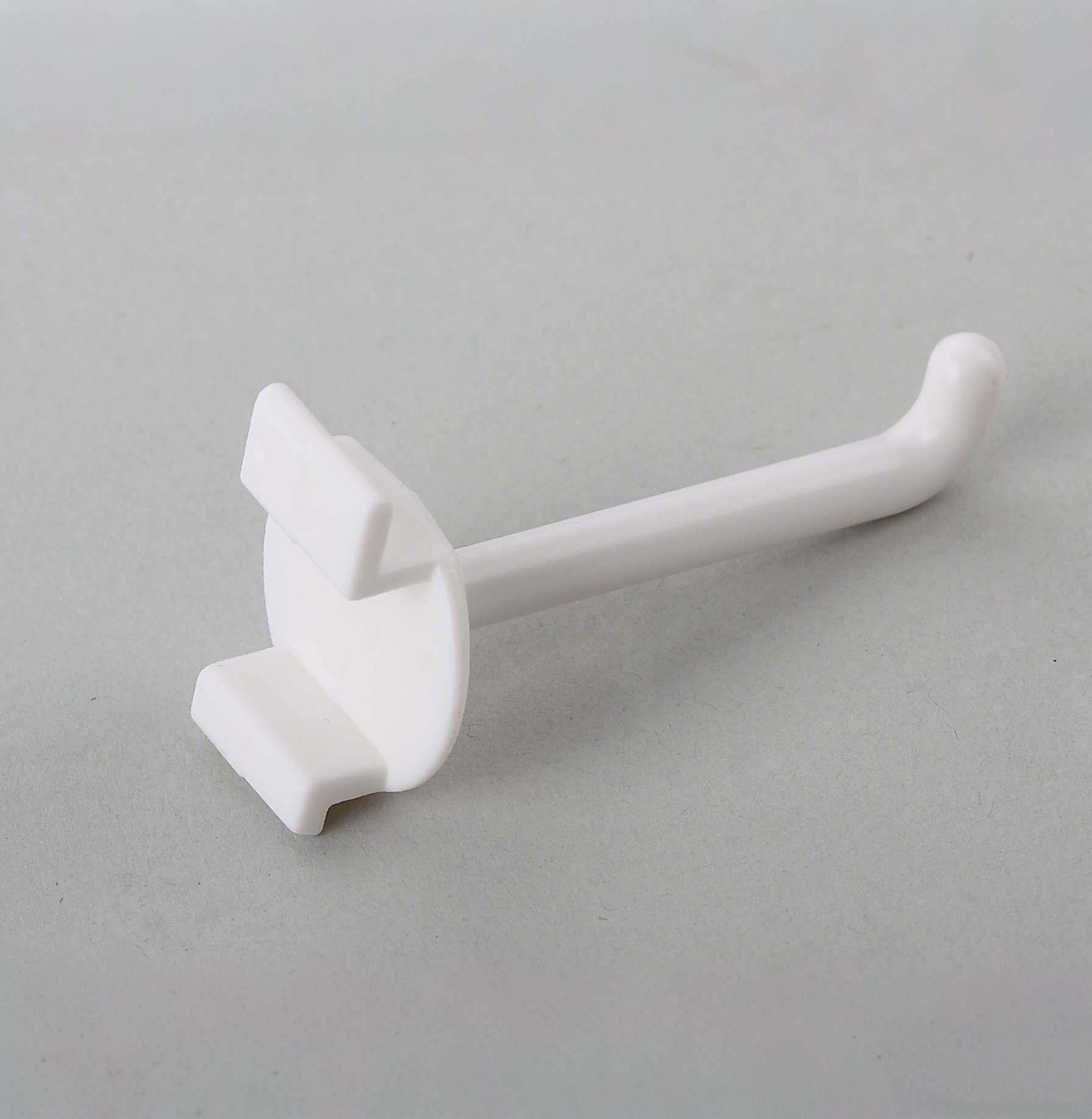
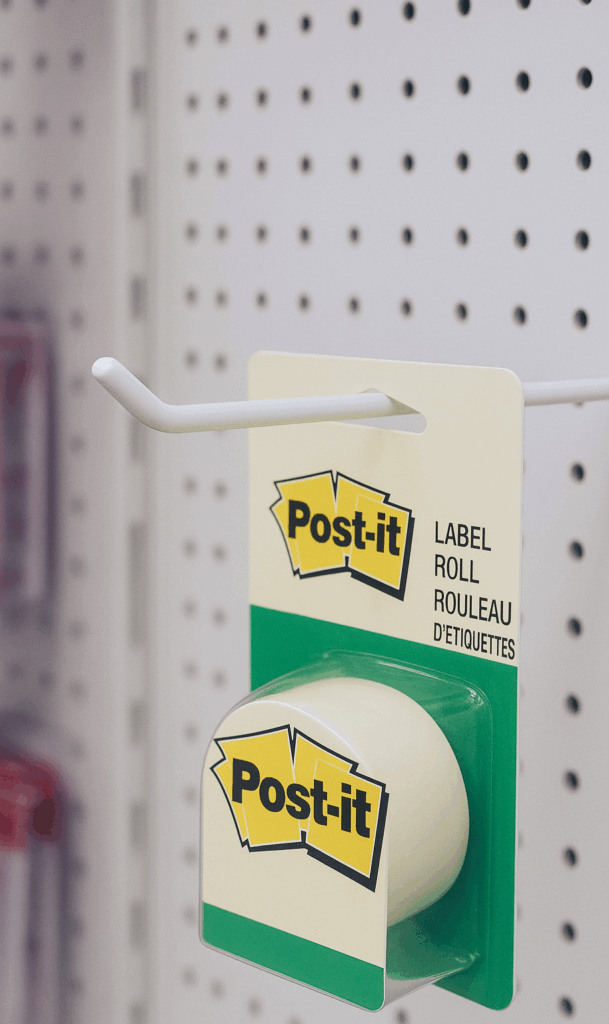
Retail shelves need to be strong and easy to change. Display hooks help organize products and keep shelves neat. IDMATE makes plastic display hooks for pegboard, slatwall, and gridwall systems. These hooks are light, do not rust, and are easy to install. They are great for stores and temporary displays.
| Benefit | Description |
|---|---|
| Modularity & Flexibility | Easy to move and change for new sales or seasons. |
| Efficient Use of Wall Space | Uses wall space well and keeps the floor clear. |
| Improved Product Organization | Keeps things sorted and easy to find, making shopping better. |
| Visual Consistency & Branding | Makes shelves look neat and helps show off brands. |
| Accessory Compatibility | Works with many display accessories for different store needs. |
IDMATE’s custom plastic display hooks come in many shapes and sizes. Stores can buy a lot at once or ask for special designs for their displays.
Using Four Supports Per Shelf and Reinforcing Corners
Experts say to use four supports per shelf, one near each corner. For long shelves, add a fifth or sixth support in the middle to stop sagging. Make corners stronger with brackets or a ledger strip, especially for floating or built-in shelves.
Maintenance Tips to Prevent Future Sagging
- Before installing shelves, always determine their load-bearing capacity.
- Use sturdy brackets and thick shelves.
- For longer shelves, the spacing between brackets should be smaller.
- If necessary, add support bars or crossbeams.
- Regularly inspect the shelves and tighten any loose screws.
- Replace any loose or sagging shelves immediately.
Common mistakes include: not reading the instruction manual, uneven weight distribution, using incompatible parts, and neglecting regular inspections. Always follow the manufacturer’s instructions and wear safety gear during installation.
By following these steps, anyone can learn how to support extra-wide recessed shelves, prevent sagging, and ensure their long-term safety and stability.
Shelves need good support to stay strong. Wall brackets, center supports, thick boards, and display hooks all help different shelves. It is important to check shelves often to keep them safe.
| Inspection Frequency | Responsible Party | Description |
|---|---|---|
| Daily | Staff | Check for damage or loose parts. |
| Monthly/Quarterly | Manager | Make sure shelves are safe and strong. |
If shelves still move or shake, ask an expert for help.
FAQ
How often should someone check shelf supports?
He should check shelf supports every month. Regular checks help prevent accidents and keep shelves safe for heavy loads.
What tools does a person need to reinforce a shelf?
- Drill
- Stud finder
- Level
- Screwdriver
- Measuring tape
- Pencil
Can IDMATE display hooks hold heavy products?
| Hook Type | Max Weight (lbs) |
|---|---|
| Single Prong | 2–5 |
| Double Prong Euro | 10–15 |
He can use double prong hooks for heavier items.