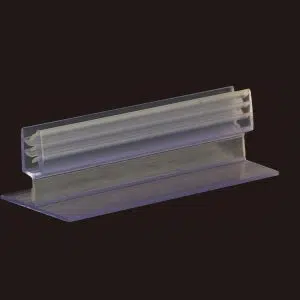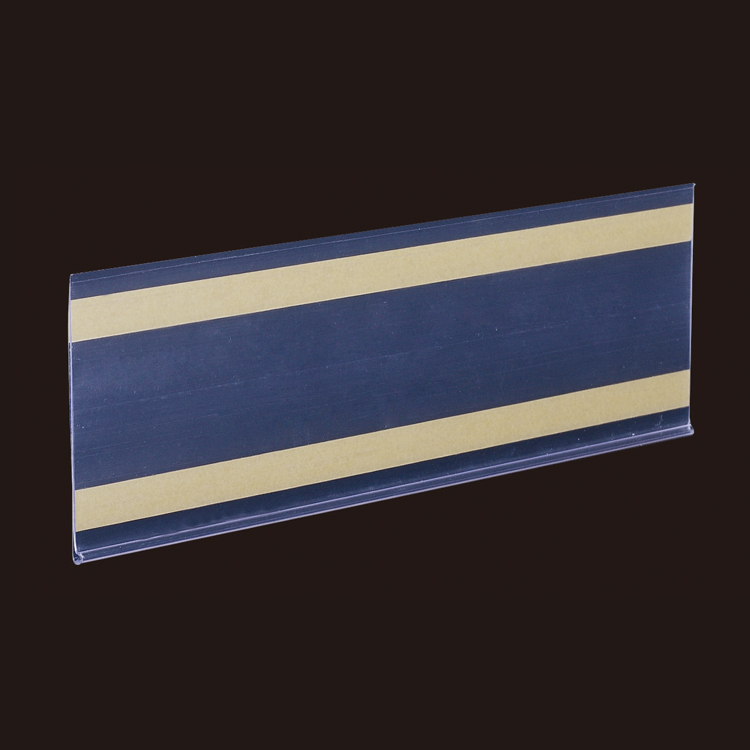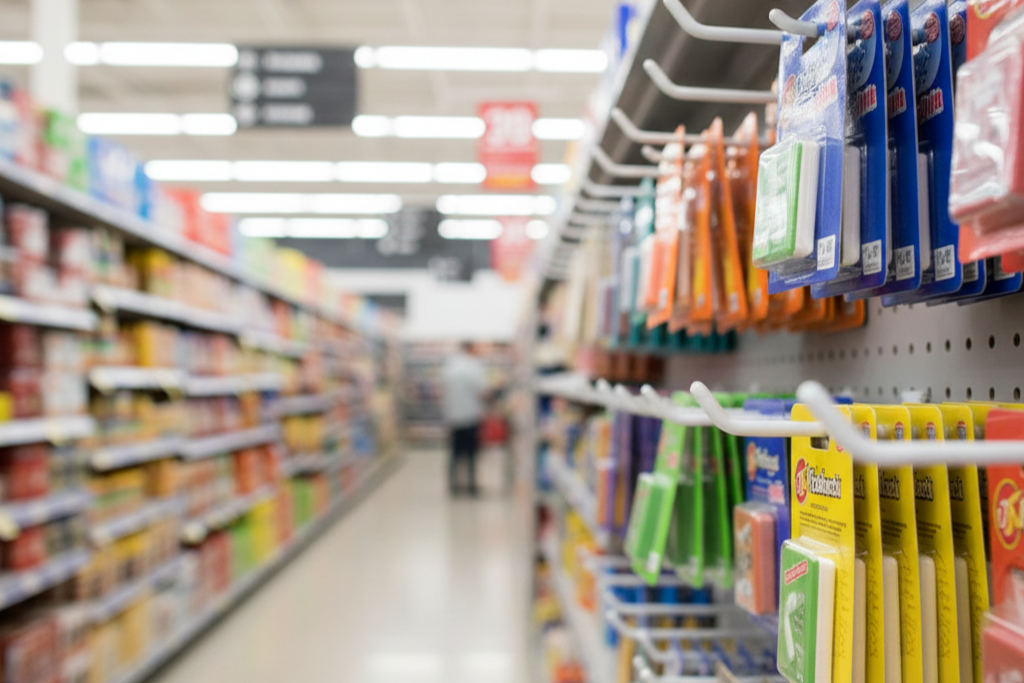
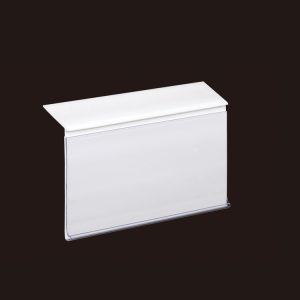
Self-adhesive label products help people stay organized. They make it easier for people to find what they need in various situations. In the retail industry, these data strips help stores attract customers’ attention. They also help with engaging marketing campaigns. Offices use these labels to improve efficiency and complete tasks faster. Schools use them to help students focus and participate actively. The logistics and pharmaceutical industries use self-adhesive labels to make workflows smoother. They help people improve efficiency and reduce errors. These labels are easy to use and versatile. They are essential for anyone who wants things to be clear, tidy, and showcase their brand image.
| Sector | Common Uses | Benefits |
|---|---|---|
| Retail | Marketing campaigns, brand promotion | Makes brands more visible |
| Office | Task organization, file labeling | Helps people improve work efficiency by up to 30% |
| Education | Classroom organization, activities | Helps students remember and participate better |
| Pharmaceuticals | Product and document labeling | Helps people improve work efficiency by up to 40% |
| Logistics | Shipping and handling labels | Reduces errors, simplifies work |
Key Takeaways
- Self-adhesive labels help people organize their homes and offices. They allow people to quickly find what they need.
- In stores, these labels help products stand out and look neat and organized. They help stores attract more customers and reduce errors.
- Choosing the right label material and adhesive is crucial. This helps the labels last longer and perform well in different environments.
- Custom labels help businesses showcase their uniqueness and meet specific needs. They also help with brand promotion and build customer trust.
- Using self-adhesive labels saves time and money. It helps people improve efficiency and reduce waste in any workplace.
Everyday Uses of Self-Adhesive Labels
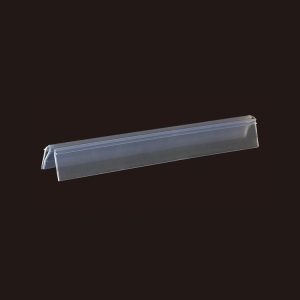
Home and Office Organization
People want their homes and offices to be neat and organized. Self-adhesive labels can help people quickly find what they need. Many people put these labels on storage boxes and kitchen jars. Some also use them to label wires. In offices, workers put labels on files and drawers. This makes finding what they need much easier. It also saves time and reduces stress.
A new survey shows that 49% of people believe a tidy workspace helps them work better. About 40% said that a cluttered space reduces their productivity. Self-adhesive labels help keep things organized. They can be securely attached to many items and are not easily removed. This means people don’t have to waste time searching for things.
Families use self-adhesive labels to organize toys and items in their pantries. They also use these labels to mark cleaning supplies. Students use labels to mark notebooks and projects. Offices use labels to organize files and tools. When everything is labeled, everyone knows where things belong.
Retail and Shopping Applications
Stores have always used self-adhesive labels. These labels help customers see prices and product names. They can also display special offers. Stores attach these labels to merchandise, cosmetics, and electronics. These labels are clear and easy to read, and they don’t smudge even with frequent handling.
- Stores use self-adhesive labels for:
- Price tags on shelves and merchandise
- Promotional and new product stickers
- Barcodes for quick checkout
- Information on cosmetics and electronics
Self-adhesive labels do more than just display prices. They also help stores maintain a neat and professional image. Customers trust stores that use clear labels more. These labels help employees restock shelves and take inventory. Because the labels are durable and easy to read, stores can reduce errors.
Self-adhesive labels benefit both stores and customers. They make shopping faster and more enjoyable. Every store can use these labels to stay organized and increase sales.
Types of Self-Adhesive Labels
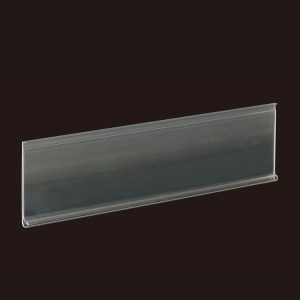
Choosing the right labels is crucial for any business. Self-adhesive labels come in a wide variety of types, each suited to different uses and occasions. These labels use pressure-sensitive adhesive, meaning they stick securely with just a light press. From simple price tags to complex medical tracking, labels can be found for a wide range of tasks.
| Category Type | Examples |
|---|---|
| Adhesive Type | Standard Adhesive, High-Tack Adhesive, Removable Adhesive, Specialty Adhesives |
| Label Materials | Glossy Paper Labels, Glossy Polyester Labels, Matte Paper Labels, Matte Synthetic Labels |
| Application | Packaging, Printing, Custom Design, Bottles and Jars, Textiles, Other |
Standard Self-Adhesive Labels
Standard self-adhesive labels are suitable for most everyday tasks. They use pressure-sensitive adhesive and can be applied to materials such as paper, plastic, and glass. These labels come in a variety of shapes and sizes. People use them for price tags, barcodes, and product information. Standard labels are easy to apply and remove, making them popular in stores and offices.
Tip: Standard labels help save time and money. They allow employees to complete tasks faster and keep items organized.
The material of the label is also important. Paper labels are less expensive and suitable for short-term use. Plastic and vinyl labels are more durable and resistant to water and chemicals. Vinyl labels are strong and durable, performing well in harsh environments.
| Material | Durability | Flexibility | Resistance to Moisture | Resistance to Chemicals |
|---|---|---|---|---|
| Paper | Low | Medium | Low | Low |
| Plastic | Medium | High | Medium | Medium |
| Vinyl | High | High | High | High |
Custom Self-Adhesive Labels
Custom self-adhesive labels help businesses stand out. These labels can be customized to any size, shape, or color. Companies like IDmate offer special options for custom labels. They can change the adhesive, material, and design to suit any need. This means businesses can get labels that match their brand and products.
| Customization Aspect | Details |
|---|---|
| Size | Custom sizes are available to fit any panel or device. |
| Shape | Labels can be custom cut to match specific ideas and needs. |
| Adhesive Strength | Different types and thicknesses of adhesive options are available for various surfaces. |
Custom labels are ideal for branding, sales, and events. They are also suitable for irregularly shaped or rough-surfaced products. Thanks to pressure-sensitive adhesives, these labels remain firmly attached even on uneven surfaces.
Note: Custom labels make products look unique and professional. They help brands stand out and build trust.
Industry-Specific Labels
Some industries require more robust labels. Industry-specific labels meet stringent regulations and are suitable for harsh environments. Industries such as healthcare, transportation, and food service all utilize specialized labels. These labels use pressure-sensitive adhesives for strong adhesion. They also utilize materials that are waterproof, chemical-resistant, and heat-resistant.
| Feature | Description |
|---|---|
| Medical-Grade Materials | Moisture-resistant, chemical-resistant, and easy to apply. |
| Customization | Can be personalized with logos, barcodes, or specific data. |
| Durability | Designed to remain clear, legible, and effective for extended periods. |
| Compliance | Meets standards such as FDA guidelines and other regulations. |
| Variable Data Integration | Supports barcodes or tracking numbers for easy management. |
Industry-specific labels help businesses comply with laws and regulations and ensure personnel safety. For example, food labels must indicate ingredients and allergen warnings. Medical labels need to remain clear and clean even in busy hospital environments. Shipping labels are used to track packages and help prevent errors.
Tip: Industry-specific labels ensure the safety of personnel and products. They help businesses avoid legal disputes and ensure smooth operations.
Types of Self-Adhesive Labels at a Glance
| Feature/Application | Standard Self-Adhesive Labels | Custom/Industry-Specific Labels |
|---|---|---|
| Customization | Highly customizable | Tailored to specific industry needs |
| Versatility | Adheres to various surfaces | May require specific materials |
| Durability | Withstands extreme environments | Varies depending on industry standards |
| Compliance | Meets general standards | Must comply with strict regulations |
Self-adhesive labels are constantly evolving. New trends incorporate eco-friendly materials and clever designs. Many companies now use plant-based films and compostable labels. This benefits the planet and meets customer demands.
Sustainability Tip: Using eco-friendly labels shows customers that your business cares about the planet.
Whatever your needs, there’s a label for you. Businesses can choose from a wide range of self-adhesive labels to organize, protect, and promote their products. With the right label, every product can stand out and stay safe.
Benefits of Self-Adhesive Labels
Convenience and Efficiency
Self-adhesive labels save everyone time. Simply peel off the backing and stick it where needed. No glue, water, or tools are required. This makes labeling quick and easy anywhere. Employees in shops, offices, and factories can get their work done faster. They don’t have to wait for glue to dry. Labels stick instantly, so work is more efficient, and employees can stay focused.
Tip: Self-adhesive labels help prevent errors. They are strong and won’t fall off easily, so employees don’t have to reapply them.
The table below shows the differences between self-adhesive labels and traditional labels:
| Aspect | Traditional Labels | Self-Adhesive Labels |
|---|---|---|
| Preparation Time | High (requires glue or water) | Low (ready to use) |
| Equipment Complexity | Requires a gluing system | Simple applicator or manual application |
| Waste Generation | More waste from glue or backing paper | Less waste, more precise application |
Self-adhesive labels also make work smoother. They reduce waste and make employees feel less stressed. Labeling becomes simple, reducing pressure and the likelihood of errors.
Versatility Across Industries
Self-adhesive labels are suitable for many places and jobs. They help with product labeling, shelf organization, and shipping boxes. Shops use them for pricing and sales. Logistics teams use them for barcodes and tracking. Hospitals use them to label medications and samples. Food companies use them to comply with safety regulations. Beauty brands use them to showcase their brand style.
- Product Labels: Display product details and brand names.
- Organization Systems: Used for labels on boxes, documents, and shelves.
- Shipping: Used for addresses, barcodes, and logistics tracking.
- Brand Promotion and Marketing: Suitable for sales and product displays.
- Pricing: Used for price tags in stores.
- Healthcare: Used for labels on medications and laboratory samples.
- Food and Beverages: Complies with safety regulations, ensuring food safety.
- Cosmetics: Enhances product appearance and builds consumer trust.
- Industrial Products: Remains durable even in harsh environments.
Note: Self-adhesive labels are resistant to high and low temperatures, water, and chemicals. They do not fade in sunlight or wear out with touch. Therefore, they are suitable for outdoor use, busy stores, and factories.
Cost-Effectiveness
Businesses can save money by using self-adhesive labels. They require no glue or special machinery. Labels are supplied in long rolls, so employees need to change rolls less often. This means less waiting time and more work efficiency. Companies also save space due to reduced storage of label rolls.
| Benefit | Explanation |
|---|---|
| Reduced Waste | No extra paper or glue is needed, resulting in less waste. |
| Increased Efficiency | Fewer label roll changes and shorter waiting times. |
| Lower storage costs | Fewer label rolls are needed, taking up less space. |
| Increased Productivity | Employees spend less time labeling and can spend more time on other tasks. |
Linerless labels are even more cost-effective. They have no backing paper, resulting in less waste and fewer consumables to purchase. Over time, these savings contribute to the company’s growth.
Key Point: Self-adhesive labels also help increase brand awareness. They act like small billboards, displaying brand identity and information everywhere. This helps people remember the brand.
Self-adhesive labels are a smart, convenient, and cost-effective way to organize, promote, and protect goods for any business.
How to Choose Self-Adhesive Labels
Choosing the right self-adhesive label is crucial. It affects the product’s appearance and functionality. Every business wants to find a label that meets its needs. The best label depends on the product, where it will be used, and how people will perceive it.
Material and Adhesive Strength
The right materials and adhesives ensure that labels adhere securely and also look aesthetically pleasing. Here are some factors to consider:
- Examine the surface of the label. Smooth, rough, curved, or flat surfaces require different adhesives.
- Consider the label’s application location. High temperatures, low temperatures, water, or sunlight can affect the adhesive’s performance.
- Ensure the adhesive is strong. This prevents the label from peeling off during handling or transportation.
- Determine whether you want the label to be permanently affixed or removable. Some applications require labels that can be easily peeled off, while others require labels that are securely attached.
Tip: If your product will be exposed to harsh weather conditions, choose materials that are waterproof, chemical-resistant, and UV-resistant.
Size and Shape Selection
The size and shape of the label are crucial. They help the label fit the product surface better and make it easy to read. Here are some suggestions:
- First, measure the product surface. The right width and height prevent the label from being applied crookedly.
- Choose a shape that matches the product. Square and rectangular labels are suitable for text and logos. Round or oval labels are aesthetically pleasing and more stylish.
- Consider the curves and edges of the product. The label should be applied smoothly to avoid wrinkles or lifting.
Properly sized labels help people quickly see important information.
Customization Options
Custom labels help brands stand out. They can also meet specific needs. Here are some common options:
- Special adhesive patterns are suitable for complex surfaces or specific areas of the label.
- Multi-layer and double-layer labels allow you to add more information or promotional content.
- Transfer adhesives are suitable for security or tracking purposes.
| Customization Option | Benefit |
|---|---|
| Custom Adhesive Weight | Provides stronger adhesion for special applications |
| Patterned Adhesive Labels | Adhesive-free in certain areas for special uses |
| Multitac/Piggyback labels | More information, more content |
Excellent suppliers provide advice, quick samples, and a wide selection of materials. They help businesses create labels for shelves, packaging, or advertising.
Note: Store labels upright and use them in a clean, dry environment for best results.
Self-adhesive labels are essential in many applications. They help people keep things organized, sell products, and ensure the safety of items. These labels are widely used in stores, transportation, hospitals, food, and factories.
| Sector | Key Uses |
|---|---|
| Retail | Product labeling, pricing |
| Logistics | Transportation, inventory tracking |
| Healthcare | Medical device labeling |
| Food & Beverage | Ingredients, nutritional information |
| Industrial | Asset marking, safety warnings |
Pressure-sensitive labels help improve efficiency and ensure compliance with regulations. Businesses should plan ahead, choose the best size and shape, and consider customization options for optimal labeling results. Consult a professional supplier for special needs.
- Start planning early.
- Choose labels of the appropriate size.
- Provide your supplier with all necessary details.
High-quality labels help each product stand out and streamline workflows.
FAQ
What surfaces are best suited for self-adhesive labels?
Self-adhesive labels are best suited for smooth surfaces. Glass, plastic, and metal are good choices. They also work well on cardboard and paper. For rough or curved surfaces, use labels with stronger adhesive for better results.
Can self-adhesive labels be removed without leaving residue?
Many removable labels can be easily removed without leaving any residue. For delicate surfaces, choose labels specifically designed for easy removal. Always test on a small area first to ensure the surface remains clean.
Are self-adhesive labels waterproof?
Some self-adhesive labels are made with waterproof materials. These labels can withstand water, oil, and chemicals. They are ideal for kitchens, bathrooms, and outdoor use. Be sure to check the label details to ensure they meet your needs.
How can businesses customize self-adhesive labels?
Businesses can choose custom sizes, shapes, and colors. They can add logos, barcodes, or special designs. Custom labels help enhance brand awareness and meet the specific needs of various tasks.
Why should businesses choose IDmate’s self-adhesive labels?
IDmate offers high-quality labels at competitive prices. Our team ships quickly and provides order assistance. Businesses trust IDmate because we provide reliable labels that help brands increase visibility and improve efficiency.