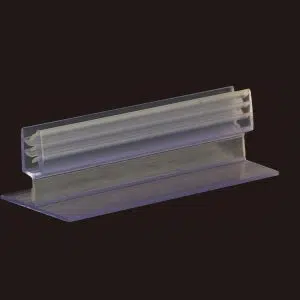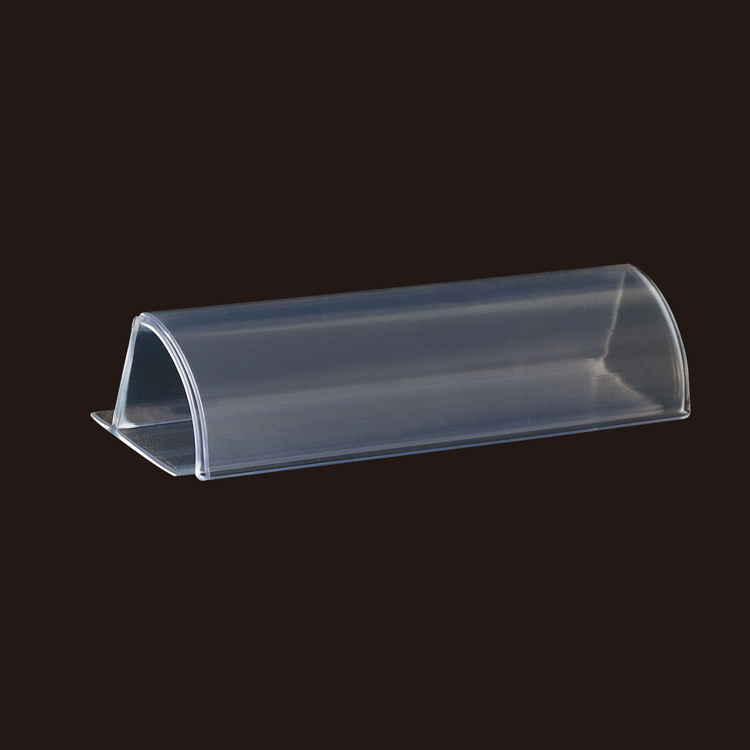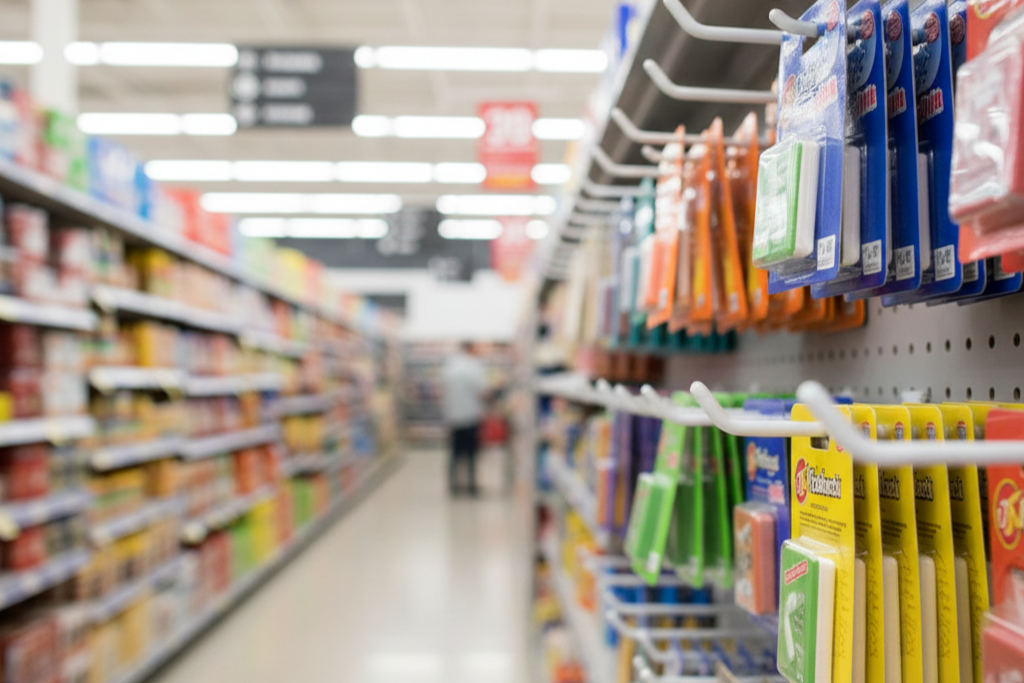
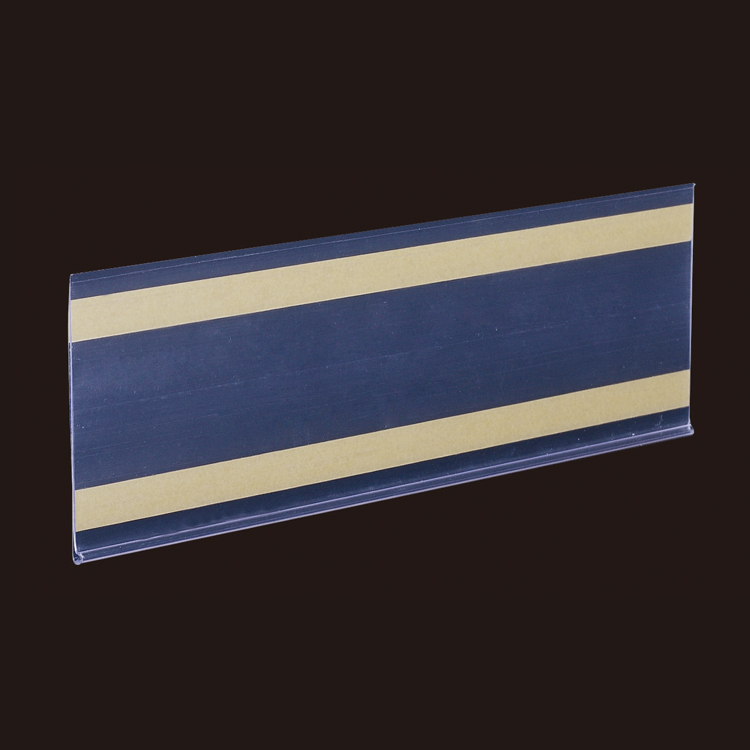
Adhesive labels, made from materials with a sticky backing, utilize a pressure-sensitive adhesive that allows them to adhere to surfaces easily without the need for water or heat. Known for their ease of application and removal, these self-adhesive labels come in a wide variety of shapes, sizes, and designs, making them versatile for numerous applications across retail stores, logistics, and workplaces. They play a crucial role in product identification and ID management, with brands like IDmate offering customized solutions that help businesses organize and effectively showcase their products.
Key Takeaways
- Adhesive labels stick to things without water or heat. They come in many types. Some are permanent, some are removable, and some can be moved and used again.
- Pick the right adhesive type for how you will use the label. Permanent labels are good for things that need to last a long time. Removable labels are better for short-term use.
- Custom adhesive labels help people notice your brand. Companies can put logos, barcodes, and special designs on them. This helps their products get attention.
- Adhesive labels help sort and find products in stores, shipping, and at work. They make work faster and safer in many jobs.
Adhesive Label Basics
Definition and Function
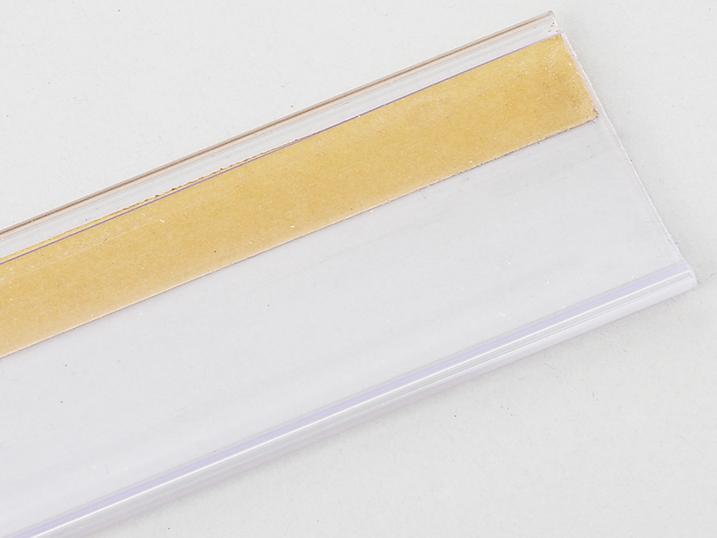
An adhesive label helps people know what something is. It also shows information. The label has a sticky side that sticks with just a little push. This sticky part is called an adhesive. Self-adhesive labels already have the sticky part on them. You do not need water or heat to use them. You just peel off the backing and press the label on. You can put these labels on paper, plastic, or metal.
The table below lists the main things about self-adhesive labels:
| Characteristic | Description |
|---|---|
| Pre-applied Adhesive | The sticky part is put on during making. It sticks right away when pressed. |
| Back Release Liner | A backing covers the sticky part until you use the label. |
| Easy Application | You can put on and take off the label. It does not leave sticky stuff behind. |
| Versatile Use | The label sticks to many things for different jobs. |
Labels are used in many ways at home and work. They help people find and pick products. Labels show facts like what is inside or safety rules. They also show brand names and logos. In stores, labels get people’s attention and help sell things. At work, labels help keep things in order and make jobs faster. Many businesses use labels to keep things clear and easy.
Construction and Materials
Every adhesive label has a few layers. Each layer does something important. The main parts are the facestock, adhesive, liner, and sometimes a top coat.
- Facestock: This is the main part of the label. It can be made of paper, plastic, or film. The facestock holds the words or pictures.
- Adhesive: This sticky part lets the label stick to things. There are different kinds of adhesives. Acrylic adhesives are good for outside and last a long time. Rubber adhesives stick fast and are best for inside.
- Liner: The liner is a smooth layer that keeps the sticky part safe. You take off the liner before using the label.
- Top Coat: Some labels have a top coat. This layer keeps the print safe from water, dirt, and fading.
The table below shows how acrylic and rubber adhesives are different:
| Property | Acrylic Adhesives | Rubber Adhesives |
|---|---|---|
| Versatility | High | Moderate |
| Durability | Excellent | Good |
| Environmental Resistance | Excellent (UV, solvents) | Poor (UV, solvents) |
| Initial Adhesion | Low to medium | High |
| Ultimate Adhesion | High | Medium |
| Service Temperature | High | Medium to high |
| Cost | Higher | Lower |
| Best Use | Outdoor, many surfaces | Indoor, uneven surfaces |
The kind of adhesive is important for how well a label works. Acrylic adhesives last longer and can handle sun and chemicals. Rubber adhesives stick fast and work on bumpy surfaces. You pick the adhesive based on where you will use the label.
IDmate uses new materials and smart ways to make labels for many uses. They have labels that are strong, easy to remove, or can be moved and used again. Their labels meet industry rules and help companies do their best.
Types of Adhesive Labels
Adhesive labels come in different types. Each type has its own job and use. People pick a label based on how long it should stick. They also think about how easy it is to take off or move.
Permanent Labels
Permanent adhesive labels have a strong sticky side. They stay on for a long time and do not peel off easily. These labels work best for things that will not get new labels. Electronics, appliances, and safety signs use permanent labels a lot.
| Property | Description |
|---|---|
| Strong Adhesion | Stays attached for years, resists peeling and lifting. |
| Ideal Use Cases | Electronics, appliances, safety signage, asset tracking. |
Permanent labels help companies keep track of things and important facts. They also stop people from messing with items. IDmate makes permanent self-adhesive labels that can have logos, barcodes, or special shapes. This helps businesses show their brand and follow rules.
Removable Labels
Removable adhesive labels have a gentle sticky side. They stick well but are easy to peel off. They do not leave marks or hurt surfaces. These labels are good for short-term jobs. People use them for price tags, event signs, and labels that do not stay long.
| Type of Label | Description | Typical Applications |
|---|---|---|
| Low sticky labels | Mild adhesive, easy to remove. | Promotional stickers, event signage, product labels. |
| Peelable labels | Removes cleanly from surfaces. | Food packaging, reusable containers. |
| Electrostatic adhesive labels | Uses static electricity, leaves no residue. | Window decals, seasonal promotions. |
Removable self-adhesive labels help with sales and deals in stores. They also help mark items in shipping and sort files at work. Libraries use them to mark books for a short time. Car shops use them for service stickers. IDmate has removable labels in many sizes and colors, so they fit many jobs.
Tip: Removable labels make it easy to organize. They let people change labels without hurting things.
Repositionable Labels
Repositionable adhesive labels can be taken off and put back on many times. The sticky part stays strong after moving. These labels work well inside and in some outdoor spots. They can handle some chemicals and water.
| Characteristic | Repositionable Adhesive | Permanent Adhesive | Removable Adhesive |
|---|---|---|---|
| Reapplication | Can be moved many times | Not designed for moving | Not designed for moving |
| Adhesion Strength | Minimal loss after reapplication | Strong, lasting bond | Easy removal |
| Suitable Environments | Indoor, semi-protected outdoor | Long-lasting use | Temporary use |
People use repositionable self-adhesive labels for office stickers and signs that change often. Bumper stickers and window decals use this type too. IDmate has repositionable labels in custom sizes, colors, and shapes. This helps companies get labels that fit just right.
- Repositionable labels can be moved and used again.
- They are good for sorting, ads, and short-term displays.
- IDmate gives flexible choices for businesses that need special labels.
Self-adhesive labels give companies lots of options. Permanent, removable, and repositionable types help businesses sort, advertise, and manage products. IDmate lets people customize all types, so it is easy to match brands and meet special needs.
Advantages of adhesive labels
Strong and durable adhesion
Adhesive labels stick well in many places. Permanent pressure-sensitive adhesive works on smooth and rough surfaces. It sticks to plastics, metals, and containers with curves. Many factories need strong sticking power. These labels stay put for a long time. They can handle cleaners, mild acids, oil, and water. They last up to two years outside. This makes them good for both indoor and outdoor use.
Tip: Always check if the adhesive fits the surface and place. This helps the label stay clear and last longer.
The table below shows what strong adhesive labels can do:
| Feature | Description |
|---|---|
| Adhesive Type | Permanent pressure-sensitive adhesive |
| Surface Compatibility | Bonds to many surfaces, including rough and contoured |
| Resistance | Handles cleaners, mild acids, oil, and water |
| Exterior Life | Up to two years |
| Application | Used in industrial and heavy-duty environments |
Self-adhesive labels help organize, track, and identify things. You do not have to worry about peeling or fading.
Durable and transparent material
The label material decides how long it lasts and how it looks. Paper labels are good for short indoor jobs. They do not resist water or wear. Vinyl and polyester last much longer. Vinyl is waterproof and soft. It fits odd-shaped containers. Polyester is very strong. It resists UV rays, chemicals, and heat. Polypropylene is flexible and stronger than paper. It works well for drinks and cosmetics.
The table below compares label materials:
| Material | Durability Characteristics | Common Applications |
|---|---|---|
| Paper | Least durable, not waterproof, for short-term use | Indoor labels, temporary tags |
| Vinyl | Waterproof, soft, fits odd shapes | Chemicals, hazardous materials |
| Polyester | Highly durable, resists UV, chemicals, and water | Electronics, power tools, equipment |
| Polypropylene | Flexible, durable, average resistance to UV and moisture | Beverages, toiletries, cosmetics |
Transparent polyester labels keep information easy to see. They protect it from damage. Many companies pick these materials for their clear look and strength. With the right adhesive and material, labels can handle tough jobs. They help products look neat and last longer.
Uses of Adhesive Labels
Retail and POS Displays
Retail stores use adhesive labels all the time. These labels help shoppers see prices, sizes, and care tips. Stores put sticky tags on clothes, electronics, and food. Brands use adhesive labels to show their logo. This makes products look neat and professional.
- Stores use barcode labels to keep track of items.
- Fashion shops use self-adhesive labels for fast price changes.
- Boutiques add custom labels to show special deals.
IDmate’s Retail Display Solutions have data strips and sign holders. These tools work well with adhesive labels. They help stores keep shelves tidy and make sales stand out.
Note: A clear label helps customers choose quickly.
Workplace and ID Accessories
Workplaces use labels to keep things organized. Offices use adhesive labels to mark files and equipment. Barcode labels help track supplies and assets. Companies use sticky badges for visitors and staff.
IDmate has ID accessories like lanyards and badge reels. These products use adhesive to stick ID cards and badges safely. This makes identification easy to see and helps keep people safe.
- Staff use self-adhesive labels to mark their own items.
- Temporary badges use adhesive for quick changes at events.
Industry Applications
Many industries use adhesive labels every day. These labels help workers find things fast and make fewer mistakes.
| Industry | Application | Benefit |
|---|---|---|
| Retail | Product identification | Better visibility and customer engagement |
| Logistics | Shipping barcode labels | Faster tracking and improved efficiency |
| Healthcare | Specimen labeling | Accurate patient care and safety |
| Manufacturing | Asset tracking | Fewer errors and better inventory control |
IDmate helps these industries with special adhesive types. Acrylic-based adhesive works well on shelves and sign holders. Blended adhesives resist oil and acid in factories and car shops. General adhesives stick to many surfaces in stores and packaging.
Tip: The right adhesive label can save time and help keep people safe at work.
Customization and Branding of Adhesive Labels
Personalized Adhesive Labels
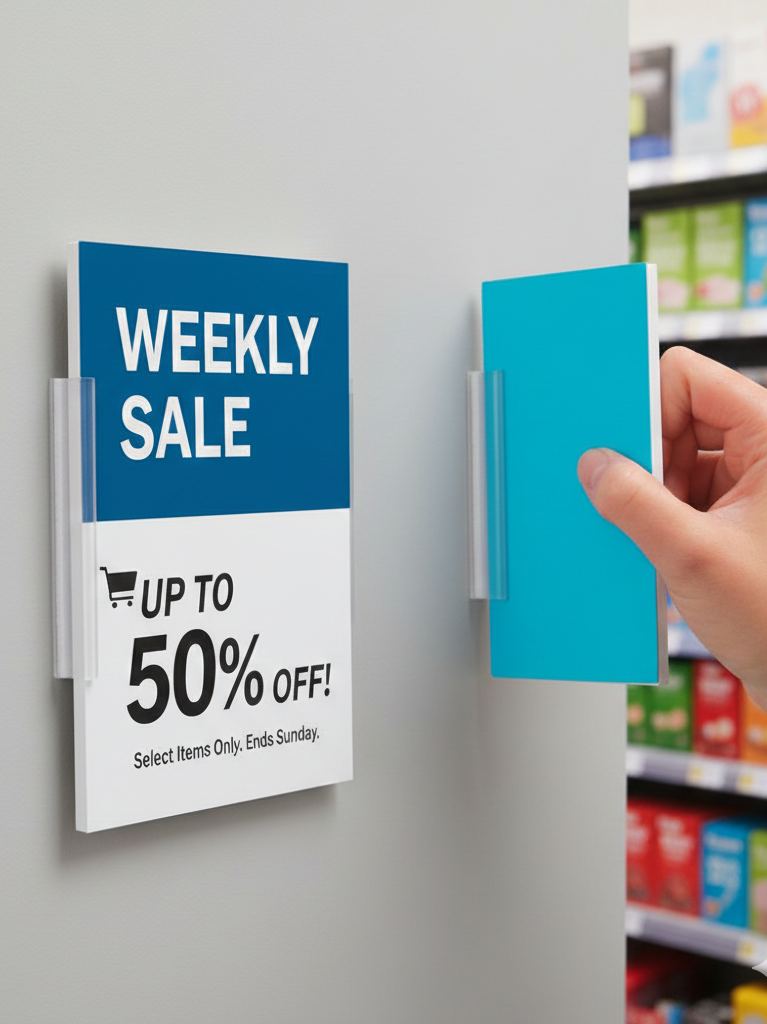
Businesses use personalized adhesive labels to help their products get noticed. These labels can have a company’s logo, barcode, or special words. Companies pick different finishes like shiny or flat to match their style. Some labels are clear or have a special feel for a cool look.
IDmate gives lots of choices for custom adhesive labels. Customers can pick the size, color, and design they want. IDmate checks each order carefully to keep quality high. Their ISO 9001 certification and careful checks make sure every order is good. You can order as few as 50 labels, and bigger orders cost less per label. IDmate sends a draft by email in two business days, so the process is easy and fast.
| Aspect | Details |
|---|---|
| Quality Control | ISO 9001 certified, with a detailed review for each order. |
| Order Flexibility | Minimum order of 50 pieces, with discounts for larger quantities. |
| Confirmation Process | Draft sent by email within two business days for client approval. |
Enhancing Brand Image
Custom adhesive labels help brands look more professional and trusted. Die cut stickers with special shapes show off a brand’s creativity. These labels help people remember a brand and feel close to it.
- Special shapes and designs show a brand’s style.
- Good label adhesives show care and pride in products.
- Security labels help people trust the brand and feel safe.
Self-adhesive labels also help products stand out on busy shelves. Clear label information helps customers choose fast. IDmate gives brands many ways to use label adhesives for better looks and a strong brand image.
A great adhesive label can make a simple product feel special and help people remember the brand.
Adhesive labels are important in many jobs and businesses. The table below lists the main ideas:
| Key Point | Description |
|---|---|
| Definition | An adhesive label is a small paper piece that sticks to things. |
| Types | Permanent, removable, and repositionable labels do different jobs. |
| Uses | Labels help with product ID, safety, and keeping things neat. |
- Adhesive labels help keep work areas safe and tidy.
- Brands like IDmate give custom choices, free samples, and save money when buying a lot.
- Companies should pick labels that fit their brand and what they need.
FAQ
What surfaces do adhesive labels stick to best?
Adhesive labels stick well to smooth surfaces. Glass, plastic, and metal are good examples. Some labels also stick to rough or curved surfaces. Always check which label works best before using it.
Can someone remove an adhesive label without leaving residue?
Removable labels can be peeled off without sticky marks. Permanent labels might leave some sticky stuff behind. Picking the right label helps keep things clean.
How can a business customize adhesive labels?
A business can put logos, barcodes, or special text on labels. IDmate has many sizes, shapes, and finishes to choose from. Custom labels help brands get noticed.
Are adhesive labels safe for outdoor use?
Labels with acrylic adhesive and strong materials last outside. Vinyl and polyester resist sun, water, and chemicals. These labels keep information clear for a long time.
What industries use adhesive labels the most?
Retail, logistics, healthcare, and manufacturing use adhesive labels often. These labels help track products, organize items, and share important facts.