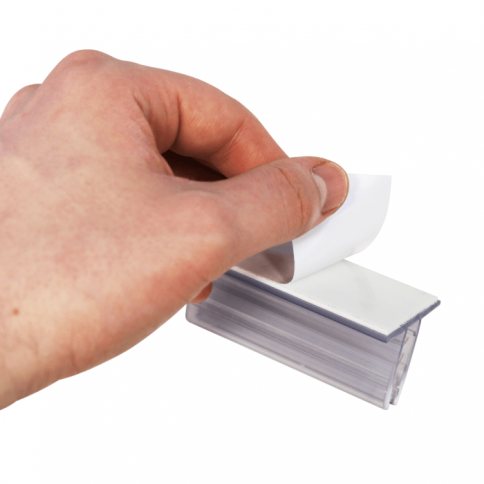
Self-adhesive labels are labels with self-adhesive backing. They are very convenient and quick to use, requiring no additional glue. Simply peel off the backing paper and stick the self-adhesive label to the surface of the object. It adheres instantly and is suitable for a variety of purposes.
| Feature | Self Adhesive Sticker | Other Stickers |
|---|---|---|
| Application Method | Peel and stick, no extra supplies | May need glue or water |
| Versatility | Works on glass, plastic, and metal | Limited to fewer surfaces |
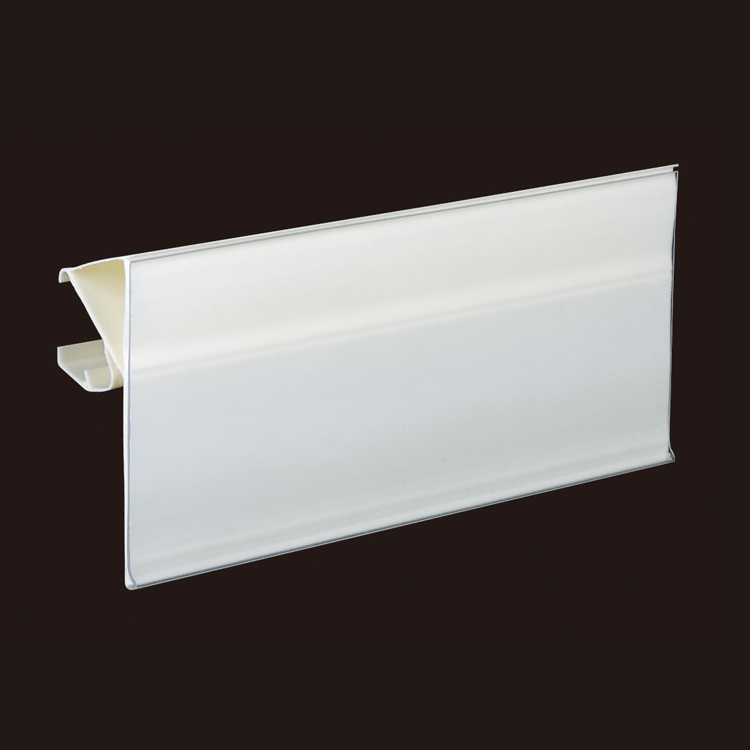
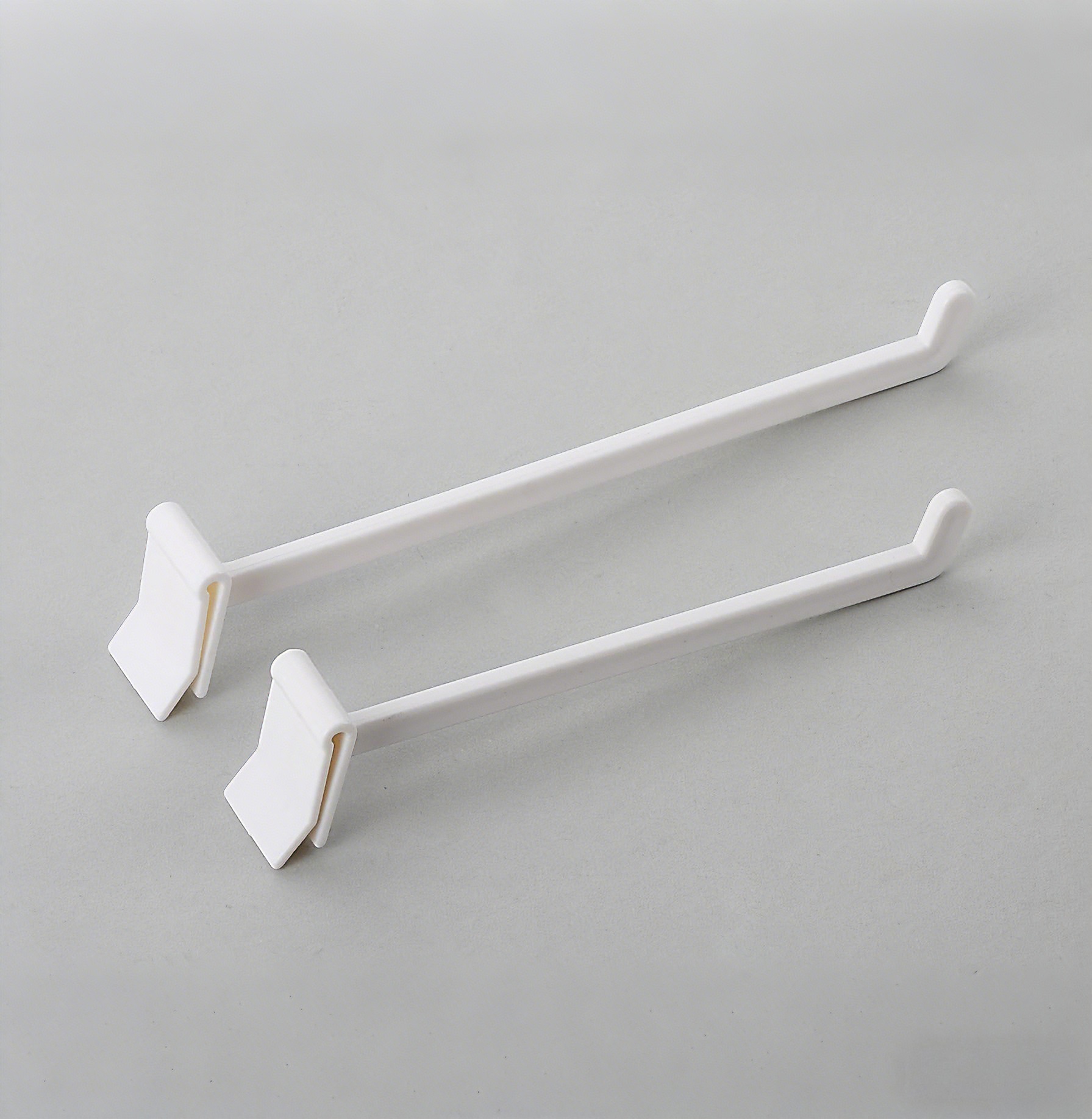
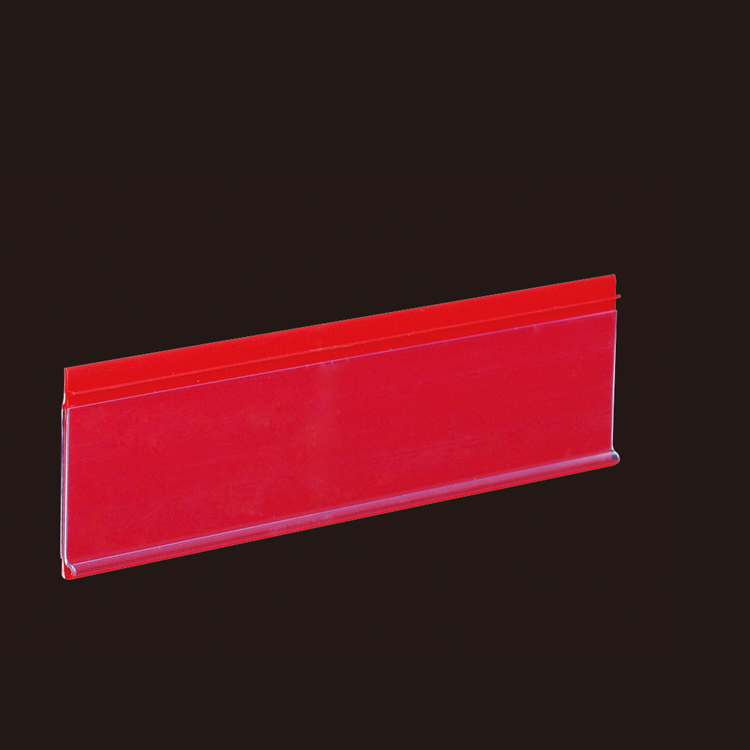
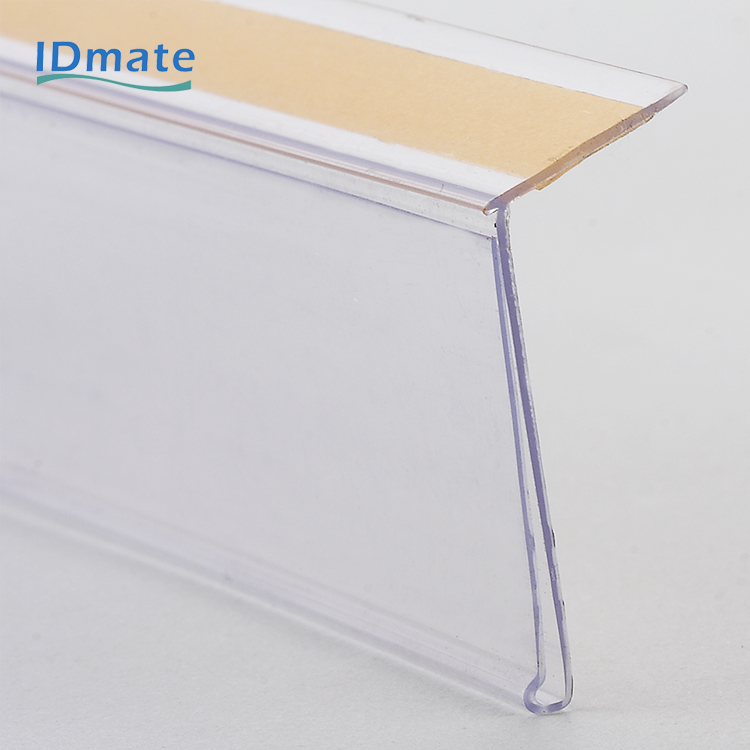
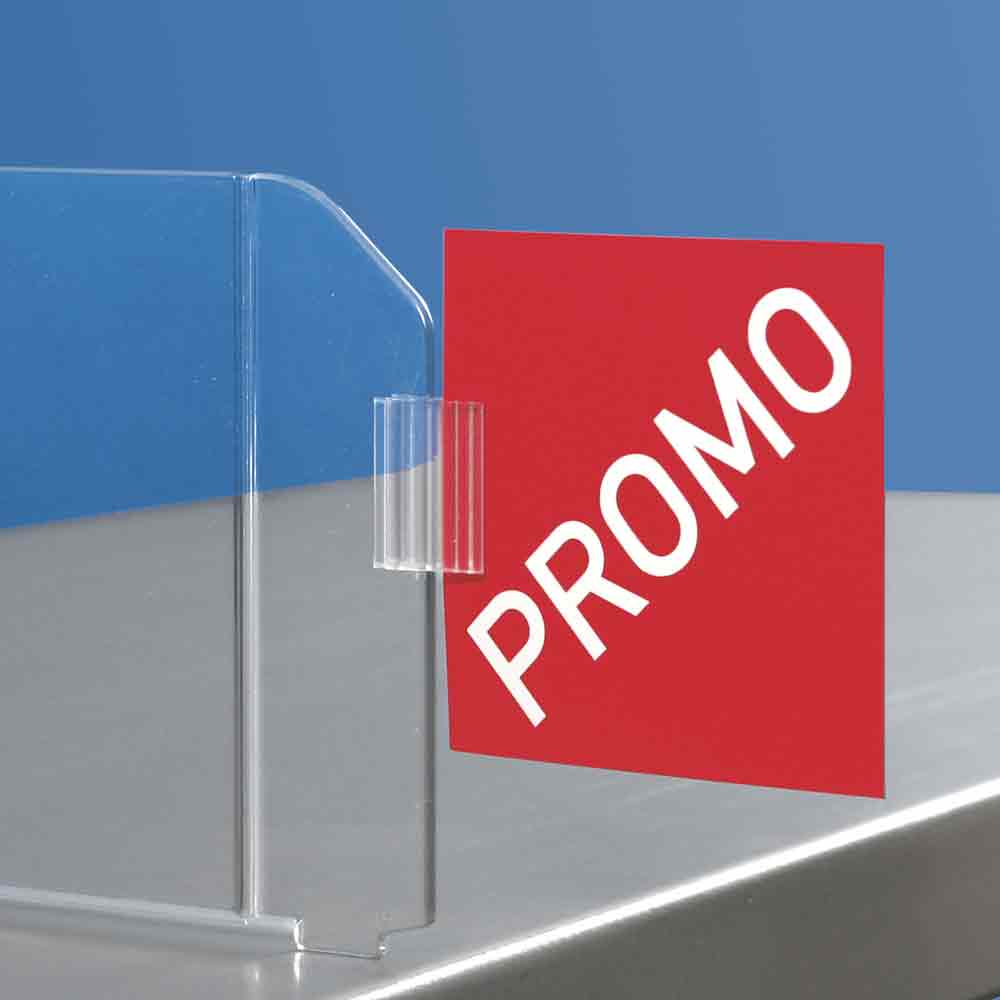
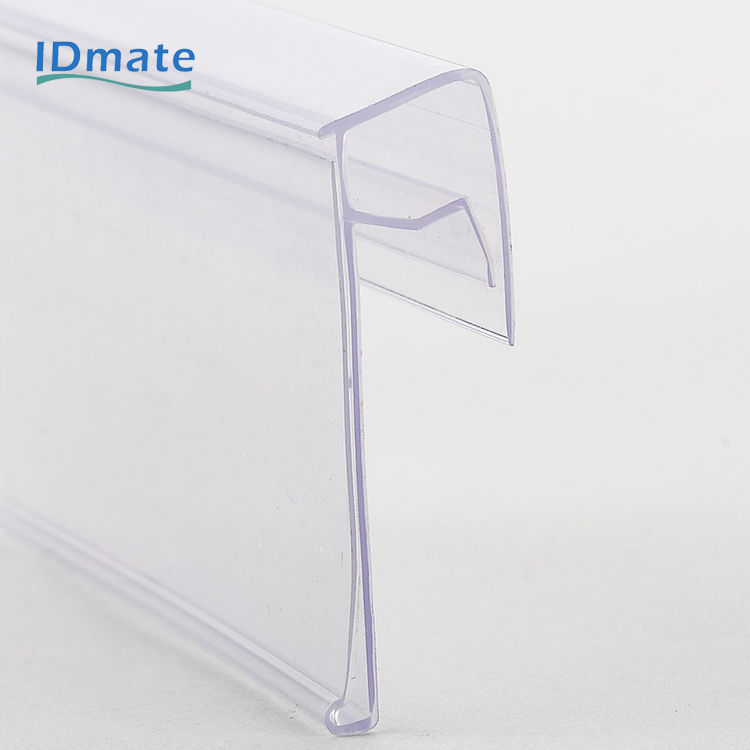
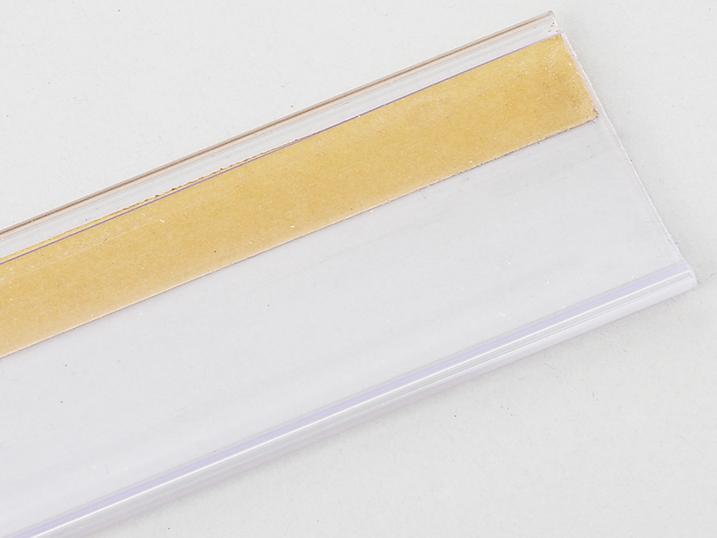
Businesses use self adhesive label holders for labeling, price tags, and categorization. Stores often opt for custom or wholesale self-adhesive labels, such as IDmate self-adhesive label holders, to better manage their shelves.
Key Takeaways
- Self-adhesive labels are quick and easy to use. You simply peel off the backing paper and stick it to any clean surface.
- These labels work on a variety of materials, such as glass, plastic, and metal. Therefore, they are versatile.
- Clean the surface and apply the label correctly. This helps prevent air bubbles and ensures a smooth, flat label surface.
Self Adhesive Sticker Basics
What Makes It Self Adhesive
Self-adhesive labels contain a special adhesive that allows for easy application with a simple press. This adhesive, known as pressure-sensitive adhesive, requires no water, heat, or chemicals. A light press is all it takes for instant adhesion. This makes self-adhesive labels quick and easy to use in many situations, such as shops or packaging.
The adhesive in self-adhesive labels can be made from different materials. Acrylic adhesives are popular due to their durability and adhesion to a variety of surfaces, such as glass, metal, and plastic. Rubber-based adhesives offer good flexibility and are particularly suitable for uneven or curved surfaces. These properties allow businesses to produce stickers for a wide range of purposes, including custom orders and bulk orders.
Tip: Self-adhesive labels require no additional tools; simply peel off the backing paper to apply, saving considerable time.
Self-adhesive labels differ from labels that require water or heat. Water-based labels require moisture, while heat-sensitive labels require high temperatures. Self-adhesive labels adhere with a simple press, making them ideal for quick marking and finishing.
Main Components
A self-adhesive sticker has three main parts:
- Facestock: This is the top layer. It shows the design, text, or barcode. The facestock can be made from materials like PVC, vinyl, acrylic, or PEVA. Each material has its own strengths. PVC is flexible and resists water and chemicals, good for indoor and outdoor use. Vinyl is tough and lasts long, perfect for custom or bulk stickers. Acrylic facestocks are clear and durable. PEVA is soft and safe for sensitive areas.
- Adhesive: This is the sticky layer under the facestock. It helps the sticker attach to surfaces. The adhesive can be permanent or removable. Suppliers choose the right adhesive for each use, like retail or manufacturing.
- Liner: This is the backing paper or film that covers the adhesive before use. The liner makes it easy to handle and apply the sticker. Liners can be made from PET film, Kraft paper, or Polykraft paper. Good liners help the sticker peel off smoothly and apply cleanly.
| Material | Durability | Use Cases | Key Features |
|---|---|---|---|
| PVC | Moderate | Indoor/Outdoor | Water and chemical resistant, flexible |
| Vinyl | High | Custom/Wholesale | Tough, weatherproof, lasts long |
| Acrylic | High | Retail/Manufacturing | Clear, strong, resists aging |
| PEVA | Moderate | Sensitive areas | Soft, safe, eco-friendly |
Manufacturers can customize self-adhesive labels by selecting different face stock, adhesives, and backing paper. This allows retail or wholesale customers to order in bulk and customize sizes and shapes.
Note: The backing paper not only protects the adhesive but also helps prevent misalignment and residue. High-quality backing paper makes application easier and reduces waste.
Self-adhesive labels also meet environmental goals. Businesses can choose thinner face stock and recyclable adhesives, reducing waste and lowering transportation emissions. Therefore, self-adhesive labels are a wise choice for businesses that seek both superior performance and environmental responsibility.
How to Use Self Adhesive Stickers
How to Put Them On
Before applying the sticker, clean the surface first. You can use soapy water or alcohol to wipe it. Ensure the surface is dry and dust-free. Smooth surfaces, such as glass, metal, or plastic, will adhere best. For optimal adhesion, the ideal temperature for applying the sticker is 50°F to 90°F (approximately 10°C to 32°C).
Please follow these steps to apply the sticker:
- Identify the placement and secure it with masking tape.
- Slowly peel off the backing paper, avoiding wrinkles.
- Press the sticker from the center outwards. Use a scraper or credit card to smooth out air bubbles.
- For larger stickers, you can spray a small amount of soapy water to help move and remove air bubbles.
- Press firmly along the edges of the sticker and wait for the adhesive to bond.
Shops and factories frequently use stickers to organize shelves and identify products. For example, IDmate self-adhesive label holders can help quickly change prices and product information. Custom and wholesale options allow businesses to choose the right size, shape, and color to suit their needs.
Tip: Applying steady pressure and thoroughly cleaning the surface helps avoid air bubbles and makes the sticker surface smooth.
How to Remove and How Long They Last
Removing stickers is not difficult if done correctly. Warm water, alcohol, or a hairdryer can soften the adhesive. High-quality stickers can usually be easily peeled off without leaving residue, especially temporary stickers.
The lifespan of a sticker depends on the material, how it is applied, and where it is applied. Outdoor vinyl stickers can last two to five years. Indoor stickers will last even longer if protected from direct sunlight and harmful chemicals. Proper storage and handling can allow some stickers to be reused.
Stickers are suitable for many places, such as offices, warehouses, homes, and shops. You can customize different shapes, brand logos, and colors to your liking. This makes stickers very useful for suppliers and wholesalers.
Note: UV-resistant coatings and strong materials help stickers keep their look and stickiness over time.
Self-adhesive stickers are easy to use and last a long time.
- They stick well to many surfaces, save time, and can have custom designs.
- The IDmate Self Adhesive Label Holder shows how these stickers help organize stores and make work easier for suppliers and businesses.
FAQ
What surfaces work best for self adhesive stickers?
Self adhesive stickers stick best to smooth surfaces. Glass, metal, and plastic are good choices. Make sure you clean the area first. This helps the sticker stay on better.
Can a self adhesive sticker be reused after removal?
Most self adhesive stickers cannot be used again. Some removable types can be moved gently. These are good for temporary use.
How do suppliers customize self adhesive stickers for wholesale orders?
Suppliers make custom stickers in many sizes, shapes, and colors. They also sell large amounts for stores, warehouses, or offices.