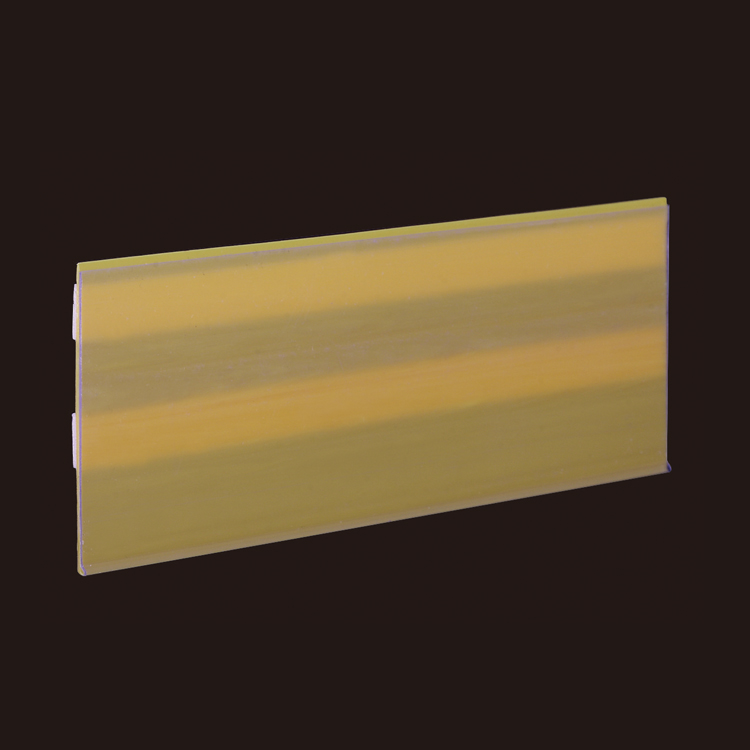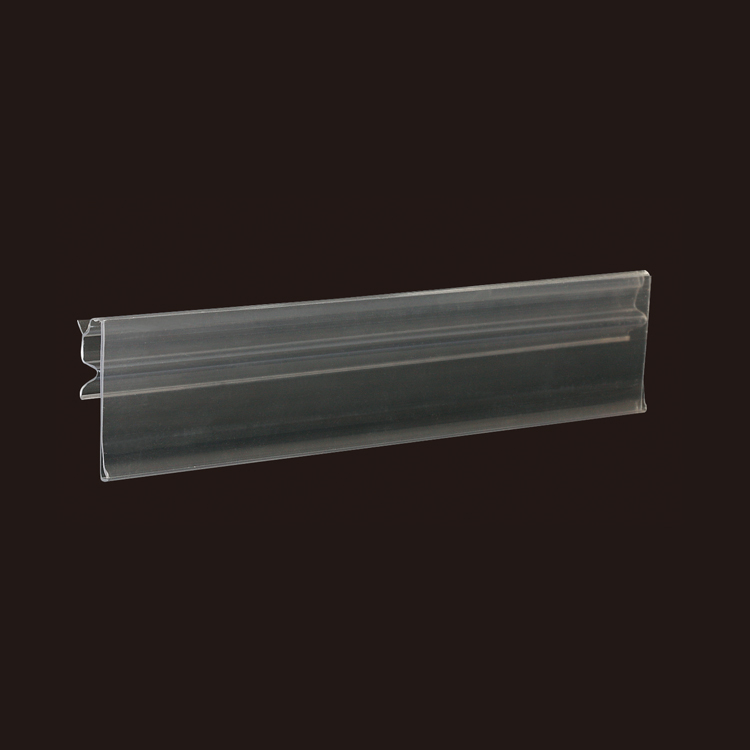
When choosing plastic labels, you have many options. You can choose ripstop labels, Tyvek® material labels, engraved labels, self-adhesive labels, valve labels, custom labels, boxed labels, or roll labels. In addition, there are clip-on labels, magnetic labels, self-adhesive labels, and metal shelf labels. IDmate’s data bar illustrates how these labels work.
- Choosing the right label material can prevent labels from failing in harsh environments.
- Strong labels help keep information clear and easy to find.
- The best labeling system can help you work more efficiently and keep your work area tidy.
Key Takeaways
- Choose the right type of plastic label to ensure they last. Tearstop labels and Tyvek® material labels are best suited for harsh environments where other labels may not work. Engraved labels remain clear for a long time and display important information, making them ideal for signage and safety regulations. Custom plastic labels allow you to choose the size, color, and shape you need, which helps your brand stand out. Boxed or roll labeling systems can help you save time and keep your labels neat.
Plastic Tag Types
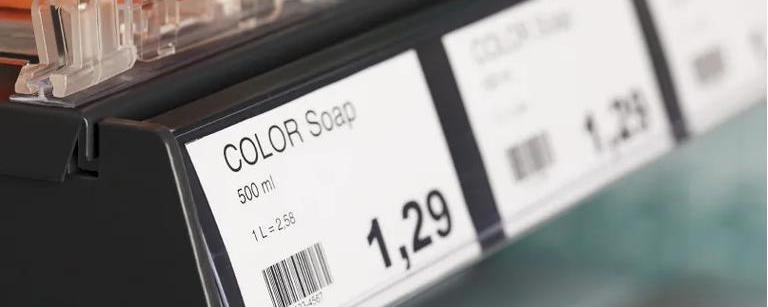
Choosing the right plastic labels can help you keep things organized. You can use them to label and protect information in many places. There are many types of plastic labels, each with its unique function and purpose. Here are some of the most common types of plastic labels.
Tear-Proof Plastic Tag
Tear-resistant plastic labels are durable and have a long lifespan. You can use them where other labels are easily torn or damaged. These labels are made of different materials, each with its own advantages and disadvantages.
| Type | Pros | Cons |
|---|---|---|
| Polyester | Very strong, keeps its shape, resists chemicals and heat | Costs more than other plastics, may need special printers |
| Polypropylene | Not expensive, does not get ruined by water, works with most printers | Not as good with heat or sunlight as polyester; can break outside over time |
| Vinyl | Lasts well outside, bends easily, sticks to bumpy surfaces | Not good for the environment, can break down in sun if not UV-protected |
You should use tear-proof plastic tags when you need labels that can handle rough use or being outside.
Tyvek® Plastic Tag
Tyvek® plastic tags are made from strong yet flexible fibers. This makes them both tough and flexible. Tyvek® tags will not tear or be damaged by water. They are ideal for a variety of applications.
| Property | Description |
|---|---|
| Material | Made from high-density polyethylene (HDPE) fibers |
| Durability | Very tough and hard to tear |
| Water Resistance | Does not get damaged by water |
| Flexibility | Light and bends easily, good for many uses |
| Structure | Made from fabric that spreads out stress, so it does not tear easily |
- Tyvek® tags are breathable and recyclable.
- They are strong and durable, yet lightweight.
- They are ideal when you need tags that are tear-resistant and chemically resistant.
Tyvek® differs from other plastic tags in that it is breathable and recyclable.
Engraved Plastic Tag
Engraved plastic labels help you label items for a long time. They are used to create signage or safety information. The engraving process creates clean lines on the label, making text or graphics clearly visible and resistant to wear.
| Advantage | Description |
|---|---|
| Longevity | Engraved tags last for years, good for signs and safety info. |
| Durability | Engraving lasts a long time; some old engravings are still clear today. |
| Resistance | Engraved marks do not scratch, fade, or get ruined by chemicals. |
- Engraving makes deeper and cleaner lines than other methods.
- Even small things like logos or barcodes stay clear.
Use engraved plastic tags when you want information to stay readable for a long time, even in tough places.
Self-Laminating Plastic Tag
Self-laminating plastic labels protect your text. You can write or print on the label and then cover it with a clear layer. This clear layer protects the text from water, dust, and chemicals.
- The clear layer prevents scratches.
- These labels will not be damaged by water.
- Dirt and chemicals will not smudge the writing.
- Sunlight will not cause the writing to fade.
For labels that are frequently touched or exposed to harsh weather, you can use self-laminated labels.
Plastic Valve Tag
Plastic valve labels can be used to label valves, wires, and machines. You can quickly obtain information using colors, numbers, or QR codes.
- Use them to label valves, pumps, and motors.
- Color-code switches so you know their function.
- Label items in damp places to prevent metal labels from rusting.
Plastic valve labels are suitable for factories and places where sturdy, clear labeling is required.
Custom Plastic Tag
Custom labels allow you to choose the required size, color, shape, and material. Many jobs require custom labels for special reasons.
| Application Area | Features |
|---|---|
| High Temperatures | Made to handle very hot places. |
| Harsh Environments | Built to last against chemicals and scratches. |
| Various Industries | Used in farming, building, food, factories, and more. |
- Widely used in agriculture, construction, food industry, factories, etc.
- Custom labels can be used for advertising. They can save costs for numerous businesses.
Plastic equipment labels are widely used in light and medium-sized factories. Due to their compliance with stringent regulations, they are also commonly found in the military, transportation, and utility sectors.
Tag-in-a-Box
Label bins keep your labels neat, organized, and easy to use. Simply remove the label and peel it off.
- This system helps you maintain order.
- You can save the bins for future use.
- It saves time when you need to label a large number of items.
If you need to label quickly and don’t want the hassle of searching, label bins are the best choice.
Tag-on-a-Roll
Roll labels help you quickly label a variety of items. You can use them manually or with a machine.
- Roll labels are ideal for large-scale labeling jobs.
- Machines using roll labels can speed up the process.
- This method can save costs for large projects.
If you need to label hundreds or thousands of items, roll labels will make your job easier.
Data Strips
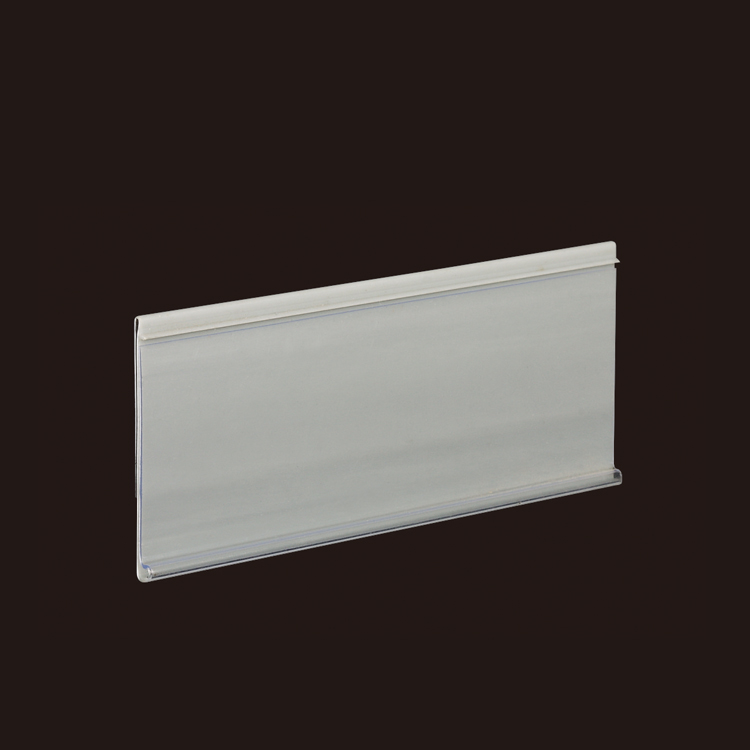
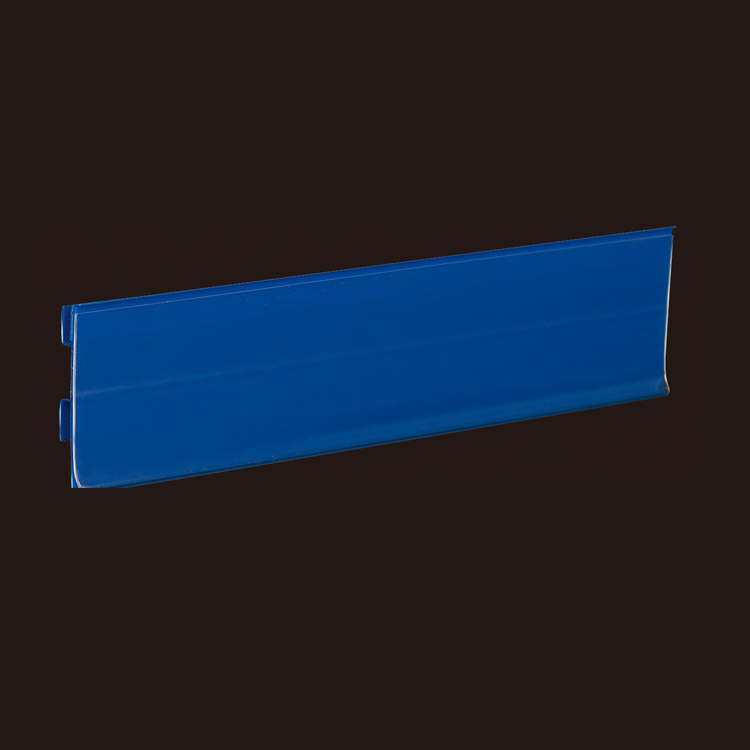
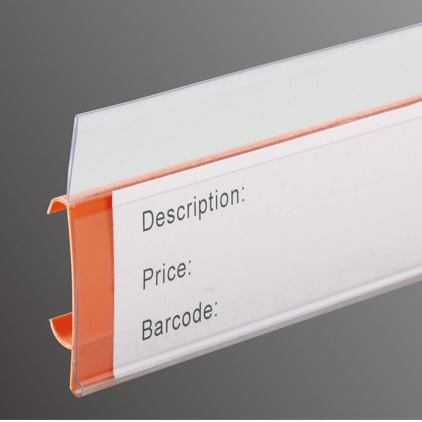
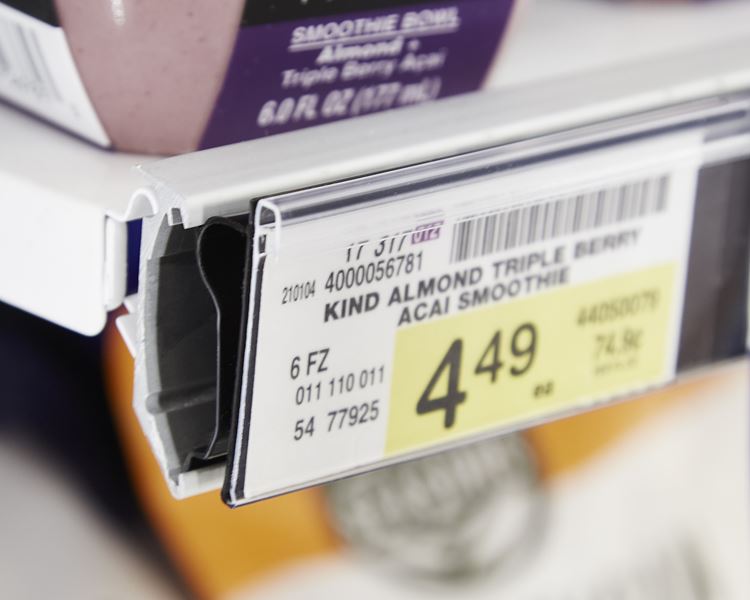
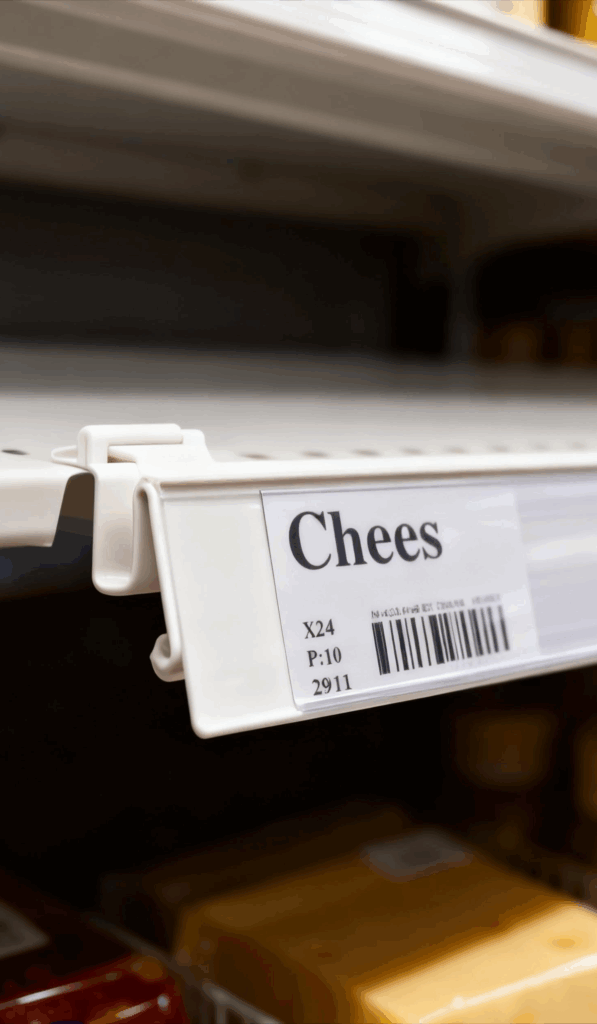
Data Strips are a clever way to display product information in your store and warehouse. You can stick them on shelves to hold price tags, barcodes, or product details.
- Some labels have adhesive backing, allowing for tool-free application.
- Made of durable plastic, these labels last even in high-traffic areas.
- The transparent panel ensures clear visibility.
- You can choose labels suitable for metal, wooden, or wire mesh shelves.
- Data strips are available in various sizes.
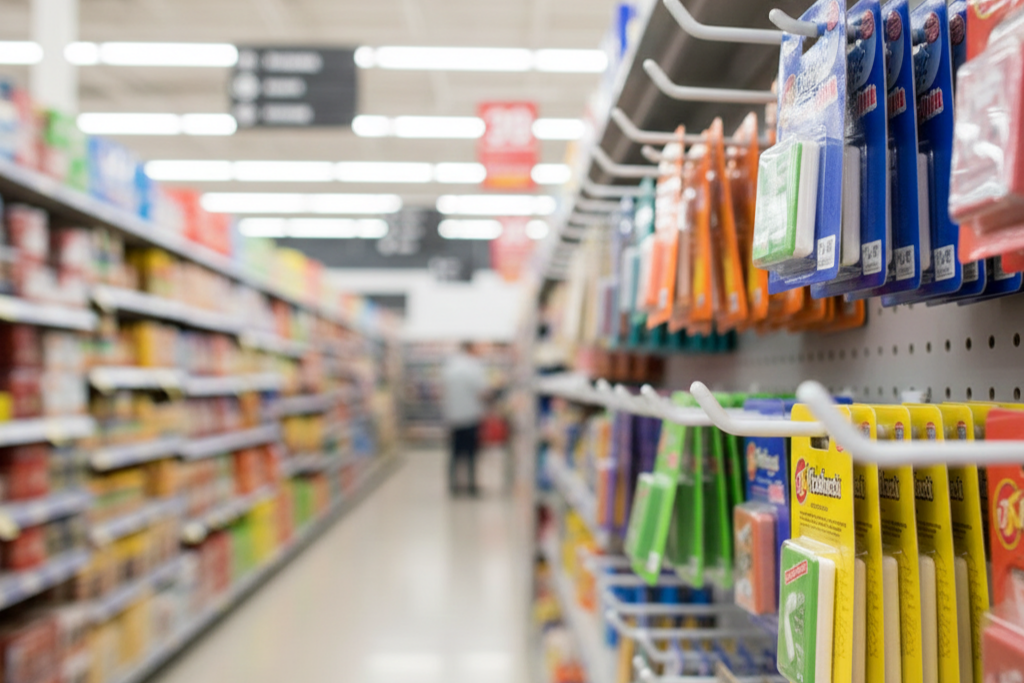
Data strips are very useful in supermarkets, warehouses, and stores. They keep shelves tidy and allow you to easily update product information.
Different Types of Label Tags
You can choose from several different ways to attach labels to shelves. Each label helps you keep shelves tidy and clearly display prices. These labels also help customers find the items they need. Understanding the types of labels will help you choose the right labels for your store.
Clip-On Label Tag
Clip-on labels can be clipped onto shelf edges or wire mesh shelves. These labels require no glue or tape; they are easily attached and removed with a simple clip. This keeps shelves clean and avoids leaving sticky residue. Clip-on labels are reusable. This is especially useful for stores that frequently change merchandise displays.
Tip: Clip-on labels are ideal for short-selling or high-turnover situations.
Magnetic Label Tag
Magnetic tags attach to metal shelves using magnets. You can move them around freely. They adhere firmly even in cold or busy environments.
| Advantage | Description |
|---|---|
| Reusability | You can move and use magnetic tags again and again. |
| Flexibility | You can change where tags go when you get new items. |
| Durability | Magnetic tags last a long time, even in tough spots. |
| Cost-effectiveness | You save money because you do not need to buy new tags. |
| Clean application and removal | Magnetic tags do not leave any sticky stuff on shelves. |
You can use magnetic tags for things that move or change a lot in your store.
Self-Adhesive Label Tag
Self-adhesive tags adhere to a variety of surfaces and stay firmly in place. They won’t fall off even with frequent touching. They won’t be damaged by water or scratches. You can print barcodes, QR codes, or use vibrant colors on the tags.
| Benefit/Application | Description |
|---|---|
| Durability | These tags do not get damaged by water, scratches, or chemicals. |
| Versatility | You can add QR codes and barcodes for tracking and ads. |
| Operational Efficiency | You can print and change labels fast, which saves time and money. |
| Aesthetic Appeal | Bright colors and sharp pictures make products look nice. |
| Customization | You can make labels for sales, events, or special deals. |
Self-adhesive labels are suitable for products requiring clear and secure labeling.
Wire Shelf Label Tag
Wire shelf label tags help you sort products on wire shelves. You can show prices, dates, or names on these tags. This helps customers find things fast and helps you keep track of items.
Note: Wire shelf tags keep your store tidy and make it easier to restock.
Using different labels helps you display product information and prices and keep your store organized.
Plastic Tag Features & Uses
Durability & Material
You need durable labels that remain intact even in harsh environments. Therefore, choosing the right material is crucial. Specialty plastics are strong and durable, able to withstand harsh weather and chemical corrosion. These labels maintain good performance even in high-temperature or highly corrosive chemical environments. Ordinary plastics soften easily at high temperatures or crack easily in sunlight. Metal labels are more expensive, but have a longer lifespan in harsh environments.
| Material Type | Durability Features | Comparison to Other Materials |
|---|---|---|
| Specialty Plastics | High strength, weather resistance, chemical stability, heat resistance, tear resistance | Superior durability compared to paper tags |
| Traditional Plastics | Softens under heat, may degrade under UV or aggressive solvents | Less durable than specialty plastics |
| Metal Tags | Higher upfront cost, long-term durability, can be more cost-effective in the long run | More expensive but often more durable than plastic |
Tip: Specialty plastics and phenolic plastic tags do better with heat and chemicals than regular plastics.
Customization Options
You can customize your own plastic labels. Custom labels allow you to freely choose the required size, color, and shape. You can add your logo or brand colors to help people remember your store. Custom labels can also help customers find employees and enhance your store’s image. Use custom labels to improve your business image and make your operations more efficient.
- Add your brand logo and colors.
- Choose the shape and size to suit your needs.
- Use custom labels to display employee titles or special offers.
Common Applications
Plastic labels are very useful in many workplaces and places. You can use them to track items, manage inventory, and mark goods awaiting shipment. These labels remain legible even in inclement weather or in high-traffic areas.
| Application Type | Description |
|---|---|
| In-Process Tracking | Used for tracking materials during processing and shipping. |
| Inventory Management | Helps in managing inventory with durable identification. |
| Shipping Labels | Provides strong labeling for products during shipping. |
| Weather Resistance | Durable inks and adhesives ensure identification remains intact in harsh conditions. |
You see engraved plastic tags in factories and warehouses. Custom tags are good for branding and special needs. Plastic tag choices give you options for almost any job.
Plastic Tag vs. Metal Tag
Key Differences
Before choosing labels, you need to understand the key differences between plastic and metal labels. Each type of label is suitable for specific locations and jobs. The table below compares them:
| Material | Durability Characteristics |
|---|---|
| Plastic Tags | Suitable for indoor use, affordable, but prone to damage and fading in sunlight. |
| Metal Tags | More durable, can withstand extreme conditions, and less likely to be damaged. |
Plastic labels are suitable for most indoor jobs. They are cheaper and easier to use. You can customize labels in various shapes, colors, and sizes. Metal labels have a longer lifespan and are better suited for high-intensity work. They are suitable for high-temperature, chemical, or abrasion-prone environments.
Tip: If you need labels that can last for years, even outdoors or in factory environments, metal labels are the best choice.
Plastic labels are easily scratched, dented, or even melted in high-temperature environments. Sunlight exposure can cause them to fade, making them unsuitable for prolonged outdoor use. While lettered plastic labels can remain clearly legible, metal labels are still the best choice for the most demanding environments.
When to Use Plastic Tags
If you want a simple, cost-effective labeling option, plastic labels are ideal. They are non-conductive, making them safe to use in areas with electricity. You can use them for panels, shelves, or product labeling in your store. Plastic labels are also great for custom applications, such as adding your logo or creating special shapes.
- Plastic labels are suitable for indoor labeling, office use, or retail displays.
- If you need a large quantity of labels and want to save costs, plastic labels are ideal.
- If you need custom colors, shapes, or frequently change labels, plastic labels are also a good choice.
- They are perfect for labeling in stores, warehouses, and schools.
If you need to use labels in humid, hot, or rough environments, metal labels may be more suitable. Before using them, always consider the environment in which the label will be used and its expected lifespan. Custom labels offer more options, but the right material is key to the label’s best performance.
You can choose from a variety of labels for your store or warehouse. These include plastic labels, metal labels, custom labels, and laser-engraved labels. Each type of label has its own advantages. Custom plastic labels give you freedom of choice in size, color, and shape. The table below lists how each feature can help you:
| Feature | Benefit |
|---|---|
| Durability | Lasts in tough environments |
| Mounting Methods | Fits many shelf types |
| Environmental Resistance | Works indoors and outdoors |
Data bars help you keep shelves tidy and quickly update product information. Appropriate labels help you improve efficiency and customer satisfaction.
- Plastic labels help you save time and reduce errors.
- Custom labels make your displays more unique.
FAQ
What are the advantages of plastic labels over paper labels?
Plastic labels are more durable than paper labels. They can be used where paper labels tear easily or get damp. Plastic labels are sturdy and durable, and the writing is clear.
Can I write on plastic labels with a marker?
Yes, many plastic labels can be written on with markers. Some labels work better with special pens. Always test the marker before use.
How do I clean plastic labels?
You can wipe plastic labels with a damp cloth. For stubborn stains, use mild soapy water. Avoid using harsh chemicals to keep the labels looking new.
Can I customize plastic labels for your business?
You can choose the desired size, color, and shape. You can also add your logo or special text. Customized labels help your business stand out.
Tip: Customized labels make it easier for customers to find the products they need.